
The History of Neurofeedback: From Origins to Modern Mental Wellness


Welcome to Mind Care Guide, a safe space dedicated to understanding and nurturing your mental well-being.
Feeling overwhelmed by the complexities of mental health? You're not alone. Dive into our latest article, "The History of Neurofeedback," where we explore the fascinating journey of this innovative technique and uncover the surprising neurofeedback benefits it offers for various mental health issues. Discover how this approach, rooted in neuroscience, is transforming lives and offering hope for a brighter, healthier future. Intrigued? Keep reading to learn more and unlock the potential within your own mind.
- Introduction: Understanding Neurofeedback's Role in Mental Wellness
- The Early Days: Discovering Brainwave Activity
- The Birth of Neurofeedback: Shaping Brainwaves
- Neurofeedback in the Mid-20th Century: Clinical Applications
- The Rise and Fall (and Rise Again) of Neurofeedback
- Neurofeedback for ADHD: A Significant Application
- Modern Neurofeedback: Technological Advancements and Expanded Applications
- Neurofeedback for Mental Health: Contemporary Research
- The Future of Neurofeedback: Personalized Mental Healthcare
- Conclusion: Neurofeedback's Enduring Legacy
-
Frequently Asked Questions
- How does neurofeedback work to improve mental health?
- What mental health issues can neurofeedback potentially address?
- Is neurofeedback a replacement for traditional mental health treatments?
- How long does it typically take to see results from neurofeedback therapy?
- What are the potential benefits of neurofeedback compared to other mental health interventions?
- Final Reflection: Neurofeedback's Evolving Promise for Mental Wellness
- Unlock Your Brain's Potential: Take Charge of Your Mental Wellness
Introduction: Understanding Neurofeedback's Role in Mental Wellness
Neurofeedback for Mental Health: A Historical Overview
Neurofeedback, also known as EEG biofeedback, is a non-invasive therapeutic technique that trains individuals to alter their brainwave activity. Its core principle rests on the idea that by receiving real-time information about their brain's electrical patterns, people can learn to regulate these patterns, potentially improving cognitive function and emotional states. This approach has evolved significantly since its inception, moving from rudimentary laboratory experiments to sophisticated clinical applications widely recognized for their potential to address various mental health challenges.
The journey of neurofeedback is a compelling narrative of scientific discovery, technological advancement, and clinical perseverance. Initially rooted in basic neuroscience research on brainwave activity, it blossomed into a unique form of biofeedback. Over decades, practitioners and researchers have refined the techniques, leading to more precise and effective protocols. Understanding this history is crucial to appreciating the current landscape of neurofeedback and how it benefits mental health issues across diverse populations and conditions.
Exploring Neurofeedback's Past for a Better Future
Delving into the history of neurofeedback provides valuable context for its current applications and future potential. Each stage of its development, from the initial discovery of brainwaves to the modern integration of advanced imaging techniques, has contributed to our understanding of the brain's remarkable plasticity and its capacity for self-regulation. This historical perspective highlights the foundational research that paved the way for neurofeedback to become a recognized modality in the field of mental wellness.
Examining the successes and setbacks throughout neurofeedback's past offers insights into its efficacy and limitations. Early research, though foundational, sometimes lacked rigorous methodology by today's standards. However, subsequent studies, particularly in recent decades, have employed more robust designs, providing stronger evidence for how neurofeedback benefits mental health issues such as ADHD, anxiety, and depression. This continuous evolution, driven by both scientific inquiry and clinical experience, underscores the dynamic nature of neurofeedback as a therapeutic tool.
The Early Days: Discovering Brainwave Activity
Hans Berger and the Discovery of the Human EEG (Electroencephalogram)
The story of neurofeedback fundamentally begins with the pioneering work of German psychiatrist Hans Berger in the late 1920s and early 1930s. Berger, driven by a fascination with the connection between the brain and consciousness, developed the electroencephalogram (EEG), a device capable of measuring the electrical activity of the brain from the scalp.
Despite initial skepticism from the scientific community, Berger meticulously documented his findings, revealing distinct patterns of electrical oscillations, which he termed "brainwaves." His discovery of the alpha wave rhythm (around 8-13 Hz), particularly prominent when a person is relaxed with their eyes closed, was a monumental step, providing the first objective evidence of ongoing electrical activity in the living human brain.
Berger's groundbreaking invention and observations laid the essential groundwork for all subsequent brainwave research, including neurofeedback. He demonstrated that the brain's electrical activity was not random but followed identifiable patterns that changed depending on a person's state (e.g., awake, asleep, relaxed, thinking). This fundamental understanding that brain states correlate with specific electrical signatures is the bedrock upon which the entire field of neurofeedback is built. Without Berger's initial courage and scientific rigor in developing the EEG, the concept of training individuals to modify these patterns would have remained purely theoretical.
Early Experiments Linking Brainwaves to Mental States
Following Berger's discovery, researchers began exploring the potential links between observed brainwave patterns and different mental or behavioral states. Initial experiments were largely observational, correlating dominant frequencies (like alpha, beta, theta, and delta) with varying levels of arousal, attention, and consciousness. For instance, higher beta activity (typically 13-30 Hz) was often associated with active thought and alertness, while theta activity (4-8 Hz) was linked to states of drowsiness or deep relaxation. These early correlations were rudimentary but significant, suggesting that brainwave profiles might be indicators of underlying psychological or neurological conditions.
While these experiments didn't yet involve training brainwaves, they established the critical principle that specific mental states have measurable electrical signatures. This observational phase was vital for building the foundational knowledge base. Researchers started to hypothesize that if certain brainwave patterns were associated with undesirable states (like excessive theta in conditions involving inattention) or desirable ones (like alpha for relaxation), perhaps it would be possible to influence these patterns. This early understanding of brainwave-behavior correlations was the conceptual precursor to the active training approach that defines neurofeedback.
The Birth of Neurofeedback: Shaping Brainwaves
Joe Kamiya's Pioneering Work on Alpha Wave Training
The pivotal moment generally credited with the birth of neurofeedback occurred in the 1960s through the work of psychologist Joe Kamiya at the University of Chicago. Kamiya conducted experiments investigating whether individuals could gain conscious control over their internal physiological states, specifically their brainwaves. Using early EEG technology, he provided participants with auditory feedback (like a tone) whenever they produced alpha waves. The participants were simply instructed to make the tone come on more often, without being told how to do it.
Kamiya's results were remarkable for their time. He demonstrated that, with practice and feedback, individuals could indeed learn to increase or decrease their alpha wave production. Some participants reported feeling states of relaxation or altered consciousness when increasing their alpha activity, validating the subjective experience linked to this brainwave state. This groundbreaking work was the first clear demonstration that brainwave activity could be voluntarily modulated through operant conditioning, proving the core feasibility of neurofeedback as a brain training method.
The Development of Operant Conditioning for Brainwaves
Building on Kamiya's success, researchers began applying the principles of operant conditioning more broadly to other brainwave frequencies and different training goals. Operant conditioning, a learning process where behavior is shaped by consequences, was adapted to brainwave training by using the desired brainwave state as the "behavior" to be reinforced. When the participant's EEG showed the desired pattern (e.g., increasing alpha, decreasing theta), they received positive feedback, typically in the form of a visual display, an auditory tone, or even a simple score.
This development was crucial because it formalized the training process. Instead of just observing correlations, individuals were actively guided to produce specific brainwave patterns. Researchers started developing protocols targeting different frequencies believed to be relevant to various states – for instance, training to increase beta waves for focus or decrease theta waves for reduced distractibility. This application of operant conditioning principles transformed the passive observation of brainwaves into an active, goal-oriented training system, directly leading to the therapeutic applications where neurofeedback benefits mental health issues.
Neurofeedback in the Mid-20th Century: Clinical Applications
Early Applications of Neurofeedback for Epilepsy
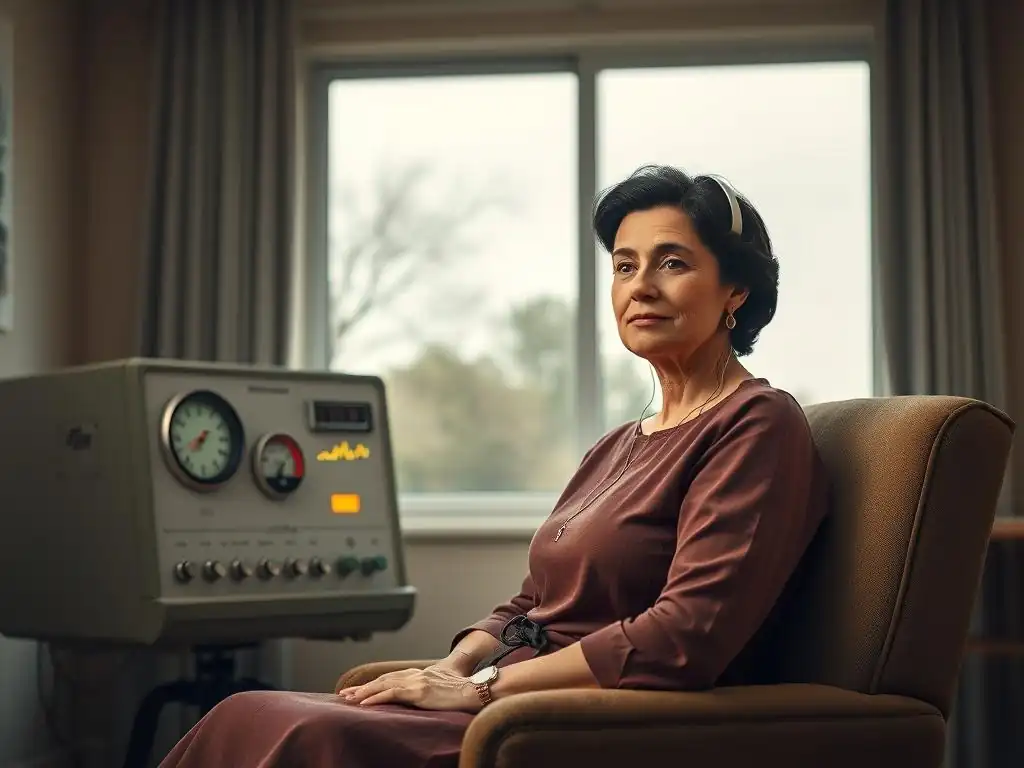
One of the earliest and most significant clinical applications of neurofeedback emerged in the treatment of epilepsy. Building on the work of researchers like Barry Sterman, who studied brainwave patterns in cats and later humans related to seizure activity, clinicians began exploring neurofeedback as a way to help patients control their seizures. The focus was often on training the Sensorimotor Rhythm (SMR), a brainwave frequency around 12-15 Hz, which Sterman's research suggested was linked to reduced seizure susceptibility.
In these early clinical trials, patients with epilepsy received feedback when they increased SMR activity over the sensorimotor cortex. While the technology was rudimentary compared to modern systems, some patients showed a reduction in seizure frequency and intensity after undergoing SMR training. This pioneering work provided compelling evidence that neurofeedback could have a tangible impact on a neurological condition, demonstrating its potential therapeutic value beyond simple relaxation or state alteration. These early successes were vital in establishing neurofeedback as a potentially viable clinical tool.
The Case of Barry Sterman and NASA's Research on Seizure Thresholds
Barry Sterman's research in the 1960s and 70s provided one of the most compelling early demonstrations of neurofeedback's potential clinical relevance. His work initially involved training cats to increase their SMR activity. He then discovered, almost serendipitously, that cats trained this way were significantly more resistant to seizures induced by exposure to monomethylhydrazine, a component in rocket fuel. This finding caught the attention of NASA, which was concerned about the potential neurotoxic effects of this fuel on astronauts.
NASA commissioned Sterman to investigate if this protective effect could be replicated in humans using SMR neurofeedback training. Sterman's studies with human participants, including individuals with epilepsy, further supported the idea that increasing SMR activity could raise the seizure threshold. This collaboration between basic neuroscience research, early neurofeedback techniques, and a high-profile organization like NASA lent significant credibility to the field at a critical juncture. Sterman's work remains a cornerstone example cited in the history of neurofeedback, illustrating its potential to modify brain function for clinical benefit and highlighting how neurofeedback benefits mental health issues rooted in neurological dysregulation.
The Rise and Fall (and Rise Again) of Neurofeedback
Initial Enthusiasm and Subsequent Skepticism
Following the promising early results from researchers like Kamiya and Sterman, neurofeedback experienced a period of significant enthusiasm in the 1970s and early 1980s. Clinicians began exploring its application for a wider range of conditions, including hyperactivity (what is now largely termed ADHD) and anxiety. Early case studies and small-scale clinical trials reported positive outcomes, fueling optimism about this novel brain training approach. Many practitioners saw it as a potentially powerful tool for self-regulation.
However, this initial wave of enthusiasm was followed by a period of skepticism and decline. The technology was still relatively basic, protocols were often inconsistent, and the theoretical understanding of how neurofeedback worked was limited. Many early studies lacked rigorous control groups or proper blinding, making it difficult to definitively attribute improvements solely to neurofeedback. As a result, the scientific community became more cautious, and neurofeedback was sometimes relegated to the fringes of mainstream clinical practice, viewed by some as experimental or lacking sufficient evidence.
Technological Advancements and Renewed Interest
The tide began to turn again in the late 20th and early 21st centuries, largely thanks to significant advancements in technology and computing power. Modern EEG equipment became more sophisticated, affordable, and easier to use. Software allowed for more precise measurement of brainwave frequencies, complex signal processing, and the development of more dynamic and engaging feedback interfaces (like video games controlled by brain activity). This technological leap enabled more refined training protocols targeting specific brain regions and networks.
Simultaneously, increased funding for neuroscience research led to a deeper understanding of brain function, neural networks, and conditions like ADHD, anxiety, and depression at a physiological level. This scientific progress provided a stronger theoretical basis for why neurofeedback might be effective. Researchers could design more targeted studies with larger sample sizes and more rigorous methodologies. This convergence of technological advancement and scientific understanding fueled a renewed interest in neurofeedback, leading to a resurgence in research and clinical application and providing more robust evidence for how neurofeedback benefits mental health issues today.
Neurofeedback for ADHD: A Significant Application
The Use of Neurofeedback to Improve Attention and Focus
One of the areas where neurofeedback has gained significant traction and research support is in the treatment of Attention-Deficit/Hyperactivity Disorder (ADHD). Based on observations that individuals with ADHD often exhibit different brainwave patterns compared to their peers – commonly, higher theta activity and lower beta activity, particularly in frontal brain regions – early neurofeedback protocols aimed to normalize these patterns. The typical training involves rewarding the brain for decreasing slow-wave activity (theta) and/or increasing fast-wave activity (beta or SMR), depending on the specific protocol and the individual's QEEG profile.
The goal of this training is to help individuals with ADHD improve their ability to regulate their arousal and attention levels. By learning to produce brainwave patterns associated with focused, calm states, they can potentially enhance their capacity to concentrate, reduce distractibility, and manage impulsive behaviors. This targeted approach to brain training offers an alternative or complementary strategy to traditional treatments like stimulant medication, providing a non-pharmacological option for managing core ADHD symptoms.
Research Supporting Neurofeedback for ADHD
Numerous studies have investigated the efficacy of neurofeedback for ADHD over the past few decades. While early research had methodological limitations, more recent randomized controlled trials and meta-analyses have provided stronger evidence. For instance, a meta-analysis published in the Journal of Child Psychology and Psychiatry in 2014, often cited in the field, concluded that neurofeedback for ADHD met the criteria for a "Level 1" efficacy rating for inattention and impulsivity symptoms, comparable to behavioral therapy.
While some debate exists regarding the specificity of neurofeedback effects versus non-specific treatment factors, the cumulative body of research suggests that many individuals with ADHD experience significant improvements in attention, focus, and executive functions following neurofeedback training. These studies contribute substantially to the understanding of how neurofeedback benefits mental health issues characterized by dysregulation of attention and impulse control, making it a recognized option for many seeking help with ADHD.
Modern Neurofeedback: Technological Advancements and Expanded Applications
Quantitative EEG (qEEG) and Personalized Protocols
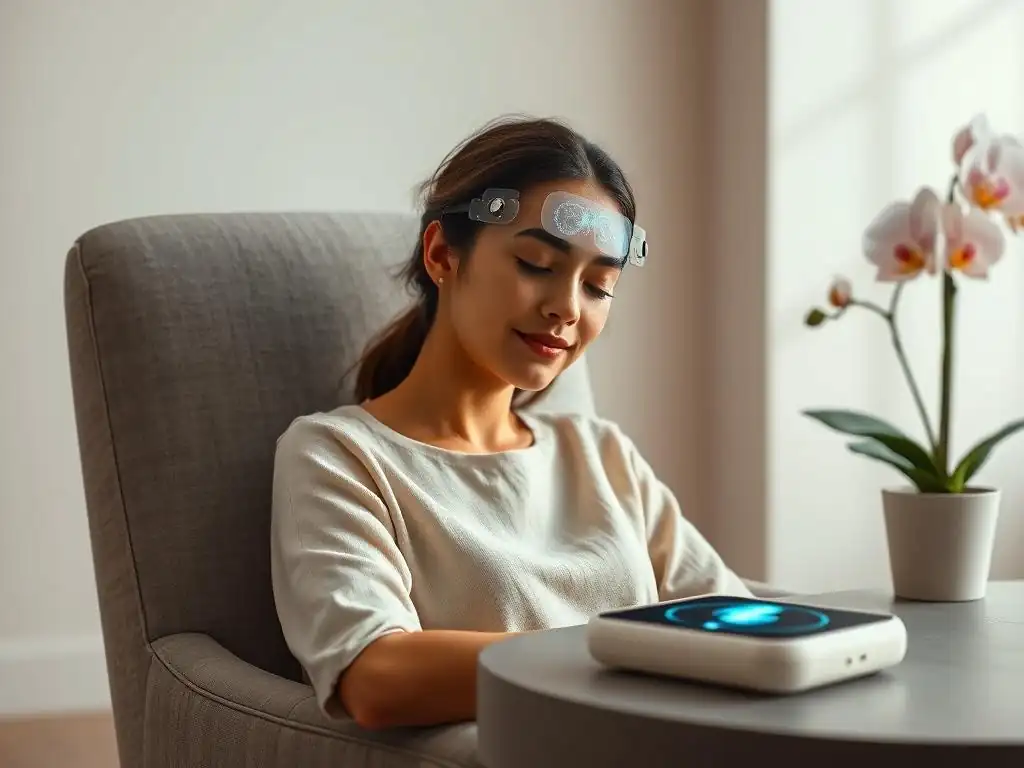
A major advancement in modern neurofeedback practice is the widespread use of Quantitative EEG (qEEG), often referred to as "brain mapping." qEEG involves recording EEG data from multiple sites on the scalp and then using sophisticated software to analyze these signals. This analysis compares the individual's brainwave patterns (power, coherence, phase, etc.) to a normative database of individuals of the same age. The resulting "brain map" provides a detailed picture of areas where the individual's brain activity deviates significantly from the norm.
qEEG analysis allows clinicians to develop highly personalized neurofeedback protocols. Instead of using a generic approach, the training can be tailored to target the specific areas and brainwave frequencies that appear dysregulated based on the qEEG findings and the individual's symptoms. This precision in assessment and protocol design is believed to enhance the effectiveness of neurofeedback, moving it towards a more individualized form of brain training and improving how neurofeedback benefits mental health issues by addressing their unique neural correlates.
Real-Time fMRI Neurofeedback: A Cutting-Edge Approach
Pushing the boundaries of neurofeedback technology is real-time functional Magnetic Resonance Imaging (rt-fMRI) neurofeedback. Unlike traditional EEG neurofeedback, which measures electrical activity, fMRI measures brain activity by detecting changes in blood flow. Rt-fMRI neurofeedback allows individuals to see the activity level of specific, deep brain structures or networks in real-time while they are inside an fMRI scanner.
This cutting-edge technique offers the potential to train areas of the brain that are not easily accessible or distinguishable with scalp EEG, such as the amygdala (involved in fear and anxiety) or specific regions within the prefrontal cortex involved in complex cognitive functions. While still largely a research tool and much more expensive and less accessible than EEG neurofeedback, rt-fMRI neurofeedback represents a significant leap in our ability to target and train specific brain circuits implicated in various mental health conditions, further expanding the potential ways neurofeedback benefits mental health issues.
Neurofeedback for Mental Health: Contemporary Research
Neurofeedback for Anxiety Disorders: Evidence and Efficacy
Anxiety disorders are another significant area where neurofeedback is being explored and applied. Research suggests that individuals with anxiety often exhibit specific patterns of brain activity, such as excessive high-beta activity (sometimes called "high-frequency beta" or "fidgety beta") in certain cortical areas, or dysregulation in the balance between different brainwave frequencies. Neurofeedback protocols for anxiety often focus on training individuals to reduce excessive fast-wave activity and/or increase slower, calming frequencies like alpha or SMR, particularly in areas like the frontal or parietal lobes.
Studies investigating neurofeedback for anxiety have shown promising results. For example, research published in journals like Applied Psychophysiology and Biofeedback has reported reductions in self-reported anxiety levels and physiological markers of stress following neurofeedback training. While the evidence base is still growing and more large-scale, controlled trials are needed, the existing data supports the idea that neurofeedback offers a valuable non-pharmacological approach for helping individuals manage the symptoms of generalized anxiety disorder, panic disorder, and social anxiety, illustrating how neurofeedback benefits mental health issues related to excessive worry and fear.
Neurofeedback for Depression: Exploring Brainwave Patterns and Treatment
Neurofeedback is also being investigated as a potential treatment for depression. Research has identified various atypical brainwave patterns associated with major depressive disorder, including asymmetries in frontal alpha activity (often less alpha activity in the left frontal lobe compared to the right) and altered ratios of theta and beta activity. Neurofeedback protocols for depression frequently target these specific patterns, aiming to restore a more balanced and typical profile.
Training might involve encouraging increased activity in brain areas associated with positive affect or executive function, or decreasing activity in areas linked to rumination or negative mood. While perhaps not as extensively studied for depression as for ADHD or anxiety, emerging research provides support for its use. A review in Frontiers in Psychiatry highlighted studies suggesting that neurofeedback, particularly protocols targeting frontal alpha asymmetry or theta/beta ratios, can lead to significant reductions in depressive symptoms. This research contributes to the understanding of how neurofeedback benefits mental health issues like depression by directly addressing underlying patterns of neural dysregulation.
Neurofeedback for Trauma and PTSD: Calming the Anxious Brain
Post-Traumatic Stress Disorder (PTSD) and trauma-related conditions often involve chronic states of hyperarousal, anxiety, and difficulty regulating emotions. Brain imaging and EEG studies of individuals with PTSD frequently show dysregulation in areas like the amygdala (involved in threat processing), the prefrontal cortex (involved in regulation), and altered connectivity within brain networks. Neurofeedback offers a way to directly train the brain towards a more regulated state.
Protocols for trauma and PTSD often focus on calming excessive arousal (reducing high beta), increasing stability (training SMR), and sometimes targeting specific regions like the anterior cingulate cortex or insula identified as dysregulated via qEEG. The goal is to help the individual learn to reduce hypervigilance, decrease reactivity to triggers, and improve their ability to feel safe and regulated. Clinical reports and preliminary studies suggest that neurofeedback can be an effective component in the treatment of PTSD, helping to alleviate symptoms such as flashbacks, nightmares, and hyperarousal, demonstrating another way neurofeedback benefits mental health issues stemming from traumatic experiences.
Neurofeedback for Sleep Disorders: Restoring Healthy Sleep Cycles
Sleep disorders, such as insomnia, are often intertwined with mental health conditions and can be exacerbated by or contribute to anxiety, depression, and stress. Disruptions in sleep architecture are reflected in brainwave patterns. For example, individuals with insomnia may have difficulty producing the slower brainwaves associated with deep, restorative sleep. Neurofeedback offers a non-pharmacological approach to improving sleep by training the brain towards healthier sleep-wake patterns.
Common neurofeedback protocols for insomnia involve training the brain to produce more SMR (12-15 Hz) over the sensorimotor cortex, as increased SMR activity has been associated with improved sleep onset and maintenance. Other protocols might target reducing high-frequency activity that keeps the mind racing at night. Studies have shown that SMR neurofeedback can lead to significant improvements in sleep quality, sleep duration, and reductions in sleep latency (the time it takes to fall asleep) in individuals with insomnia. This application highlights how neurofeedback benefits mental health issues indirectly by addressing a common comorbidity that impacts overall well-being.
The Future of Neurofeedback: Personalized Mental Healthcare
Integrating Neurofeedback with Other Therapies
The future of neurofeedback is likely to involve greater integration with other established therapeutic modalities. Rather than viewing neurofeedback as a standalone cure, clinicians are increasingly recognizing its potential as a powerful adjunctive tool. Combining neurofeedback with therapy approaches like Cognitive Behavioral Therapy (CBT), Eye Movement Desensitization and Reprocessing (EMDR), or mindfulness-based practices can potentially enhance treatment outcomes.
For example, neurofeedback could help regulate the physiological hyperarousal that makes processing trauma difficult in EMDR, or improve the attentional control needed for mindfulness practices. This integrated approach leverages the unique strengths of each modality – neurofeedback to address the underlying neural dysregulation, and psychotherapy to address cognitive patterns, emotional processing, and behavioral skills. This holistic view promises a more comprehensive and effective approach to how neurofeedback benefits mental health issues within a broader treatment plan.
The Potential of Neurofeedback for Preventing Mental Health Issues
Beyond treating existing conditions, there is growing interest in the potential of neurofeedback for prevention and optimization of mental wellness. By identifying suboptimal brainwave patterns early, perhaps through qEEG assessments, it might be possible to intervene with neurofeedback training before symptoms of a mental health issue fully manifest. This proactive approach could be particularly relevant for individuals with a family history of certain conditions or those experiencing early, subclinical signs of dysregulation.
Furthermore, neurofeedback is being explored for enhancing peak performance and resilience in healthy individuals – improving focus in students, reducing stress in high-pressure professions, or boosting creativity. While this area is less focused on clinical "issues," it demonstrates the broader potential of brain training to optimize brain function, which could indirectly contribute to preventing the onset of certain mental health challenges by building greater neural flexibility and resilience.
Neurofeedback at Home: Accessibility and Affordability
A significant trend shaping the future of neurofeedback is the development of more accessible and affordable home-based systems. Historically, neurofeedback required expensive equipment and trained clinicians, limiting access for many. Advances in technology, including simpler EEG headsets and user-friendly software often incorporating engaging game-like interfaces, are making it possible for individuals to conduct neurofeedback training sessions in their own homes.
While clinical supervision is still highly recommended, especially for treating complex conditions, home-based systems offer the potential to increase the frequency of training sessions, reduce costs, and make neurofeedback more widely available to those who could benefit. As technology continues to improve and research validates the efficacy of supervised home training, this increased accessibility could dramatically expand the reach of neurofeedback and allow more people to experience how neurofeedback benefits mental health issues without the barrier of needing daily or weekly clinic visits.
Conclusion: Neurofeedback's Enduring Legacy
Reflecting on the History and Future of Neurofeedback
The history of neurofeedback is a testament to scientific curiosity and the persistent quest to understand and influence the human brain. From Hans Berger's initial discovery of brainwaves through Joe Kamiya's pioneering training experiments and Barry Sterman's clinical applications, the field has steadily built upon foundational insights. Despite periods of skepticism, technological advancements and rigorous research have propelled neurofeedback back into the forefront of discussions about mental health treatment.
Looking back, it's clear that each stage of development has contributed vital pieces to the puzzle. Looking forward, the future holds exciting possibilities for greater personalization, integration with other therapies, and increased accessibility. The journey highlights the brain's incredible capacity for change and the potential of targeted training to foster improved well-being.
Neurofeedback and Brain Training
At its core, neurofeedback is a sophisticated form of brain training. It empowers individuals by providing them with a mirror to their own brain activity and the tools to learn self-regulation. By targeting specific brainwave patterns associated with various mental health challenges, neurofeedback offers a non-invasive path towards greater neurological stability and improved function.
The growing body of evidence demonstrating how neurofeedback benefits mental health issues like ADHD, anxiety, depression, and trauma underscores its value as a therapeutic option. As research continues to refine protocols and technology makes training more precise and accessible, neurofeedback is poised to play an increasingly important role in the landscape of personalized mental healthcare, helping individuals achieve better control over their brain states and, consequently, their overall well-being.
Frequently Asked Questions
How does neurofeedback work to improve mental health?
Neurofeedback uses real-time brainwave monitoring to provide feedback, helping individuals learn to self-regulate their brain activity. This process can lead to improvements in focus, mood, and overall mental well-being.
What mental health issues can neurofeedback potentially address?
Neurofeedback shows promise in addressing conditions like ADHD, anxiety, depression, and even PTSD. It aims to train the brain to function in a more balanced and healthy way.
Is neurofeedback a replacement for traditional mental health treatments?
Neurofeedback is generally considered a complementary therapy, not a replacement. It can be used alongside traditional treatments like therapy and medication for a more holistic approach.
How long does it typically take to see results from neurofeedback therapy?
The timeframe for seeing results varies, but many individuals report noticing improvements after 10-20 sessions. Consistency and individual brain responses are key factors.
What are the potential benefits of neurofeedback compared to other mental health interventions?
Neurofeedback offers the potential for long-lasting changes by training the brain directly. It is also a non-invasive and medication-free option for those seeking alternative approaches.
Final Reflection: Neurofeedback's Evolving Promise for Mental Wellness
The journey of neurofeedback, from its humble beginnings in EEG research to its current application in diverse mental health contexts, underscores its potential as a powerful tool for enhancing brain function and well-being. Its ability to offer a non-pharmacological approach to managing conditions like ADHD, anxiety, and depression is particularly relevant today, in a world increasingly seeking holistic and personalized solutions for mental health challenges.
The impact of neurofeedback extends beyond individual treatment; it's reshaping our understanding of the brain's plasticity and our capacity for self-regulation. Its growing acceptance within the medical and therapeutic communities signals a shift towards a more nuanced and holistic approach to mental healthcare. The brain is not a machine to be fixed, but a garden to be cultivated.
This quote perfectly encapsulates the empowering nature of neurofeedback, which focuses on strengthening the brain's inherent ability to heal and adapt, rather than simply suppressing symptoms.
Consider the implications of this evolving technology. You, the reader, now possess a deeper understanding of neurofeedback's potential to improve your own mental well-being. Will you explore the possibility of harnessing your brain's power to achieve greater mental clarity, emotional resilience, and overall wellness? Research further, consult with a qualified practitioner, and embark on a journey of self-discovery that empowers you to take control of your mental health narrative. The future of mental wellness may well lie in understanding and optimizing the incredible capabilities of your own brain.
Unlock Your Brain's Potential: Take Charge of Your Mental Wellness
Thanks for exploring the fascinating history of neurofeedback with us! You’ve now gained a valuable understanding of this powerful tool for mental wellness. Ready to take the next step?
- Find a qualified neurofeedback practitioner near you: This is the most impactful step you can take to begin your personal journey towards improved mental well-being. Research different practitioners and their approaches.
- Share this article with someone you think could benefit: Neurofeedback can positively impact so many, and spreading the word helps others discover this transformative technology.
- Explore online resources and support communities: Dive deeper into neurofeedback techniques and connect with others on a similar path.
What specific aspect of neurofeedback most excites you, and why do you think it could benefit you or someone you know?