
Neurofeedback for Anxiety: Find Your Calm Through Brain Training

Welcome to Mind Care Guide, a space dedicated to nurturing your mental well-being.
Feeling overwhelmed by anxiety? You're not alone. We understand the challenges anxiety presents, and we're here to offer guidance and support. In this article, we delve into the fascinating world of Neurofeedback and explore how it can potentially reduce anxiety symptoms by training your brain to find its natural calm. Curious to learn how this innovative approach works and if it's right for you? Let's begin your journey to a more peaceful mind.
Neurofeedback for Anxiety: Find Your Calm Through Brain Training
- Understanding Anxiety and the Brain
- What is Neurofeedback and How Does it Work?
- Neurofeedback for Anxiety: Reducing Anxiety Symptoms
- Neurofeedback vs. Traditional Anxiety Treatments
- Types of Neurofeedback Protocols for Anxiety
- The Neurofeedback Process: What to Expect
- Finding a Qualified Neurofeedback Practitioner for Anxiety
- Potential Side Effects and Risks of Neurofeedback
- Neurofeedback for Specific Anxiety Disorders
- Success Stories: Neurofeedback for Anxiety in Real Life
- The Future of Neurofeedback for Anxiety and Mental Health
- Neurofeedback for Anxiety: Is It Right for You?
-
Frequently Asked Questions
- What is Neurofeedback, and how does it relate to anxiety?
- How does Neurofeedback specifically help reduce anxiety symptoms?
- Is Neurofeedback a long-term solution for anxiety, or just a temporary fix?
- What are the potential side effects of Neurofeedback treatment for anxiety?
- How do I find a qualified Neurofeedback practitioner to help with my anxiety?
- Final Reflection: Reclaiming Your Calm: The Power of Neurofeedback
- Unlock Your Inner Calm: Start Your Neurofeedback Journey Today!
Understanding Anxiety and the Brain
Anxiety Disorders: A Growing Concern for Mental Wellbeing
Anxiety disorders represent a significant public health challenge, impacting millions worldwide. Conditions such as Generalized Anxiety Disorder (GAD), Panic Disorder, Social Anxiety Disorder (SAD), and specific phobias are characterized by excessive worry, fear, and physical symptoms that can severely disrupt daily life. The World Health Organization (WHO) estimated that in 2019, over 301 million people were living with an anxiety disorder, highlighting the pervasive nature of these conditions. These disorders often co-occur with other mental health issues, including depression, further compounding the burden on individuals and healthcare systems.
The impact of anxiety extends beyond emotional distress; it can manifest physically through symptoms like rapid heartbeat, sweating, trembling, and gastrointestinal issues. Chronic anxiety can also contribute to the development of other health problems over time. Finding effective strategies to manage and reduce anxiety symptoms is crucial for improving quality of life and overall mental and physical health. Traditional treatments like therapy and medication are common, but many individuals seek alternative or complementary approaches, leading to interest in methods like neurofeedback to reduce anxiety symptoms.
The Neurobiology of Anxiety: What Happens in the Brain?
At its core, anxiety involves dysregulation in specific brain circuits responsible for processing fear and emotion. Key areas implicated include the amygdala, which is the brain's "fear center"; the prefrontal cortex (PFC), responsible for executive functions and regulating emotional responses; and the hippocampus, involved in memory and contextualizing threats. In individuals with anxiety, the amygdala can become hyperactive, leading to an exaggerated response to perceived threats, while the PFC may show reduced activity, impairing its ability to dampen this fear response.
Furthermore, imbalances in neurotransmitters like serotonin, norepinephrine, and GABA (gamma-aminobutyric acid) play a significant role in the manifestation of anxiety symptoms. Brainwave patterns, measured by electroencephalography (EEG), also show characteristic signatures associated with anxiety. For instance, some research suggests individuals with anxiety may exhibit excessive high-beta activity (fast brainwaves associated with rumination and worry) or insufficient alpha activity (slower brainwaves linked to calm and relaxation) in certain brain regions. Understanding these neurobiological underpinnings is key to appreciating how neurofeedback aims to address anxiety by targeting these specific brain activities.
Neurofeedback operates on the principle of operant conditioning, teaching the brain to regulate its own activity. By measuring brainwave patterns in real-time, typically via an EEG, neurofeedback provides immediate feedback to the individual about their brain's state. This feedback, often presented as a video game, sounds, or visual display, encourages the brain to shift towards more desired patterns associated with calmness and reduced anxiety. For example, if the goal is to increase alpha waves (associated with relaxation), the feedback might only progress or be rewarding when the brain produces more alpha activity.
The specific brain regions and brainwave frequencies targeted in neurofeedback for anxiety are chosen based on an individual's initial brain map (QEEG) and their specific anxiety symptoms. Protocols might focus on reducing excessive high-beta activity in frontal areas often linked to worry, increasing alpha or theta activity in posterior regions to promote relaxation, or enhancing SMR (Sensorimotor Rhythm) in central areas to improve focus and reduce restlessness. By training these specific patterns, neurofeedback aims to help the brain become more flexible and less stuck in anxious states, thereby working to neurofeedback reduce anxiety symptoms effectively over time.
What is Neurofeedback and How Does it Work?
Neurofeedback: A Definition for Anxiety Relief
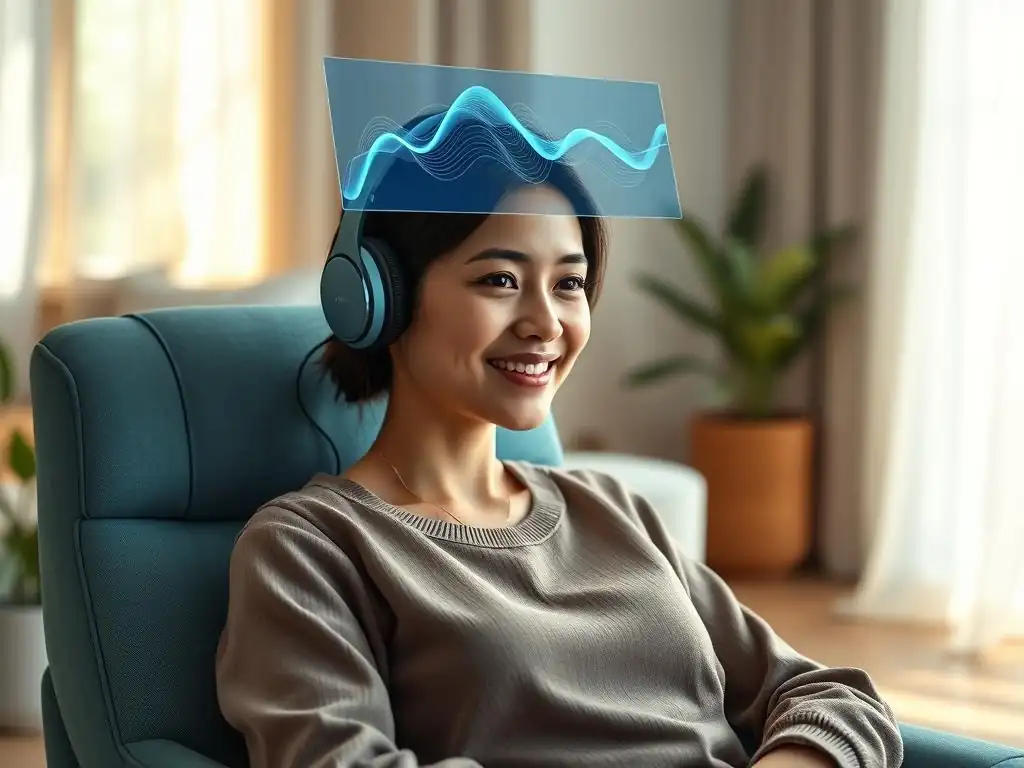
Neurofeedback, also known as EEG biofeedback, is a non-invasive form of biofeedback that measures brainwave activity and provides real-time feedback to the individual. The goal is to teach self-regulation of brain function. When applied to anxiety, neurofeedback aims to help individuals gain voluntary control over specific brainwave patterns that are often dysregulated in anxious states. It's essentially a form of brain training that empowers the individual to learn how to produce more desirable brain activity associated with calm, focus, and emotional stability.
Unlike medications that introduce external substances to influence brain chemistry, neurofeedback guides the brain to change its own electrical activity through a learning process. The individual is an active participant, learning to modify their brain's state based on the feedback they receive. This learned self-regulation is intended to lead to lasting changes in brain function, offering a potential pathway to reduce anxiety symptoms and improve overall mental well-being without relying on ongoing medication.
The Science Behind Neurofeedback: Brainwaves and Training
The human brain produces electrical activity in the form of brainwaves, which are categorized by frequency. Different states of consciousness are associated with dominant brainwave patterns: Delta (0.5-4 Hz) is prominent in deep sleep, Theta (4-8 Hz) is linked to drowsiness, meditation, and creativity, Alpha (8-12 Hz) is associated with relaxed wakefulness, Beta (12-30 Hz) is related to active thinking and concentration, and Gamma (30+ Hz) is involved in complex cognitive functions. Anxiety is often correlated with specific imbalances in these frequencies, such as excessive Beta (especially high Beta) in frontal areas or deficient Alpha/Theta in posterior areas.
Neurofeedback training utilizes these brainwave patterns. Sensors (electrodes) are placed on the scalp to detect electrical activity in specific brain regions. This activity is amplified and processed by specialized software, which translates the raw EEG data into understandable feedback signals.
For example, if the goal is to increase Alpha waves, the software might be configured so that a video game character moves forward only when the brain is producing sufficient Alpha. The individual learns, through trial and error and the immediate feedback, how to consciously or unconsciously influence their brain activity to achieve the desired outcome (e.g., make the game character move). Over multiple sessions, this conditioning is believed to facilitate lasting changes in brain function, helping the brain to naturally maintain healthier patterns and neurofeedback reduce anxiety symptoms.
Neurofeedback Equipment and Technology Explained
The core equipment for neurofeedback includes an electroencephalograph (EEG) device, sensors (electrodes), conductive paste or gel, and specialized software running on a computer. The EEG device is a sensitive amplifier that detects the tiny electrical signals generated by the brain through the scalp. These signals are then transmitted to the computer. The sensors are typically small metal discs attached to specific points on the head using paste or a cap, ensuring good electrical contact. The placement of these sensors is crucial and is often guided by the 10-20 system, a standardized method for electrode placement in EEG.
The software is the brain of the operation, processing the raw EEG data in real-time. It filters the signals to isolate specific brainwave frequencies (Delta, Theta, Alpha, Beta, etc.) and compares the individual's current brain activity to target parameters set by the practitioner.
Based on this comparison, the software provides instant feedback to the user. This feedback can take many forms – visual (like a changing image, a graph, or a video game), auditory (tones, music volume changes), or even tactile (vibration). This technology allows the practitioner to precisely monitor the brain's response and the client to learn self-regulation, making it possible for neurofeedback reduce anxiety symptoms by training specific patterns.
Neurofeedback for Anxiety: Reducing Anxiety Symptoms
Can Neurofeedback Really Reduce Anxiety? Exploring the Evidence
Numerous studies and clinical reports suggest that neurofeedback can be an effective tool for reducing anxiety symptoms. While the field is still evolving and requires more large-scale, controlled trials, existing research provides promising evidence. For instance, a meta-analysis published in Clinical EEG and Neuroscience reviewing multiple studies on neurofeedback for anxiety and depression found a significant reduction in symptoms for participants receiving neurofeedback compared to control groups. Another study focused specifically on generalized anxiety disorder (GAD) reported that participants undergoing Alpha-Theta neurofeedback showed significant decreases in worry and anxiety levels.
Clinical practice also supports these findings. Many practitioners report substantial improvement in clients with various anxiety presentations after a course of neurofeedback training. While results can vary depending on the individual, the severity of symptoms, and the specific protocols used, the cumulative evidence indicates that neurofeedback offers a viable, non-pharmacological approach that can help neurofeedback reduce anxiety symptoms for many individuals. It works by addressing the underlying brain dysregulation associated with anxiety, offering a different pathway to symptom relief compared to traditional talk therapy or medication.
Benefits of Neurofeedback for Anxiety Management
One of the primary benefits of neurofeedback for anxiety is its non-invasive nature. It does not involve medication and typically has very few, if any, side effects, which are usually mild and temporary. Unlike medications, which often manage symptoms but don't necessarily correct the underlying brain patterns, neurofeedback aims to teach the brain to self-regulate, potentially leading to more sustainable changes. Many individuals appreciate this active role in their treatment, empowering them to learn skills that can help manage anxiety long after training concludes.
Furthermore, neurofeedback can be highly personalized. Based on an initial brain assessment (QEEG), the practitioner can tailor the specific brainwave frequencies and locations targeted during training to the individual's unique patterns and symptoms. This personalized approach may enhance effectiveness compared to one-size-fits-all treatments. For individuals who have not responded well to traditional therapies or wish to explore alternatives without systemic side effects, neurofeedback offers a promising option to reduce anxiety symptoms.
Long-Term Anxiety Relief with Neurofeedback Training
A key advantage often cited for neurofeedback is the potential for long-lasting results. Because neurofeedback is a learning process – teaching the brain to operate in a more regulated state – the changes achieved are often sustained after the training sessions are completed. While booster sessions may occasionally be helpful for some individuals, many report continued improvement or maintenance of gains months and even years after their initial course of treatment. This contrasts with treatments like medication, where symptom management is typically contingent on continuous use.
The brain's neuroplasticity, its ability to change and adapt, is the basis for these long-term effects. Through consistent training, the brain develops new, healthier neural pathways and patterns of activity. This learned self-regulation becomes a new default mode for the brain, reducing the likelihood of slipping back into old, anxious patterns. While individual outcomes vary, the potential for lasting neurofeedback reduce anxiety symptoms makes it an appealing option for those seeking enduring relief.
Neurofeedback vs. Traditional Anxiety Treatments
Neurofeedback Compared to Medication for Anxiety
Medication, such as selective serotonin reuptake inhibitors (SSRIs) or benzodiazepines, is a common treatment for anxiety disorders. Medications work by altering brain chemistry, typically by affecting neurotransmitter levels. They can be highly effective in managing acute symptoms and reducing the severity of anxiety for many people. However, medications often come with potential side effects, which can range from mild (e.g., nausea, fatigue) to more significant (e.g., weight gain, sexual dysfunction, dependence). They also require continuous use for symptom management, and stopping medication often leads to the return of anxiety symptoms.
Neurofeedback, in contrast, does not involve introducing any substances into the body. It works by training the brain to self-regulate its electrical activity. While results may take longer to achieve compared to the relatively rapid effects of some medications, neurofeedback aims for a more fundamental change in brain function. It does not have the systemic side effects associated with medication, nor does it carry the risk of dependence. For individuals seeking alternatives to medication or those who experience intolerable side effects, neurofeedback offers a different therapeutic pathway to help neurofeedback reduce anxiety symptoms.
Neurofeedback vs. Cognitive Behavioral Therapy (CBT) for Anxiety
Cognitive Behavioral Therapy (CBT) is a highly effective and evidence-based psychotherapy for anxiety disorders. CBT focuses on identifying and challenging negative thought patterns (cognitions) and changing maladaptive behaviors that contribute to anxiety. It teaches coping skills and strategies for managing anxiety-provoking situations. CBT requires active participation, homework, and consistent effort to apply learned techniques in daily life.
Neurofeedback, while also requiring active participation during sessions, works directly with brain activity rather than primarily focusing on thoughts and behaviors. It addresses the physiological underpinnings of anxiety. While CBT helps individuals change how they think and act in response to anxiety, neurofeedback aims to change how the brain functions to reduce the propensity for anxiety in the first place.
Both therapies have strong evidence bases and can be effective. The choice between them, or using them in combination, often depends on individual preference, the nature of the anxiety, and how the individual responds to different therapeutic modalities. Some find that addressing the brain's electrical patterns directly with neurofeedback helps make the cognitive and behavioral shifts taught in CBT easier to implement, thus enhancing the overall ability to reduce anxiety symptoms.
Combining Neurofeedback with Other Anxiety Therapies
Neurofeedback is not necessarily a standalone treatment and can often be effectively combined with other therapeutic approaches to enhance overall outcomes for anxiety. Many individuals undergoing neurofeedback also benefit from concurrent psychotherapy, such as CBT, Dialectical Behavior Therapy (DBT), or psychodynamic therapy. Therapy can provide valuable tools for managing stressors, processing underlying emotional issues, and developing coping strategies, while neurofeedback helps create a more stable physiological foundation by training brain self-regulation.
Combining neurofeedback with mindfulness or meditation practices can also be synergistic. Neurofeedback can help train the brain towards states conducive to mindfulness (like increased Alpha or Theta activity), potentially making it easier for individuals to engage in and benefit from these practices. Similarly, integrating lifestyle changes like regular exercise, healthy diet, and sufficient sleep alongside neurofeedback training can further support brain health and contribute to reducing anxiety symptoms. An integrative approach, tailored to the individual's needs, often yields the most comprehensive and lasting relief.
Types of Neurofeedback Protocols for Anxiety
Alpha-Theta Neurofeedback for Anxiety: Promoting Relaxation
Alpha-Theta neurofeedback is a specific protocol often used for conditions involving stress, anxiety, trauma, and substance abuse. This protocol typically involves placing electrodes over the posterior parts of the scalp (e.g., occipital and parietal lobes), areas associated with visual processing and internal states. The training focuses on increasing the amplitude of Alpha waves (8-12 Hz) and Theta waves (4-8 Hz), particularly in a ratio where Theta amplitude exceeds Alpha during certain parts of the training. This state is often described as a hypnagogic or twilight state, similar to the transition between wakefulness and sleep, or deep meditation.
In the context of anxiety, Alpha-Theta training aims to facilitate deep relaxation and access to subconscious material, which can be helpful in processing traumatic memories or underlying emotional contributors to anxiety. It is thought to help quiet the "thinking mind" (often associated with Beta activity) and promote a state of calm and openness. By encouraging the brain to spend more time in these slower, relaxed states, this protocol can help individuals learn to access and maintain feelings of tranquility, thereby working to neurofeedback reduce anxiety symptoms rooted in hyperarousal and rumination.
SMR Neurofeedback for Anxiety: Enhancing Focus and Calm
Sensorimotor Rhythm (SMR) neurofeedback is another common protocol used for anxiety, as well as conditions like ADHD and sleep disorders. SMR is a brainwave frequency band typically between 12-15 Hz, falling within the low-Beta range. It is generated over the sensorimotor cortex and is associated with focused attention, calm stillness, and improved motor control. Training SMR often involves placing electrodes over central areas of the scalp.
For anxiety, SMR training aims to increase this specific frequency band while often inhibiting lower frequencies like Theta and higher frequencies like high-Beta. Increasing SMR is thought to help individuals feel more grounded, centered, and calmly focused. This can be particularly beneficial for anxiety characterized by restlessness, fidgeting, and difficulty concentrating due to worry. By promoting a state of calm focus, SMR neurofeedback helps the brain regulate arousal levels, contributing to the overall goal to neurofeedback reduce anxiety symptoms associated with hypervigilance and motor tension.
Beta Neurofeedback for Anxiety: Reducing Overthinking and Worry
While high-Beta activity (typically above 20 Hz) is often associated with anxiety, rumination, and stress, training lower Beta frequencies can be beneficial. Low-Beta (around 15-20 Hz) is associated with alert focus and concentration. Depending on the specific anxiety presentation and the individual's QEEG profile, a neurofeedback protocol might involve either inhibiting excessive high-Beta activity or increasing appropriate levels of low-Beta activity.
In cases where anxiety is characterized by excessive worry, rumination, and an inability to quiet a racing mind, inhibiting high-Beta activity, often in frontal regions, can be a primary goal. This helps to dampen the neural circuits associated with overthinking. Conversely, if anxiety manifests as difficulty concentrating or feeling spaced out, increasing low-Beta might be appropriate to enhance alert focus without inducing hyperarousal. Tailoring Beta protocols allows practitioners to target the specific cognitive and physiological manifestations of anxiety, further refining the ability to neurofeedback reduce anxiety symptoms.
The Neurofeedback Process: What to Expect
Initial Assessment and Brain Mapping for Anxiety Treatment
The first step in pursuing neurofeedback for anxiety is typically a comprehensive initial assessment. This involves gathering detailed information about the individual's medical history, psychological symptoms, lifestyle, and treatment goals. A crucial component of this assessment is often a Quantitative Electroencephalogram (QEEG), also known as brain mapping. During a QEEG, a cap with multiple electrodes is placed on the scalp to record electrical activity from many different brain regions simultaneously. This recording captures brainwave patterns (Delta, Theta, Alpha, Beta, Gamma) under various conditions, such as eyes open and eyes closed.
The QEEG data is then processed by specialized software and compared to a normative database of healthy brains. This comparison helps identify areas and frequencies where the individual's brain activity deviates significantly from the norm, highlighting specific patterns of dysregulation that may be contributing to their anxiety symptoms. The results of the QEEG, combined with the clinical history, inform the practitioner's decision on which specific neurofeedback protocols (e.g., Alpha-Theta, SMR, specific Beta training) and electrode placements will be most appropriate for that individual to help neurofeedback reduce anxiety symptoms.
Neurofeedback Training Sessions: A Step-by-Step Guide
Neurofeedback training sessions are typically scheduled regularly, often 1-3 times per week. A typical session lasts between 30 to 60 minutes. At the start of a session, the practitioner will place electrodes on the client's scalp according to the chosen protocol and electrode placements determined during the assessment. Once the electrodes are securely in place and the system is calibrated, the training begins.
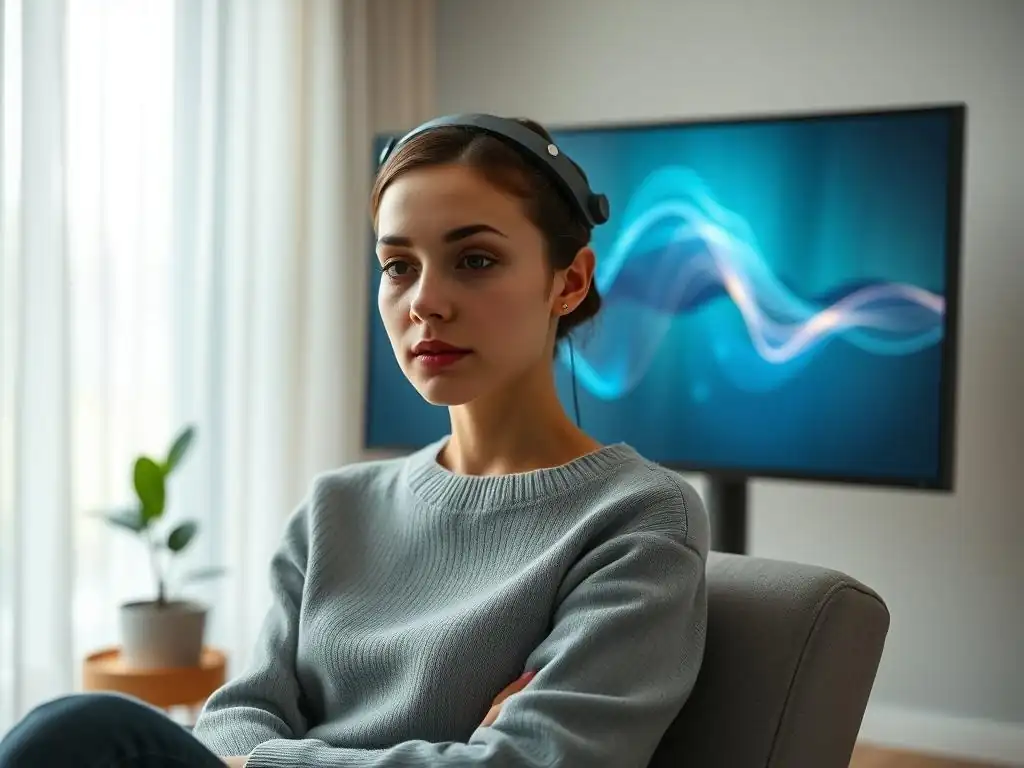
The client sits comfortably while their brainwave activity is monitored in real-time. They receive feedback through a computer screen (watching a video, playing a simple game, or observing an animation) and/or auditory cues (tones, music). The feedback is designed to be rewarding when the brain produces the desired brainwave pattern and non-rewarding or negative when it produces undesired patterns.
For instance, if the goal is to increase Alpha waves, a video might play smoothly only when the brain is producing sufficient Alpha. The client doesn't consciously "try" to change their brainwaves but rather learns implicitly through the feedback mechanism. Over multiple sessions, the brain gradually learns to self-regulate and produce more of the desired patterns, which helps neurofeedback reduce anxiety symptoms.
Monitoring Progress and Adjusting the Neurofeedback Protocol
Progress in neurofeedback is monitored throughout the course of treatment. This is done in several ways. Subjective reports from the client are crucial – noticing changes in the frequency, intensity, and duration of anxiety symptoms, improvements in sleep, focus, or emotional regulation. The practitioner also monitors objective data collected by the neurofeedback software during each session, observing trends in the targeted brainwave frequencies and amplitudes.
Periodically, often after a block of sessions (e.g., 10 or 20 sessions), a follow-up QEEG may be conducted to objectively assess changes in brainwave patterns compared to the baseline QEEG. This provides data on whether the training is achieving the desired physiological changes. Based on both the client's subjective experience, the session data, and any follow-up QEEGs, the practitioner may adjust the neurofeedback protocols, target frequencies, or electrode placements to optimize the training and continue progress towards helping neurofeedback reduce anxiety symptoms effectively. The treatment plan is dynamic and tailored to the individual's response.
Finding a Qualified Neurofeedback Practitioner for Anxiety
What to Look for in a Neurofeedback Therapist
Finding a qualified and experienced neurofeedback practitioner is essential for effective treatment. Look for professionals who are licensed mental health clinicians (e.g., psychologists, counselors, social workers) or other healthcare providers (e.g., physicians, nurses) who have received specialized training and certification in neurofeedback. Certification bodies such as the Biofeedback Certification International Alliance (BCIA) offer rigorous training and examination standards. A BCIA certification demonstrates that the practitioner has met specific knowledge requirements in areas like psychophysiology, brain anatomy, EEG, and neurofeedback principles.
Beyond certification, consider their experience specifically with treating anxiety disorders using neurofeedback. Ask about their approach, the types of protocols they commonly use for anxiety, and what their typical treatment duration and success rates are (understanding that individual results vary). A good practitioner should be able to clearly explain the process, the rationale behind the chosen protocols, and how they plan to help neurofeedback reduce anxiety symptoms based on your assessment.
Questions to Ask Your Neurofeedback Provider
When consulting with a potential neurofeedback practitioner, come prepared with questions. These might include:
- What is your professional background and licensure?
- Are you certified in neurofeedback, and by which organization (e.g., BCIA)?
- How long have you been practicing neurofeedback, and what is your experience specifically with anxiety disorders?
- Do you use QEEG brain mapping as part of your assessment process?
- What specific neurofeedback protocols do you typically use for anxiety, and why?
- What is the expected duration and frequency of sessions?
- What are the potential benefits and risks of neurofeedback for my specific type of anxiety?
- How do you monitor progress during the treatment?
- How does neurofeedback integrate with or differ from other treatments I might be considering (like therapy or medication)?
- What is the cost per session and the estimated total cost of treatment?
Asking these questions will help you gauge the practitioner's expertise, understand their approach, and determine if they are a good fit for your needs in seeking neurofeedback to reduce anxiety symptoms.
Verifying Credentials and Experience of a Neurofeedback Practitioner
It is prudent to verify the credentials and experience of any healthcare professional you consider working with. For neurofeedback practitioners, this involves confirming their professional license with their respective state or national licensing board (e.g., psychology board, medical board). You can typically search online databases provided by these boards.
If the practitioner claims BCIA certification, you can verify their certification status on the BCIA website. Additionally, look for professional affiliations with relevant organizations, such as the Association for Applied Psychophysiology and Biofeedback (AAPB) or the International Society for Neuroregulation & Research (ISNR). While membership in these organizations doesn't replace certification, it indicates engagement with the professional community and ongoing education.
Don't hesitate to ask for references or testimonials, although be mindful of privacy regulations regarding client information. Taking these steps helps ensure you are receiving care from a competent professional dedicated to helping neurofeedback reduce anxiety symptoms safely and effectively.
Potential Side Effects and Risks of Neurofeedback
Understanding the Possible Side Effects of Neurofeedback
Neurofeedback is generally considered safe and non-invasive, with side effects being rare, mild, and temporary. The most commonly reported side effects are temporary and might include fatigue, headache, or feeling slightly lightheaded or "wired" immediately after a session. These sensations usually subside within a few hours. Sometimes, adjusting the protocol or the duration of the session can mitigate these effects.
Less frequently, individuals might experience temporary increases in anxiety or irritability. This can sometimes happen as the brain begins to shift out of old, entrenched patterns. A skilled practitioner monitors for these reactions and can adjust the training parameters accordingly. It's important to communicate openly with your practitioner about any sensations or changes you experience during or after sessions, as they can help determine if it's a normal part of the process or if an adjustment is needed to ensure the training is comfortable and effective in helping neurofeedback reduce anxiety symptoms.
Contraindications for Neurofeedback Treatment
While neurofeedback is safe for most people, there are certain situations or conditions where it might be contraindicated or require special precautions. For example, individuals with a history of seizures or epilepsy should inform their practitioner, as certain brainwave frequencies or stimulation methods used in some neurofeedback protocols could potentially trigger seizures. While neurofeedback can sometimes be used as part of a treatment plan for seizure disorders under strict medical supervision, it's a complex application.
Severe psychiatric conditions, such as active psychosis or severe bipolar disorder with manic episodes, might also require caution or stabilization before initiating neurofeedback. While neurofeedback can be a valuable adjunctive therapy for many mental health conditions, it's not a substitute for appropriate medical or psychiatric care, especially in acute or severe cases. A thorough medical and psychological assessment by a qualified professional is necessary to determine if neurofeedback is appropriate and safe for your specific situation and to help neurofeedback reduce anxiety symptoms effectively without exacerbating other conditions.
Strategies for Minimizing Discomfort During Neurofeedback
Practitioners employ several strategies to minimize potential discomfort or adverse effects during neurofeedback sessions. First and foremost is a thorough initial assessment and QEEG to develop a protocol specifically tailored to the individual's brain patterns and sensitivities. Starting with shorter sessions or less intensive protocols can also help the individual adjust to the training.
During the session, the practitioner continuously monitors the client's response, both through the data displayed on the software and by checking in verbally. If a client reports feeling uncomfortable or experiencing adverse sensations, the practitioner can pause the session, adjust the feedback thresholds, modify the protocol, or end the session early. Ensuring the client is comfortable, hydrated, and has eaten prior to the session can also help. Open communication with your practitioner is key; they rely on your feedback to fine-tune the training and ensure it is a positive and comfortable experience aimed at helping neurofeedback reduce anxiety symptoms.
Neurofeedback for Specific Anxiety Disorders
Neurofeedback for Generalized Anxiety Disorder (GAD)
Generalized Anxiety Disorder (GAD) is characterized by persistent, excessive worry about various everyday issues. Individuals with GAD often report feeling restless, fatigued, having difficulty concentrating, being irritable, experiencing muscle tension, and having sleep problems. Neurofeedback protocols for GAD often target brain regions and frequencies associated with excessive rumination and hyperarousal. This might involve training to decrease high-Beta activity in frontal areas (linked to worry) and/or increase Alpha or SMR activity to promote relaxation and calm focus.
Studies and clinical observations suggest that neurofeedback can be beneficial for GAD. By helping the brain regulate the patterns associated with excessive worry and physiological tension, individuals may find it easier to quiet their minds, feel less restless, and manage daily stressors more effectively. The goal is to help the brain become less reactive and more resilient, providing a physiological foundation that complements other therapeutic approaches and helps neurofeedback reduce anxiety symptoms specific to GAD.
Neurofeedback for Panic Disorder and Panic Attacks
Panic Disorder involves recurrent, unexpected panic attacks, which are sudden surges of intense fear or discomfort accompanied by physical symptoms like palpitations, sweating, trembling, shortness of breath, chest pain, and a feeling of losing control or impending doom. Neurofeedback for panic disorder often focuses on regulating brain activity in areas like the amygdala and related limbic structures, which are hyperactive during panic attacks. Protocols might target calming frequencies (like Alpha or Theta) or train specific coherence patterns between brain regions.
By training the brain to maintain a more regulated state, neurofeedback can help reduce the frequency and intensity of panic attacks. Individuals may learn to interrupt the escalation of physiological symptoms that lead to a full-blown panic attack. While medication is often used to manage panic disorder, neurofeedback offers a non-pharmacological option that aims to address the underlying neural dysregulation, empowering individuals to gain more control over their physiological responses and helping neurofeedback reduce anxiety symptoms manifested as panic.
Social Anxiety Disorder (SAD), or social phobia, is characterized by intense fear of social situations where the individual might be scrutinized, judged, or humiliated. This fear often leads to avoidance of social interactions and significant distress. Neurofeedback for SAD may target brain areas involved in social cognition, emotional regulation, and the processing of social cues, such as the prefrontal cortex and amygdala. Protocols might aim to decrease excessive Beta activity (associated with self-consciousness and fear of judgment) and increase Alpha or SMR (to promote calm presence and focus).
By helping to regulate the brain circuits involved in fear and self-perception in social contexts, neurofeedback can potentially make social situations feel less threatening. This physiological shift can make it easier for individuals to engage in exposure therapy or social skills training, which are often part of a comprehensive treatment plan for SAD. Addressing the brain's heightened reactivity can significantly help neurofeedback reduce anxiety symptoms that impede social functioning.
Neurofeedback for Post-Traumatic Stress Disorder (PTSD) and Anxiety
Post-Traumatic Stress Disorder (PTSD) can manifest with significant anxiety symptoms, including hypervigilance, exaggerated startle response, irritability, and difficulty concentrating, in addition to re-experiencing the trauma. Neurofeedback protocols for PTSD often utilize Alpha-Theta training, which is thought to facilitate the processing of traumatic memories in a safe, relaxed state. Other protocols might target dysregulation in the amygdala-prefrontal cortex circuit, which is often imbalanced in PTSD, leading to heightened fear responses and impaired emotional regulation.
By helping the brain move towards a more regulated and less hyperaroused state, neurofeedback can reduce the intensity of flashbacks, nightmares, and the constant feeling of being on edge. It can also improve sleep and emotional regulation, which are often severely disrupted in PTSD. While trauma-focused therapy is crucial for processing the traumatic event, neurofeedback can provide a stable physiological foundation that makes therapeutic work more accessible and effective, significantly helping neurofeedback reduce anxiety symptoms associated with trauma.
Success Stories: Neurofeedback for Anxiety in Real Life
Consider the case of 'Sarah', a 30-year-old graphic designer who struggled with severe social anxiety, making networking events and even team meetings at work incredibly stressful. Her heart would race, she'd sweat profusely, and she'd often avoid opportunities for career advancement that required public speaking or significant interaction. After trying medication and CBT with limited success, she began neurofeedback training, focusing on reducing excessive Beta activity in frontal areas and increasing Alpha/SMR.
After approximately 25 sessions, Sarah reported a significant decrease in her physical anxiety symptoms in social situations. She found herself feeling more present and less caught up in self-critical thoughts. She started volunteering to speak up in meetings and even attended a large industry conference, something she would have previously deemed impossible. While still occasionally nervous, the intensity and frequency of her anxiety were dramatically reduced, allowing her to engage more freely and confidently, demonstrating how neurofeedback reduce anxiety symptoms and improve functional outcomes.
Neurofeedback Reduces Panic Attacks and Dependence on Medication
'Mark', a 45-year-old teacher, suffered from debilitating panic disorder for years, experiencing several panic attacks weekly, often without warning. He was taking a high dose of anti-anxiety medication, which helped somewhat but left him feeling fatigued and emotionally blunted. He decided to try neurofeedback as an adjunctive therapy, focusing on regulating activity in his limbic system and increasing calming Alpha waves.
Over the course of 30 sessions, Mark's panic attacks gradually decreased in frequency and intensity. He learned to recognize the early physiological signs of anxiety and found that his brain was less likely to escalate into a full panic response. With the support of his prescribing physician, he was able to slowly reduce his medication dosage. Six months after completing his neurofeedback training, he reported being panic-attack free for several weeks at a time and had significantly reduced his reliance on medication, illustrating neurofeedback's potential to neurofeedback reduce anxiety symptoms and medication dependency.
Neurofeedback Enhances Emotional Regulation in Veterans with PTSD
A common challenge for veterans with PTSD is difficulty with emotional regulation, leading to irritability, anger outbursts, and emotional numbness. 'David', a veteran who served overseas, experienced significant hypervigilance, sleep disturbances, and difficulty managing his anger, impacting his relationships and ability to hold a job. He participated in a neurofeedback program that utilized Alpha-Theta training to help process trauma and SMR training to improve calm focus.
Following 40 sessions, David reported sleeping through the night more consistently and feeling less constantly on edge. His family noticed a marked improvement in his ability to manage frustration and anger; he was less reactive and more able to communicate his feelings calmly. While still working through the impacts of his trauma in therapy, the neurofeedback significantly reduced his baseline anxiety and hyperarousal, making him more receptive to therapeutic interventions and improving his overall emotional stability. This case highlights how neurofeedback reduce anxiety symptoms and related emotional dysregulation in complex trauma cases.
The Future of Neurofeedback for Anxiety and Mental Health
Emerging Research on Neurofeedback and Anxiety
The field of neurofeedback is continuously evolving, with ongoing research exploring its efficacy, mechanisms of action, and optimal protocols for anxiety and other mental health conditions. Current research trends include utilizing fMRI-based neurofeedback (rtfMRI-NF), which allows individuals to train activity in deeper brain structures like the amygdala in real-time, offering even more targeted interventions. Studies are also investigating the use of machine learning and artificial intelligence to analyze QEEG data and personalize neurofeedback protocols with greater precision.
Furthermore, researchers are conducting more rigorous, randomized controlled trials to strengthen the evidence base and compare neurofeedback directly against established treatments. There is also growing interest in understanding which individual characteristics or QEEG patterns predict a better response to neurofeedback, allowing for more accurate patient selection. As technology advances and research deepens, the potential for neurofeedback to effectively neurofeedback reduce anxiety symptoms and treat a wider range of mental health challenges continues to grow.
The Role of Neurofeedback in Integrative Mental Healthcare
Neurofeedback is increasingly being recognized as a valuable component within an integrative model of mental healthcare. Rather than being seen as a standalone cure, it is viewed as a powerful tool that can complement other therapies and interventions. Mental health professionals are exploring how to best sequence and combine neurofeedback with psychotherapy (like CBT or trauma-focused therapy), medication management, mindfulness practices, and lifestyle interventions to create comprehensive, personalized treatment plans.
In this model, neurofeedback can help regulate the physiological and neurological underpinnings of anxiety, making it easier for individuals to engage in and benefit from talk therapy or develop new coping skills. It addresses the "bottom-up" regulation of brain states, while therapy addresses "top-down" cognitive and behavioral strategies. This integrated approach acknowledges the complex interplay between brain function, thoughts, emotions, and behaviors, offering a more holistic path to healing and sustainable reduction in anxiety symptoms.
Personalized Neurofeedback Protocols for Enhanced Anxiety Treatment
One of the strengths of neurofeedback is its potential for personalization, and future developments are likely to enhance this aspect further. Moving beyond standard protocols, future neurofeedback treatments for anxiety will likely rely more heavily on sophisticated QEEG analysis and potentially other neuroimaging data (like fMRI) to create highly individualized training plans. These plans will target the specific patterns of dysregulation unique to each individual's brain and their particular presentation of anxiety.
For example, instead of a general Alpha-Theta protocol, a future personalized protocol might focus on increasing Alpha coherence between specific brain regions or decreasing Beta asymmetry in areas identified as problematic for that individual through detailed brain mapping. This level of precision, guided by advanced analytics, holds the promise of significantly improving the efficacy and efficiency of neurofeedback training, leading to faster and more robust outcomes in helping neurofeedback reduce anxiety symptoms for a wider range of individuals.
Neurofeedback for Anxiety: Is It Right for You?
Assessing Anxiety Severity and Exploring Treatment Alternatives
Deciding whether neurofeedback is the right path for your anxiety involves careful consideration of your symptoms, their severity, and your experiences with past treatments. If you experience chronic or debilitating anxiety that significantly impacts your life – affecting your work, relationships, or daily activities – it's worth exploring various treatment options. Consider what you've tried before: have you had therapy? Have you tried medication? Were they effective? Did you experience side effects?
Neurofeedback can be a good option for those who prefer non-pharmacological approaches, have not responded well to traditional treatments, or are looking for a complementary therapy to enhance their current treatment plan. It's particularly appealing to those interested in a drug-free method that aims to create lasting changes in brain function. Understanding your own needs and preferences is the first step in determining if exploring neurofeedback to reduce anxiety symptoms aligns with your goals.
Consulting with a Mental Health Professional About Neurofeedback
Before starting neurofeedback, it is highly recommended to consult with a qualified mental health professional. This could be a psychologist, psychiatrist, counselor, or other licensed clinician who is knowledgeable about a range of anxiety treatments, including neurofeedback. They can help you accurately assess your anxiety symptoms, diagnose any underlying conditions, and discuss whether neurofeedback is a suitable option based on your individual circumstances, history, and goals.
A professional can also help you understand how neurofeedback fits into a broader treatment plan, whether it should be used alone or in combination with other therapies, and what realistic outcomes you might expect. They can also rule out any potential contraindications. This consultation is crucial for making an informed decision and ensuring that your approach to seeking neurofeedback to reduce anxiety symptoms is safe, appropriate, and part of a comprehensive care strategy.
Starting Your Neurofeedback Journey: What to Expect
If you decide to pursue neurofeedback for anxiety, the journey typically begins with the initial assessment and QEEG brain mapping, as described earlier. This assessment phase is vital for creating your personalized treatment plan. Following the assessment, you will begin regular training sessions, usually weekly or multiple times per week. Consistency is key for the brain to learn and adapt.
Expect the process to require patience and commitment. While some individuals notice subtle changes within the first few sessions, more significant and lasting improvements typically require 20-40 sessions, sometimes more, depending on the severity and complexity of the anxiety. Progress is often gradual.
You will work closely with your practitioner, providing feedback on your symptoms and experiences, while they monitor your brain's response and adjust the protocols as needed. Embarking on neurofeedback training is an active process of learning and self-regulation, offering a unique opportunity to train your brain to find calm and significantly neurofeedback reduce anxiety symptoms over time.
Frequently Asked Questions
What is Neurofeedback, and how does it relate to anxiety?
Neurofeedback is a type of biofeedback that trains your brain to function more optimally. It can potentially reduce anxiety symptoms by helping you regulate your brainwave activity and achieve a calmer state.
How does Neurofeedback specifically help reduce anxiety symptoms?
Neurofeedback helps by teaching the brain to self-regulate its activity. Through real-time feedback, individuals can learn to increase brainwave patterns associated with relaxation and decrease those linked to anxiety and stress.
Is Neurofeedback a long-term solution for anxiety, or just a temporary fix?
While results vary, Neurofeedback aims to provide long-term benefits by training the brain. This can lead to sustained improvements in anxiety management even after the sessions are completed.
What are the potential side effects of Neurofeedback treatment for anxiety?
Neurofeedback is generally considered safe, but some individuals may experience temporary side effects such as fatigue or headaches. These are usually mild and resolve quickly, and are much less severe than side effects associated with medication for anxiety.
How do I find a qualified Neurofeedback practitioner to help with my anxiety?
Look for a practitioner with certification from a reputable Neurofeedback organization. Ensure they have experience in treating anxiety and are willing to discuss their treatment approach and success rates with you.
Final Reflection: Reclaiming Your Calm: The Power of Neurofeedback
The escalating rates of anxiety disorders in our modern world demand innovative solutions, and neurofeedback offers a powerful, personalized approach to reclaiming inner peace. It's no longer a fringe technique; it's a burgeoning field with increasing evidence supporting its efficacy in reducing anxiety symptoms, offering a path towards lasting mental well-being that empowers individuals to take control of their brain health.
The journey of understanding and harnessing the brain's own capacity for self-regulation is profoundly impactful. Witnessing individuals transform their relationship with anxiety, moving from a place of constant worry to one of greater calm and self-awareness, is deeply moving. The mind is everything. What you think you become.
– Buddha. This ancient wisdom finds a modern echo in the empowering potential of neurofeedback, allowing us to actively shape our mental landscape. The shift from passive suffering to active participation in healing is a paradigm shift with far-reaching consequences for individual well-being and societal mental health.
Consider the possibilities. Imagine a future where anxiety is not a life sentence, but a challenge met with proactive, personalized solutions. You have the power to explore this path. Take the first step: research practitioners in your area, learn more about the process, and consider if neurofeedback is the right tool for you to cultivate a calmer, more resilient mind. Your journey to a more peaceful existence begins with a single, conscious choice.
Unlock Your Inner Calm: Start Your Neurofeedback Journey Today!
Thanks for taking the time to explore the world of neurofeedback and its potential for managing anxiety. You've now learned valuable insights into how this innovative technique can help you regain control and find lasting peace. Ready to take the next step towards a calmer, more focused you?
- Schedule a consultation with a certified neurofeedback practitioner: This is the crucial first step to personalize your brain training program and understand if it's the right fit for you.
- Share this article with a friend or family member who might benefit from learning about neurofeedback. Let's spread awareness about this transformative approach to well-being!
- Explore Mind Care Guide's resources: Discover additional articles and information to deepen your understanding of neurofeedback and anxiety management.
What small step will you take today to prioritize your mental well-being and explore the possibilities of neurofeedback?