
Finding a Neurofeedback Therapist: Your Guide to Choosing a Practitioner

Welcome to Mind Care Guide, your sanctuary for understanding and nurturing your mental well-being.
Feeling overwhelmed by the prospect of finding the right support? You're not alone. Many struggle to navigate the world of mental health care. That's why we've created this essential guide – a beacon of clarity when you're searching for the perfect fit.
Dive into our comprehensive Neurofeedback Therapist Finding Guide and discover the keys to choosing a practitioner who can help you unlock your brain's potential and embark on a journey of lasting healing. Ready to take the next step?
Finding a Neurofeedback Therapist: Your Guide to Choosing a Practitioner
- Guide to Neurofeedback Therapist Selection
- Understanding Neurofeedback Therapy and Its Benefits
-
Key Considerations When Searching for a Neurofeedback Practitioner
- Credentials and Certifications: Ensuring Expertise
- Neurofeedback Therapist Qualifications: BCIA Certification and Beyond
- Experience and Specialization: Matching Your Needs
- Treatment Approaches and Neurofeedback Techniques Used
- Understanding Different Neurofeedback Protocols: SMR, Theta/Beta, Alpha-Theta
-
Steps to Take When Choosing a Neurofeedback Therapist
- Step 1: Researching Potential Neurofeedback Therapists Online
- Using Online Directories and Resources for Neurofeedback Professionals
- Step 2: Checking Credentials and Verifying Licenses
- Step 3: Scheduling Initial Consultations
- Preparing for Your Consultation: Questions to Ask
- Step 4: Evaluating the Therapist's Approach and Communication Style
- Assessing Compatibility and Trust in the Therapeutic Relationship
- Step 5: Understanding Treatment Plans and Costs
- Neurofeedback Therapy Cost: Insurance Coverage and Payment Options
- Questions to Ask a Potential Neurofeedback Therapist
- Red Flags to Watch Out For When Choosing a Neurofeedback Therapist
- Resources for Finding Neurofeedback Therapists
- Making an Informed Decision: Your Path to Effective Neurofeedback Therapy
-
Frequently Asked Questions
- How do I begin my search for a neurofeedback therapist?
- What qualifications should I look for in a neurofeedback therapist?
- What questions should I ask a potential neurofeedback therapist during a consultation?
- How can I verify the credentials of a neurofeedback therapist?
- What are the potential benefits and risks of neurofeedback therapy?
- Final Reflection: Navigating the Path to Neurofeedback
- Unlock Your Brain's Potential: Take the Next Step
Guide to Neurofeedback Therapist Selection
Finding the right neurofeedback therapist is a crucial step on your journey toward improved mental well-being. This guide aims to provide a comprehensive framework for navigating the process of selecting a qualified practitioner. Neurofeedback therapy, also known as EEG biofeedback, is a non-invasive technique that helps individuals learn to regulate their brain activity, and its effectiveness is significantly influenced by the expertise and approach of the therapist.
Choosing a neurofeedback practitioner involves more than just finding someone nearby. It requires understanding the therapy itself, knowing what qualifications to look for, and evaluating potential therapists based on their experience, specialization, and treatment methods. This guide will walk you through the essential considerations and steps involved in making an informed decision, empowering you to find a therapist who can best support your unique needs and goals.
Understanding Neurofeedback Therapy and Its Benefits
What is Neurofeedback and How Does it Work?
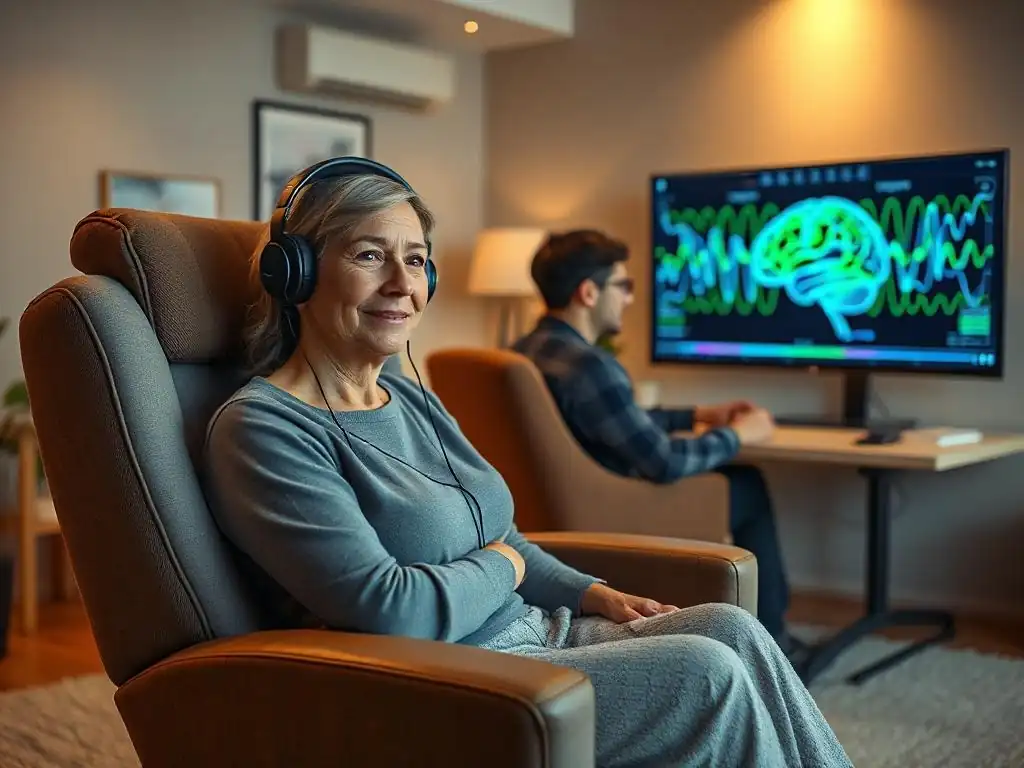
Neurofeedback is a type of biofeedback that measures brainwaves (electrical activity in the brain) using sensors placed on the scalp. This information is then displayed in real-time to the individual, often in the form of a video game, movie, or auditory feedback. The core principle is operant conditioning: when the brain produces desired brainwave patterns associated with states like focus, relaxation, or calmness, the individual receives positive reinforcement (e.g., the video game progresses, the movie plays more clearly, a pleasant tone sounds). Conversely, producing undesirable patterns may lead to negative feedback.
Through repeated sessions, typically ranging from 20 to 40 or more, the brain learns to self-regulate and maintain more optimal brainwave patterns. The therapist analyzes the individual's brainwave activity, often using a quantitative electroencephalogram (qEEG) brain map, to identify specific patterns associated with their symptoms. Based on this assessment, a personalized training protocol is developed, targeting the specific frequencies and locations that need adjustment. This process essentially helps the brain learn to function more efficiently and flexibly.
Neurofeedback for Mental Health: Conditions Treated
Neurofeedback has been explored and used to address a wide range of mental health challenges. It is perhaps most widely recognized for its application in Attention-Deficit/Hyperactivity Disorder (ADHD), where studies have shown significant reductions in inattention and impulsivity symptoms, sometimes comparable to medication effects, with lasting benefits observed years later in certain populations.
Beyond ADHD, neurofeedback is also utilized for conditions such as anxiety disorders, depression, sleep disorders, post-traumatic stress disorder (PTSD), and even some neurological conditions like migraines and epilepsy. While research varies in strength across these conditions, many individuals report improvements in symptom severity, emotional regulation, cognitive function, and overall quality of life after undergoing neurofeedback training. For instance, some protocols target alpha-theta waves for deep relaxation and trauma processing, showing promise in PTSD treatment.
The Importance of Finding the Right Neurofeedback Therapist
The effectiveness of neurofeedback therapy is highly dependent on the skill and knowledge of the practitioner. A qualified neurofeedback therapist not only understands the technical aspects of the equipment and various protocols but also possesses strong clinical skills to integrate neurofeedback into a comprehensive treatment plan. They can accurately assess your needs, interpret qEEG data, design an appropriate training protocol, and adjust it as needed throughout the course of therapy.
An experienced neurofeedback therapist finding guide often emphasizes that the therapist's ability to build a therapeutic relationship is equally vital. They should be able to explain the process clearly, manage expectations, and provide support and guidance alongside the brain training itself. The right fit can significantly impact your comfort level, commitment to the process, and ultimately, the therapeutic outcomes you achieve.
Key Considerations When Searching for a Neurofeedback Practitioner
Credentials and Certifications: Ensuring Expertise
When searching for a neurofeedback therapist, verifying their credentials is a critical first step. While regulations vary by location, specific certifications demonstrate a commitment to ethical practice and a certain level of training in the field. Look for practitioners who hold relevant licenses in a mental health or healthcare field, such as licensed clinical social workers (LCSW), licensed professional counselors (LPC), licensed psychologists, or medical doctors.
In addition to a foundational license, specialized certification in neurofeedback is highly recommended. This indicates that the practitioner has met specific training requirements and passed examinations demonstrating competence in the theory and practice of neurofeedback. Prioritizing practitioners with recognized neurofeedback credentials helps ensure you are receiving care from someone who has dedicated specialized study to this modality.
Neurofeedback Therapist Qualifications: BCIA Certification and Beyond
The Biofeedback Certification International Alliance (BCIA) is the leading certifying body in the field of biofeedback and neurofeedback. A therapist holding a BCIA certification in Neurofeedback (BCN) has met rigorous standards, including completing accredited coursework, supervised clinical hours, and passing a comprehensive exam. This certification is widely regarded as the gold standard and provides a strong indicator of a practitioner's foundational competence in neurofeedback.
While BCIA certification is paramount, consider other qualifications as well. Does the therapist have advanced degrees in relevant fields? Do they engage in ongoing continuing education in neurofeedback and related areas? Some practitioners may have additional training in specific neurofeedback techniques (like LORETA neurofeedback, Z-score training, or different protocol approaches) or have backgrounds in related therapies (like psychotherapy, EMDR, or cognitive-behavioral therapy), which can enrich their overall approach to your care.
Experience and Specialization: Matching Your Needs
Experience matters in neurofeedback, as practitioners learn to fine-tune protocols and interpret subtle responses over time. Ask potential therapists about their years of experience specifically using neurofeedback and the number of clients they have treated. A therapist who has been practicing for several years, perhaps five or more, is likely to have encountered a wider variety of cases and developed greater proficiency.
Furthermore, consider if the therapist specializes in treating the specific condition you are seeking help for. While many neurofeedback therapists work with a range of issues, some may have particular expertise in areas like childhood ADHD, adult anxiety and depression, trauma, or peak performance training. A therapist with specialized experience in your area of concern may have deeper insights into the most effective protocols and approaches for your situation.
Treatment Approaches and Neurofeedback Techniques Used

Neurofeedback is not a single, monolithic technique; there are various approaches and protocols used depending on the client's needs and the therapist's training. Common techniques include amplitude training (rewarding increases or decreases in specific brainwave frequencies), coherence training (rewarding the degree to which different brain areas are in sync), and phase training (rewarding the timing relationship between brainwaves). Advanced methods like LORETA neurofeedback target deeper brain structures based on complex algorithms.
A skilled neurofeedback therapist should be able to explain their primary treatment approach and the specific techniques they utilize. They should also articulate why they believe a particular approach or protocol is suitable for your specific symptoms and goals. Understanding the techniques they employ can help you feel more comfortable and informed about the process you will be undergoing.
Understanding Different Neurofeedback Protocols: SMR, Theta/Beta, Alpha-Theta
Different neurofeedback protocols target specific brainwave frequencies and are associated with different states or functions. Understanding these can be part of your neurofeedback therapist finding guide process. The Sensorimotor Rhythm (SMR) protocol, often trained at around 12-15 Hz, is frequently used to enhance focus, attention, and reduce hyperactivity, making it common for ADHD.
The Theta/Beta ratio protocol, which aims to decrease slow-wave theta activity (associated with inattention) and increase fast-wave beta activity (associated with alertness and focus), is another foundational protocol for ADHD and attention issues. The Alpha-Theta protocol (training alpha waves at 8-12 Hz and theta waves at 4-8 Hz, often together) is typically used for deep relaxation, meditation, and accessing subconscious material, making it relevant for trauma, creativity, and peak performance. A competent therapist will select protocols based on your qEEG assessment and clinical presentation, not just use a one-size-fits-all approach.
Steps to Take When Choosing a Neurofeedback Therapist
Step 1: Researching Potential Neurofeedback Therapists Online
Begin your neurofeedback therapist finding guide journey by conducting online research. Search for neurofeedback practitioners in your local area. Use search terms like "neurofeedback therapist [your city/state]", "BCIA certified neurofeedback", or "neurofeedback for [your condition] [your city]". Look for practitioner websites that provide information about their qualifications, experience, specializations, and the specific types of neurofeedback they offer.
Pay attention to the information presented on their websites. Do they clearly explain neurofeedback? Do they list their credentials? Do they seem to have experience with your particular concerns? While a website is just an introduction, it can provide initial clues about their professionalism and approach.
Using Online Directories and Resources for Neurofeedback Professionals
Several online directories are invaluable resources for finding qualified neurofeedback professionals. The Biofeedback Certification International Alliance (BCIA) website maintains a directory of BCIA-certified practitioners worldwide. Searching this directory is a primary way to ensure a therapist meets a recognized standard of training and competence.
Other professional organizations, such as the International Society for Neuroregulation & Research (ISNR) or the Association for Applied Psychophysiology and Biofeedback (AAPB), may also offer practitioner directories. Psychology Today's therapist finder often includes practitioners who list neurofeedback as a modality. Utilizing these reputable directories can significantly narrow down your search to qualified individuals.
Step 2: Checking Credentials and Verifying Licenses
Once you have a list of potential neurofeedback therapists, take the crucial step of verifying their credentials. If they claim BCIA certification, you can typically verify this through the BCIA website's practitioner directory. This confirms their certification status and ensures it is current.
For their foundational professional license (e.g., psychology, counseling, social work), check with the relevant state or provincial licensing board. Most licensing boards have online search portals where you can look up a practitioner's license number to confirm it is active and in good standing. This step is non-negotiable in finding a reputable and legally practicing neurofeedback therapist.
Step 3: Scheduling Initial Consultations
After verifying credentials, schedule initial consultations with a few potential neurofeedback therapists. Many therapists offer a brief phone consultation or a slightly longer in-person or video meeting to discuss your needs and answer initial questions. This is your opportunity to learn more about their practice, their approach to neurofeedback, and whether they seem like a good fit.
Prepare for these consultations by making a list of questions you want to ask (more on this below). Use this time to gauge their communication style, their willingness to answer your questions thoroughly, and their overall demeanor. Think of this as an interview where you are assessing if they are the right professional for your specific needs and goals.
Preparing for Your Consultation: Questions to Ask
To make the most of your initial consultations, come prepared with specific questions. These should cover their background, experience, approach, and practical aspects of treatment. Examples include:
- What is your specific training and certification in neurofeedback? (e.g., BCIA-BCN?)
- How long have you been providing neurofeedback therapy?
- Do you specialize in treating [your specific condition]?
- What neurofeedback equipment and software do you use?
- Do you conduct a qEEG brain map assessment? If so, what is the process?
- What specific protocols do you typically use for my condition?
- What is the expected number of sessions?
- How do you measure progress?
- What is your fee structure and do you accept insurance?
Having these questions ready will help ensure you gather all the necessary information to compare practitioners effectively.
Step 4: Evaluating the Therapist's Approach and Communication Style
During the consultation and subsequent interactions, pay close attention to the therapist's approach to care and their communication style. Do they listen attentively? Do they explain complex concepts in a way you can understand? Do they seem empathetic and non-judgmental? A good neurofeedback therapist should be able to clearly articulate their treatment philosophy and how neurofeedback fits into a broader plan for your well-being.
Consider how comfortable you feel talking to them. The therapeutic relationship is important, even in a technical modality like neurofeedback. You need to feel safe, heard, and confident in their expertise. Trust your intuition during this evaluation process.
Assessing Compatibility and Trust in the Therapeutic Relationship
Building trust with your neurofeedback therapist is key to a successful outcome. You will be sharing personal information and committing to a process that requires consistency. Assess whether you feel a sense of rapport and trust during your interactions. Do they seem genuinely invested in helping you? Are they transparent about the process, potential outcomes, and limitations?
A strong therapeutic alliance is built on mutual respect and clear communication. If you feel hesitant, rushed, or that your questions are not being fully addressed, it might be a sign that this is not the right fit for you. Take the time needed to assess this crucial aspect of the relationship before committing to treatment.
Step 5: Understanding Treatment Plans and Costs
Before beginning neurofeedback therapy, ensure you have a clear understanding of the proposed treatment plan. This should include the recommended number of sessions (often estimated, as it can vary), the specific protocols that will be used, how progress will be tracked (e.g., session-by-session notes, periodic qEEGs, symptom questionnaires), and the overall goals of therapy.
Discuss the costs involved openly. Neurofeedback therapy session fees can vary widely, often ranging from $100 to $250 or more per session, and a full course of treatment can total several thousand dollars. Inquire about their fee structure, payment options, and whether they offer sliding scale fees if cost is a concern.
Neurofeedback Therapy Cost: Insurance Coverage and Payment Options
Insurance coverage for neurofeedback therapy is inconsistent and often depends on your specific insurance plan and diagnosis. While some insurers may cover it for certain conditions like ADHD, many do not, or they may only cover sessions provided by certain licensed professionals (like psychologists) but not others (like certified neurofeedback technicians).
Ask the therapist if they bill insurance directly or if you will need to submit claims for reimbursement yourself. Inquire about what diagnoses they typically bill under and whether they have experience working with your insurance provider. Be prepared that you may need to pay out-of-pocket, and discuss potential payment plans or financing options the therapist might offer. Understanding the financial commitment upfront is a vital part of your neurofeedback therapist finding guide process.
Questions to Ask a Potential Neurofeedback Therapist
Questions About Their Experience and Training
- What specific training have you received in neurofeedback?
- Are you certified by the Biofeedback Certification International Alliance (BCIA) in Neurofeedback? What is your certification number?
- How long have you been practicing neurofeedback?
- How many clients have you treated using neurofeedback, particularly for conditions similar to mine?
- Do you engage in ongoing continuing education in neurofeedback?
Questions About Their Approach to Your Specific Condition
- How would you typically approach treating [my specific condition] with neurofeedback?
- Do you perform a qEEG brain map assessment before starting training? What is the cost and process?
- Based on my symptoms, what specific neurofeedback protocols might you use?
- How do you integrate neurofeedback with other therapeutic approaches, if at all?
- How do you individualize treatment protocols for each client?
Questions About Expected Outcomes and Treatment Duration
- What kind of results can I realistically expect from neurofeedback therapy for my condition?
- How long does a typical course of neurofeedback therapy last for someone with my condition? (e.g., number of sessions)
- How often are sessions typically scheduled?
- How will we track my progress throughout therapy?
- What happens after the initial course of treatment is completed? Do you recommend follow-up sessions?
Red Flags to Watch Out For When Choosing a Neurofeedback Therapist
Unrealistic Promises and Guarantees of Success
Be wary of any neurofeedback therapist who makes definitive guarantees of success or promises a complete "cure" for your condition. While neurofeedback can be highly effective for many people, individual responses vary. A professional and ethical practitioner will discuss the potential benefits and limitations of the therapy based on research and clinical experience, managing expectations realistically.
Neurofeedback is a training process, not a magic bullet. It requires commitment and consistency. Promises like "you'll be symptom-free in 10 sessions" or "this will cure your anxiety forever" are significant red flags and should prompt you to look elsewhere in your neurofeedback therapist finding guide process.
Lack of Transparency Regarding Treatment Protocols
A qualified neurofeedback therapist should be transparent about the protocols they plan to use and the rationale behind them. They should be able to explain, in understandable terms, why they are targeting certain brainwave frequencies or areas based on your assessment results and symptoms. If a therapist is vague, secretive, or unwilling to discuss their treatment plan or the specific techniques they employ, this is a cause for concern.
You have the right to understand what is happening during your sessions and why. A lack of transparency can indicate insufficient knowledge, an unwillingness to educate the client, or potentially using standardized, non-individualized protocols without proper assessment.
Inadequate Credentials or Lack of Certification
As emphasized earlier in this neurofeedback therapist finding guide, inadequate or unverifiable credentials are a major red flag. If a practitioner claims to offer neurofeedback but does not hold a foundational license in a relevant healthcare field or a recognized neurofeedback certification like BCIA-BCN, their training and competence may be questionable. Neurofeedback is a complex modality that requires specific education and supervised practice.
Treating conditions like ADHD, anxiety, or PTSD with neurofeedback requires clinical judgment and expertise that comes from proper training. Working with an unqualified individual could be ineffective at best and potentially harmful at worst. Always prioritize practitioners who can readily verify their credentials.
Resources for Finding Neurofeedback Therapists
The Biofeedback Certification International Alliance (BCIA) Directory
The BCIA website ([search for their directory online]) is arguably the most reliable resource for finding certified neurofeedback practitioners. Their directory allows you to search by location and type of certification (Neurofeedback). Using this resource is a fundamental step in your neurofeedback therapist finding guide, as it helps ensure you are considering professionals who have met a recognized standard of training and ethics in the field.
Checking the BCIA directory should be one of your first actions after deciding to pursue neurofeedback. It provides a list of individuals who have invested in formal education, mentorship, and examination in neurofeedback.
Professional Organizations and Neurofeedback Networks
Several professional organizations support practitioners and researchers in the field of neurofeedback and biofeedback. These include the International Society for Neuroregulation & Research (ISNR) and the Association for Applied Psychophysiology and Biofeedback (AAPB). These organizations often have their own member directories or can provide resources for finding practitioners.
While membership in these organizations doesn't replace BCIA certification, it can indicate a practitioner's engagement with the professional community and commitment to staying current with research and best practices. Checking these networks can offer additional avenues for finding qualified neurofeedback therapists.
Referrals from Doctors or Other Healthcare Providers
Your primary care physician, psychiatrist, psychologist, or other mental health professionals may be able to provide referrals to neurofeedback therapists they know or trust. Healthcare providers who are familiar with your medical and mental health history can offer valuable insights and connect you with practitioners who might be a good fit for your specific needs.
Don't hesitate to ask your current healthcare team if they can recommend anyone. While not all doctors are familiar with neurofeedback, those who are may have a network of colleagues or specialists they refer to. A referral from a trusted provider can add an extra layer of confidence in your neurofeedback therapist finding guide process.
Making an Informed Decision: Your Path to Effective Neurofeedback Therapy
Trusting Your Intuition and Choosing the Right Fit
After gathering information, verifying credentials, and conducting consultations, the final step in your neurofeedback therapist finding guide is making a decision. While credentials and experience are paramount, also listen to your intuition. Do you feel comfortable with the therapist? Do you feel heard and respected? Do you feel they genuinely understand your goals and challenges?
The therapeutic relationship plays a significant role in the success of any therapy, including neurofeedback. Choosing a therapist with whom you feel a good connection and trust is essential. Don't feel pressured to choose the first therapist you consult with. Take your time, weigh the pros and cons, and select the practitioner you feel is the best overall fit for you.
Prioritizing Individualized Care and Collaborative Goal Setting
Effective neurofeedback therapy is highly individualized. A skilled neurofeedback therapist will conduct a thorough assessment, often including a qEEG brain map and clinical interview, to develop a treatment plan tailored specifically to your brain activity patterns and symptoms. Be wary of practitioners who use generic protocols without a personalized assessment.
Furthermore, a good therapist will collaborate with you on setting clear, measurable goals for therapy. You should feel like an active participant in the process, not just a passive recipient of treatment. Discuss your goals openly with the therapist and ensure they are aligned with the proposed treatment plan. Prioritizing individualized care and collaborative goal setting is key to maximizing the potential benefits of neurofeedback therapy.
Frequently Asked Questions
How do I begin my search for a neurofeedback therapist?
Start by checking the websites of professional organizations like the Biofeedback Certification International Alliance (BCIA) to find certified practitioners. Also, ask your primary care physician or other therapists for referrals.
What qualifications should I look for in a neurofeedback therapist?
Look for a therapist with BCIA certification and a background in a relevant field like psychology or counseling. Experience with your specific mental health challenge is also crucial.
What questions should I ask a potential neurofeedback therapist during a consultation?
Ask about their experience with neurofeedback, their training protocols, and the expected number of sessions. It's also important to discuss the cost and payment options.
How can I verify the credentials of a neurofeedback therapist?
Check their certifications on the BCIA website and confirm their license with the relevant state licensing board. Verify their educational background and professional affiliations.
What are the potential benefits and risks of neurofeedback therapy?
Neurofeedback can improve brainwave activity and alleviate symptoms of conditions like ADHD and anxiety. Potential risks include temporary discomfort or frustration if progress is slow.
The search for effective neurofeedback therapy is a journey, not a destination, and finding the right practitioner is the crucial first step. The information presented in this guide underscores the importance of careful consideration when selecting a neurofeedback therapist, highlighting the vast differences in training, experience, and methodologies. This isn't just about finding a therapist; it's about finding the right therapist for your specific needs and goals.
The impact of neurofeedback is profound, reaching far beyond the clinical setting and into the everyday lives of individuals seeking improved cognitive function, emotional regulation, and overall well-being. This growing field continues to reshape our understanding of brain plasticity and its potential for healing. The brain is the most complex organ in the body, and it has an amazing capacity for change.
This quote encapsulates the hope and potential inherent in neurofeedback, a testament to the power of personalized therapeutic approaches. The journey to finding the right practitioner is an investment in this potential, a commitment to unlocking the brain's inherent capacity for self-regulation and healing.
Now, consider your own journey. What resonated most with you in this guide? What questions remain unanswered? Take the time to reflect on your individual needs and priorities. Use the knowledge gained here to empower your search, to actively participate in shaping your therapeutic experience. Don't hesitate to reach out to potential practitioners, ask questions, and trust your intuition. Your path to improved well-being begins with a thoughtful and informed choice. Embrace the journey, and discover the transformative power of neurofeedback.
Unlock Your Brain's Potential: Take the Next Step
Thanks for taking the time to learn about finding the right neurofeedback therapist! You've now equipped yourself with valuable knowledge to improve your brain health. Ready to put this knowledge into action?
- Schedule a consultation with a therapist near you: This is the most important step to starting your neurofeedback journey. Don't hesitate – your brain deserves the best care.
- Explore different neurofeedback techniques: Research the various types mentioned in the article to find the best fit for your needs and goals.
- Share this article with someone who might benefit: Help spread awareness about the power of neurofeedback and the importance of finding the right practitioner.
What specific questions do you have about finding a qualified neurofeedback therapist, or what's your next step toward optimizing your brain health?