
Connecting with Nature Mindfully: Outdoor Stress Reduction Practices

Welcome to Mind Care Guide, a sanctuary for your mental well-being.
Feeling overwhelmed? We understand. In today's fast-paced world, stress can feel inescapable. But what if the answer was right outside your door? Join us as we delve into the powerful practice of mindful nature stress reduction, exploring how connecting with the natural world can be a transformative tool for finding peace and regaining control. Discover simple yet profound techniques to unlock nature's calming potential and begin your journey towards a more balanced and centered you. Ready to breathe easier?
Calming Your Mind: Nature-Based Stress Reduction Techniques
- Introduction to Nature's Calming Influence
- Preparing for an Immersive Nature Experience
- Guided Mindful Nature Practices: A Practical Approach
- Advanced Techniques for Enhanced Stress Reduction
- Navigating Challenges in Nature-Based Mindfulness
- Integrating Nature Connection Into Your Daily Routine
- Conclusion: Embracing Nature for Sustained Stress Reduction
-
Frequently Asked Questions
- What is Mindful Nature Stress Reduction and how does it work?
- How can I incorporate Mindful Nature Stress Reduction into my daily life?
- What are some specific activities I can do for Mindful Nature Stress Reduction?
- Is Mindful Nature Stress Reduction a replacement for traditional mental health treatment?
- What are the potential benefits of practicing Mindful Nature Stress Reduction regularly?
- Final Reflection: Reconnecting with Nature's Healing Power
- Unleash Your Inner Calm: Embrace Nature's Peace
Introduction to Nature's Calming Influence
The Science Behind Nature's Impact on Mental Health
Research increasingly supports the profound positive effects of nature on psychological well-being. Studies have shown that spending time in green spaces can lead to significant reductions in stress hormones, such as cortisol. For instance, a study published in Frontiers in Psychology in 2019 found that just 20 minutes of contact with nature was enough to significantly lower cortisol levels in participants, suggesting a physiological mechanism for nature's calming influence. This biochemical response is a key component of effective stress reduction, demonstrating that nature is not just a pleasant backdrop but an active therapeutic environment.
Beyond hormonal changes, exposure to nature has been linked to beneficial neurological effects. Functional MRI studies indicate that viewing natural scenes activates parts of the brain associated with calmness and emotional stability, while urban environments tend to activate areas linked to fear and anxiety. This suggests that our brains are, in a sense, wired to respond positively to natural stimuli. The visual complexity and fractal patterns often found in nature have also been hypothesized to promote a state of relaxed alertness, contributing to the effectiveness of mindful nature stress reduction practices.
Mindfulness and the Natural World: A Synergistic Relationship
Mindfulness, the practice of being fully present in the moment without judgment, finds a powerful ally in the natural world. Nature offers a rich, ever-changing environment that naturally invites sensory awareness – the core of mindfulness. The rustling leaves, the warmth of sunlight, the scent of pine, the texture of bark – these elements provide constant anchors for attention, making it easier to stay grounded in the present moment than in a busy, distracting urban setting. This inherent sensory richness makes nature an ideal setting for cultivating mindful presence.
When mindfulness is combined with engagement in nature, the benefits for stress reduction are significantly amplified. Mindful nature stress reduction involves intentionally focusing one's attention on the natural environment, observing its details with curiosity and openness. This practice helps to interrupt the cycle of ruminative thoughts and worries that often fuel stress and anxiety. By shifting focus from internal stressors to external, calming stimuli, individuals can experience a palpable sense of peace and detachment from their anxieties, fostering emotional regulation and resilience.
Stress Reduction: The Proven Benefits of Mindful Nature Engagement
Engaging mindfully with nature has demonstrated a range of tangible benefits for reducing stress and improving overall mental health. Studies employing self-report measures and physiological indicators consistently show positive outcomes. For example, participants in nature-based mindfulness programs often report significant decreases in perceived stress, anxiety, and symptoms of depression. One study involving a 6-week nature-based mindfulness intervention found participants experienced a 28% reduction in self-reported stress levels compared to a control group.
Furthermore, the benefits extend beyond immediate stress relief. Regular practice of mindful nature stress reduction can build long-term resilience. It helps individuals develop better coping mechanisms, improve their mood regulation abilities, and enhance their sense of connection and belonging, not only to the natural world but also within themselves. The sustained engagement with calming natural environments, viewed through a mindful lens, offers a powerful antidote to the chronic stress prevalent in modern life.
Preparing for an Immersive Nature Experience
Selecting a Tranquil Natural Setting
Choosing the right location is fundamental to a successful mindful nature experience focused on stress reduction. The ideal setting should minimize artificial distractions and noise, allowing you to fully immerse yourself in the natural environment. While a remote forest trail might be perfect, even a quiet corner of a local park, a botanical garden, or a peaceful backyard can serve the purpose. The key is to find a place where you feel relatively safe and undisturbed, allowing your attention to settle on nature's rhythms rather than external disruptions.
Consider accessibility and time when selecting your spot. A location that is easy to reach, even for a short period, makes regular practice more feasible. If possible, visit the location at different times to understand its typical activity levels. A bustling park might be quiet early in the morning, while a less-known trail might offer solitude throughout the day. Prioritizing tranquility helps create the optimal conditions for cultivating mindful nature stress reduction.
Defining Your Purpose for Connecting With Nature
Setting a clear intention for your time in nature can significantly enhance the experience and its benefits for stress reduction. Before you even leave home, take a moment to consider why you are seeking this connection today. Is it to feel more grounded? To release tension? To simply rest and observe without agenda? Having a defined purpose helps focus your mind and directs your attention during the practice. This isn't about creating a rigid goal, but rather a gentle guiding intention.
For instance, your purpose might be as simple as "to notice five beautiful things" or "to allow myself to simply be present without judgment." By articulating this intention, you prime your mind to be receptive to the calming qualities of nature and actively engage in the process of mindful nature stress reduction. This intentionality transforms a simple walk in the park into a deliberate practice for well-being.
Essential Gear for a Comfortable and Focused Outdoor Session
While the essence of mindful nature stress reduction is about presence, having a few essential items can significantly improve comfort and minimize distractions during your session. Comfortable footwear is crucial, especially if you plan on walking. Layers of clothing are also advisable, as weather conditions can change unexpectedly, and discomfort from being too hot or cold can pull you out of your mindful state.
Other helpful items might include water to stay hydrated, a small towel or cushion if you plan to sit, and perhaps a lightweight journal and pen if you intend to incorporate nature journaling. While the goal is to disconnect from digital distractions, carrying a phone for emergencies is prudent, but it should ideally be silenced and kept out of sight. Preparing these simple items beforehand ensures you can focus entirely on the practice of calming your mind in nature.
Guided Mindful Nature Practices: A Practical Approach
Step 1: Anchoring Yourself in Nature - Sensory Immersion
Heightening Sensory Awareness: Visuals, Sounds, Aromas, Textures, and Tastes
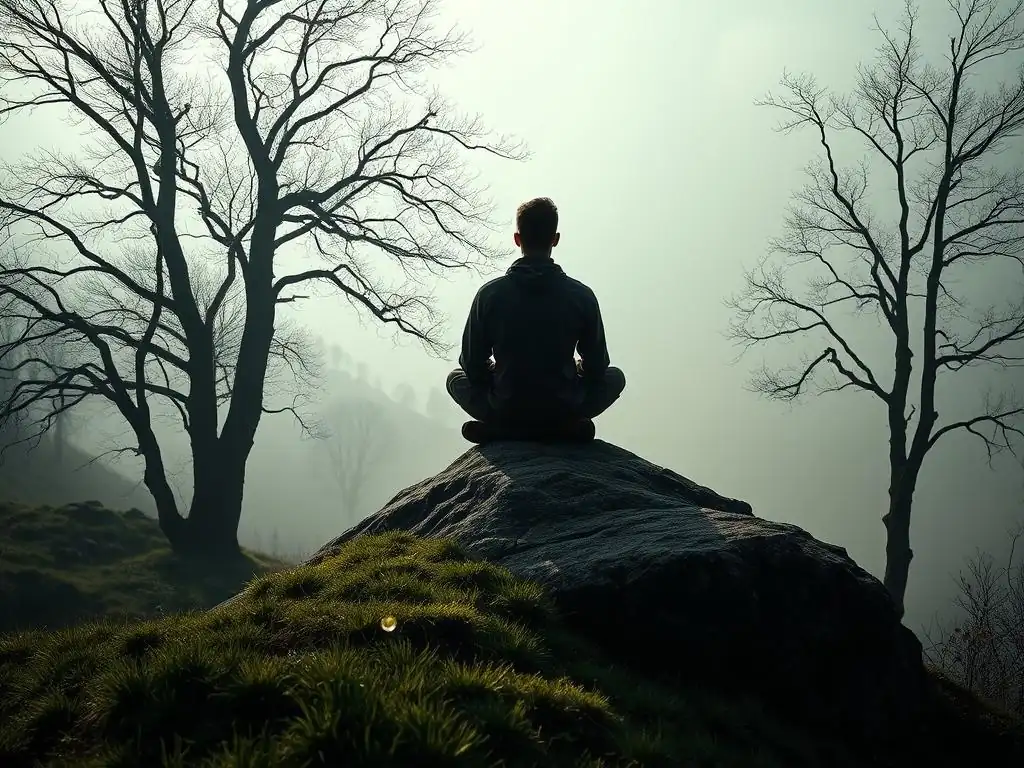
Begin by finding a comfortable spot to stand or sit. Close your eyes briefly and take a few deep breaths to settle your mind. Then, gently open your eyes and begin to engage your senses, one by one. Start with visuals: look around slowly, noticing the colors, shapes, and movements of the natural elements around you. Observe the intricate details of leaves, the patterns in bark, or the way light filters through the canopy. Allow your gaze to rest without judgment, simply taking in the visual information.
Next, shift your awareness to sounds. Listen to the wind in the trees, the calls of birds, the distant hum of insects, or the gentle flow of water. Try to distinguish individual sounds within the overall soundscape. Then, bring attention to aromas.
Inhale deeply and notice the scents – damp earth after rain, the fragrance of flowers, the clean smell of pine needles. Explore textures by gently touching a leaf, the rough bark of a tree, or the smooth surface of a stone. Finally, if appropriate and safe, you might notice the taste of fresh air or a safe edible berry if identified with certainty (exercise extreme caution here). This deliberate sensory engagement grounds you firmly in the present moment within nature.
Body Scan Meditation Adapted for Natural Environments
A body scan, typically practiced indoors, can be beautifully adapted for a natural setting. While sitting or standing comfortably, bring your awareness to different parts of your body, starting from your feet and moving upwards. As you scan each area, notice any sensations – the feeling of your feet on the ground, the gentle breeze on your skin, the warmth of the sun, the feeling of your clothes against your body. Allow these sensations to be present without trying to change them.
As you move through your body, also notice how it connects with the natural environment. Feel the support of the earth beneath you. Sense the air circulating around you. Become aware of how your body is part of this larger natural system. This practice helps to release physical tension, which is often a manifestation of stress, and deepens your connection to the environment, enhancing the mindful nature stress reduction experience.
Step 2: Mindful Walking in Nature - Cultivating Awareness
Attuning to Each Step and the Surrounding Landscape
Mindful walking is a powerful way to combine gentle movement with present moment awareness in nature. Begin by noticing the sensation of your feet as they make contact with the ground – lifting, moving forward, and settling down. Pay attention to the rhythm of your steps and the subtle shifts in balance. Allow your pace to be slow and deliberate, not rushed.
As you walk, broaden your awareness to include the surrounding landscape. Notice the path ahead, the trees, the sky, the ground beneath you. Gently shift your gaze between your steps and the environment, allowing both to hold your attention. This dual focus on internal bodily sensations and external natural stimuli keeps you grounded and prevents the mind from wandering into stressful thoughts, actively promoting stress reduction through mindful nature engagement.
Walking Meditation for Stress Alleviation
Walking meditation in nature takes mindful walking a step further, specifically using the act of walking as a formal meditation practice. Choose a relatively quiet path where you can walk safely without needing to constantly watch for obstacles or other people. Walk at a pace that feels comfortable and allows you to maintain awareness. Focus your attention primarily on the sensations of walking – the movement of your legs, the feeling in your feet, the swing of your arms.
When your mind inevitably wanders to worries or distractions, gently acknowledge the thought without judgment and guide your attention back to the physical sensations of walking or the immediate natural surroundings. This repetitive, yet engaging, practice helps to calm the nervous system and provides a moving form of mindful nature stress reduction. It allows for the release of pent-up energy while simultaneously cultivating inner peace.
Step 3: Mindful Observation of Nature - Fostering Appreciation
Noticing Intricate Details: Flora, Fauna, and Landscapes
Once you have anchored yourself and perhaps engaged in mindful walking, take time for focused observation. Choose a specific natural element to examine closely – a single leaf, a flower, an insect, a rock, or a patch of moss. Look at it as if you are seeing it for the first time. Notice its colors, shapes, textures, and patterns. Observe how light interacts with it. If it's a living thing, notice any subtle movements.
Extend this detailed observation to the larger landscape. Look at how different elements fit together – the line of the horizon, the shape of the trees against the sky, the way water flows over stones. This practice of noticing intricate details sharpens your observational skills and pulls you deeply into the present moment, away from the abstract worries that cause stress. It fosters a sense of wonder and curiosity about the world around you.
Cultivating Gratitude for the Natural World's Wonders
As you observe the intricate beauty and resilience of nature, allow a sense of gratitude to arise. Reflect on the simple gifts that nature provides – clean air, water, shelter, beauty, and a space for reflection and healing. Consider the complex processes happening constantly around you, from the growth of a tiny seed to the vastness of the sky. Acknowledging these wonders, no matter how small, can shift your perspective from focusing on stressors to appreciating the abundance and stability of the natural world.
Cultivating gratitude has been shown in psychological studies to reduce stress and increase feelings of well-being. By intentionally connecting this feeling of gratitude to your experiences in nature, you reinforce the positive association between the natural environment and inner peace. This aspect of mindful nature stress reduction adds an emotional layer that deepens the practice's therapeutic benefits.
Step 4: Nature-Inspired Breathing Exercises for Relaxation
Deep Breathing Techniques in a Natural Setting
Breathing exercises are a cornerstone of stress reduction, and practicing them in nature can enhance their effectiveness. Find a comfortable seated or standing position. Close your eyes or soften your gaze. Begin by simply noticing your natural breath without trying to change it. Then, gently deepen your breath, inhaling slowly through your nose, filling your belly and chest, and exhaling slowly through your mouth.
As you breathe, you can visualize inhaling the fresh, calming energy of nature and exhaling tension, worry, and stress. For example, you might imagine inhaling the crisp scent of pine or the cool air off a lake and exhaling a grey cloud of stress. Pairing deep, slow breaths with the sensory input and calming presence of nature creates a powerful combination for immediate stress relief and supports the overall goal of mindful nature stress reduction.
Utilizing Nature's Sounds to Focus on Breath
Nature provides a natural soundtrack that can aid in focusing your breath during relaxation exercises. Instead of counting breaths or using a guided recording, try using the sounds around you as anchors. Inhale as you hear the wind rustle through leaves, and exhale as the sound fades. Inhale with the gentle chirping of a bird, and exhale slowly afterwards.
This technique helps to keep your mind engaged with the present moment in the natural environment, preventing it from drifting towards stressful thoughts. The natural, often unpredictable, rhythm of nature's sounds provides a gentle focus point that encourages a natural, relaxed breathing pattern. It's a simple yet effective way to integrate mindfulness, nature, and breathwork for calming your mind.
Advanced Techniques for Enhanced Stress Reduction
Forest Therapy (Shinrin-Yoku): A Deep Dive into Well-being
Forest Therapy, or Shinrin-Yoku (Japanese for "forest bathing"), is a practice developed in Japan in the 1980s that involves immersing oneself in the atmosphere of the forest. It's more than just a walk; it's a slow, sensory exploration guided by invitations designed to open the senses and connect with the environment. Research on Shinrin-Yoku has shown remarkable physiological benefits, including significant reductions in blood pressure, heart rate, and stress hormones like cortisol.
Studies conducted in Japan found that spending time in a forest environment led to a 12.4% decrease in cortisol levels compared to urban settings. Participants also reported improved mood states, including decreased depression, anxiety, and confusion. While typically guided, the principles of Shinrin-Yoku – slow pace, sensory focus, and intentional connection with trees and the forest environment – can be incorporated into personal mindful nature stress reduction practices for deeper therapeutic effects.
Nature Journaling: Capturing Reflections and Insights
Nature journaling is a practice that combines observation of the natural world with personal reflection through writing, drawing, or other forms of creative expression. It's not about creating a scientific record or a work of art, but rather a tool for deepening observation and processing thoughts and feelings related to your time in nature. After a period of mindful observation or walking, take a few minutes to jot down what you saw, heard, smelled, felt, or thought.
This practice provides a space to acknowledge and release stressful thoughts that may have arisen, as well as capture moments of peace or insight gained during your mindful nature experience. For example, writing about the intricate details of a flower you observed can solidify the feeling of wonder, while journaling about a worry that came up can help externalize and process it. Regular nature journaling can become a powerful component of your mindful nature stress reduction routine, offering insights into your emotional landscape and your connection to the natural world.
Creating a Sanctuary: Incorporating Nature into Your Home
Bringing elements of nature into your living space can extend the benefits of mindful nature stress reduction beyond your outdoor excursions. Creating a "nature sanctuary" within your home involves incorporating natural elements like plants, stones, wood, or water features. Even small additions, like a windowsill herb garden or a collection of interesting rocks, can serve as anchors for mindful moments throughout the day.
Consider incorporating natural sounds, such as a small indoor fountain or recordings of nature sounds. Use natural light as much as possible and choose calming colors inspired by nature. Surrounding yourself with these elements can create a calming atmosphere that supports stress reduction and provides mini-opportunities for mindful connection even when you can't get outdoors. This integration helps maintain a connection to nature that reinforces the benefits of mindful nature stress reduction practices.
Managing Distractions in Natural Settings
Even in seemingly peaceful natural environments, distractions can arise. These might include noise from distant traffic, other people on a trail, insects, or even your own wandering thoughts. The key to managing distractions in mindful nature stress reduction is not to eliminate them entirely, but to acknowledge them without judgment and gently redirect your attention back to your chosen focus – whether it's the feeling of your feet on the ground, the sound of the wind, or the sight of a leaf.
If external distractions are significant, consider adjusting your location or timing. If internal distractions (thoughts) are persistent, acknowledge them – perhaps even saying silently, "Thinking, thinking" – and then deliberately bring your attention back to a sensory anchor in nature. Over time, this practice of gentle redirection strengthens your ability to maintain presence despite challenges, enhancing the effectiveness of your mindful nature stress reduction efforts.
Maintaining Presence During Unfavorable Weather
Unfavorable weather, such as rain, cold, or excessive heat, can make spending time outdoors less appealing and potentially uncomfortable. However, these conditions also offer unique opportunities for mindful observation. The sound of rain on leaves, the feel of cold air on your skin, or the sight of mist rising from the ground can all become anchors for present moment awareness.
If the weather is too severe for comfort, consider adapting your practice. You can still engage in mindful nature observation from a sheltered spot, like a porch or through a window. Listen to the rain, watch the wind move the trees, or observe the changes in light. The goal is to connect mindfully with nature as it is, embracing the current conditions as part of the natural experience, which is a valuable lesson in acceptance for stress reduction.
Addressing Anxiety and Fear in Outdoor Environments
For some individuals, spending time alone in nature, especially in less familiar or remote areas, can trigger feelings of anxiety or fear. This is a valid challenge to address when practicing mindful nature stress reduction. Start with environments where you feel safe and comfortable, perhaps a familiar local park or garden, and gradually explore more expansive settings as your comfort level grows.
If anxiety arises during your practice, acknowledge it with kindness. Use the grounding techniques you've learned – focusing on the feeling of your feet on the earth, or the rhythm of your breath. Remind yourself that you are safe in the present moment. If the anxiety is overwhelming, it's okay to shorten your session or return to a place where you feel more secure. Building confidence in nature is a process, and starting small is perfectly acceptable when using mindful connection with nature for stress reduction.
Integrating Nature Connection Into Your Daily Routine
Quick Nature Escapes for Daily Stress Relief
Finding time for extended periods in nature isn't always feasible in a busy schedule. However, even short, intentional moments of connection can provide significant stress relief. Identify opportunities throughout your day for "micro-doses" of nature. This could be a five-minute walk around the block during your lunch break, stepping outside to feel the sun on your face, or simply standing by a window and mindfully observing the trees or sky for a few minutes.
These quick nature escapes serve as refreshing breaks that interrupt stress cycles and bring you back to the present moment. They reinforce the habit of turning to nature for grounding and calm, making mindful nature stress reduction a more integrated part of your daily life rather than an occasional event. Consistency, even in small doses, is key to building a sustainable practice.
Mindful Gardening: Nurturing Plants, Nurturing Yourself
Gardening is a deeply engaging activity that inherently lends itself to mindfulness and stress reduction. The act of working with soil, planting seeds, watering, and tending to plants requires focus and patience. It connects you directly to the cycles of nature – growth, decay, and renewal. Mindful gardening involves paying attention to the sensations of working with your hands, the smell of the earth, the feel of leaves, and the process of nurturing life.
Beyond the physical activity, gardening provides a sense of accomplishment and connection to something larger than oneself. Witnessing the growth of plants you've cared for can be incredibly rewarding and grounding. Whether you have a large garden or just a few pots on a balcony, mindful gardening offers a tangible way to engage with nature and experience stress reduction through this nurturing practice.
Bringing Nature Indoors: Sounds, Visuals, and Elements
As mentioned earlier, incorporating nature into your home environment is a powerful way to maintain connection and support stress reduction. Beyond physical elements like plants and natural materials, consider using nature-inspired sensory inputs. Play recordings of calming nature sounds, such as ocean waves, rain, or forest ambiance, while you work or relax.
Use visuals like nature photographs or artwork to create a calming atmosphere. Even looking out a window and mindfully observing the view can be a form of indoor nature connection. The goal is to create reminders and opportunities throughout your day to pause, connect with natural elements, and practice present moment awareness, reinforcing the benefits of mindful nature stress reduction even when you are indoors.
Conclusion: Embracing Nature for Sustained Stress Reduction
The Enduring Benefits of Regular Nature-Based Mindfulness
Consistently incorporating mindful nature stress reduction into your life yields cumulative and lasting benefits. Beyond the immediate calming effect, regular practice can lead to a more stable mood, increased resilience to stress, improved focus and concentration, and a deeper appreciation for the world around you. It helps to regulate the nervous system, reducing the body's chronic stress response over time.
Think of it not as a quick fix, but as building a reservoir of calm and well-being. Each mindful moment spent in nature adds to this reservoir, making you better equipped to handle life's challenges. The enduring benefits stem from the consistent practice of shifting your attention from internal stressors to the grounding, restorative presence of the natural world.
Cultivating a Sustainable Habit of Mindful Nature Connection
Making mindful nature connection a sustainable habit requires intention and flexibility. Start small, perhaps with just 10-15 minutes a few times a week. Choose practices that resonate most with you, whether it's mindful walking, sensory observation, or simply sitting quietly. Schedule these moments into your routine as you would any other important appointment.
Be patient with yourself; some days will feel more "mindful" than others. The goal is progress, not perfection. By consistently seeking out and mindfully engaging with nature, you are actively choosing a path towards greater peace, resilience, and sustained stress reduction, enriching both your mental well-being and your connection to the living world.
Frequently Asked Questions
What is Mindful Nature Stress Reduction and how does it work?
Mindful Nature Stress Reduction involves actively engaging with the natural world to reduce stress and improve mental well-being. It encourages focused attention on sensory experiences in nature.
How can I incorporate Mindful Nature Stress Reduction into my daily life?
Start with small steps! Try a short mindful walk in a park, garden, or even your backyard. Focus on the sights, sounds, smells, and feel of the environment to reduce daily stress.
What are some specific activities I can do for Mindful Nature Stress Reduction?
Consider activities like forest bathing (Shinrin-yoku), mindful gardening, or simply sitting quietly and observing nature. These practices promote relaxation and mental clarity.
Is Mindful Nature Stress Reduction a replacement for traditional mental health treatment?
No, it's not a replacement. Mindful Nature Stress Reduction is a complementary practice that can enhance traditional treatments. Always consult with a mental health professional for personalized care.
What are the potential benefits of practicing Mindful Nature Stress Reduction regularly?
Regular practice can lead to reduced anxiety, improved mood, enhanced creativity, and a greater sense of connection with the natural world. It promotes overall well-being.
Final Reflection: Reconnecting with Nature's Healing Power
The urgent need for accessible stress reduction techniques is undeniable in our fast-paced modern world, and mindful connection with nature offers a powerful, readily available antidote. The practices explored in this article – from mindful walking to forest bathing – are not mere trends; they represent a return to fundamental human needs: connection, stillness, and a sense of belonging within the larger ecosystem. This isn't just about escaping stress; it's about cultivating a deeper, more resilient relationship with ourselves and the world around us.
The profound impact of nature on our mental and emotional well-being is increasingly recognized by science and personal experience alike. Its influence shapes our cultural narratives, from ancient myths celebrating the earth's bounty to contemporary movements advocating for environmental conservation. In every walk with nature, one receives far more than he seeks.
- John Muir. This quote perfectly encapsulates the transformative power of mindful engagement with the natural world. It's not simply about what we gain from nature, but the profound shift in perspective and inner peace it cultivates within us. It's a reciprocal relationship, one that nourishes both our souls and the planet.
Now, consider your own relationship with the natural world. What small steps can you take today to incorporate more mindful nature practices into your life? Perhaps it's a five-minute mindful walk during your lunch break, or simply taking a moment to appreciate the beauty of a tree outside your window.
Commit to one small act of mindful connection with nature this week, and observe the subtle yet significant shifts in your stress levels and overall well-being. The journey towards a calmer, more connected life begins with a single step, a single breath, a single moment of mindful appreciation for the natural world surrounding you.
Unleash Your Inner Calm: Embrace Nature's Peace
Thanks for taking the time to explore mindful outdoor practices! We hope you discovered new ways to reduce stress and reconnect with yourself. Ready to turn these insights into action?
- Prioritize a Nature Walk: Schedule at least 15 minutes today to walk in a natural setting—a park, forest, or even your backyard. Focus on your senses and notice the details around you. This is your key to immediate relaxation.
- Share Your Experience: Tell us about your favorite nature spot or a mindful moment you experienced during your walk! Let’s build a community of nature lovers.
- Create a Nature Journal: Capture your mindful moments by starting a nature journal. Sketch, write poems, or simply record your feelings. This will help you remember and track your progress.
What natural setting are you most drawn to, and what small step can you take today to bring more nature into your life?