
Navigating Challenges Together: Retreats for Tough Times

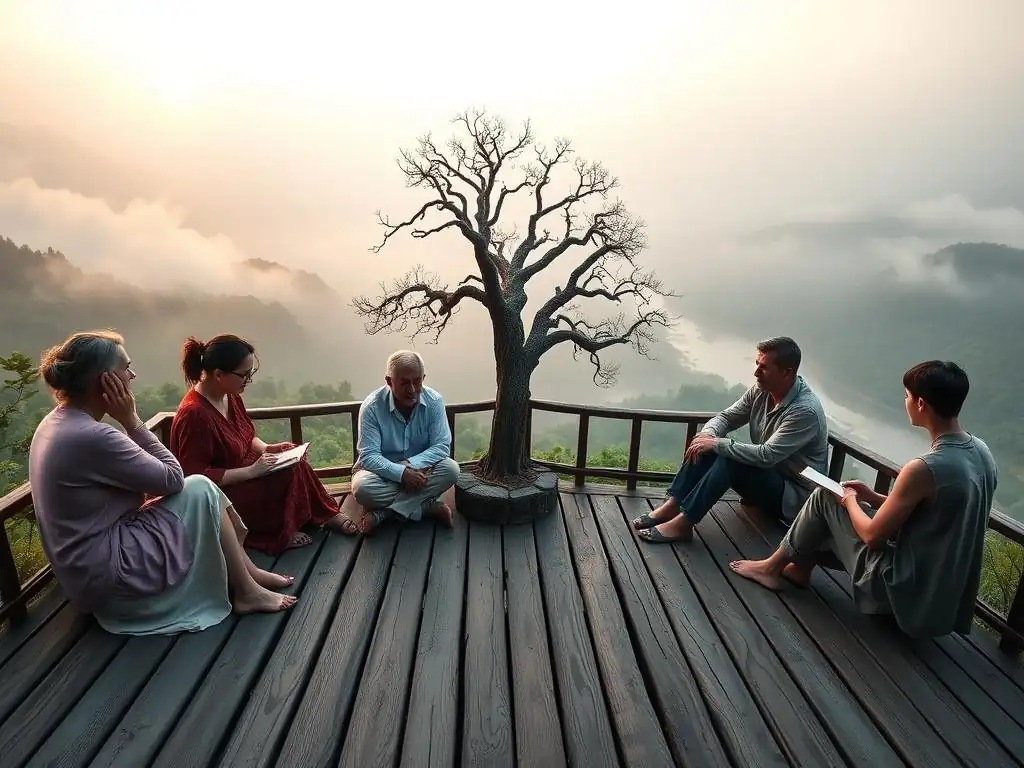
Welcome to Mind Care Guide, a space dedicated to nurturing your mental well-being.
Feeling overwhelmed by anxiety? You're not alone. Discover how mental health retreats for anxiety can offer a sanctuary for healing and self-discovery. Explore our guide and unlock pathways to calm amidst the storm, starting with our insights on transformative retreats designed to help you reclaim your inner peace. What awaits you on this journey of mindful restoration?
Navigating Challenges Together: Retreats for Tough Times
- The Strain on Relationships: Anxiety and its Impact
- Finding Solace and Solutions: Mental Health Retreats for Anxiety
- Retreats Tailored for Anxiety: What to Look For
- Featured Retreat Options: Addressing Anxiety Together
- Overcoming Common Challenges During Retreats
- Post-Retreat Integration: Sustaining the Positive Change
- Resources for Anxious Couples Seeking Retreats
- Investing in Your Relationship and Mental Well-being
-
Frequently Asked Questions
- What are mental health retreats for anxiety, and how can they help?
- How do mental health retreats for anxiety differ from regular vacations?
- What types of therapies and activities are typically included in mental health retreats for anxiety?
- How do I choose the right mental health retreat for anxiety for my needs?
- What are some of the potential benefits of attending a mental health retreat for anxiety?
- Final Reflection: Finding Sanctuary in Shared Struggle
- Unleash Your Inner Resilience: Find Your Next Retreat
The Strain on Relationships: Anxiety and its Impact
Understanding Anxiety's Toll on Couples
Anxiety can cast a long shadow over a relationship, subtly eroding the foundation of trust, intimacy, and connection. When one or both partners struggle with anxiety, it can manifest in various ways, from excessive worry and irritability to avoidance and withdrawal. For example, a partner experiencing significant social anxiety might resist attending social gatherings together, leading the other partner to feel isolated or resentful.
This constant tension and the need to manage one's own or a partner's anxiety can exhaust emotional resources, leaving little energy for nurturing the relationship itself. Studies suggest that chronic stress and anxiety in individuals can lead to increased conflict within couples, decreased relationship satisfaction, and even higher rates of separation over time. The persistent background noise of worry can drown out the quieter signals of affection and understanding crucial for a healthy partnership.
Furthermore, anxiety often fuels negative thought patterns and behaviors that directly impact interaction dynamics. A person with health anxiety might constantly seek reassurance from their partner, leading to frustration or burnout. Performance anxiety could affect intimacy, creating distance and misunderstanding.
The non-anxious partner might struggle to understand the seemingly irrational fears, leading to a breakdown in empathy. It's estimated that relationship distress is a significant factor for individuals seeking therapy for anxiety, highlighting the deep connection between personal well-being and relationship health. Addressing anxiety isn't just about individual healing; it's fundamentally about restoring balance and harmony within the couple unit.
Recognizing the Signs of Relationship Distress Caused by Anxiety
Identifying the specific ways anxiety is impacting a relationship is the first step towards healing. Common signs include increased arguments over seemingly small issues, often stemming from misinterpretations fueled by anxious thoughts. For instance, a delayed text message might be perceived as rejection or indifference by an anxious partner, triggering conflict. Another key indicator is withdrawal; one or both partners might start avoiding spending quality time together, engaging in less physical intimacy, or shutting down during difficult conversations because the anxiety makes vulnerability feel too risky. This avoidance creates emotional distance and isolation within the partnership.
Beyond conflict and withdrawal, anxiety-induced relationship distress can manifest as codependency or excessive reassurance-seeking. One partner might take on a caretaker role, constantly trying to "fix" the other's anxiety, leading to resentment. Conversely, the anxious partner might become overly reliant, fearing independence or separation.
A tangible sign could be a significant drop in shared activities or hobbies that the couple once enjoyed, as anxiety makes leaving the comfort zone difficult. Financial stress exacerbated by anxiety about the future, or parenting conflicts arising from anxious worries about children's well-being, are also powerful indicators. Recognizing these patterns is crucial, as they signal that professional support, potentially through a mental health retreat for anxiety, might be needed to break the cycle.
Finding Solace and Solutions: Mental Health Retreats for Anxiety
Why Choose a Mental Wellness Retreat for Couples?
Choosing a mental wellness retreat for couples facing anxiety offers a unique and intensive opportunity to step away from daily stressors and focus entirely on healing and connection. Unlike weekly therapy sessions that are integrated into busy lives, a retreat provides an immersive environment free from work deadlines, household chores, and routine pressures. This dedicated time allows couples to deeply engage with therapeutic processes and practices designed to address anxiety's roots and its impact on their relationship.
For example, a retreat might offer daily workshops, individual counseling, and couples therapy sessions, providing a concentrated dose of support that can lead to breakthroughs faster than traditional outpatient approaches. The structured schedule and supportive community environment can also reduce feelings of isolation often associated with anxiety.
Moreover, mental health retreats for anxiety provide a neutral and safe space away from home where couples can explore difficult emotions and communication patterns without the triggers of their usual environment. This geographical separation can create psychological distance, allowing for a fresh perspective. Retreats often incorporate elements like mindfulness, meditation, and nature therapy, which are scientifically proven to reduce anxiety symptoms and improve emotional regulation.
Participating in these activities together can build shared coping mechanisms and create positive new experiences as a couple. For instance, learning mindfulness techniques side-by-side in a peaceful setting can reinforce their use at home and provide a common language for discussing feelings and anxieties.
The Benefits of Retreats Over Traditional Therapy for Anxious Couples
While traditional therapy is invaluable and often a necessary component of long-term mental wellness, mental health retreats for anxiety can offer distinct advantages, particularly for couples struggling to make significant progress or needing a more intensive intervention. One primary benefit is the immersive nature; spending several days or even weeks focused solely on healing and relationship work provides a level of depth and continuity difficult to achieve in weekly sessions.
This allows therapists and participants to delve deeper into complex issues and practice new skills extensively in a supportive environment. A couple might gain more insight and tools in a week-long retreat than they would in several months of weekly therapy.
Another key advantage is the removal from daily life stressors. Anxious couples often find it challenging to carry the insights from a therapy session into their stressful home environment. A retreat provides a buffer, allowing them to learn and practice new behaviors and communication styles in a low-stress setting before reintegrating into their daily routine.
Retreats also often integrate complementary wellness practices like yoga, nutrition guidance, and creative arts alongside traditional therapy, offering a holistic approach that addresses anxiety from multiple angles. This multi-faceted approach can be particularly effective for complex anxiety presentations and provides couples with a wider toolkit for managing symptoms and supporting each other post-retreat.
Retreats Tailored for Anxiety: What to Look For

Specialized Programs for Anxious Couples
When seeking mental health retreats for anxiety, couples should look for programs specifically designed to address both individual anxiety symptoms and the unique dynamics within a relationship affected by anxiety. These specialized programs often incorporate therapeutic modalities known to be effective for anxiety, such as Cognitive Behavioral Therapy (CBT), Acceptance and Commitment Therapy (ACT), and mindfulness-based therapies, but delivered within a couples framework.
For instance, a program might include workshops on identifying and challenging anxious thought patterns together, or sessions on how to support a partner during panic attacks without enabling avoidance. The curriculum should explicitly address communication breakdowns, conflict resolution, and rebuilding intimacy in the context of anxiety.
Effective specialized programs will also offer a balance of joint and individual therapeutic work. While couples therapy is central, individual sessions are crucial for addressing personal trauma, thought patterns, or co-occurring conditions that contribute to anxiety. Group sessions with other couples facing similar challenges can also provide valuable peer support and reduce feelings of isolation, demonstrating that they are not alone in their struggles.
A well-designed program will have licensed therapists and counselors with specific experience working with anxiety disorders and couples dynamics, ensuring that the care provided is both clinically sound and empathetically delivered. The structure should allow ample time for processing, reflection, and practicing new skills learned during sessions.
Key Features of Effective Anxiety-Focused Retreats
Effective mental health retreats for anxiety incorporate several key features to maximize their impact on both individual well-being and relationship health. These elements work together to create a comprehensive healing experience.
- Individual and Couples Counseling Sessions: A robust retreat program will offer a mix of one-on-one therapy sessions and joint couples counseling. Individual sessions allow each partner to explore personal history, triggers, and coping mechanisms related to their anxiety in a private setting. Couples sessions provide a facilitated space to work through relationship issues, improve communication, and practice supportive interactions under the guidance of a therapist. For example, a couple might use a session to role-play a difficult conversation they typically struggle with at home due to anxiety, receiving real-time feedback and coaching. The combination ensures both personal healing and relationship repair are addressed simultaneously.
- Mindfulness and Meditation Workshops: These practices are cornerstones of anxiety management and are often integrated into retreat schedules. Workshops teach couples techniques like mindful breathing, body scans, and loving-kindness meditation. Practicing these together can help partners learn to stay present, manage racing thoughts, and cultivate self-compassion and empathy for each other. Many retreats incorporate daily guided meditation or yoga sessions, allowing couples to build a consistent practice. Research indicates that regular mindfulness practice can significantly reduce anxiety symptoms and improve emotional regulation, providing tools couples can use long after the retreat ends.
- Nature-Based Activities for Stress Reduction: Connecting with nature has proven benefits for reducing stress and anxiety. Effective retreats often leverage their location by incorporating outdoor activities like guided hikes, nature walks, or kayaking. These activities provide gentle exercise, exposure to natural light, and a change of scenery, all of which can positively impact mood and reduce tension. Participating in these activities together creates shared positive experiences and opportunities for low-pressure connection outside of therapeutic sessions. For example, a quiet walk through a forest can provide a calm space for reflection or simple companionship, reinforcing the bond.
Featured Retreat Options: Addressing Anxiety Together
Option 1: The Couples Center Retreat - Cultivating Connection
The Couples Center Retreat focuses on helping partners deepen their bond while navigating the complexities of anxiety. This retreat typically utilizes evidence-based therapeutic approaches such as Emotionally Focused Therapy (EFT) and mindfulness practices to help couples understand the underlying emotional needs driving their interactions, including those related to anxiety.
Through a combination of intensive therapy sessions, experiential activities, and shared quiet time, couples learn to identify negative interaction cycles fueled by anxiety and replace them with more positive, connecting patterns. For example, a session might focus on helping a partner express their need for reassurance in a way that invites connection rather than triggering their partner's frustration.
The program is designed to create a safe and nurturing environment where couples can feel vulnerable and supported as they explore their challenges. Activities might include guided discussions on attachment styles, exercises to build empathy, and opportunities for non-verbal connection. The goal is to equip couples with practical tools and a deeper understanding of themselves and each other, fostering resilience against future anxiety challenges. This approach emphasizes building a secure emotional base within the relationship as a primary strategy for managing anxiety together.
Option 2: Willow Tree Wellness - Communication and Conflict Resolution
Willow Tree Wellness specializes in helping couples improve their communication skills and learn effective strategies for resolving conflicts, recognizing that poor communication often exacerbates anxiety within a relationship. Their program typically includes intensive workshops focused on active listening, assertive communication, and understanding communication styles. Couples learn to identify how anxiety impacts their ability to express themselves clearly or to hear their partner accurately, leading to misunderstandings and escalating tension. Personalized therapy sessions provide a space to apply these skills to specific relationship issues and address underlying anxieties that contribute to communication breakdowns.
The retreat provides structured practice opportunities in a supportive setting, allowing couples to experiment with new ways of talking and listening without the pressures of home. Techniques might include non-violent communication principles or specific frameworks for discussing sensitive topics. By improving how they communicate and handle disagreements, couples can reduce a significant source of stress and anxiety in their relationship. The focus is on building a foundation of clear, empathetic communication that can withstand the pressures of daily life and the challenges posed by anxiety.
Option 3: Adventure Therapy Retreats - Nature-Based Healing
Adventure Therapy Retreats offer a unique approach to addressing anxiety in couples by combining outdoor activities with therapeutic processing. These retreats are based on the principle that engaging in challenging but achievable physical activities in nature can foster resilience, build confidence, and provide powerful metaphors for overcoming life's obstacles, including anxiety.
Activities might range from hiking and rock climbing to kayaking or ropes courses, always conducted with safety and therapeutic intent. Following these experiences, couples participate in guided discussions to process the challenges faced, the emotions that arose (including anxiety), and how the lessons learned can be applied to their relationship dynamics and anxiety management back home.
This type of retreat helps couples break out of established patterns and face discomfort together in a supportive environment, strengthening their bond. For example, navigating a challenging trail or working together on a ropes course requires trust, communication, and mutual support – skills directly applicable to managing anxiety as a team. The natural setting itself is restorative, reducing stress and promoting a sense of calm. This approach is particularly beneficial for couples who enjoy being active and can learn effectively through experiential methods, offering a powerful, embodied path towards healing from anxiety.
Overcoming Common Challenges During Retreats
Managing Anxiety Triggers in a Retreat Setting
Even in a supportive retreat environment, anxiety triggers can still arise. These might include social anxiety in group settings, health anxiety related to being in a new place, or performance anxiety during therapeutic exercises. It's important for both individuals and the couple to be prepared for these possibilities.
Retreat staff are typically trained to help participants manage triggers, but open communication with therapists and partners is key. For example, if group sessions are particularly challenging due to social anxiety, discussing this with a therapist beforehand can lead to strategies like taking short breaks or having a designated support person within the group.
Couples can support each other by recognizing early signs of anxiety in their partner and using coping mechanisms learned in sessions. This might involve stepping away together for a few minutes, practicing a shared breathing exercise, or simply offering a calming presence. Retreats often provide quiet spaces for individuals or couples to retreat to if feeling overwhelmed. It's crucial to view these moments not as failures, but as opportunities to practice new coping skills in a real-world (though contained) setting. Embracing self-compassion and recognizing that managing anxiety is a process, even on retreat, is vital.
Communication Strategies for Anxious Moments
Anxiety can significantly impair effective communication, leading to misunderstandings and conflict, especially during emotionally charged moments at a retreat. Learning and practicing specific communication strategies is essential for couples. One effective technique is using "I" statements to express feelings and needs without blame, such as "I feel overwhelmed when we discuss this topic" instead of "You make me anxious." Active listening is also critical; this involves truly hearing your partner, reflecting back what you've heard, and validating their feelings, even if you don't fully understand their anxiety.
During moments of heightened anxiety, communication can become fragmented or shut down entirely. Retreats teach techniques like taking a pause or a "timeout" when discussions become too intense, agreeing to revisit the topic later when both partners are calmer. Learning to identify when a partner is becoming overwhelmed by anxiety and needs space versus needing reassurance is a delicate but crucial skill.
Therapists at the retreat can facilitate these difficult conversations, providing guidance and modeling healthy communication patterns. Practicing these strategies repeatedly in a safe retreat setting helps couples build confidence in their ability to navigate anxious moments together back home.
Post-Retreat Integration: Sustaining the Positive Change

Implementing Learned Techniques at Home
Returning home after a mental health retreat for anxiety is a critical transition period. The challenge is to integrate the insights and techniques learned in the immersive environment into the realities of daily life. Couples should have a concrete plan for implementing the coping strategies, communication skills, and mindfulness practices they found helpful during the retreat.
This might involve scheduling regular times for couples' check-ins, setting aside time for joint mindfulness practice, or committing to individual therapy follow-up. For instance, if a couple learned a specific conflict resolution technique, they might agree to consciously use it during their next disagreement.
Accountability can be a powerful motivator. Couples can agree to gently remind each other to use the learned skills when anxiety arises or communication becomes strained. Reviewing notes or materials provided by the retreat can also help reinforce the lessons. It's important to start small and be patient; not every technique will work perfectly every time, and setbacks are normal. Celebrating small successes, like successfully navigating a stressful situation using a new coping skill, can build momentum and encourage continued effort. The goal is consistent practice, gradually weaving these new behaviors into the fabric of the relationship.
Maintaining Communication and Support Systems
Sustaining the positive changes initiated at a mental health retreat for anxiety requires ongoing effort to maintain open communication and leverage support systems. Couples should prioritize regular, dedicated time to connect and discuss how they are feeling individually and as a couple, including any resurgence of anxiety symptoms or relationship challenges. This could be a weekly relationship check-in or a daily brief conversation about their emotional state. Maintaining the communication skills practiced at the retreat, such as active listening and expressing needs clearly, is vital for navigating difficulties as they arise.
Beyond the couple unit, maintaining connection with external support systems is crucial. This might involve continuing with individual or couples therapy, joining a support group for anxiety, or staying in touch with peers met at the retreat if appropriate. Sharing their experiences and challenges with trusted friends or family members can also provide valuable perspective and emotional support. Recognizing that managing anxiety is a long-term journey, not a one-time fix, empowers couples to proactively seek support and reinforce the healthy patterns established during their mental health retreat for anxiety.
Resources for Anxious Couples Seeking Retreats
Psychology Today: Online Directory of Therapists and Retreats
Psychology Today offers a comprehensive online directory that can be a valuable starting point for couples seeking support for anxiety, including information on therapists and potentially listings for mental health retreats for anxiety. Users can filter searches based on location, specialization (such as anxiety, couples therapy), and therapeutic approach. While not exclusively a retreat directory, it often lists practitioners or centers that offer intensive programs or can provide referrals to suitable retreats. The profiles typically include information about the therapist's background, areas of expertise, and approach to treatment, helping couples find a professional whose style aligns with their needs.
Exploring this resource allows couples to research potential therapeutic options and understand the types of support available in their area or desired retreat location. It provides a wealth of information on mental health professionals and practices, empowering couples to make informed decisions about their care. The detailed profiles can help couples identify therapists or centers with specific experience in treating anxiety within the context of relationships, ensuring they find support tailored to their unique challenges.
"Attached" by Amir Levine and Rachel Heller: Understanding Attachment Styles
The book "Attached: The New Science of Adult Attachment and How It Can Help You Find--and Keep--Love" by Amir Levine and Rachel S.F. Heller is a highly recommended resource for couples, particularly those whose relationship is impacted by anxiety. The book explains the science of adult attachment and identifies three main attachment styles: Anxious, Avoidant, and Secure.
It delves into how these styles manifest in relationships, influencing communication, conflict, and overall connection. For couples dealing with anxiety, understanding the Anxious attachment style – characterized by a strong need for closeness and worry about a partner's availability – can be particularly insightful.
Reading "Attached" together or individually can provide couples with a framework for understanding their own and their partner's relationship behaviors, including those driven by anxiety. It offers practical advice on how to communicate effectively with partners of different attachment styles and how to move towards a more secure attachment. This knowledge can be a powerful complement to the work done at a mental health retreat for anxiety, providing a shared language and deeper theoretical understanding of their relationship dynamics. It helps couples recognize that many of their struggles are common patterns rooted in attachment needs, rather than personal failings.
Investing in Your Relationship and Mental Well-being
The Long-Term Benefits of Addressing Anxiety Together
Investing in a mental health retreat for anxiety, or engaging in other forms of intensive support, offers significant long-term benefits for both individual well-being and the health of the relationship. By addressing anxiety as a team, couples build resilience and strengthen their bond. They develop a deeper understanding of each other's inner worlds, fostering empathy and compassion.
Learning effective coping mechanisms and communication strategies together provides them with tools to navigate future stressors and challenges more effectively, preventing anxiety from derailing their connection. This shared journey of healing can transform the relationship into a source of strength and support, rather than a casualty of anxiety.
Beyond managing symptoms, addressing anxiety together can lead to increased relationship satisfaction, improved intimacy, and a greater sense of security and trust. Couples learn to support each other through difficult times, creating a partnership based on mutual understanding and acceptance. The skills gained at a retreat or through therapy are not just for crisis management; they are foundational for building a thriving, resilient relationship capable of weathering life's inevitable storms. This investment pays dividends in sustained happiness and connection for years to come.
Taking the First Step Towards a Healthier Future
Recognizing that anxiety is impacting your relationship and deciding to seek help is a brave and crucial first step towards a healthier future. Whether that step involves researching mental health retreats for anxiety, finding a couples therapist specializing in anxiety, or simply having an open and honest conversation with your partner about your struggles, taking action is paramount. It signifies a commitment to each other and to the well-being of your relationship. It's okay to feel uncertain or even anxious about seeking help; these feelings are valid parts of the process.
Remember that you don't have to navigate these challenges alone. Resources and support systems are available to guide you. Exploring options like a mental health retreat for anxiety can provide the intensive, focused support needed to create lasting change. Committing to the process, practicing patience and self-compassion, and supporting your partner are key elements of this journey. Taking that initial step, no matter how small it feels, sets you on a path towards healing, stronger connection, and a more peaceful future together.
Frequently Asked Questions
What are mental health retreats for anxiety, and how can they help?
These retreats are structured programs offering a safe and supportive environment to address anxiety through therapy, mindfulness, and relaxation techniques. They help by providing intensive support and skill-building strategies.
How do mental health retreats for anxiety differ from regular vacations?
Unlike vacations focused on leisure, these retreats are specifically designed to treat anxiety. They incorporate therapeutic interventions and professional guidance, aiming for lasting improvement.
What types of therapies and activities are typically included in mental health retreats for anxiety?
Common therapies include Cognitive Behavioral Therapy (CBT), mindfulness meditation, and group therapy. Activities often involve yoga, nature walks, and stress-reduction techniques to promote relaxation.
How do I choose the right mental health retreat for anxiety for my needs?
Consider the retreat's specialization, the qualifications of the staff, and the types of therapies offered. Read reviews and consult with a mental health professional for personalized recommendations.
What are some of the potential benefits of attending a mental health retreat for anxiety?
Benefits can include reduced anxiety symptoms, improved coping skills, increased self-awareness, and a stronger support network. Participants often experience a renewed sense of hope and well-being.
The rising tide of anxiety in our modern world demands innovative solutions, and the power of collective healing through retreats offers a potent antidote. These aren't simply vacations; they are carefully designed spaces for processing trauma, building resilience, and rediscovering inner peace. The increasing popularity of mental health retreats reflects a growing societal understanding of the importance of prioritizing mental wellbeing.
The profound impact of shared experience in overcoming anxiety cannot be overstated. Witnessing others navigate similar challenges fosters a sense of belonging and validation that is often missing in isolating struggles. The greatest glory in living lies not in never falling, but in rising every time we fall.
- Nelson Mandela. This quote perfectly encapsulates the spirit of these retreats – a place where setbacks are not failures, but opportunities for growth and renewed strength, shared amongst a community of support. The lasting connections forged during these intensive periods of self-discovery often prove to be invaluable resources long after the retreat concludes.
Now, consider your own journey. What anxieties hold you back? What kind of sanctuary do you need to find strength and clarity? Perhaps a retreat, a supportive community, or simply a dedicated time for self-reflection is the key to unlocking your own potential for healing and growth. Take a moment to reflect on this, and consider the steps you can take today to prioritize your mental wellbeing. The path to a healthier, happier you begins with a single, courageous step.
Unleash Your Inner Resilience: Find Your Next Retreat
Thanks for taking the time to explore the power of retreats in navigating life's challenges! We hope you gained valuable insights into how these experiences can foster growth and renewal. Now, it's time to put that knowledge into action.
- Find your perfect retreat: Browse our curated list of retreats designed to support you on your journey. Consider your specific needs and choose an experience tailored to your goals. This is the key step!
- Share your insights: Do you have a favorite retreat you'd recommend? Share your experience in the comments below to help others find their path to resilience.
- Dive deeper into self-care: Explore our other articles on self-care strategies to complement your retreat experience and build lasting well-being.
Ready to take the first step towards a more resilient and fulfilling you? What type of retreat environment do you think would best support your current needs?