
The Blueprint for Resilience: How to Build Strength PostTrauma


Welcome to Mind Care Guide, a safe space to explore your mental well-being.
Feeling overwhelmed after trauma? You're not alone. This guide is designed to help you navigate the path toward healing and strength. Discover posttrauma resilience building strategies within – practical tools and insights to empower you to rebuild your life and reclaim your inner peace. What if you could not just survive, but thrive after trauma? Let's explore how.
Building Resilience After Trauma: A Practical Guide
- Understanding Resilience in the Context of Trauma
- Core Strategies for Fostering Resilience
- Practical Steps to Enhance Resilience
- Addressing Challenges and Setbacks
- Maintaining Long-Term Well-being and Resilience
- Key Strategies for Building Post-Traumatic Resilience: A Recap
-
Frequently Asked Questions
- What exactly are Posttrauma resilience building strategies, and why are they important?
- How do I identify if I need Posttrauma resilience building strategies?
- What are some common examples of Posttrauma resilience building strategies?
- How long does it typically take to see results from implementing Posttrauma resilience building strategies?
- Where can I find more resources and support for Posttrauma resilience building strategies?
- Final Reflection: Embracing the Blueprint for a Resilient Future
- Unleash Your Inner Strength: Start Your Resilience Journey Today!
Understanding Resilience in the Context of Trauma
Defining Psychological Resilience Following Trauma
Psychological resilience following trauma can be understood as the process of adapting well in the face of adversity, trauma, tragedy, threats, or significant sources of stress. It is not about avoiding distress or pain, but rather the ability to navigate through difficult experiences and emerge with the capacity to function, and potentially even thrive. This adaptive capacity involves a complex interplay of internal resources, external support systems, and learned coping strategies that enable individuals to maintain mental and emotional well-being despite exposure to severely disruptive events.
Resilience is not a fixed trait possessed by a select few, but rather a dynamic process that can be cultivated and strengthened over time. For someone who has experienced trauma, such as surviving a natural disaster, experiencing violence, or enduring significant loss, building Posttrauma resilience building strategies becomes a vital pathway toward healing.
This involves actively engaging in behaviors and thought patterns that promote recovery, such as seeking support, developing self-awareness, and finding meaning in life despite the pain. Research indicates that while trauma can have profound and lasting impacts, a significant portion of survivors demonstrate remarkable resilience, highlighting the potential for growth and recovery.
Why Resilience is Crucial for Trauma Recovery
Resilience is absolutely crucial for trauma recovery because trauma can fundamentally disrupt a person's sense of safety, self, and connection to the world. Without the ability to adapt and cope effectively, individuals may remain trapped in a cycle of distress, characterized by symptoms like anxiety, depression, post-traumatic stress disorder (PTSD), and difficulty forming or maintaining relationships. Resilience provides the internal and external resources necessary to process the traumatic experience, regulate overwhelming emotions, and gradually rebuild a stable and meaningful life.
Effective Posttrauma resilience building strategies help individuals move beyond merely surviving to actively reclaiming their lives. They empower survivors to confront trauma-related challenges, reduce the severity and duration of distressing symptoms, and prevent the development of chronic mental health conditions. For instance, studies on veterans have shown that higher levels of resilience are correlated with lower rates of PTSD and better long-term psychological adjustment. Resilience allows individuals to view challenges not as insurmountable obstacles, but as difficult experiences that, with effort and support, can be navigated, fostering a sense of agency and hope essential for healing.
Factors Contributing to Individual Resilience After Trauma
Several factors contribute to an individual's capacity for resilience after experiencing trauma. These can be broadly categorized into internal characteristics and external resources. Internal factors often include a positive self-concept, the ability to regulate emotions, problem-solving skills, a sense of purpose or meaning, and a belief in one's ability to cope (self-efficacy). For example, someone with strong emotional regulation skills might be better equipped to manage the intense fear or sadness triggered by traumatic memories.
External factors play an equally significant role. Strong social support networks, including family, friends, and community connections, provide comfort, understanding, and practical assistance. Access to mental health services, such as therapy and counseling, is also a critical external resource. Belonging to supportive communities, whether religious, cultural, or interest-based, can also foster resilience by providing a sense of belonging and shared identity. Research consistently shows that social support is one of the most powerful predictors of positive outcomes following trauma, underscoring the importance of connection in Posttrauma resilience building strategies.
Core Strategies for Fostering Resilience
Self-Awareness: Recognizing Your Internal Landscape
Developing self-awareness is a foundational element in building resilience after trauma. It involves the ability to recognize and understand your own thoughts, emotions, and physical sensations, particularly those linked to the traumatic experience. This isn't about dwelling on the past, but about becoming an observer of your internal state in the present moment. For someone navigating the aftermath of trauma, this might mean noticing how certain situations or memories trigger intense fear or anxiety, or how stress manifests physically in their body.
Cultivating self-awareness requires courage and patience. It involves paying attention without judgment, allowing yourself to feel what you feel without immediately trying to change or suppress it. Through practices like journaling, meditation, or simply taking moments throughout the day to check in with yourself, individuals can begin to map their internal landscape. This understanding is crucial because it provides the necessary information to choose effective coping responses rather than reacting automatically based on past trauma. It forms the basis for many other Posttrauma resilience building strategies.
Identifying Trauma-Related Triggers
Identifying trauma-related triggers is a specific and crucial aspect of self-awareness for trauma survivors. Triggers are stimuli—people, places, sounds, smells, thoughts, or feelings—that remind an individual of a traumatic event and can evoke intense emotional or physical reactions, such as panic, fear, anger, or flashbacks. These triggers are often linked through sensory associations made during the trauma. For example, the smell of burning might trigger intense anxiety in someone who survived a house fire, or a specific tone of voice could trigger fear in someone who experienced abuse.
Learning to identify these triggers is not about avoiding them entirely (though avoidance may be necessary initially), but about understanding their connection to the trauma and developing strategies to manage the reactions they provoke. Keeping a journal of reactions and trying to pinpoint what preceded them can be helpful. Recognizing a trigger allows a person to anticipate a potential reaction and employ coping mechanisms before becoming overwhelmed. This proactive approach is a powerful component of Posttrauma resilience building strategies, shifting from reactive survival mode to intentional management.
Understanding Your Emotional and Physical Responses
Beyond identifying triggers, a deeper understanding of your typical emotional and physical responses to stress and trauma-related stimuli is vital for resilience. Trauma can dysregulate the nervous system, leading to exaggerated or unpredictable reactions. Emotionally, you might experience intense fear, sadness, anger, shame, or numbness. Physically, responses can include a racing heart, muscle tension, digestive issues, fatigue, or heightened jumpiness (hyperarousal).
Understanding these patterns helps normalize your experiences and provides clues about your internal state. For instance, recognizing that your jaw clenches and your shoulders tense up when you feel threatened is a physical manifestation of your body's 'fight or flight' response. Knowing this allows you to consciously try relaxation techniques. Similarly, understanding that intense sadness follows certain memories enables you to prepare for and process that emotion. This detailed understanding of your internal responses is foundational for selecting and applying effective Posttrauma resilience building strategies, allowing you to work with your body and mind, not against them.
Building a Robust Support Network
A robust support network is a cornerstone of Posttrauma resilience building strategies. Humans are social creatures, and connection provides comfort, validation, and practical help during difficult times. Trauma can often lead to feelings of isolation and alienation, making it challenging to reach out. However, having people who listen without judgment, offer encouragement, and provide a sense of belonging significantly buffers the impact of trauma and aids in recovery.
This network can include family members, friends, colleagues, support groups, or community members. The quality of support is often more important than the quantity. What matters is having individuals who are reliable, empathetic, and genuinely care about your well-being. Sharing your experiences, even in part, with trusted individuals can reduce the burden of carrying trauma alone and reinforce that you are not defined solely by what happened to you.
Cultivating Meaningful Relationships
Cultivating meaningful relationships involves nurturing connections that are characterized by trust, empathy, and mutual respect. For trauma survivors, this might mean carefully choosing who to confide in and setting healthy boundaries within relationships. It's about connecting with people who make you feel safe, understood, and valued. Meaningful relationships provide emotional sustenance and practical support, whether it's a friend who brings you a meal when you're struggling or a family member who simply sits with you in silence when you need company.
Building these relationships post-trauma can be challenging, as trauma can sometimes damage trust or make social interactions feel overwhelming. However, investing time and energy in healthy connections is a powerful act of resilience. It demonstrates that you are capable of forming positive bonds and receiving care, counteracting the potential for isolation that trauma can create. These connections are essential for reinforcing Posttrauma resilience building strategies in daily life.
Seeking Professional Guidance: Therapy Options
Seeking professional guidance, particularly therapy, is a critical component of building resilience for many trauma survivors. Mental health professionals are trained to understand the complex impacts of trauma and provide evidence-based interventions to help individuals process their experiences and develop coping skills. Therapy offers a safe and confidential space to explore difficult emotions and memories under the guidance of an expert.
Various therapeutic approaches are effective for trauma recovery, including Trauma-Focused Cognitive Behavioral Therapy (TF-CBT), Eye Movement Desensitization and Reprocessing (EMDR), and Somatic Experiencing. A therapist can help identify maladaptive coping patterns, challenge negative beliefs about oneself and the world that may have developed after the trauma, and teach practical Posttrauma resilience building strategies. Accessing professional support is not a sign of weakness, but a courageous and proactive step towards healing and strengthening your capacity to cope with future challenges.
Developing Effective Coping Mechanisms
Developing effective coping mechanisms is essential for managing the day-to-day challenges and emotional intensity that can arise after trauma. Coping mechanisms are the strategies people use to deal with stressful or difficult situations. While some coping methods, like avoidance or substance use, might offer temporary relief, they are ultimately detrimental to long-term recovery and resilience. Effective coping mechanisms are those that help you process emotions, manage stress in healthy ways, and maintain your well-being.
These strategies are varied and can be tailored to individual needs and preferences. They often involve learning techniques to regulate overwhelming emotions, manage intrusive thoughts, and reduce physical tension. Building a repertoire of healthy coping skills empowers you to respond to triggers and stressors constructively, rather than being overwhelmed by them. This active development of coping skills is central to Posttrauma resilience building strategies.
Mindfulness Practices for Emotional Regulation
Mindfulness practices are highly effective tools for emotional regulation and are considered key Posttrauma resilience building strategies. Mindfulness involves paying attention to the present moment without judgment. For someone recovering from trauma, this can be particularly challenging as the mind may be preoccupied with past memories or future anxieties. However, practicing mindfulness helps ground you in the here and now, interrupting the cycle of rumination or hypervigilance.
Techniques such as mindful breathing, body scans, or simply paying attention to sensory details in your environment can help you become more aware of your emotional state and physical sensations without being consumed by them. This awareness allows for a pause between feeling an emotion and reacting to it, creating space to choose a healthier response. Regular mindfulness practice can help regulate the nervous system, reduce reactivity, and increase tolerance for difficult emotions, fostering a greater sense of calm and control.
Grounding Techniques for Managing Anxiety
Grounding techniques are practical tools specifically designed to help manage intense anxiety, panic, or dissociation, which are common responses to trauma triggers. These techniques bring your focus back to the present moment and your physical body, pulling you out of overwhelming thoughts or flashback experiences. They are immediate, in-the-moment strategies that can be used discreetly whenever you feel overwhelmed.
Simple grounding techniques include focusing on your five senses (listing 5 things you can see, 4 things you can touch, 3 things you can hear, 2 things you can smell, and 1 thing you can taste), feeling your feet on the ground, holding an object and focusing on its texture, or describing your surroundings in detail. These actions anchor you to the present reality and interrupt the cycle of panic or dissociation. Practicing grounding techniques regularly, even when not in distress, can make them more effective when you need them most, reinforcing your capacity for Posttrauma resilience building strategies.
Cognitive Reframing: Challenging Negative Thought Patterns
Cognitive reframing is a powerful coping mechanism that involves identifying and challenging negative or distorted thought patterns that often arise after trauma. Trauma can lead to beliefs such as "The world is a dangerous place," "I am fundamentally flawed," or "I am helpless." These thoughts, while understandable reactions, can perpetuate distress and hinder recovery. Cognitive reframing doesn't mean denying the reality of the trauma, but questioning the accuracy and helpfulness of these negative interpretations.
This process involves identifying negative automatic thoughts (e.g., "It was my fault"), examining the evidence for and against them, and developing more balanced and realistic alternative thoughts (e.g., "I was a victim in a dangerous situation; I did the best I could to survive"). This technique, often taught in therapy like CBT, helps individuals gain perspective, reduce self-blame, and foster a more positive outlook on themselves and their future. Actively challenging unhelpful thoughts is a fundamental aspect of Posttrauma resilience building strategies, empowering individuals to shape their internal narrative.
Prioritizing Self-Care and Well-being
Prioritizing self-care is not a luxury but a necessity for building and maintaining resilience after trauma. Trauma recovery is demanding, both emotionally and physically. Neglecting basic needs like sleep, nutrition, and physical activity depletes your resources and makes it harder to cope with stress and emotional challenges. Self-care involves intentionally engaging in activities that nourish your mind, body, and spirit, helping to restore balance and energy.
This includes establishing routines that support physical health, engaging in activities that bring joy and relaxation, and setting healthy boundaries in relationships and commitments. Self-care is a personal practice, and what works for one person may not work for another. The key is to identify activities that genuinely replenish you and make them a consistent part of your life. Consistent self-care is a foundational pillar among Posttrauma resilience building strategies.
Optimizing Physical Health: Nutrition, Exercise, and Sleep Hygiene
Optimizing physical health through nutrition, exercise, and sleep hygiene is profoundly important for mental and emotional resilience, especially after trauma. Trauma can dysregulate the body's stress response system, and attending to physical health helps to restore balance. A balanced diet provides the nutrients your brain needs to function optimally. For example, omega-3 fatty acids are linked to improved mood, while stable blood sugar levels can help manage anxiety.
Regular physical activity is a powerful stress reliever and can help process stored tension in the body. Even moderate exercise, like a 30-minute walk several times a week, has been shown to reduce symptoms of depression and anxiety and improve sleep. Sleep hygiene—establishing consistent sleep schedules and creating a restful environment—is crucial because trauma can severely disrupt sleep patterns. Adequate sleep is essential for emotional regulation and cognitive function. Focusing on these physical aspects is a tangible way to implement Posttrauma resilience building strategies.
Engaging in Enjoyable and Meaningful Activities
Engaging in enjoyable and meaningful activities is a vital part of self-care and resilience building. Trauma can strip life of its joy and purpose, leading to apathy or anhedonia (inability to feel pleasure). Reconnecting with hobbies, interests, or activities that bring you a sense of pleasure, satisfaction, or meaning helps to counteract these feelings and remind you that life holds value beyond the trauma.
This could involve returning to a favorite hobby like painting or gardening, spending time in nature, listening to music, volunteering for a cause you care about, or pursuing new interests. These activities provide positive experiences, a sense of accomplishment, and opportunities for connection. They serve as anchors of well-being and contribute to a balanced life, reinforcing your commitment to Posttrauma resilience building strategies by actively creating positive experiences.
Establishing Healthy Boundaries
Establishing healthy boundaries is a critical self-care strategy, particularly for trauma survivors who may have experienced boundary violations. Boundaries are the limits you set to protect your physical, emotional, and mental space. They define what is acceptable and unacceptable in your interactions with others and commitments. Learning to say "no," limiting contact with toxic individuals, and protecting your time and energy are acts of self-preservation.
Trauma can sometimes make it difficult to assert boundaries due to fear, guilt, or a desire to please. However, setting healthy boundaries is essential for maintaining your well-being and preventing re-victimization or burnout. It communicates your needs to others and reinforces your sense of self-worth and agency. Clearly defined boundaries contribute significantly to feeling safe and in control, bolstering your overall capacity for Posttrauma resilience building strategies.
Practical Steps to Enhance Resilience
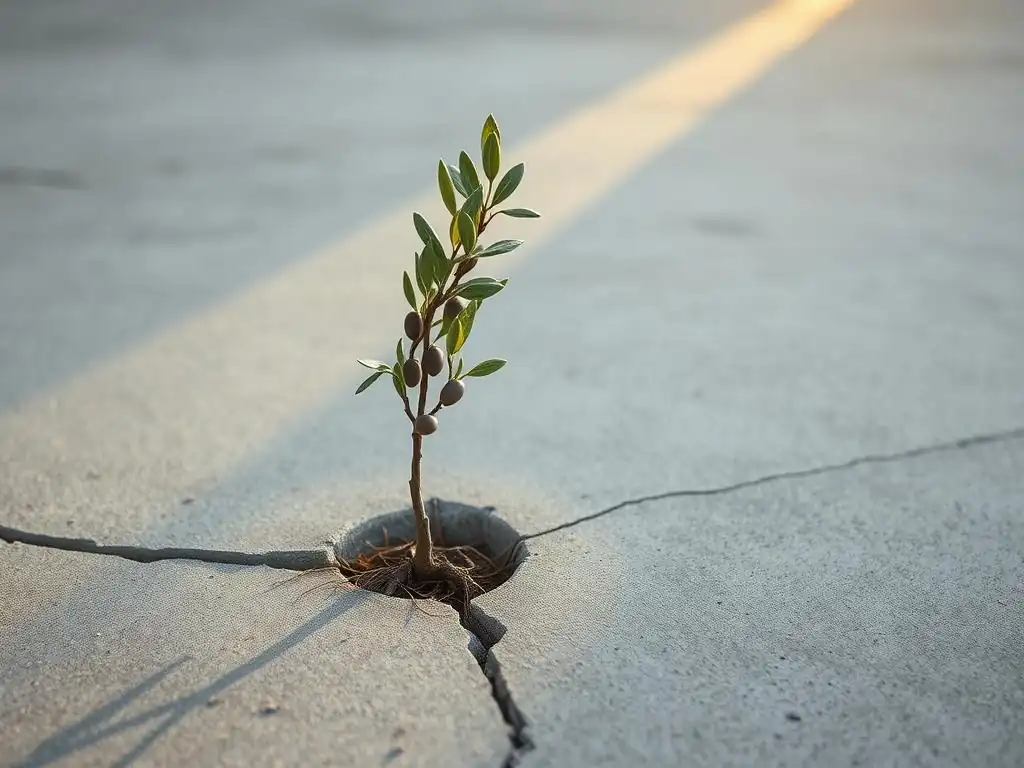
Here are practical steps you can take to actively enhance your resilience after trauma:
- [ ] Step 1: Acknowledge and Process the Traumatic Experience:
- [ ] Step 2: Focus on Controllable Aspects of Your Life:
- [ ] Step 3: Set Achievable Goals and Celebrate Progress:
- [ ] Step 4: Practice Gratitude and Positive Self-Talk:
- [ ] Step 5: Identify Opportunities for Growth and Learning:
Step 1: Acknowledge and Process the Traumatic Experience
Acknowledging and processing the traumatic experience is a fundamental first step in building resilience. This does not mean reliving the trauma repeatedly in a harmful way, but rather confronting the reality of what happened and allowing yourself to feel the associated emotions. Suppression or avoidance can prolong suffering and hinder healing. For many, this processing happens safely within the context of therapy, where a trained professional can guide the individual through difficult memories and emotions using evidence-based techniques.
Processing involves integrating the traumatic event into your life narrative in a way that reduces its power over you. It means understanding that the trauma was an event you experienced, not something that defines your entire identity. This step requires courage and can be painful, but it is necessary to move towards acceptance and healing. Engaging in therapeutic modalities designed for trauma, such as EMDR or Narrative Exposure Therapy, provides structured methods for safely revisiting and processing the experience, which is a core component of Posttrauma resilience building strategies.
Step 2: Focus on Controllable Aspects of Your Life
After trauma, it's easy to feel a profound loss of control. A key step in rebuilding resilience is to consciously shift focus to the aspects of your life that you can control. While you cannot change the past event, you can control your reactions in the present, your daily habits, your environment, and your choices about who you spend time with. This shift in focus helps to counteract feelings of helplessness and restores a sense of agency.
Start small by focusing on daily routines: what time you wake up, what you eat, when you exercise, or how you structure your day. Making deliberate choices in these areas reinforces that you have power over your life. You can also control your efforts in seeking support, practicing coping skills, and setting boundaries. This intentional focus on controllable elements is a practical way to implement Posttrauma resilience building strategies, empowering you to rebuild stability and confidence one choice at a time.
Step 3: Set Achievable Goals and Celebrate Progress
Setting achievable goals and celebrating progress, no matter how small, is vital for rebuilding self-efficacy and motivation after trauma. Trauma can make large tasks seem insurmountable and diminish your belief in your capabilities. Breaking down recovery into small, manageable steps makes the journey less overwhelming and provides tangible evidence of your ability to move forward.
Goals could be as simple as taking a short walk each day, reaching out to a friend once a week, practicing a grounding technique when feeling anxious, or completing a small household chore. Achieving these small goals builds momentum and reinforces a sense of accomplishment. Acknowledging and celebrating these small wins, perhaps by journaling them or sharing them with a trusted friend, strengthens your motivation and belief in your capacity for healing and growth. This goal-oriented approach is a practical application of Posttrauma resilience building strategies, demonstrating progress over time.
Step 4: Practice Gratitude and Positive Self-Talk
Practicing gratitude and positive self-talk helps to shift your focus away from dwelling solely on the trauma and cultivates a more balanced perspective. Trauma can lead to a negative bias, making it hard to see anything good in life. Intentionally noticing and appreciating the positive aspects, no matter how small, can help counteract this. This could involve keeping a gratitude journal, taking a moment each day to list things you are thankful for, or simply pausing to appreciate a pleasant experience.
Positive self-talk involves consciously challenging negative self-statements that often arise after trauma ("I'm weak," "I'm broken") and replacing them with compassionate and realistic affirmations ("I am a survivor," "I am capable of healing," "It is okay to feel this way"). This is not about denying pain, but about nurturing a more supportive and encouraging internal dialogue. Cultivating gratitude and positive self-talk are active Posttrauma resilience building strategies that foster a more hopeful and self-compassionate mindset.
Step 5: Identify Opportunities for Growth and Learning
Identifying opportunities for growth and learning in the aftermath of trauma is part of the process known as post-traumatic growth. While trauma is undeniably painful, it can also, for some individuals, lead to positive changes in areas such as a greater appreciation for life, stronger relationships, new possibilities, increased personal strength, and spiritual development. This is not to say trauma is beneficial, but that growth can occur in response to it.
This step involves reflecting on the experience and identifying any insights gained, strengths discovered, or changes in perspective that have occurred. Perhaps the trauma highlighted the importance of certain relationships, led you to discover inner strength you didn't know you had, or clarified your life priorities. Focusing on these potential areas of growth helps to integrate the trauma experience in a way that acknowledges its impact while also recognizing your capacity for transformation. Actively seeking these opportunities is a powerful element of Posttrauma resilience building strategies, moving towards a future shaped by strength and wisdom gained through adversity.
Addressing Challenges and Setbacks

Even with strong Posttrauma resilience building strategies in place, the path to recovery is rarely linear. Challenges and setbacks are a normal part of the healing process. It's important to anticipate that there will be difficult days, periods where symptoms resurface, or moments when you feel discouraged. Recognizing this reality helps to normalize these experiences and prevent them from derailing your progress entirely.
Understanding that setbacks are temporary bumps in the road, not failures, is crucial. They can even be opportunities for further learning about your triggers, coping mechanisms, and areas where you might need additional support. Developing resilience includes learning how to navigate these difficult periods effectively and return to your path of recovery with renewed determination.
Recognizing Common Obstacles to Recovery
There are several common obstacles that individuals may face when trying to build resilience after trauma. These can include persistent symptoms like flashbacks, nightmares, anxiety, or depression. Avoidance behaviors, such as isolating oneself or using substances to numb feelings, are also significant barriers. Negative beliefs about oneself or the world, difficulty trusting others, and feeling overwhelmed by daily life demands can also impede progress.
Furthermore, lack of social support, financial difficulties, or ongoing stressful life events can make recovery more challenging. It's important to be aware that these obstacles exist and to recognize them if they arise. Identifying these hurdles is the first step in developing strategies to overcome them. For instance, recognizing avoidance allows you to consciously choose to engage in a healthy coping skill instead. Awareness of these common issues strengthens your approach to Posttrauma resilience building strategies.
Managing Setbacks and Relapses Effectively
Managing setbacks and relapses effectively is a key skill in long-term resilience. A setback doesn't mean you've failed; it means you've encountered a challenge. Instead of viewing a return of symptoms or a difficult period as a sign that you're back at square one, view it as a signal to lean on your coping skills and support system. Have a plan in place for when things get tough. This might involve having a list of grounding techniques to use, knowing who you can call for support, or having a self-care routine you can fall back on.
Reflect on what triggered the setback and what you can learn from it. Did you neglect your self-care? Were you exposed to a known trigger without adequate preparation? Use the experience to refine your Posttrauma resilience building strategies. Be compassionate with yourself; recovery is a process with ups and downs. Focusing on getting back on track rather than dwelling on the setback itself is essential for maintaining momentum.
Knowing When to Seek Additional Support
Knowing when to seek additional support is a critical aspect of self-care and resilience. While Posttrauma resilience building strategies empower you with tools, there are times when the challenges become too difficult to manage on your own. Signs that you may need more support include a significant increase in symptoms (e.g., severe anxiety, depression, intrusive thoughts), difficulty functioning in daily life (e.g., unable to go to work or care for yourself), thoughts of self-harm, or reliance on unhealthy coping mechanisms like excessive substance use.
Reaching out to a therapist, counselor, doctor, or a crisis hotline is a sign of strength, not weakness. These professionals can provide the specialized care and interventions needed to navigate acute distress or persistent difficulties. Having a plan for when and how you will seek help if needed is part of proactive resilience planning. Don't wait until you are in crisis; establish connections with potential support resources beforehand as part of your comprehensive Posttrauma resilience building strategies.
Maintaining Long-Term Well-being and Resilience
Maintaining long-term well-being and resilience requires ongoing effort and commitment. Resilience isn't a destination you reach but a continuous process of adaptation and growth. The strategies you develop after trauma become integral parts of your life, helping you navigate not only the lingering effects of the past but also future stressors and challenges.
This involves consistently practicing your coping skills, nurturing your support network, prioritizing self-care, and remaining open to learning and evolving. It's about integrating the lessons learned from your trauma experience into a life that is meaningful and fulfilling. Long-term resilience is built through consistent, mindful effort applied to the Posttrauma resilience building strategies that work best for you.
Integrating Resilience into Daily Life
Integrating resilience into daily life means making your coping skills, self-care practices, and connection-building efforts regular habits rather than just responses to crises. This could look like starting your day with a few minutes of mindful breathing, scheduling regular check-ins with supportive friends, making sure you get enough sleep consistently, or incorporating physical activity into your routine several times a week.
It also involves adopting a resilient mindset in your everyday interactions and challenges. This means practicing self-compassion when you make mistakes, viewing difficulties as opportunities to use your coping skills, and maintaining a sense of hope and perspective. Making these Posttrauma resilience building strategies a natural part of your daily rhythm strengthens your capacity to handle whatever comes your way without being easily overwhelmed.
Continuously Learning and Growing
Continuously learning and growing is fundamental to long-term resilience. The world is constantly changing, and so are we. Being open to new information, new skills, and new perspectives helps you adapt to evolving circumstances. This could involve reading books on psychology and well-being, attending workshops, learning new hobbies, or simply reflecting on your experiences and identifying lessons learned.
Recovery from trauma often involves significant personal growth. Embracing this ongoing process means recognizing that you are not static; you are capable of change, learning, and developing new strengths over time. This commitment to personal growth is a powerful driver of Posttrauma resilience building strategies, ensuring you remain adaptable and capable in the face of future challenges.
Finding Meaning Through Helping Others
Finding meaning through helping others is a profound way to solidify resilience after trauma. Many trauma survivors find that sharing their experiences and supporting others who are struggling provides a deep sense of purpose and connection. This could involve volunteering for a cause related to your trauma, mentoring others, or simply being a supportive listener for friends and family.
Helping others shifts the focus outward, reducing rumination on past pain and fostering a sense of contribution and community. It can also provide perspective and reinforce your own progress by witnessing the challenges others face. This act of giving back is a powerful affirmation of your strength and capacity for positive impact, serving as a deeply rewarding aspect of Posttrauma resilience building strategies.
Key Strategies for Building Post-Traumatic Resilience: A Recap
Building resilience after trauma is a journey that involves understanding yourself, leveraging support systems, developing effective coping skills, prioritizing your well-being, and taking consistent practical steps. It is a process of reclaiming your life and discovering your inner strength.
Key Principles for Fostering Resilience
- Resilience is a dynamic process, not a fixed trait.
- Self-awareness is foundational for understanding and managing your responses.
- Social connection and professional support are vital resources.
- Effective coping skills empower you to navigate distress.
- Prioritizing physical and emotional well-being is non-negotiable self-care.
- Recovery involves acknowledging the past while focusing on the present and future.
- Setbacks are normal and offer opportunities for learning.
- Long-term resilience is built through consistent effort and growth.
Resources for Further Support and Information
While this article provides a blueprint, remember that professional help is available and highly recommended for trauma recovery. Explore resources such as:
- Mental health professionals specializing in trauma.
- Trauma-specific therapy modalities (e.g., TF-CBT, EMDR).
- Support groups for trauma survivors.
- Crisis hotlines and mental health organizations.
- Reputable websites and books on trauma recovery and resilience.
Remember, building Posttrauma resilience building strategies takes time and effort, but the capacity for healing and growth exists within you. Be patient and compassionate with yourself on this journey.
Frequently Asked Questions
What exactly are Posttrauma resilience building strategies, and why are they important?
Posttrauma resilience building strategies are techniques and approaches aimed at helping individuals cope and recover from traumatic experiences. They are crucial for improving mental well-being and preventing long-term psychological distress.
How do I identify if I need Posttrauma resilience building strategies?
If you are experiencing persistent symptoms like anxiety, depression, or flashbacks following a traumatic event, you likely need these strategies. A significant disruption to your daily life and overall well-being is a key indicator. Seeking professional assessment is also recommended.
What are some common examples of Posttrauma resilience building strategies?
Examples include mindfulness practices, developing a strong social support network, engaging in self-care activities, and seeking professional therapy like Cognitive Behavioral Therapy (CBT). These methods focus on empowering individuals to regain control.
How long does it typically take to see results from implementing Posttrauma resilience building strategies?
The timeline varies significantly depending on the severity of the trauma, individual factors, and the consistency of applying the strategies. Some may experience initial improvements within weeks, while others might require months of dedicated effort.
Where can I find more resources and support for Posttrauma resilience building strategies?
Websites like Mind Care Guide offer comprehensive information, support groups, and resources. Mental health professionals are also invaluable sources of guidance and personalized treatment plans. Consider exploring online communities for shared experiences and support.
Final Reflection: Embracing the Blueprint for a Resilient Future
The strategies outlined in this article—from cultivating self-compassion to fostering supportive connections—are not merely theoretical exercises; they are vital tools for navigating the complexities of life after trauma. The ability to build resilience is not a luxury, but a necessity in a world that often throws unexpected challenges our way. Understanding and implementing these strategies can be the difference between succumbing to despair and emerging stronger, more empowered, and more deeply connected to oneself and others.
The journey toward resilience is not linear; it's a winding path with ups and downs, moments of profound growth intertwined with periods of quiet reflection. The impact of trauma reverberates through our lives, shaping our perspectives and influencing our relationships. Yet, the capacity for healing and growth is inherent within each of us.
As Viktor Frankl so powerfully stated, >“Between stimulus and response there is a space. In that space is our power to choose our response. In our response lies our growth and our freedom.” This quote underscores the active role we play in shaping our own recovery and building a resilient future.
Consider the lessons learned within these pages. Reflect on the areas where you feel most vulnerable and identify the specific strategies that resonate most deeply with you. Begin today to implement even one small change—a mindful breathing exercise, a conversation with a trusted friend, or a commitment to self-care. The blueprint for resilience is within your grasp; it is time to begin building the life you deserve, a life characterized by strength, hope, and enduring peace.
Unleash Your Inner Strength: Start Your Resilience Journey Today!
Thanks for taking the time to explore the path to resilience! We hope you found practical strategies to help you build strength and navigate challenges. Now it's time to put these insights into action.
- Prioritize one self-care practice from the article this week: Whether it's mindfulness, journaling, or connecting with loved ones, make a conscious effort to nurture yourself. This is the cornerstone of building lasting resilience.
- Share this article with someone who could benefit: Resilience is a journey best shared. Help a friend or family member discover these powerful tools.
- Explore additional resources on our website: Discover even more strategies and support to build a life of strength and well-being.
What small step will you take today to cultivate your own inner strength?