
Herbal Remedies for Stress: Fact vs. Fiction on Effectiveness and Safety

Welcome to Mind Care Guide, your trusted companion on the journey to mental well-being. Feeling overwhelmed and searching for natural ways to ease your stress and anxiety? Many are turning to herbal remedies, but navigating the world of these options can feel like a maze. In this article, we'll explore the truth behind using herbal remedies reduce stress anxiety, separating fact from fiction regarding their effectiveness and safety. Are these natural solutions truly a path to calm, or just another fleeting trend? Let's uncover the answers together...
Herbal Remedies for Stress: Fact vs. Fiction on Effectiveness and Safety | Mind Care Guide
- Do Herbal Remedies Really Reduce Stress and Anxiety? Separating Fact from Fiction
-
Debunking Myths About Herbal Remedies for Anxiety and Stress
- Myth 1: All-Natural Means All-Safe: The Importance of Dosage and Interactions
- Reality: Herbal Remedies Can Interact with Medications - What You Need to Know
- Myth 2: Herbal Remedies Work Instantly: Understanding the Timeframe for Effectiveness
- Reality: Consistent Use and Realistic Expectations are Key for Herbal Stress Relief
- Exploring Proven Herbal Remedies for Stress Reduction
- Herbal Remedies That Need More Research: Tread Carefully
- The Importance of Consulting a Healthcare Professional Before Using Herbal Remedies for Stress
- Building a Holistic Approach to Stress Management: Beyond Herbal Remedies
-
Frequently Asked Questions
- What are some common herbal remedies often touted for reducing stress and anxiety?
- Is there scientific evidence to support the claim that herbal remedies reduce stress and anxiety?
- What are the potential risks or side effects associated with using herbal remedies for stress and anxiety?
- How do herbal remedies compare to traditional medications for managing stress and anxiety?
- Where can I find reliable information and resources about using herbal remedies safely and effectively?
- Final Reflection: The Enduring Power of Plants in a Stressed World
- Unlock Your Inner Calm: Take Control of Stress Naturally
Do Herbal Remedies Really Reduce Stress and Anxiety? Separating Fact from Fiction
Understanding Stress and Anxiety: A Mind Care Guide Perspective
Stress and anxiety are complex responses our bodies have to perceived threats or demands. While stress is often a reaction to external pressures, anxiety can manifest as excessive worry, fear, and nervousness, sometimes without a clear external trigger. Both can significantly impact mental and physical health, leading to symptoms like fatigue, difficulty concentrating, muscle tension, and sleep disturbances. Managing these states is crucial for overall well-being.
From a Mind Care Guide perspective, understanding the nuances of stress and anxiety is the first step towards effective management. Chronic stress, for instance, can lead to elevated cortisol levels, potentially impacting everything from immune function to cognitive abilities. Anxiety disorders, affecting millions globally – for example, generalized anxiety disorder affects roughly 6.8 million adults in the U.S. in any given year – require thoughtful and often multi-faceted approaches to treatment, which may include therapy, medication, and lifestyle adjustments.
The Appeal of Natural Stress Relief: Why Herbal Remedies are Popular
The growing interest in natural health solutions has propelled herbal remedies into the spotlight as potential aids for stress and anxiety. Many people are drawn to these options due to a desire for alternatives to conventional medications, a perception of them being "gentler" or having fewer side effects, or simply a preference for plant-based treatments. The long history of traditional use for many herbs also lends them an aura of trustworthiness and efficacy.
The accessibility and perceived lower cost of many herbal remedies also contribute to their popularity. Unlike prescription medications, many herbs can be purchased over-the-counter in various forms like teas, capsules, or tinctures. This ease of access, combined with anecdotal evidence shared within communities, fuels the belief that herbal remedies reduce stress anxiety effectively and safely, making them a go-to choice for individuals seeking ways to manage daily pressures and anxious feelings.
Debunking Myths About Herbal Remedies for Anxiety and Stress
Myth 1: All-Natural Means All-Safe: The Importance of Dosage and Interactions
A common misconception is that because something is derived from a plant, it is automatically safe for everyone in any amount. This is far from the truth. Many potent compounds originate from plants, and like pharmaceutical drugs, they can have powerful effects on the body. The concentration of active ingredients in herbal products can vary significantly depending on the plant species, growing conditions, processing methods, and form (tea, extract, capsule), making consistent dosing challenging.
Furthermore, even seemingly benign herbs can have adverse effects, especially at high doses or when used long-term. For example, excessive consumption of certain herbs might lead to digestive upset, allergic reactions, or other unwanted side effects. The "all-natural, all-safe" myth overlooks the critical need for proper dosing, quality control, and understanding the potential risks associated with any active substance introduced into the body, whether synthetic or natural.
Reality: Herbal Remedies Can Interact with Medications - What You Need to Know
A crucial reality often overlooked is the potential for herbal remedies to interact with prescription and over-the-counter medications. These interactions can alter the effectiveness of medications, either increasing or decreasing their potency, or they can increase the risk of side effects. For instance, St. John's Wort is well-known for interfering with numerous medications, including antidepressants, birth control pills, blood thinners like warfarin, and certain heart medications, by affecting liver enzymes that process these drugs.
Ignoring these potential interactions can have serious health consequences. For example, combining certain herbal remedies that have sedative properties (like Valerian or Kava) with prescription sedatives or anxiety medications could lead to excessive drowsiness or respiratory depression. It is absolutely essential to inform your healthcare provider about all supplements and herbal products you are taking to ensure safety and prevent harmful interactions that could compromise your health or the effectiveness of your prescribed treatments.
Myth 2: Herbal Remedies Work Instantly: Understanding the Timeframe for Effectiveness
Many people seeking relief from acute stress or anxiety might try an herbal remedy expecting immediate results, similar to how some conventional anxiety medications work. The myth is that a cup of chamomile tea or a single dose of an herbal capsule will instantly melt away all anxious feelings. While some herbs might have a mild, immediate calming effect, this is often not the case for significant or lasting stress and anxiety reduction.
The reality is that the effectiveness of many herbal remedies for chronic conditions like stress and anxiety often requires consistent use over a period of time. For instance, studies on Ashwagandha's effect on stress markers typically involve participants taking the supplement daily for several weeks, sometimes 6 to 8 weeks, before significant changes in cortisol levels or perceived stress scores are observed. Managing expectations about the onset and magnitude of effects is vital when considering herbal approaches to stress relief.
Reality: Consistent Use and Realistic Expectations are Key for Herbal Stress Relief
Effective use of herbal remedies for managing stress and anxiety typically involves consistent, regular dosing as recommended by research or a qualified practitioner, rather than sporadic use. Just as lifestyle changes like regular exercise or mindfulness practices build their benefits over time, many herbal compounds accumulate effects in the body that contribute to long-term resilience against stress. This requires patience and commitment.
Setting realistic expectations is equally important. While some herbal remedies reduce stress anxiety symptoms, they may not be a cure-all, especially for severe anxiety disorders. Their effects might be subtle compared to prescription medications, and they often work best as part of a broader stress management strategy that includes therapy, lifestyle changes, and sometimes conventional medical treatment. Understanding that consistent effort is needed and that results may vary from person to person is crucial for evaluating their true benefit.
Exploring Proven Herbal Remedies for Stress Reduction
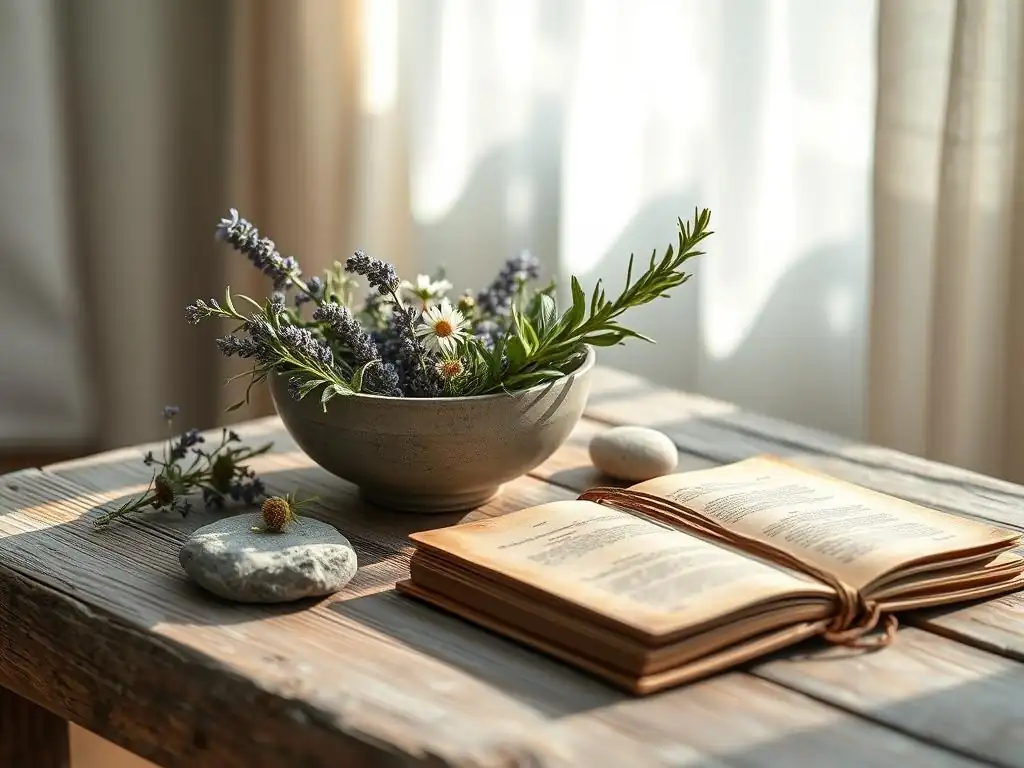
Ashwagandha for Stress: Benefits, Dosage, and Scientific Evidence
Ashwagandha (Withania somnifera) is an adaptogenic herb traditionally used in Ayurvedic medicine to help the body cope with stress. It is one of the most well-researched herbs for stress reduction. Studies suggest it may help lower levels of cortisol, the body's primary stress hormone, and improve markers of stress and anxiety. Typical dosages used in studies range from 300 mg to 600 mg of a standardized root extract per day, often split into two doses.
The benefits attributed to Ashwagandha for stress include improved resistance to stress, reduced symptoms of anxiety, and enhanced overall well-being. While research is ongoing, several human clinical trials have demonstrated positive effects. For example, a 2019 review of studies found that Ashwagandha supplementation significantly reduced stress and anxiety levels in adults compared to placebo, with effects becoming noticeable after several weeks of consistent use.
Ashwagandha Studies and Their Impact on Anxiety Levels
Numerous clinical trials have explored Ashwagandha's impact on anxiety. One notable study published in the Indian Journal of Psychological Medicine in 2012 involved participants with chronic stress. Those receiving 300 mg of high-concentration full-spectrum extract daily reported a significant reduction in scores on standardized stress assessment scales, such as the Perceived Stress Scale (PSS) and the Hamilton Anxiety Rating Scale (HARS), compared to the placebo group. The reduction in HARS scores, a common measure of anxiety symptom severity, was particularly encouraging.
Another study focused specifically on anxiety, published in the Journal of Clinical Psychiatry in 2001, used a different extract and dosage (250 mg daily). While this study was smaller, it also indicated potential benefits for anxiety symptoms. Across various studies, the consistency in findings regarding reduced stress markers and self-reported anxiety suggests that Ashwagandha holds promise as a complementary therapy for managing stress and anxiety, though more large-scale trials are still needed to solidify these findings across diverse populations.
Choosing the Right Ashwagandha Supplement
Selecting a quality Ashwagandha supplement is crucial for effectiveness and safety. Look for products that specify the type of extract used, such as KSM-66® or Sensoril®, which are standardized, branded extracts that have been used in clinical trials and have consistent levels of active compounds (withanolides). The percentage of withanolides should also be listed, typically aiming for 5% or higher in root extracts.
Third-party testing for purity and potency is another important factor. Organizations like NSF International, USP, or ConsumerLab independently verify supplement contents and check for contaminants. Opting for products that have undergone such testing provides greater assurance that you are getting the advertised dosage and that the product is free from harmful substances, helping you safely explore how herbal remedies reduce stress anxiety.
Lavender for Anxiety: Exploring Aromatherapy and Oral Supplementation
Lavender (Lavandula angustifolia) is widely recognized for its calming aroma and potential to alleviate anxiety. Its use spans various forms, from essential oil for aromatherapy to oral capsules containing lavender oil. The primary active compounds in lavender, particularly linalool and linalyl acetate, are believed to interact with neurotransmitters in the brain, potentially influencing mood and reducing feelings of anxiety.
Aromatherapy using lavender essential oil is a popular method, often through diffusers, baths, or direct inhalation. Research suggests that inhaling lavender scent can impact the limbic system, the part of the brain involved in emotions, leading to relaxation. Oral use of specifically prepared lavender oil capsules has also been studied clinically, showing promise in treating generalized anxiety disorder (GAD).
Lavender Oil Diffusers: Creating a Calming Environment for Stress Relief
Using a lavender oil diffuser is a simple and pleasant way to incorporate this herb into your stress management routine. The process involves adding a few drops of pure lavender essential oil to a diffuser, which disperses the scent into the air. This can be particularly helpful in creating a calming atmosphere in your home or workspace, especially during times of heightened stress or before sleep.
While the effects of aromatherapy can be subjective, studies have shown that inhaling lavender can lead to physiological changes associated with relaxation, such as decreased heart rate and blood pressure. For example, research involving dental patients found that diffusing lavender oil in the waiting room significantly reduced their anxiety levels compared to those in a room without the scent. This suggests that ambient lavender aroma can contribute to reducing situational stress and anxiety.
Oral Lavender Supplements: Clinical Trials and Efficacy
Beyond aromatherapy, specific oral formulations of lavender oil have been investigated for their efficacy in treating anxiety disorders. A particular preparation, known as Silexan (a standardized, encapsulated lavender oil), has been the subject of several clinical trials, primarily in Europe. These studies have compared Silexan to placebo and even some conventional anxiety medications.
Results from multiple randomized, double-blind, placebo-controlled trials have shown that Silexan significantly reduced symptoms of generalized anxiety disorder, as measured by the Hamilton Anxiety Rating Scale (HARS). For instance, a study published in European Neuropsychopharmacology in 2010 found that 80 mg of Silexan daily was as effective as low-dose lorazepam (a benzodiazepine) in reducing HARS scores over a 6-week period, with a better side effect profile. This provides strong evidence that specific oral lavender preparations can be effective herbal remedies reduce stress anxiety.
Chamomile for Relaxation: Tea, Capsules, and Their Calming Effects
Chamomile, typically German chamomile (Matricaria recutita) or Roman chamomile (Chamaemelum nobile), is perhaps one of the most traditional and widely used herbal remedies for relaxation and mild anxiety. It is commonly consumed as a tea, brewed from the dried flowers, but is also available in capsule and tincture forms. Chamomile contains compounds like apigenin, which may bind to certain receptors in the brain (similar to some anti-anxiety medications), potentially exerting a mild sedative effect.
Its calming properties are often sought after for easing nervousness, promoting relaxation, and aiding sleep, which is often disrupted by stress and anxiety. While its effects for severe anxiety may be modest compared to stronger interventions, it is generally considered safe for most people when used appropriately and is a popular choice for gentle, daily stress support.
Chamomile Tea: A Traditional Remedy for Stress and Sleep
Chamomile tea has been a go-to beverage for winding down for centuries. Its gentle, slightly floral flavor and warmth contribute to a sense of comfort and relaxation. While the concentration of active compounds like apigenin in a cup of tea can vary depending on brewing time and the amount of herb used, the ritual of preparing and slowly sipping tea can itself be a calming practice that helps to alleviate stress.
Research specifically on chamomile tea's effect on anxiety is somewhat limited compared to studies on standardized extracts. However, one study published in the Journal of Alternative and Complementary Medicine in 2009 found that participants with generalized anxiety disorder who took chamomile extract capsules (equivalent to a strong tea) for 8 weeks showed a modest reduction in anxiety symptoms compared to placebo, suggesting that the compounds present in chamomile do have therapeutic potential, even if the tea form provides a lower dose.
Chamomile Extract Capsules: Potential Benefits and Considerations
For a more consistent and potentially stronger dose of chamomile's active compounds, standardized extract capsules are available. These products aim to provide a reliable amount of apigenin or other beneficial constituents. Studies using chamomile extract, like the 2009 study mentioned previously, have shown some efficacy in reducing moderate to severe generalized anxiety disorder symptoms.
However, it's important to note that while some studies show promise, others have not found a significant difference between chamomile extract and placebo for anxiety. Additionally, chamomile can interact with certain medications, particularly blood thinners due to its coumarin content, and may cause allergic reactions in individuals sensitive to ragweed or related plants. As with any herbal supplement, discussing chamomile extract use with a healthcare provider is recommended, especially if you have underlying health conditions or take other medications.
Passionflower for Anxiety: Is it Effective and Safe?
Passionflower (Passiflora incarnata) is another herb with a long history of use as a calming agent and mild sedative. It is often used to help with anxiety, nervousness, and insomnia. The active compounds in passionflower are thought to influence levels of gamma-aminobutyric acid (GABA) in the brain, a neurotransmitter that helps regulate mood and can have a calming effect.
Available in various forms, including teas, tinctures, and capsules, passionflower has been the subject of several studies exploring its potential benefits for anxiety. While research is not as extensive as for Ashwagandha or Lavender, some findings suggest it may indeed help reduce anxiety symptoms.
Passionflower's Role in Reducing Anxiety Symptoms: Research and Evidence
Clinical studies on passionflower for anxiety have yielded promising results. One study published in the Journal of Clinical Pharmacy and Therapeutics in 2001 compared passionflower extract to oxazepam (a benzodiazepine medication) for treating generalized anxiety disorder. The study found that passionflower was as effective as oxazepam in reducing anxiety symptoms after four weeks, with fewer side effects. This suggests that passionflower could be a viable option for those seeking how herbal remedies reduce stress anxiety.
Another study, published in Anesthesia & Analgesia in 2008, investigated passionflower's effect on anxiety before surgery. Patients who were given passionflower extract before a dental procedure reported significantly less anxiety compared to those given a placebo. While more large-scale, rigorous trials are needed, the existing evidence supports passionflower's potential as an anxiolytic agent for mild to moderate anxiety.
Combining Passionflower with Other Herbal Remedies: Synergistic Effects
Passionflower is often found in combination products marketed for sleep or anxiety, frequently blended with herbs like Valerian root, Lemon Balm, or Hops. The idea behind these combinations is that the herbs may have synergistic effects, meaning they work together to produce a greater calming effect than they would individually. For instance, both passionflower and Valerian are thought to influence GABA pathways.
While combination products are popular, research on the specific interactions and synergistic effects of combining passionflower with other herbs is still relatively limited. It's important to be cautious when using multi-herb supplements, as the combined effects and potential interactions with medications may be less well-studied than those of individual herbs. Always review the ingredients carefully and consult a healthcare professional before trying combination herbal remedies, especially if you are taking other medications.
Herbal Remedies That Need More Research: Tread Carefully
Kava Kava: Benefits and Risks Associated with Liver Health
Kava Kava (Piper methysticum) is a plant native to the Pacific Islands, traditionally used for its relaxing and euphoriant effects. It has been studied for its potential to treat anxiety, and some research indicates it can be effective. Kavalactones, the active compounds in Kava, are believed to affect GABA receptors and other neurotransmitters in the brain, leading to reduced anxiety and muscle relaxation.
However, Kava has also been associated with serious concerns regarding liver toxicity. Reports of liver damage, including hepatitis, cirrhosis, and liver failure, led to its restriction or banning in several countries in the early 2000s, although it remains available in many places, including the US.
While some research suggests that liver toxicity might be linked to specific parts of the plant used (e.g., stems and leaves rather than just the root) or extraction methods, the risk remains a significant concern. Due to these liver health risks, Kava should only be used under strict medical supervision, if at all, and is not recommended for individuals with liver conditions or those taking medications that affect the liver.
St. John's Wort: Potential Interactions with Antidepressants and Other Medications
St. John's Wort (Hypericum perforatum) is an herb most commonly studied and used for mild to moderate depression. While it is sometimes considered for stress and anxiety that co-occur with depression, its primary evidence base is for mood elevation. Its active compounds, such as hypericin and hyperforin, are thought to affect neurotransmitters like serotonin, dopamine, and norepinephrine.
However, St. John's Wort is notorious for its significant drug interactions. It induces certain liver enzymes (specifically cytochrome P450 enzymes) that are responsible for metabolizing a wide range of medications. This can lead to decreased levels and reduced effectiveness of crucial drugs, including:
- Antidepressants (especially SSRIs, risking serotonin syndrome)
- Oral contraceptives (leading to decreased effectiveness and potential pregnancy)
- Blood thinners (like warfarin, increasing clotting risk)
- Certain heart medications
- HIV medications
- Immunosuppressants
Due to the high risk of dangerous interactions, particularly with antidepressants, St. John's Wort should never be used concurrently with these medications or many others without explicit medical guidance. It is a prime example of why natural doesn't mean safe and highlights the critical need for professional consultation before using herbal remedies reduce stress anxiety, especially if you are on other treatments.
The Importance of Consulting a Healthcare Professional Before Using Herbal Remedies for Stress
Navigating the world of herbal remedies for stress and anxiety can be complex, filled with claims of efficacy and potential risks. Given the possibility of side effects, interactions, and the need for proper diagnosis, consulting a qualified healthcare professional is not just a recommendation – it's a crucial step for safety and effectiveness. This includes medical doctors, pharmacists, or licensed naturopaths who are knowledgeable about both conventional and herbal treatments.
A healthcare provider can help you determine if your stress or anxiety symptoms warrant professional medical attention, which herbal remedies might be appropriate for your specific situation, and what dosages are considered safe based on current research. They can also help you understand the potential benefits in the context of your overall health picture and other treatments you might be receiving.
Understanding Potential Side Effects and Interactions
Every herbal remedy has the potential for side effects, ranging from mild digestive upset to more serious issues like allergic reactions or liver concerns, as seen with Kava. Furthermore, the risk of interactions with prescription medications is significant for many herbs, as discussed with St. John's Wort. A healthcare professional can review your current medication list, including over-the-counter drugs and other supplements, to identify potential contraindications or interaction risks before you start using any herbal product.
They can explain how the active compounds in a specific herb might affect your body and interact with your existing health conditions or treatments. This personalized assessment is vital because what is safe for one person might be harmful to another, depending on individual health status, genetics, and current medications. Ignoring this step could lead to adverse health outcomes or render your other necessary treatments less effective.
Tailoring Herbal Remedies to Your Specific Needs and Medical History
Stress and anxiety manifest differently in different people, and the underlying causes can vary widely. What helps one person might not help another, and the most effective approach often depends on the specific type and severity of symptoms, as well as individual responses. A healthcare provider can help you assess your specific needs and determine if herbal remedies are a suitable part of your treatment plan or if other interventions should be prioritized.
Your medical history, including any existing health conditions (like liver or kidney disease, heart problems, or autoimmune disorders) and allergies, is a critical factor in determining the safety of herbal remedies. For instance, individuals with autoimmune conditions might need to avoid certain herbs that stimulate the immune system. A healthcare professional can take all these factors into account to recommend appropriate options or advise against using certain herbs altogether, ensuring that attempts to reduce stress anxiety with herbs are safe and targeted.
When to Seek Professional Help for Anxiety and Stress
While herbal remedies and lifestyle changes can be helpful for managing mild to moderate stress and anxiety, there are times when professional mental health support is essential. If your symptoms are severe, persistent, significantly interfering with your daily life, work, or relationships, or if you experience panic attacks, intense fear, or thoughts of self-harm, it is crucial to seek immediate professional help.
Mental health professionals, such as therapists, counselors, psychologists, or psychiatrists, can provide diagnosis, therapy (like CBT or exposure therapy), and discuss medication options if necessary. Delaying professional help for severe anxiety disorders can lead to worsening symptoms and decreased quality of life. Herbal remedies should be viewed as complementary tools, not replacements for evidence-based medical or psychological treatment when dealing with significant mental health challenges.
Building a Holistic Approach to Stress Management: Beyond Herbal Remedies
Effectively managing stress and anxiety often requires a holistic approach that addresses the mind, body, and lifestyle. While certain herbal remedies reduce stress anxiety for some individuals, they are typically most beneficial when integrated into a broader wellness strategy. Relying solely on herbs without addressing underlying causes or incorporating healthy habits is unlikely to provide lasting relief.
A comprehensive approach involves identifying stressors, developing coping mechanisms, ensuring adequate sleep, nurturing social connections, and potentially incorporating therapeutic support. Herbal remedies can serve as supportive tools within this framework, but they are only one piece of the puzzle. Building resilience requires consistent effort across multiple areas of life.
The Role of Diet, Exercise, and Mindfulness in Reducing Anxiety
Lifestyle factors play a profound role in regulating stress and anxiety levels. A balanced diet rich in whole foods, fruits, vegetables, and lean proteins can help stabilize blood sugar and provide essential nutrients for brain function. Limiting caffeine, alcohol, and processed foods can also reduce symptoms like jitteriness and disrupted sleep often associated with anxiety.
Regular physical activity is a powerful stress reliever. Exercise helps reduce stress hormones like cortisol and adrenaline and stimulates the production of endorphins, which are natural mood boosters. Aiming for at least 150 minutes of moderate-intensity exercise per week, as recommended by health guidelines, can significantly impact stress and anxiety. Mindfulness practices, such as meditation, deep breathing exercises, and yoga, teach you to stay present, observe thoughts without judgment, and cultivate a sense of calm, offering proven techniques to manage anxious feelings in the moment.
Integrating Herbal Remedies into a Comprehensive Mental Wellness Plan
Once you've established a foundation of healthy habits and, if necessary, are receiving professional care, herbal remedies can be thoughtfully integrated into your mental wellness plan. This integration should be strategic and informed, guided by discussions with your healthcare provider.
Consider herbal remedies as supportive agents that may help modulate your body's stress response or promote relaxation, rather than standalone cures. For example, you might use Ashwagandha consistently to potentially improve resilience to chronic stress, use Lavender aromatherapy before bed to aid sleep, or occasionally sip Chamomile tea during a stressful day. The key is to use them purposefully and monitor their effects while continuing to prioritize core wellness practices.
Resources for Managing Stress and Anxiety: A Mind Care Guide's Recommendations.
Managing stress and anxiety is an ongoing journey, and accessing reliable resources is key. Beyond exploring how herbal remedies reduce stress anxiety, Mind Care Guide encourages readers to utilize a variety of tools and support systems.
Consider the following resources:
- Therapy and Counseling: Cognitive Behavioral Therapy (CBT), Dialectical Behavior Therapy (DBT), and other forms of talk therapy are highly effective for anxiety disorders.
- Mindfulness and Meditation Apps: Headspace, Calm, and others offer guided meditations and breathing exercises.
- Support Groups: Connecting with others who share similar experiences can provide invaluable emotional support and coping strategies.
- Crisis Hotlines: For moments of severe distress or crisis, knowing national or local crisis hotline numbers is essential.
- Educational Websites: Reputable health organizations and mental health foundations offer vast amounts of information on understanding and managing anxiety.
- Mind-Body Practices: Yoga, Tai Chi, and Qigong combine gentle movement with mindfulness and breathwork.
- Journaling: Writing down thoughts and feelings can help process emotions and identify stress triggers.
By combining informed use of potentially beneficial herbal remedies with evidence-based therapeutic strategies and healthy lifestyle choices, you can build a robust and personalized approach to managing stress and fostering mental well-being.
Frequently Asked Questions
What are some common herbal remedies often touted for reducing stress and anxiety?
Popular remedies include lavender, chamomile, and valerian root. These are often promoted for their calming and anxiolytic effects.
Is there scientific evidence to support the claim that herbal remedies reduce stress and anxiety?
Evidence is mixed. Some studies show mild benefits for specific remedies like lavender for mild anxiety, but more research is needed to confirm effectiveness and establish optimal dosages.
What are the potential risks or side effects associated with using herbal remedies for stress and anxiety?
Herbal remedies can interact with prescription medications, causing adverse reactions. Common side effects include drowsiness, digestive upset, and allergic reactions. Consult a doctor before use.
How do herbal remedies compare to traditional medications for managing stress and anxiety?
Traditional medications are often more potent and effective for severe cases. Herbal remedies may be helpful for mild to moderate symptoms, but shouldn't replace professional medical treatment without consultation.
Where can I find reliable information and resources about using herbal remedies safely and effectively?
Consult your healthcare provider first. Look for information from reputable sources like the National Institutes of Health and the Mind Care Guide website for evidence-based information.
Final Reflection: The Enduring Power of Plants in a Stressed World
The search for effective stress and anxiety relief is more urgent than ever, and the allure of natural remedies like herbal supplements remains strong. This growing interest highlights a crucial need for informed decision-making, balancing the potential benefits of herbal remedies with a clear understanding of their limitations and potential risks. We must move beyond simplistic claims and embrace a nuanced perspective.
The exploration of herbal remedies for stress and anxiety reveals a fascinating interplay between ancient traditions and modern science. While some herbs have shown promise in preliminary studies, the path to definitive proof of efficacy and safety is often long and complex. The sheer variety of preparations, dosages, and individual responses adds another layer of complexity. The earth provides all we need; we only need to learn how to receive it.
– this sentiment, while poetic, underscores the responsibility we bear to approach herbal remedies with caution and critical thinking, rather than blind faith.
Now, consider your own relationship with stress. What coping mechanisms do you currently employ? Are you open to exploring natural remedies, but wary of unsubstantiated claims? I encourage you to approach this topic with a spirit of inquiry, seeking out credible sources and consulting with healthcare professionals before incorporating any herbal remedy into your wellness routine. Remember, informed choices are the foundation of a healthier, more balanced life – a life where the power of nature can truly complement, not replace, modern medical understanding.
Unlock Your Inner Calm: Take Control of Stress Naturally
Thanks for taking the time to explore the world of herbal remedies for stress with Mind Care Guide! We hope you gained valuable insights into what works and what to watch out for. Now, let's put that knowledge into action:
- Prioritize one calming herb: Based on what you learned, choose one herb (chamomile, lavender, etc.) to incorporate into your daily routine. Try a calming tea before bed or add a few drops of essential oil to your bath.
- Share your experience: Tell us (and others!) about your experience. What herb did you choose, and how did it impact your stress levels? Your insights can help others on their journey to inner peace.
- Dive deeper into research: Explore reputable sources for more information on the herbs mentioned. Look for clinical trials and studies to further your understanding of their benefits and potential risks.
Ready to embark on your personal wellness journey? What small step will you take today to cultivate more calm in your life?