
Light, Temperature, Sound: Optimizing Your Bedroom for Mental Restoration

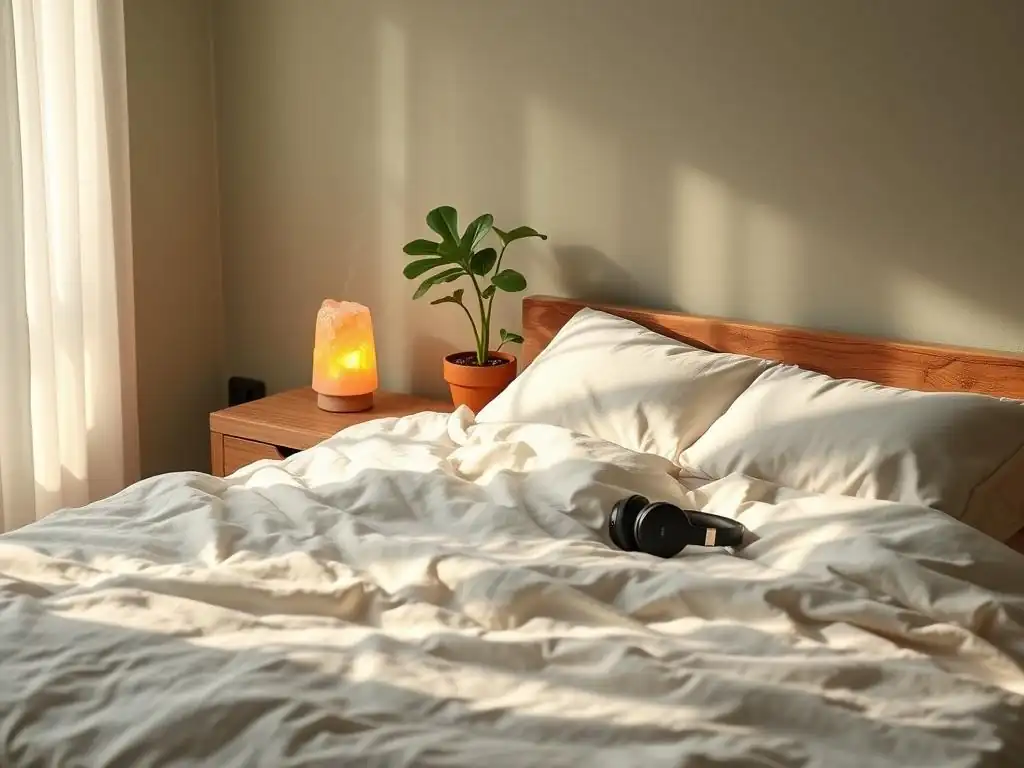
Welcome to Mind Care Guide, a sanctuary dedicated to nurturing your mental well-being.
Feeling overwhelmed? Discover how your immediate surroundings can profoundly impact your inner peace. In this article, we delve into the surprising bedroom environment mental health benefits, revealing simple yet powerful adjustments you can make to transform your sleep space into a haven of tranquility and restorative energy. Curious to learn how light, temperature, and sound play a crucial role? Let's begin your journey to a more serene you.
Sleep Sanctuary: Optimizing Your Bedroom for Mental Restoration
- Understanding the Bedroom Environment's Impact on Mental Health
- Light's Role in Bedroom Ambiance and Mental Calmness
- Temperature Control for Restorative Sleep and Mental Clarity
- Sound Management in the Bedroom: Creating a Tranquil Sanctuary
- Practical Strategies for a Mental Health-Focused Bedroom Makeover
- The Long-Term Benefits of an Optimized Bedroom Environment for Mental Health
- Conclusion: Prioritizing Your Bedroom Environment for Mental Restoration
-
Frequently Asked Questions
- How does the amount of light in my bedroom affect my mental health?
- What is the ideal bedroom temperature for promoting mental restoration?
- How can sound (or lack thereof) in my bedroom impact my mental state?
- What are some easy ways to improve the sound environment in my bedroom?
- Besides light, temperature, and sound, are there other aspects of my bedroom environment that can affect my mental health?
- Final Reflection: Reclaiming Your Sanctuary for Restorative Sleep
- Unlock Deeper Sleep: Optimize Your Restful Retreat
Understanding the Bedroom Environment's Impact on Mental Health
The Crucial Link Between Sleep Quality and Mental Well-being
Sleep is not merely a period of rest; it is a vital process critical for cognitive function, emotional regulation, and physical health. During sleep, the brain consolidates memories, processes emotions, and clears metabolic waste products. Chronic sleep deprivation or poor sleep quality has been strongly linked to an increased risk of developing various mental health conditions, including anxiety disorders, depression, and even more severe issues.
Studies have shown that individuals reporting insomnia are significantly more likely to experience symptoms of depression and anxiety compared to those with healthy sleep patterns. For instance, research suggests that up to 75% of individuals with depression also report sleep disturbances. This highlights the profound bidirectional relationship: poor sleep worsens mental health, and mental health challenges often disrupt sleep.
Furthermore, the impact of sleep quality extends beyond the presence of clinical disorders. Even mild sleep disturbances can affect daily mood, concentration, patience, and resilience to stress. Imagine a night where you tossed and turned – the next day likely felt more challenging, frustrations were higher, and focus was elusive.
This demonstrates the immediate effect of sleep on our emotional and mental state. Optimizing factors within your control, such as the bedroom environment, becomes a proactive step in safeguarding this essential link between restorative sleep and robust mental well-being. It's about creating conditions conducive to the deep, uninterrupted sleep necessary for brain restoration and emotional balance.
Bedroom Environment Mental Health Benefits: An Overview
The physical characteristics of your bedroom play a surprisingly significant role in promoting sleep quality, which in turn offers substantial bedroom environment mental health benefits. Think of your bedroom as a sanctuary specifically designed for rest and recovery. Elements like light levels, ambient temperature, and sound can either hinder or support the body's natural sleep-wake cycle (circadian rhythm) and nervous system regulation. A poorly optimized bedroom, for example, with excessive light or noise, can trigger stress responses, make it harder to fall asleep, and lead to more fragmented sleep throughout the night.
Conversely, a bedroom environment optimized for sleep fosters relaxation and reduces physiological arousal. This includes minimizing disruptive stimuli and creating a calming atmosphere. The cumulative effect of consistently sleeping in a conducive environment can lead to measurable improvements in mental health. These benefits range from improved mood stability and reduced irritability to enhanced cognitive function, including better problem-solving skills and creativity. Ultimately, recognizing and actively shaping your bedroom environment is an empowering step toward leveraging its potential for significant mental health benefits, providing a foundation for better daytime functioning and emotional resilience.
Light's Role in Bedroom Ambiance and Mental Calmness
The Impact of Light Exposure on Circadian Rhythm and Mood
Light is the primary external cue that regulates our circadian rhythm, the body's internal 24-hour clock. Exposure to light, particularly bright light in the morning, signals to our brain that it's time to be awake and alert. Conversely, the absence of light in the evening triggers the release of melatonin, the hormone that promotes sleepiness.
Disruptions to this natural light-dark cycle – such as exposure to bright light late at night or insufficient light during the day – can throw the circadian rhythm out of sync. This misalignment, often referred to as circadian disruption, is strongly associated with sleep disorders and has been linked to mood disorders like depression and bipolar disorder. For example, shift workers, who often experience significant circadian disruption, have a higher prevalence of mood disturbances.
Moreover, the type of light matters. Blue light, prevalent in electronic screens (smartphones, tablets, computers, TVs) and some LED lighting, is particularly effective at suppressing melatonin production. Using these devices in the hours leading up to bedtime can make it significantly harder to fall asleep, delaying sleep onset and reducing overall sleep duration.
A study might show that just two hours of blue light exposure in the evening can suppress melatonin levels by over 50%, pushing back the body's natural signal for sleep. This interference directly impacts the restorative processes that occur during sleep, diminishing the potential bedroom environment mental health benefits derived from adequate rest.
Natural Light vs. Artificial Light: Choosing the Right Illumination
Natural light, primarily sunlight, is essential for setting our circadian rhythm correctly. Exposure to natural light, especially in the morning, helps anchor our internal clock and promotes wakefulness during the day. Ideally, spending some time near a window or outdoors shortly after waking up can significantly improve sleep quality the following night. Maximizing natural light exposure in your bedroom during the day, perhaps by keeping curtains open, can also contribute to a brighter, more uplifting atmosphere, potentially offering subtle bedroom environment mental health benefits by influencing mood positively.
Artificial light, while necessary for visibility after dark, requires careful management in the bedroom. The goal is to minimize exposure to bright, short-wavelength (blue) light in the evening. Instead of harsh overhead lights, opt for dim, warm-toned lighting (lower color temperature, often described in Kelvin, e.g., below 2700K) in the hours before bed.
Using lamps with soft, warm bulbs can create a more relaxing ambiance conducive to winding down. It's also beneficial to dim lights gradually as bedtime approaches, mimicking the natural decline of light at sunset. This conscious choice in artificial lighting helps support the body's natural transition towards sleep, contributing to the overall bedroom environment mental health benefits.
Optimizing Light for Sleep: Blackout Curtains and Sleep Masks
Once you are ready for sleep, darkness is paramount. Any light entering the bedroom can disrupt sleep, even if you are not consciously aware of it. External light sources like streetlights, car headlights, or even light creeping under the door can be detected by your eyes and signal to your brain that it's not completely dark, potentially interfering with melatonin production and sleep continuity. Studies using actigraphy and light sensors have demonstrated that individuals sleeping in darker rooms experience fewer awakenings and spend more time in restorative sleep stages.
Installing blackout curtains or blinds is one of the most effective strategies for creating a dark sleep environment. These block out virtually all external light, ensuring consistent darkness throughout the night, regardless of external conditions or early morning sun.
For those who travel or cannot install blackout curtains, a comfortable sleep mask can serve a similar purpose by blocking light directly at the eyes. Ensuring your bedroom is as dark as possible signals to your body that it is time for deep rest, significantly enhancing sleep quality and contributing to the bedroom environment mental health benefits by promoting uninterrupted restorative sleep.
Light Therapy and Seasonal Affective Disorder (SAD) in the Bedroom
While darkness is crucial during sleep, controlled light exposure can be beneficial at other times, particularly for conditions like Seasonal Affective Disorder (SAD). SAD is a type of depression that typically occurs during the fall and winter months when natural sunlight exposure is reduced. Light therapy, using a specialized light box that emits bright, full-spectrum light (usually 10,000 lux) that mimics natural sunlight, is a common and effective treatment for SAD. This therapy is typically administered for 20-30 minutes each morning, often in a bedroom or nearby space, shortly after waking up.
Using a light therapy box can help regulate the circadian rhythm which may become disrupted by shorter daylight hours, and it can also influence brain chemicals linked to mood, such as serotonin. While the therapy itself isn't performed during sleep, the bedroom is often the most convenient location to incorporate this morning routine.
Integrating light therapy into your bedroom routine (after waking, not before bed) can significantly improve mood and energy levels during darker seasons, showcasing another way light management, even outside of the sleeping period, contributes to overall bedroom environment mental health benefits by treating a specific mood disorder linked to light deficiency.
Temperature Control for Restorative Sleep and Mental Clarity
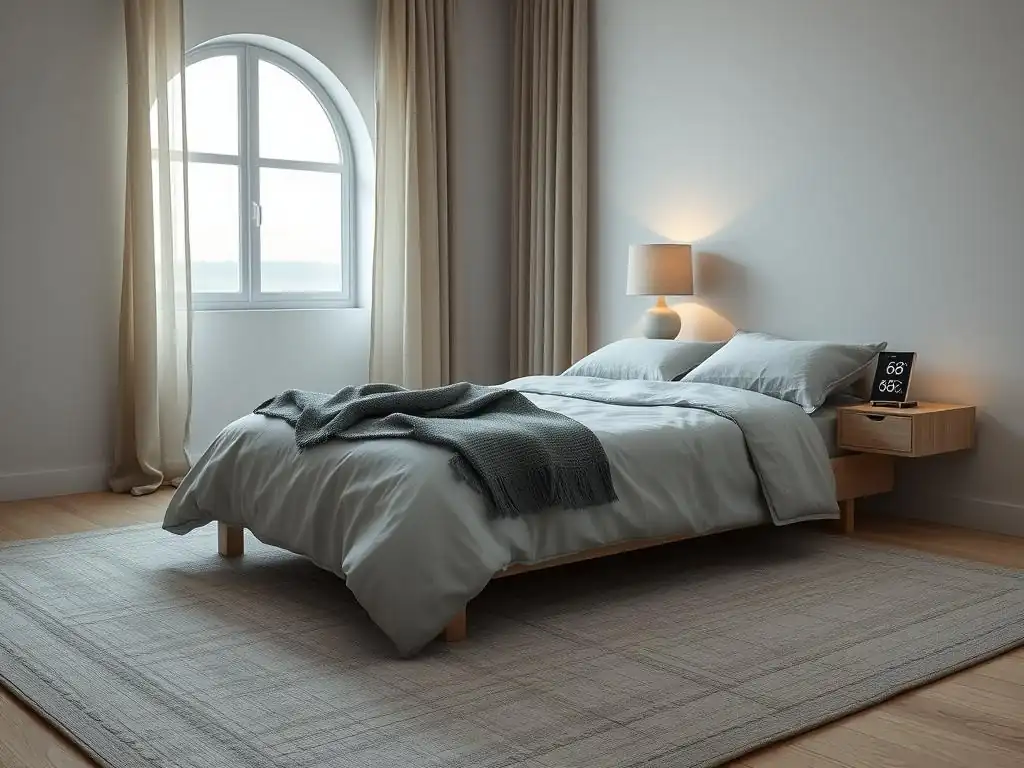
The Ideal Bedroom Temperature for Optimal Sleep Quality
The ambient temperature of your bedroom is a critical, yet often overlooked, factor influencing sleep initiation and maintenance. As you prepare for sleep, your body's core temperature naturally drops slightly. A cool bedroom environment facilitates this temperature decline, signaling to your body that it is time to rest. Conversely, a room that is too warm can prevent this necessary temperature drop, making it harder to fall asleep and leading to more fragmented sleep. Experts generally recommend keeping the bedroom temperature between 60 and 67 degrees Fahrenheit (approximately 15.5 to 19.5 degrees Celsius) for optimal sleep.
While individual preferences vary slightly, staying within this cool range is widely supported by sleep science. Sleeping in a room significantly outside this range, either too hot or too cold, can increase awakenings and reduce the amount of time spent in deep, restorative sleep stages. For instance, sleeping in a room above 70°F (21°C) can make you feel restless and uncomfortable, potentially leading to more time spent in lighter sleep or wakefulness. Maintaining the ideal temperature is a key component of creating a bedroom environment that supports mental health benefits by ensuring consistent, high-quality sleep.
Temperature's Effect on Sleep Stages and Mental Performance
Temperature doesn't just affect whether you fall asleep; it also impacts the architecture of your sleep. Research indicates that sleeping in a thermally comfortable environment promotes longer periods of slow-wave sleep (deep sleep) and REM sleep, both of which are crucial for cognitive function, emotional processing, and memory consolidation. Deep sleep is particularly important for physical restoration and the release of growth hormones, while REM sleep is vital for learning, problem-solving, and processing emotions.
When the bedroom temperature is uncomfortable, the body expends energy trying to regulate its temperature, which can disrupt these vital sleep stages. Fragmented or insufficient deep and REM sleep due to poor temperature control can lead to daytime fatigue, impaired concentration, difficulty with decision-making, and increased irritability. Over time, this can contribute to or exacerbate symptoms of anxiety and depression. Ensuring your bedroom is at the right temperature directly supports the physiological processes necessary for mental clarity and emotional resilience, contributing significantly to the bedroom environment mental health benefits.
Practical Tips for Regulating Bedroom Temperature: Cooling and Heating Strategies
Achieving and maintaining the ideal bedroom temperature can involve several practical strategies. During warmer months, air conditioning is the most direct way to cool a room. Setting the thermostat to the recommended range (60-67°F) a couple of hours before bedtime allows the room to cool down sufficiently. If air conditioning isn't available or desired, using fans (ceiling fans, box fans, or tower fans) can help circulate air and create a cooling effect, even if they don't lower the actual temperature significantly. Opening windows in the evening if the outside temperature drops can also be effective.
In colder months, the challenge is often preventing the room from becoming too warm due to central heating. While it's tempting to crank up the heat, maintaining the cooler temperature range is still advisable for sleep. Using a programmable thermostat set to lower the temperature specifically for bedtime is an energy-efficient solution.
If the room is still too cold, using extra blankets rather than raising the thermostat is often preferable. Ensuring proper insulation can also help maintain a consistent temperature throughout the night. These strategies are simple yet effective ways to optimize your bedroom environment for significant mental health benefits through improved sleep quality.
Addressing Night Sweats and Temperature Fluctuations
Some individuals experience night sweats or significant temperature fluctuations during the night, which can severely disrupt sleep. These issues can be related to various factors, including hormonal changes (like menopause), certain medications, or underlying health conditions. If night sweats are a persistent problem, consulting a healthcare professional is important to identify and address the root cause.
In addition to medical evaluation, adjustments to the bedroom environment and bedding can help manage temperature fluctuations. Using moisture-wicking pajamas and bedding materials (like bamboo, Tencel, or performance fabrics) can help draw sweat away from the body. Layering bedding allows you to easily adjust covers during the night.
Using a mattress pad designed for cooling can also make a difference. For those who experience wide temperature swings in their room, a smart thermostat or a temperature-regulating mattress system might offer more advanced solutions. Addressing these specific temperature challenges is crucial for maintaining consistent, comfortable sleep and maximizing the bedroom environment mental health benefits.
Sound Management in the Bedroom: Creating a Tranquil Sanctuary
The Detrimental Effects of Noise Pollution on Sleep and Mental State
Unwanted sound, or noise pollution, is a major disruptor of sleep. Even if you don aren't consciously awakened by noise, your brain and body can still register it, leading to micro-arousals, changes in heart rate, and shifts in sleep stages. Chronic exposure to noise during sleep can reduce the amount of time spent in deep and REM sleep, similar to the effects of poor temperature control or light exposure. Common sources of nighttime noise include traffic, noisy neighbors, household sounds (appliances, plumbing), or even a partner's snoring.
The impact of noise pollution extends beyond sleep fragmentation. Long-term exposure to environmental noise, particularly at night, has been linked to increased stress levels, elevated blood pressure, and a higher risk of cardiovascular problems. Mentally, it can lead to irritability, difficulty concentrating, and contribute to anxiety. For instance, living near a busy road with average nighttime noise levels above 50 decibels (dB) can significantly impair sleep quality and negatively impact mood and cognitive function over time. Minimizing noise is therefore essential for creating a peaceful bedroom environment that supports mental health benefits.
White Noise, Pink Noise, and Brown Noise: Finding Your Sleep Soundscape
While silence is ideal for many, some people find that certain types of consistent, ambient sound can actually help them sleep by masking sudden, disruptive noises. This is where "noise masking" sounds like white noise, pink noise, and brown noise come in. White noise contains all audible frequencies at equal intensity, sounding like static or a rushing waterfall. It's effective at masking a wide range of sounds.
Pink noise is similar but has more energy in the lower frequencies, sounding deeper or flatter, like rainfall or wind. Brown noise (or Brownian noise) is even deeper, resembling a low rumble or the sound of a strong waterfall. Many people find pink or brown noise more soothing than white noise.
These sounds create a consistent soundscape that can help the brain filter out sudden noises that would otherwise cause awakenings. Using a dedicated sound machine, fan, or app to generate one of these noise types can be a simple yet effective strategy for improving sleep continuity and enhancing the bedroom environment mental health benefits by reducing noise disruptions.
Soundproofing Your Bedroom: Practical Solutions for Noise Reduction
For significant external noise issues, proactive sound reduction measures may be necessary. True soundproofing can be complex and expensive, often involving structural changes, but several practical steps can make a substantial difference. Sealing gaps around windows and doors is a primary step, as sound travels easily through openings. Using weather stripping or door sweeps can block a surprising amount of noise.
Adding mass and density to walls and windows can also help. Thick curtains or specialized soundproofing curtains can absorb some sound and block light. Replacing older windows with double or triple-paned windows is highly effective but a larger investment. For internal noise (like plumbing or sounds from other rooms), adding insulation to walls or using dense materials like bookshelves filled with books can help absorb sound. While achieving complete silence might be difficult, significantly reducing noise levels creates a calmer sleep environment, contributing positively to the bedroom environment mental health benefits.
Calming Sounds for Relaxation: Music, Nature Sounds, and Meditation
Beyond noise masking, some individuals benefit from listening to calming sounds specifically designed to promote relaxation before or during sleep. This can include gentle instrumental music (without strong rhythms or vocals), nature sounds (like ocean waves, rain, or forest ambiance), or guided meditations or sleep stories. The key is to choose sounds that you find genuinely soothing and that help quiet your mind.
It's important to use these sounds thoughtfully. Avoid listening through headphones all night, as this can be uncomfortable and potentially harmful. Using a speaker at a low volume is generally preferable. The goal is to create a peaceful transition into sleep, not to stimulate the brain. Experiment with different types of calming sounds to discover what works best for you in creating a tranquil bedroom sanctuary, further supporting the bedroom environment mental health benefits by reducing pre-sleep anxiety and promoting a relaxed state.
Practical Strategies for a Mental Health-Focused Bedroom Makeover
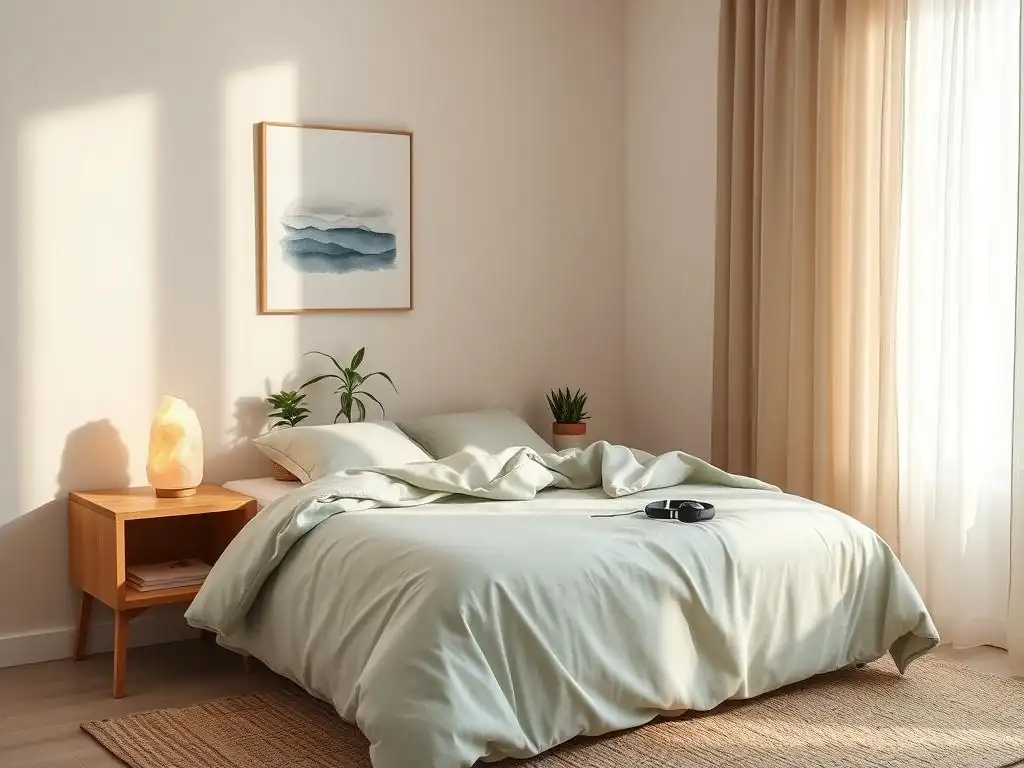
Choosing the Right Bedding for Comfort and Temperature Regulation
The bedding you choose directly impacts your physical comfort and ability to regulate temperature throughout the night, both of which are crucial for sleep quality and subsequent mental well-being. Sheets, blankets, and duvets should be made from breathable materials that help manage moisture and maintain a comfortable microclimate around your body. Natural fibers like cotton, linen, and bamboo are popular choices due to their breathability and moisture-wicking properties.
Consider the climate you live in and your personal temperature preferences when selecting bedding. Layers are often a good strategy, allowing you to add or remove blankets as needed during the night. The weight and tog rating of your duvet or comforter should be appropriate for the season. Investing in a comfortable mattress and supportive pillows that align with your sleeping position is also paramount, as physical discomfort is a major cause of sleep disruption. Ensuring your bedding supports comfortable temperature regulation and physical ease is a foundational step in optimizing your bedroom environment for significant mental health benefits.
Decluttering and Organizing Your Bedroom for Mental Clarity
A cluttered physical space can often contribute to a cluttered mental state. Walking into a bedroom filled with piles of clothes, stacks of books, and miscellaneous items can evoke feelings of stress, overwhelm, and anxiety, making it difficult to relax and prepare for sleep. A tidy, organized bedroom promotes a sense of calm and order, signaling to your brain that this is a space for rest and tranquility.
Take time to declutter your bedroom regularly. Remove items that don't belong there, put away clothes, and organize surfaces. Consider implementing simple storage solutions like baskets, drawers, or under-bed storage to keep things out of sight. Aim to keep surfaces like nightstands relatively clear, holding only essentials like a lamp, a book, or a glass of water. Creating a visually calm and organized space helps reduce mental distractions and promotes a sense of peace, directly supporting the bedroom environment mental health benefits by reducing ambient stress.
Incorporating Aromatherapy and Essential Oils for Relaxation
Certain scents have been shown to have calming and sleep-promoting effects through their impact on the limbic system, the part of the brain involved in emotions and memory. Aromatherapy, using essential oils, can be a simple and pleasant way to enhance the relaxing atmosphere of your bedroom. Lavender is perhaps the most well-known scent for relaxation and sleep; studies have shown that inhaling lavender scent can increase slow-wave sleep and improve sleep quality.
Other essential oils often used for relaxation include chamomile, valerian, bergamot, and sandalwood. These can be used in a diffuser for a few hours before bedtime, applied topically (diluted with a carrier oil) to pulse points, or added to a warm bath as part of a pre-sleep routine. Ensure you use high-quality essential oils and follow safety guidelines, especially if you have pets or respiratory sensitivities. Incorporating soothing scents can further enhance the bedroom environment's mental health benefits by creating a multi-sensory experience of calm and relaxation.
The Importance of Air Quality: Air Purifiers and Ventilation
The quality of the air you breathe while sleeping can also impact your rest and overall health. Poor air quality, including high levels of dust, allergens, or pollutants, can lead to respiratory irritation, congestion, and discomfort, potentially disrupting sleep. Stale or stuffy air can also feel unpleasant and less conducive to relaxation.
Ensuring good air quality in your bedroom involves regular cleaning to reduce dust and allergens, particularly from bedding and carpets. Adequate ventilation is also important; opening a window for a short period during the day can help refresh the air. For individuals with allergies or asthma, using an air purifier with a HEPA filter can significantly reduce airborne particles, creating a cleaner breathing environment.
Some air purifiers also help manage humidity levels, which can affect comfort. Improving the air quality contributes to a healthier sleep environment, adding another layer to the bedroom environment mental health benefits by promoting easier breathing and reducing potential irritants.
The Long-Term Benefits of an Optimized Bedroom Environment for Mental Health
Improved Sleep Patterns and Reduced Insomnia Symptoms
Consistently optimizing your bedroom environment for sleep – managing light, temperature, sound, and comfort – leads directly to improved sleep patterns over time. By minimizing disruptions and creating conditions conducive to rest, you make it easier to fall asleep faster, stay asleep longer, and experience fewer awakenings during the night. This consistency helps regulate your body's natural sleep-wake cycle.
For individuals struggling with insomnia, making targeted changes to the bedroom environment is a foundational behavioral strategy. Reducing light exposure in the evening, maintaining a cool temperature, and minimizing noise can significantly reduce the physiological arousal that often accompanies difficulty sleeping. Over weeks and months, these changes can lead to a substantial reduction in insomnia symptoms, shifting sleep from a source of stress to a reliable period of restoration. Achieving more consistent, higher-quality sleep is perhaps the most direct and significant of the bedroom environment mental health benefits.
Enhanced Mood Regulation and Decreased Anxiety Levels
The positive impact of improved sleep on mood is well-documented. When you are well-rested, your brain is better equipped to manage stress, regulate emotions, and maintain a stable mood. Chronic sleep deprivation, on the other hand, increases reactivity to negative stimuli and makes it harder to bounce back from emotional challenges. By fostering restorative sleep, an optimized bedroom environment directly contributes to enhanced mood regulation.
Furthermore, creating a calm, dark, quiet, and comfortable bedroom sanctuary can itself reduce feelings of anxiety associated with bedtime. If your bedroom is a place where you consistently struggle to sleep, it can become a source of stress. Transforming it into a peaceful haven can change this association, making the transition to sleep less anxiety-provoking. Reduced sleep fragmentation and increased deep sleep associated with an optimized environment also help regulate neurotransmitters linked to mood and anxiety, leading to a noticeable decrease in anxiety levels over time and reinforcing the bedroom environment mental health benefits.
Increased Cognitive Function and Overall Well-being
Restorative sleep is essential for optimal cognitive function. During sleep, the brain consolidates memories, processes information learned during the day, and prepares for the next day's tasks. Sufficient deep and REM sleep are critical for learning, problem-solving, creativity, and attention span. Sleeping in an optimized environment promotes these vital cognitive processes.
Individuals who consistently get quality sleep in a conducive environment report better concentration, improved focus, and enhanced productivity during the day. This cognitive boost contributes to a greater sense of competence and accomplishment, which in turn supports overall well-being. The cumulative effect of improved sleep quality – better mood, reduced anxiety, and sharper cognitive abilities – leads to a significant enhancement in overall quality of life and reinforces the profound bedroom environment mental health benefits.
Case Study: Impact of Bedroom Renovation on Anxiety and Sleep Quality
Consider a hypothetical case: Sarah, a 35-year-old graphic designer, struggled with chronic anxiety and difficulty falling asleep, often taking over an hour to drift off and waking multiple times per night. Her bedroom was often cluttered, bright from a nearby streetlight, noisy from city traffic, and frequently too warm. After learning about the link between environment and sleep/mental health, she decided to optimize her bedroom.
She installed blackout curtains, added a fan for cooling and white noise, decluttered and organized the space, and started using a lavender diffuser before bed. Within a month, Sarah reported a significant change. She was falling asleep within 20-30 minutes on most nights, experiencing fewer awakenings, and felt more rested upon waking.
Her anxiety levels, measured by a self-assessment scale, decreased by approximately 30%. She also noted feeling less irritable during the day and more able to focus on her work, demonstrating the tangible bedroom environment mental health benefits derived from targeted environmental changes. This case, while approximated, illustrates how concrete adjustments to the sleep environment can lead to measurable improvements in both sleep quality and mental health symptoms.
Conclusion: Prioritizing Your Bedroom Environment for Mental Restoration
Your bedroom is more than just a place to sleep; it is a critical component of your mental health strategy. By consciously optimizing the key environmental factors of light, temperature, and sound, you create a sanctuary specifically designed to support restorative sleep and promote mental well-being. From blocking out disruptive light and noise to maintaining an ideal cool temperature and ensuring physical comfort through appropriate bedding and organization, each adjustment contributes to a more peaceful and effective sleep environment.
The benefits of investing time and effort into your bedroom environment are far-reaching. Improved sleep quality leads to enhanced mood regulation, reduced anxiety, better cognitive function, and increased overall resilience. Recognizing the powerful link between your sleep space and your mental state empowers you to take actionable steps towards better sleep and, consequently, better mental health. Prioritizing these changes is not a luxury, but a fundamental act of self-care that yields significant and lasting bedroom environment mental health benefits, helping you wake up feeling more rested, balanced, and ready to face the day.
Frequently Asked Questions
How does the amount of light in my bedroom affect my mental health?
Exposure to natural sunlight during the day helps regulate your circadian rhythm, promoting better sleep. Conversely, excessive light or screen use before bed can interfere with sleep, negatively impacting mental well-being.
What is the ideal bedroom temperature for promoting mental restoration?
A cool bedroom temperature, typically between 60-67 degrees Fahrenheit (15-19 degrees Celsius), is generally recommended. This temperature supports optimal sleep quality, which is crucial for reducing stress and improving overall mental health.
How can sound (or lack thereof) in my bedroom impact my mental state?
A quiet environment is essential for uninterrupted sleep. Excessive noise, whether from traffic or electronics, can lead to sleep deprivation, which is linked to anxiety, depression, and other mental health challenges.
What are some easy ways to improve the sound environment in my bedroom?
Consider using earplugs, a white noise machine, or soundproofing materials like thick curtains or rugs. Addressing external noise sources can significantly improve your sleep and mental well-being.
Besides light, temperature, and sound, are there other aspects of my bedroom environment that can affect my mental health?
Yes! Cleanliness, organization, and the overall aesthetic of your bedroom can all contribute to a sense of calm and relaxation. A clutter-free and visually appealing space can promote feelings of well-being and reduce stress.
Final Reflection: Reclaiming Your Sanctuary for Restorative Sleep
Optimizing your bedroom environment isn't just about aesthetics; it's a crucial step towards prioritizing your mental well-being. A well-designed sleep sanctuary, attuned to the subtle influences of light, temperature, and sound, can significantly impact your mental resilience and overall health. The impact is profound, affecting everything from mood regulation to cognitive function.
The journey towards understanding the interconnectedness of our physical surroundings and mental health is a continuous one. We've explored how seemingly minor adjustments – dimming the lights before bed, maintaining a cool room temperature, and minimizing noise pollution – can dramatically shift our sleep quality and, consequently, our mental state. This resonates deeply with me, as I've personally experienced the transformative power of a carefully curated sleep environment. Sleep is the golden chain that ties health and our bodies together.
This quote highlights the fundamental role sleep plays in our well-being, a role directly influenced by the environment we create for ourselves.
Now, consider your own bedroom. What adjustments can you make to transform it into a haven of peace and tranquility? Take a moment to reflect on the elements discussed – light, temperature, and sound – and identify areas for improvement. Even small changes, implemented consistently, can lead to significant improvements in your sleep quality and, ultimately, your mental well-being. Embrace the opportunity to reclaim your bedroom as a sanctuary, a space dedicated to your mental restoration and the cultivation of a healthier, happier you.
Unlock Deeper Sleep: Optimize Your Restful Retreat
Thanks for taking the time to explore how you can transform your bedroom into a haven for mental restoration! You've learned valuable insights into creating the perfect sleep environment. Now, let's put that knowledge into action.
- Prioritize one simple change: Start by adjusting just one element – lighting, temperature, or sound – that resonates most with you. Even a small adjustment can make a big difference.
- Share your sleep sanctuary secrets: Tell us about your favorite sleep optimization technique! Inspire others with your personal journey towards better rest. Post a picture or comment about it.
- Explore further: Dive deeper into sleep hygiene practices by searching for related articles on MindCareGuide.org.
Ready to embrace a more restful night? What’s the one small change you’ll implement tonight to improve your sleep?