
Finding a Vipassana Teacher or Group: Resources and Guidance

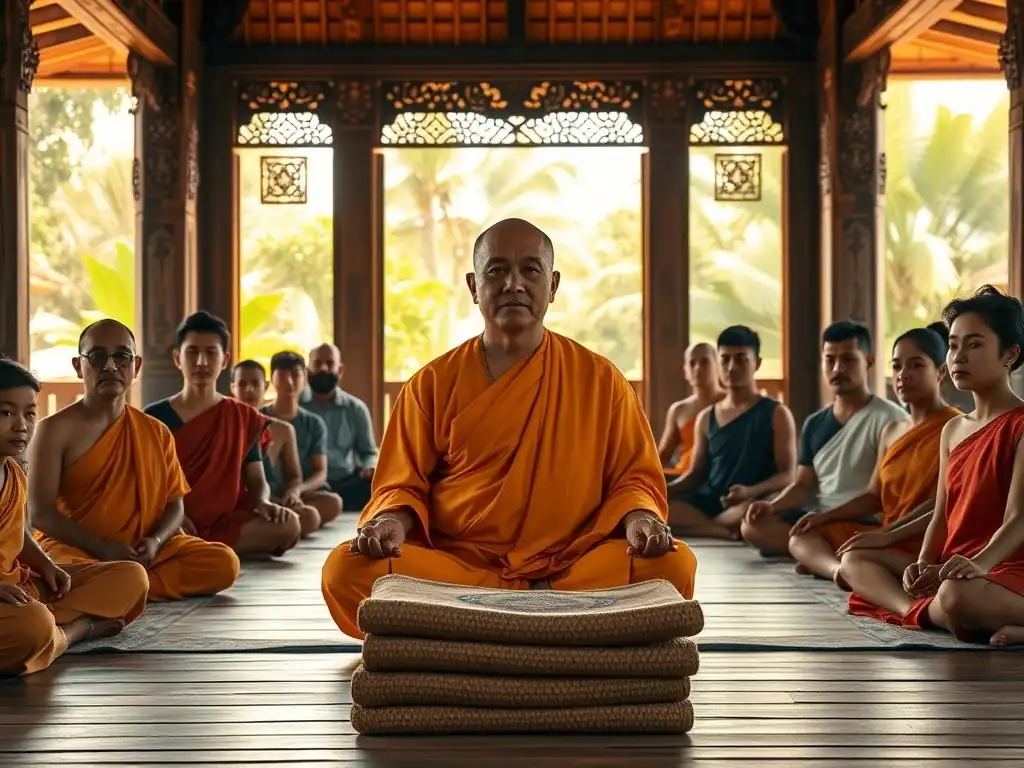
Welcome to Mind Care Guide, a space dedicated to nurturing your mental well-being.
Are you on a journey to inner peace and seeking guidance on your Vipassana practice? Finding the right Vipassana meditation teacher guidance can be a transformative step. We understand the importance of this connection, and in this article, we'll explore valuable resources and practical tips to help you find a qualified teacher or group that resonates with your needs. Curious about where to begin? Let's explore this path together...
- Finding a Vipassana Meditation Teacher: A Guide to Resources and Support
- Identifying Your Needs and Preferences in a Vipassana Teacher
- Key Resources for Finding Vipassana Teachers and Groups
- Evaluating Potential Vipassana Teachers: Questions to Ask
- Building a Sustainable Vipassana Practice with Teacher Support
- Conclusion: Embarking on Your Vipassana Journey with Confidence
-
Frequently Asked Questions
- How important is finding a qualified Vipassana meditation teacher?
- Where can I find reputable Vipassana meditation teachers?
- What qualities should I look for in a Vipassana meditation teacher?
- What are the benefits of joining a Vipassana meditation group?
- How can Vipassana meditation teacher guidance improve my mental well-being?
- Final Reflection: The Ongoing Journey of Insight
- Unlock Your Inner Peace: Next Steps on Your Vipassana Journey
Finding a Vipassana Meditation Teacher: A Guide to Resources and Support
Introduction to Vipassana Meditation and the Importance of Guidance
Vipassana, often translated as "insight" or "clear seeing," is a form of meditation originating from the Buddhist tradition. It involves cultivating focused attention and mindfulness, observing the impermanent nature of mental and physical phenomena as they arise and pass away. The core practice typically involves observing the breath, bodily sensations, thoughts, and emotions without judgment, aiming to understand reality directly. This practice is not about achieving a blissful state but about developing profound insight into the true nature of existence, which can lead to reduced suffering and enhanced mental well-being. It's a path of self-exploration and inner purification.
While foundational instructions for Vipassana can be simple, navigating the depths of this practice often requires expert guidance. A qualified Vipassana meditation teacher provides essential support, clarifies complex teachings, and helps practitioners overcome challenges that arise. Trying to learn solely from books or apps can lead to misunderstandings, frustration, or even counterproductive experiences. Effective Vipassana meditation teacher guidance offers a safe space to ask questions, receive personalized feedback, and stay motivated on the path, ensuring the practice is cultivated correctly and ethically.
Identifying Your Needs and Preferences in a Vipassana Teacher
Assessing Your Meditation Experience and Goals
Before seeking a Vipassana teacher, it's helpful to honestly assess your current level of meditation experience. Are you a complete beginner who has never meditated before, someone with some prior experience in other styles like Samatha (calm abiding), or an advanced practitioner looking to deepen your insight practice? Your experience level will influence the type of guidance you need; beginners might benefit from more structured, foundational instruction, while experienced practitioners might seek a teacher capable of guiding them through more subtle or challenging aspects of insight practice. Reflect on your journey so far.
Equally important is defining your goals for practicing Vipassana. Are you seeking to reduce stress and anxiety, gain a deeper understanding of your mind, cultivate emotional resilience, or explore the path towards liberation? Your goals will help you identify a teacher whose approach and lineage align with your aspirations. Some teachers might emphasize practical application in daily life, while others focus more on intensive retreat practice. Knowing what you hope to gain from Vipassana meditation teacher guidance is a crucial first step in finding the right fit.
Considering Different Vipassana Teacher Styles and Traditions
Vipassana meditation is taught within various lineages and traditions, each with its unique emphasis and teaching style. Prominent lineages include those tracing back to figures like S.N. Goenka, Mahasi Sayadaw, and Ajaan Tong, among others. Each tradition might have different primary objects of meditation (e.g., breath, bodily sensations) or different approaches to practice (e.g., walking meditation emphasis, noting technique). Exploring these different styles through introductory talks or short courses can help you understand which resonates most with you before committing to a specific teacher or center.
Beyond formal tradition, consider the teacher's personal style. Do you prefer a teacher who is highly structured and disciplined, or one who is more informal and relational? Some teachers are known for their scholarly depth, others for their compassionate presence, and some for their practical, down-to-earth approach. Think about the qualities that would make you feel safe, supported, and inspired. Finding Vipassana meditation teacher guidance that feels right is a personal process, and the teacher's personality and approach play a significant role in building a trusting relationship.
Key Resources for Finding Vipassana Teachers and Groups
Reputable Vipassana Organizations and Centers
Several well-established organizations worldwide are dedicated to teaching Vipassana meditation, often free of charge or by donation. Organizations like the Vipassana International Academy (which follows the S.N. Goenka tradition) offer structured residential courses globally. Other significant organizations include the Insight Meditation Society (IMS) and Spirit Rock Meditation Center in the US, which stem from the Mahasi Sayadaw and Ajahn Chah traditions, offering retreats and programs with various teachers. These organizations often have rigorous standards for teacher training and ethical conduct.
Connecting with established Vipassana organizations offers numerous benefits. They provide access to experienced teachers with verified training, offer structured retreat environments conducive to deep practice, and often have resources like recorded talks and reading materials. They also provide a sense of community (sangha) with fellow practitioners. While finding Vipassana meditation teacher guidance through these large organizations is a reliable route, it's still important to research individual teachers affiliated with them to find the best personal connection.
Online Vipassana Meditation Communities and Forums
In the digital age, numerous online platforms facilitate connections between Vipassana practitioners and teachers. Websites like Dharma Seed host thousands of recorded talks by various teachers from different traditions, allowing you to sample their styles. Platforms like Meetup.com or dedicated online meditation forums can help you find virtual or local sitting groups and communities. Some teachers also offer online courses, workshops, or even live virtual retreats, making guidance accessible regardless of geographical location.
While online resources offer great accessibility for finding initial Vipassana meditation teacher guidance and community, it's important to exercise caution. The quality of instruction can vary widely outside of established centers. Be wary of individuals claiming expertise without verifiable training or lineage. Prioritize communities and teachers associated with reputable centers or organizations mentioned earlier. Engaging in online forums can be supportive, but always critically evaluate the information and advice shared, especially regarding intensive practice or dealing with difficult experiences.
Local Vipassana Centers and Retreats
Finding Vipassana meditation teacher guidance often begins locally. Many cities have meditation centers or groups that meet regularly for sittings and discussions. Websites like the World Buddhist Directory or specific lineage websites often list centers by region. A simple web search for "Vipassana meditation [your city/region]" can yield results for local groups or centers. Attending a drop-in sitting or an introductory session is an excellent, low-commitment way to experience the teaching style and community firsthand.
Local centers frequently host visiting teachers or have resident teachers who offer regular classes, workshops, and sometimes shorter weekend retreats. Participating in an introductory Vipassana course, often ranging from a single evening to several days, provides foundational instruction and an opportunity to interact with the teacher and other practitioners. These shorter formats are less intensive than 10-day residential retreats but are invaluable for getting started and assessing if a teacher's approach aligns with your needs before committing to deeper practice or longer courses.
Evaluating Potential Vipassana Teachers: Questions to Ask
Inquiring About the Teacher's Training and Experience
When considering a potential Vipassana teacher, it's perfectly acceptable and advisable to inquire about their background. Ask about their training lineage – under whom did they study, and for how long? Reputable teachers often undergo years of rigorous training, including extensive retreat practice, sometimes a decade or more, before being authorized to teach. Understanding their lineage helps verify the authenticity of their teachings. Don't hesitate to ask for information about their authorization or ordination if applicable.
Beyond formal training, inquire about their personal practice. Do they maintain a consistent meditation practice, including regular retreats? A teacher's own deep experience is often reflected in their ability to guide others through the challenges of practice. Ask about their years of experience teaching Vipassana. While years alone don't guarantee effectiveness, a teacher with significant experience has likely guided many students through various difficulties and can offer a wealth of practical advice rooted in real-world teaching. This type of inquiry is crucial for effective Vipassana meditation teacher guidance selection.
Understanding the Teacher's Approach to Vipassana Instruction
Different teachers emphasize different aspects of Vipassana. Ask about their teaching philosophy: What do they see as the most important elements of the practice? How do they structure their teachings? Do they focus heavily on specific techniques like noting, or is their approach more open? Understanding their core principles will help you determine if their methodology aligns with how you learn and what you seek from the practice.
Inquire specifically about how they address common challenges that arise in meditation, such as dealing with strong emotions, physical pain, sleepiness, or distracting thoughts. A good teacher can offer practical strategies and psychological support for navigating these obstacles. Also, ask about the emphasis they place on ethics ( sila). In traditional Vipassana, ethical conduct is considered the foundation for concentration and insight. A teacher who stresses the importance of living an ethical life as part of the practice is often adhering closely to the traditional path.
Assessing Compatibility and Building Rapport
Before committing to regular guidance, try to attend an introductory session, a public talk, or a short workshop led by the teacher. This provides a low-pressure environment to observe their teaching style, listen to their wisdom, and get a sense of their presence. Do you feel comfortable in their presence? Is their communication clear and easy to understand? Pay attention to how they interact with students and how they embody the principles they teach.
Ultimately, finding the right Vipassana meditation teacher guidance involves trusting your intuition. After gathering information and observing the teacher, reflect on how you feel. Do you feel a sense of trust and respect? Do you feel like you could openly share your experiences and challenges with them? Building rapport is essential for a long-term practice relationship. If something feels off, even if the teacher is highly recommended, it might not be the right fit for you at this time. It's okay to continue your search until you find a connection that feels authentic and supportive.
- Task: Reflect on teacher qualities.
- [ ] Do they have a clear lineage?
- [ ] Does their teaching style resonate?
- [ ] Do I feel comfortable asking questions?
- [ ] Do they emphasize ethical conduct?
Building a Sustainable Vipassana Practice with Teacher Support
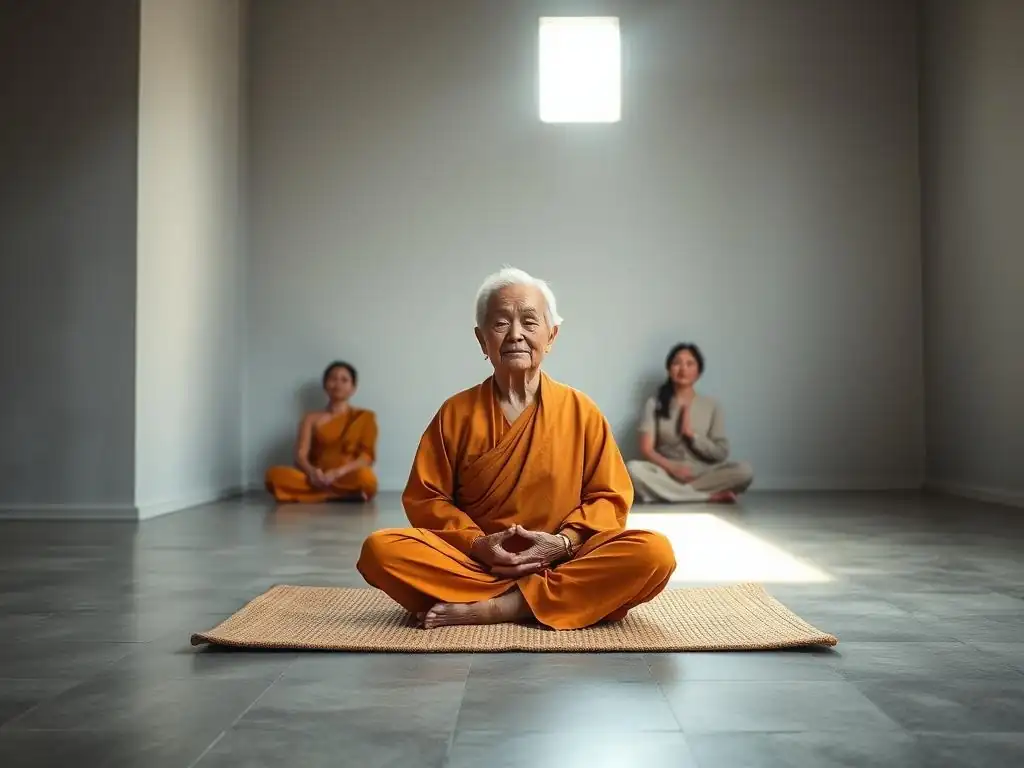
Integrating Vipassana Teachings into Daily Life
The benefits of Vipassana meditation extend far beyond the cushion. A skilled teacher helps students understand how to apply the principles of mindfulness, impermanence ( Anicca), suffering ( Dukkha), and non-self ( Anatta) to their everyday experiences. This might involve guidance on mindful communication, navigating difficult relationships, or approaching work and daily tasks with greater awareness and presence. For example, recognizing the impermanence of a stressful situation can help reduce its grip on your mind.
Seeking ongoing guidance and support from your teacher is key to integrating the practice deeply. This isn't a one-time transaction; it's a relationship that evolves as your practice deepens. Regular check-ins, whether during retreats, follow-up meetings, or dharma talks, provide opportunities to discuss how the teachings are manifesting (or not manifesting) in your daily life and receive practical advice tailored to your specific circumstances. Effective Vipassana meditation teacher guidance is a continuous process.
The Role of the Teacher in Addressing Challenges and Setbacks
Intensive Vipassana practice can sometimes bring difficult emotions, past traumas, or challenging insights to the surface. A qualified teacher is trained to help practitioners navigate these experiences safely and constructively. They can provide context for what is happening, offer specific meditation instructions to work with the difficulty, and reassure you that these are often signs of progress, not regression. For instance, experiencing strong grief during a retreat might be the mind processing old pain, and a teacher can guide you through it with compassion and wisdom.
Obstacles in meditation, such as persistent dullness, restlessness, or doubt, are common. A teacher can help you identify the root cause of these obstacles and suggest specific antidotes or adjustments to your practice. They act as a knowledgeable guide, having likely encountered similar challenges themselves. Knowing when and how to seek additional support, such as professional therapy, is also something a wise meditation teacher can advise on, recognizing the limits of their role and the importance of holistic well-being.
Cultivating a Long-Term Relationship with Your Vipassana Teacher
Developing a long-term relationship with a Vipassana teacher is one of the most valuable aspects of the path. This relationship is built on mutual trust and respect. Showing gratitude for their time and wisdom, perhaps through acts of service or appropriate donations (following the tradition of dana or generosity where applicable), helps sustain the teacher and the teaching. Remember that most traditional Vipassana teachers dedicate their lives to this work, often living simply.
Maintaining open and honest communication is vital. Don't hesitate to share your struggles as well as your insights. The teacher needs accurate information about your practice to provide effective guidance. As your practice matures, the nature of the relationship may change, moving from foundational instruction to more nuanced guidance on deepening insight or navigating the complexities of awakened states. A dedicated teacher is a precious ally on the long journey of Vipassana, offering consistent support and wisdom.
Conclusion: Embarking on Your Vipassana Journey with Confidence
Finding a qualified Vipassana meditation teacher or group is a significant step towards establishing a deep and sustainable practice. By assessing your needs, exploring reputable resources, carefully evaluating potential teachers based on their experience, approach, and compatibility, you lay a strong foundation for your journey.
Remember that effective Vipassana meditation teacher guidance is not just about receiving instructions but about building a supportive relationship that will help you navigate the challenges and insights that arise on the path of clear seeing. With the right guidance, you can approach your Vipassana practice with greater confidence, clarity, and ease, fostering profound mental well-being.
Frequently Asked Questions
How important is finding a qualified Vipassana meditation teacher?
It's crucial for proper guidance and to avoid misinterpretations of the technique. A teacher can help you navigate challenges and ensure you're practicing safely and effectively.
Where can I find reputable Vipassana meditation teachers?
Resources include established Vipassana centers like those founded by S.N. Goenka, online directories, and recommendations from trusted sources familiar with the practice. Check teacher certifications and experience.
What qualities should I look for in a Vipassana meditation teacher?
Seek a teacher with extensive personal practice, a deep understanding of the teachings, and the ability to clearly communicate instructions and address individual needs. Consider their ethical conduct.
What are the benefits of joining a Vipassana meditation group?
Groups offer peer support, a sense of community, and the opportunity to discuss experiences and deepen your understanding of the practice. It fosters accountability and motivation.
How can Vipassana meditation teacher guidance improve my mental well-being?
Proper guidance can help you develop mindfulness, reduce stress, and gain insight into your thoughts and emotions. This leads to improved emotional regulation and overall mental health.
Final Reflection: The Ongoing Journey of Insight
The search for a skilled Vipassana teacher is not merely a quest for instruction; it's a crucial step in embarking on a profound journey of self-discovery. Finding the right guidance can significantly impact the depth and safety of your practice, shaping your experience for years to come. The resources and insights shared in this article aim to illuminate this path, offering a framework for navigating this important decision.
The impact of a well-chosen teacher extends far beyond the formal setting of a retreat or class. Their influence ripples outwards, shaping not only our understanding of Vipassana but also our approach to life itself. The subtle nuances of their teaching, their ability to foster a supportive community, and their embodiment of the principles they teach are all vital components of a successful practice. As the Buddha himself said, A good teacher is like a lamp in the darkness.
Finding that lamp, that guiding light, is a significant achievement on the path to inner peace and understanding.
Now, consider your own journey. What qualities resonate most with you in a teacher? What kind of learning environment do you thrive in? Take the time to reflect on these questions, and use the resources outlined in this article as a springboard for your own exploration.
Don't be afraid to seek out multiple teachers, attend different retreats, and trust your intuition. The path to enlightenment is a personal one, and finding the right guide is a crucial step in walking it with confidence and clarity. May your search be fruitful, and may your practice bring you lasting peace and wisdom.
Unlock Your Inner Peace: Next Steps on Your Vipassana Journey
Thanks for taking the time to explore the world of Vipassana meditation with us! We hope this guide has equipped you with the knowledge and confidence to find the right teacher and community for your practice. Now it's time to put that knowledge into action.
- Find your perfect fit: Begin researching local Vipassana centers or teachers mentioned in the article, or explore online directories to find a group that resonates with your style and needs. This is your most important step towards consistent practice.
- Share your discoveries: Tell your friends and family about your newfound interest in Vipassana! Sharing your journey can inspire others and build a supportive network around your practice.
- Dive deeper: Consider attending an introductory workshop or online course to solidify your understanding of the Vipassana technique and its benefits.
What aspect of Vipassana practice are you most excited to explore next?