
Emergency Stress Relief: Mindfulness Exercises for When You Need It Most

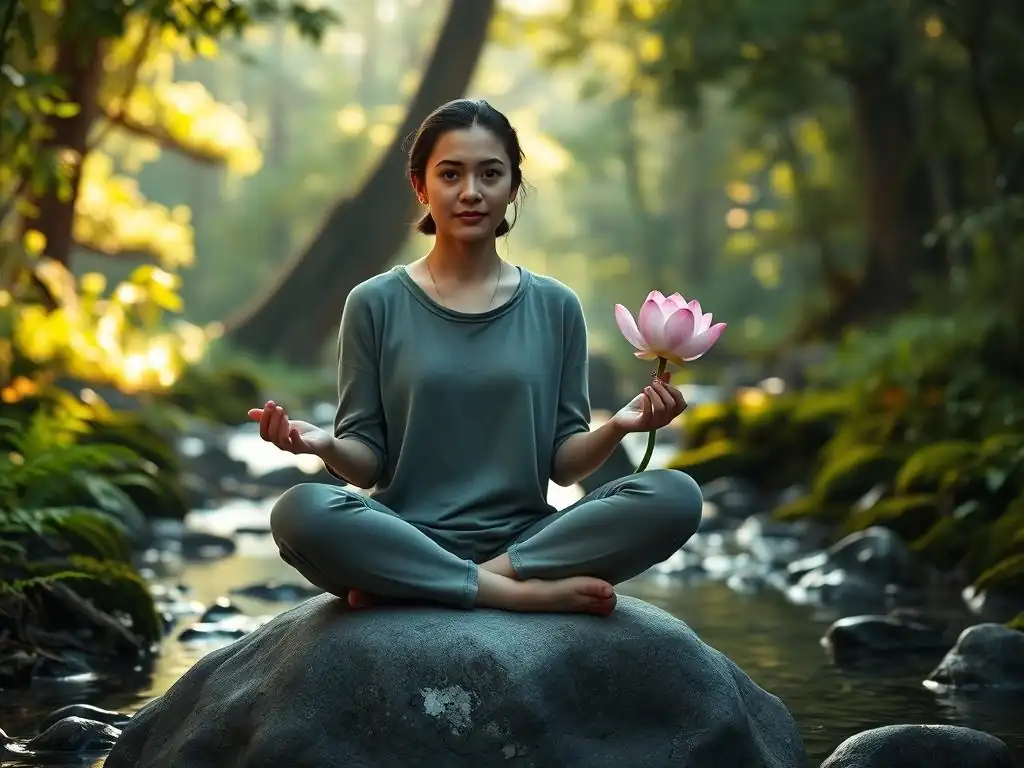
Welcome to Mind Care Guide, a space dedicated to nurturing your mental well-being.
Feeling overwhelmed? We understand. In today's fast-paced world, stress can feel like an unwelcome companion. That's why we've created this guide to equip you with practical tools for immediate relief. Dive in to discover powerful mindfulness exercises designed to provide instant stress relief, and unlock a path towards a calmer, more centered you. Are you ready to take control and find your inner peace?
- Emergency Stress Relief: Mindfulness Exercises for When You Need It Most
- Mindfulness Exercises for Instant Stress Relief: A Practical Guide
-
Quick Mindfulness Techniques for Immediate Calm
- 1. The 5-4-3-2-1 Grounding Exercise: A Sensory Mindfulness Technique
- 2. Mindful Breathing: Your Go-To Tool for Emergency Stress Reduction
- 3. Body Scan Meditation: Reconnecting with Your Physical Self in Moments of Stress
- 4. Mindful Observation: Detaching from Stressful Thoughts
- 5. Mini-Meditation: A Short Mindfulness Break for Immediate Stress Relief
- Integrating Mindfulness into Your Daily Life for Long-Term Stress Management
- Beyond the Basics: Additional Tips for Emergency Stress Relief
- Conclusion: Mastering Mindfulness for Instant Stress Relief and Long-Term Wellbeing
-
Frequently Asked Questions
- What exactly are mindfulness exercises and how can they provide instant stress relief?
- How quickly can I expect to feel the benefits of using mindfulness for stress relief?
- Are there specific mindfulness exercises that are particularly effective for emergency stress relief?
- Do I need any special equipment or training to practice mindfulness exercises for stress relief?
- How often should I practice mindfulness exercises to maintain stress relief and improve my overall mental well-being?
- Final Reflection: Finding Calm in the Chaos
- Unlock Your Inner Calm: Practical Steps to Stress Relief
Emergency Stress Relief: Mindfulness Exercises for When You Need It Most
The Impact of Acute Stress on Mental Wellbeing
Acute stress, the body's immediate reaction to a perceived threat or challenge, can have profound and rapid impacts on mental wellbeing. When faced with a sudden stressor – perhaps an unexpected deadline, a conflict, or alarming news – the body floods the system with stress hormones like adrenaline and cortisol.
While this "fight or flight" response is evolutionarily designed to protect us, in modern life, it can lead to a cascade of uncomfortable mental effects, including racing thoughts, difficulty concentrating, heightened anxiety, irritability, and even feelings of panic. Many individuals report experiencing significant cognitive impairment during high-stress moments, struggling to make decisions or process information effectively.
Beyond the immediate mental fog, sustained acute stress can contribute to a state of hypervigilance, making it difficult to relax even after the stressor has passed. This can disrupt sleep patterns, further eroding mental resilience. The emotional toll is also substantial; feelings of being overwhelmed, helpless, or on edge are common. For someone already managing a mental health condition, acute stress can exacerbate symptoms dramatically. Therefore, having tools for instant stress relief, such as mindfulness exercises, becomes crucial not just for comfort but for maintaining functional mental clarity and emotional stability in challenging moments.
Recognizing the Signs of a Stress Emergency
Identifying the onset of a stress emergency is the first step towards managing it effectively. These moments are characterized by a sudden escalation of stress symptoms that feel overwhelming or debilitating. Physically, you might notice a rapid heart rate, shallow or rapid breathing, muscle tension (especially in the neck and shoulders), sweating, trembling, or a churning stomach. Some people experience headaches or dizziness.
Mentally and emotionally, signs can include intense worry or fear, a feeling of losing control, difficulty thinking clearly or focusing, irritability or anger, a sense of dread, or feeling detached from your surroundings. Behavioral indicators might involve restlessness, pacing, or an urge to escape the situation.
For instance, before a major presentation, someone might experience intense physical symptoms alongside racing thoughts like "I can't do this" or "Everyone will see I'm failing." Recognizing these physical and mental cues as signals of acute stress allows you to consciously intervene using techniques like mindfulness exercises for instant stress relief, rather than being completely consumed by the reaction.
Mindfulness Exercises for Instant Stress Relief: A Practical Guide

The Power of Mindfulness in Managing Stressful Situations
Mindfulness offers a powerful antidote to the overwhelm of stressful situations by anchoring you in the present moment. Unlike traditional stress responses that involve either fighting the stressor or fleeing from it, mindfulness encourages you to pause, observe your experience without judgment, and create space between the stressful event and your reaction. This practice helps to interrupt the automatic stress loop where a thought or external trigger immediately sets off a cascade of physiological and emotional responses.
The effectiveness of mindfulness exercises for instant stress relief lies in their ability to engage the parasympathetic nervous system, often referred to as the "rest and digest" system, which counteracts the "fight or flight" response. By focusing attention, for example, on the breath or sensory input, you redirect neural activity away from the amygdala (the brain's alarm center) and towards areas associated with calm and focus.
Even brief moments of mindful awareness can lower heart rate, regulate breathing, and reduce the surge of stress hormones, providing tangible relief in the heat of the moment. This makes mindfulness exercises a vital tool for anyone seeking quick, accessible methods for immediate stress relief.
Quick Mindfulness Techniques for Immediate Calm
1. The 5-4-3-2-1 Grounding Exercise: A Sensory Mindfulness Technique
The 5-4-3-2-1 grounding exercise is a simple yet highly effective sensory mindfulness technique designed to quickly pull you out of anxious thoughts or overwhelming emotions and anchor you firmly in the present moment. It works by intentionally shifting your focus from internal distress to external sensory input, engaging your senses one by one. This technique is particularly useful during panic attacks, intense anxiety, or moments when you feel disconnected from reality due to stress.
This exercise requires no special equipment or preparation and can be done anywhere, anytime you feel stress levels rising. Its strength lies in its structured approach, providing a clear sequence to follow when your mind might be racing uncontrollably. By systematically engaging sight, touch, hearing, smell, and taste (or a variation thereof), you interrupt the cycle of stressful rumination and bring your awareness back to the concrete reality of your immediate surroundings. This immediate shift in focus is what makes it one of the go-to mindfulness exercises for instant stress relief.
How to Perform the 5-4-3-2-1 Grounding Exercise for Stress
To perform the 5-4-3-2-1 grounding exercise, begin by taking a deep breath to center yourself, if possible. Then, consciously look around your environment and name 5 things you can see. Take a moment to really notice their details – colors, shapes, textures. For example, "I see the blue wall, the wooden table, the green plant, the light fixture, and my hands."
Next, identify 4 things you can touch. Reach out and feel objects near you, or simply notice the sensation of your clothes on your skin, your feet on the floor, or the texture of the chair you're sitting on. Say them aloud or to yourself, like "I feel the smooth surface of the table, the soft fabric of my shirt, the solid floor under my feet, the warmth of my hands." Then, listen for 3 things you can hear. Tune into the sounds around you, no matter how faint.
This could be traffic outside, the hum of electronics, your own breathing, or distant voices. For example, "I hear the clock ticking, someone typing, and a bird singing outside." Identify 2 things you can smell. Take a sniff and notice any scents in the air – perhaps coffee, a nearby plant, your own lotion, or just the general smell of the room.
If you can't identify two distinct smells, you can name two smells you like. Finally, name 1 thing you can taste. This could be the lingering taste from your last drink or meal, or you can pop a mint or sip some water if available. For instance, "I taste the mint from my gum."
Benefits of Sensory Grounding for Instant Anxiety Relief
The primary benefit of the 5-4-3-2-1 grounding exercise is its capacity for instant anxiety relief by interrupting the cycle of distressing thoughts and feelings. When anxiety or stress takes hold, the mind often fixates on hypothetical future worries or past regrets, pulling you away from the safety of the present. By deliberately focusing on sensory input from your immediate environment, you force your attention back to what is real and tangible right now. This redirection of focus can significantly reduce the intensity of racing thoughts and feelings of being overwhelmed.
Furthermore, engaging the senses in this structured way helps to calm the nervous system. The act of paying deliberate attention to external stimuli can break the physiological feedback loop that fuels panic and anxiety. It provides a simple, concrete task for your mind to focus on, which can be incredibly soothing when internal chaos feels overwhelming. This makes sensory grounding, as a form of mindfulness exercises instant stress relief, an invaluable tool for quickly regaining composure and a sense of stability when anxiety strikes.
2. Mindful Breathing: Your Go-To Tool for Emergency Stress Reduction
Mindful breathing is arguably the most accessible and fundamental mindfulness exercise for instant stress relief. It involves simply paying deliberate attention to the sensation of your breath as it enters and leaves your body, without trying to change it. This practice grounds you in the present moment and provides a focal point that is always available, no matter where you are or what you are doing. When stress hits, breathing often becomes shallow and rapid, further activating the stress response. Consciously shifting attention to the breath can immediately begin to counteract this physiological reaction.
By focusing on the rhythm and feel of your breath, you create a necessary pause in the stream of stressful thoughts. This doesn't mean the thoughts disappear, but rather that you develop the capacity to notice them without getting swept away. Even just one minute of focused, mindful breathing can begin to regulate your heart rate and calm your nervous system, offering a crucial moment of respite during a stress emergency. It serves as a portable, invisible tool for emergency stress reduction, always ready for use.
Diaphragmatic Breathing for Rapid Stress Relief
Diaphragmatic breathing, also known as belly breathing, is a specific mindful breathing technique that is particularly effective for rapid stress relief. Unlike shallow chest breathing, which is typical in stressful states, diaphragmatic breathing involves engaging the diaphragm muscle located below the lungs, allowing for deeper, fuller breaths. This type of breathing stimulates the vagus nerve, which plays a key role in regulating the parasympathetic nervous system and promoting relaxation.
To practice diaphragmatic breathing, find a comfortable position, either sitting or lying down. Place one hand on your chest and the other on your abdomen, just below your rib cage. Inhale slowly through your nose, feeling your abdomen rise as your lungs fill with air. Your chest should remain relatively still.
Exhale slowly through your mouth, gently pushing the air out and feeling your abdomen fall. Focus your attention entirely on the sensation of your belly rising and falling with each breath. Aim for slow, steady inhales and exhales. Even just a few cycles of this deep, intentional breathing can significantly reduce feelings of stress and anxiety within minutes, offering tangible rapid stress relief.
Box Breathing: A Structured Approach to Calm
Box breathing, also known as square breathing, is another structured mindful breathing technique that can be highly effective for achieving calm in moments of stress. It follows a simple, four-part pattern that helps to regulate the breath and quiet the mind. This technique is often used by military personnel and first responders in high-stress situations due to its effectiveness in promoting focus and calm under pressure.
The technique involves inhaling, holding the breath, exhaling, and holding the breath again, all for equal counts, typically four seconds each. Imagine drawing a box: inhale up one side, hold across the top, exhale down the other side, and hold across the bottom. To practice, gently exhale all the air from your lungs. Then, inhale slowly through your nose for a count of four. Hold your breath for a count of four.
Exhale slowly through your mouth for a count of four. Hold your breath again for a count of four. Repeat this cycle for several rounds, focusing your attention solely on the counting and the sensations of breathing. The symmetrical pattern provides a simple, absorbing rhythm that can effectively interrupt frantic thought patterns and induce a state of calm.
3. Body Scan Meditation: Reconnecting with Your Physical Self in Moments of Stress
A body scan meditation is a mindfulness practice that involves systematically bringing awareness to different parts of the body, noticing physical sensations without judgment. In moments of acute stress, we often become disconnected from our physical selves, lost in thoughts or emotions, while physical tension builds unconsciously. A body scan helps to interrupt this dissociation and reconnect you with your physical reality, which can be grounding and calming.
While full body scans can last 20-40 minutes, a quick body scan is a powerful tool for instant stress relief. It helps you notice where stress is held in your body – perhaps tight shoulders, a clenched jaw, or a knot in your stomach. Simply acknowledging these sensations with gentle awareness, rather than trying to fix them, can begin to release physical tension and bring you back into the present moment, away from the stressful narrative in your mind.
Performing a Quick Body Scan for Anxiety
To perform a quick body scan for anxiety, find a comfortable seated or lying position. Close your eyes gently if you feel safe doing so, or soften your gaze. Take a few deep breaths to settle in. Now, bring your attention to your feet. Simply notice any sensations present – warmth, coolness, pressure, tingling. There's no need to change anything, just observe.
Slowly move your awareness up through your body: your ankles, calves, knees, thighs, hips, and pelvis. Notice any sensations in each area as you pass through. Continue moving up your torso: your lower back, abdomen, chest, upper back, shoulders. Pay attention to any tightness or discomfort in the shoulders and upper back, common areas for holding stress. Bring awareness down your arms to your hands and fingers, noticing sensations there.
Finally, bring your attention to your neck, jaw, face, and head. Gently scan each area. When you encounter an area of tension, simply acknowledge it with kindness before moving on. This brief journey through your body helps you become aware of physical stress manifestations and anchors you in the physical present.
Benefits of Body Scan Meditation for Stress Reduction
The benefits of incorporating a body scan meditation for stress reduction are numerous, even in a quick format. Firstly, it increases interoceptive awareness – your ability to sense the internal state of your body. This heightened awareness allows you to recognize the early physical signs of stress or anxiety (like muscle tension or shallow breathing) sooner, enabling you to intervene before the stress becomes overwhelming.
Secondly, by simply observing physical sensations without judgment, the body scan helps to break the pattern of reacting negatively to discomfort. Instead of tensing up further or getting anxious about physical symptoms, you learn to acknowledge them with a sense of acceptance. This non-reactive awareness can significantly reduce the intensity of the stress response. Regularly practicing body scans, even quick ones, can help release chronic tension stored in the body, contributing to overall stress reduction and making you less susceptible to acute stress reactions in the future.
4. Mindful Observation: Detaching from Stressful Thoughts
Mindful observation, specifically of thoughts, is a powerful technique within mindfulness exercises for instant stress relief that focuses on changing your relationship with your thoughts rather than trying to eliminate them. When stressed, our minds often get stuck in loops of worry, worst-case scenarios, or self-criticism. Mindful observation teaches you to notice these thoughts as mental events – transient phenomena occurring in your mind – rather than absolute truths or commands that you must follow or be consumed by.
This practice involves stepping back and observing your thoughts from a detached perspective, much like watching clouds drift across the sky. You acknowledge the presence of a thought ("Oh, there's the thought 'I'm going to fail'") without engaging with its content, judging it, or letting it dictate your emotional state. This simple act of observation creates crucial psychological distance, providing immediate relief from the feeling of being trapped by your own stressful thinking patterns.
Observing Thoughts Without Judgment: A Mindfulness Skill
Observing thoughts without judgment is a core skill cultivated through mindfulness practice. It involves recognizing that thoughts are not facts, nor do they define you. When a stressful thought arises, the practice is to simply note its presence. You might mentally label it ("worry thought," "planning thought," "judgment thought") and then let it pass, refocusing your attention back to your chosen anchor, like the breath. The key is to avoid getting caught up in the story the thought is telling or criticizing yourself for having the thought in the first place.
This non-judgmental stance is vital because judging your thoughts ("I shouldn't be thinking this," "This is a stupid thought") only adds another layer of stress and complexity. By treating thoughts as simply mental events passing through consciousness – like leaves floating down a stream or cars driving by – you practice detaching from their emotional charge. This skill, developed through consistent practice, allows you to navigate stressful thinking patterns with greater ease and less reactivity, offering a path towards peace even when challenging thoughts are present.
Using Mindful Observation to Reduce Anxiety
Using mindful observation is highly effective in reducing anxiety because anxiety is often fueled by engaging with and believing anxious thoughts ("What if this happens? ", "I can't handle this"). By observing these thoughts mindfully, you learn not to automatically react to them as if they are imminent dangers. You see the thought "What if I fail?" simply as a thought, rather than a prediction of certain doom that triggers a full-blown anxiety response.
This practice weakens the link between the thought and the automatic emotional/physiological reaction. Over time, as you consistently practice observing anxious thoughts without getting swept away, their power over you diminishes. You create mental space to choose how to respond, rather than being reactively pulled into a spiral of worry. This detachment allows the intensity of the anxiety to lessen, providing significant relief in the moment and building resilience against future anxious episodes. It's a powerful application of mindfulness exercises for instant stress relief by directly addressing the cognitive component of anxiety.
5. Mini-Meditation: A Short Mindfulness Break for Immediate Stress Relief
A mini-meditation is a brief, focused period of mindfulness practice, typically lasting from one to five minutes. In the midst of a busy or stressful day, finding even a few minutes for a dedicated practice can be incredibly beneficial for immediate stress relief. These short breaks allow you to step away from the demands of the situation, center yourself, and reset your nervous system before returning to your tasks.
The beauty of mini-meditations lies in their flexibility and accessibility. They can be done at your desk, in a quiet corner, in a restroom, or even during a commute. The goal is not to achieve a deep meditative state, but simply to pause, bring mindful awareness to the present moment, and interrupt the stress cycle. Incorporating these short bursts of mindfulness throughout the day can prevent stress from accumulating to overwhelming levels, providing timely and effective immediate stress relief.
Guided Mini-Meditation for Stress Management
A guided mini-meditation for stress management can be a helpful way to start, as someone's voice can lead you through the process when your mind feels scattered. These short guided sessions often focus on a specific anchor, such as the breath, bodily sensations, or sounds. A typical guided mini-meditation might begin with an invitation to settle and close the eyes or soften the gaze, followed by guidance to notice the feeling of the breath entering and leaving the body for a few breaths.
The guidance might then invite you to expand awareness to include bodily sensations, noticing points of contact with the chair or floor, or scanning for areas of tension. The guide often reminds you that if your mind wanders, which it inevitably will, to simply notice where it went without judgment and gently guide your attention back to the chosen anchor. These short, directed practices provide a clear structure to follow when feeling stressed, making it easier to engage in mindfulness exercises for instant stress relief even when feeling overwhelmed.
Creating Your Own Mini-Meditation Routine
Creating your own mini-meditation routine involves identifying moments in your day when you can consistently carve out 1-5 minutes for practice. This could be upon waking, during a coffee break, before a challenging meeting, during your commute, or before bed. Start small, perhaps with just one minute, and gradually increase the duration as you feel comfortable. The key is consistency, even if the duration is short.
Your routine could involve simply setting a timer for three minutes and focusing on your breath. Or you might use that time to do a quick body scan, or practice mindful observation of sounds around you. You could also combine elements, starting with a few deep breaths, then scanning your body, and ending by noticing sounds. The specifics are less important than the intention to pause, be present, and offer yourself a moment of mindful calm. Building these small practices into your day creates easily accessible opportunities for immediate stress relief whenever tension begins to build.
Integrating Mindfulness into Your Daily Life for Long-Term Stress Management

Building a Foundation of Mindfulness to Prevent Future Stress Emergencies
While mindfulness exercises for instant stress relief are invaluable tools for acute situations, the true power of mindfulness unfolds when it's integrated into your daily life as a consistent practice. Regular engagement with mindfulness – whether through formal meditation, mindful movement, or simply bringing mindful awareness to everyday activities like eating or walking – builds a foundation of resilience. This foundation helps to regulate the nervous system over time, reducing your baseline stress levels and making you less reactive when stressors arise.
Studies suggest that consistent mindfulness practice can lead to structural changes in the brain, including increased gray matter density in areas associated with learning, memory, emotion regulation, and empathy, while potentially decreasing density in the amygdala. Regular practice can also help regulate stress hormones; for instance, research indicates that consistent mindfulness can help stabilize cortisol levels. Building this daily habit, even just 10-15 minutes a day, equips you with greater emotional regulation skills, enhanced self-awareness, and a more balanced perspective, significantly reducing the likelihood and intensity of future stress emergencies.
Mindfulness During a Public Speaking Engagement
A classic example of applying mindfulness exercises for instant stress relief in a real-world scenario is during a public speaking engagement. The moments leading up to, and during, speaking in front of others are potent triggers for acute stress and anxiety for many people. Symptoms like rapid heartbeat, trembling, sweating, and a racing mind are common.
Before stepping onto the stage, a quick mini-meditation focusing on the breath for one or two minutes can help calm the nervous system. You might use box breathing backstage to regulate your heart rate.
As you walk to the podium, a brief body scan can ground you in the physical reality of your feet on the floor and the sensations in your body, pulling you out of catastrophic thoughts. While speaking, if anxiety surges, you can subtly bring awareness back to the feeling of your feet on the ground or the simple act of breathing in and out for a few moments, without losing your place.
If your mind goes blank, mindful observation allows you to notice the thought "I don't know what to say" without panicking, creating space for the next thought or word to arise. These mindfulness exercises offer immediate, on-the-spot tools to navigate the intensity of the moment and perform more effectively.
Beyond the Basics: Additional Tips for Emergency Stress Relief
Creating a Personalized Stress Relief Toolkit
While mindfulness exercises for instant stress relief are incredibly effective, creating a broader, personalized stress relief toolkit can provide even more options when faced with a stress emergency. This toolkit should include a variety of techniques that you find personally grounding and calming. Beyond the mindfulness techniques discussed, consider adding sensory items like a stress ball, a smooth stone to hold, or a calming scent (like a small vial of lavender essential oil).
Your toolkit could also include physical activities you can do quickly, such as taking a brisk walk around the block, doing a few stretches, or simply shaking out your limbs. Listening to a specific calming piece of music for a few minutes can also be very effective for some people. The key is to have a readily accessible list or collection of go-to strategies that you know work for you, allowing you to quickly choose the most appropriate tool for the specific situation you're facing, whether it's a mindful breathing exercise or a sensory anchor.
Seeking Professional Help When Needed
It is important to recognize that while mindfulness exercises for instant stress relief are powerful self-help tools, they are not a substitute for professional help when dealing with severe or chronic stress, anxiety disorders, panic disorder, or other mental health conditions. If stress emergencies are frequent, debilitating, or significantly interfering with your daily life, work, or relationships, it is a strong indicator that professional support may be necessary.
A mental health professional, such as a therapist, counselor, or psychiatrist, can provide a comprehensive assessment, diagnose underlying conditions, and offer evidence-based treatments like Cognitive Behavioral Therapy (CBT), Exposure Therapy, or specific stress management programs tailored to your needs. They can also help you integrate mindfulness practices into a broader treatment plan. Seeking help is a sign of strength and self-care, ensuring you have the most effective support system in place to navigate stress and improve your overall wellbeing.
Conclusion: Mastering Mindfulness for Instant Stress Relief and Long-Term Wellbeing
Frequently Asked Questions
What exactly are mindfulness exercises and how can they provide instant stress relief?
Mindfulness exercises involve focusing your attention on the present moment without judgment. This can provide instant stress relief by interrupting negative thought patterns and promoting a sense of calm. They help you become more aware of your body's sensations and thoughts.
How quickly can I expect to feel the benefits of using mindfulness for stress relief?
The effects of mindfulness can be surprisingly rapid. Many people experience a reduction in stress within just a few minutes of practicing mindfulness exercises. Consistent practice enhances these benefits over time.
Are there specific mindfulness exercises that are particularly effective for emergency stress relief?
Yes, several exercises are highly effective. Examples include focused breathing, body scans, and mindful observation of your surroundings. These techniques help to ground you in the present moment and alleviate immediate stress.
Do I need any special equipment or training to practice mindfulness exercises for stress relief?
No, mindfulness exercises are generally simple and accessible. You don't need any special equipment or formal training to begin experiencing stress relief. Just a quiet space and a willingness to focus your attention.
How often should I practice mindfulness exercises to maintain stress relief and improve my overall mental well-being?
Regular practice is key for sustained benefits. Aim for at least a few minutes of mindfulness each day. Consistent practice will build your resilience to stress and contribute to long-term mental well-being.
Final Reflection: Finding Calm in the Chaos
The relentless pace of modern life leaves many of us perpetually teetering on the brink of overwhelm. The need for readily accessible stress relief techniques is not a luxury; it's a necessity for maintaining mental and physical well-being. This article explored simple yet powerful mindfulness exercises designed to provide instant relief from the pressures of daily life, equipping you with tools to navigate stressful situations with greater ease and resilience.
The impact of chronic stress on our society is undeniable, manifesting in everything from increased rates of anxiety and depression to strained relationships and decreased productivity. The price of anxiety is high, but the price of not facing it is even higher.
This quote resonates deeply, highlighting the importance of proactive stress management. The mindfulness techniques discussed here offer a pathway to not only alleviate immediate stress but also cultivate a more mindful and resilient approach to life's challenges, fostering a sense of inner peace that transcends fleeting moments of anxiety.
You now possess a toolkit of practical mindfulness exercises. I encourage you to experiment, discover which techniques resonate most with you, and integrate them into your daily routine. Don't wait for a crisis to emerge; make self-care a priority. Start small, perhaps with just a few minutes of mindful breathing each day. The cumulative effect of these small, intentional acts will be profound, leading to a calmer, more centered, and ultimately, more fulfilling life. Embrace the power of the present moment; it's where your peace resides.
Unlock Your Inner Calm: Practical Steps to Stress Relief
Thanks for taking the time to explore practical mindfulness techniques for managing stress! We hope you found valuable tools to navigate challenging moments. Now, let's put this newfound knowledge into action.
- Prioritize a 5-minute mindfulness practice today: Find a quiet space, focus on your breath, and simply be present. This small step can make a significant difference.
- Share this article with someone who might benefit: Spread the word about effective stress management. You might surprise yourself with the positive impact you have on others.
- Explore a guided meditation: Many free resources are available online – try searching for "guided meditation for stress relief". This could be your next step towards a calmer you.
Ready to experience the transformative power of mindful living? What small step will you take today to prioritize your mental well-being?