
Comparing Home Biofeedback Devices: Which is Best for Anxiety?

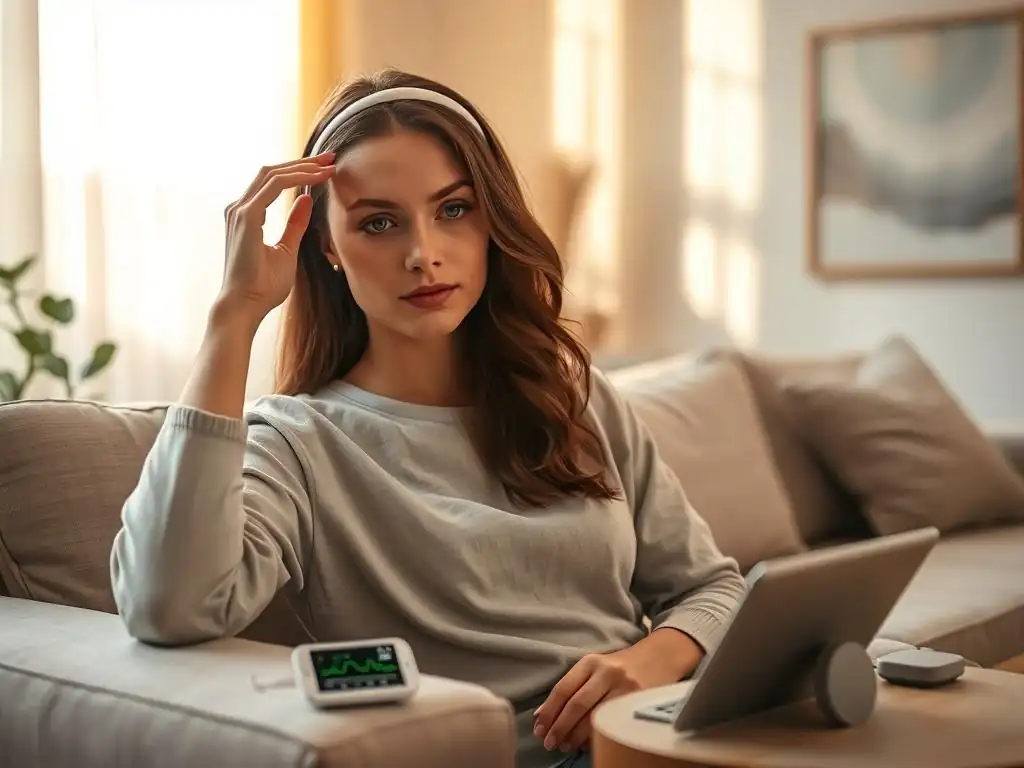
Welcome to Mind Care Guide, your trusted companion on the journey to mental well-being.
Feeling overwhelmed by anxiety? You're not alone. We understand the challenges, and we're here to help you explore effective strategies for finding relief. In this article, we delve into the world of home biofeedback anxiety relief devices, comparing different options and helping you determine which might be the best fit for your individual needs. Curious about how wearable tech can empower you to take control of your stress levels? Let's dive in and discover the possibilities together.
Comparing Home Biofeedback Devices: Which is Best for Anxiety?
- Understanding Home Biofeedback for Anxiety Relief: A Mind Care Guide
- Top Home Biofeedback Devices for Anxiety: A Comparative Analysis
- Comparing Biofeedback Devices: Feature by Feature
- Real-World Results: User Experiences with Home Biofeedback Devices for Anxiety
- Choosing the Right Home Biofeedback Device for Your Specific Anxiety Needs
- Maximizing Your Home Biofeedback Experience for Optimal Anxiety Relief
-
Where to Buy Home Biofeedback Devices: Secure and Reputable Retailers
- Purchasing Muse 2: Official Website and Authorized Retailers (Affiliate Links)
- Buying HeartMath Inner Balance Trainer: Direct from HeartMath and Partner Sites (Affiliate Links)
- Acquiring Sensate 2: The Official Sensate Website (Affiliate Links)
- Purchasing Apollo Neuro: Official Website and Select Retailers (Affiliate Links)
- Final Thoughts: Investing in Your Mental Well-being with Home Biofeedback for Anxiety
-
Frequently Asked Questions
- How does home biofeedback help with anxiety relief?
- Are home biofeedback devices effective for everyone experiencing anxiety?
- What features should I look for when choosing a home biofeedback device for anxiety?
- How long does it typically take to see results with home biofeedback for anxiety?
- Are there any potential risks or side effects associated with using home biofeedback devices?
- Final Reflection: Finding Calm in the Chaos: Your Journey to Anxiety Relief
- Unleash Your Inner Calm: Take Control of Your Anxiety Today!
Understanding Home Biofeedback for Anxiety Relief: A Mind Care Guide
What is Biofeedback and How Does it Help Anxiety?
Biofeedback is a mind-body technique that teaches individuals how to gain voluntary control over involuntary bodily functions, such as heart rate, breathing, muscle tension, and skin temperature. This process typically involves using sensors connected to a device that provides real-time information (feedback) about these physiological states. By observing this feedback, individuals can learn to make subtle changes in their thinking, feelings, or behavior to influence their bodily responses.
For example, someone might see their heart rate displayed on a screen and learn breathing techniques to slow it down, thereby reducing physical symptoms associated with anxiety. This conscious effort to regulate physiological processes is the core of biofeedback training.
The application of biofeedback for anxiety relief stems from the understanding that anxiety often manifests with distinct physical symptoms, such as rapid heartbeat, shallow breathing, sweaty palms, and tense muscles. By learning to control these responses, individuals can interrupt the anxiety cycle. The real-time feedback acts as a guide, showing them exactly how their mental and emotional state is affecting their body.
Over time, with practice, the goal is to internalize these skills, allowing individuals to manage their physiological reactions to stressors without needing the external device. This empowerment can significantly reduce the frequency and intensity of anxiety episodes, offering a tangible tool for home biofeedback anxiety relief.
The Benefits of Using Home Biofeedback Devices for Anxiety Management
Using home biofeedback devices offers several significant benefits for individuals seeking relief from anxiety. Firstly, they provide accessibility and convenience. Unlike traditional biofeedback sessions that require appointments with a therapist, home devices allow users to practice biofeedback techniques anytime, anywhere, fitting easily into busy schedules. This flexibility encourages consistent practice, which is crucial for developing lasting self-regulation skills. A 2019 review published in Applied Psychophysiology and Biofeedback noted that home-based biofeedback interventions show promise in improving accessibility and adherence compared to clinic-based approaches for various conditions, including anxiety.
Secondly, home biofeedback devices empower individuals by giving them a direct role in their own anxiety management. They move from being passive recipients of therapy to active participants in their healing process. This sense of control can be particularly beneficial for those who feel overwhelmed or helpless by their anxiety.
The objective data provided by the device allows users to see tangible evidence of their progress, reinforcing positive changes and motivating continued effort. For instance, seeing their heart rate variability (HRV) score improve after a few weeks of consistent practice can be a powerful motivator for sustained home biofeedback anxiety relief efforts.
Key Features to Consider When Choosing a Biofeedback Device for Anxiety
When selecting a home biofeedback device for anxiety, several key features should be carefully considered to ensure it meets your specific needs and preferences. The type of physiological signal measured is paramount; devices typically focus on brainwaves (EEG), heart rate variability (HRV), skin conductance (GSR), muscle tension (EMG), or temperature.
Understanding which physiological response is most linked to your anxiety symptoms can help guide this choice. For example, if your anxiety manifests primarily as racing thoughts, an EEG device might be suitable, while if physical tension and rapid heart rate are dominant, HRV or GSR devices could be more appropriate.
Another critical feature is the accompanying software or app. The app should be user-friendly, intuitive, and provide clear, actionable feedback. Look for features like guided sessions, progress tracking, historical data analysis, and perhaps gamified elements to make practice engaging.
Compatibility with your existing devices (smartphone, tablet, operating system) is also essential. Additionally, consider the device's form factor, comfort during use, battery life, and any subscription costs associated with accessing the full range of features or content. Some devices offer core functionality for a one-time purchase, while others require ongoing subscriptions for guided sessions or advanced analytics crucial for effective home biofeedback anxiety relief.
Top Home Biofeedback Devices for Anxiety: A Comparative Analysis
Muse 2: Brain Sensing Headband for Calming the Mind
The Muse 2 is a popular home biofeedback device designed to provide real-time feedback on brain activity, heart rate, breathing, and body movements during meditation or relaxation exercises. It uses EEG sensors embedded in a comfortable headband to detect brainwave patterns. The accompanying app translates this complex data into understandable audio cues, such as weather sounds.
For example, calm mental states might be represented by peaceful birdsong, while an active or distracted mind might sound like stormy weather. This immediate auditory feedback helps users learn to recognize and return to a calmer state, making it a useful tool for home biofeedback anxiety relief.
Beyond brain activity, Muse 2 also incorporates a PPG sensor to measure heart rate and pulse oxygenation, an accelerometer to track body movement, and a gyroscope to detect head position. These additional sensors provide a more holistic view of your physiological state during sessions. The app offers various guided meditations and biofeedback sessions focused on different aspects like mind, heart, body, and breath. After each session, users receive detailed reports on their performance, including brainwave activity summaries, heart rate graphs, and stillness percentages, allowing them to track progress over time.
Muse 2 Features and Benefits for Anxiety Reduction
Muse 2's primary benefit for anxiety reduction lies in its brainwave biofeedback, which teaches users to quiet their racing thoughts. By providing real-time auditory feedback on their mental state, it guides them towards a calmer, less reactive mind. Users learn to identify when their mind wanders and practice techniques to bring it back to a focused or relaxed state. This skill is directly applicable to managing anxious thought patterns. The device's ability to measure multiple physiological signals provides a comprehensive picture, helping users understand how their mind, body, and breath are interconnected during stressful moments.
The guided sessions within the Muse app offer structured exercises that combine biofeedback with meditation principles. For someone experiencing anxiety, these sessions can provide a much-needed anchor, directing their focus away from worries and towards regulating their internal state. The post-session data summaries, like the "calm time" metric (time spent in a relaxed brain state), offer objective evidence of improvement. Many users report feeling more centered and less reactive to stressors after consistent use, attributing this to the learned ability to shift their brain state, a core aspect of effective home biofeedback anxiety relief.
Muse 2 Pros and Cons: Is it Right for You?
- Pros:
- Measures multiple physiological signals (brain, heart, breath, movement).
- Provides real-time auditory feedback that is easy to understand.
- Offers a variety of guided sessions in the app.
- Good for learning meditation skills alongside biofeedback.
- Detailed post-session reporting helps track progress.
- Cons:
- Relies heavily on the app, which requires a subscription for full content access.
- Headband design might not be comfortable for everyone, especially lying down.
- EEG signal quality can be affected by hair or fit.
- Primarily focused on brain state and meditation, may not be ideal if physical tension is the main anxiety symptom.
- Initial cost plus subscription can be expensive over time.
Muse 2 is likely right for you if your anxiety involves significant racing thoughts or difficulty meditating. If you are interested in learning to influence your brain state and enjoy guided meditation, and you don't mind a subscription model, Muse 2 could be a valuable tool for your home biofeedback anxiety relief journey. However, if your anxiety is more physically manifested (e.g., muscle tension) or you prefer a one-time purchase, other devices might be better suited.
Muse 2 Subscription Options and Pricing
The Muse 2 device typically costs around $250-$300 for the hardware itself. However, accessing the full library of guided sessions, detailed tracking, and advanced features requires a subscription to Muse Premium. The subscription pricing varies, often offered monthly (around $12-$15/month) or annually (around $95-$100/year). A basic level of functionality is available without a subscription, usually including a limited number of sessions and basic tracking. Potential users should factor in this ongoing cost when considering Muse 2 as their choice for home biofeedback anxiety relief.
HeartMath Inner Balance Trainer: Heart Rate Variability (HRV) for Emotional Regulation
The HeartMath Inner Balance Trainer is a home biofeedback device focused specifically on Heart Rate Variability (HRV) coherence training. HRV is a measure of the variation in time between heartbeats, reflecting the balance between the sympathetic (fight-or-flight) and parasympathetic (rest-and-digest) nervous systems. Higher HRV coherence is associated with greater resilience to stress and anxiety, improved emotional regulation, and overall well-being. The Inner Balance Trainer uses a small sensor that clips onto your earlobe or finger to measure your pulse and HRV in real-time.
The device connects to the HeartMath Inner Balance app on your smartphone or tablet. The app guides you through exercises designed to help you achieve a state of high coherence, often involving paced breathing techniques combined with focusing on positive emotions. The app provides visual feedback, such as a graph showing your coherence level or a changing display that reflects your heart rhythm pattern.
The goal is to learn to intentionally shift your physiological state towards greater coherence, thereby reducing stress and anxiety. This focus on the heart-brain connection is the cornerstone of the HeartMath approach to home biofeedback anxiety relief.
HeartMath Inner Balance Trainer Features and Benefits for Anxiety Relief
The core benefit of the Inner Balance Trainer for anxiety relief is its targeted approach to improving HRV coherence. By practicing with the device, users learn to consciously regulate their heart rhythm patterns, which directly influences their nervous system state. Achieving a state of high coherence has been shown in numerous studies to reduce physiological markers of stress and promote a sense of calm. A study published in Stress and Health in 2014 found that HRV biofeedback training significantly reduced self-reported anxiety and improved HRV in participants.
The Inner Balance app provides structured sessions, tracking tools, and guided meditations that emphasize shifting emotional states while practicing coherence techniques. Learning to access a state of positive emotion (like appreciation or gratitude) while regulating breath and heart rhythm is a powerful skill for managing anxiety.
The app's real-time feedback helps users identify what it feels like to be in a coherent state, making it easier to access this state independently over time. This direct link between physiological state and emotional regulation makes it a compelling option for home biofeedback anxiety relief, particularly for those whose anxiety manifests with significant physical symptoms like palpitations or shortness of breath.
HeartMath Inner Balance Trainer Pros and Cons: Focusing on Heart Coherence
- Pros:
- Specifically targets HRV coherence, a key metric for stress resilience.
- Empirical evidence supports the effectiveness of HRV biofeedback for anxiety.
- Sensor is small and relatively unobtrusive (earlobe or finger clip).
- App is user-friendly and provides clear feedback.
- Focuses on the powerful link between heart rhythm and emotions.
- Cons:
- Only measures HRV; does not provide feedback on other physiological signals like brainwaves or muscle tension.
- Requires consistent practice to see significant, lasting results.
- Some users may find the focus solely on HRV limiting if their anxiety is multifaceted.
- Sensor connection can occasionally be finicky.
- The device itself is a one-time purchase, but additional content or programs might have costs.
The HeartMath Inner Balance Trainer is well-suited for individuals whose anxiety is closely linked to physiological symptoms like rapid heart rate, shortness of breath, or feeling physically "on edge." If you are interested in a scientifically-backed method focusing on heart-brain coherence and are willing to commit to regular practice, this device offers a focused approach to home biofeedback anxiety relief. If you prefer a device that measures multiple signals or focuses more on brain activity, you might consider other options.
HeartMath Inner Balance Trainer Pricing and Compatibility
The HeartMath Inner Balance Trainer comes in different versions, typically involving a sensor that plugs into a smartphone or tablet. The cost ranges from approximately $130 to $160, depending on the model (e.g., Lightning connector for iOS, USB-C for Android/iOS). This is generally a one-time purchase, and the core Inner Balance app functionality is included. HeartMath may offer additional programs or courses within their ecosystem, which could incur extra costs, but the fundamental biofeedback training with the device is accessible after the initial purchase. Compatibility is key, so ensure you purchase the correct sensor type for your specific device.
Sensate 2: Vagus Nerve Stimulation for Deep Relaxation
Sensate 2 is a unique home biofeedback device that utilizes infrasonic sound waves transmitted through the chest bone to stimulate the vagus nerve. The vagus nerve is a major component of the parasympathetic nervous system, playing a crucial role in regulating stress responses, digestion, heart rate, and mood. Gentle stimulation of this nerve is believed to help shift the body from a state of fight-or-flight into a state of rest and digest, promoting deep relaxation and potentially reducing anxiety. The device is a small, smooth pebble-like object that rests on your sternum during sessions.
Users typically lie down and place the Sensate 2 device on their chest bone. They then select a session from the accompanying app, which combines ambient music or sounds with the infrasonic vibrations emitted by the device. The vibrations are designed to resonate through the bone to the vagus nerve.
While not traditional biofeedback in the sense of providing real-time physiological data back to the user (like heart rate or brainwaves), it provides a physical stimulus intended to induce a desired physiological state (relaxation) and gives the user feedback on their subjective experience of that state. The aim is to train the nervous system over time to become more resilient to stress, contributing to home biofeedback anxiety relief.
Sensate 2 Features and Benefits for Anxiety & Stress
The primary benefit of Sensate 2 for anxiety and stress relief is its unique approach via vagus nerve stimulation. For individuals whose anxiety manifests as persistent physical tension, a feeling of being "wired," or difficulty calming down, stimulating the vagus nerve can help facilitate a shift towards the parasympathetic state. Many users report feeling a sense of deep relaxation, reduced muscle tension, and a calmer nervous system after using the device regularly. It offers a passive yet potentially powerful method for encouraging the body's natural relaxation response.
The Sensate app provides a library of soundscapes and guided sessions designed to complement the vibrational therapy. These sessions range in length and focus, offering options for different needs and preferences. While it doesn't provide the same kind of data-driven feedback as HRV or EEG devices, the subjective experience of relaxation serves as the primary feedback mechanism. The simplicity of use – just lie down, place the device, and listen – makes it accessible for people who might find other biofeedback methods requiring active mental engagement challenging, providing an alternative pathway to home biofeedback anxiety relief.
Sensate 2 Pros and Cons: A Unique Approach to Calm
- Pros:
- Unique mechanism targeting the vagus nerve for relaxation.
- Passive use – requires less active concentration than some other biofeedback types.
- Many users report deep relaxation and reduced physical tension.
- Device is small, portable, and aesthetically pleasing.
- App offers a variety of soundscapes and session lengths.
- Cons:
- Not traditional biofeedback; doesn't provide real-time physiological data to the user.
- Effectiveness relies on the principle of vagus nerve stimulation via infrasound, which may vary by individual.
- Requires lying down for sessions, limiting where it can be used.
- Requires an ongoing subscription to access the full library of sessions.
- Can be relatively expensive upfront plus the subscription cost.
Sensate 2 could be a good fit if your anxiety is strongly linked to physical tension and a feeling of being unable to relax, and you are open to a non-traditional approach focusing on nervous system regulation. If you prefer a passive experience and are less interested in tracking physiological data, and you are comfortable with a subscription model, Sensate 2 offers a unique path to home biofeedback anxiety relief. However, if you want to actively learn to control specific physiological metrics like heart rate or brainwaves, or prefer a one-time purchase, other devices might be more suitable.
Sensate 2 Pricing and Subscription Model
The Sensate 2 device itself is typically priced in the range of $250-$300. Similar to Muse, while the device is a one-time purchase, accessing the complete library of soundscapes and sessions within the Sensate app requires a subscription. Subscription costs are generally around $8-$10 per month or an annual fee of approximately $70-$80. Without a subscription, access to content is limited, significantly impacting the usability and long-term value of the device for home biofeedback anxiety relief.
Apollo Neuro: Wearable for Stress, Sleep, and Focus
The Apollo Neuro is a wearable device that delivers silent, gentle vibrations (called "Apollo Vibes") to the skin, primarily on the wrist or ankle. Developed by neuroscientists and physicians, the technology is based on the principle that specific patterns of touch and vibration can influence the nervous system, helping to regulate stress, improve focus, and promote relaxation and sleep.
While not classic biofeedback in the sense of measuring the user's physiological state and feeding it back, it actively applies a stimulus designed to shift the user's state, providing subjective feedback through altered feelings of calm or focus. The device is worn like a watch or band.
The Apollo Neuro device connects to a smartphone app where users can select different "Vibes" or programs tailored for specific outcomes, such as 'Calm and Soothe,' 'Clear and Focused,' 'Energy and Wake Up,' and 'Relax and Unwind.' Each program utilizes a unique pattern and intensity of vibration. Users can customize the intensity and duration of the sessions.
The app also allows users to track their usage and subjectively rate how the different programs affect them. The goal is to use these vibrations to help the body recover from stress more effectively and access desired states like calm or focus on demand, contributing to home biofeedback anxiety relief.
Apollo Neuro Features and Benefits for Anxiety Management
The Apollo Neuro's benefit for anxiety management comes from its ability to activate the parasympathetic nervous system and potentially reduce the physiological symptoms of stress through tactile stimulation. The 'Calm and Soothe' and 'Relax and Unwind' programs are specifically designed to help users feel more grounded and less anxious. By providing a non-invasive, wearable stimulus, it can be used discreetly throughout the day in various situations where anxiety might arise. This makes it particularly versatile for managing anxiety in real-time.
Research conducted by the company and independent labs suggests that using Apollo Neuro can lead to measurable changes, such as increased HRV and decreased resting heart rate, indicating a shift towards a more relaxed state. A study involving healthcare workers during the COVID-19 pandemic, published in Global Advances in Health and Medicine in 2021, indicated that using Apollo Neuro reduced stress and improved sleep quality.
The ability to use it actively while working, commuting, or socializing sets it apart from devices requiring you to be still. It offers a proactive tool for managing anxiety symptoms as they occur, enhancing home biofeedback anxiety relief efforts by providing an immediate sense of calm.
Apollo Neuro Pros and Cons: Considering its Effectiveness
- Pros:
- Wearable and discreet, can be used throughout the day in various settings.
- Targets the nervous system through tactile vibration patterns.
- Offers programs for various states (calm, focus, sleep, energy).
- Backed by some research suggesting positive physiological changes (e.g., increased HRV).
- Relatively easy to use; just select a program and wear it.
- Cons:
- Not traditional biofeedback; does not provide real-time physiological data feedback to the user.
- Effectiveness can be subjective and may vary significantly among individuals.
- Can be one of the more expensive home wellness devices.
- Relies solely on tactile vibration; doesn't incorporate breath, heart rate, or brainwave training directly.
- Battery life may require daily charging depending on usage.
Apollo Neuro might be a good choice if you prefer a wearable, discreet device that can be used throughout your day to help manage anxiety symptoms as they arise. If you are open to exploring how tactile stimulation can influence your nervous system and value the versatility of a device that can also assist with focus and sleep, this could be a valuable tool for home biofeedback anxiety relief.
However, if you are specifically looking for a device that teaches you to actively control your own physiology through real-time data feedback (like HRV or brainwaves), or if budget is a primary concern, other options might be more suitable.
Apollo Neuro Pricing and Availability
The Apollo Neuro device is typically priced between $300 and $350, making it one of the higher-priced home wellness devices in this category. This is generally a one-time purchase, and access to the core programs and app features is included without an ongoing subscription. It is primarily available for purchase directly from the official Apollo Neuro website and sometimes through select online retailers. Its price point reflects its unique technology and wearable form factor, positioning it as a premium option for those seeking innovative home biofeedback anxiety relief solutions.
Comparing Biofeedback Devices: Feature by Feature
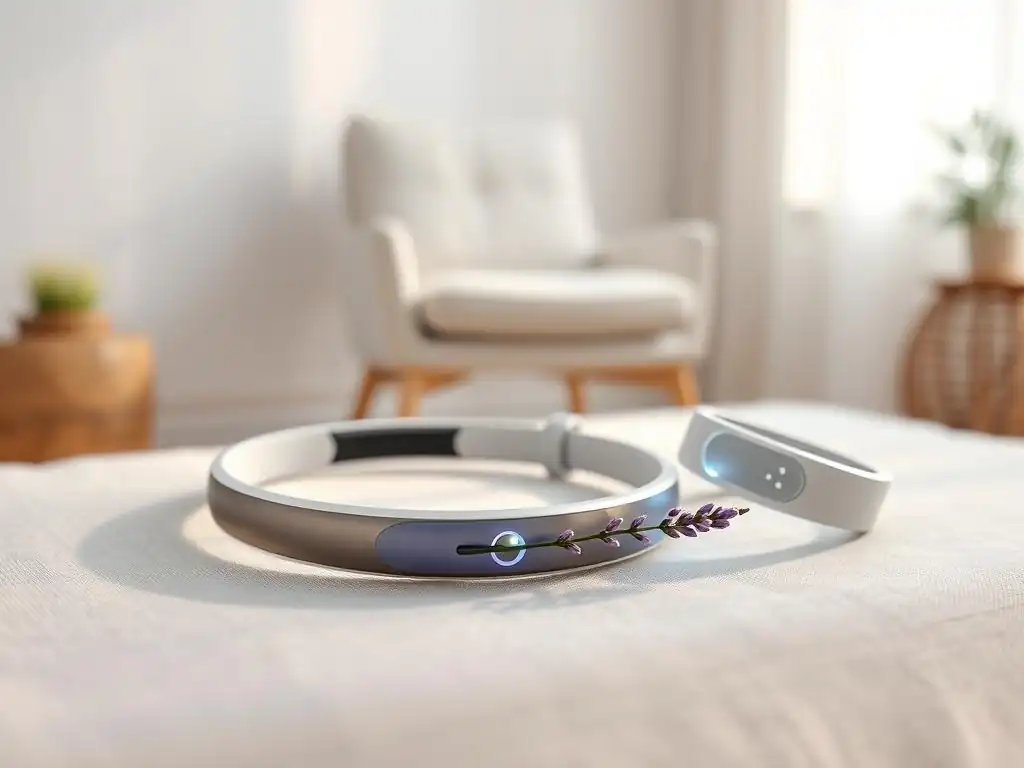
Brainwave Training vs. HRV Training vs. Vagus Nerve Stimulation vs. Tactile Stimulation: Which is Best for Your Anxiety?
Choosing the best type of home biofeedback for your anxiety depends heavily on how your anxiety manifests and what you hope to achieve. Brainwave training (EEG), as offered by devices like Muse 2, is excellent for individuals whose anxiety is characterized by racing thoughts, difficulty quieting the mind, and challenges with meditation or focus. It teaches you to recognize and influence your mental state directly. A review in Frontiers in Human Neuroscience in 2016 highlighted the potential of EEG biofeedback for improving attention and emotional regulation, skills crucial for managing cognitive aspects of anxiety.
Heart Rate Variability (HRV) training, exemplified by the HeartMath Inner Balance Trainer, is ideal if your anxiety primarily presents with physical symptoms like rapid heart rate, palpitations, or shortness of breath. It focuses on improving the balance of your autonomic nervous system, enhancing your resilience to stress by teaching you to achieve a coherent heart rhythm. Research consistently shows that improved HRV is correlated with reduced anxiety levels.
Devices targeting vagus nerve stimulation (Sensate 2) or tactile stimulation (Apollo Neuro) offer more passive approaches, aiming to induce a state of relaxation or shift nervous system balance through external stimuli. These can be beneficial if you find active self-regulation difficult or prefer a less data-driven method.
Sensate is suited for deep, restful sessions, while Apollo Neuro offers discreet, on-the-go support. The most effective home biofeedback anxiety relief strategy might even involve exploring different types to see which resonates best with your personal experience of anxiety.
Price Comparison: Finding the Most Affordable Biofeedback Device for Anxiety
The upfront cost of home biofeedback devices for anxiety varies significantly, ranging from around $130 to over $350. The HeartMath Inner Balance Trainer is typically the most affordable option for the device itself, usually falling between $130 and $160 for a one-time purchase, with core app functionality included. Muse 2 and Sensate 2 are in a similar mid-range, priced around $250-$300 for the hardware. However, these devices often require ongoing subscriptions (monthly or annual) to access their full content libraries, which can add substantially to the total cost over time.
The Apollo Neuro device is generally the most expensive upfront, often priced between $300 and $350. While its initial cost is higher, it typically does not require a recurring subscription for its core programs, making its long-term cost potentially lower than devices with mandatory subscriptions, depending on how long you plan to use it. When considering affordability for home biofeedback anxiety relief, it's crucial to calculate the total cost of ownership over a period (e.g., one year or two years), factoring in both the device price and any subscription fees.
User-Friendliness and App Integration: Ease of Use for Anxiety Sufferers
For individuals managing anxiety, ease of use and seamless app integration are paramount features in a home biofeedback device. A complex setup or confusing interface can add to stress rather than alleviate it. Devices like HeartMath Inner Balance and Apollo Neuro are generally considered very user-friendly. The Inner Balance uses a simple sensor and a straightforward app focused on guided coherence sessions. Apollo Neuro requires minimal setup, and its app clearly presents different "Vibes" to choose from with adjustable intensity.
Muse 2's app is also well-designed and provides intuitive auditory feedback, though navigating its various session types and understanding the detailed post-session data might have a slight learning curve for some. Sensate 2 is perhaps the simplest in terms of physical interaction – just place the device on your chest – but its app navigation and content library require some exploration.
All these devices rely heavily on their companion apps for functionality, guidance, and progress tracking. Ensure the app is compatible with your smartphone/tablet and that its interface feels intuitive and non-intimidating, supporting your goal of effective home biofeedback anxiety relief without added frustration.
Real-World Results: User Experiences with Home Biofeedback Devices for Anxiety
Case Study: Using Muse 2 to Reduce Panic Attacks
Sarah, a 32-year-old graphic designer, struggled with frequent panic attacks that often occurred unexpectedly, making her fearful of public places. She decided to try Muse 2 as part of her anxiety management strategy, using it for 10-15 minutes daily, primarily focusing on the 'Mind' biofeedback sessions. Initially, she found it difficult to quiet her thoughts, with the app's weather sounds often indicating a "stormy" mind. However, after about three weeks of consistent practice, she noticed subtle changes.
Sarah learned to recognize the early signs of her mind racing and, using the skills practiced with Muse, could gently guide her focus back to her breath or the calming sounds. She reported a significant reduction in the frequency of panic attacks – from several per month to one or none – and felt more equipped to manage the onset of panic symptoms when they did occur.
While not a complete cure, Muse 2 provided her with a tangible tool to practice mental calmness, empowering her approach to home biofeedback anxiety relief. She found the post-session data motivating, seeing her "calm time" gradually increase, which reinforced her commitment to daily practice.
Mark, a 25-year-old student, experienced significant social anxiety, making presentations and social gatherings extremely stressful. His anxiety often manifested as a racing heart and feeling faint. He started using the HeartMath Inner Balance Trainer for 5-10 minutes twice a day, focusing on building HRV coherence by practicing paced breathing and recalling positive memories. He used the earlobe sensor connected to his phone while sitting quietly.
Within a month, Mark reported feeling less physically reactive in anticipation of social situations. He learned to use the coherence technique in the moment before entering a classroom or a social event, taking a few minutes to breathe deeply and focus on positive feelings while monitoring his coherence level with the device.
He found that achieving a higher coherence score before a stressful event helped lower his resting heart rate and reduced the intensity of his physical anxiety symptoms. This practice provided him with a sense of control over his body's response, making social interactions feel less daunting and contributing significantly to his home biofeedback anxiety relief journey.
User Review: Sensate 2 for Generalized Anxiety Disorder
A user named Jessica, who lives with Generalized Anxiety Disorder (GAD), shared her experience with Sensate 2. She often felt a pervasive sense of worry and physical tension throughout her body, making it hard to relax even at home. She incorporated Sensate 2 sessions into her evening routine, using it for 20 minutes before bed. She found the combination of infrasonic vibrations and ambient soundscapes deeply calming.
Jessica noted that while Sensate 2 didn't necessarily stop her worrying thoughts, it significantly reduced the physical distress associated with her anxiety. She described feeling her muscles relax and a sense of "settling down" in her nervous system during and after sessions. Over several weeks, she felt less physically tense throughout the day and found it easier to fall asleep.
She appreciated the passive nature of the therapy, which allowed her to simply lie down and receive the calming stimulus without having to actively engage in a mental task. For her, Sensate 2 offered a unique and effective form of home biofeedback anxiety relief by targeting the physical manifestations of her GAD.
User Review: Apollo Neuro for Improved Sleep and Reduced Anxiety
David, a 45-year-old manager with a demanding job, struggled with both anxiety and insomnia. His mind would race at night, making it hard to fall and stay asleep. He decided to try the Apollo Neuro wearable, primarily using the 'Relax and Unwind' program in the evenings and the 'Sleep and Renew' program overnight, worn on his ankle. He also occasionally used the 'Calm and Soothe' program during stressful workdays.
David reported a noticeable improvement in his sleep quality within the first two weeks. He found the gentle vibrations distracting from his anxious thoughts and soothing enough to help him drift off. He also felt a subtle but definite reduction in his overall anxiety levels during the day when consistently using the device.
He appreciated that he could wear it discreetly under his clothes at work or during meetings, providing quiet support when needed. For David, the Apollo Neuro served as a practical, wearable tool that addressed both his sleep issues and contributed to his daily home biofeedback anxiety relief.
Choosing the Right Home Biofeedback Device for Your Specific Anxiety Needs
Biofeedback for Generalized Anxiety: Which Device is Most Effective?
Generalized Anxiety Disorder (GAD) often involves a persistent state of worry and physical tension. For GAD, a device that helps regulate the nervous system broadly or addresses both cognitive and physical symptoms may be most effective. Devices like Muse 2 (brainwave feedback) can help calm the worried mind and improve cognitive control, while HeartMath Inner Balance (HRV coherence) can directly address the underlying physiological dysregulation often present in GAD, such as elevated heart rate and reduced HRV.
Alternatively, devices like Sensate 2 (vagus nerve stimulation) and Apollo Neuro (tactile stimulation) offer passive methods to help shift the nervous system towards a more relaxed state, which can be beneficial for reducing the pervasive tension of GAD. Many individuals with GAD find a combination of approaches helpful.
Considering the multifaceted nature of GAD, a device that provides comprehensive data (like Muse 2's multiple sensors) or one that effectively promotes physical relaxation (like Sensate 2 or HeartMath) could be valuable. The best choice for home biofeedback anxiety relief for GAD might depend on whether cognitive worry or physical tension is the more dominant symptom.
Biofeedback for Panic Disorder: Finding Calm in Moments of Crisis
Panic disorder is characterized by sudden, intense episodes of fear accompanied by severe physical symptoms like palpitations, shortness of breath, dizziness, and a feeling of loss of control. For managing panic attacks, devices that teach rapid physiological self-regulation are particularly useful. HeartMath Inner Balance, with its focus on achieving HRV coherence, can be highly effective. Learning to quickly shift into a coherent state using paced breathing and positive emotion focus provides a powerful tool to interrupt the physiological cascade of a panic attack.
Muse 2, by helping users gain control over racing thoughts, can also be beneficial in preventing panic attacks triggered by fear of future attacks or catastrophic thinking. Apollo Neuro's wearable nature allows it to be used during moments of rising anxiety or panic, providing a calming stimulus on demand. While Sensate 2 requires you to be still, regular practice can build resilience, potentially reducing the frequency or intensity of attacks over time. For acute panic moments, devices that offer immediate physiological support or distraction, like HeartMath or Apollo Neuro, might be particularly valuable tools for home biofeedback anxiety relief.
Social anxiety involves intense fear and anxiety in social situations, often accompanied by physical symptoms like blushing, sweating, trembling, and a racing heart. Reducing the physical reactivity and anxious thoughts associated with social interactions is key. HeartMath Inner Balance can be very effective here, as practicing HRV coherence helps regulate the autonomic nervous system, reducing the physical symptoms that fuel social fears. Learning to achieve coherence before a feared social event provides a tangible strategy for feeling calmer.
Muse 2 can help address the self-critical thoughts and worries common in social anxiety by teaching mindfulness and thought regulation. Apollo Neuro's discreet, wearable design allows it to be used during social situations themselves, potentially providing a calming influence in the moment. While Sensate 2 might be less practical for use during social events, regular practice can build overall resilience to stress, which can indirectly help reduce social anxiety over time. For home biofeedback anxiety relief in social settings, tools that offer either pre-event preparation (HeartMath, Muse) or in-the-moment support (HeartMath, Apollo Neuro) are strong contenders.
Maximizing Your Home Biofeedback Experience for Optimal Anxiety Relief
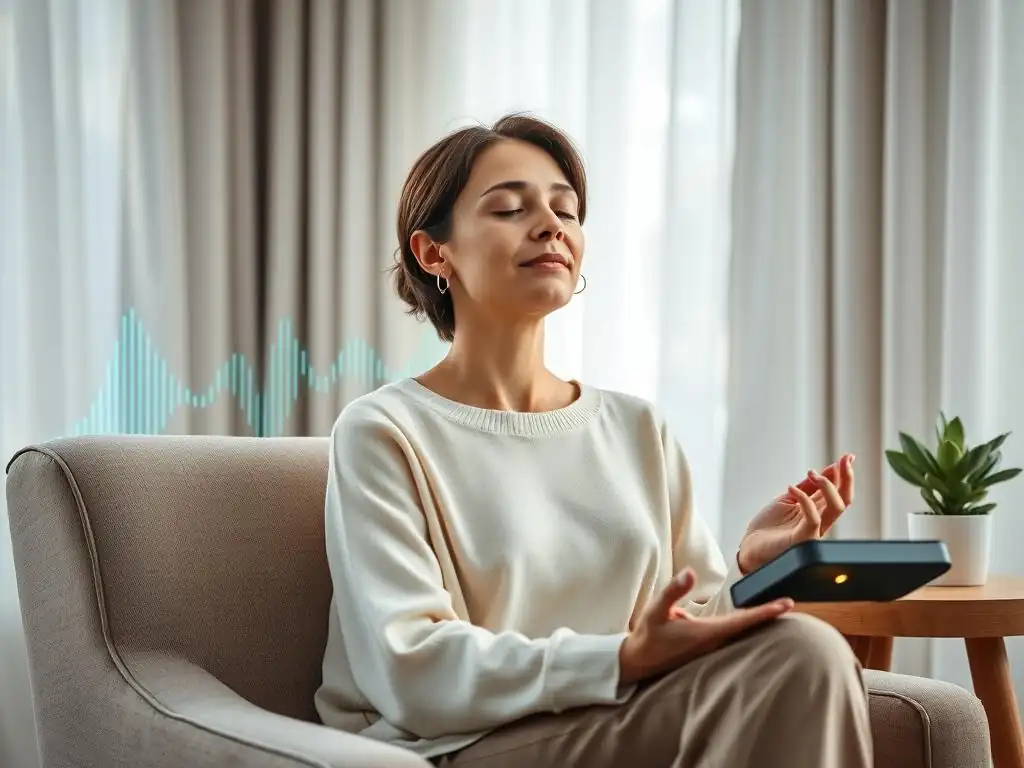
Setting Realistic Goals and Expectations with Biofeedback
When starting with home biofeedback for anxiety, it's crucial to set realistic goals and manage your expectations. Biofeedback is a skill-building process, not a magic cure. You won't likely eliminate anxiety overnight.
Instead, aim for gradual improvements, such as reducing the intensity or frequency of your symptoms, shortening the duration of anxious episodes, or increasing your ability to feel calm in specific situations. For example, a realistic goal might be to decrease your average resting heart rate by 5-10 beats per minute or to increase your daily "calm time" metric by a few minutes over a month of using a device like Muse 2 or HeartMath Inner Balance.
Understand that progress will likely have ups and downs. Some days will feel easier than others. Consistency is far more important than achieving perfect results in every session. Celebrate small victories, such as successfully using a technique during a stressful moment or seeing a slight improvement in your tracking data. Approaching home biofeedback anxiety relief with patience and persistence will yield better long-term results than expecting immediate transformation.
Combining Biofeedback with Other Anxiety Management Techniques (e.g., Therapy, Meditation)
Home biofeedback is a powerful tool, but it is often most effective when used as part of a broader anxiety management plan. Combining biofeedback with other evidence-based techniques can create a synergistic effect, enhancing overall relief. For instance, integrating biofeedback practice with cognitive-behavioral therapy (CBT) can help you challenge anxious thought patterns while simultaneously learning to regulate the physical responses those thoughts trigger. A 2015 meta-analysis in Applied Psychophysiology and Biofeedback indicated that biofeedback combined with relaxation training or CBT was effective for reducing anxiety.
Pairing biofeedback with mindfulness meditation or relaxation exercises can deepen your ability to enter calm states. Using a device like Muse 2 can even provide objective feedback during your meditation practice. Physical activity, maintaining a healthy diet, ensuring adequate sleep, and practicing good stress hygiene are also fundamental pillars of anxiety management that complement biofeedback training. Consider biofeedback not as a standalone solution, but as a valuable addition to your toolkit for comprehensive home biofeedback anxiety relief.
Tracking Your Progress and Measuring Your Anxiety Reduction
Most home biofeedback devices come with apps that include some form of progress tracking. Utilizing these features is essential for understanding your response to the training and staying motivated. Devices like Muse 2 and HeartMath Inner Balance provide objective data points, such as average heart rate during sessions, HRV coherence scores, or time spent in a calm brain state. Regularly reviewing this data can show you how your physiological responses are changing over time with consistent practice. For example, seeing your average coherence score gradually increase over weeks can be a powerful indicator of progress.
In addition to objective data, it's also beneficial to track your subjective experience. Many anxiety apps and journals allow you to log your anxiety levels, symptom frequency, and how you felt after biofeedback sessions. Combining objective physiological data from your device with your personal symptom tracking provides a more complete picture of your progress towards home biofeedback anxiety relief. This dual tracking helps you identify what works best for you and reinforces the positive impact of your efforts.
Where to Buy Home Biofeedback Devices: Secure and Reputable Retailers
When looking to purchase the Muse 2 brain sensing headband, the most reliable sources are typically the official Muse website and authorized online retailers. Buying directly from the manufacturer ensures you receive a genuine product, access to customer support, and warranty coverage. The official website often provides the most up-to-date information on the device, its features, and subscription options.
Authorized retailers, such as major electronics stores or reputable online marketplaces, are also safe options. It's wise to check reviews and seller ratings if purchasing from a third-party platform to ensure authenticity and good customer service. While prices may vary slightly between retailers, exercise caution with significantly discounted devices from unofficial sources, as they could be counterfeit or lack proper support. Securing your purchase from a reputable source is the first step towards effective home biofeedback anxiety relief.
Buying HeartMath Inner Balance Trainer: Direct from HeartMath and Partner Sites (Affiliate Links)
The HeartMath Inner Balance Trainer can be purchased directly from the HeartMath Inc. website. This is the most recommended avenue as it guarantees you receive the latest model, direct support from the company that developed the technology, and access to their full ecosystem of resources. The HeartMath website also provides detailed information on the different Inner Balance models and their compatibility with various devices.
HeartMath also partners with various distributors and online retailers who are authorized to sell their products. Purchasing from these partner sites is generally safe, but again, verifying their status or reputation is a good practice. Avoid purchasing from marketplaces with unverified sellers to ensure you get a legitimate device and access to the necessary app and support for your home biofeedback anxiety relief practice.
Acquiring Sensate 2: The Official Sensate Website (Affiliate Links)
The Sensate 2 device is primarily sold directly through the official Sensate website. As a relatively unique product, purchasing directly from the company is the most straightforward way to acquire the device and ensure you have access to the correct app and any required subscription information. The official website provides comprehensive details about the technology, how it works, and what is included with the purchase and subscription.
While Sensate might occasionally be available through select high-end wellness or electronics retailers, the official website remains the most reliable source for purchasing the Sensate 2. This ensures you get the proper device and seamless access to the app required to use it effectively for home biofeedback anxiety relief.
Purchasing Apollo Neuro: Official Website and Select Retailers (Affiliate Links)
The Apollo Neuro wearable is primarily available for purchase directly from the official Apollo Neuro website. Buying directly is the best way to guarantee you receive an authentic device, the latest model, and access to customer support from the company. The official website also provides detailed information on the science behind the technology and user testimonials.
Apollo Neuro may also be available through a limited number of select online retailers specializing in health, wellness, or wearable technology. If purchasing from a retailer other than the official site, verify their credibility. Due to its price point and unique technology, purchasing from a verified source is crucial to ensure you receive a legitimate device and the necessary support for your home biofeedback anxiety relief journey.
Final Thoughts: Investing in Your Mental Well-being with Home Biofeedback for Anxiety
The Future of Home Biofeedback and Anxiety Management
The field of home biofeedback for anxiety is continuously evolving, driven by advancements in sensor technology, wearable devices, and mobile app development. We can anticipate future devices becoming even more accurate, user-friendly, and integrated into daily life. There's a trend towards devices that measure multiple physiological signals simultaneously, offering a more holistic view of stress and relaxation responses. Artificial intelligence and machine learning are likely to play a larger role, providing more personalized feedback and tailored training programs based on individual progress and patterns.
Furthermore, the integration of biofeedback with virtual reality (VR) and augmented reality (AR) environments holds significant promise, offering immersive experiences for relaxation and exposure therapy alongside real-time physiological feedback. As research continues to validate the effectiveness of home-based interventions, these devices are poised to become an increasingly accessible and integral part of personal mental wellness toolkits, offering innovative pathways for home biofeedback anxiety relief to a wider population.
Is Home Biofeedback Right for You? Weighing the Pros and Cons
Deciding if home biofeedback is the right investment for your anxiety management requires weighing its potential benefits against the commitment involved. On the positive side, home biofeedback offers convenience, privacy, and the empowerment of learning self-regulation skills. It provides objective feedback on your physiological state, which can be highly motivating and informative. Many users report reduced anxiety symptoms, improved stress resilience, and a greater sense of control over their body's responses. It can be a valuable adjunct to traditional therapy or used as a standalone tool for mild to moderate anxiety.
However, there are also potential drawbacks. Home biofeedback requires consistent practice to be effective, which demands time and dedication. The initial cost of devices can be significant, and some require ongoing subscription fees. Effectiveness can vary from person to person, and it may not be suitable for everyone.
It's not a substitute for professional medical or psychological treatment for severe anxiety or other mental health conditions. Carefully consider your symptoms, lifestyle, budget, and willingness to commit to regular practice when evaluating if home biofeedback is a suitable path for your home biofeedback anxiety relief journey. Consulting with a mental health professional can also help you determine if this approach aligns with your overall treatment plan.
Frequently Asked Questions
How does home biofeedback help with anxiety relief?
Home biofeedback devices help you learn to control your body's responses to stress. By monitoring physiological signals like heart rate or skin conductance, you can gain awareness and practice techniques to reduce anxiety symptoms.
Are home biofeedback devices effective for everyone experiencing anxiety?
While helpful for many, home biofeedback isn't a one-size-fits-all solution. Its effectiveness depends on individual commitment, the type of anxiety, and the specific device used.
What features should I look for when choosing a home biofeedback device for anxiety?
Consider features like ease of use, types of feedback provided (e.g., heart rate variability, skin conductance), software compatibility, and whether it offers guided exercises or personalized training programs.
How long does it typically take to see results with home biofeedback for anxiety?
Results vary, but many users report noticeable improvements in anxiety symptoms within a few weeks of consistent practice. Regular use and dedication to the techniques taught are crucial for success.
Are there any potential risks or side effects associated with using home biofeedback devices?
Home biofeedback is generally considered safe, but some individuals may experience temporary discomfort or increased anxiety initially. It's important to consult with a healthcare professional before starting, especially if you have underlying medical conditions.
Final Reflection: Finding Calm in the Chaos: Your Journey to Anxiety Relief
The quest for effective anxiety management is more relevant than ever in today's fast-paced world. The sheer volume of information available on stress reduction can be overwhelming, making the search for the right solution feel like navigating a maze. This article aimed to simplify that process by providing a clear comparison of home biofeedback devices, empowering you to take control of your anxiety.
The impact of accessible anxiety-relief tools like home biofeedback devices cannot be overstated. They represent a shift towards personalized, proactive mental health care, moving away from solely relying on medication or therapy. This empowers individuals to become active participants in their own well-being, fostering a sense of agency and self-efficacy. The greatest weapon against stress is our ability to choose one thought over another.
– William James. This quote highlights the power of mindful intervention, a key component of successful biofeedback practice.
Now, consider your own journey. Which aspects of this comparison resonated most with you? What steps will you take to incorporate these insights into your daily life? Perhaps it's researching a specific device, scheduling a consultation with a healthcare professional, or simply dedicating time each day to practicing mindfulness and relaxation techniques. The path to inner peace is unique to each individual, but the first step—taking control of your anxiety—is within your reach. Embrace this opportunity to cultivate a calmer, more fulfilling life.
Unleash Your Inner Calm: Take Control of Your Anxiety Today!
Thanks for taking the time to explore the world of home biofeedback devices with us! We hope this guide helped you understand the different options available and how they can contribute to managing your anxiety. Now it's time to take the next step towards a calmer, more confident you.
- Prioritize your well-being: Identify the biofeedback device that best suits your needs and budget based on the information you've learned. Research specific models further to find the best fit.
- Share your insights: Discuss your experience (or planned approach) with biofeedback in the comments below! Let's build a supportive community to share tips and encouragement.
- Explore further: Investigate complementary relaxation techniques like mindfulness or deep breathing to enhance the effectiveness of your biofeedback practice.
What specific feature of a biofeedback device are you most excited to try to manage your anxiety?