
Choosing Your Calm Companion: Top Biofeedback Devices for Home Anxiety Use

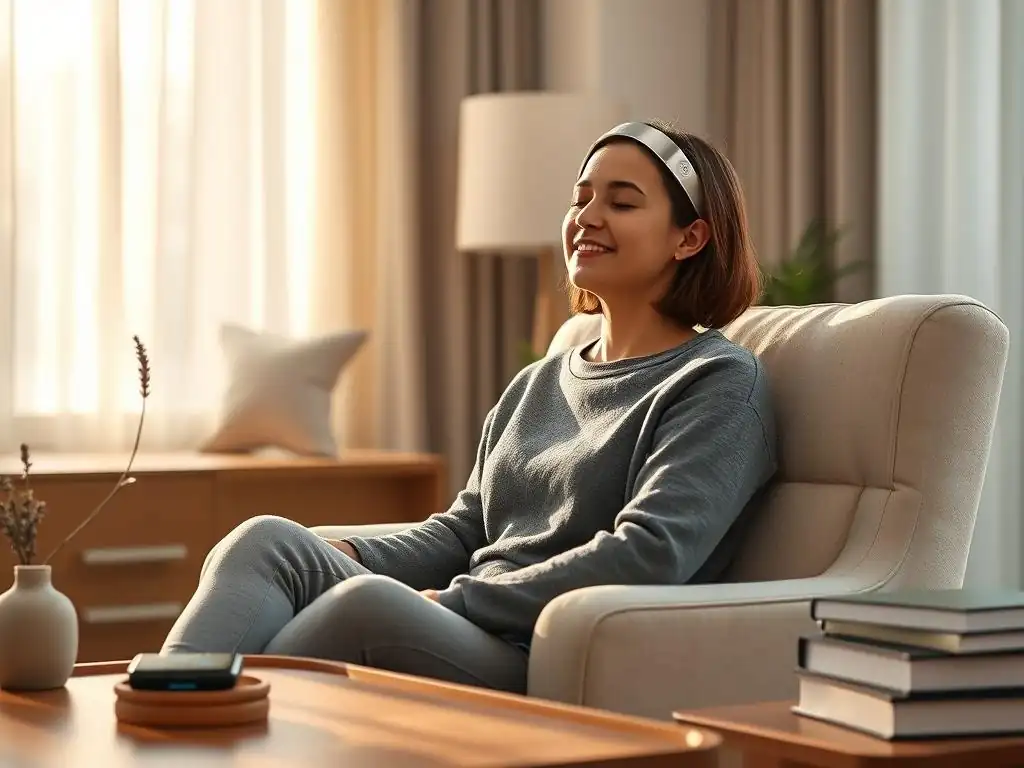
Welcome to Mind Care Guide, a safe space dedicated to your mental well-being. Feeling overwhelmed by anxiety? You're not alone. Discover how cutting-edge technology can empower you to take control of your stress levels, right from the comfort of your home. Our latest article dives into the world of biofeedback anxiety home devices, exploring how these tools can help you understand and manage your anxiety. Intrigued? Let's explore the possibilities together...
Choosing Your Calm Companion: Top Biofeedback Devices for Home Anxiety Use
- Understanding Biofeedback for Anxiety Relief at Home
- Top Biofeedback Anxiety Home Devices: Our Expert Picks
- How to Choose the Right Biofeedback Device for Your Home Anxiety Needs
- Maximizing the Benefits of Your Home Biofeedback Device for Anxiety
-
Frequently Asked Questions
- What exactly is biofeedback, and how does it help with anxiety?
- Are biofeedback anxiety home devices effective, or are they just gimmicks?
- What types of biofeedback devices are most suitable for home use in managing anxiety?
- How often and for how long should I use a biofeedback anxiety home device to see noticeable improvements?
- Are there any potential risks or side effects associated with using biofeedback anxiety home devices?
- Final Reflection: Finding Your Inner Peace Through Technology
- Unlock Your Inner Peace: Take Control of Your Anxiety Today
Understanding Biofeedback for Anxiety Relief at Home
What is Biofeedback and How Does it Reduce Anxiety?
Biofeedback is a mind-body technique that involves gaining greater awareness of many physiological functions primarily using instruments that provide information on the activity of those same systems, with a goal of being able to manipulate them at will. Simply put, it's about learning to control involuntary bodily processes, such as heart rate, muscle tension, and skin temperature, often with the help of electronic monitoring devices.
By receiving real-time data about these functions, individuals can learn how their thoughts, feelings, and behaviors impact their physical state. For instance, noticing your heart rate increase when thinking about a stressful situation, a biofeedback device shows you this rise, allowing you to then practice relaxation techniques like deep breathing to consciously lower it.
The mechanism by which biofeedback helps reduce anxiety centers on this learned self-regulation. Anxiety often manifests with physical symptoms like rapid heart rate, shallow breathing, and tense muscles. Biofeedback training provides a tangible link between these physical symptoms and your internal state, offering a pathway to gain control.
Through repeated practice, often guided by a therapist or a home biofeedback device, individuals learn to recognize subtle shifts in their body's signals and employ specific mental and physical exercises to steer those signals towards a calmer state. Over time, this practice can lead to a reduction in the frequency and intensity of anxiety responses, as the individual becomes more adept at managing their physiological reactions to stress.
The Benefits of Using Biofeedback Devices for Anxiety at Home
Utilizing biofeedback anxiety home devices offers significant advantages for individuals seeking to manage stress and anxiety in their daily lives. One primary benefit is accessibility and convenience. Rather than needing to schedule appointments and travel to a clinic, users can engage in biofeedback sessions in the comfort and privacy of their own homes, at times that suit their schedule.
This flexibility encourages more consistent practice, which is crucial for developing the skills needed to effectively manage physiological responses associated with anxiety. Many home devices are portable, allowing for sessions almost anywhere, from a quiet corner of the living room to a hotel room while traveling.
Furthermore, biofeedback devices for home anxiety provide objective, real-time data about your body's stress response. This data can be incredibly empowering, offering concrete proof of how stress affects you physically and, more importantly, demonstrating the effectiveness of your efforts to calm down. Seeing your heart rate variability improve or muscle tension decrease on a screen can be highly motivating.
This empirical feedback helps demystify the anxiety experience, making it feel less abstract and more manageable. It transforms anxiety reduction from a purely mental effort into a measurable skill that can be honed through practice with your chosen biofeedback anxiety home device.
Key Features to Consider in Home Biofeedback Devices for Anxiety
When selecting a biofeedback anxiety home device, several features warrant careful consideration to ensure it meets your specific needs and preferences. The type of physiological signal the device measures is fundamental. Common signals include heart rate variability (HRV), skin conductance (sweat gland activity), muscle tension (EMG), and brainwave activity (EEG). Different types of anxiety may respond better to training focused on specific signals; for example, HRV training is popular for general stress reduction, while EEG biofeedback might be used for focus-related anxiety. Consider what physical manifestations of anxiety are most prominent for you.
Another crucial factor is the accompanying software or app. A good interface should be user-friendly, provide clear visual or auditory feedback, and ideally offer guided training sessions or exercises. Data tracking and reporting features are also valuable, allowing you to monitor your progress over time and identify patterns.
Portability, ease of use, and comfort are practical considerations – is it a wearable, a small handheld device, or something you need to place on a desk? Finally, consider the cost, including any potential subscription fees for full access to content or features, as these can significantly impact the long-term investment in your biofeedback anxiety home device.
Top Biofeedback Anxiety Home Devices: Our Expert Picks
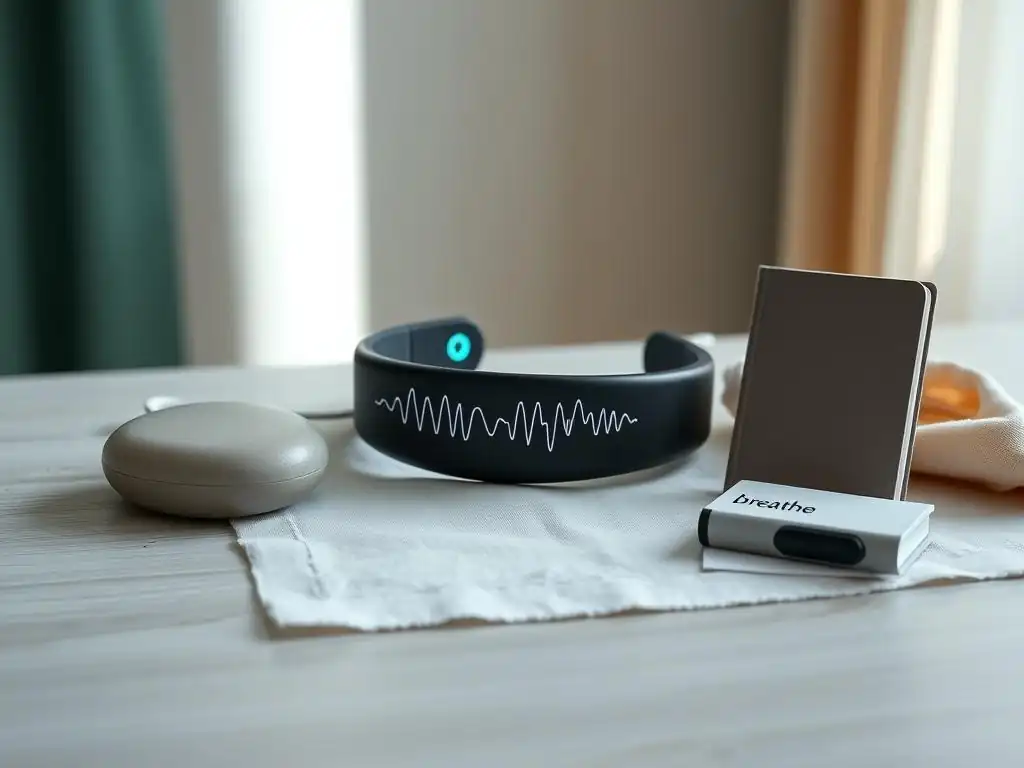
1. Muse 2: Your Personal Meditation Assistant for Stress Reduction
The Muse 2 is a popular consumer-grade biofeedback device designed primarily as a meditation aid. It's a multi-sensor headband that provides real-time feedback on your brain activity, heart rate, breathing, and body movements during meditation sessions.
The device translates these physiological signals into auditory feedback – like weather sounds, where calm brain activity might sound like peaceful birds and stormy activity like wind – helping users understand when their mind is wandering and guiding them back to focus. This immediate feedback loop makes the abstract concept of meditation more concrete and engaging, which can be particularly helpful for beginners or those who struggle with traditional meditation practices for anxiety.
While often marketed for meditation, the biofeedback elements of Muse 2 make it a relevant tool for managing anxiety at home. By training the brain to enter calmer states and providing feedback on physiological responses like heart rate and breath, it empowers users to gain better control over their nervous system.
Regular use can help individuals become more aware of their stress triggers and develop the ability to consciously shift their state. The combination of guided meditation content and objective biofeedback data offers a unique approach to using biofeedback anxiety home devices, focusing on mental calm and physiological regulation simultaneously.
Muse 2 Features: Brainwave Monitoring and Guided Meditation
The core technology of the Muse 2 lies in its EEG sensors, which measure brainwave activity across different frequencies (Delta, Theta, Alpha, Beta, Gamma). During a session, the accompanying app interprets this data to gauge your mental state, providing audio cues. Beyond brain activity, it includes a PPG (photoplethysmography) sensor to monitor heart rate, an accelerometer to track body movement, and a gyroscope to detect head position, all contributing to a more comprehensive picture of your physiological state during practice.
The Muse app offers a wide library of guided meditations and biofeedback sessions. These include exercises focused on breathwork, heart rate, and posture, in addition to the primary mind meditation. The app tracks session duration, stillness, and 'calm' periods, providing summary data and challenges to encourage consistent practice. This blend of diverse biofeedback signals and structured content makes the Muse 2 a versatile biofeedback anxiety home device.
Muse 2 Pricing and Subscription Options
The initial purchase price for the Muse 2 device typically falls in the mid-range for home biofeedback units, often around $250-300 USD. While the device purchase includes basic access to some features and sessions in the app, accessing the full library of guided meditations, biofeedback soundscapes, and advanced tracking features usually requires a monthly or annual subscription to 'Muse Premium'.
This subscription cost can range from approximately $10 to $20 per month, adding to the overall cost of using the device consistently over time. Potential users should factor in this recurring fee when considering the Muse 2 as their biofeedback anxiety home device.
Why Muse 2 is Great for Home Anxiety Management: Real-Life Examples
Muse 2 excels as a biofeedback anxiety home device due to its focus on accessible mental training combined with physiological insight. Its real-time feedback helps users quickly identify when their minds are racing – a common symptom of anxiety – and learn techniques to return to a state of calm focus. The guided sessions provide structure, making it easy to incorporate into a daily routine.
-
Reducing pre-presentation anxiety with Muse 2 guided sessions.
Imagine someone feeling intense nervousness before giving a presentation at work. They might use their Muse 2 device for a 5-minute breath or mind session beforehand. The app's feedback helps them notice their rapid thoughts or shallow breathing. By following the guided prompts and observing the calming audio cues (like weather sounds becoming peaceful), they can actively work to slow their breath and quiet their mind. This brief, guided practice with objective feedback can significantly lower their physical and mental anxiety levels just before they need to perform.
2. emWave2: Heart Rate Variability (HRV) Biofeedback for Calmness
The emWave2, developed by HeartMath, is a portable biofeedback device specifically focused on Heart Rate Variability (HRV) coherence training. HRV refers to the natural beat-to-beat changes in your heart rate, and higher, more coherent variability is often associated with better emotional regulation and resilience to stress.
The emWave2 clips onto your earlobe or finger to measure your pulse and then provides visual feedback on a small display or through accompanying software about your heart rhythm patterns. The goal is to guide you towards a state of "coherence," where your heart rhythm becomes smoother and more sine-wave-like, indicating improved balance in your autonomic nervous system.
Using the emWave2 as a biofeedback anxiety home device involves following guided breathing and focus techniques while observing your coherence score in real-time. The device uses simple light indicators or graphical displays to show your current level of coherence. By practicing shifting into a coherent state, users learn to consciously regulate their physiological response to stress. This focus on HRV makes emWave2 a powerful tool for building resilience and reducing the physical symptoms of anxiety, as it directly targets a key physiological marker of stress and relaxation.
emWave2 Features: HRV Coherence Training
The primary feature of the emWave2 is its ability to accurately measure and display Heart Rate Variability. It uses a pulse sensor to capture heartbeats and proprietary algorithms to calculate coherence levels. The device itself has a small LED display indicating coherence level (low, medium, high) and allows users to track progress. When connected to a computer, the accompanying software (HeartMath's Inner Balance app or emWave software) provides more detailed graphical representations of the heart rhythm, coherence scores, and session data over time.
The software often includes guided sessions, tutorials on coherence techniques, and features like journalling to connect emotional states with physiological patterns. The emWave2 can store session data internally, allowing for later transfer and analysis. This focus on detailed HRV data and guided training makes it a dedicated biofeedback anxiety home device for those interested in this specific physiological signal.
emWave2 Pricing and Software Compatibility
The emWave2 device typically costs in the range of $150-200 USD, placing it in the mid-price tier for home biofeedback devices. This price usually includes the device itself and access to the necessary software or app for basic functionality and data viewing. The software is generally compatible with both Windows and macOS computers, as well as iOS and Android mobile devices (though connectivity methods may vary). Unlike some devices, HeartMath's core training software for emWave2 does not usually require a separate monthly subscription fee after the initial purchase, making the long-term cost potentially lower than subscription-based models.
Using emWave2 to Improve Heart Rate Variability for Better Stress Response
Consistent practice with the emWave2 helps users improve their ability to achieve and maintain a state of physiological coherence, which is directly linked to a healthier stress response. By regularly practicing coherence techniques with the device's feedback, individuals train their autonomic nervous system to recover more quickly from stressors and spend more time in a balanced state. This can lead to a significant reduction in the physical symptoms associated with chronic anxiety.
-
Lowering daily stress levels with consistent emWave2 practice.
Consider someone who feels overwhelmed by daily work pressures, experiencing symptoms like tension and irritability. They might commit to two 5-minute emWave2 sessions per day. During each session, they focus on slow, calm breathing while watching their coherence score rise on the device or app. Over several weeks, they might notice their baseline coherence improving and find it easier to recover after a stressful meeting or task. This consistent practice with a biofeedback anxiety home device helps build resilience, making them less reactive to everyday stressors and reducing overall anxiety levels.
3. Sensate 2: Vagus Nerve Stimulation for Deep Relaxation
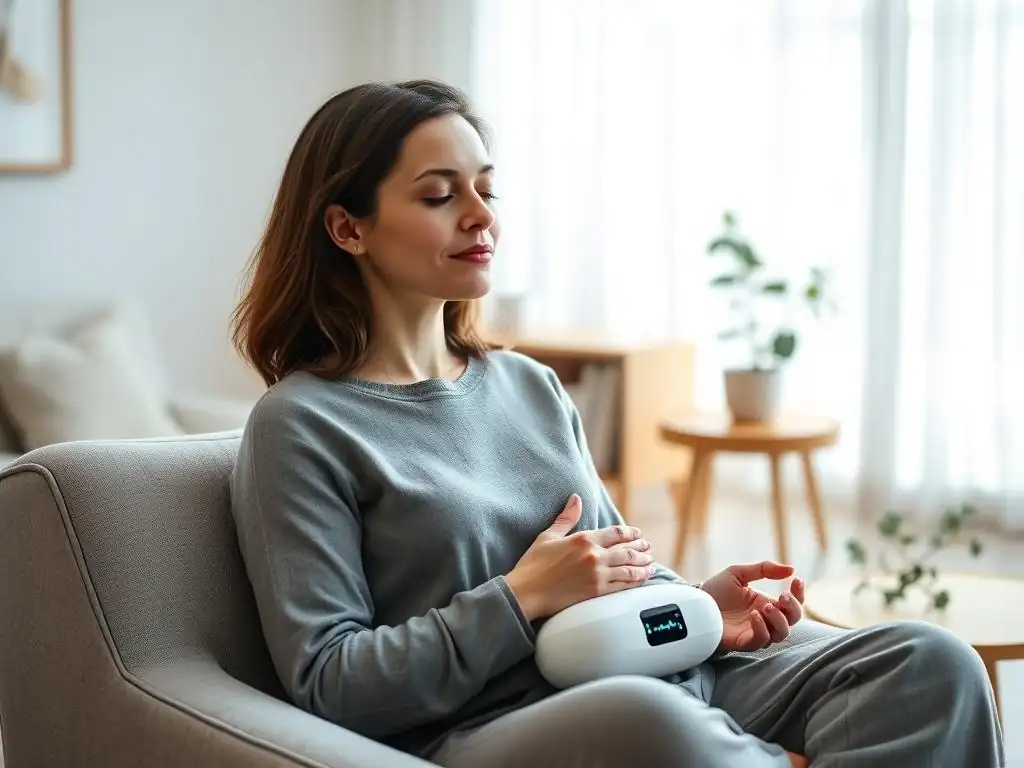
Sensate 2 is a unique biofeedback-like device that focuses on stimulating the vagus nerve via infrasonic sound waves and tactile vibration transmitted through the chest bone. It's designed to promote deep relaxation and improve vagal tone, which is associated with better stress resilience and emotional regulation. The device is a small, smooth, pebble-shaped object that rests on your chest bone during use. It pairs with a mobile app that provides timed sessions combining specific soundscapes (music, nature sounds) with the device's gentle vibrations.
While not traditional biofeedback in the sense of measuring your own physiological signals, Sensate 2 provides a form of passive regulation designed to influence the nervous system directly, offering an alternative pathway for home anxiety relief. The experience is intended to be deeply calming, guiding the user into a state of relaxation that counteracts the body's stress response. It targets the vagus nerve, a key component of the parasympathetic nervous system responsible for the 'rest and digest' response, making it a distinct type of biofeedback anxiety home device focused on passive relaxation induction.
Sensate 2 Features: Audio-Tactile Stimulation for Vagal Tone
The core feature of Sensate 2 is its patented technology that delivers precisely tuned infrasonic sound waves and vibrations through the chest. These frequencies are designed to resonate with the bone structure, transmitting the sensation internally to stimulate the vagus nerve pathway. The accompanying Sensate app provides a library of audio sessions, ranging from 10 to 30 minutes, categorized by theme (e.g., sleep, relaxation, focus).
The app synchronizes the audio soundscape with the device's vibration patterns, creating a multi-sensory experience intended to soothe the nervous system. While it doesn't provide traditional biofeedback measurement of your body's response during the session, the design is based on the principle of using external stimuli to positively influence internal physiological states related to stress and anxiety.
Sensate 2 Pricing and Subscription Model
The Sensate 2 device is typically positioned at a higher price point compared to many other home biofeedback devices, often costing around $300-400 USD. The device purchase usually includes access to a limited selection of basic sessions within the Sensate app. However, unlocking the full library of longer sessions, diverse soundscapes, and potentially new content often requires a monthly or annual subscription to 'Sensate Plus'.
This subscription fee can range from approximately $15 to $25 per month, representing a significant ongoing cost for full access to the device's capabilities. Potential buyers should be aware of this subscription model when considering Sensate 2 as a biofeedback anxiety home device.
How Sensate 2 Can Help Calm Anxiety Through Vagus Nerve Activation
Sensate 2 aims to calm anxiety by directly stimulating the vagus nerve, promoting a shift towards parasympathetic dominance. A well-toned vagus nerve is associated with a greater ability to regulate heart rate, manage stress hormones, and recover from stressful experiences. By using the device regularly, individuals may strengthen their vagal tone, leading to a more resilient nervous system less prone to heightened anxiety responses. The device's passive nature makes it suitable for those who find active self-regulation techniques challenging initially.
-
Using Sensate 2 to fall asleep faster and reduce nighttime anxiety.
Someone who experiences anxiety that interferes with sleep might use Sensate 2 as part of their bedtime routine. Lying down with the device on their chest, they listen to a calming 20-minute sleep-focused session in the app. The combination of soothing sounds and gentle vibrations helps quiet their racing thoughts and relax their body, making it easier to drift off. Regular use before bed can train their body to associate the experience with relaxation, potentially reducing the frequency of anxious thoughts that prevent sleep.
4. Inner Balance by HeartMath: Portable HRV Training for Stress Reduction
Inner Balance is another HeartMath product focusing on Heart Rate Variability (HRV) coherence training, similar in principle to the emWave2 but designed specifically for use with smartphones and tablets. It consists of a small sensor that clips onto your earlobe or finger and connects directly to your mobile device (via a cable or Bluetooth). The accompanying Inner Balance app guides you through breathing and focus techniques while providing real-time visual feedback on your heart rhythm coherence. It's highly portable, making it an excellent biofeedback anxiety home device for use anywhere you can take your phone.
The Inner Balance app provides intuitive graphs and displays showing your heart rhythm patterns and coherence levels. It includes guided meditations and exercises designed to help you synchronize your heart rhythm with your breathing, leading to a state of physiological coherence. By practicing regularly with the app's feedback, users can learn to shift their physiological state towards calm, improving their resilience to stress and reducing anxiety symptoms. Its portability makes it convenient for short sessions throughout the day, whenever anxiety strikes.
Inner Balance by HeartMath Features: Heart Rate Sensor and Coherence App
The core component is the HRV sensor, which accurately captures pulse data. This data is then processed by the Inner Balance app, available for iOS and Android. The app features a visual display of your heart rhythm, a coherence score that updates in real-time, and guided breathing paces. It includes various themes and challenges to keep users engaged and offers journaling features to log your emotional state during sessions.
The app tracks your progress over time, showing trends in your coherence levels and session duration. It also includes educational content about HRV and stress. The wired version connects directly to the phone's port, while the Bluetooth version offers wireless convenience. This combination of a reliable sensor and a feature-rich mobile app makes Inner Balance a highly effective biofeedback anxiety home device.
Inner Balance by HeartMath Pricing and Availability
The Inner Balance device comes in different versions (wired and Bluetooth), with prices typically ranging from approximately $100 to $160 USD, making it one of the more affordable dedicated biofeedback anxiety home devices available. The purchase price includes the sensor and full access to the core Inner Balance app and its features; there is generally no required monthly subscription fee for the main training content. The device and app are widely available for purchase online and through various retailers.
Is Inner Balance by HeartMath Right for You? Weighing the Pros and Cons
Inner Balance is an excellent choice for individuals seeking an accessible and portable way to practice HRV biofeedback for anxiety management. Its main strength lies in its simplicity, portability, and the effectiveness of HeartMath's coherence training techniques. The lack of a mandatory subscription fee is a significant advantage compared to some competitors.
-
Comparison: How Inner Balance by HeartMath compares to more expensive options.
Compared to devices like the Muse 2 or Sensate 2, Inner Balance is generally more focused solely on HRV biofeedback rather than multi-signal monitoring or passive stimulation. It might not offer the same breadth of features as a premium multi-sensor device like Muse 2 (which includes EEG, movement, etc.) or the unique passive experience of Sensate 2.
However, for individuals specifically interested in mastering HRV coherence to manage anxiety, Inner Balance provides a focused, effective, and more budget-friendly solution without ongoing subscription costs for the core training, making it a strong contender among biofeedback anxiety home devices. Its portability also allows for spontaneous use when anxiety arises, which might be less convenient with a headband device.
How to Choose the Right Biofeedback Device for Your Home Anxiety Needs
Assessing Your Anxiety Levels and Specific Needs
Choosing the right biofeedback anxiety home device begins with a clear understanding of your personal experience with anxiety. Consider the primary ways anxiety manifests for you. Is it primarily physical tension, racing thoughts, rapid heart rate, or difficulty sleeping? Different biofeedback devices target different physiological signals, so identifying your main symptoms can help narrow down your options. For example, if muscle tension is a major issue, EMG biofeedback (less common in simple home devices but sometimes included) might be relevant, while a device focusing on HRV might be better if heart palpitations or general unease are prominent.
Also, think about the severity and frequency of your anxiety. For mild to moderate, occasional anxiety, a simple and easy-to-use device might suffice.
If your anxiety is more chronic or severe, you might benefit from a device with more detailed tracking, comprehensive training programs, or one that allows for connection with a therapist for remote guidance (though this is less common with basic home units). Reflecting on what you hope to achieve – perhaps reducing panic attack frequency, improving sleep, or simply feeling more in control – will guide you towards the biofeedback anxiety home device best suited to support those goals.
Considering Your Budget and Long-Term Commitment
The cost of biofeedback anxiety home devices varies significantly, from around $100 to $400 or more for the initial purchase. Beyond the upfront cost, many devices, particularly those with extensive app content, require monthly or annual subscription fees. It's crucial to factor in these potential recurring costs when evaluating your budget. Consider how much you are willing to invest not just initially, but over a year or two of consistent use.
Your willingness and ability to commit to regular practice are also vital. Biofeedback is a skill that improves with consistency. Some devices are designed for quick, short sessions (like 5-10 minutes), which might fit better into a busy schedule, while others encourage longer, more immersive experiences. If you anticipate struggling with motivation, look for a device with engaging features, gamification, or good progress tracking. Choosing a biofeedback anxiety home device that aligns with both your financial capacity and your lifestyle ensures you can maintain the practice necessary to see results.
Reading Reviews and Comparing User Experiences with Biofeedback Devices for Anxiety
Once you've considered your needs and budget, delve into user reviews and testimonials for the specific biofeedback anxiety home devices you're considering. Look for feedback from individuals who share similar anxiety profiles or goals. Pay attention to comments regarding ease of use, accuracy of the feedback, quality of the app or software, and the effectiveness of the guided sessions. Websites, forums, and app store reviews can provide valuable insights into real-world experiences.
Comparing user feedback across different models can highlight potential strengths and weaknesses that aren't apparent from product descriptions alone. For instance, one device might have excellent sensor accuracy but a clunky app, while another might have a beautiful interface but inconsistent readings. Understanding these nuances through the experiences of others can help you make a more informed decision about which biofeedback anxiety home device is most likely to be effective and enjoyable for you to use consistently.
Understanding the Importance of Regular Use for Effective Anxiety Management
It cannot be stressed enough that the effectiveness of biofeedback anxiety home devices hinges on consistent, regular practice. Biofeedback is not a passive cure; it's a training tool. Just like learning a musical instrument or a sport, mastering self-regulation through biofeedback requires dedication and repetition. Short, frequent sessions (even 5-10 minutes daily) are often more beneficial than infrequent, long ones.
Think of using your biofeedback device as building a new skill or strengthening a muscle. Each session reinforces the connection between your mental state, your physiological response, and your ability to influence it. Over time, this practice helps you recognize early signs of stress or anxiety and intervene before symptoms escalate. Without regular engagement, the potential benefits of even the most advanced biofeedback anxiety home device will remain largely untapped. Commitment to a routine is the key ingredient for transforming biofeedback from a gadget into a powerful tool for managing anxiety.
Maximizing the Benefits of Your Home Biofeedback Device for Anxiety
Creating a Consistent Biofeedback Practice Routine
Establishing a regular routine is perhaps the single most important factor in maximizing the benefits of your biofeedback anxiety home device. Just having the device isn't enough; consistent engagement is where the real change happens. Aim to integrate biofeedback sessions into your daily or weekly schedule, treating them with the same importance as other health habits like exercise or taking medication (if applicable).
Consider setting aside a specific time each day – perhaps first thing in the morning, during a lunch break, or before bed – for your biofeedback practice. Start with short sessions, maybe 5-10 minutes, and gradually increase the duration as you become more comfortable. Find a quiet, comfortable space where you won't be interrupted. Consistency helps train your body and mind to respond more readily to the techniques, leading to faster and more effective anxiety reduction over time. A consistent routine transforms the device from a novelty into a powerful tool for building resilience.
Combining Biofeedback with Other Anxiety Management Techniques (e.g., Therapy, Meditation)
Biofeedback anxiety home devices are powerful tools, but they are often most effective when used as part of a broader approach to anxiety management. Consider integrating your biofeedback practice with other techniques known to reduce stress and anxiety. If you are working with a therapist, discuss how biofeedback fits into your treatment plan. A therapist might provide guidance on specific biofeedback techniques or help you interpret the data from your device in the context of your overall progress.
Combining biofeedback with practices like mindfulness meditation, yoga, deep breathing exercises (many biofeedback devices guide this), or progressive muscle relaxation can amplify the benefits. For example, using your biofeedback device during a meditation session can provide objective data on how well you are relaxing, reinforcing the effectiveness of your meditation practice. This multi-faceted approach addresses anxiety from several angles, leading to more comprehensive and sustainable relief.
Tracking Your Progress and Adjusting Your Approach
Most biofeedback anxiety home devices and their accompanying apps offer some form of data tracking. Regularly reviewing this data is crucial for understanding your progress and identifying patterns. Look for trends in your coherence scores, heart rate variability, brainwave states, or other metrics the device measures. Do you notice higher coherence on days you feel less anxious? Do certain techniques consistently yield better results?
Use this data to inform and adjust your practice. If you're not seeing the desired improvements, consider changing the time of day you practice, trying different guided sessions, or increasing the session duration or frequency. The data provides objective feedback, empowering you to become an active participant in your anxiety management. Don't be afraid to experiment and find what works best for your unique physiological and psychological responses. This iterative process of practice, tracking, and adjustment is key to maximizing the long-term benefits of your biofeedback device.
When to Consult a Professional About Your Anxiety
While biofeedback anxiety home devices can be incredibly helpful tools for self-management, they are not a substitute for professional medical or psychological care. If your anxiety is severe, persistent, significantly interferes with your daily life, or if you experience symptoms such as panic attacks, excessive worry, or physical symptoms like chest pain or difficulty breathing, it is essential to consult a qualified healthcare professional.
A doctor or therapist can provide an accurate diagnosis, discuss appropriate treatment options (which may include therapy, medication, or a combination), and help you determine if biofeedback is a suitable complementary tool for your specific situation. They can also help you understand how to best use your biofeedback device in conjunction with other treatments. Using biofeedback anxiety home devices should be a supportive part of your overall wellness strategy, ideally guided or overseen by a professional, especially when dealing with significant anxiety challenges.
Frequently Asked Questions
What exactly is biofeedback, and how does it help with anxiety?
Biofeedback is a technique that teaches you to control your body's involuntary functions, like heart rate and muscle tension. It helps with anxiety by providing real-time feedback on these functions, allowing you to learn self-regulation techniques to manage your stress response.
Are biofeedback anxiety home devices effective, or are they just gimmicks?
While individual results vary, many studies show biofeedback devices can be effective for anxiety reduction. They empower users with active control over their physiological responses, but consistent practice is crucial for seeing results.
What types of biofeedback devices are most suitable for home use in managing anxiety?
Common options include heart rate variability (HRV) biofeedback devices, electromyography (EMG) devices for muscle tension, and electrodermal activity (EDA) sensors for sweat gland activity. The best choice depends on individual preferences and the specific anxiety symptoms being targeted.
How often and for how long should I use a biofeedback anxiety home device to see noticeable improvements?
Consistency is key. Most experts recommend using your biofeedback device for 15-30 minutes per session, several times a week. It may take several weeks of regular practice to notice significant improvements in anxiety levels.
Are there any potential risks or side effects associated with using biofeedback anxiety home devices?
Biofeedback is generally considered safe, but some individuals may experience mild skin irritation from sensors or temporary increases in anxiety during initial sessions as they become more aware of their physiological responses. Consult with a healthcare professional if you have concerns.
Final Reflection: Finding Your Inner Peace Through Technology
The quest for accessible mental wellness is more urgent than ever, and biofeedback technology offers a powerful, personalized path towards managing anxiety in the comfort of your own home. The increasing prevalence of anxiety disorders, coupled with the limitations of traditional therapeutic access, highlights the critical need for innovative, at-home solutions. This exploration of top biofeedback devices demonstrates that effective anxiety management is no longer solely confined to clinical settings.
The shift towards self-care and proactive mental health management is profoundly impacting our cultural landscape. We are moving away from a stigma-ridden view of mental illness towards a more open and accepting approach, where seeking help is seen as a strength, not a weakness. The mind is everything. What you think you become.
– Buddha. This ancient wisdom resonates deeply with the modern application of biofeedback, which empowers individuals to actively shape their mental and emotional states through conscious awareness and technological assistance. The increasing availability of these devices reflects a societal shift towards embracing technology as a tool for personal growth and well-being.
Consider the potential within your grasp. You now possess the knowledge to navigate the world of home biofeedback devices and choose the one that best suits your needs and preferences. Don't just passively manage your anxiety; actively cultivate your inner calm. Explore the options presented, research further, and embark on a journey of self-discovery and empowerment. The path to a more peaceful, less anxious you begins with a single step – a step towards choosing your calm companion.
Unlock Your Inner Peace: Take Control of Your Anxiety Today
Thanks for exploring the world of biofeedback with us! We hope you've gained valuable insights into managing anxiety from the comfort of your home. Ready to take the next step towards a calmer you?
- Begin your personalized biofeedback journey: Research the devices we highlighted and choose the one that best suits your needs and budget. This is the most impactful step you can take to actively manage your anxiety.
- Share your experience: Tell us (or your friends!) which device piqued your interest and why. Let's build a supportive community focused on finding calm.
- Explore guided meditation techniques: Supplement your biofeedback practice with mindfulness exercises to amplify the positive effects.
What calming technique are you most excited to try first, and why?