
Your Personal Anxiety Coach? Exploring Home Biofeedback Devices

Welcome to Mind Care Guide.
Feeling overwhelmed by anxiety and searching for a personalized path to relief? You're not alone. We understand the struggle, and we're here to help you explore innovative solutions. In this article, we delve into the fascinating world of home biofeedback anxiety reduction and whether these devices could be your personal anxiety coach. Curious to learn more about how this technology can help you regain control and find inner peace? Let's explore together...
Your Personal Anxiety Coach? Exploring Home Biofeedback Devices
- Understanding Home Biofeedback for Anxiety Reduction: Is It Right for You?
- Top Home Biofeedback Devices for Anxiety Relief: A 2024 Review
- Choosing the Right Home Biofeedback Device: Factors to Consider
- Integrating Home Biofeedback into Your Anxiety Management Plan
- Beyond Devices: Comprehensive Anxiety Management Strategies
-
Frequently Asked Questions
- What exactly is home biofeedback and how can it help with anxiety?
- How effective are home biofeedback devices for anxiety reduction compared to traditional therapy?
- What types of home biofeedback devices are available and which is best for anxiety?
- Are there any potential risks or side effects associated with using home biofeedback devices?
- How do I choose a reputable home biofeedback device and ensure it's reliable?
- Final Reflection: The Emerging Power of Home Biofeedback for Anxiety
- Unlock Your Inner Calm: Start Your Biofeedback Journey Today!
Understanding Home Biofeedback for Anxiety Reduction: Is It Right for You?
What is Biofeedback and How Does it Reduce Anxiety at Home?
Biofeedback is a mind-body technique that teaches you how to control physiological responses that are typically involuntary, such as heart rate, breathing, muscle tension, and skin temperature. It works by using electronic sensors to measure these responses and provide real-time feedback, often displayed visually on a screen or through audio cues.
This feedback loop allows you to become more aware of your body's state and learn techniques, like deep breathing or progressive muscle relaxation, to alter these responses consciously. The goal is to gain control over your body's stress response, enabling you to induce a state of relaxation and calm.
For individuals struggling with anxiety, biofeedback offers a tangible way to see the physical manifestations of their stress and learn to regulate them. By practicing with a device, you can observe how anxious thoughts or stressful situations impact your heart rate or breathing pattern in real-time.
Then, guided by the feedback, you can experiment with different relaxation techniques and immediately see their effect on those physiological signals. Over time, this practice can lead to the ability to achieve a calmer state without the device, essentially training your body and mind to respond differently to stress and anxiety triggers, making home biofeedback anxiety reduction a practical skill.
The Science Behind Biofeedback: How it Works to Calm the Nervous System
The effectiveness of biofeedback for anxiety reduction is rooted in its ability to influence the autonomic nervous system (ANS). The ANS controls involuntary bodily functions like heart rate, digestion, and respiration. It has two main branches: the sympathetic nervous system, responsible for the "fight or flight" response (activated during stress), and the parasympathetic nervous system, which promotes the "rest and digest" state (associated with relaxation). Anxiety often involves an overactive sympathetic nervous system, leading to symptoms like rapid heartbeat, shallow breathing, and muscle tension.
Biofeedback helps you learn to activate the parasympathetic nervous system more effectively. By providing immediate feedback on physiological signals, it allows you to correlate specific thoughts, feelings, or techniques with changes in your body's state. For example, watching your heart rate variability improve on a screen as you take slow, deep breaths reinforces the calming effect of that breathing technique.
This conscious practice strengthens the neural pathways involved in the relaxation response. Studies and clinical experience suggest that regular biofeedback training can help shift the balance from sympathetic dominance to parasympathetic activation, leading to a significant reduction in anxiety symptoms for many individuals.
Benefits of Using Home Biofeedback Devices for Stress and Anxiety Management
Using home biofeedback devices offers several potential benefits for managing stress and anxiety. Firstly, it provides accessibility and convenience. You can practice stress reduction techniques in the comfort and privacy of your own home, on your own schedule, without needing to travel to a clinic. This can make consistent practice, which is key to mastering biofeedback, much easier to maintain.
Secondly, home biofeedback devices offer a tangible and objective way to track your progress. Seeing data on your physiological responses over time can be highly motivating and help you identify which techniques are most effective for you. This objective feedback empowers you, giving you a sense of control over your anxiety symptoms. Many users report feeling more confident in their ability to handle stressful situations after consistent practice with biofeedback for anxiety at home, noting improvements in symptom frequency and intensity.
Top Home Biofeedback Devices for Anxiety Relief: A 2024 Review
Option 1: Sensate - The Vagus Nerve Stimulation Device
Key Features of Sensate for Anxiety Reduction
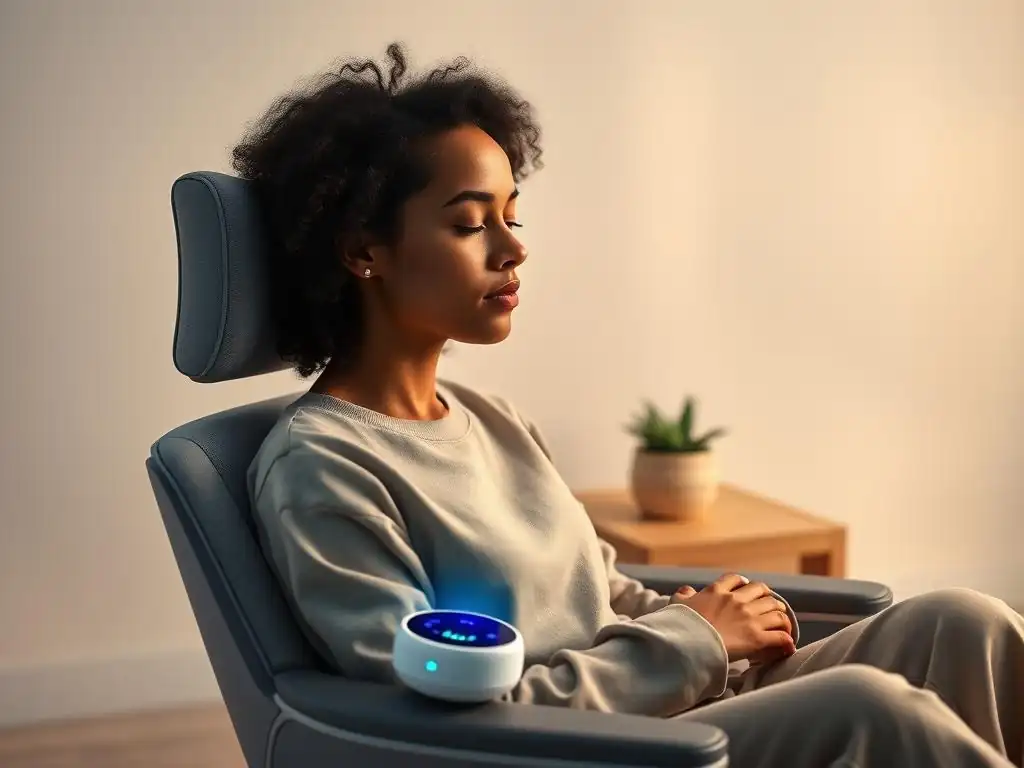
Sensate takes a unique approach to stress and anxiety relief by focusing on vagus nerve stimulation. This small, pebble-shaped device is placed on your chest bone and emits infrasound vibrations that resonate through the sternum to stimulate the vagus nerve. The vagus nerve plays a crucial role in regulating the parasympathetic nervous system, and stimulating it can help shift the body from a stressed state into a calmer one. The device is paired with a mobile app that provides timed sessions featuring guided soundscapes designed to enhance the relaxation effect of the vibrations.
The core features include the vibration unit, a companion mobile app with a library of sound journeys (ranging from 10 to 30 minutes), and connectivity via Bluetooth. The infrasound vibrations are designed to be felt internally, creating a soothing, resonant sensation. The app tracks session usage, allowing users to monitor their consistency. Unlike devices that require active mental effort to control physiological signals, Sensate's approach is more passive, aiming to induce relaxation through physical stimulation combined with ambient sound. This can be particularly appealing for individuals who find traditional biofeedback techniques challenging or frustrating initially.
Pricing and Subscription Options for Sensate
The Sensate device typically has an upfront cost that places it in the mid-to-high range for home wellness devices, often ranging from approximately $250 to $350 depending on promotions or retailers. This initial purchase includes the device itself and often provides access to a limited selection of basic sound journeys within the app.
To unlock the full library of soundscapes, longer sessions, and additional features designed to enhance the home biofeedback anxiety reduction experience, a subscription to the Sensate Plus membership is usually required. This subscription is typically billed monthly or annually, with monthly costs often around $10-$15 and annual plans offering a discount. While the initial device purchase provides value, accessing the complete range of content for ongoing anxiety management necessitates the recurring subscription fee, which is an important factor for potential users to consider regarding long-term costs.
User Experience and Effectiveness: Real-World Results with Sensate
Users generally describe the Sensate experience as deeply relaxing and meditative. The process involves lying down comfortably, placing the device on the chest, and listening to the paired soundscape through headphones. The vibrations are subtle but noticeable, creating a feeling of resonance within the body. Many users report feeling calmer and more grounded after a session. Some find it particularly helpful for winding down before sleep or managing acute moments of stress during the day.
While individual results vary, numerous user testimonials and preliminary studies suggest that regular use of Sensate can contribute to reduced feelings of stress and anxiety. Many users report a cumulative effect, finding that consistent daily use leads to a greater sense of overall calm and resilience over time. For some, it becomes a ritual that helps signal to the body and mind that it's time to relax. However, like any tool, its effectiveness depends on consistent incorporation into a personal wellness routine.
Why Sensate is a Top Pick: Pros and Cons
Sensate stands out for its unique approach focusing on vagus nerve stimulation, offering a passive method of inducing relaxation that differs significantly from traditional active biofeedback training. It's often praised for its ease of use – simply lie down, place the device, and start a session. Many users find the combination of vibrations and soundscapes deeply soothing and effective for quickly shifting into a calmer state. The device is portable and aesthetically pleasing.
However, there are potential drawbacks. The upfront cost is relatively high, and accessing the full content library requires a recurring subscription, adding to the long-term expense. Its passive nature means it doesn't teach the user active self-regulation skills in the same way that HRV or EEG biofeedback does; it's more about inducing a state than training a skill. While many find it effective for reducing anxiety at home, some users may not feel the vibrations strongly or may not resonate with the specific soundscapes provided.
Option 2: emWave2 - The Heart Rate Variability (HRV) Biofeedback Specialist
Leveraging HRV Biofeedback with emWave2 for Enhanced Calm
The emWave2 is a portable handheld device designed specifically for Heart Rate Variability (HRV) biofeedback training. HRV refers to the natural variation in the time intervals between consecutive heartbeats. A higher, more rhythmic HRV (known as coherence) is associated with a calm, resilient nervous system, while a lower, more erratic HRV often correlates with stress, anxiety, and burnout. The emWave2 uses a finger or ear sensor to measure your pulse and calculate your HRV.
The device provides real-time visual and auditory feedback on your coherence level as you practice techniques like slow, deep breathing. The goal is to guide your breathing rhythm to synchronize your heart rate and breathing, increasing your HRV coherence.
The device's display shows a graph of your HRV and often uses simple indicators (like a light or a score) to show you when you are achieving a state of high coherence. Consistent training with emWave2 helps you learn to consciously regulate your heart rhythm, promoting a state of physiological and emotional balance, which is a core aspect of effective home biofeedback anxiety reduction.
emWave2 Data Analysis and Progress Tracking Features
A key strength of the emWave2 is its ability to connect to desktop software (available for Windows and macOS) for in-depth data analysis and progress tracking. While the device itself provides immediate feedback during a session, the software allows you to save, review, and analyze your sessions over time. You can see graphs of your heart rate and coherence levels throughout each session, track your average coherence scores, and monitor your progress towards your goals.
The software often includes features like session journaling, where you can make notes about your state before and after training, or specific challenges you faced. This data tracking is invaluable for understanding how your practice is developing and identifying patterns related to your stress and anxiety levels. Seeing objective data demonstrating improvements in your coherence can be highly reinforcing and motivating for maintaining a consistent home biofeedback practice for anxiety management.
emWave2 Customer Reviews and Anxiety Reduction Success Stories
Customer reviews for emWave2 are generally positive, with many users reporting significant improvements in their ability to manage stress and reduce anxiety symptoms. Users often highlight the device's effectiveness in teaching them how to calm down quickly during moments of acute stress or panic. Success stories frequently mention a noticeable reduction in the frequency and intensity of anxiety attacks after consistent practice.
Many users appreciate the objective data provided by the device and software, finding it validating to see tangible proof of their progress. Some integrate emWave2 training into their daily routine, using it as a tool to prepare for stressful events or to decompress afterward. While some users note a learning curve in understanding HRV and achieving high coherence initially, persistence is often rewarded with greater self-regulation skills and a calmer baseline state.
Pros and Cons of Using emWave2 for Home Anxiety Management
The emWave2 is a dedicated and effective tool for HRV biofeedback, a scientifically supported method for stress and anxiety reduction. Its portability allows for practice in various settings, and the accompanying software provides robust data tracking and analysis features. It teaches an active skill of physiological self-regulation, which can be empowering. The device is relatively durable and straightforward to use once the basic concept is understood.
Potential downsides include the cost, which is typically in the mid-range (often $150-$200+). The reliance on desktop software for full data analysis might be less convenient for users who prefer a mobile-only experience. While the device itself is portable, needing to connect it to a computer for historical data review adds an extra step. Achieving high coherence requires practice and focus, which some users might find challenging initially compared to more passive techniques.
Option 3: Inner Balance - The Mobile HRV Training System
Inner Balance: Affordable Anxiety Relief at Your Fingertips
Inner Balance is another popular Heart Rate Variability (HRV) biofeedback system developed by the same company as emWave2, but designed primarily for use with mobile devices (smartphones and tablets). This makes it a highly accessible and portable option for individuals seeking home biofeedback anxiety reduction on the go. It typically involves a small sensor that clips onto your earlobe or finger, which then connects to your mobile device via Bluetooth or a cable.
The core appeal of Inner Balance is its integration with a user-friendly mobile app. The app guides you through HRV coherence training sessions, providing real-time feedback on your heart rhythm and coherence levels through engaging visuals and audio cues. This mobile-first approach makes it easy to incorporate short training sessions into your daily routine, whether you're at home, on a break at work, or traveling. Its relative affordability compared to some other biofeedback devices also lowers the barrier to entry for many users.
Features and Limitations of Inner Balance
Inner Balance offers a range of features within its mobile app designed to support HRV training. These include guided meditations and breathing exercises, real-time coherence feedback (often using visualizers like a breathing pacer or a graph), session timers, and the ability to track your progress over time. The app saves your session data, allowing you to review your coherence scores, session length, and consistency. Some versions of the app include journaling features and goal setting.
A limitation compared to systems like emWave2 with desktop software is that the data analysis might be less in-depth or customizable. The reliance on a mobile device means the experience is tied to your phone or tablet's screen size and processing power. While the wired sensor versions are generally reliable, some users might find the cable slightly cumbersome compared to fully wireless solutions. However, for many, the convenience and accessibility of a mobile system outweigh these limitations for managing anxiety with home biofeedback.
User Feedback on Inner Balance's Effectiveness for Stress Reduction
User feedback for Inner Balance is largely positive, echoing the sentiments found with emWave2 regarding the effectiveness of HRV training for stress and anxiety reduction. Users frequently praise the convenience of the mobile app and sensor, making it easy to fit short practice sessions into busy schedules. Many report feeling calmer and more centered after using the app consistently, noting a decreased reactivity to stressful situations over time.
Specific comments often highlight how the real-time visual feedback helps them understand the mind-body connection and makes the abstract concept of HRV tangible. Some users use it proactively before anxiety-provoking events, while others turn to it reactive to calm down during moments of stress. While the sensor type (ear clip vs. finger sensor, wired vs. Bluetooth) can influence user comfort, the core training experience is generally well-received as an effective tool for reducing anxiety using home biofeedback devices.
Is Inner Balance Right for You? Weighing the Pros and Cons
Inner Balance is an excellent option for individuals seeking an accessible, mobile-friendly, and relatively affordable entry into HRV biofeedback training. Its primary strengths lie in its convenience, ease of integration into a mobile lifestyle, and lower price point (typically ranging from $100-$150 depending on the sensor type and retailer). It's a great tool for learning the basics of HRV coherence and building a consistent practice.
However, it may not be the best fit for users who prefer a dedicated handheld device or require the more extensive data analysis capabilities offered by desktop software. The sensor might take a few moments to get a stable reading, and some users might find the physical sensor (especially wired versions) less comfortable than other wearable options. But for many, Inner Balance provides an effective and practical way to start their journey with home biofeedback anxiety reduction.
Option 4: Muse S (Gen 2) - The Brainwave Training Biofeedback Device
Using Muse S for Home Brainwave Biofeedback Therapy
Muse S (Generation 2) is a soft, fabric headband designed to provide brainwave (EEG) biofeedback, primarily for meditation and sleep enhancement, but also highly relevant for managing anxiety. It uses sensors on the forehead and behind the ears to detect your brain's electrical activity (EEG signals). The accompanying mobile app translates this activity into real-time audio feedback, allowing you to hear what your brain is doing.
In meditation sessions, the app often uses soundscapes (like weather sounds) that change based on your brain state – for example, calm sounds might indicate a focused state, while stormy sounds suggest a wandering mind. This provides immediate feedback, helping you learn to recognize and return to a calmer, more focused mental state. For anxiety, this training can help you develop the ability to shift away from anxious thought patterns towards more relaxed brainwave states, making it a form of home biofeedback therapy for anxiety.
Muse S Features and Subscription Options For Anxiety
The Muse S headband is packed with features, including EEG (brainwave) sensors, PPG (photoplethysmography) for heart rate and pulse oximetry, and an accelerometer/gyroscope for tracking movement and body position. The main interaction is through the Muse app, which offers various guided experiences: Mind (EEG biofeedback), Heart (HRV biofeedback), Body (movement/stillness), and Breath (breathing guidance). Muse S Gen 2 also includes Sleep Tracking and Sleep Journeys, which use biofeedback to guide you towards sleep.
While the headband is a one-time purchase (typically in the $300-$400+ range), accessing the full library of guided meditations, biofeedback soundscapes, sleep content, and advanced features requires a subscription to Muse Premium. This subscription adds a significant ongoing cost, often ranging from $10-$15 monthly or around $100-$150 annually. Without the subscription, access to content for effective home biofeedback anxiety reduction is limited, primarily to basic sessions.
Muse S Customer Reviews and User Success Stories
User reviews for Muse S often highlight its comfortable design (being fabric, it's suitable for sleep) and the engaging nature of the brainwave biofeedback. Many users report that the real-time audio feedback makes meditation practice more accessible and effective, helping them stay focused and deepen their ability to relax. Success stories frequently mention improved meditation consistency and a greater sense of calm and mental clarity, contributing to reduced anxiety over time.
Some users specifically use the sleep features to calm their minds before bed, finding that reducing mental chatter helps alleviate sleep-related anxiety. While some users find the subscription cost a barrier, those who utilize the full range of premium content often feel it adds significant value to their anxiety management efforts. The data tracking in the app, showing charts of brain activity, heart rate, and stillness during sessions, is also appreciated by users for visualizing their progress.
Pros and Cons of Using Muse S for Home Anxiety Management
Muse S is a versatile biofeedback device offering not just brainwave training but also HRV and body stillness feedback, making it a comprehensive tool for relaxation and self-awareness. Its comfortable fabric design is a major plus, especially for longer sessions or sleep tracking. The interactive app makes biofeedback engaging, and the data tracking is quite detailed. It provides a unique approach to managing anxiety with home biofeedback by focusing on the mental state.
On the downside, Muse S is one of the more expensive home biofeedback devices upfront. The mandatory subscription for full access to content significantly increases the long-term cost. Some users might find the initial setup or calibration slightly finicky. While effective for many, EEG biofeedback might feel less intuitive than HRV biofeedback for some beginners, requiring a different kind of mental focus to influence brain states compared to regulating heart rhythm or breathing.
Choosing the Right Home Biofeedback Device: Factors to Consider
Your Specific Anxiety Triggers and Needs
When selecting a home biofeedback device for anxiety reduction, consider what specifically triggers your anxiety and how it manifests physically. Different devices focus on different physiological signals: HRV devices (emWave2, Inner Balance) are great if your anxiety primarily affects your heart rate and breathing patterns. EEG devices (Muse S) might be more suitable if your anxiety involves excessive rumination or mental chatter.
Sensate, focusing on vagus nerve stimulation, offers a different, more passive approach if active self-regulation feels overwhelming initially. Think about whether you want to train a specific skill (like HRV coherence) or simply induce a state of relaxation.
Consider your lifestyle as well. If you want to practice while commuting or during short breaks, a mobile-centric device like Inner Balance or a portable one like emWave2 might be best. If you prefer dedicated, longer sessions at home, Sensate or Muse S used in a quiet space could be ideal. Understanding your personal needs and how anxiety impacts you will guide you toward the type of biofeedback most likely to be beneficial.
Budget and Long-Term Costs (Subscriptions, Accessories)
Home biofeedback devices vary significantly in price, from around $100 for basic mobile systems to $400+ for advanced headbands. Beyond the initial purchase price, it's crucial to factor in long-term costs. Many devices, especially those with extensive app content or advanced features, require a monthly or annual subscription. These subscription fees can add up over time, potentially equaling or exceeding the initial cost of the device within a year or two.
Before purchasing, check if a subscription is required for the features you want, how much it costs, and whether there's a free tier with enough functionality to meet your needs. Also, consider potential accessory costs, although these are less common for most home biofeedback devices. Clearly understanding the total cost of ownership will help you make a financially sound decision about which device aligns with your budget for effective home biofeedback anxiety reduction.
Ease of Use and Integration into Your Daily Routine
The most effective biofeedback device is the one you actually use consistently. Consider how easily a device will integrate into your current daily routine. Is it quick to set up and use? Does the interface feel intuitive? Does it require a quiet space, or can you use it on the go? Devices like Inner Balance or emWave2 might be easier to fit into short breaks, while Sensate or Muse S might be better suited for dedicated relaxation time.
Think about the user experience – is it app-based, handheld, or a wearable? Does it require calibration? Read user reviews specifically about ease of use and setup. A device that feels cumbersome or complicated is less likely to become a regular part of your anxiety management plan. Prioritizing ease of use increases the likelihood of consistent practice, which is essential for achieving the benefits of home biofeedback for anxiety at home.
Data Privacy and Security Considerations
When using home biofeedback devices that collect personal physiological data and transmit it to a mobile app or cloud service, it's important to consider data privacy and security. Understand what type of data the device and app collect, how it is stored, and who has access to it. Review the company's privacy policy before purchasing.
While most reputable companies selling wellness devices take data security seriously, it's wise to be aware. Consider if the data is anonymized, encrypted, and whether you have control over deleting your data. For many users, the benefits of tracking progress outweigh these concerns, but it's a personal consideration, particularly for health-related data collected during home biofeedback anxiety reduction sessions.
Integrating Home Biofeedback into Your Anxiety Management Plan

Combining Biofeedback with Other Therapies and Techniques
Home biofeedback is a powerful tool, but it's often most effective when used as part of a broader anxiety management plan. It can complement traditional therapies like Cognitive Behavioral Therapy (CBT) or Exposure Therapy by providing a physiological skill to manage the physical symptoms of anxiety learned in therapy. For instance, practicing HRV coherence with biofeedback can help you implement the deep breathing techniques taught in CBT when facing a challenging situation.
Biofeedback also pairs well with mindfulness and meditation practices. Devices like Muse S are specifically designed to enhance meditation by providing objective feedback on brain states. Even with HRV devices, the practice of focusing on your breath and body signals during a biofeedback session is inherently mindful. Combining biofeedback with other relaxation techniques like progressive muscle relaxation or guided imagery can amplify their effects, creating a multi-faceted approach to reducing anxiety using home biofeedback devices.
Setting Realistic Goals and Tracking Your Progress
To get the most out of your home biofeedback device, set realistic goals for your practice. Start small, perhaps aiming for one or two short sessions (5-10 minutes) per day. Consistency is more important than duration initially. Goals could include achieving a certain coherence score (for HRV devices), spending a certain percentage of time in a calm state (for EEG devices), or simply completing a set number of sessions per week.
Utilize the tracking features provided by the device's app or software. Review your session data regularly to see patterns and improvements. Tracking helps you stay motivated and provides objective evidence of how your practice is influencing your physiological responses and, consequently, your anxiety levels. Celebrate small wins, like a slightly higher coherence score or feeling calmer after a session. This data-driven approach makes your journey with home biofeedback for anxiety reduction more engaging and effective.
When to Seek Professional Help Alongside Home Biofeedback
While home biofeedback devices can be incredibly helpful for managing stress and anxiety, they are generally intended as complementary tools, not replacements for professional mental health care. If you are experiencing severe anxiety, panic attacks, or if your anxiety is significantly impacting your daily life, work, or relationships, it is crucial to seek help from a qualified mental health professional.
Consider consulting a therapist, counselor, psychiatrist, or a biofeedback therapist certified by a recognized body (like BCIA) who can provide personalized guidance. A professional can help diagnose underlying conditions, develop a comprehensive treatment plan that may include therapy, medication, and biofeedback, and teach you advanced techniques. Home biofeedback is a valuable resource for empowering you to self-regulate, but professional support ensures you receive the appropriate care for your specific needs.
Beyond Devices: Comprehensive Anxiety Management Strategies
The Role of Mindfulness and Meditation
Mindfulness and meditation are foundational practices that significantly complement the use of home biofeedback devices for anxiety reduction. Mindfulness involves paying attention to the present moment without judgment, helping you become more aware of your thoughts, feelings, and bodily sensations, including those related to anxiety. Meditation, often practiced sitting quietly and focusing on the breath or a mantra, trains the mind to reduce reactivity and cultivate a sense of calm.
These practices teach the mental skills that biofeedback devices often help you visualize and reinforce. For example, the focus on breath in mindfulness meditation directly relates to the breathing techniques used in HRV biofeedback. By practicing mindfulness and meditation regularly, you build a stronger foundation of self-awareness and emotional regulation, making your biofeedback sessions potentially more effective and helping you maintain a calmer state even when not using a device.
Lifestyle Changes for Reduced Anxiety (Diet, Exercise, Sleep)
Managing anxiety effectively extends beyond specific tools or therapies; it requires attention to overall lifestyle. Diet plays a role – reducing caffeine and sugar intake, which can exacerbate anxiety symptoms, and focusing on nutrient-dense foods can support better mental health. Regular physical exercise is a powerful stress reliever, releasing endorphins and helping to reduce muscle tension. Even moderate activity, like a brisk walk, can significantly impact anxiety levels.
Prioritizing sufficient, quality sleep is also critical. Anxiety can disrupt sleep, and poor sleep can, in turn, worsen anxiety, creating a vicious cycle. Establishing a consistent sleep schedule and creating a relaxing bedtime routine can help improve sleep quality. Integrating these lifestyle changes alongside using home biofeedback for anxiety at home creates a holistic approach that addresses multiple factors contributing to your well-being.
Professional Resources and Support Networks
Building a strong support system and knowing when and where to access professional resources are vital components of a comprehensive anxiety management plan. This includes connecting with friends, family, or support groups who understand what you're going through. Sharing experiences and receiving emotional support can significantly reduce feelings of isolation.
Professional resources encompass therapists, counselors, psychiatrists, and specialized clinics. Many organizations and non-profits offer helplines, online resources, and directories to find qualified mental health professionals. Even when using home biofeedback devices regularly and effectively, having access to professional guidance ensures that you have expert support for navigating complex challenges, adjusting strategies, and addressing any underlying issues that home biofeedback alone may not fully resolve.
Frequently Asked Questions
What exactly is home biofeedback and how can it help with anxiety?
Home biofeedback is a technique using devices that monitor your physiological responses like heart rate or skin conductance. This real-time feedback helps you learn to control these responses, ultimately reducing anxiety.
How effective are home biofeedback devices for anxiety reduction compared to traditional therapy?
While traditional therapy often involves a therapist, home biofeedback devices offer a self-guided approach. Studies show they can be effective, but may be most beneficial when used in conjunction with therapy.
What types of home biofeedback devices are available and which is best for anxiety?
Various devices exist, monitoring heart rate variability (HRV), skin conductance, or brainwaves. The "best" device depends on individual needs and preferences, so research and experimentation are key.
Are there any potential risks or side effects associated with using home biofeedback devices?
Home biofeedback is generally considered safe, but some individuals may experience increased anxiety if they become overly focused on their bodily sensations. It's important to start slow and be patient.
How do I choose a reputable home biofeedback device and ensure it's reliable?
Look for devices with scientific backing and positive user reviews. Check for certifications or endorsements from reputable organizations. Consult with a healthcare professional for personalized guidance.
Final Reflection: The Emerging Power of Home Biofeedback for Anxiety
The accessibility of home biofeedback devices marks a significant shift in anxiety management, offering a potential revolution in self-care and mental wellness. No longer confined to clinical settings, individuals can now actively participate in understanding and regulating their physiological responses to stress, empowering them to take control of their anxiety in the comfort of their own homes.
The impact of readily available biofeedback technology is profound, subtly reshaping our relationship with mental health. It fosters a sense of agency and self-reliance, moving away from a purely passive approach to treatment. This shift aligns with a broader cultural movement towards personalized wellness and proactive self-care. The greatest weapon against stress is our ability to choose one thought over another.
– William James. This quote perfectly encapsulates the empowering potential of biofeedback, allowing us to consciously choose a calmer, more regulated response to anxiety-provoking situations.
Consider the implications of this technology for the future. Imagine a world where anxiety management is integrated seamlessly into daily life, where individuals utilize biofeedback as preventative care, much like brushing their teeth or exercising. You, the reader, have the power to embrace this future. Explore the options available, experiment with different techniques, and discover the unique potential of home biofeedback to cultivate a calmer, more resilient you. Your journey towards a more peaceful and anxiety-free life begins with a single step – a step towards understanding and mastering your own body's signals.
Unlock Your Inner Calm: Start Your Biofeedback Journey Today!
Thanks for exploring the world of home biofeedback with us! We hope you gained valuable insights into how these devices can help manage stress and anxiety. Now it's time to take the next step on your path to greater wellbeing.
- Begin your personalized biofeedback practice: Choose a device that resonates with you and start your sessions today. Even short daily practices can make a significant difference.
- Share your experience: Tell us (or others!) about your initial thoughts and feelings. What surprised you most about using a biofeedback device?
- Explore further: Dive deeper into the research behind biofeedback and discover additional techniques to enhance your relaxation and self-awareness.
Ready to experience the transformative power of biofeedback? What specific anxiety-reducing technique are you most excited to try first?