
Decoding Your Body's Signals: Biofeedback for Understanding and Managing Anxiety

Welcome to Mind Care Guide, a sanctuary for your mental well-being.
Feeling overwhelmed by anxiety? Are you searching for a way to understand and take control? This month, we delve into Biofeedback anxiety management techniques – a powerful tool to decode your body's signals and foster inner peace. Discover how this innovative approach, often paired with wearable tech for stress management, can empower you to manage anxiety from the inside out. Intrigued? Let's explore the fascinating world of biofeedback and unlock its potential to transform your relationship with anxiety.
Decoding Your Body's Signals: Biofeedback for Understanding and Managing Anxiety
- The Anxiety Epidemic: Recognizing the Body's Distress Signals
- Biofeedback Anxiety Management Techniques: A Holistic Approach
- Choosing the Right Biofeedback Device for Home Use: A Buyer's Guide
- Top Biofeedback Devices for Anxiety Management at Home
- Integrating Biofeedback into Your Anxiety Management Routine
- Real-Life Success Stories: Biofeedback Anxiety Treatment in Action
- Potential Risks and Considerations When Using Biofeedback for Anxiety
- Conclusion: Empowering Yourself with Biofeedback for Lasting Anxiety Relief
-
Frequently Asked Questions
- What is biofeedback and how can it help with anxiety?
- How does biofeedback differ from other anxiety management techniques like meditation or therapy?
- What are some common types of biofeedback used for anxiety management?
- Is biofeedback a long-term solution for anxiety, or just a temporary fix?
- How can I find a qualified biofeedback therapist to help me manage my anxiety?
- Final Reflection: Listening to the Wisdom of Your Body
- Unlock Your Inner Calm: Take Control of Your Anxiety Today!
The Anxiety Epidemic: Recognizing the Body's Distress Signals
Understanding the Physical Manifestations of Anxiety
Anxiety is far more than just a feeling in your head; it's a profound physical experience. When anxiety kicks in, your body activates its innate fight-or-flight response, preparing you to face perceived danger. This involves a cascade of physiological changes designed for survival, such as your heart rate accelerating significantly, often jumping from a resting rate of around 60-80 beats per minute to over 100 or even 120 bpm in moments of intense anxiety.
Simultaneously, your breathing pattern shifts, becoming rapid and shallow, sometimes reaching 20-30 breaths per minute compared to a calm rate of 12-16. These changes redirect blood flow to major muscle groups and increase oxygen intake, preparing for physical action.
Beyond the rapid heart rate and breathing, anxiety manifests physically in numerous other ways. Muscles can tense up, leading to stiffness in the neck, shoulders, and jaw, or even causing headaches. Your digestive system might react with nausea, stomach cramps, or increased bowel activity as blood flow is diverted elsewhere.
Sweating increases, often noticeably on the palms or forehead, and your skin temperature might drop in your extremities as blood is shunted to core muscles. These involuntary bodily signals are the physical language of anxiety, often occurring subconsciously until they become overwhelming or lead to panic symptoms. Recognizing and understanding these specific physical cues is the first step toward effective biofeedback anxiety management techniques.
Why Traditional Anxiety Treatments Aren't Always Enough
While traditional approaches like medication and psychotherapy, such as Cognitive Behavioral Therapy (CBT) or Exposure Therapy, are cornerstones of anxiety treatment and incredibly effective for many, they don't always address the full spectrum of the anxiety experience for everyone. Medication can be vital for reducing the severity and frequency of symptoms, but it often comes with potential side effects like drowsiness, dizziness, or dependence, and doesn't teach individuals how to control their physiological responses in the moment. Furthermore, medication might mask the physical signals, making it harder for individuals to recognize when anxiety is building.
Psychotherapy provides invaluable tools for changing thought patterns and behaviors associated with anxiety. However, some individuals may find it challenging to translate cognitive understanding into immediate physiological regulation during moments of intense distress. They might intellectually understand that a situation isn't truly dangerous but still experience overwhelming physical symptoms like racing heart or shortness of breath. This is where biofeedback anxiety management techniques offer a complementary pathway, providing real-time information about the body's state and enabling individuals to learn direct, physiological self-regulation skills alongside traditional therapeutic strategies.
Biofeedback Anxiety Management Techniques: A Holistic Approach
What is Biofeedback and How Does it Work for Anxiety?
Biofeedback is a mind-body technique that teaches you to gain conscious control over involuntary bodily functions. It involves using electronic sensors to measure physiological signals – such as heart rate, muscle tension, skin temperature, or sweat gland activity – and then feeding this information back to you in real-time, typically through visual displays, auditory tones, or tactile sensations.
This immediate feedback loop allows you to see or hear how your body responds to stress and relaxation efforts. For managing anxiety, biofeedback helps individuals become acutely aware of their physical responses to anxious thoughts or situations and, crucially, learn techniques to modify these responses.
The process of using biofeedback for anxiety management techniques typically involves working with a therapist or using a home device. You might be guided through relaxation exercises, breathing techniques, or mindfulness practices while observing the biofeedback data. For example, if your heart rate is high, the feedback signal might indicate this.
As you practice calming breaths, you would observe the feedback signal change (e.g., a graph showing a decrease in heart rate or a tone that slows down), reinforcing the effectiveness of your relaxation efforts. Over time and with practice, the goal is to learn to evoke these calming physiological changes without needing the external biofeedback device, essentially internalizing the self-regulation skill.
The Science Behind Biofeedback: Connecting Mind and Body
The effectiveness of biofeedback anxiety management techniques is rooted in the intricate connection between the mind and the body, particularly the autonomic nervous system (ANS). The ANS controls involuntary functions like heart rate, breathing, digestion, and stress response. It has two main branches: the sympathetic nervous system (responsible for the fight-or-flight response) and the parasympathetic nervous system (responsible for rest and digest). Anxiety often involves an overactivation of the sympathetic nervous system. Biofeedback provides a window into this system's activity.
By observing real-time feedback on sympathetic arousal indicators (like rapid heart rate or increased skin conductance) and practicing relaxation techniques, individuals learn to consciously influence the balance of their ANS, shifting dominance towards the parasympathetic state. This process leverages neuroplasticity, the brain's ability to reorganize itself by forming new neural connections. With repeated practice, the brain and body learn to associate certain mental and physical states (like deep breathing and calm focus) with desired physiological outcomes (like reduced heart rate variability or decreased muscle tension), making it easier to access a state of calm when anxiety arises.
Types of Biofeedback Techniques for Anxiety Relief
Heart Rate Variability (HRV) Biofeedback: Calming the Nervous System
Heart Rate Variability (HRV) biofeedback is one of the most widely used biofeedback anxiety management techniques. It measures the subtle variations in the time intervals between consecutive heartbeats. Contrary to what might seem intuitive, a higher, more rhythmic HRV is generally indicative of a well-regulated autonomic nervous system and better stress resilience, while low HRV is often associated with stress, anxiety, and depression. HRV biofeedback devices monitor your heart rhythm (typically via a finger or earlobe sensor) and display your HRV patterns.
During an HRV biofeedback session, you are often guided to breathe slowly and deeply at a specific rate (often around 5-6 breaths per minute), aiming to synchronize your heart rhythm with your breathing pattern, a state known as resonance. As you achieve more coherent heart rhythms, the biofeedback display provides positive reinforcement (e.g., a visual graph showing smooth, wave-like patterns or a score increasing).
This practice trains your body to increase parasympathetic activity, leading to a calmer state and improved ability to manage physiological responses to stress and anxiety triggers. Studies have shown that regular HRV biofeedback practice can increase baseline HRV over time, contributing to reduced anxiety symptoms.
Electromyography (EMG) Biofeedback: Releasing Muscle Tension
Electromyography (EMG) biofeedback focuses on measuring muscle tension. Sensors are placed on the skin over specific muscle groups, commonly the forehead, neck, shoulders, or jaw, areas where tension often accumulates unconsciously during anxiety. The device detects the electrical activity in these muscles and provides feedback, usually through a visual display showing a graph or number representing tension levels, or an auditory tone that changes pitch or volume with muscle activity.
EMG biofeedback anxiety management techniques teach you to identify and consciously relax tense muscles. By observing the feedback signal, you can experiment with different relaxation strategies, such as deep breathing, progressive muscle relaxation, or visualization, and immediately see which techniques effectively reduce muscle tension in the targeted areas. For example, if the feedback tone is high (indicating high tension), you might take a deep breath and exhale slowly, observing the tone lower as the muscles relax. This technique is particularly useful for individuals whose anxiety manifests as physical symptoms like tension headaches, jaw pain (bruxism), or general muscle stiffness.
Skin Conductance (GSR) Biofeedback: Monitoring Stress Levels
Skin Conductance, also known as Galvanic Skin Response (GSR) or Electrodermal Activity (EDA), biofeedback measures the electrical conductivity of the skin. This conductivity is influenced by the activity of sweat glands, which are controlled by the sympathetic nervous system. When you experience stress or anxiety, your sweat glands become more active, slightly increasing the moisture on your skin and thus its electrical conductivity. GSR biofeedback uses sensors, typically placed on the fingers or palm, to monitor these subtle changes.
The feedback from a GSR device usually involves a visual display (like a line graph or numerical reading) or an auditory signal (like a tone). A higher reading or a change in the signal indicates increased sympathetic arousal or stress. GSR biofeedback anxiety management techniques involve learning to voluntarily decrease skin conductance by practicing relaxation techniques, such as diaphragmatic breathing or guided imagery.
As you relax, you observe the feedback signal change, indicating a reduction in sympathetic nervous system activity. This technique is valuable for increasing awareness of subtle physiological shifts related to stress and learning to manage the body's overall state of arousal.
Choosing the Right Biofeedback Device for Home Use: A Buyer's Guide
Key Features to Consider in a Biofeedback Device
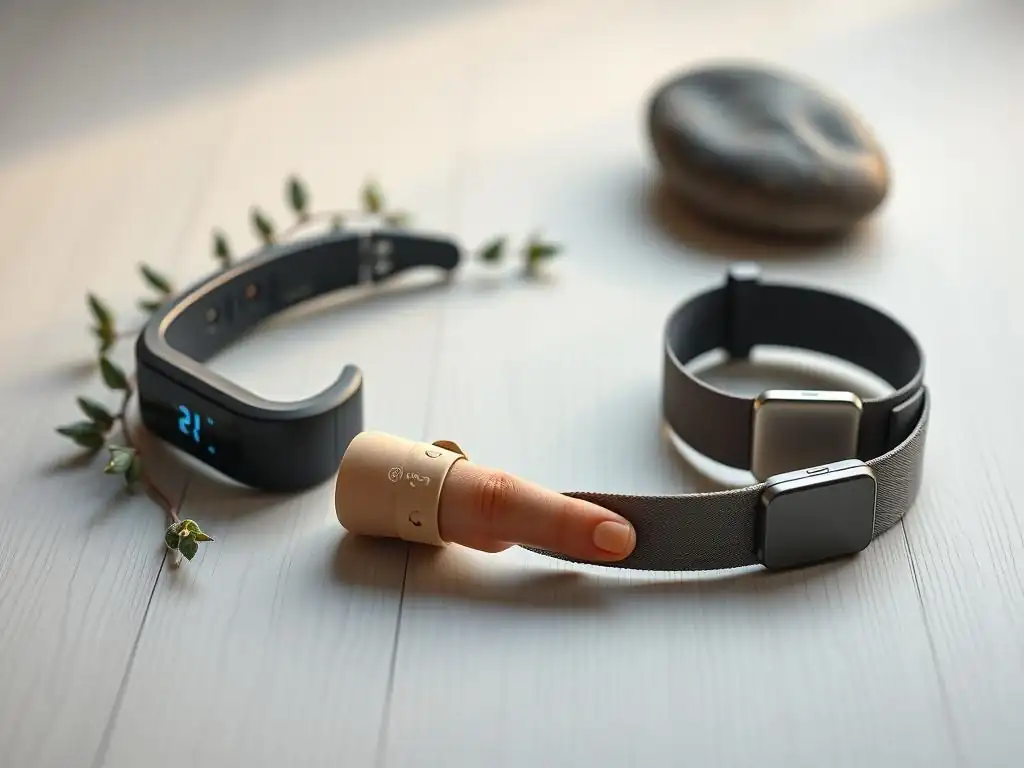
When exploring biofeedback devices for home use as part of your biofeedback anxiety management techniques, several features are crucial to ensure effectiveness, ease of use, and value. Not all devices are created equal, and what works best depends on your specific needs, comfort level with technology, and the type of biofeedback you are most interested in. Considering these key features will help you make an informed decision and find a device that supports your journey towards better anxiety management.
It's important to remember that while many consumer-grade devices offer biofeedback capabilities, they may not have the same level of precision or clinical validation as professional-grade equipment used in therapeutic settings. However, for learning basic self-regulation skills and incorporating biofeedback anxiety management techniques into a daily routine, many home-use devices provide a valuable and accessible option. Always read reviews and understand the device's specific capabilities before purchasing.
Accuracy and Reliability of Sensors
The effectiveness of any biofeedback device hinges on the accuracy and reliability of its sensors. These sensors are responsible for capturing the delicate physiological signals your body emits. For example, an HRV sensor needs to precisely measure the minuscule time differences between heartbeats, while an EMG sensor must accurately detect subtle electrical activity in muscles. If the sensors are unreliable or inconsistent, the feedback you receive will be inaccurate, making it difficult, if not impossible, to learn effective self-regulation.
Look for devices that specify the type and quality of their sensors. While detailed technical specifications might be hard to come by for consumer products, reputable brands often highlight the precision of their measurements or mention clinical validation if applicable. User reviews can also offer insights into the device's real-world reliability – whether it provides consistent readings or frequently produces erratic data. Ensuring sensor accuracy is paramount for building trust in the biofeedback process and effectively practicing biofeedback anxiety management techniques.
Ease of Use and User Interface
For a home-use biofeedback device, an intuitive design and user-friendly interface are critical for consistent use. The device itself, whether it's a wearable sensor, a clip, or a desktop unit, should be easy to set up and comfortable to wear or use. More importantly, the accompanying software or app must be easy to navigate, understand, and integrate into your routine. Complex interfaces or confusing data displays can be a major barrier to regular practice, especially when you're dealing with anxiety.
A good user interface will present the biofeedback data clearly, often using graphs, charts, or simple visual cues (like colors or animations) that are easy to interpret in real-time. It should also make it simple to start and stop sessions, select different exercises or guided meditations, and access historical data. Devices with engaging and well-designed apps tend to promote better user adherence, which is essential for seeing results from biofeedback anxiety management techniques over time. Consider whether the interface feels intuitive for you based on available demos or reviews.
Data Tracking and Reporting Capabilities
Effective biofeedback anxiety management techniques involve tracking progress over time. A good device will offer robust data tracking and reporting features within its app or software. This allows you to monitor changes in your physiological signals during sessions, see how your body responds to different techniques, and track your overall progress in managing anxiety symptoms. Features might include graphs showing your heart rate variability over a session, charts detailing muscle tension levels, or summaries of your skin conductance readings.
The ability to view historical data is particularly valuable. You should be able to see how your average physiological readings have changed over days, weeks, or months of consistent practice. Some apps offer insights or personalized reports based on your data, helping you understand your patterns and tailor your biofeedback practice. The capability to export data might also be useful if you wish to share your progress with a therapist or healthcare provider. Look for devices that provide clear, comprehensive data tracking that helps you understand the impact of your biofeedback anxiety management techniques.
Comfort and Wearability
Since biofeedback for anxiety often involves regular practice, sometimes for extended periods, the comfort and wearability of the device are significant factors. Devices come in various forms, including headbands, ear clips, finger sensors, or chest straps. Consider where and when you plan to use the device and choose a form factor that is comfortable and unobtrusive for those situations. For example, a lightweight ear clip might be suitable for use while sitting and meditating, while a comfortable headband might be preferred for nighttime use or while practicing relaxation techniques.
The material and design of the sensors and device should feel comfortable against your skin and not cause irritation or distraction. If you plan to use the device while moving slightly or for longer sessions, ensuring it stays securely in place without discomfort is important. A comfortable device encourages more frequent and longer practice sessions, which is key to mastering biofeedback anxiety management techniques and achieving lasting benefits.
Top Biofeedback Devices for Anxiety Management at Home
Muse 2: A Comprehensive Review for Anxiety Relief
Muse 2 is a popular consumer EEG (electroencephalography) biofeedback device designed to help users improve their meditation practice and manage stress. It's worn as a headband and measures brain activity, providing real-time audio feedback that guides you towards a calm, focused state. While primarily an EEG device, Muse 2 also incorporates PPG (photoplethysmography) sensors to measure heart rate and movement sensors to detect stillness, offering a more comprehensive physiological snapshot than EEG alone. This combination makes it a relevant tool for biofeedback anxiety management techniques, particularly those focused on calming the mind and body through meditation.
The Muse 2 guides you through meditation sessions with sounds that reflect your physiological state – for example, calm weather sounds (like gentle rain) when your brain is quiet and focused, and stormy weather sounds when your mind is active. It also provides feedback on your posture and heart rate.
After each session, the Muse app provides a summary report detailing your mental state, heart rate, and stillness throughout the meditation, often giving you a "birds chirping" score that reflects the amount of time spent in a calm state. This real-time and post-session feedback helps users become more aware of their internal state and learn to cultivate calmness, which is a core aspect of managing anxiety with biofeedback.
Features and Benefits of Muse 2
The Muse 2 headband features multiple sensors to provide diverse biofeedback: EEG sensors measure brain signals, PPG sensors measure heart rate and blood oxygen levels, and an accelerometer/gyroscope tracks movement. These sensors work together to provide a rich feedback experience during guided meditations. The primary benefit for biofeedback anxiety management techniques is the real-time auditory feedback that directly correlates with your brain activity, helping you learn to quiet a busy mind. The app also includes guided meditations focused on breath, body scan, and sound, integrating different mindfulness practices with the biofeedback data.
Additional benefits include the ability to track progress over time through detailed session reports and cumulative data. Users can see trends in their "calm" time, heart rate during meditation, and overall consistency of practice. The device is relatively lightweight and comfortable to wear for meditation sessions. While not a medical device, Muse 2 provides accessible biofeedback that empowers users to take an active role in their stress reduction and mental well-being journey, offering a tangible way to see the effects of relaxation techniques.
Real-World Results: User Experiences with Muse 2 for Panic Attacks
While Muse 2 is not marketed as a medical device for treating panic disorder, many users report that incorporating Muse 2 into their routine has helped them manage general anxiety and even cope better during or after panic attacks. Anecdotal evidence from online forums and reviews suggests that regular meditation practice guided by Muse 2's biofeedback can increase overall resilience to stress. Users describe feeling more aware of their anxious thoughts and physical sensations before they escalate into a full-blown panic attack.
For instance, one user shared that after several weeks of daily 10-minute sessions with Muse 2, they noticed they could recognize the early signs of rising anxiety (like increased mental chatter reflected in the "stormy" feedback) and use the guided breathing exercises within the app to consciously slow their heart rate and quiet their mind, sometimes preventing a panic attack entirely or reducing its intensity and duration. While individual results vary, the ability to receive real-time feedback on brain and body states appears to help some individuals feel more in control when faced with overwhelming feelings of panic.
Pricing and Where to Buy Muse 2
As of late 2023, the Muse 2 headband typically retails for around $250 to $300 USD. The price can vary slightly depending on the retailer and any ongoing promotions. It's available for purchase directly from the Muse website, as well as through major online retailers like Amazon and Best Buy.
The Muse app, which is essential for using the device, is free to download, but some advanced features or content may require a subscription to "Muse Premium," which costs an additional monthly or annual fee (e.g., around $12-13/month or $95/year). The core biofeedback functionality is available without the premium subscription, making it an accessible entry point for biofeedback anxiety management techniques.
Lief Therapeutics: Portable Stress Reduction with Biofeedback
Lief Therapeutics offers a unique wearable biofeedback device designed specifically for stress reduction and anxiety management. It's a small, discreet patch worn on the chest that continuously monitors your heart rate and HRV. Unlike devices primarily for meditation, Lief is intended to be worn throughout the day, providing subtle biofeedback and interventions when it detects signs of stress. This continuous monitoring and intervention approach distinguishes it within the realm of biofeedback anxiety management techniques, aiming for proactive stress management.
When Lief detects an increase in sympathetic nervous system activity indicating stress, it provides gentle, unnoticeable vibrations that prompt you to follow your natural breathing rhythm, specifically focusing on extending your exhale. This guided breathing exercise, lasting just 3 minutes, is designed to activate the parasympathetic nervous system and restore physiological calm without requiring you to stop what you're doing. The accompanying app tracks your stress levels throughout the day and provides insights into your physiological responses to different situations.
How Lief Therapeutics Combines Biofeedback with Guided Meditation
While Lief's primary mode of operation is passive monitoring and subtle vibrotactile biofeedback guiding natural breathing, its app also includes guided exercises. The Lief app provides a dashboard showing your stress "events" throughout the day, represented by periods where your HRV dropped and sympathetic activity increased. It then encourages you to engage in short, guided breathing exercises or mindfulness practices, which are enhanced by the real-time HRV biofeedback from the device.
The device essentially acts as a continuous physiological monitor, alerting you to moments of stress you might not consciously notice. By then linking this awareness to guided exercises within the app, Lief helps you practice biofeedback anxiety management techniques in response to real-world stress triggers. The goal is to build resilience by training your body to recover more quickly from stress responses throughout the day, rather than solely relying on dedicated meditation sessions.
Is Lief Therapeutics Effective for Social Anxiety?
Lief Therapeutics' focus on continuous monitoring and subtle intervention makes it potentially valuable for managing conditions like social anxiety, which can involve unpredictable stress triggers throughout the day. Individuals with social anxiety often experience significant physiological symptoms (like blushing, sweating, rapid heart rate) in social situations. Lief's ability to detect these physiological shifts early and prompt a calming breathing exercise in situ could help individuals regain composure before symptoms escalate.
While specific clinical trials on Lief and social anxiety are not widely publicized for this consumer device, the principle aligns with biofeedback anxiety management techniques used in therapy. By providing real-time awareness and a discreet tool for physiological self-regulation during anxiety-provoking social interactions, Lief aims to empower users to manage their physical symptoms more effectively, potentially reducing the avoidance behaviors often associated with social anxiety. User testimonials often highlight its usefulness in navigating stressful daily events.
Advantages and Disadvantages of Lief Therapeutics
An advantage of Lief Therapeutics is its discreet, wearable design that allows for continuous monitoring and intervention throughout the day, offering a proactive approach to stress management. The subtle vibrotactile feedback is a unique feature that prompts users to practice calming techniques without needing to look at a screen. The focus on HRV and breathing is a well-supported biofeedback modality for anxiety. The app's tracking provides valuable insights into daily stress patterns.
However, disadvantages include the cost, which is typically higher than some other home biofeedback devices. As of late 2023, Lief often retails for $300-$400 USD. The adhesive patches needed to wear the device are a recurring expense. Some users may find the subtle vibration feedback too minimal or prefer more explicit visual/auditory biofeedback. Like any wearable, comfort and skin sensitivity to the adhesive patches can be issues for some individuals. It's also primarily focused on HRV biofeedback, unlike multi-modal devices.
Inner Balance by HeartMath: Affordable Biofeedback for Beginners
Inner Balance is a biofeedback device developed by HeartMath, an organization specializing in heart-brain coherence and stress reduction techniques. It typically consists of a small sensor that clips onto your earlobe or finger and connects to your smartphone or tablet via cable or Bluetooth. The device measures your heart rate and, more importantly, your Heart Rate Variability (HRV), focusing on a specific aspect of HRV called "coherence" – a state where the heart, mind, and emotions are in physiological synchrony. HeartMath's approach is a prominent example of utilizing HRV biofeedback anxiety management techniques.
The Inner Balance app guides you through simple breathing exercises and visualization techniques designed to help you achieve a state of high coherence, which HeartMath research correlates with reduced stress and improved emotional regulation. The app provides real-time feedback on your coherence level, often displayed as a graph or a visualizer that changes as your coherence increases. This immediate feedback helps beginners understand the physiological impact of their breathing and focus, making it easier to learn how to shift into a calmer state.
Getting Started with Inner Balance for General Anxiety Disorder
Getting started with Inner Balance for managing general anxiety disorder (GAD) is relatively straightforward, making it an accessible option for beginners. The device connects easily to a smartphone or tablet. The app provides introductory tutorials explaining the concept of coherence and guiding you through your first biofeedback sessions. HeartMath recommends starting with short sessions, perhaps just 5-10 minutes daily, focusing on their core technique called "Quick Coherence," which involves heart-focused breathing and positive feeling.
For individuals with GAD, who often experience persistent worry and physical tension, practicing with Inner Balance helps build awareness of the physiological state associated with anxiety (low coherence) versus calm (high coherence). By consistently practicing the techniques while monitoring their coherence levels, users learn to actively regulate their nervous system response. Over time, this practice can help reduce the frequency and intensity of GAD symptoms and improve overall emotional resilience, complementing other biofeedback anxiety management techniques or therapies.
Using the Inner Balance App to Track Progress
The Inner Balance app is central to using the device and tracking your progress. It displays your real-time coherence level during each session, often using a colored indicator or a score. After each session, the app provides a summary report detailing your average coherence score, the time spent in a high-coherence state, and other metrics like your average heart rate. The app also logs all your sessions, allowing you to review your historical data.
This tracking feature is invaluable for biofeedback anxiety management techniques. It provides objective evidence of your ability to achieve physiological coherence and shows how consistent practice leads to improvement. You can see trends in your coherence scores over days, weeks, and months, which can be highly motivating. The app also includes journaling features, allowing you to note your emotional state or any observations during the session, helping you connect your feelings with your physiological data.
Inner Balance: Is it Right for You?
Inner Balance is often considered a good entry-level biofeedback device, particularly for those interested in HRV biofeedback and the HeartMath approach to coherence. Its relatively affordable price point (typically ranging from $100-$160 USD depending on the model - wired or Bluetooth) makes it accessible. The focus on simple, repeatable techniques and clear, real-time feedback is excellent for beginners learning biofeedback anxiety management techniques. It's particularly well-suited for individuals whose anxiety manifests significantly in heart rate and breathing patterns.
However, if you are interested in biofeedback modalities other than HRV, such as EMG for muscle tension or GSR for skin conductance, Inner Balance would not be the right choice as it focuses solely on heart-based metrics. While the app includes guided meditations, the core technique is very specific to HeartMath's coherence model. For individuals seeking a device with multiple biofeedback types or more diverse guided content, other options might be more suitable. It's best for those who resonate with the HeartMath philosophy and want a dedicated tool for practicing HRV coherence.
Integrating Biofeedback into Your Anxiety Management Routine
Setting Realistic Goals and Expectations
Integrating biofeedback anxiety management techniques into your daily life requires setting realistic goals and managing your expectations. Biofeedback is a skill that takes time and consistent practice to develop, much like learning a musical instrument or a new language. You won't likely see dramatic reductions in anxiety after just one or two sessions. Aim for small, achievable goals, such as practicing for 10-15 minutes daily, or using your device during specific low-stress times before attempting to use it during high-anxiety situations.
Expect that some sessions may feel more successful than others. Your ability to achieve a calm physiological state can vary depending on factors like fatigue, stress levels that day, or even what you've eaten. Don't get discouraged by sessions where your numbers don't improve as much as you hoped. The key is consistency. Focus on the process of practicing the techniques and observing your body's signals, rather than solely on achieving a perfect score. Track your progress over weeks and months to see the overall trend, which is where the real benefits of biofeedback anxiety management techniques become apparent.
Combining Biofeedback with Other Therapies
Biofeedback anxiety management techniques are often most effective when used as a complementary tool alongside other established therapies. They can enhance the effectiveness of psychotherapy and potentially reduce the need for medication in some cases, under medical supervision. Integrating biofeedback allows you to bring a new level of self-awareness and physiological control to therapeutic work, creating a powerful synergy.
For example, using biofeedback to manage physical symptoms can make it easier to engage with challenging aspects of therapies like Exposure Therapy, where you face feared situations. By learning to regulate your heart rate or muscle tension in real-time, you can feel more capable of tolerating the physical discomfort that arises during exposure, allowing you to stay in the situation longer and truly learn that the perceived danger is not real.
Biofeedback and Cognitive Behavioral Therapy (CBT) for Anxiety
Combining biofeedback with Cognitive Behavioral Therapy (CBT) for anxiety can be particularly powerful. CBT teaches you to identify and challenge negative thought patterns and beliefs that contribute to anxiety, and to develop more adaptive coping behaviors. However, as mentioned earlier, intellectually understanding that your thoughts are distorted doesn't always immediately calm the physical fight-or-flight response.
Biofeedback provides a direct link between your mental state and your physiological state. During CBT sessions where you discuss anxiety-provoking thoughts or scenarios, you could use biofeedback to monitor your physical reaction. This immediate feedback makes the mind-body connection tangible. You can then practice CBT techniques (like thought challenging or coping self-statements) while simultaneously using biofeedback anxiety management techniques (like deep breathing or muscle relaxation) to see how changing your thoughts and behaviors directly impacts your physiological signals. This reinforces the power of your mind to influence your body and vice-versa, strengthening your overall ability to manage anxiety.
Biofeedback and Mindfulness Meditation for Stress Reduction
Biofeedback and mindfulness meditation are natural partners in stress reduction and anxiety management. Mindfulness involves paying attention to the present moment without judgment, including noticing your physical sensations, thoughts, and emotions. While mindfulness teaches you how to observe your internal state, biofeedback provides objective data on specific physiological aspects of that state.
Using a biofeedback device during mindfulness meditation can deepen your practice. For example, an HRV biofeedback device can show you how your heart rhythm changes as you focus on your breath, or a GSR device can illustrate how your skin conductance decreases as you cultivate a state of calm awareness.
This real-time feedback validates your experience and helps you identify which aspects of your mindfulness practice are most effective in producing a calm physiological state. It can make the abstract concept of "being present" feel more concrete and measurable, enhancing your ability to use mindfulness as a biofeedback anxiety management technique.
The Importance of Consistency and Patience
Achieving significant benefits from biofeedback anxiety management techniques hinges on two crucial factors: consistency and patience. Biofeedback is not a quick fix; it's a skill acquisition process that requires dedicated practice over time. Just as you wouldn't expect to become proficient at playing the piano after a few lessons, you shouldn't expect to master physiological self-regulation after a handful of biofeedback sessions. Regular, even short, daily practice sessions are far more effective than infrequent, long ones. Aim for consistency, even if it's just 5-10 minutes per day.
Patience is equally vital. There will be days when you feel like you're not making progress, or when your anxiety seems worse despite practicing. This is normal. The learning curve for biofeedback varies from person to person. Trust the process and continue your practice. Over weeks and months, you will likely notice subtle shifts in your ability to recognize early anxiety signals and consciously employ techniques to manage them. The cumulative effect of consistent practice is what builds resilience and leads to lasting improvements in managing anxiety with biofeedback.
Real-Life Success Stories: Biofeedback Anxiety Treatment in Action
Case Study 1: Overcoming Panic Disorder with HRV Biofeedback and Inner Balance
Please note: The following case studies are illustrative examples based on common experiences reported by individuals using biofeedback for anxiety, not specific named individuals or clinical trial data unless noted.
Sarah, a 35-year-old marketing professional, struggled with panic disorder for years. Her panic attacks were often triggered by crowded spaces or public transport and involved intense physical symptoms like a racing heart (sometimes reaching 150 bpm), shortness of breath, and dizziness. Traditional therapy helped her understand the triggers, but she still felt powerless over the overwhelming physical sensations during an attack. She decided to try biofeedback anxiety management techniques, specifically focusing on HRV using the Inner Balance device.
Sarah started with daily 10-minute sessions, focusing on the HeartMath Quick Coherence technique while watching her coherence score on the Inner Balance app. Initially, her coherence levels were low and erratic. However, after about six weeks of consistent practice, she noticed her baseline coherence score improving.
More importantly, she started recognizing the early signs of her heart rate increasing and her breathing becoming shallow before a full panic attack developed. During a particularly stressful commute, she felt the familiar surge of panic begin. Instead of letting it overwhelm her, she discreetly clipped on her Inner Balance sensor and focused on her breathing, watching her coherence score slowly rise.
This real-time feedback empowered her, helping her feel a sense of control over her body's response. Over several months, her panic attacks became less frequent and less intense, and she felt more confident navigating previously triggering situations, attributing much of her progress to the physiological self-regulation skills learned through biofeedback.
Mark, a 28-year-old software engineer, experienced significant social anxiety, particularly in professional settings like meetings or networking events. His anxiety manifested physically as severe muscle tension, leading to a stiff posture, a clenched jaw, and tension headaches, which made him feel even more self-conscious. He decided to explore biofeedback anxiety management techniques to address this physical component of his anxiety. He acquired a basic EMG biofeedback device with sensors he could place on his jaw and shoulders.
Mark began practicing with the EMG device for 15 minutes each evening. The device provided auditory feedback – a tone that got higher as his muscle tension increased. Initially, he was surprised to see how tense his jaw and shoulders were even when he thought he was relaxed.
He then experimented with different relaxation techniques, such as progressive muscle relaxation and guided imagery, while observing the tone. He learned that consciously softening his jaw and dropping his shoulders while taking deep breaths significantly lowered the tone, indicating reduced tension. He practiced this connection between breath, relaxation, and physical release daily.
After two months, he found he could recognize the feeling of tension building in social situations much earlier and use a quick, subtle version of his relaxation technique (a deep breath, a conscious jaw release) to lower his tension without needing the device. This reduced his physical discomfort, allowing him to focus more on the social interaction itself and feel less overwhelmed by his social anxiety symptoms.
Potential Risks and Considerations When Using Biofeedback for Anxiety
When to Consult a Healthcare Professional
While biofeedback anxiety management techniques are generally considered safe and non-invasive, they are not a substitute for professional medical or psychological care. It is crucial to consult a healthcare professional, such as a doctor or licensed mental health therapist, before starting biofeedback, especially if you have been diagnosed with an anxiety disorder, panic disorder, or any other mental health condition. They can help determine if biofeedback is an appropriate addition to your overall treatment plan and rule out any underlying medical conditions that might be contributing to your symptoms, such as thyroid problems or heart conditions.
Furthermore, if your anxiety is severe, debilitating, or accompanied by thoughts of self-harm, seeking immediate professional help is essential. Biofeedback is a valuable tool for learning self-regulation, but it may not be sufficient as a standalone treatment for severe conditions. A healthcare professional can provide guidance on integrating biofeedback with other evidence-based treatments, such as medication or intensive psychotherapy, ensuring a comprehensive and safe approach to managing your anxiety.
Understanding the Limitations of Biofeedback
It's important to understand the limitations of biofeedback anxiety management techniques. Biofeedback is a tool for learning self-regulation skills; it is not a cure for anxiety. It requires active participation, consistent practice, and patience. Results vary widely among individuals, and some people may benefit more than others. Biofeedback addresses the physiological symptoms of anxiety but may not fully address the underlying psychological causes or cognitive patterns contributing to anxiety.
Home-use biofeedback devices, while accessible and convenient, typically do not have the same level of precision or clinical validation as professional-grade equipment used in a clinical setting under the guidance of a trained biofeedback therapist. While they can be excellent for learning basic skills and practicing regularly, individuals with severe or complex anxiety may benefit more from working with a certified biofeedback practitioner who can tailor techniques and provide more in-depth guidance. Biofeedback is a powerful adjunct to treatment, not a replacement for comprehensive care.
Conclusion: Empowering Yourself with Biofeedback for Lasting Anxiety Relief
Taking Control of Your Mental Well-being with Wearable Tech for Stress Management
Anxiety can feel overwhelming, often leaving individuals feeling powerless against their own body's reactions. However, understanding and managing anxiety with biofeedback offers a tangible path towards regaining control. By providing real-time insights into your body's physiological signals – from heart rate variability and muscle tension to skin conductance – biofeedback anxiety management techniques empower you to become acutely aware of your internal state and learn how to voluntarily influence it. This skill, honed through consistent practice, allows you to actively participate in calming your nervous system and reducing the intensity of physical anxiety symptoms.
Integrating biofeedback into your routine, perhaps using accessible wearable tech for stress management like consumer devices designed for home use, can be a transformative step. Whether complementing traditional therapy, enhancing mindfulness practice, or simply serving as a personal tool for daily stress check-ins, biofeedback provides objective feedback that reinforces your efforts and builds confidence in your ability to manage anxiety. While not a panacea, biofeedback offers a powerful, evidence-supported method for developing physiological self-regulation, ultimately helping you decode your body's signals and move towards lasting anxiety relief and improved mental well-being.
Frequently Asked Questions
What is biofeedback and how can it help with anxiety?
Biofeedback is a technique that teaches you to gain control over some of your body's functions, such as heart rate, muscle tension, and skin temperature. By learning to monitor and adjust these functions, you can reduce your anxiety. It helps you become more aware of your body's response to stress.
How does biofeedback differ from other anxiety management techniques like meditation or therapy?
While meditation focuses on calming the mind and therapy addresses the underlying causes of anxiety, biofeedback focuses on your physiological responses. It provides real-time data about your body, allowing you to directly influence and manage these responses in the moment.
What are some common types of biofeedback used for anxiety management?
Common types include electromyography (EMG) to measure muscle tension, heart rate variability (HRV) biofeedback to improve heart rhythm patterns, and skin conductance biofeedback to measure sweat gland activity. These techniques provide different avenues for managing anxiety symptoms.
Is biofeedback a long-term solution for anxiety, or just a temporary fix?
Biofeedback is designed to be a long-term solution. The skills learned during biofeedback sessions can be applied in everyday life to manage anxiety. It empowers individuals to self-regulate their physiological responses to stress.
How can I find a qualified biofeedback therapist to help me manage my anxiety?
Look for therapists who are certified by the Biofeedback Certification International Alliance (BCIA). You can also ask your doctor for referrals to therapists with experience in biofeedback anxiety management techniques. Ensure they have a good understanding of anxiety disorders.
Final Reflection: Listening to the Wisdom of Your Body
The ability to understand and manage anxiety is no longer a luxury, but a crucial life skill in our increasingly demanding world. The techniques discussed in this article—centered around biofeedback—offer a powerful pathway to achieving this crucial self-mastery, moving beyond simply managing symptoms to understanding the root causes of anxiety at a deeply personal level.
The journey of learning to interpret your body's signals is a deeply personal and transformative one. It's about cultivating a mindful awareness of your internal landscape, a process that can be both challenging and incredibly rewarding. As the renowned psychologist Carl Rogers once said, The curious paradox is that when I accept myself just as I am, then I can change.
This quote perfectly encapsulates the power of biofeedback: by accepting and understanding our anxious responses, we empower ourselves to make positive changes and cultivate a healthier relationship with our own bodies and minds.
You now possess the knowledge to begin your own journey of self-discovery through biofeedback. Consider which techniques resonate most with you and start small. Begin practicing mindfulness, paying attention to your breath and heart rate. Explore the resources mentioned in this article and consider seeking guidance from a qualified biofeedback practitioner. Remember, the path to managing anxiety is a marathon, not a sprint. Be patient with yourself, celebrate your progress, and embrace the empowering journey of listening to the wisdom of your body.
Unlock Your Inner Calm: Take Control of Your Anxiety Today!
Thanks for taking the time to explore the world of biofeedback and its power in managing anxiety. We hope you gained valuable insights into understanding your body's signals and finding paths to inner peace. Now it's time to put that knowledge into action!
- Start your personalized biofeedback journey: Begin by identifying one area of anxiety you'd like to focus on – maybe it’s public speaking, or managing daily stress. Then, start researching local resources or apps that offer biofeedback techniques related to that specific concern.
- Share your experience: Connect with others in online forums or communities dedicated to anxiety management and biofeedback. Sharing your progress can be incredibly empowering and offer support to others on their journey.
- Explore mindful breathing exercises: Complement your biofeedback learning by incorporating daily mindful breathing exercises. Even five minutes can make a significant difference in calming your nervous system.
Ready to embrace a calmer, more confident you? What small step will you take today to begin your biofeedback practice?