
Integrating Biofeedback: Using Devices Alongside Therapy for Anxiety

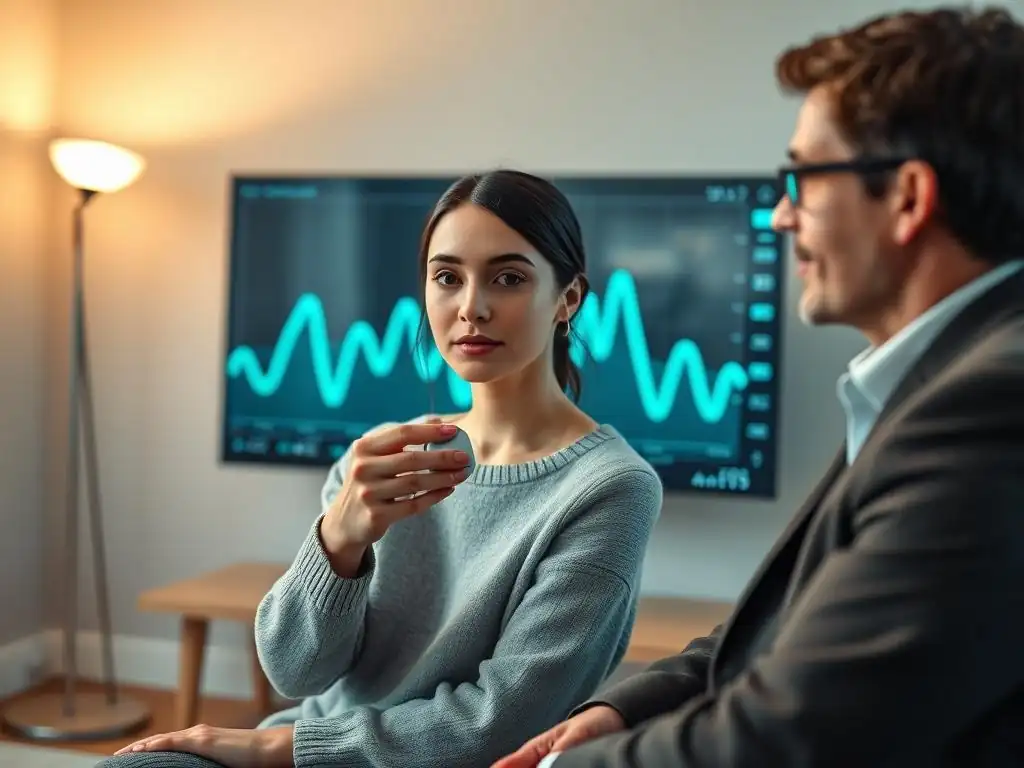
Welcome to Mind Care Guide, a sanctuary for navigating the complexities of mental well-being. Feeling overwhelmed by anxiety? You're not alone. This is where understanding begins. Dive into our exploration of Biofeedback therapy anxiety reduction, and discover how integrating innovative devices with traditional therapy can unlock a path toward a calmer, more centered you. Curious to learn how wearable tech can be a powerful ally in managing your anxiety? Let's explore the possibilities together...
Integrating Biofeedback: Using Devices Alongside Therapy for Anxiety - Mind Care Guide
- Understanding Biofeedback Therapy for Anxiety Reduction
-
Biofeedback Devices for Home Use: A Guide to Managing Anxiety
- Choosing the Right Biofeedback Device for Your Anxiety Needs
- Types of Biofeedback Devices Available: From Heart Rate Variability (HRV) to EEG
- Heart Rate Variability (HRV) Biofeedback Devices: Elite HRV and Anxiety Management
- EEG Biofeedback (Neurofeedback) Devices: Muse 2 and Calming the Anxious Brain
- Galvanic Skin Response (GSR) Biofeedback Devices: Spire Stone for Stress Detection
- Integrating Biofeedback into Your Anxiety Treatment Plan
- Real-World Examples: Biofeedback Success Stories for Anxiety
- Maximizing the Benefits of Biofeedback for Anxiety: Tips and Strategies
- Potential Side Effects and Precautions of Biofeedback for Anxiety
- Beyond Devices: Other Biofeedback Techniques for Anxiety
- Investing in Your Mental Well-being: Biofeedback Devices and Anxiety Treatment
- Resources for Further Learning about Biofeedback Therapy for Anxiety
-
Frequently Asked Questions
- What is biofeedback therapy and how does it relate to anxiety reduction?
- How does biofeedback integrate with traditional therapy for anxiety, as mentioned in the article?
- What types of devices are typically used in biofeedback therapy for anxiety?
- Is biofeedback therapy a long-term solution for anxiety, or just a temporary fix?
- What are the potential benefits of using biofeedback therapy in conjunction with traditional therapy for anxiety, according to Mind Care Guide?
- Final Reflection: The Evolving Landscape of Anxiety Treatment
- Unlock Your Inner Calm: Take Control of Your Anxiety Today!
Understanding Biofeedback Therapy for Anxiety Reduction
What is Biofeedback and How Does it Work for Anxiety?
Biofeedback is a mind-body technique that involves using electronic instruments to measure and provide feedback about physiological responses. These responses include things like heart rate, muscle tension, brainwave activity, skin temperature, and sweat gland activity (galvanic skin response). The core principle is that by becoming aware of these involuntary bodily functions, individuals can learn to consciously control them. For anxiety, this means learning to regulate the physiological arousal that often accompanies anxious feelings.
When someone experiences anxiety, their body typically goes into a 'fight or flight' response. This manifests as increased heart rate, shallow breathing, muscle tension, and changes in skin conductivity. Biofeedback devices provide real-time data on these metrics.
Seeing a graph of their erratic heart rate, for instance, allows the individual to understand the physical impact of their anxiety. With guidance, they practice relaxation techniques – such as deep breathing or meditation – while observing the feedback. The goal is to see the physiological signal change in a desirable direction (e.g., heart rate slowing down, muscle tension decreasing), reinforcing the relaxation technique and teaching the person how to achieve that state voluntarily.
The Science Behind Biofeedback: Connecting Mind and Body for Anxiety Relief
The effectiveness of biofeedback therapy for anxiety reduction is rooted in the intricate connection between the autonomic nervous system (ANS) and our emotional state. The ANS controls involuntary bodily functions like heart rate, breathing, and digestion, and it plays a central role in the stress response. Anxiety activates the sympathetic branch of the ANS, leading to heightened arousal. Biofeedback helps individuals learn to activate the parasympathetic branch, which promotes rest and relaxation, thus counteracting the anxiety response.
Research supports the efficacy of biofeedback in modulating physiological parameters associated with anxiety. For example, studies on heart rate variability (HRV) biofeedback have shown that training individuals to increase their HRV (the natural variation in time between heartbeats, indicating better ANS regulation) can lead to significant reductions in self-reported anxiety levels. Similarly, neurofeedback (EEG biofeedback) targets specific brainwave patterns associated with anxiety, such as excessive high beta waves or insufficient alpha waves, helping individuals learn to shift their brain activity towards calmer states. This learned self-regulation of physiological processes translates directly into reduced subjective feelings of anxiety.
Biofeedback vs. Traditional Anxiety Therapies: A Complementary Approach
Traditional anxiety therapies, such as Cognitive Behavioral Therapy (CBT) and Exposure Therapy, primarily focus on changing thought patterns and behaviors related to anxiety. CBT helps individuals identify and challenge negative thoughts, while Exposure Therapy gradually exposes individuals to feared situations to reduce avoidance behaviors. These therapies are highly effective and considered gold standards in anxiety treatment. However, they may not always fully address the intense physiological symptoms that accompany anxiety for some individuals.
Biofeedback therapy for anxiety reduction offers a complementary approach by directly targeting the physical manifestations of anxiety. Instead of solely focusing on thoughts or behaviors, biofeedback teaches individuals how to gain conscious control over their body's stress response. When combined with traditional talk therapy, biofeedback can provide a powerful tool for managing both the mental and physical aspects of anxiety. For example, someone learning to challenge anxious thoughts in CBT might simultaneously use biofeedback to practice calming their racing heart, creating a more holistic approach to anxiety management. It's less about replacing traditional methods and more about enhancing them.
Biofeedback Devices for Home Use: A Guide to Managing Anxiety
Choosing the Right Biofeedback Device for Your Anxiety Needs
Selecting an appropriate biofeedback device for home use depends largely on the specific physiological symptom you wish to target and your budget. Devices vary significantly in the types of signals they measure (e.g., heart rate, brainwaves, skin conductance) and their complexity. A person whose anxiety manifests primarily as a racing heart might benefit most from a Heart Rate Variability (HRV) device, while someone struggling with pervasive worry and difficulty calming their mind might find EEG biofeedback (neurofeedback) more useful.
Consider the device's ease of use, the quality of the feedback provided (visual graphs, auditory tones), and the accompanying software or app. Some devices offer guided sessions, progress tracking, and integration with mindfulness exercises. It's helpful to read reviews and understand the learning curve. While many home devices are designed for ease of access, they may not offer the same level of precision or range of metrics as clinical-grade equipment. Thinking about which physiological signal is most linked to your personal anxiety experience is a crucial first step in making an informed choice.
Types of Biofeedback Devices Available: From Heart Rate Variability (HRV) to EEG
The market offers a variety of home biofeedback devices targeting different physiological signals related to anxiety. Heart Rate Variability (HRV) monitors, often worn as chest straps, finger sensors, or integrated into smartwatches, measure the tiny fluctuations in the time between heartbeats. Higher HRV is generally associated with better stress resilience and parasympathetic nervous system activity. Training to increase HRV is a common goal for reducing anxiety.
Another type is EEG biofeedback, also known as neurofeedback. Devices like headbands with sensors measure brainwave activity (e.g., alpha, beta, theta waves). Users receive feedback (visual or auditory) when their brain activity shifts towards a desired pattern associated with calmness or focus.
Galvanic Skin Response (GSR) devices, often worn on fingers or wrists, measure changes in sweat gland activity, which increases with stress and anxiety. Muscle tension (EMG) devices are less common for home anxiety use but can measure muscle activity, helping users learn to relax tense muscles. Temperature biofeedback devices measure skin temperature, which often drops in the extremities during stress, helping users learn to increase warmth through relaxation.
Heart Rate Variability (HRV) Biofeedback Devices: Elite HRV and Anxiety Management
Heart Rate Variability (HRV) biofeedback is one of the most accessible forms of biofeedback therapy anxiety reduction for home users. Devices like Elite HRV (app-based, requiring a compatible heart rate sensor) or stand-alone units measure the variability in the time intervals between successive heartbeats. This variability is influenced by the autonomic nervous system, with higher variability indicating a better balance between the sympathetic (fight or flight) and parasympathetic (rest and digest) branches. Low HRV is often correlated with stress, anxiety, and burnout.
Using an HRV biofeedback device involves following guided breathing exercises or meditations while observing your real-time HRV data on a screen. The goal is to learn to breathe in a way that maximizes HRV, typically around 6 breaths per minute, a pace known as resonant frequency breathing.
Regularly practicing HRV biofeedback, even for just 10-20 minutes daily, can train your nervous system to become more resilient to stress and trigger the relaxation response more easily, thereby helping to manage and reduce anxiety symptoms over time. Many users report feeling calmer and better equipped to handle stressful situations after consistent practice.
EEG Biofeedback (Neurofeedback) Devices: Muse 2 and Calming the Anxious Brain
EEG biofeedback, or neurofeedback, focuses on training brainwave activity. Home-use devices like the Muse 2 headband measure electrical activity from the brain via sensors on the forehead. These devices typically guide users through meditation or focus exercises, providing real-time auditory feedback based on their brainwave patterns. For example, if the device detects brain activity associated with a distracted or anxious state (like high beta waves), the user might hear stormy weather sounds. As their brain activity shifts towards a calmer state (like increased alpha or theta waves), the sounds might transition to peaceful birdsong or quiet.
The aim of neurofeedback using devices like Muse 2 is to help individuals learn to self-regulate their brain activity, steering it towards patterns associated with relaxation, focus, and calm. While not a direct replacement for clinical neurofeedback, which is often more targeted and intensive, home EEG devices offer an accessible way to practice brainwave training. Consistent practice can potentially help individuals reduce rumination, improve focus, and cultivate a greater sense of calm, contributing to overall biofeedback therapy anxiety reduction efforts. Users often report feeling more centered and less overwhelmed by anxious thoughts after incorporating regular sessions into their routine.
Galvanic Skin Response (GSR) Biofeedback Devices: Spire Stone for Stress Detection
Galvanic Skin Response (GSR) biofeedback devices measure electrodermal activity, or the changes in the electrical conductivity of the skin. This conductivity is influenced by the activity of sweat glands, which are controlled by the sympathetic nervous system. When a person experiences stress or anxiety, sweat production increases, leading to higher skin conductivity. GSR devices detect these subtle changes, providing a real-time indicator of physiological arousal.
Devices like the Spire Stone (a small clip-on wearable) continuously monitor breathing patterns and activity levels, and importantly, skin conductivity. When the device detects patterns indicative of stress or tension, it can send a gentle notification to the user's phone, prompting them to check in with their body and take a moment to breathe or relax.
While Spire focuses more broadly on "mindfulness" and stress detection rather than explicit biofeedback training sessions in the traditional sense, it uses GSR data as a form of biofeedback – alerting the user to their physiological state so they can take action. By becoming more aware of moments of rising tension indicated by the GSR signal, individuals can practice learned relaxation techniques, using the device's feedback to confirm when their efforts are successfully reducing physiological arousal.
Integrating Biofeedback into Your Anxiety Treatment Plan
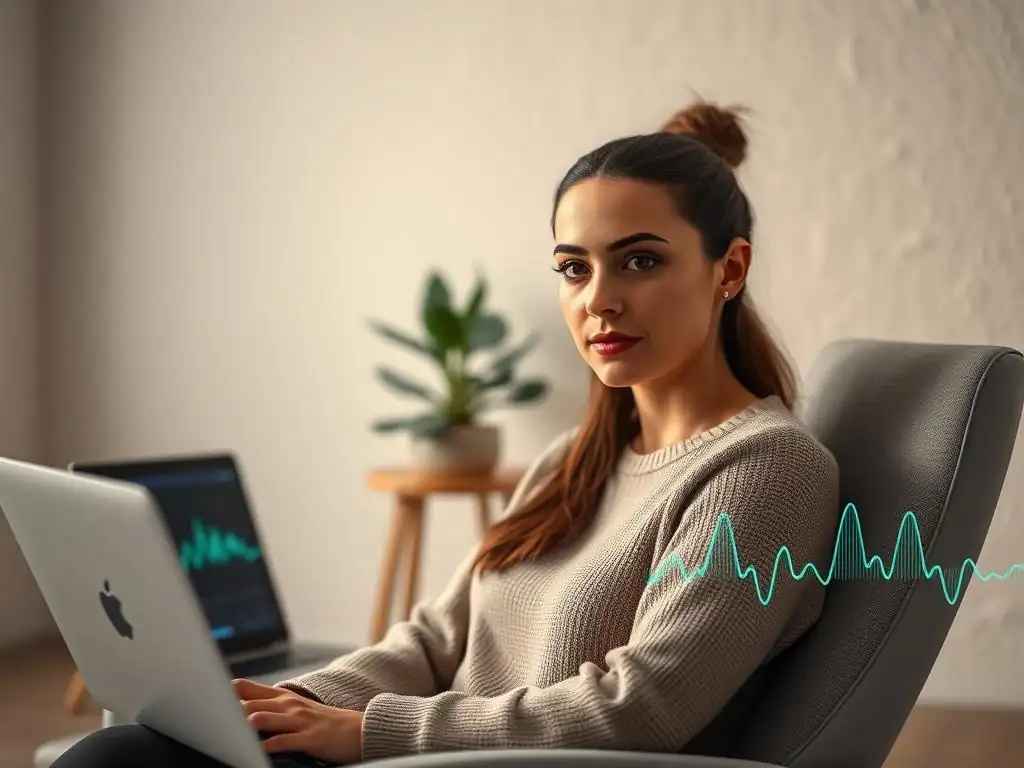
Working with a Therapist While Using Biofeedback Devices for Enhanced Anxiety Reduction
While home biofeedback devices offer accessibility, integrating their use with guidance from a qualified therapist can significantly enhance the effectiveness of biofeedback therapy anxiety reduction. A therapist experienced in biofeedback can help you understand your physiological responses, interpret the data from your device, and tailor biofeedback training protocols to your specific anxiety symptoms and goals. They can ensure you are using the device correctly and practicing techniques effectively.
A therapist can also integrate biofeedback training with other therapeutic modalities you might be using, such as CBT or exposure therapy. For example, they might guide you to use biofeedback during exposure exercises to help you stay regulated and manage the physiological surge of anxiety.
They can provide clinical-grade equipment during sessions, offering more precise feedback and a wider range of metrics than many home devices, which can deepen your understanding before transitioning to home practice. This combined approach leverages the convenience of home devices with the expertise and personalized support of a professional, creating a more robust treatment plan.
Setting Realistic Goals with Biofeedback for Anxiety: A Step-by-Step Approach
Setting clear, achievable goals is vital when incorporating biofeedback into your anxiety management strategy. Start by identifying specific physiological targets you want to influence, such as lowering your resting heart rate, increasing your HRV, or reducing muscle tension in a particular area. Your therapist can help you establish baseline measurements using clinical equipment or guide you on how to use your home device to get initial readings.
Next, set small, incremental goals. For instance, instead of aiming to instantly eliminate panic attacks, a realistic initial goal might be to consistently increase your average HRV score by 5-10 points over two weeks, or to reduce your muscle tension reading by a certain percentage during a 10-minute session. Focus on the process – committing to daily practice sessions of a specific duration (e.g., 15 minutes) – rather than solely on immediate dramatic results.
Regularly review your progress with your therapist and adjust your goals as you improve. Celebrating small victories, like successfully lowering your heart rate during a stressful moment using techniques practiced with biofeedback, helps maintain motivation.
Tracking Your Progress: Monitoring Anxiety Levels and Biofeedback Data
Consistent tracking is essential to assess the impact of biofeedback therapy on your anxiety reduction journey. Most biofeedback devices and their accompanying apps provide detailed data logs, showing metrics like average heart rate, HRV scores, brainwave patterns, or GSR levels over time. Regularly reviewing this data allows you to see objective evidence of how your physiological responses are changing with practice. You might observe trends like a gradual increase in your average HRV or a decrease in peak heart rate during stressful periods.
Alongside the physiological data, it's crucial to track your subjective experience of anxiety. This can be done through journaling, using anxiety rating scales (e.g., rating your anxiety level from 1 to 10 multiple times a day), or using mood tracking apps. Correlate your subjective feelings with your biofeedback data.
You might notice that on days you feel less anxious, your HRV is higher, or your average muscle tension is lower. This reinforces the connection between your mind and body and demonstrates the real-world benefits of your biofeedback practice. Sharing this combined objective and subjective data with your therapist provides valuable insights for refining your treatment plan.
Real-World Examples: Biofeedback Success Stories for Anxiety
Case Study 1: Using HRV Biofeedback to Overcome Panic Attacks
Consider an illustrative case of Sarah, a 35-year-old who experienced frequent and debilitating panic attacks. Her attacks were often preceded by a sudden onset of physical symptoms like a racing heart, shortness of breath, and dizziness. Traditional talk therapy helped her understand triggers, but she struggled to manage the intense physical sensations during an attack. Her therapist recommended integrating HRV biofeedback into her treatment.
Sarah began using a home HRV device daily, practicing resonant frequency breathing for 20 minutes. Initially, her HRV was low, reflecting her baseline stress. With consistent practice, observing the real-time feedback of her HRV increasing as she breathed slowly, she started to feel more in control of her physiological state.
Over several weeks, she noticed her resting HRV increased. More importantly, when she felt the initial physical sensations of a panic attack starting, she was able to consciously slow her breathing, focusing on increasing her HRV using the techniques she practiced. This ability to actively engage the parasympathetic nervous system helped de-escalate the physical symptoms, preventing several full-blown panic attacks and significantly reducing her fear of future episodes.
John, a 28-year-old software developer, struggled with severe social anxiety. He avoided social gatherings and presentations at work due to intense fear of judgment, accompanied by physical symptoms like blushing, trembling, and a pounding heart. He was undergoing CBT to challenge his negative self-talk and gradually expose himself to social situations. To help manage the physical symptoms during exposures, his therapist suggested adding GSR biofeedback.
John used a small GSR device worn on his finger during therapy sessions and later during planned social exposures (like attending a small team meeting). The device provided auditory feedback that changed tone based on his skin conductivity. As his anxiety rose in anticipation or during the social interaction, the tone would become sharper.
He learned to practice deep breathing and grounding techniques while observing the feedback, aiming to keep the tone calm. This allowed him to stay in the situation longer, tolerate the physical discomfort, and realize that the anxious feelings would subside. The biofeedback gave him a tangible way to see his progress in managing the physical response, complementing the cognitive work he was doing in CBT and making his exposures more manageable.
Case Study 3: Managing Generalized Anxiety Disorder (GAD) with Diaphragmatic Breathing
While not strictly a device-based example, the principles of biofeedback are clearly demonstrated in the case of Maria, who managed Generalized Anxiety Disorder (GAD) primarily through learning and practicing diaphragmatic breathing – a fundamental technique often taught alongside device-based biofeedback. Maria experienced chronic worry, restlessness, and persistent muscle tension. She learned diaphragmatic breathing in therapy, focusing on breathing deeply into her belly rather than shallowly into her chest.
Initially, Maria found it difficult to tell if she was breathing correctly or if it was having any effect. Her therapist used a simple respiratory belt (a basic biofeedback tool) in session to show her visually how her abdomen expanded with each correct breath. This immediate visual feedback helped her understand the technique.
She then practiced at home, paying close attention to the physical sensations – her belly rising, her shoulders relaxing slightly, and a subtle shift in her overall tension level. By tuning into these internal cues (an internal form of biofeedback), she learned to use diaphragmatic breathing throughout the day whenever she noticed her anxiety or muscle tension rising. This simple, non-device technique, learned with initial biofeedback guidance, became a powerful tool for self-regulation and significantly reduced her overall anxiety levels and physical discomfort associated with GAD.
Maximizing the Benefits of Biofeedback for Anxiety: Tips and Strategies
Creating a Consistent Biofeedback Practice for Optimal Anxiety Relief
Consistency is perhaps the most critical factor in achieving significant biofeedback therapy anxiety reduction. Just like learning any new skill, mastering self-regulation through biofeedback requires regular practice. Aim for daily sessions, even if they are short (e.g., 10-20 minutes). Establish a routine – perhaps practicing at the same time each day, like in the morning before starting your day or in the evening before bed.
Find a quiet, comfortable space where you won't be interrupted. Treat your biofeedback session as dedicated time for self-care and skill-building. Avoid multitasking during your practice. The more consistently you engage with the feedback and practice the associated relaxation techniques, the more proficient you will become at voluntarily controlling your physiological responses. Over time, the skills you learn with the device will transfer to real-life situations, allowing you to regulate your anxiety without needing the device constantly.
Incorporating Mindfulness and Meditation with Biofeedback
Integrating mindfulness and meditation practices can significantly enhance the effectiveness of biofeedback for anxiety. Both mindfulness and biofeedback cultivate present-moment awareness, but they do so through different lenses. Biofeedback provides objective data on your physiological state, while mindfulness encourages non-judgmental awareness of thoughts, feelings, and bodily sensations.
Combining these practices involves using the biofeedback device while engaging in mindfulness meditation or a body scan. For example, while meditating with an HRV device, you can observe how focusing on your breath and accepting thoughts without judgment impacts your heart rate variability. This synergy allows you to connect your internal subjective experience with the objective physiological data. It deepens your understanding of how your mental state influences your physical state and strengthens your ability to use mindful awareness alongside physiological self-regulation techniques to manage anxiety effectively.
Addressing Common Challenges with Biofeedback: Troubleshooting and Support
Users of biofeedback devices for anxiety may encounter challenges, such as difficulty achieving desired physiological changes, feeling frustrated by slow progress, or technical issues with the device. It's important to approach these challenges with patience and persistence. If you're struggling to see results, review your technique. Are you breathing correctly? Are you consistently practicing? Sometimes, small adjustments in posture or breathing rhythm can make a difference.
Technical issues with home devices can often be resolved by checking the manufacturer's troubleshooting guides, ensuring sensors have good contact with the skin, or restarting the device/app. If frustration arises from slow progress, remember that learning to self-regulate physiological responses takes time and practice. Avoid comparing your progress to others.
Focus on incremental improvements and acknowledge the effort you are putting in. If challenges persist, especially regarding technique or interpreting results, consult with a qualified biofeedback therapist. They can provide personalized guidance, adjust protocols, and offer support to help you overcome hurdles and maximize the benefits of biofeedback therapy anxiety reduction.
Potential Side Effects and Precautions of Biofeedback for Anxiety
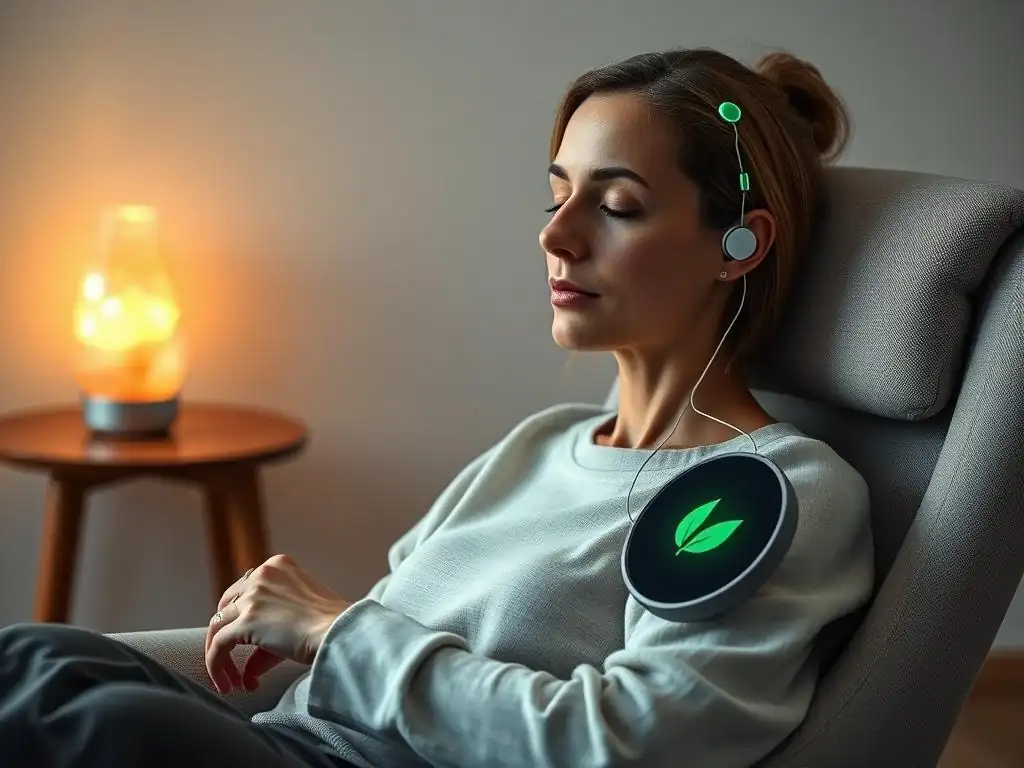
Understanding the Limitations of Biofeedback for Anxiety
While biofeedback therapy for anxiety reduction is a safe and generally effective technique for many people, it's crucial to understand its limitations. Biofeedback is not a cure-all for anxiety. It is a tool for learning self-regulation skills, which can significantly help manage symptoms, but it doesn't necessarily address the underlying root causes of anxiety, such as past trauma or specific cognitive patterns, in the way that talk therapy does.
Biofeedback effectiveness can vary from person to person. Some individuals may find it more challenging to learn the self-regulation skills than others, and the degree of anxiety reduction can differ. Home biofeedback devices, while convenient, may not be as precise or offer the same level of clinical insight as sessions with a trained therapist using professional equipment. Biofeedback is best viewed as a complementary tool within a broader mental health treatment plan, often used alongside therapy, medication (if prescribed), and healthy lifestyle changes, rather than a standalone solution for severe or complex anxiety disorders.
Consulting Your Doctor Before Starting Biofeedback Therapy
Before starting biofeedback therapy, especially if you have a medical condition or are taking medication, it is essential to consult with your doctor or a qualified healthcare provider. While biofeedback is non-invasive and generally safe, certain medical conditions could affect the physiological signals being measured (e.g., heart conditions affecting HRV, neurological conditions affecting EEG).
Your doctor can advise whether biofeedback is appropriate for your specific situation and whether it might interact with any current treatments. They can also help you determine if your anxiety symptoms might be related to an underlying physical health issue that needs to be addressed. Discussing your interest in biofeedback therapy anxiety reduction with your healthcare team ensures that it is a safe and appropriate addition to your overall health and wellness strategy.
Beyond Devices: Other Biofeedback Techniques for Anxiety
Diaphragmatic Breathing: A Simple Biofeedback Technique for Immediate Anxiety Relief
Diaphragmatic breathing, also known as deep breathing or belly breathing, is a fundamental biofeedback technique that doesn't necessarily require a device, though devices like respiratory belts can provide visual biofeedback during the learning phase. It involves consciously engaging the diaphragm, a large muscle located below the lungs, to draw air deep into the lungs. This contrasts with shallow, chest breathing, which is common during stress and anxiety and can exacerbate hyperventilation symptoms.
To practice diaphragmatic breathing, sit or lie down comfortably. Place one hand on your chest and the other on your abdomen just below your rib cage. Inhale slowly through your nose, allowing your abdomen to expand as you fill your lungs. The hand on your abdomen should rise, while the hand on your chest should remain relatively still.
Exhale slowly through pursed lips, gently contracting your abdominal muscles to push the air out. Practice this consciously, using the movement of your abdomen as biofeedback to confirm you are breathing correctly. Regular practice helps activate the parasympathetic nervous system, promoting relaxation and providing immediate relief from acute anxiety symptoms.
Progressive Muscle Relaxation (PMR): Releasing Tension and Reducing Anxiety
Progressive Muscle Relaxation (PMR) is another technique that uses the principles of biofeedback, focusing on the physical sensation of muscle tension and release. Anxiety often manifests as chronic muscle tightness, which can contribute to physical discomfort and perpetuate the feeling of being on edge. PMR involves systematically tensing and then releasing different muscle groups in the body.
By deliberately tensing a muscle group (e.g., clenching your fists) for a few seconds and then completely releasing the tension, you become acutely aware of the contrast between the tense state and the relaxed state. This sensory awareness acts as biofeedback, teaching you to recognize the subtle signs of tension in your body and how to consciously release it. Practicing PMR regularly can help reduce overall muscle tension, alleviate physical symptoms of anxiety like headaches or neck pain, and promote a deeper state of relaxation, contributing to effective biofeedback therapy anxiety reduction.
The Role of Lifestyle Changes in Enhancing Biofeedback Effectiveness for Anxiety: Diet, Exercise, and Sleep
Integrating healthy lifestyle changes significantly amplifies the benefits of biofeedback therapy for anxiety reduction. Diet plays a role; reducing caffeine and sugar intake can minimize physiological excitability that might interfere with relaxation training. A balanced diet rich in whole foods supports overall physical and mental health.
Regular physical exercise is a powerful antidote to stress and anxiety. It helps regulate the nervous system, reduce muscle tension, and release endorphins, which have mood-lifting effects. Combining exercise with biofeedback can create a synergistic effect – using biofeedback to calm down after an intense workout or using techniques learned with biofeedback to manage anxiety that might arise before or during exercise. Prioritizing sufficient, quality sleep is also crucial.
Sleep deprivation exacerbates anxiety and impairs the body's ability to regulate stress responses. Consistent sleep patterns support a more stable physiological state, making biofeedback training potentially more effective. Addressing these fundamental aspects of health creates a fertile ground for biofeedback skills to flourish and lead to sustainable anxiety management.
Investing in Your Mental Well-being: Biofeedback Devices and Anxiety Treatment
Understanding the Costs of Biofeedback Devices and Therapy
The cost of biofeedback therapy and devices can vary widely. Clinical biofeedback sessions with a trained therapist typically range from $75 to $200 or more per session, depending on location, therapist's qualifications, and insurance coverage. A course of therapy often involves 10 to 20 sessions, sometimes more. Insurance coverage for biofeedback varies; it's essential to check with your provider.
Home biofeedback devices range significantly in price based on complexity and the physiological signals they measure. Basic HRV sensors might cost between $50 and $150. Wearable devices that integrate biofeedback features or focus on specific metrics like brainwaves (EEG) can range from $100 to $400 or higher.
More advanced or multi-modal devices designed for clinical use but sometimes available for home purchase can cost several hundred to over a thousand dollars. While there's an initial investment, for many, the long-term benefits in managing anxiety and potentially reducing reliance on other interventions make it a worthwhile consideration for biofeedback therapy anxiety reduction.
Where to Buy Biofeedback Devices: A Guide to Reputable Retailers and Online Stores
When looking to purchase a biofeedback device for home use, it's advisable to buy from reputable retailers or directly from the manufacturer's website. Well-known online marketplaces often carry a variety of devices, but it's crucial to read reviews carefully and verify the seller's credibility. Websites specializing in health and wellness technology or specific biofeedback equipment are also good sources.
Consider purchasing from manufacturers that offer customer support and provide clear instructions or resources for using the device effectively. Some therapists who use biofeedback in their practice may also sell or recommend specific home devices. Look for devices with accompanying apps that are user-friendly and offer features like progress tracking and guided sessions. Researching the device's accuracy and reliability is important, as quality can vary. Prioritize purchasing from sources that offer a return policy in case the device doesn't meet your needs.
Long-Term Benefits of Biofeedback for Sustainable Anxiety Management
Investing time and resources in biofeedback therapy for anxiety reduction offers significant long-term benefits for sustainable anxiety management. Unlike treatments that solely manage symptoms, biofeedback teaches you a skill – the ability to consciously influence your body's stress response. This is a skill that, once learned, stays with you. Regular practice reinforces these neural pathways, making it easier to access a state of calm even in challenging situations.
Over time, consistent biofeedback practice can lead to a reduction in the frequency and intensity of anxiety symptoms, including panic attacks, excessive worry, and physical tension. It can improve your resilience to stress, enhance your ability to cope with difficult emotions, and increase your overall sense of control over your well-being.
Many individuals report feeling more empowered and less dependent on external factors for managing their anxiety. The self-regulation skills gained through biofeedback contribute to a more balanced autonomic nervous system, which has positive implications not just for mental health but also for overall physical health in the long run.
Resources for Further Learning about Biofeedback Therapy for Anxiety
Recommended Books and Articles on Biofeedback and Anxiety
For those wishing to delve deeper into the science and practice of biofeedback therapy anxiety reduction, several resources are available. Look for books authored by practitioners or researchers in the field of biofeedback and applied psychophysiology. Titles focusing on the mind-body connection, autonomic nervous system regulation, and specific biofeedback modalities like HRV or neurofeedback can be highly informative.
Academic articles published in psychology, psychophysiology, or medical journals provide evidence-based information on biofeedback research and clinical applications for anxiety and other conditions. While some may require access through a library or academic database, abstracts are often freely available and can offer insights into the effectiveness of different biofeedback approaches. Searching for terms like "biofeedback anxiety efficacy," "HRV biofeedback research," or "neurofeedback for anxiety" can yield relevant articles.
Finding Qualified Biofeedback Therapists in Your Area
Working with a qualified biofeedback therapist can significantly enhance your journey, especially when starting out or dealing with complex anxiety. Professional organizations dedicated to biofeedback and applied psychophysiology, such as the Association for Applied Psychophysiology and Biofeedback (AAPB) or the Biofeedback Certification International Alliance (BCIA), often provide directories of certified practitioners.
Searching these directories allows you to find therapists in your geographical area who have met rigorous standards for training and competency in biofeedback. Certification by BCIA, for example, indicates a therapist has completed specific coursework, supervision, and examinations. When contacting a therapist, inquire about their experience treating anxiety specifically, the types of biofeedback they offer (e.g., HRV, EEG, GSR), and how they integrate biofeedback with other therapeutic approaches. A good therapist can provide personalized protocols, interpret complex data, and guide you effectively towards achieving your biofeedback therapy anxiety reduction goals.
Online Communities and Support Groups for Biofeedback Users
Connecting with others who are using biofeedback for anxiety can provide valuable support, shared experiences, and practical tips. Online forums and social media groups dedicated to biofeedback, anxiety management, or specific biofeedback devices (like HRV or neurofeedback communities) offer platforms for users to share their progress, ask questions, and find encouragement.
These communities can be a source of real-world insights into the challenges and successes of using biofeedback outside of a clinical setting. Users often share tips on device usage, practice routines, and how they are integrating biofeedback into their daily lives. While online groups should not replace professional medical or therapeutic advice, they can offer a sense of connection and mutual understanding among individuals actively working towards biofeedback therapy anxiety reduction. Engaging with these communities can help maintain motivation and provide a space to share your own journey.
Frequently Asked Questions
What is biofeedback therapy and how does it relate to anxiety reduction?
Biofeedback therapy is a technique that teaches you to control bodily functions like heart rate and muscle tension. It helps with anxiety reduction by providing real-time feedback on these functions, allowing you to learn to consciously manage them.
How does biofeedback integrate with traditional therapy for anxiety, as mentioned in the article?
Biofeedback complements traditional therapy, such as CBT, by providing tangible, measurable data about your physiological responses to anxiety. This allows therapists to tailor treatment and provide evidence-based interventions more effectively.
What types of devices are typically used in biofeedback therapy for anxiety?
Common devices include those measuring heart rate variability (HRV), skin conductance (sweat), and muscle tension (EMG). These devices provide real-time feedback displayed on a screen or through audio cues.
Is biofeedback therapy a long-term solution for anxiety, or just a temporary fix?
While biofeedback can provide immediate relief, it's often used to develop long-term coping mechanisms. Consistent practice and integration with other therapies can lead to sustained anxiety reduction.
What are the potential benefits of using biofeedback therapy in conjunction with traditional therapy for anxiety, according to Mind Care Guide?
Mind Care Guide highlights that combining biofeedback with therapy can lead to improved self-awareness, enhanced coping skills, and more effective management of anxiety symptoms over time.
Final Reflection: The Evolving Landscape of Anxiety Treatment
The integration of biofeedback devices into traditional anxiety therapy represents a significant leap forward in personalized mental healthcare. No longer are we limited to solely cognitive or behavioral approaches; we now possess the tools to directly observe and influence the physiological responses that underpin anxiety, offering a powerful pathway to lasting relief. This shift empowers both therapists and patients, fostering a more collaborative and effective therapeutic journey.
The impact of this technological advancement extends far beyond the clinical setting. It's reshaping our understanding of anxiety itself, moving away from a purely psychological model towards a more holistic, mind-body approach. This paradigm shift is crucial, as it acknowledges the intricate interplay between our thoughts, feelings, and physical sensations. The body keeps the score,
as Bessel van der Kolk so eloquently puts it, highlighting the enduring impact of trauma and stress on our physiological systems. This understanding underscores the importance of addressing both the mental and physical manifestations of anxiety for truly effective treatment.
Consider the potential this holds for you. Are you ready to explore the possibilities of biofeedback? Perhaps you've struggled with anxiety for years, feeling trapped in a cycle of worry and fear. Or maybe you're simply seeking a more proactive and personalized approach to managing stress.
This article has hopefully illuminated the power of biofeedback as a valuable tool in your journey towards a calmer, more resilient you. Take the time to research the options available, talk to your therapist, and consider how incorporating biofeedback might transform your relationship with anxiety. The path to a more peaceful future begins with a single step.
Unlock Your Inner Calm: Take Control of Your Anxiety Today!
Thanks for taking the time to explore the powerful world of biofeedback and its role in managing anxiety. You've learned valuable techniques to better understand and control your responses. Now it's time to put that knowledge into action!
- Prioritize one small biofeedback exercise: Start with a single, manageable technique from the article – perhaps deep breathing with a heart rate monitor – and practice it daily for a week. This consistent practice is key to seeing results.
- Share your experience: Discuss your progress (or challenges) with a friend, family member, or even in the comments below. Sharing your journey can foster support and accountability.
- Explore additional resources: Look for local therapists specializing in biofeedback or explore reputable online resources to deepen your understanding.
Ready to embark on this journey towards greater inner peace? What small step will you take today to integrate biofeedback into your anxiety management plan?