
Beyond Apps: Why Dedicated Biofeedback Devices Matter for Anxiety

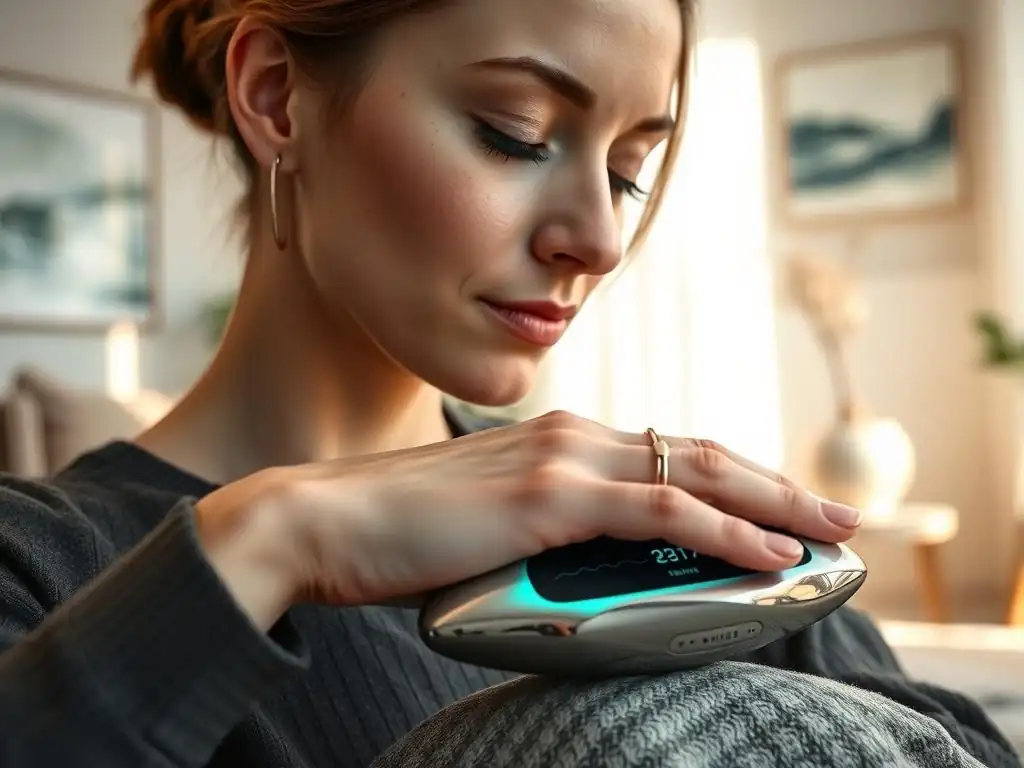
Welcome to Mind Care Guide, your trusted companion on the journey to mental well-being.
Feeling overwhelmed by anxiety? You're not alone. We understand the daily struggles, and we're here to offer tangible solutions. This week, we delve into a powerful technique you might not have considered: biofeedback. Could dedicated devices be the key to unlocking lasting relief? Explore our article to discover how biofeedback reduces anxiety symptoms and why it might be more effective than app-based solutions. Intrigued? Let's explore how this technology can empower you to take control of your well-being.
Beyond Apps: Why Dedicated Biofeedback Devices Matter for Anxiety
- Understanding Anxiety and the Role of Biofeedback
- The Limitations of App-Based Biofeedback for Anxiety Management
- Dedicated Biofeedback Devices: A Superior Solution for Anxiety
-
Choosing the Right Biofeedback Device for Anxiety Reduction
- Heart Rate Variability (HRV) Biofeedback Devices: Elite HRV and emWave2 Compared
- EEG Biofeedback Devices: NeuroSky MindWave Mobile 2 for Brainwave Training
- Skin Conductance Response (SCR) Biofeedback: Understanding the Thought Technology ProComp Infiniti
- Key Considerations: Features, Accuracy, and User-Friendliness
- Integrating Biofeedback Devices into Your Anxiety Management Plan
- Maximizing the Benefits of Biofeedback: Tips and Best Practices
- Investing in Your Mental Well-being: Biofeedback Devices and Long-Term Anxiety Relief
-
Frequently Asked Questions
- What is biofeedback, and how does it relate to anxiety reduction?
- Why does the article emphasize dedicated biofeedback devices over apps?
- What kind of mental health challenges can biofeedback help address, besides anxiety?
- How long does it typically take to see results from using biofeedback for anxiety?
- Are there any potential side effects or risks associated with biofeedback treatment?
- Final Reflection: The Body's Wisdom: Reclaiming Control Over Anxiety
- Unlock Your Inner Calm: Take Control of Your Anxiety Today!
Understanding Anxiety and the Role of Biofeedback
The Growing Prevalence of Anxiety Disorders and Their Impact
Anxiety disorders represent a significant global mental health challenge. According to estimates, millions of people worldwide experience anxiety symptoms, ranging from mild worry to debilitating panic attacks. This widespread prevalence impacts not only individual well-being but also productivity, relationships, and overall quality of life. The economic burden is substantial, encompassing healthcare costs, lost workdays, and reduced productivity.
The impact of chronic anxiety extends beyond emotional distress, often manifesting in physical symptoms like rapid heart rate, muscle tension, fatigue, and digestive issues. For many, traditional treatments like therapy and medication are effective, but there is a growing interest in complementary approaches that empower individuals to take a more active role in managing their symptoms. Understanding how biofeedback reduces anxiety symptoms offers a promising path for those seeking additional tools.
What is Biofeedback? A Natural Approach to Anxiety Relief
Biofeedback is a mind-body technique that teaches individuals how to modify physiological activities, such as heart rate, brainwaves, or muscle tension, to improve health and performance. It uses electronic sensors to provide real-time information about these bodily functions, which are often involuntary. By seeing or hearing this data displayed on a screen or through auditory signals, individuals learn to recognize the physical signs of stress and anxiety and then practice relaxation techniques to bring these functions back into a calmer range.
This process is essentially a form of self-regulation training. It empowers individuals by showing them that they can exert influence over their body's stress response. Unlike medication, which directly alters brain chemistry, biofeedback works by increasing awareness and control over physiological processes, offering a non-pharmacological method by which biofeedback reduces anxiety symptoms.
How Biofeedback Reduces Anxiety Symptoms: A Scientific Explanation
Biofeedback operates on the principle that by gaining conscious control over physiological responses that are often associated with stress and anxiety, individuals can learn to induce a state of relaxation. For example, heart rate variability (HRV) biofeedback focuses on increasing the healthy fluctuations in the time between heartbeats, which is a marker of parasympathetic nervous system activity associated with relaxation. By practicing paced breathing guided by real-time HRV data, users train their nervous system towards a calmer state.
Scientific studies have explored how biofeedback reduces anxiety symptoms by targeting different physiological signals. Electromyography (EMG) biofeedback, for instance, helps reduce muscle tension, a common physical manifestation of anxiety. Electroencephalography (EEG) biofeedback, or neurofeedback, trains brainwave patterns associated with calm and focus. Skin conductance response (SCR) biofeedback helps individuals become aware of and manage their sweat gland activity, which is linked to emotional arousal. By practicing with real-time feedback, the individual builds new neural pathways that promote relaxation and resilience to stress, fundamentally altering the body's response to anxiety triggers over time.
The Limitations of App-Based Biofeedback for Anxiety Management
Convenience vs. Accuracy: The Trade-Off with Biofeedback Apps
Many mobile apps claim to offer biofeedback capabilities, often using smartphone cameras to estimate heart rate variability (HRV) or relying on user-inputted data. While convenient, these methods often lack the accuracy and reliability of dedicated sensors designed specifically for physiological measurement. Camera-based HRV estimation, for example, can be highly susceptible to movement, lighting conditions, and proper finger placement, leading to inconsistent and potentially misleading readings.
This trade-off means that while apps provide easy access to some form of data, the quality of that data may not be sufficient for effective biofeedback training. Learning to regulate your physiology requires precise, real-time feedback. Inaccurate data can hinder the learning process, making it difficult for users to truly understand the link between their mental state and physiological responses, thus potentially limiting how effectively app-based biofeedback reduces anxiety symptoms.
Data Privacy Concerns with Mobile Biofeedback Applications
Using mobile apps, especially those that track sensitive health information like physiological data, raises significant data privacy concerns. Many apps collect vast amounts of user data, including usage patterns, location information, and the very biofeedback data they record. The terms of service for these apps can sometimes be vague regarding how this data is stored, used, and shared with third parties.
For individuals managing anxiety, sharing such personal health information, even if anonymized, can be a source of worry. While reputable health apps strive to protect user data, the risk of breaches or unwanted data sharing is higher with platforms that may not adhere to strict health data privacy regulations. Dedicated biofeedback devices, particularly those designed for medical or therapeutic use, often have more robust privacy controls and may store data locally or on secure, compliant platforms, offering greater peace of mind.
Lack of Professional Guidance and Personalized Feedback in Apps
Most biofeedback apps function as standalone tools, offering generic exercises or visualizations without the crucial element of personalized guidance. Effective biofeedback training is often most successful when guided by a trained therapist who can interpret the data, tailor protocols to individual needs and progress, and help the user understand the psychological aspects linked to their physiological responses.
Apps typically provide automated feedback based on simple thresholds (e.g., "Your HRV is improving! "), but they cannot replicate the nuanced, context-sensitive feedback a professional provides. This lack of personalized support means users might struggle to understand why their readings are fluctuating, how to adjust their technique, or how to integrate the skills learned into their daily lives. While some apps offer premium coaching, it's often not the same as working with a biofeedback specialist who can truly optimize how biofeedback reduces anxiety symptoms for a specific individual.
The "Shiny Object" Syndrome: App Fatigue and Inconsistent Use
The sheer number of health and wellness apps available can lead to "app fatigue," where users download several apps with good intentions but fail to stick with any of them consistently. Biofeedback training, like any skill, requires regular practice to be effective. Sporadic or inconsistent use significantly diminishes the potential benefits, especially when attempting to establish new physiological regulation patterns.
Apps are easily forgotten or replaced by the next trending wellness tool. Dedicated biofeedback devices, often representing a more significant financial and psychological investment, can encourage greater commitment. Their singular purpose and often more tangible nature can help users prioritize their biofeedback practice, leading to the consistent engagement necessary for biofeedback to truly reduce anxiety symptoms over time.
Dedicated Biofeedback Devices: A Superior Solution for Anxiety
Enhanced Accuracy and Reliability in Physiological Monitoring
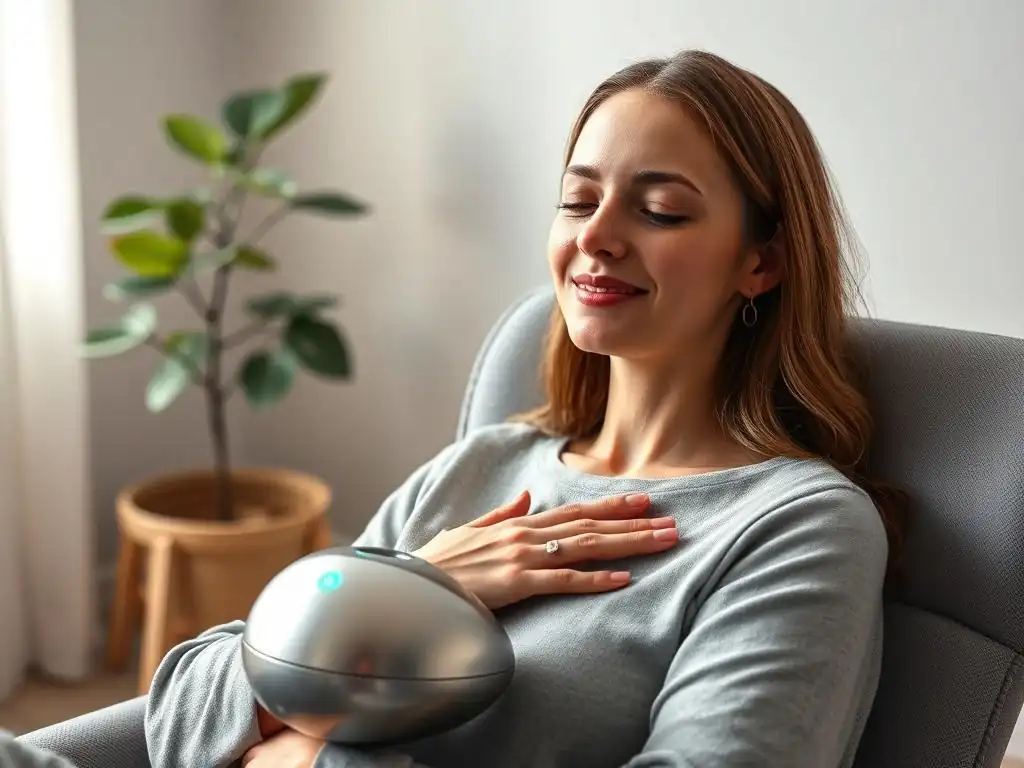
Dedicated biofeedback devices utilize specialized sensors designed for precise physiological measurement. For example, medical-grade HRV monitors use ECG-accurate chest straps or highly sensitive pulse oximeters worn on the finger or earlobe, providing much more reliable data than camera-based phone apps. Similarly, clinical EEG biofeedback systems use multiple electrodes placed on the scalp for detailed brainwave analysis, far exceeding the capabilities of single-sensor headbands.
This enhanced accuracy is critical for effective biofeedback training. When the feedback signal is reliable, the user can trust the data they are seeing and make accurate associations between their mental state, their actions (like breathing techniques), and the resulting physiological changes. This precision accelerates the learning process and makes the training sessions more productive, leading to more significant and lasting improvements in how biofeedback reduces anxiety symptoms.
Real-Time Feedback and Personalized Training Protocols
High-quality dedicated devices provide true real-time feedback with minimal delay, allowing users to see the immediate impact of their thoughts, emotions, and techniques on their physiology. This instant connection is key to developing self-awareness and control. Furthermore, many dedicated devices and their accompanying software offer options for creating personalized training protocols tailored to the user's specific goals and baseline readings.
Unlike generic app exercises, personalized protocols can target specific physiological markers or responses. For instance, someone with high muscle tension might focus on EMG biofeedback, while someone struggling with panic attacks might prioritize HRV training. Some systems allow therapists or knowledgeable users to set specific thresholds or goals within the software, ensuring the training is optimally challenging and relevant, thereby maximizing the device's potential in how biofeedback reduces anxiety symptoms.
Case Study: How the HeartMath Inner Balance Trainer Helped Sarah Reduce Anxiety
Consider Sarah, a 35-year-old marketing executive who experienced frequent stress and anxiety, particularly before presentations. She tried mindfulness apps but found it hard to gauge her progress. She decided to try the HeartMath Inner Balance Trainer, a small device that clips to her earlobe and connects to her phone, specifically designed for HRV coherence training.
Sarah used the Inner Balance Trainer for just 10-15 minutes daily. The device provided real-time feedback on her HRV coherence, showing her when she was achieving a calm, synchronized state between her heart and breathing. She practiced paced breathing exercises guided by the app connected to the sensor.
Within a few weeks, Sarah noticed she felt calmer throughout the day. Before presentations, she would use the device for a quick 5-minute session, finding that it significantly reduced her racing heart and nervous thoughts. This real-world application demonstrates how a dedicated device providing accurate, actionable feedback can help individuals learn to regulate their stress response and how biofeedback reduces anxiety symptoms in practical situations.
Advanced Features: Muse 2 Headband and EEG Biofeedback for Deeper Relaxation
Some dedicated devices offer advanced types of biofeedback not typically found in basic apps. The Muse 2 headband, for example, is a consumer-grade EEG biofeedback device that measures brainwave activity. It provides real-time auditory feedback during meditation sessions – calm brain activity might be represented by peaceful bird sounds, while a busy mind might trigger stormy weather sounds.
Beyond EEG, Muse 2 also includes sensors for heart rate, breathing, and body movement, offering a multi-sensor biofeedback experience. Training with brainwave data allows users to gain insight into their mental state and learn techniques to shift towards calmer, more focused brainwave patterns. This type of neurofeedback provides a deeper level of physiological insight and training, potentially leading to more profound states of relaxation and further enhancing how biofeedback reduces anxiety symptoms by addressing the neurological underpinnings of stress.
Choosing the Right Biofeedback Device for Anxiety Reduction
Heart Rate Variability (HRV) Biofeedback Devices: Elite HRV and emWave2 Compared
HRV biofeedback is one of the most popular methods for anxiety reduction, focusing on training the balance of the autonomic nervous system. Devices like Elite HRV (often using a chest strap or finger sensor) and HeartMath's emWave2 or Inner Balance (using earlobe or finger sensors) are prominent examples. Elite HRV is known for its detailed data analysis and is often favored by those who want deep insights into their physiological state, connecting with various compatible sensors.
HeartMath's devices, like the emWave2 (a handheld device) and Inner Balance (phone-connected), are specifically designed around their "coherence" training model, emphasizing a smooth, sine-wave-like pattern in HRV. They often feature engaging visual displays and guided sessions aimed at quickly inducing a state of physiological coherence. Both types of devices provide the necessary accurate HRV data for effective training, but they differ in their interface, analytical depth, and training approach, giving users options based on their preference for data rigor versus guided simplicity in how biofeedback reduces anxiety symptoms.
EEG Biofeedback Devices: NeuroSky MindWave Mobile 2 for Brainwave Training
EEG biofeedback, or neurofeedback, focuses on training specific brainwave frequencies associated with different states of mind. The NeuroSky MindWave Mobile 2 is an accessible consumer-grade EEG headset that measures brain activity from a single point on the forehead. It can track metrics like "attention" and "meditation" levels and works with various third-party applications designed for brain training and relaxation.
While not as complex or precise as clinical multi-electrode EEG systems, devices like the MindWave Mobile 2 offer an entry point into understanding and potentially influencing one's brainwave patterns. For individuals interested in exploring the neurological aspects of anxiety and relaxation, training with real-time feedback on states like "meditation" can be a powerful way to learn to calm mental chatter and promote states conducive to reduced anxiety symptoms.
Skin Conductance Response (SCR) Biofeedback: Understanding the Thought Technology ProComp Infiniti
Skin Conductance Response (SCR), also known as galvanic skin response (GSR), measures changes in sweat gland activity, which are highly sensitive to emotional arousal and stress. Devices like those in the Thought Technology ProComp Infiniti line are professional-grade systems used by therapists, but some simpler SCR sensors exist. These devices attach electrodes to the fingers or palm to track minute changes in skin conductivity.
Training with SCR biofeedback involves learning to recognize the physiological signs of stress arousal as reflected in skin conductance and practicing techniques (like deep breathing or progressive muscle relaxation) to lower the readings. While perhaps less commonly used for home anxiety management than HRV, SCR biofeedback can be very effective for individuals whose anxiety manifests strongly through sympathetic nervous system activation, providing a direct physiological signal to train against. Understanding this response is key to how biofeedback reduces anxiety symptoms related to physical arousal.
Key Considerations: Features, Accuracy, and User-Friendliness
When choosing a dedicated biofeedback device, several factors are paramount. Accuracy and reliability of the sensors are foundational – without good data, the training is ineffective. Look for devices with validated sensors appropriate for the type of physiological signal being measured (e.g., medical-grade ECG or pulse sensors for HRV). The software interface should be user-friendly and provide clear, real-time feedback that is easy to interpret.
Consider the features offered: Does it provide personalized training protocols? Does it track progress over time? Is the data exportable if you want to share it with a therapist? Portability and ease of use are also important, especially if you plan to use the device in different settings. Finally, consider the level of support offered by the manufacturer and the availability of resources or communities for users. Making an informed choice based on these factors will ensure the device effectively supports your goal for how biofeedback reduces anxiety symptoms.
Integrating Biofeedback Devices into Your Anxiety Management Plan
Establishing a Consistent Biofeedback Practice for Optimal Results
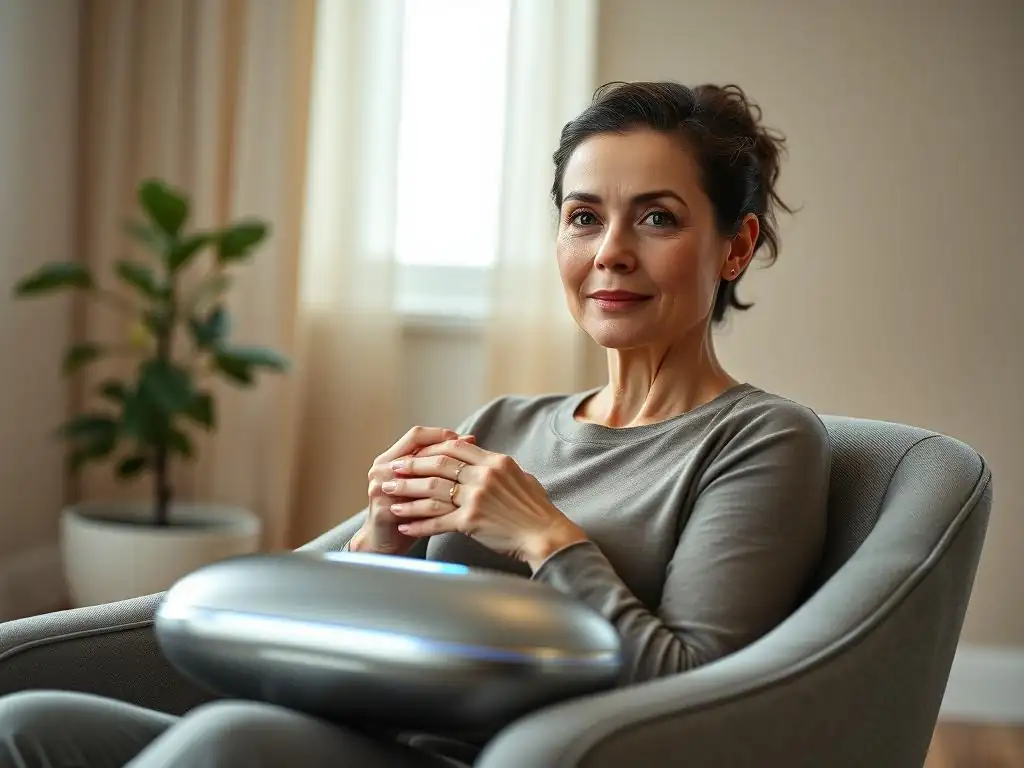
Consistency is the cornerstone of effective biofeedback training for anxiety relief. Just like learning any new skill, regular practice is needed to retrain your body's stress response. Aim for daily sessions, even if they are only 10-15 minutes long. Establishing a routine, perhaps practicing at the same time each day, can help build the habit.
Consider integrating sessions into your existing schedule, such as first thing in the morning, during a lunch break, or before bed. The cumulative effect of consistent practice is what leads to lasting physiological changes. Over time, the skills learned during biofeedback sessions become more automatic, allowing you to access calmer states more readily even without the device, demonstrating the power of dedicated practice in how biofeedback reduces anxiety symptoms.
Combining Biofeedback with Other Therapies: CBT, Mindfulness, and Medication
Biofeedback is a powerful tool on its own, but its benefits are often amplified when combined with other anxiety management strategies. Cognitive Behavioral Therapy (CBT), for instance, helps individuals identify and challenge negative thought patterns that contribute to anxiety. Biofeedback can provide a tangible way to practice relaxation techniques learned in CBT and see their physiological impact.
Mindfulness and meditation practices cultivate present-moment awareness and non-judgment. Biofeedback devices can offer objective feedback during these practices, helping users understand their physiological state during meditation and potentially deepen their experience. For individuals using medication for anxiety, biofeedback can serve as a complementary strategy to build coping skills and potentially reduce reliance on medication over time, under the guidance of a healthcare professional. This integrated approach provides multiple pathways by which biofeedback reduces anxiety symptoms.
Tracking Progress and Adjusting Your Biofeedback Protocol
Most dedicated biofeedback devices and their software allow you to track your progress over time, recording metrics like average heart rate variability, coherence scores, or time spent in target brainwave states. Regularly reviewing this data is crucial for understanding your patterns, identifying triggers, and seeing the long-term impact of your practice.
Based on your progress, you or a therapist can adjust your biofeedback protocol. This might involve increasing the duration or frequency of sessions, setting more challenging goals within the software (e.g., aiming for higher coherence scores), or focusing on different physiological signals if using a multi-modal system. Tracking and adjusting ensure your practice remains effective and tailored to your evolving needs as you work towards reducing anxiety symptoms.
Success Story: John's Journey to Anxiety Relief with the HeartMath Inner Balance Trainer
John, a 50-year-old teacher, struggled with chronic worry and physical tension that interfered with his sleep. Therapy was helpful, but he wanted a tool to use daily. He chose the HeartMath Inner Balance Trainer and committed to two 10-minute sessions per day. Initially, his coherence scores were low, reflecting his high stress levels.
With consistent practice using the guided breathing exercises, John began to see his coherence scores improve gradually over several weeks. He noticed that during the sessions, his physical tension lessened, and his mind felt quieter. He started using the device during stressful moments at work. After three months, John reported significantly reduced worry, less physical tension, and improved sleep quality. His experience highlights how consistent use of a dedicated device, providing clear feedback, can lead to tangible reductions in anxiety symptoms and improved well-being.
Maximizing the Benefits of Biofeedback: Tips and Best Practices
Mastering Breathing Techniques for Enhanced HRV Biofeedback
Breathing is a fundamental tool in biofeedback, particularly for HRV training. Learning paced, slow, and diaphragmatic breathing is key to influencing heart rate variability and promoting a state of coherence. Dedicated devices often provide visual or auditory guides to help you practice breathing at an optimal rate, typically between 4.5 and 6.5 breaths per minute.
Focusing on smooth, even inhalations and exhalations is more important than the exact breath count. Practice breathing from your diaphragm (your belly should rise and fall) rather than shallow chest breathing. Consistent practice of these techniques during biofeedback sessions trains your body to adopt this calming breathing pattern more naturally throughout the day, significantly enhancing how biofeedback reduces anxiety symptoms related to physiological arousal.
Creating a Relaxing Environment for Effective Biofeedback Sessions
The environment in which you practice biofeedback can significantly impact its effectiveness. Choose a quiet space where you won't be interrupted. Minimize distractions like notifications on your phone (unless the phone is the display device). Ensure you are comfortable, whether sitting upright or lying down, with relaxed muscles.
Dim lighting, comfortable room temperature, and perhaps soft, calming music (if it doesn't interfere with auditory feedback) can help create an atmosphere conducive to relaxation and focus. Treating your biofeedback sessions as dedicated time for self-care reinforces their importance and helps you get the most out of each practice, optimizing the conditions under which biofeedback reduces anxiety symptoms.
Avoiding Common Mistakes that Hinder Anxiety Reduction
Several common pitfalls can limit the effectiveness of biofeedback training. One is inconsistent practice – sporadic use yields minimal results. Another is focusing too much on achieving high scores rather than on the process of learning to relax and regulate. Biofeedback is a tool for self-discovery and skill-building, not a competition.
Trying too hard to relax can also be counterproductive; relaxation is often a state that arises when tension is released, not something to be forced. Be patient with yourself; learning self-regulation takes time and practice. If you feel frustrated, take a break or try a shorter session. Understanding these potential roadblocks helps ensure your biofeedback journey is productive and successfully leverages the potential for biofeedback to reduce anxiety symptoms.
When to Seek Professional Guidance from a Biofeedback Therapist
While many dedicated biofeedback devices can be used effectively at home, working with a certified biofeedback therapist can significantly enhance your results, especially if you have a diagnosed anxiety disorder or complex symptoms. A therapist can:
- Conduct a comprehensive assessment to understand your specific physiological responses to stress.
- Help you choose the most appropriate type of biofeedback and device for your needs.
- Design personalized training protocols based on your data and goals.
- Provide expert guidance on interpreting your biofeedback data.
- Integrate biofeedback training with other therapeutic techniques.
- Troubleshoot challenges and help you stay motivated.
Professional guidance can unlock the full potential of biofeedback training, ensuring you are using the technology optimally to address your specific anxiety symptoms and achieve lasting relief.
Investing in Your Mental Well-being: Biofeedback Devices and Long-Term Anxiety Relief
The Cost-Benefit Analysis: Why Dedicated Devices are Worth the Investment
Dedicated biofeedback devices represent a financial investment, often ranging from around $100 for basic models to several hundred dollars or more for advanced systems. Compared to free or low-cost apps, this upfront cost is higher. However, when considering the long-term benefits for managing chronic anxiety, the cost-benefit analysis often favors dedicated devices.
Chronic anxiety can lead to significant ongoing expenses, including therapy sessions, medication, and lost productivity. A dedicated biofeedback device is a one-time purchase (plus potential software subscriptions) that provides a tool for daily, long-term use. The ability to consistently practice self-regulation skills at home, anytime needed, offers enduring value. The investment in accurate technology and effective training can lead to sustainable reductions in anxiety symptoms, potentially decreasing the need for other costly interventions over time.
Maintaining Your Biofeedback Device for Continued Use
Proper care and maintenance are essential to ensure your dedicated biofeedback device continues to function accurately and reliably over time. Follow the manufacturer's instructions for cleaning sensors and the device itself. Store the device in a safe, dry place, away from extreme temperatures.
Keep the software updated to benefit from new features, bug fixes, and improved performance. If the device uses rechargeable batteries, follow best practices for charging to maintain battery health. Taking good care of your equipment ensures that this valuable tool remains available for your ongoing anxiety management practice, allowing you to consistently utilize how biofeedback reduces anxiety symptoms.
The Future of Biofeedback Technology for Anxiety Management
The field of biofeedback technology is continuously evolving. We can anticipate more sophisticated and user-friendly dedicated devices in the future, potentially integrating more physiological metrics, offering more personalized AI-driven coaching, and seamlessly integrating with other health monitoring systems.
Advancements in sensor technology may lead to less intrusive or even invisible biofeedback sensors integrated into everyday objects or clothing. As research continues to deepen our understanding of the mind-body connection and how biofeedback reduces anxiety symptoms, the tools available for self-regulation training will likely become even more powerful and accessible, offering increasing hope for those seeking effective, non-pharmacological approaches to managing anxiety.
Frequently Asked Questions
What is biofeedback, and how does it relate to anxiety reduction?
Biofeedback is a technique that helps you gain conscious control over your involuntary bodily functions, like heart rate. By learning to regulate these functions, you can effectively reduce anxiety symptoms.
Why does the article emphasize dedicated biofeedback devices over apps?
Dedicated biofeedback devices offer more precise and reliable data compared to apps. This allows for more effective training and better anxiety management than relying solely on app-based solutions.
What kind of mental health challenges can biofeedback help address, besides anxiety?
While primarily discussed in relation to anxiety, biofeedback can also be helpful for managing conditions like stress, chronic pain, and even some sleep disorders, as it promotes self-regulation and mind-body connection.
How long does it typically take to see results from using biofeedback for anxiety?
The timeframe varies, but many people experience noticeable improvements within a few weeks of consistent practice. Regular sessions and dedicated practice are crucial for achieving optimal results.
Are there any potential side effects or risks associated with biofeedback treatment?
Biofeedback is generally considered safe and non-invasive, with few side effects. In rare cases, some individuals may experience mild fatigue or muscle soreness, especially during initial sessions.
Final Reflection: The Body's Wisdom: Reclaiming Control Over Anxiety
The pervasive nature of anxiety in our modern world demands more than just fleeting app-based solutions; it requires a deeper understanding of our physiological responses and the power we hold to regulate them. The increasing prevalence of anxiety disorders underscores the urgent need for effective, sustainable tools, and dedicated biofeedback devices offer a powerful pathway towards reclaiming control over our mental and physical well-being.
This exploration into the world of biofeedback has profoundly shifted my understanding of anxiety management. It's not simply about managing symptoms, but about fostering a genuine connection with the body's inherent wisdom. The body keeps the score,
as Bessel van der Kolk so aptly puts it, highlighting the crucial link between our physical sensations and emotional experiences. Understanding this connection, and learning to interpret the signals our bodies send, is transformative. The journey of learning to use biofeedback isn't just about reducing anxiety symptoms; it's about building a more resilient and self-aware relationship with oneself.
Now, consider your own relationship with anxiety. What signals does your body send you when you're stressed? Are you willing to explore the potential of biofeedback to understand and manage these signals? Take a moment to reflect on the information presented, and consider how incorporating biofeedback techniques – whether through dedicated devices or guided practices – might empower you to navigate anxiety with greater confidence and self-compassion. The path to inner peace begins with listening to your body; let the journey begin.
Unlock Your Inner Calm: Take Control of Your Anxiety Today!
Thanks for exploring the world of biofeedback and its potential to ease anxiety! We hope this article shed light on the unique benefits of dedicated devices compared to apps. Now it's time to take the next step on your journey to a calmer you.
- Begin your personalized biofeedback journey: Research reputable brands and consider purchasing a device that aligns with your needs and budget. This is the most impactful step towards achieving lasting anxiety relief.
- Share your experience: Connect with others in our Mind Care Guide community and share your thoughts on biofeedback – what resonates, what challenges you've faced, and what you've learned.
- Explore guided meditation techniques: Complement your biofeedback practice with mindfulness exercises, boosting the effectiveness of both methods.
Ready to discover how biofeedback can transform your anxiety management? What initial step will you take towards a calmer, more centered you?