
Muscle Relaxation Mastery: Using Biofeedback Devices for AnxietyRelated Tension


Welcome to Mind Care Guide, your trusted companion on the path to mental well-being.
Are you tired of anxiety-related tension holding you back? Imagine a life where you can actively manage your stress response and find lasting relief. This article delves into the fascinating world of biofeedback and how it can be a powerful tool to reduce anxiety tension. Curious to learn how wearable tech can unlock your body's natural ability to relax? Let's explore how biofeedback devices can empower you to take control.
Muscle Relaxation Mastery: Using Biofeedback Devices for Anxiety-Related Tension
- Understanding Anxiety-Related Tension and the Role of Biofeedback
- Choosing the Right Biofeedback Device for Anxiety Tension Relief
- Getting Started with Biofeedback for Anxiety: A Step-by-Step Guide
- Integrating Biofeedback with Other Anxiety Management Techniques
- Maximizing the Effectiveness of Biofeedback for Anxiety-Related Tension
- Recommended Biofeedback Devices for Anxiety Relief: A Comparative Analysis
- Long-Term Benefits of Biofeedback for Anxiety and Muscle Tension
- Ethical Considerations and Safe Use of Biofeedback Devices
-
Frequently Asked Questions
- How does biofeedback work to reduce anxiety?
- What types of anxiety-related tension can biofeedback address?
- What kind of biofeedback devices are commonly used for anxiety?
- How long does it typically take to see results from biofeedback for anxiety?
- Is biofeedback a standalone treatment or is it used in conjunction with other therapies?
- Final Reflection: Unlocking the Body's Wisdom to Conquer Anxiety
- Unlock Your Body's Natural Calm: Master Muscle Relaxation Today!
The Link Between Anxiety and Muscle Tension: A Vicious Cycle
Anxiety is a complex emotional and physiological response to perceived threats or stressors. While often thought of primarily as a mental state, it has profound physical manifestations, with muscle tension being one of the most common. When the body enters a state of fight-or-flight, muscles involuntarily tense up, preparing for action. This acute response is normal and adaptive.
However, chronic anxiety can lead to persistent muscle tension, particularly in areas like the shoulders, neck, jaw, and back. This sustained tension can cause discomfort, pain, headaches, and even contribute to musculoskeletal issues over time. The physical discomfort of muscle tension can, in turn, exacerbate feelings of anxiety, creating a feedback loop where mental stress fuels physical tension, and vice versa.
This vicious cycle makes it challenging to manage anxiety symptoms effectively if only addressing the psychological component. For example, someone experiencing generalized anxiety disorder might constantly hold tension in their shoulders, leading to frequent tension headaches. The headaches add another layer of stress and discomfort, potentially increasing their anxiety levels.
Breaking this cycle requires addressing both the mental and physical aspects of anxiety. This is where tools that allow individuals to become more aware of their physiological state, like biofeedback devices, can be particularly valuable in helping to biofeedback reduce anxiety tension. Understanding this mind-body connection is the first step towards effective management.
How Biofeedback Helps Reduce Anxiety and Muscle Tension
Biofeedback is a technique that trains people to improve their health by using signals from their own bodies. Devices provide real-time information about physiological processes that are normally unconscious, such as heart rate, skin temperature, sweat gland activity, or muscle tension. By seeing this data displayed visually or hearing it acoustically, individuals can learn to consciously control these functions. For example, someone using a biofeedback device might see a graph showing their muscle tension levels. As they try relaxation techniques, they observe how the graph changes, providing immediate feedback on the effectiveness of their efforts.
Through this process, individuals learn to recognize the subtle cues of tension in their bodies sooner and develop strategies to counteract them. This learned ability to regulate physiological responses empowers individuals to gain greater control over their body's reaction to stress and anxiety. With consistent practice, the goal is for the individual to be able to produce these relaxation responses without the aid of the device. This skill is crucial for managing anxiety-related tension, as it provides a tangible way to intervene in the physical stress response, helping to biofeedback reduce anxiety tension effectively.
Key Benefits of Using Biofeedback for Anxiety Relief
Using biofeedback offers several significant benefits for managing anxiety and associated muscle tension. Firstly, it provides objective, real-time data on physiological states, offering tangible proof of the body's stress response and the impact of relaxation efforts. This can be particularly motivating for individuals who struggle to perceive their own tension levels accurately. Secondly, biofeedback teaches a practical skill: self-regulation of the nervous system. Unlike passive treatments, biofeedback empowers individuals to actively participate in their own healing process, giving them a tool they can use anytime, anywhere, once the skill is learned.
Furthermore, biofeedback is non-invasive and generally has no side effects, making it a safe option for many people. It can also be a valuable adjunct to other therapeutic approaches, enhancing their effectiveness. For instance, combining biofeedback with mindfulness can deepen body awareness, while integrating it with cognitive behavioral therapy (CBT) can help individuals connect their thoughts and feelings to physical responses. Ultimately, the ability to consciously influence physiological states helps to biofeedback reduce anxiety tension, leading to decreased physical discomfort, improved emotional regulation, and a greater sense of control over anxiety symptoms.
Choosing the Right Biofeedback Device for Anxiety Tension Relief
Types of Biofeedback Devices for Muscle Relaxation
Biofeedback devices vary based on the physiological signal they measure. For anxiety and muscle tension, several types are commonly used, each focusing on a different aspect of the stress response. Understanding these types helps in selecting the most appropriate tool for individual needs. The primary types include devices measuring muscle tension (EMG), heart rate variability (HRV), and skin conductance (GSR). Each offers a unique window into the body's state and a different pathway for learning self-regulation.
The choice of device often depends on the specific manifestation of anxiety tension. If the primary issue is physical stiffness and pain, an EMG device might be most direct. If the anxiety manifests more through racing heartbeats and difficulty calming down, HRV biofeedback could be more beneficial. For those who experience significant sweating or clammy hands under stress, a GSR device might offer the most relevant feedback. Many modern biofeedback devices, particularly those designed for home use, may even combine multiple types of sensors to provide a more comprehensive picture of physiological arousal and relaxation.
EMG Biofeedback: Targeting Muscle Tension Directly
Electromyography (EMG) biofeedback specifically measures electrical activity in muscles, which correlates directly with muscle tension. Sensors are typically placed on the skin over the target muscle groups, such as the forehead, neck, or shoulders. The device then translates the electrical signals into a visual or auditory output, like a fluctuating line on a screen or a changing tone. A higher line or faster tone indicates greater muscle tension, while a lower line or slower tone signifies relaxation.
This direct measurement of muscle activity makes EMG biofeedback highly effective for individuals whose anxiety manifests significantly through physical stiffness, pain, or tension headaches. By observing real-time changes in muscle activity while practicing relaxation techniques (like deep breathing or progressive muscle relaxation), individuals can learn to identify and release tension more effectively. A typical session might involve monitoring tension in the trapezius muscles while consciously trying to relax them, using the biofeedback signal as a guide to confirm when tension is decreasing. This targeted approach helps to biofeedback reduce anxiety tension at its source.
MyoWare Muscle Sensor: A Detailed Look at Muscle Tension Monitoring
The MyoWare Muscle Sensor is an example of a consumer-grade EMG sensor often used in DIY biofeedback projects or research settings. While not a complete biofeedback system on its own, it demonstrates the core principle of measuring muscle electrical activity. It's a small, wearable sensor that attaches to the skin and outputs a voltage proportional to the electrical activity of the muscle it's placed on. This voltage can then be read by a microcontroller (like an Arduino) and translated into data for display or analysis.
While MyoWare itself requires additional components and technical know-how to function as a full biofeedback device, it highlights the technology behind many commercial EMG systems. It can detect both subtle background muscle tone and stronger contractions. Projects using MyoWare have been developed to create simple visualizers of muscle tension, allowing users to see how their muscles are contracting and relaxing. This kind of direct, visual feedback is fundamental to how EMG biofeedback helps users become more aware of and learn to control their physical tension, contributing to the overall goal of using biofeedback reduce anxiety tension.
Heart Rate Variability (HRV) Biofeedback: Improving Stress Resilience
Heart Rate Variability (HRV) biofeedback focuses on the subtle variations in the time intervals between successive heartbeats. Contrary to what might be expected, a healthy, relaxed nervous system exhibits greater variability in these intervals, reflecting the dynamic interplay between the sympathetic (fight-or-flight) and parasympathetic (rest-and-digest) branches of the autonomic nervous system. Low HRV is often associated with stress, anxiety, and reduced resilience. HRV biofeedback teaches individuals to increase their HRV, typically by guiding them through paced breathing exercises that synchronize breathing with heart rhythms.
Devices for HRV biofeedback usually involve a sensor placed on a finger or earlobe to measure pulse, which is then used to calculate HRV. Software displays the HRV data, often showing patterns of coherence (a state where heart rhythms become smoother and more wave-like, associated with increased HRV and relaxation). By practicing paced breathing while watching their HRV data, individuals learn to enter this coherent state, which activates the parasympathetic nervous system. Regular practice can improve baseline HRV and enhance the body's ability to recover from stress, helping to biofeedback reduce anxiety tension by building physiological resilience.
Elite HRV: Using HRV to Manage Anxiety Symptoms
Elite HRV is a popular mobile app and system that utilizes HRV biofeedback. It works by connecting to an external heart rate monitor (often a chest strap or finger sensor) via Bluetooth or ANT+. The app guides users through short HRV measurements and paced breathing exercises. It provides detailed analysis of HRV data, including metrics like RMSSD (Root Mean Square of Successive Differences, a common measure of parasympathetic activity) and visualizations of heart rhythm coherence.
The app helps users track their HRV over time, providing insights into their stress levels, recovery status, and the impact of lifestyle factors. Its guided breathing exercises are specifically designed to help users achieve a state of high coherence, which is linked to reduced anxiety and improved emotional regulation. By regularly engaging with the Elite HRV app and practicing the techniques, users can learn to consciously influence their autonomic nervous system state, making it a practical tool for using biofeedback reduce anxiety tension and improving overall stress management.
Skin Conductance (GSR) Biofeedback: Addressing Physiological Arousal
Skin Conductance Response (SCR), also known as Galvanic Skin Response (GSR) or Electrodermal Activity (EDA), measures the electrical conductivity of the skin. This conductivity changes based on the activity of sweat glands, which are controlled by the sympathetic nervous system. When a person is stressed, anxious, or emotionally aroused, sweat gland activity increases, leading to higher skin conductivity. GSR biofeedback devices use sensors placed on the fingers or palm to detect these changes.
The feedback from a GSR device might be an auditory tone that increases in pitch or frequency as skin conductance rises (indicating increased arousal/tension) and decreases as it falls (indicating relaxation). Visually, it might be a line graph showing fluctuating conductivity levels.
By observing this feedback while attempting to relax, individuals learn to lower their physiological arousal levels. This type of biofeedback is particularly useful for individuals whose anxiety manifests with physical symptoms like sweating, clammy hands, or a general feeling of being "on edge," providing a direct way to learn how to calm the nervous system and biofeedback reduce anxiety tension.
Affectiva Q Sensor: Reducing Anxiety-Driven Sweating and Tension
The Affectiva Q Sensor (while primarily a research tool, its principles are relevant) is an example of a wearable sensor designed to continuously measure physiological signals, including skin conductance. Originally developed for research into autism and emotional states, it highlights the potential of wearable technology to monitor physiological arousal in real-world settings. These types of sensors measure subtle changes in electrodermal activity over time, providing data that can be correlated with stress or anxiety events.
While not typically marketed as a direct biofeedback training device for general anxiety, the technology behind sensors like the Q Sensor is foundational to many consumer GSR biofeedback tools. The ability to passively or actively monitor skin conductance provides individuals with objective evidence of their body's reaction to stress. By pairing this awareness with relaxation techniques, users can learn to consciously influence their sweat response and overall sympathetic nervous system activity, thereby helping to biofeedback reduce anxiety tension and its associated physical symptoms.
Factors to Consider When Selecting a Biofeedback Device
Choosing the right biofeedback device requires careful consideration of several factors to ensure it meets individual needs and is effective for managing anxiety-related tension. It's not a one-size-fits-all solution, and what works well for one person might not be ideal for another. Thinking through these points before purchasing can save time and ensure a better experience with the technology.
Key factors include the accuracy of the readings, how easy the device is to use, the specific features it offers, and the overall cost. Considering these aspects helps align the device's capabilities with personal goals for using biofeedback to biofeedback reduce anxiety tension.
Accuracy and Reliability of Readings
The effectiveness of biofeedback hinges on the accuracy and reliability of the physiological data the device provides. Inaccurate readings can be misleading, making it difficult for the user to learn effective self-regulation techniques. When researching devices, look for information on the sensor quality, the algorithms used for data processing, and whether the device has been validated through studies or clinical use, even if it's a home-use device.
While consumer-grade devices may not have the same level of precision as clinical equipment, reputable brands prioritize accuracy. Reading reviews and comparing specifications can help gauge the reliability of the data. A device that provides consistent and trustworthy readings is essential for building confidence in the biofeedback process and making genuine progress in using biofeedback reduce anxiety tension.
Ease of Use and User-Friendliness
For a home-use biofeedback device to be effective, it must be easy and intuitive to set up and operate. Complicated interfaces or cumbersome setup processes can be frustrating and discourage regular practice. Consider the device's physical design, the complexity of the accompanying software or app, and the clarity of the instructions or tutorials provided.
Devices with simple setup, clear visual or auditory feedback, and user-friendly apps tend to encourage more consistent use. Features like guided sessions, progress tracking, and easy data interpretation also contribute significantly to the overall user experience. A device that is easy to integrate into a daily routine increases the likelihood of successful long-term use for managing anxiety and using biofeedback reduce anxiety tension.
Features and Customization Options
Different biofeedback devices offer varying features beyond basic data display. Some include guided breathing exercises, meditation programs, interactive games that respond to your physiological state, or detailed analytics dashboards. Consider which features are most important for your specific needs and learning style. Some users might benefit from gamified experiences, while others prefer simple, clean data displays.
Customization options, such as the ability to adjust thresholds for feedback signals or choose different types of feedback (visual, auditory), can also enhance the training experience. Think about whether you need features like multi-user profiles, data export capabilities, or integration with other health tracking apps. The right set of features can significantly impact how effectively you can use biofeedback reduce anxiety tension with the device.
Price and Value for Money
Biofeedback devices for home use range significantly in price, from relatively inexpensive finger sensors paired with apps to more sophisticated multi-sensor systems. Determine your budget and evaluate the features and quality offered at different price points. A higher price doesn't always guarantee better results for everyone, and sometimes a simpler, well-designed device is sufficient.
Consider the long-term value, including the cost of any subscription fees for accompanying apps or services. Look for devices that offer a good balance between cost, features, accuracy, and ease of use. Researching reviews and comparing devices within a similar price range can help ensure you get the best value for your investment in a tool to help biofeedback reduce anxiety tension.
Getting Started with Biofeedback for Anxiety: A Step-by-Step Guide
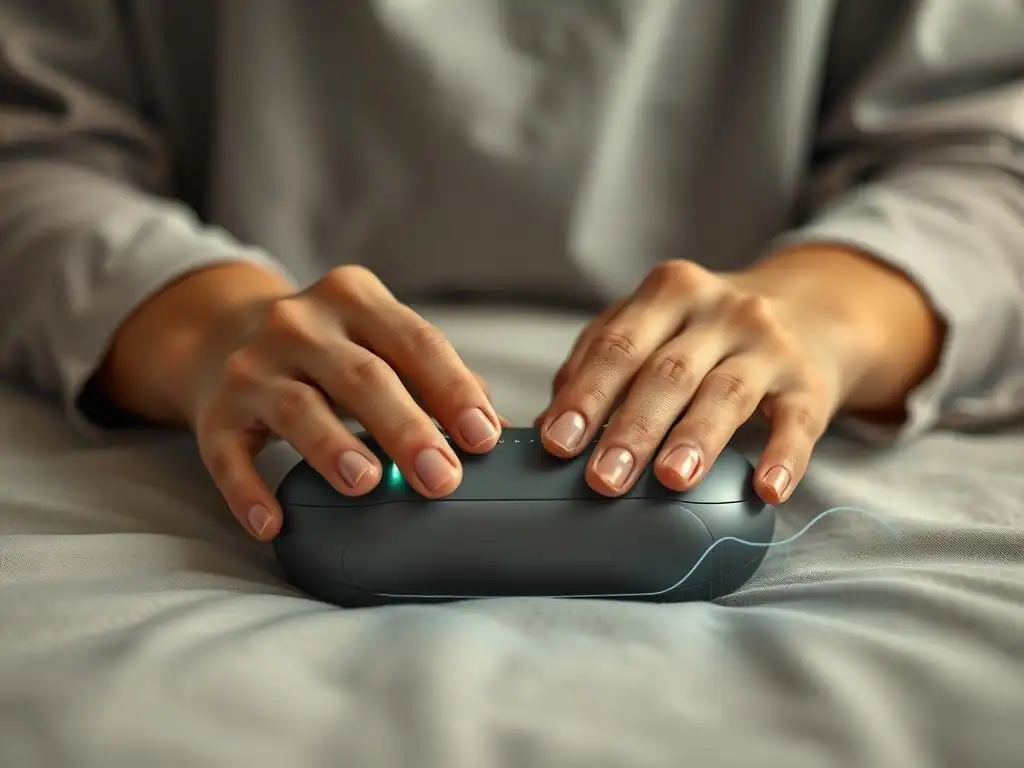
Beginning your journey with biofeedback to manage anxiety tension involves more than just acquiring a device. It requires a structured approach to setup, practice, and understanding the feedback you receive. Following a step-by-step process can help ensure you get the most out of the technology and build effective skills.
This process includes setting up your device correctly, finding a suitable environment for practice, establishing a consistent schedule, and learning how to interpret the data the device provides. These steps are foundational to successfully using biofeedback reduce anxiety tension.
Setting Up Your Biofeedback Device for Optimal Results
Proper setup is crucial for accurate readings and effective biofeedback training. This typically involves ensuring the sensors are correctly attached to your body according to the manufacturer's instructions. For EMG, this means placing electrodes over the target muscle group, ensuring good skin contact. For HRV or GSR, it involves correctly attaching finger or earlobe clips.
Make sure the device is properly connected to its accompanying app or software, whether via Bluetooth, USB, or other means. Calibrate the device if necessary, following the setup wizard or manual. Ensure the battery is charged or the device is powered appropriately. A correctly set up device provides reliable data, which is essential for learning how to use biofeedback reduce anxiety tension based on accurate physiological signals.
Finding a Quiet and Comfortable Environment
To effectively practice biofeedback and learn relaxation techniques, you need a calm and distraction-free environment. Choose a quiet space where you won't be interrupted by noise, people, or other stimuli. This could be a quiet room in your home, a peaceful corner of a library, or even a parked car if necessary.
Ensure you are physically comfortable, sitting or lying down in a relaxed posture. Wear loose clothing and avoid tight waistbands or collars that could restrict breathing or cause discomfort. A comfortable environment minimizes external stressors, allowing you to focus fully on your internal physiological state and the feedback from the device, which is key to successful training sessions aimed at using biofeedback reduce anxiety tension.
Establishing a Regular Biofeedback Practice Schedule
Consistency is key to developing the self-regulation skills taught by biofeedback. Aim to practice regularly, ideally for 10-20 minutes per day, several times a week. Think of it like learning any new skill – short, frequent practice sessions are more effective than infrequent, long ones.
Schedule your biofeedback sessions at a time when you are relatively relaxed and can dedicate your full attention to the practice. Morning before starting the day or evening before bed can be good times. Establishing a routine helps integrate biofeedback into your lifestyle and accelerates your progress in learning how to use biofeedback reduce anxiety tension effectively over time.
Understanding Your Biofeedback Data: Recognizing Patterns and Progress
The data provided by your biofeedback device is your guide. Learn what the different metrics and visualizations mean. For EMG, understand what high versus low values indicate about muscle tension. For HRV, recognize what changes in coherence or specific HRV metrics signify about your nervous system state. For GSR, observe how skin conductance fluctuates with different thoughts or relaxation efforts.
Pay attention to patterns in your data. Do you notice increased tension or decreased HRV at certain times of day or in response to specific thoughts? Does your data show improvement over time as you practice relaxation techniques? Understanding these patterns helps you identify triggers for your anxiety tension and track your progress in learning to biofeedback reduce anxiety tension consciously. Many apps provide historical data and progress charts to help with this analysis.
Integrating Biofeedback with Other Anxiety Management Techniques
While biofeedback is a powerful tool on its own, its effectiveness can often be significantly enhanced when combined with other established anxiety management techniques. This integrated approach leverages the strengths of multiple methods, providing a more comprehensive strategy for addressing both the physical and psychological aspects of anxiety.
Combining biofeedback with practices like breathing exercises, mindfulness, or therapy can create synergistic effects, deepening relaxation and improving overall stress resilience. This holistic approach helps individuals not only learn to biofeedback reduce anxiety tension but also develop broader coping skills.
Combining Biofeedback with Deep Breathing Exercises
Deep breathing, particularly diaphragmatic or belly breathing, is a fundamental relaxation technique that directly influences the autonomic nervous system. By consciously slowing and deepening the breath, you can activate the parasympathetic nervous system, counteracting the fight-or-flight response associated with anxiety. Combining deep breathing with biofeedback provides immediate, objective feedback on how your breathing affects your physiological state.
For instance, while practicing slow, deep breaths, you can watch your HRV coherence graph improve or your muscle tension (EMG) levels decrease. This real-time feedback reinforces the effectiveness of the breathing technique, making it easier to learn and replicate the calming effect. It helps solidify the mind-body connection and makes the impact of your breathing visible, greatly assisting in using biofeedback reduce anxiety tension through conscious respiratory control.
Biofeedback and Mindfulness Meditation for Enhanced Relaxation
Mindfulness meditation involves paying non-judgmental attention to the present moment, including bodily sensations, thoughts, and feelings. This practice cultivates increased body awareness, which is a core component of biofeedback. By combining mindfulness with biofeedback, individuals can deepen their connection to their physical state while receiving objective data about it.
During a mindfulness session, using a biofeedback device (like an HRV or GSR sensor) can provide tangible data reflecting the state of relaxation or arousal. For example, as you focus on your breath and body sensations during meditation, you might observe your skin conductance (GSR) decreasing or your heart rate variability (HRV) increasing, confirming the physiological impact of the practice. This combination enhances the learning process and helps individuals become more attuned to subtle shifts in their body's tension levels, aiding in using biofeedback reduce anxiety tension through heightened self-awareness.
The Synergy of Biofeedback and Cognitive Behavioral Therapy (CBT) for Anxiety
Cognitive Behavioral Therapy (CBT) is a widely-used psychotherapeutic approach that helps individuals identify and challenge negative thought patterns and behaviors contributing to anxiety. While CBT primarily focuses on the cognitive and behavioral aspects, anxiety also has strong physiological components. Integrating biofeedback into CBT can provide a powerful synergy.
Biofeedback can serve as a tool within CBT to help clients recognize the physical manifestations of their anxious thoughts. For example, a client learning to challenge catastrophic thinking can monitor their muscle tension or heart rate variability in real-time to see how their thoughts directly impact their body's stress response.
This objective feedback can make the connection between thoughts and physical symptoms more concrete, motivating the client to practice coping strategies learned in therapy. It provides a measurable way to see the impact of changing thought patterns, supporting the therapeutic process and enhancing the ability to biofeedback reduce anxiety tension by addressing both the mental and physical contributors.
Case Study: Using Biofeedback and CBT to Overcome Panic Attacks - Client Experience
Consider a client, "Sarah," who experienced frequent panic attacks characterized by intense physical symptoms like racing heart, shortness of breath, and severe muscle rigidity. In therapy, Sarah worked with a therapist using CBT to identify triggers for her panic attacks and challenge her fear of the physical sensations. Simultaneously, she incorporated daily practice with an HRV biofeedback device at home.
During her biofeedback sessions, Sarah practiced paced breathing while monitoring her heart rate variability. She learned to recognize the early signs of physiological arousal (decreased HRV, increased heart rate) and used the breathing techniques to restore coherence before symptoms escalated. In therapy sessions, she discussed her biofeedback data, linking specific anxious thoughts or situations to changes in her HRV.
Over several months, Sarah reported a significant reduction in the frequency and intensity of her panic attacks. She learned to use the breathing skills practiced with biofeedback during moments of rising anxiety, effectively using the technique to biofeedback reduce anxiety tension and prevent full-blown panic episodes. This combined approach empowered her with both cognitive strategies and physiological self-regulation skills.
Lifestyle Changes to Support Biofeedback Therapy for Anxiety
Integrating healthy lifestyle habits can significantly amplify the benefits of biofeedback for anxiety management. Biofeedback helps you learn to regulate your physiological responses, but maintaining a lifestyle that reduces overall stress load makes this regulation easier and more sustainable. These changes act as a supportive foundation for your biofeedback practice.
Key lifestyle adjustments include ensuring adequate sleep (aim for 7-9 hours per night), engaging in regular physical activity (even moderate exercise like a 30-minute walk can reduce stress hormones), and maintaining a balanced diet. Limiting caffeine and alcohol intake, which can exacerbate anxiety symptoms and interfere with sleep, is also beneficial. Managing time effectively and incorporating regular breaks throughout the day can further reduce ambient stress levels, making it easier to achieve states of relaxation during biofeedback sessions and ultimately helping you biofeedback reduce anxiety tension more effectively in daily life.
To truly harness the power of biofeedback for anxiety and muscle tension, it's important to approach the practice strategically. Simply using the device occasionally may yield some results, but maximizing its effectiveness requires consistent effort, self-reflection, and sometimes professional guidance.
This involves setting clear goals, tracking your progress diligently, understanding when to seek professional help, and knowing how to troubleshoot any issues that arise with your device. These steps ensure you are getting the most out of your investment in biofeedback technology to biofeedback reduce anxiety tension.
Setting Realistic Goals and Expectations
Before starting biofeedback, define what you hope to achieve. Are you aiming to reduce the frequency of tension headaches? Lower your resting heart rate? Improve your ability to relax your shoulders during stressful meetings? Setting specific, measurable, achievable, relevant, and time-bound (SMART) goals can provide direction and motivation.
It's also crucial to have realistic expectations. Biofeedback is a skill that takes time and practice to develop. You won't likely achieve mastery overnight. Understand that progress may be gradual, and there will be days when it feels more challenging. Patience and persistence are key to successfully using biofeedback reduce anxiety tension over the long term. Celebrate small victories along the way.
Tracking Your Progress and Identifying Triggers
Most biofeedback devices and apps offer some form of data tracking. Utilize these features to monitor your progress over time. Look for trends in your physiological data – is your average muscle tension decreasing? Is your baseline HRV improving? Are you able to reach lower levels of skin conductance during relaxation practices?
Beyond just tracking the numbers, try to correlate your biofeedback data with your daily experiences. Keep a simple journal noting your stress levels, specific situations, and any physical symptoms you experienced alongside your biofeedback readings. This helps identify your personal triggers for anxiety tension and allows you to see which techniques are most effective for you in real-world contexts, refining your ability to biofeedback reduce anxiety tension when you need it most.
Seeking Guidance from a Qualified Biofeedback Therapist
While home biofeedback devices are designed for self-use, consulting with a qualified biofeedback therapist can significantly enhance your results, especially if you have significant anxiety or complex symptoms. A therapist can provide personalized guidance, help you understand your specific physiological patterns, and tailor protocols to your unique needs.
A therapist can also help you integrate biofeedback practice with other therapeutic modalities like CBT or relaxation training. They can interpret complex data, troubleshoot difficulties you might encounter, and provide motivation and support. Professional guidance can accelerate the learning process and ensure you are using the technology correctly and safely to biofeedback reduce anxiety tension most effectively.
Troubleshooting Common Issues with Biofeedback Devices
Like any technology, biofeedback devices can occasionally encounter issues. Common problems might include inaccurate readings (often due to poor sensor contact), connectivity problems with apps or software, or device malfunctions. Most reputable manufacturers provide troubleshooting guides in their manuals or on their websites.
If you encounter issues, first check the basics: ensure sensors are clean and properly attached, check battery levels, restart the device and app, and verify Bluetooth or Wi-Fi connections. If problems persist, consult the manufacturer's support resources. Persistent technical issues can hinder consistent practice, so resolving them promptly is important for continuing to use biofeedback reduce anxiety tension with your device.
Recommended Biofeedback Devices for Anxiety Relief: A Comparative Analysis
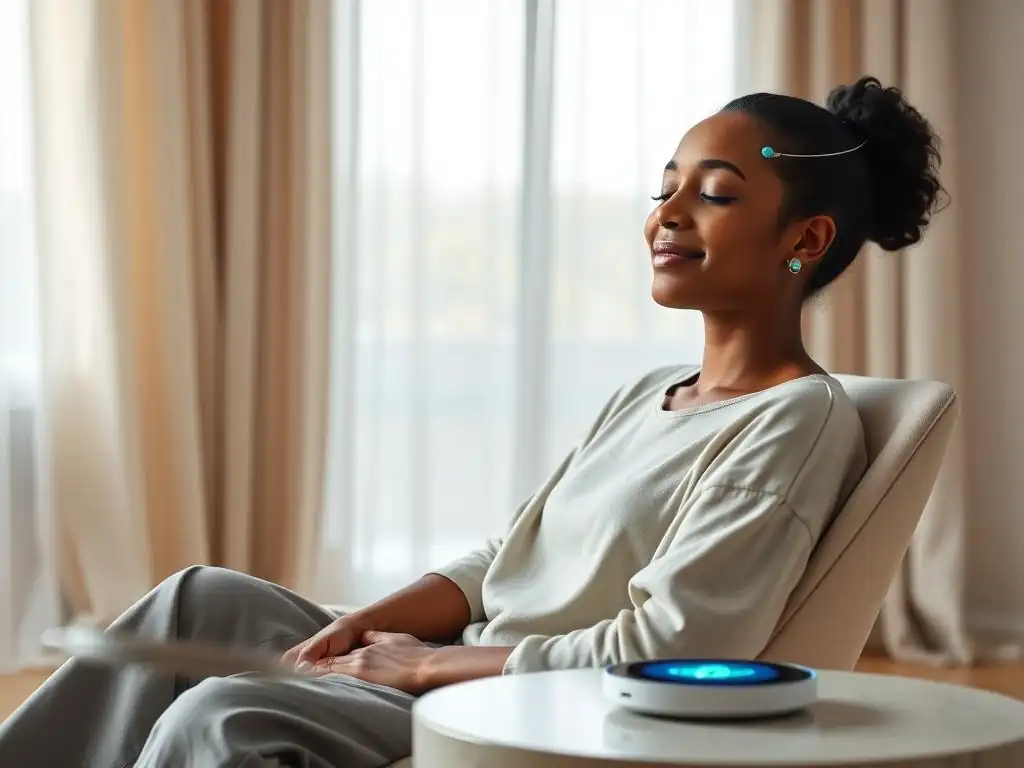
The market offers a variety of biofeedback devices suitable for home use in managing anxiety and muscle tension. Choosing among them can be challenging. This section provides a brief overview of some popular and well-regarded options, highlighting their features, potential benefits, and drawbacks to help inform your decision on which device might best help you biofeedback reduce anxiety tension.
Keep in mind that availability, specific features, and pricing can vary. It's always recommended to research the latest information and read user reviews before making a purchase.
Muse 2: Features, Pros, and Cons
The Muse 2 is a popular multi-sensor headband designed primarily for meditation and stress management, incorporating biofeedback principles. It measures brain activity (EEG), heart rate (PPG), body movement, and breathing. The accompanying app translates this data into auditory feedback – for example, brain activity is represented by weather sounds (calm is peaceful, active is stormy), and heart rate is indicated by pulsing tones.
- Pros: Measures multiple physiological signals for a holistic view; user-friendly app with guided meditations; comfortable headband design; good for learning meditation and recognizing mental states.
- Cons: EEG measurement is less precise than clinical systems; focus is broader than just muscle tension; feedback is primarily auditory and abstract (weather sounds); requires consistent app use.
- Best For: Individuals interested in a comprehensive meditation aid that includes biofeedback on multiple channels to help biofeedback reduce anxiety tension through mindfulness and physiological awareness.
Analyzing the Muse 2 App Interface
The Muse 2 app, "Muse: Meditation & Sleep," is central to the user experience. It features a clean, intuitive interface with various guided meditation sessions (ranging from 1-minute to longer sessions) focused on different themes like stress, focus, and sleep. During a session, the app displays real-time feedback visually (e.g., graphs of brain activity, heart rate, breathing) and audibly through the headband.
Post-session summaries provide data on "calm time," "birds" (rewards for calm states), and recovery time, allowing users to track progress. The interface makes it easy to select session types, view historical data, and understand the biofeedback signals in a simplified, gamified way. This user-friendly design encourages regular practice, essential for using biofeedback reduce anxiety tension over time.
Muse 2 Price and Availability
As of late 2023/early 2024, the Muse 2 typically retails in the range of $250-$300 USD. It is widely available for purchase directly from the Muse website and through major online retailers like Amazon and Best Buy.
There is also a newer model, Muse S, which adds sleep tracking features and softer materials, generally priced higher. While there are no mandatory subscription fees for basic use, a premium subscription is available for access to a larger library of guided content. The price point reflects its multi-sensor capabilities and polished user experience aimed at helping users biofeedback reduce anxiety tension through integrated mind-body training.
Inner Balance by HeartMath: Features, Pros, and Cons
Inner Balance is a system developed by HeartMath, focusing specifically on Heart Rate Variability (HRV) biofeedback and coherence training. It consists of a sensor (either a finger or ear clip) that connects to a smartphone or tablet via Bluetooth or a Lightning cable. The accompanying app guides users through exercises aimed at increasing HRV coherence.
- Pros: Specializes in HRV coherence training, a proven method for stress reduction; user-friendly app with clear visuals and guidance; portable and easy to use; strong scientific backing for HeartMath methods.
- Cons: Focus is solely on HRV; sensor connection can sometimes be finicky; app requires a compatible device.
- Best For: Individuals whose anxiety manifests significantly through cardiovascular symptoms or who want to focus specifically on improving their autonomic nervous system regulation to biofeedback reduce anxiety tension.
Exploring the Inner Balance by HeartMath Data Analysis Capabilities
The Inner Balance app provides detailed analysis of each session, focusing on metrics related to HRV coherence. It shows the user's "Coherence Score," time spent in low, medium, and high coherence states, and provides graphs illustrating the heart rhythm patterns. The app also tracks cumulative progress over time, allowing users to see improvements in their average coherence levels.
It includes features like journaling to note feelings or events during sessions, helping users correlate their emotional state with their physiological data. This focus on clear, actionable HRV data makes it easy for users to understand the impact of their practice and track their journey towards using biofeedback reduce anxiety tension through improved physiological regulation.
Inner Balance by HeartMath Battery Life and Portability
The Inner Balance sensor itself is small and highly portable. The Bluetooth version is battery-powered (typically a small coin cell battery that lasts for many hours of use), while the wired version draws power from the connected mobile device.
Its small size and reliance on a smartphone or tablet make it very convenient for use anywhere you can find a quiet spot. This portability is a significant advantage for individuals who wish to practice biofeedback regularly, whether at home, at work during a break, or while traveling, supporting consistent efforts to biofeedback reduce anxiety tension through regular coherence training.
emWave2: Features, Pros, and Cons
The emWave2 is another HRV biofeedback device from HeartMath, similar in principle to Inner Balance but as a standalone handheld device that can also connect to a computer. It features a finger sensor and a small screen displaying coherence levels and guiding lights. It can store session data internally and sync with HeartMath's computer software for more detailed analysis.
- Pros: Can be used without a smartphone/tablet; handheld device is convenient for some; detailed analysis software available for computer; focuses on proven HRV coherence training.
- Cons: Screen is small; computer software is required for full data review; less portable than smartphone-based systems if wanting detailed analysis on the go; interface is less modern than app-based systems.
- Best For: Individuals who prefer a dedicated handheld device for practice or who want detailed data analysis via desktop software, focusing on using HRV biofeedback to biofeedback reduce anxiety tension.
Understanding emWave2 Compatibility with Mobile Devices
While the emWave2 is primarily a handheld device, its compatibility with mobile devices is limited compared to HeartMath's Inner Balance system. The emWave2 is designed to connect to a computer (Windows or macOS) via USB to download session data and use the full HeartMath software suite for analysis and interactive games.
It does not directly connect to smartphone or tablet apps for real-time mobile use like the Inner Balance Bluetooth sensor does. This means that while you can practice sessions anywhere with the handheld unit, reviewing detailed data or using the interactive software requires syncing with a computer. This is a key consideration for potential users deciding how they prefer to access and analyze their biofeedback data for managing anxiety and using biofeedback reduce anxiety tension.
emWave2 User Reviews and Ratings
User reviews for the emWave2 are generally positive, particularly regarding the effectiveness of HeartMath's coherence training method. Users often report feeling calmer and more in control after consistent practice. The convenience of the handheld unit for quick sessions without needing a phone is frequently mentioned as a benefit.
Some critical reviews point out the dated nature of the device's screen and the computer software compared to modern mobile apps. Connectivity issues during syncing have also been mentioned by a few users. Overall, it is viewed as a solid, reliable device for HRV biofeedback, though perhaps less intuitive or visually appealing than newer, app-centric options for those looking to biofeedback reduce anxiety tension with the latest tech.
Long-Term Benefits of Biofeedback for Anxiety and Muscle Tension
Committing to regular biofeedback practice offers numerous potential long-term benefits beyond immediate stress relief. As you develop the skill of self-regulation, you gain greater control over your body's stress response, leading to lasting improvements in managing anxiety and its physical manifestations.
These benefits include sustained reductions in anxiety symptoms, enhanced coping skills, increased body awareness, and potentially even a reduced reliance on medication (though this must always be discussed with a doctor). Learning to biofeedback reduce anxiety tension is an investment in long-term well-being.
Sustained Reduction in Anxiety Symptoms
Consistent biofeedback training can lead to a sustained reduction in the frequency and intensity of anxiety symptoms. By learning to consciously lower physiological arousal (like muscle tension, heart rate, or skin conductance), individuals become less reactive to stressors. This learned ability to calm the nervous system helps break the cycle of anxiety feeding physical tension.
Studies and clinical reports often indicate that individuals who practice biofeedback regularly experience fewer panic attacks, less generalized worry, and improved ability to handle stressful situations. The skill of self-regulation becomes an internal resource they can deploy whenever anxiety begins to rise, leading to a more consistently calm state and a long-term ability to biofeedback reduce anxiety tension.
Improved Stress Management Skills
Biofeedback training inherently teaches valuable stress management skills. It helps individuals become more aware of their body's early warning signs of stress and provides concrete techniques (often practiced in conjunction with biofeedback, like paced breathing) to counteract the stress response.
This improved awareness and skill set extend beyond just the biofeedback session itself. Individuals learn to recognize tension forming in their shoulders during a stressful meeting and consciously relax them, or notice their heart rate increasing before a presentation and use breathing techniques to lower it. This proactive approach to managing stress in the moment contributes to better overall coping abilities and a reduced build-up of chronic tension, solidifying their ability to biofeedback reduce anxiety tension in daily life.
Enhanced Body Awareness and Self-Regulation
A core outcome of biofeedback practice is enhanced interoceptive awareness – the ability to perceive the physical sensations originating from inside the body. By receiving real-time feedback on physiological processes, individuals become more attuned to subtle changes in muscle tension, heart rhythm, or skin temperature that they might not have noticed before.
This heightened body awareness is foundational for self-regulation. Once you can accurately perceive what is happening inside your body, you are better equipped to consciously influence those processes. This improved self-regulation capability empowers individuals to take control of their physical response to anxiety, contributing significantly to their ability to biofeedback reduce anxiety tension independently.
Potential for Reduced Reliance on Medication (Consult with your Doctor)
For some individuals, successful biofeedback training and the resulting reduction in anxiety symptoms and physical tension may lead to a discussion with their healthcare provider about potentially reducing reliance on anxiety medications. It is absolutely critical to emphasize that any changes to medication regimens must be made in consultation with and under the strict supervision of a qualified medical doctor.
Biofeedback is not a substitute for prescribed medication but can be a valuable complementary therapy. By developing strong self-regulation skills and experiencing reduced symptoms, some individuals may find they require less pharmacological intervention. However, this is a clinical decision that must be made by a doctor based on a comprehensive assessment of the individual's condition and progress. Using biofeedback reduce anxiety tension can be part of a broader treatment plan, but medication decisions are solely within the doctor's purview.
Ethical Considerations and Safe Use of Biofeedback Devices
While generally safe and non-invasive, it's important to approach the use of biofeedback devices, especially for health-related purposes like managing anxiety, with an understanding of ethical considerations and best practices for safe use. These devices are tools to support well-being, not medical cures on their own.
Being aware of limitations, potential risks, the importance of professional consultation, and avoiding misleading claims ensures responsible and effective use of biofeedback technology to biofeedback reduce anxiety tension.
Understanding the Limitations of Biofeedback
Biofeedback is a powerful technique, but it is not a panacea. It is most effective as a skill-building tool and often works best when integrated into a broader treatment plan for anxiety that may include therapy, lifestyle changes, and potentially medication. It requires active participation and consistent practice from the user.
Biofeedback cannot diagnose medical conditions, nor can it replace conventional medical or psychological treatment. It is a complementary approach. Understanding these limitations helps set realistic expectations and ensures that individuals do not solely rely on biofeedback for severe or complex anxiety disorders, recognizing that using biofeedback reduce anxiety tension is part of a larger strategy.
Contraindications and Potential Risks
Biofeedback is generally considered very safe with minimal risks. However, individuals with certain medical conditions should exercise caution or consult their doctor before use. For example, individuals with severe cardiac arrhythmias might need medical clearance before using devices that provide extensive heart rate feedback. Similarly, anyone with a history of seizures should discuss the use of devices that provide visual or auditory feedback with a doctor.
Minor issues like skin irritation from electrodes are rare but possible. The primary "risk" for most users is ineffective use due to improper technique, lack of consistency, or relying solely on the device without addressing underlying psychological factors. Consulting with a healthcare professional can help identify any potential contraindications and ensure safe practice when using biofeedback reduce anxiety tension.
Consulting with a Healthcare Professional Before Starting Biofeedback
Before incorporating biofeedback into your anxiety management plan, especially if you have a diagnosed anxiety disorder or other health conditions, it is highly recommended to consult with a healthcare professional, such as a doctor or a licensed mental health therapist experienced in biofeedback.
They can help determine if biofeedback is an appropriate tool for your specific situation, discuss how it fits into your overall treatment plan, and advise on the best type of biofeedback for your needs. A professional can also rule out any underlying medical conditions that might be contributing to your symptoms. This step ensures that you are using biofeedback safely and effectively as part of a comprehensive approach to using biofeedback reduce anxiety tension.
Promoting Responsible Use and Avoiding Misleading Claims
It is crucial to use biofeedback devices responsibly and be wary of exaggerated or misleading claims. Avoid products that promise miraculous cures or suggest you can abandon prescribed medical treatments without consulting your doctor. Reputable biofeedback resources and devices focus on teaching self-regulation skills and providing data, not on making unsupported medical claims.
Educate yourself about how biofeedback actually works and its proven applications. Understand that it is a training process that requires effort and time. Promoting responsible use involves having realistic expectations, integrating the technology into a balanced approach to health and well-being, and relying on evidence-based information when considering how to biofeedback reduce anxiety tension using these tools.
Frequently Asked Questions
How does biofeedback work to reduce anxiety?
Biofeedback helps you become aware of your body's responses to stress, such as muscle tension. By learning to monitor and control these responses using real-time feedback from a device, you can consciously relax and reduce anxiety.
Biofeedback is effective for a range of anxiety-related tensions, including muscle tension headaches, jaw clenching, and generalized muscle tightness. It can also help manage physical symptoms associated with panic attacks.
What kind of biofeedback devices are commonly used for anxiety?
Common devices include EMG (electromyography) sensors that measure muscle activity, thermal biofeedback that measures skin temperature, and heart rate variability (HRV) biofeedback. These provide data to help you learn to control your body.
How long does it typically take to see results from biofeedback for anxiety?
While individual results vary, many people experience noticeable improvements in reducing anxiety tension within a few weeks of consistent biofeedback training. Regular practice is crucial for long-term benefits.
Is biofeedback a standalone treatment or is it used in conjunction with other therapies?
Biofeedback is often used as a complementary therapy alongside other treatments, such as cognitive behavioral therapy (CBT) or medication. It can enhance the effectiveness of these therapies by providing concrete, measurable improvements in physical symptoms.
Final Reflection: Unlocking the Body's Wisdom to Conquer Anxiety
The pervasive nature of anxiety in modern life demands innovative solutions, and biofeedback offers a powerful, personalized pathway to reclaiming inner peace. Its ability to bridge the gap between mind and body, making the often-invisible effects of stress tangible and manageable, is truly transformative. We've explored how these devices empower individuals to regain control over their physical responses to anxiety, offering a tangible alternative to purely cognitive approaches.
The journey towards understanding and managing anxiety is a deeply personal one, and the impact of biofeedback extends far beyond the immediate reduction of muscle tension. It fosters a profound connection with one's own body, encouraging self-awareness and a sense of agency often lost in the grip of anxiety. The body keeps the score,
as Bessel van der Kolk so eloquently puts it, and biofeedback provides a crucial tool for rewriting that score, one relaxed muscle at a time. This isn't just about reducing symptoms; it's about cultivating a healthier, more resilient relationship with oneself.
You now possess the knowledge to explore the potential of biofeedback in your own life. Consider this a starting point – a springboard to further research and exploration. Don't hesitate to seek professional guidance to determine if biofeedback is the right tool for you, and remember that the journey to mastering muscle relaxation and reducing anxiety is a process of self-discovery and empowerment. Embrace the opportunity to listen to your body, understand its signals, and cultivate the inner calm you deserve.
Unlock Your Body's Natural Calm: Master Muscle Relaxation Today!
Thanks for taking the time to explore the power of biofeedback for managing anxiety-related tension. We hope you gained valuable insights into how this technology can help you achieve a deeper sense of relaxation. Now it's time to put that knowledge into practice!
- Begin your personalized relaxation journey: Identify the specific areas of tension you experience most often and start experimenting with simple biofeedback exercises. Even 5 minutes a day can make a noticeable difference.
- Share your experience: Connect with others on our community forum and share your progress, challenges, and any “aha!” moments you discover during your biofeedback practice. We learn so much from each other!
- Explore additional resources: Delve deeper into the world of mindfulness and stress-reduction techniques by browsing our other articles on MindCareGuide.org—we’ve got many tools to support your journey.
What's one small step you'll take today to incorporate biofeedback into your daily routine for greater relaxation?