
Empower Your Calm: Taking Control of Anxiety with Home Biofeedback


Welcome to Mind Care Guide.
Feeling overwhelmed by anxiety? You're not alone. We understand the struggle, and we're here to help you find practical solutions. This article delves into a powerful, often overlooked tool for managing anxiety from the comfort of your own home. Discover how home biofeedback can help you regain control, reduce stress, and cultivate a sense of calm. Intrigued? Keep reading to unlock a path towards a more peaceful you.
Empower Your Calm: Taking Control of Anxiety with Home Biofeedback
- Understanding Anxiety and the Power of Biofeedback
- Choosing the Right Home Biofeedback Device for Anxiety Relief
-
How to Use Home Biofeedback Devices to Reduce Anxiety: A Step-by-Step Guide
- Setting Up Your Home Biofeedback System for Optimal Results
- Implementing Biofeedback Techniques: Breathing Exercises, Visualization, and Mindfulness
- Tracking Your Progress: Monitoring Your Anxiety Levels with Home Biofeedback
- Creating a Consistent Biofeedback Routine for Long-Term Anxiety Management
- Real-Life Examples: Success Stories with Home Biofeedback for Anxiety
- Maximizing the Benefits: Combining Home Biofeedback with Other Anxiety Management Strategies
- Potential Drawbacks and Considerations of Home Biofeedback
- Where to Buy Home Biofeedback Devices and What to Look For
- The Future of Home Biofeedback for Anxiety Management
-
Frequently Asked Questions
- What is home biofeedback and how can it help with anxiety?
- What types of biofeedback devices are suitable for home use to reduce anxiety?
- How long does it typically take to see noticeable reductions in anxiety using home biofeedback?
- Is home biofeedback a replacement for traditional therapy or medication for anxiety?
- Are there any potential risks or side effects associated with using home biofeedback for anxiety?
- Final Reflection: Cultivating Inner Peace Through Home Biofeedback
- Unlock Your Inner Calm: Start Your Biofeedback Journey Today!
Understanding Anxiety and the Power of Biofeedback
The Rising Tide of Anxiety: Recognizing the Symptoms and Impact
Anxiety is a common human experience, but for millions globally, it transcends typical worry, becoming a persistent and debilitating challenge. Generalized Anxiety Disorder (GAD), for example, affects approximately 6.8 million adults in the United States alone in any given year. Symptoms can manifest physically as restlessness, fatigue, muscle tension, and sleep disturbances, while psychologically, they include excessive worry, difficulty concentrating, and irritability. These symptoms can significantly impact daily life, affecting work, relationships, and overall well-being. The constant state of heightened alert taxes the body and mind, creating a cycle that is difficult to break without effective strategies.
The impact of chronic anxiety extends beyond personal discomfort; it carries substantial societal costs. Lost productivity due to anxiety disorders is estimated to be billions of dollars annually. Furthermore, anxiety often co-occurs with other mental health conditions, such as depression, and can exacerbate physical health issues like cardiovascular problems. Understanding the profound physical and emotional toll of anxiety is the first step towards reclaiming control. Many individuals seek accessible, non-pharmacological methods to manage these symptoms, and exploring options like home biofeedback to reduce anxiety has become increasingly popular.
What is Biofeedback and How Can It Help Reduce Anxiety?
Biofeedback is a mind-body technique that teaches people to modify physiological activity for the purpose of improving health and performance. It involves using instruments to measure physiological responses such as brainwaves, skin temperature, muscle tension, heart rate, and sweat gland activity. These measurements are then "fed back" to the person in real-time, often through visual or auditory cues. By observing these signals, individuals can learn to consciously alter their physiological states, gaining a greater awareness of how their thoughts and emotions affect their body.
For anxiety, biofeedback helps by making the subtle physiological signs of stress and tension visible. For instance, someone might see their heart rate spike when thinking about a stressful situation or observe increased muscle tension in their shoulders. With guided practice, using techniques like deep breathing or mindfulness while watching the biofeedback signal, the individual learns how to bring these physiological responses back into a calmer range.
This learned ability to self-regulate physiological responses is powerful; it provides a tangible way for individuals to interrupt the body's stress response and actively work towards reducing anxiety symptoms. The goal is to gain conscious control over involuntary bodily functions that contribute to feeling anxious.
Home Biofeedback for Anxiety: A Convenient and Accessible Solution
Traditionally, biofeedback therapy was conducted in clinical settings under the supervision of a trained therapist. While highly effective, this required scheduling appointments, travel, and often significant cost. The advent of technology has led to the development of sophisticated yet user-friendly home biofeedback devices, making this powerful technique accessible to a wider audience. These devices allow individuals to practice biofeedback techniques in the comfort and privacy of their own homes, on their own schedule. This convenience is a significant advantage, especially for those with busy lives, mobility issues, or difficulty accessing clinical services.
Using home biofeedback to reduce anxiety offers a practical pathway to skill-building. Unlike medication, which primarily manages symptoms, home biofeedback teaches a person how to influence their own physiological state. Consistent practice at home reinforces these learned skills, empowering individuals to recognize the early signs of anxiety in their body and proactively apply relaxation techniques. This self-management aspect is key to building long-term resilience against stress and anxiety. While home devices may not offer the same depth of clinical guidance as in-office sessions, they provide valuable tools for daily practice and self-exploration, complementing other anxiety management strategies.
Choosing the Right Home Biofeedback Device for Anxiety Relief
Key Features to Consider When Selecting a Home Biofeedback System
When exploring options for home biofeedback to reduce anxiety, several features are paramount to ensure the device meets your needs and provides an effective training experience. First, consider the type of physiological signal the device measures (e.g., heart rate variability, skin conductance, muscle tension, brainwaves). Different signals relate to different aspects of the stress response, and some individuals may find one type more intuitive or relevant to their specific anxiety symptoms. For example, if physical tension is a major symptom, a device measuring muscle tension might be particularly helpful.
Accuracy and reliability of the sensor are crucial. A device that provides inconsistent or inaccurate readings will hinder effective learning. Look for devices with positive user reviews regarding data quality. Ease of use is also vital; the setup process should be straightforward, and the accompanying app or software should be intuitive to navigate, providing clear feedback and progress tracking.
Consider the feedback mechanism – is it visual (graphs, animations), auditory (tones, music), or both? Choose a style that resonates with you. Finally, assess the availability of guided exercises, training programs, or educational content within the device's ecosystem, as these can significantly enhance the learning process for using home biofeedback to reduce anxiety effectively.
Types of Biofeedback Devices for Home Use: A Comparative Overview
Home biofeedback devices for anxiety management typically focus on one or more physiological signals. Understanding the differences can help you choose the best fit.
Heart Rate Variability (HRV) Biofeedback: Elite HRV and Its Benefits
Heart Rate Variability (HRV) biofeedback focuses on the beat-to-beat changes in your heart rate, which reflect the balance between your sympathetic ("fight or flight") and parasympathetic ("rest and digest") nervous systems. A higher, more variable HRV generally indicates a more resilient and less stressed state. Devices like Elite HRV often use a chest strap or finger sensor to capture precise heart data. The accompanying app then guides you through breathing exercises designed to synchronize your heart rate with your breath, a state known as coherence.
Practicing HRV biofeedback regularly helps individuals learn to consciously increase their HRV, shifting their nervous system towards a more relaxed state. Users often report feeling calmer, more centered, and better equipped to handle stress. The visual feedback of seeing your HRV change in real-time as you breathe can be incredibly empowering, demonstrating the direct link between your breath and your physiological state. Many find that consistent HRV training using home biofeedback helps reduce anxiety symptoms like racing thoughts and physical restlessness over time.
Electrodermal Activity (EDA) Biofeedback: Spire Stone for Stress Reduction
Electrodermal Activity (EDA), also known as skin conductance or galvanic skin response (GSR), measures the electrical conductivity of the skin, which changes based on the activity of sweat glands. Sweat gland activity is directly influenced by the sympathetic nervous system – the same system activated during stress or anxiety. When you become anxious or stressed, your sweat glands become more active, increasing skin conductivity. Devices like the Spire Stone, often worn on clothing or the body, continuously monitor EDA and provide real-time feedback.
The Spire Stone, for example, vibrates or sends notifications to a connected app when it detects sudden increases in tension or stress based on your breathing patterns and EDA. This acts as a gentle reminder to check in with your body and mind, prompting you to take a calming breath or adjust your posture.
While not traditional biofeedback in the sense of consciously controlling the signal through guided exercises, it uses biofeedback principles to increase self-awareness of stress responses throughout the day. Regular use helps individuals become more mindful of their tension levels and implement coping strategies proactively, contributing to using home biofeedback to reduce anxiety by catching stress early.
EEG Biofeedback (Neurofeedback) at Home: Muse 2 - Understanding the Potential and Limitations
EEG biofeedback, commonly referred to as neurofeedback, measures electrical activity in the brain using sensors placed on the scalp. It aims to help individuals learn to regulate their brainwave patterns. For anxiety, neurofeedback often targets brainwave patterns associated with calm and focus, encouraging the brain to spend more time in these states. Devices like the Muse 2 are headbands equipped with EEG sensors designed for home use, primarily focusing on meditation and focus training rather than clinical-grade neurofeedback therapy.
The Muse 2 provides auditory feedback based on your brain activity during meditation sessions. When your mind is calm and focused, you might hear peaceful sounds like birds chirping; if your mind wanders, the sounds might become more turbulent, like stormy weather.
While it uses EEG technology and biofeedback principles, devices like Muse 2 are generally considered tools to support meditation and mindfulness practice rather than a direct treatment for severe anxiety disorders. They can help users train their ability to focus and relax, which indirectly helps with using home biofeedback to reduce anxiety by improving overall mental calmness, but they typically do not offer the targeted protocols used in clinical neurofeedback for specific conditions.
Budget Considerations: Balancing Cost and Effectiveness in Home Biofeedback
The cost of home biofeedback devices can vary significantly, ranging from under $100 for basic finger sensors to several hundred dollars or more for advanced systems or specialized neurofeedback devices. When considering your budget for home biofeedback to reduce anxiety, it's important to balance the initial cost with the device's features, reliability, and potential long-term effectiveness for you. The cheapest device may not provide the accuracy or features needed for consistent, effective training.
Consider what type of biofeedback is most relevant to your anxiety symptoms and research devices within that category. Read reviews, compare features like sensor quality, app functionality, available exercises, and battery life. Sometimes, a slightly more expensive device with robust features and guided training can be a better investment than a cheaper one that you find difficult to use or less motivating. Remember that the true value comes from consistent use and skill development, so choose a device you are likely to integrate into your daily routine for managing anxiety at home.
How to Use Home Biofeedback Devices to Reduce Anxiety: A Step-by-Step Guide
Setting Up Your Home Biofeedback System for Optimal Results
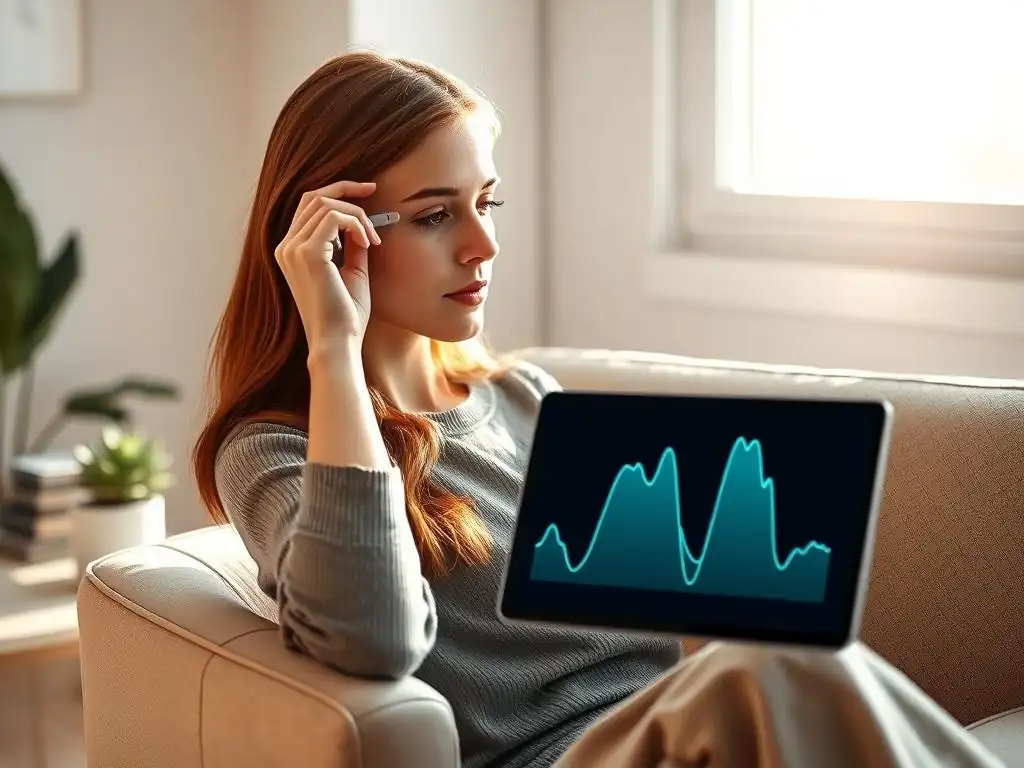
Proper setup is crucial to get accurate readings and make the most of your home biofeedback device for anxiety reduction. First, ensure your device is fully charged and the associated app is installed on your smartphone or tablet. Find a quiet, comfortable space where you won't be interrupted during your practice sessions. Wear comfortable clothing that doesn't restrict movement.
Follow the manufacturer's instructions precisely for placing the sensors. For example, an HRV chest strap needs to be positioned correctly on your chest, while a finger sensor requires proper contact with your fingertip. Ensure a stable connection between the device and your app, often via Bluetooth. Before starting a session, take a moment to relax and settle in. Eliminate distractions like notifications on your phone. A consistent environment helps establish a routine and improves the reliability of your data, making your efforts to use home biofeedback to reduce anxiety more effective.
Implementing Biofeedback Techniques: Breathing Exercises, Visualization, and Mindfulness
Once set up, your home biofeedback device will provide real-time feedback on your physiological state. The core of using home biofeedback to reduce anxiety lies in pairing this feedback with relaxation techniques. Deep, diaphragmatic breathing is a fundamental technique. As you inhale slowly and deeply, observe how your physiological signal (e.g., heart rate, skin conductance) changes; as you exhale slowly, notice the shift again. The biofeedback signal shows you the immediate impact of your breath on your body.
Many biofeedback apps include guided breathing exercises, often visually paced, to help you find an optimal breathing rhythm that promotes physiological coherence. You can also incorporate visualization, imagining a peaceful scene, or mindfulness, focusing on the present moment, while observing the biofeedback signal. The goal is to actively learn which mental and physical techniques help shift your physiological state towards calmness, guided by the objective data from the device. Consistent practice is key to mastering these self-regulation skills using home biofeedback.
Tracking Your Progress: Monitoring Your Anxiety Levels with Home Biofeedback
Most home biofeedback apps include features to track your session data over time. This is an invaluable tool for monitoring your progress in managing anxiety with home biofeedback. Pay attention to trends in your physiological readings – are you able to achieve lower heart rates, higher HRV, or reduced skin conductance during sessions compared to when you started? Many apps also allow you to log your subjective anxiety levels before and after a session.
Reviewing your historical data can provide motivation and insight. You might notice that consistent daily practice leads to a gradual improvement in your baseline physiological state or that certain times of day or types of exercises are more effective for you. Seeing tangible evidence of your ability to influence your stress response reinforces the power of home biofeedback and encourages continued effort in your journey to reduce anxiety and regain control.
Creating a Consistent Biofeedback Routine for Long-Term Anxiety Management
Consistency is paramount for developing lasting self-regulation skills with home biofeedback. Aim to incorporate biofeedback practice into your daily routine, much like brushing your teeth or exercising. Even short sessions, perhaps 10-15 minutes daily, can be beneficial. Choose a time that works best for you – perhaps in the morning to set a calm tone for the day, or in the evening to unwind before bed.
Treat your biofeedback sessions as dedicated time for self-care and skill-building. Over time, the conscious effort required initially will become more automatic. The skills you learn by using home biofeedback to reduce anxiety during structured practice sessions will begin to transfer to real-life stressful situations, allowing you to apply techniques instinctively when needed. Establishing a regular, consistent biofeedback routine is the pathway to long-term anxiety management and empowering your calm.
Real-Life Examples: Success Stories with Home Biofeedback for Anxiety
Case Study 1: Using HRV Biofeedback to Manage Panic Attacks
Consider a hypothetical case of Sarah, a 42-year-old marketing manager who experienced debilitating panic attacks several times a month. She felt overwhelmed by the sudden onset of symptoms like chest tightness, rapid heart rate, and shortness of breath. Sarah started using an HRV biofeedback device at home, practicing daily for 15 minutes. Initially, her HRV was low and unstable during stressful thoughts. With consistent practice using guided coherent breathing exercises provided by the app, she learned to consciously slow her breathing and observe her HRV increase in real-time.
After approximately three months of daily practice, Sarah noticed a significant reduction in the frequency and intensity of her panic attacks. While she still experienced occasional surges of anxiety, she felt more in control. She learned to recognize the early physical cues (like a slight increase in heart rate) and immediately apply the slow, paced breathing she practiced with the home biofeedback device. This ability to intervene early helped prevent full-blown panic attacks in many instances, demonstrating how home biofeedback can reduce anxiety by building practical coping skills.
Case Study 2: Reducing Generalized Anxiety with EDA Biofeedback
Imagine Mark, a 28-year-old graduate student who struggled with chronic, low-grade generalized anxiety, manifesting as constant worrying and muscle tension. He decided to try an EDA biofeedback device worn throughout the day. The device would gently alert him when his stress levels, indicated by increased skin conductance, rose significantly. Initially, Mark was surprised by how often he received alerts, realizing he was holding tension he wasn't consciously aware of.
The alerts served as prompts to take a mindful pause, check his posture, and take a few deep breaths. Over several weeks, by consistently responding to these prompts and pairing them with brief relaxation techniques, Mark became much more attuned to his body's stress signals. He reported feeling less physically tense throughout the day and experiencing fewer episodes of excessive worry. This example illustrates how continuous monitoring via home biofeedback can reduce anxiety by enhancing self-awareness and promoting proactive stress management throughout daily activities.
Expert Insights: Interviews with Therapists on the Effectiveness of Home Biofeedback
Mental health professionals who incorporate biofeedback into their practice often see the value of home use as a supplement to therapy. Dr. Evelyn Reed, a clinical psychologist specializing in anxiety disorders, notes, "While clinical biofeedback sessions offer expert guidance and calibration, home devices empower clients to practice vital self-regulation skills daily. I've seen clients using home biofeedback report feeling more in control between sessions, accelerating their progress in managing their anxiety." She emphasizes the importance of integrating home biofeedback practice with therapeutic strategies learned in session.
Another therapist, licensed professional counselor David Chen, adds, "Home biofeedback isn't a magic bullet, but it's a powerful tool for building physiological awareness. For many of my clients with anxiety, the tangible data from a device helps them understand the mind-body connection in a way that talk therapy alone sometimes can't. It provides objective evidence that they can influence their own nervous system, which is incredibly validating and motivating for using home biofeedback to reduce anxiety." These perspectives highlight the role of home biofeedback as a valuable component within a broader anxiety management plan.
Maximizing the Benefits: Combining Home Biofeedback with Other Anxiety Management Strategies
Integrating Biofeedback with Therapy: Enhancing Treatment Outcomes
While home biofeedback devices are valuable tools, they are often most effective when used in conjunction with professional therapy. A therapist can help you understand your specific anxiety triggers, develop coping strategies tailored to your needs, and guide you on how to best utilize the biofeedback data you collect at home. They can interpret your physiological responses in the context of your overall mental health and help you integrate the self-regulation skills learned through biofeedback into real-life situations.
Combining regular therapy sessions with consistent home biofeedback practice creates a powerful synergy. Therapy provides the psychological framework and support, while biofeedback offers a concrete, physiological training method. This integrated approach can lead to more significant and lasting reductions in anxiety symptoms compared to using either method alone. Discussing your home biofeedback use with your therapist allows them to offer personalized guidance and ensure you are using the device safely and effectively as part of your treatment plan to manage anxiety.
Lifestyle Changes: Diet, Exercise, and Sleep for Anxiety Reduction
Effective anxiety management is holistic, involving attention to various aspects of your life. Lifestyle factors such as diet, exercise, and sleep have a profound impact on your mental and physical well-being and can significantly influence anxiety levels. Poor sleep quality, for instance, can exacerbate anxiety symptoms, while regular physical activity is known to reduce stress hormones and improve mood.
Incorporating healthy lifestyle choices alongside using home biofeedback to reduce anxiety can amplify the benefits. For example, consistent exercise can improve HRV over time, making your biofeedback practice potentially more effective. Prioritizing adequate, restful sleep helps stabilize your nervous system. A balanced diet provides the necessary nutrients for optimal brain function. By addressing these foundational elements of health, you create a more supportive environment for your body and mind, making it easier to manage anxiety and enhance the positive effects of your biofeedback training.
Mindfulness and Meditation: Complementary Practices for Stress Relief
Mindfulness and meditation are deeply complementary practices to biofeedback, especially when using home biofeedback to reduce anxiety. Biofeedback provides objective data about your physiological state, while mindfulness cultivates subjective awareness of your thoughts, feelings, and bodily sensations without judgment. Meditation, often involving focused attention or open awareness, directly trains the mind in ways that promote calmness and reduce reactivity – states that biofeedback can help you monitor and achieve.
Many home biofeedback apps incorporate guided meditations or mindfulness exercises. Practicing mindfulness while observing your biofeedback signal can deepen your understanding of the mind-body connection. You might notice how certain thoughts or feelings immediately impact your heart rate or skin conductance. Conversely, the objective feedback from the device can make abstract mindfulness concepts more tangible and reinforce the benefits of meditation for physiological regulation. Integrating these practices strengthens your ability to recognize stress cues and respond with calm intention, further supporting your goals with home biofeedback.
Potential Drawbacks and Considerations of Home Biofeedback
Limitations of Home Biofeedback Devices: What to Expect
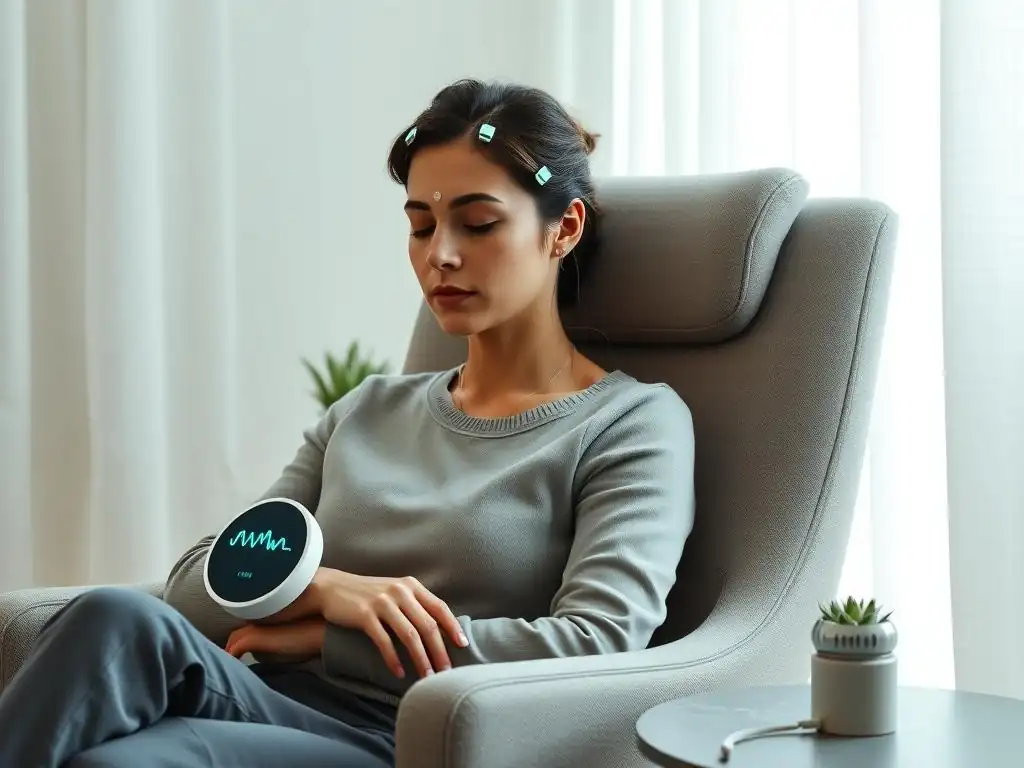
While home biofeedback offers significant advantages in terms of accessibility and convenience for anxiety management, it's important to be aware of its limitations. Home devices may not have the same level of precision or sensitivity as clinical-grade equipment used by trained professionals. The data provided, while useful for personal tracking and learning, might not be as detailed or diagnostically relevant as data gathered in a clinical setting.
Furthermore, home biofeedback devices are tools for self-regulation; they do not provide therapeutic guidance or diagnosis. They cannot replace the expertise of a mental health professional, especially for severe anxiety disorders or when anxiety is coupled with other complex conditions. Learning to effectively use home biofeedback to reduce anxiety requires self-discipline and motivation for consistent practice. Without external accountability, some individuals may struggle to maintain a regular routine. It's crucial to have realistic expectations about what a home device can achieve on its own.
When to Seek Professional Help: Recognizing the Need for Additional Support
Home biofeedback can be a valuable part of an anxiety management plan, but it is not a substitute for professional medical or psychological care. It is essential to seek help from a doctor or mental health professional if your anxiety symptoms are severe, debilitating, or significantly interfering with your daily life. If you experience panic attacks regularly, have persistent feelings of dread or worry that you cannot control, or if your anxiety is accompanied by symptoms of depression or suicidal thoughts, professional intervention is necessary.
Additionally, if you have been using a home biofeedback device consistently for several weeks or months and are not seeing any significant improvement in your anxiety symptoms, or if your symptoms worsen, this is a clear indicator that you need to consult a professional. A therapist can help identify underlying issues, provide evidence-based treatments like Cognitive Behavioral Therapy (CBT) or Exposure Therapy, and determine if medication or other interventions are appropriate. Home biofeedback should complement, not replace, necessary clinical support.
Safety Precautions and Potential Side Effects of Home Biofeedback
Home biofeedback is generally considered a safe and non-invasive technique with minimal risks. The devices typically involve sensors placed on the skin (like fingers, wrists, or forehead) that simply measure physiological signals; they do not transmit any energy into the body. There are no known significant side effects associated with using biofeedback itself.
However, it's important to use devices as directed by the manufacturer. Ensure sensors are clean and properly applied to avoid skin irritation, although this is rare with modern devices. If you have any pre-existing medical conditions, particularly heart conditions, it's wise to consult with your doctor before starting any new self-management technique, including using home biofeedback to reduce anxiety, to ensure it is appropriate for you. Always purchase devices from reputable sources to ensure they meet safety standards.
Where to Buy Home Biofeedback Devices and What to Look For
Reputable Retailers and Online Marketplaces: Ensuring Quality and Authenticity
When you decide to purchase a home biofeedback device to help reduce anxiety, it's crucial to buy from reputable sources to guarantee the quality and authenticity of the product. Avoid unofficial resellers or questionable websites. Look for established online marketplaces that have buyer protection policies.
Directly purchasing from the manufacturer's official website is often the safest option, as it ensures you receive a genuine product and have access to direct customer support. Major health and wellness retailers, both online and brick-and-mortar, are also reliable sources. Purchasing from reputable channels helps ensure the device meets necessary safety and quality standards and that you receive a valid warranty, which is important for protecting your investment in using home biofeedback for anxiety management.
Understanding Warranties and Return Policies: Protecting Your Investment
Before purchasing a home biofeedback device, carefully review the manufacturer's warranty and the retailer's return policy. A good warranty indicates the manufacturer stands behind their product and protects you against defects in materials or workmanship for a specified period, typically ranging from 90 days to a year or more. Understand what the warranty covers and how to make a claim if necessary.
Equally important is the return policy. While you might research a device thoroughly, you won't know if it's the right fit for you until you try it. A reasonable return policy allows you to return the device within a certain timeframe if it doesn't meet your expectations or if you find it isn't suitable for your needs in managing anxiety at home. Knowing you have the option to return or exchange the device provides peace of mind and protects your financial investment.
Reading Customer Reviews: Gaining Insights from Other Users' Experiences
Customer reviews on reputable retail sites or independent review platforms can provide valuable insights into the real-world performance and user experience of a home biofeedback device. Look for reviews from individuals who have used the device specifically for anxiety or stress management. Pay attention to comments regarding the device's accuracy, ease of setup and use, the quality of the accompanying app and guided content, and the effectiveness users experienced in using home biofeedback to reduce anxiety.
While individual experiences vary, patterns in reviews can highlight common strengths and weaknesses of a product. Are users reporting consistent data? Is the app user-friendly? Does the battery life meet expectations? Do people feel the guided exercises are helpful? Reading a range of reviews, not just the most positive or negative ones, can help you make a more informed decision about which home biofeedback device is likely to be the best fit for your needs and lifestyle.
The Future of Home Biofeedback for Anxiety Management
Emerging Technologies and Innovations in Biofeedback Devices
The field of home biofeedback is constantly evolving with advancements in technology. Future devices are likely to become even more discreet, comfortable, and integrated into everyday objects or wearables. We may see more multi-modal devices that simultaneously measure several physiological signals (like HRV, EDA, and temperature) to provide a more comprehensive picture of a person's stress state.
Sensor technology is also improving, promising greater accuracy and the ability to measure signals more reliably from less obtrusive placements. Innovations in app design are leading to more engaging and personalized user experiences, with gamification elements or adaptive training programs that adjust based on your progress. These developments aim to make using home biofeedback to reduce anxiety even more seamless, effective, and integrated into users' lives.
The Role of Artificial Intelligence (AI) in Personalized Anxiety Treatment
Artificial Intelligence is poised to play a significant role in the future of home biofeedback for anxiety management. AI algorithms can analyze the vast amounts of physiological data collected by home devices to identify patterns, predict potential periods of high anxiety, and offer personalized insights and recommendations. For example, AI could analyze your historical data to determine which specific biofeedback techniques or times of day are most effective for you in managing your stress response.
AI could also power more sophisticated adaptive training programs, adjusting the difficulty or type of biofeedback exercise in real-time based on your current physiological state and past performance. This personalized approach could make using home biofeedback to reduce anxiety more efficient and tailored to individual needs, moving beyond generic protocols towards precision self-management techniques guided by data-driven insights.
The Growing Accessibility of Home Biofeedback: Empowering Individuals to Take Control
As technology continues to advance and costs potentially decrease, home biofeedback devices are becoming increasingly accessible to a broader population. This growing accessibility is empowering individuals to take a more active role in managing their mental well-being. No longer solely confined to clinical settings, the ability to monitor and train physiological responses at home puts powerful self-regulation tools directly into the hands of those who need them.
The future holds the promise of even more affordable, user-friendly, and effective home biofeedback solutions. This democratization of biofeedback technology represents a significant step forward in mental health care, offering individuals a tangible way to understand and influence their anxiety, build resilience, and ultimately empower their calm by learning to use home biofeedback to reduce anxiety on their own terms.
Frequently Asked Questions
What is home biofeedback and how can it help with anxiety?
Home biofeedback uses sensors to monitor your physiological responses (like heart rate) and provides real-time feedback, allowing you to learn to control them, thus reducing anxiety.
What types of biofeedback devices are suitable for home use to reduce anxiety?
Several devices are available, including heart rate variability (HRV) monitors, electrodermal activity (EDA) sensors, and brainwave sensors (EEG), each measuring different aspects of stress and anxiety.
How long does it typically take to see noticeable reductions in anxiety using home biofeedback?
Results vary, but many people experience some improvement within a few weeks of consistent practice. It's important to be patient and follow the device's instructions.
Is home biofeedback a replacement for traditional therapy or medication for anxiety?
No, home biofeedback is generally considered a complementary therapy. It should not replace professional mental health care or prescribed medication without consulting your doctor.
Are there any potential risks or side effects associated with using home biofeedback for anxiety?
While generally safe, some users may experience mild frustration initially. It's crucial to choose reputable devices and follow the manufacturer's guidelines to avoid inaccurate readings or discomfort.
Final Reflection: Cultivating Inner Peace Through Home Biofeedback
The ability to manage anxiety independently is no longer a luxury, but a vital skill for navigating the complexities of modern life. The overwhelming pace of daily stressors, coupled with increased awareness of mental health, makes accessible and effective anxiety-reduction techniques more crucial than ever. Home biofeedback offers a powerful, personalized pathway to achieving this crucial self-mastery.
The journey towards understanding and controlling our anxiety is a deeply personal one, and the impact of biofeedback extends far beyond simply lowering heart rate or reducing muscle tension. It fosters a profound connection with our own bodies, teaching us to recognize and respond to the subtle signals our minds and bodies send. This self-awareness is transformative. The mind is everything. What you think you become.
– Buddha. This ancient wisdom resonates deeply with the empowering potential of biofeedback; by understanding our internal landscape, we gain the power to shape our experiences.
Now, consider the possibilities. Imagine a future where you possess the tools to navigate stressful situations with greater ease and resilience. Imagine feeling more in control of your emotional responses, fostering a sense of calm amidst the chaos. This isn't a distant dream; it's a tangible reality within your reach. Take the first step. Explore the resources available, experiment with home biofeedback techniques, and embark on your personal journey towards a more peaceful and empowered you. The path to inner calm begins with you.
Unlock Your Inner Calm: Start Your Biofeedback Journey Today!
Thanks for taking the time to explore the power of home biofeedback for managing anxiety. We hope you found valuable insights into how this technique can help you regain control and cultivate a sense of inner peace. Now it's time to put this knowledge into action!
Here's how you can begin your journey towards a calmer, more confident you:
- Begin your personalized biofeedback practice: Download a guided meditation app (many offer free trials) and start experimenting with simple breathing exercises or muscle relaxation techniques. Consistency is key!
- Share your experience: Let others know how biofeedback is working for you. Sharing your story can inspire others and build a supportive community.
- Explore further: Dive deeper into the science behind biofeedback by searching for reputable online resources or considering a consultation with a qualified biofeedback therapist.
Ready to take the first step towards a more peaceful life? What initial biofeedback technique will you try first, and why?