
Investing in Calm: The Cost and Value of Home Biofeedback for Anxiety

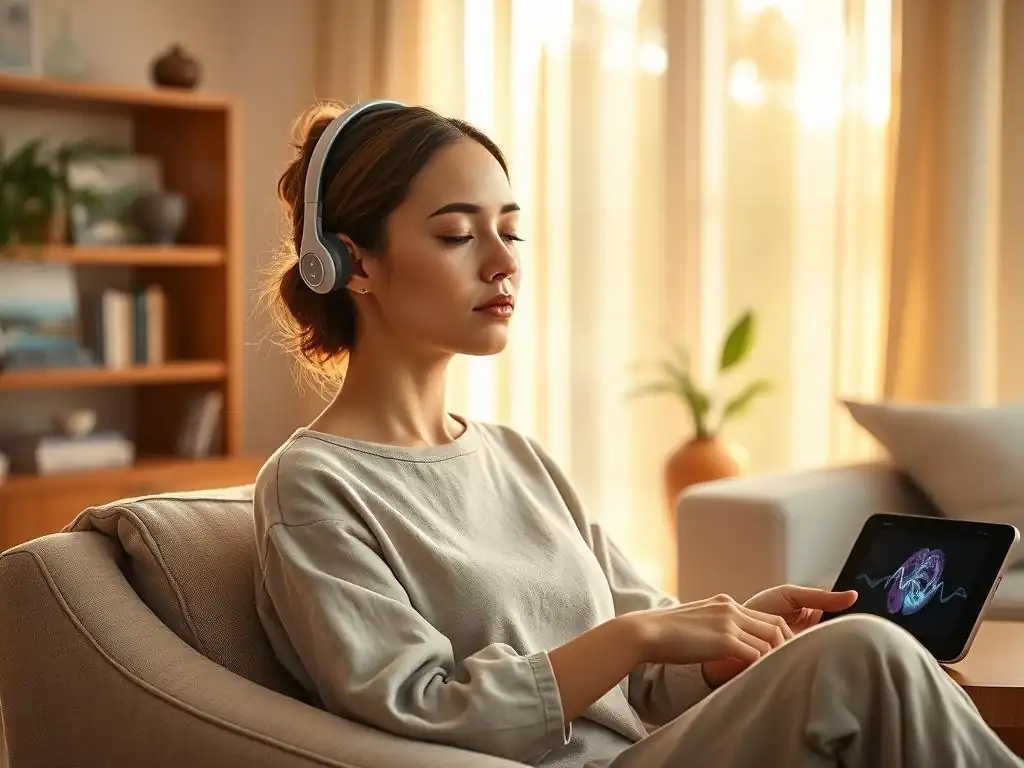
Welcome to Mind Care Guide, a space dedicated to nurturing your mental well-being.
Feeling overwhelmed by anxiety's rising costs – both financial and emotional? You're not alone. Dive into our latest article where we explore how home biofeedback reduces anxiety cost, offering a potentially transformative and accessible path to reclaiming your calm. Discover the surprising value of this innovative tool and how it can help you invest in a healthier, happier you. Are you ready to explore a new approach to anxiety management?
Investing in Calm: The Cost and Value of Home Biofeedback for Anxiety
- The Rising Tide of Anxiety and the Quest for Relief: Exploring Home Biofeedback
- Can Home Biofeedback Really Reduce Anxiety? Understanding the Science and Benefits
- The Cost of Calm: Breaking Down the Expenses of Home Biofeedback Devices
- Maximizing Value: Getting the Most Out of Your Home Biofeedback Investment
- Beyond the Device: Additional Resources and Support for Anxiety Management
- Is Home Biofeedback Worth the Cost? A Final Verdict
- Affiliate Product Links and Discount Codes: Your Path to a Calmer You
-
Frequently Asked Questions
- How does home biofeedback work to reduce anxiety?
- What are the potential cost savings of using home biofeedback compared to traditional therapy?
- Is home biofeedback a substitute for professional mental health care?
- What types of anxiety disorders can home biofeedback be effective for?
- What are the key factors to consider when choosing a home biofeedback device for anxiety?
- Final Reflection: The Quiet Revolution of Home Biofeedback
- Unwind Your World: Take Control of Your Anxiety Today
The Rising Tide of Anxiety and the Quest for Relief: Exploring Home Biofeedback
Anxiety is a pervasive challenge in modern life, affecting millions globally. From generalized worry to debilitating panic attacks, its impact on daily functioning and overall well-being is profound. As traditional therapeutic approaches and medications remain cornerstones of treatment, many individuals are seeking complementary or alternative methods to manage their symptoms effectively and empower themselves in their journey towards calm. This growing demand highlights the need for accessible, non-pharmacological tools that can be integrated into one's daily life.
In this context, home biofeedback has emerged as a promising option. It offers individuals a way to gain conscious control over physiological responses that are often linked to anxiety, such as heart rate, muscle tension, or skin temperature. By providing real-time feedback, these devices allow users to observe how their thoughts, emotions, and relaxation techniques influence their body, fostering a deeper understanding of the mind-body connection and enabling them to practice self-regulation skills in a comfortable, private setting.
Understanding the Anxiety Epidemic and the Need for Accessible Solutions
The statistics paint a clear picture of the anxiety epidemic. According to the World Health Organization (WHO), anxiety disorders are among the most common mental health conditions worldwide. In the United States alone, estimates suggest that over 40 million adults are affected by an anxiety disorder in any given year, representing nearly 20% of the population. The economic burden is substantial, including healthcare costs, lost productivity, and disability claims, potentially reaching hundreds of billions of dollars annually.
The sheer scale of anxiety necessitates accessible and scalable solutions. While therapy and medication are effective for many, barriers such as cost, stigma, geographic location, and long wait times can limit access. This gap underscores the value of home-based interventions like biofeedback, which can be used independently or as a supplement to professional care. Making tools available that empower individuals to manage symptoms proactively at home is crucial for addressing the widespread need for anxiety relief.
Why Home Biofeedback is Gaining Traction for Anxiety Management
Home biofeedback is gaining traction primarily due to its non-invasive nature and the emphasis it places on skill-building. Unlike medication, there are typically no significant side effects, and the goal is to teach the individual how to regulate their own physiological responses, rather than relying on an external substance. This aligns with a growing preference for empowering individuals with self-management techniques. The convenience of using devices in the comfort and privacy of one's home also removes significant barriers associated with clinic visits, making consistent practice more feasible for busy individuals.
Furthermore, advances in technology have made home biofeedback devices more user-friendly, affordable, and sophisticated. What once required complex clinical equipment can now be achieved with portable sensors and smartphone apps. This technological evolution has democratized access, allowing more people to explore how home biofeedback reduces anxiety cost-effectively compared to long-term clinical sessions. The ability to track progress over time through app-based dashboards provides tangible evidence of improvement, which can be highly motivating for individuals working to manage their anxiety.
Can Home Biofeedback Really Reduce Anxiety? Understanding the Science and Benefits
The fundamental principle behind biofeedback is teaching individuals to alter physiological activities typically considered involuntary. By providing real-time information about these processes, users can learn to influence them through conscious effort, relaxation techniques, or mental exercises. This feedback loop allows for targeted practice and skill acquisition in self-regulation, which is highly relevant for managing anxiety symptoms.
Research and clinical experience support the efficacy of biofeedback for various conditions, including anxiety. Studies have shown that training with biofeedback can lead to reductions in subjective anxiety levels, as well as measurable changes in physiological markers such as heart rate variability, muscle tension, and brainwave patterns associated with states of calm. While results can vary depending on the individual, the type of anxiety, and consistency of practice, biofeedback offers a validated approach for developing greater control over stress responses.
How Biofeedback Works: A Simple Explanation
At its core, biofeedback involves using sensors to measure a specific physiological signal from your body – like your heart rate, skin temperature, or muscle tension. This signal is then translated into a visual or auditory display on a screen or through headphones, giving you immediate feedback on what your body is doing. For example, if you are practicing relaxation techniques, a heart rate variability (HRV) biofeedback device might show your HRV increasing as you breathe slowly and deeply, indicating a shift towards a more relaxed state.
The key is the feedback loop: you try a technique (like deep breathing), observe the effect on the signal (seeing your HRV change), and learn which techniques are most effective for influencing that specific physiological response. Over time and with practice, the goal is to be able to replicate these physiological changes without needing the device, essentially internalizing the skill of self-regulation. It's like learning to ride a bike – you use training wheels (the device) initially, but eventually, you can balance on your own.
The Science-Backed Benefits of Biofeedback for Anxiety Reduction
Numerous studies have investigated the effectiveness of biofeedback for anxiety. Research published in journals like Applied Psychophysiology and Biofeedback has demonstrated that various forms of biofeedback, particularly HRV and EEG biofeedback, can significantly reduce anxiety symptoms. For instance, a meta-analysis might show an average reduction in anxiety scores among participants using biofeedback compared to control groups. Specific benefits include:
- Reduced Physiological Arousal: Training can lower resting heart rate, decrease muscle tension (especially in areas like the shoulders and neck often associated with stress), and increase skin temperature, which often drops during anxiety.
- Improved Heart Rate Variability (HRV): Higher HRV is generally associated with better stress resilience. HRV biofeedback specifically trains individuals to increase this variability, promoting a calmer physiological state.
- Shift in Brainwave Patterns: EEG biofeedback can help individuals increase alpha and theta brainwaves, which are linked to relaxed, meditative states, and decrease high-beta waves associated with worry and racing thoughts.
- Enhanced Self-Awareness: Users gain a deeper understanding of their body's responses to stress and triggers, allowing for earlier recognition and intervention.
- Increased Sense of Control: Learning to influence physiological responses can empower individuals, reducing feelings of helplessness often associated with anxiety.
While results vary and biofeedback is not a cure-all, the evidence supports its role as an effective tool in a comprehensive anxiety management plan.
Home Biofeedback vs. Traditional Therapy: A Comparative Look
Comparing home biofeedback directly to traditional therapy (like Cognitive Behavioral Therapy - CBT or Exposure Therapy) isn't entirely straightforward, as they often serve different purposes or can be complementary. Traditional therapy typically focuses on identifying and changing thought patterns and behaviors contributing to anxiety. A therapist provides guidance, coping strategies, and processes underlying issues. This approach is often essential for addressing the root causes and cognitive components of anxiety disorders.
Home biofeedback, on the other hand, focuses specifically on regulating the physiological symptoms of anxiety. It's a tool for practicing self-regulation skills and increasing bodily awareness. While therapy might help you understand why you feel anxious in certain situations and teach you coping thoughts, biofeedback helps you practice how to physiologically calm your body down when anxiety arises.
For many, the most effective approach involves combining both: using therapy to address cognitive and behavioral aspects and home biofeedback to build physiological resilience and manage physical symptoms. The cost of home biofeedback reduces anxiety symptoms through practice, offering a different kind of value proposition than the deep psychological work of therapy, though potentially more accessible for daily practice.
The Cost of Calm: Breaking Down the Expenses of Home Biofeedback Devices
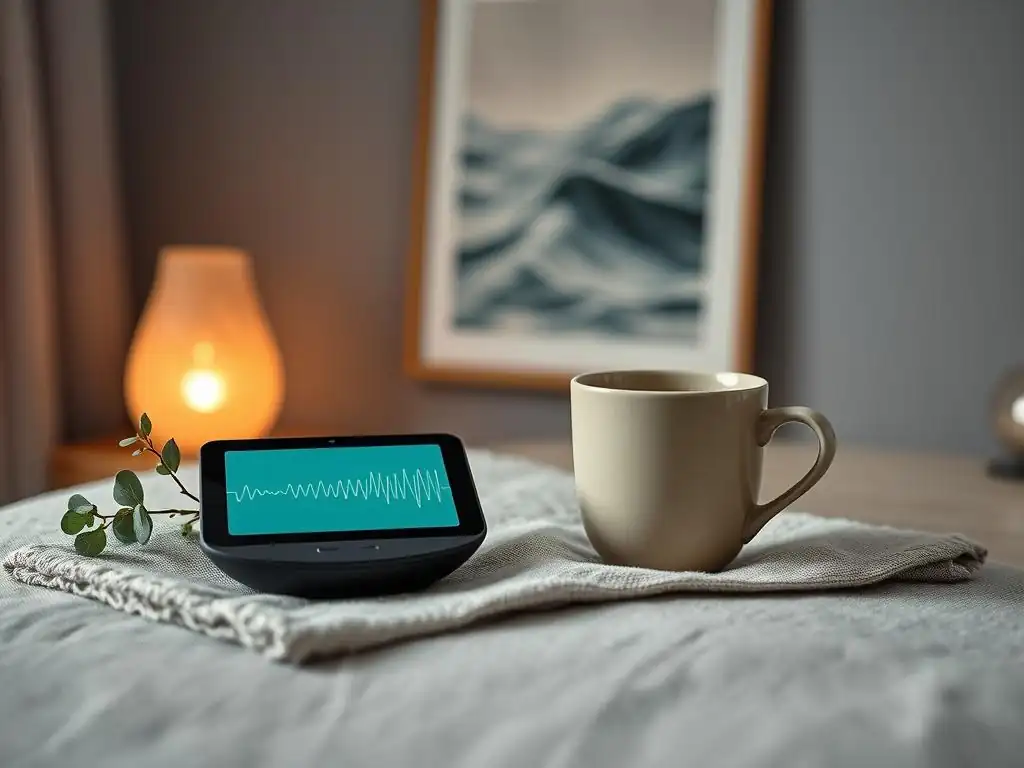
When considering home biofeedback as a tool for anxiety management, the investment is a primary factor for many. Unlike therapy, which often involves ongoing session fees, home biofeedback devices typically require an initial purchase, though some may have subscription models. Understanding the different cost tiers and potential ongoing expenses is crucial for making an informed decision about whether home biofeedback reduces anxiety cost-effectively for your personal situation. Prices can vary significantly based on the type of biofeedback, the sophistication of the device, brand reputation, and accompanying software or services.
It's important to view the cost not just as an expense, but as an investment in your well-being. While the upfront cost might seem substantial for some devices, comparing it to the long-term costs of other anxiety management approaches, such as years of therapy sessions or ongoing medication expenses (if applicable), can provide perspective. The goal is to find a solution that offers the best value in terms of symptom reduction, skill development, and long-term sustainability for your budget.
Initial Investment: What You'll Pay for Different Types of Home Biofeedback Devices
The initial purchase price for home biofeedback devices varies widely depending on the technology used. Simpler devices, often focusing on a single physiological measure, tend to be less expensive than multi-modal or advanced systems. Consumers can find options ranging from relatively affordable sensors that pair with a smartphone to more sophisticated units used by professionals but available for home use.
Here's a general breakdown of typical price ranges based on the type of biofeedback:
- Heart Rate Variability (HRV) Biofeedback Devices: Often the most accessible in terms of price.
- Electrodermal Activity (EDA) Biofeedback Devices: Fall into a mid-range price category.
- Brainwave (EEG) Biofeedback Devices: Typically the most expensive, reflecting the complexity of the technology.
Choosing the right device involves balancing your budget with the type of biofeedback most relevant to your anxiety symptoms and the features you need for consistent practice.
Heart Rate Variability (HRV) Biofeedback Devices: Pricing and Features
HRV biofeedback devices measure the tiny variations in time between your heartbeats, which is an indicator of the activity of your autonomic nervous system and your body's stress resilience. These devices often come as small sensors that clip onto your finger or earlobe and connect wirelessly via Bluetooth to a smartphone or tablet app.
The price range for quality home HRV biofeedback devices typically falls between $50 and $300. More affordable options might offer basic real-time feedback and simple guided breathing exercises. Devices in the $150 to $300 range often include more sophisticated apps with detailed session reporting, guided meditations integrated with feedback, personalized training programs, and sometimes access to a library of content. Features to look for might include accuracy of the sensor, ease of use, quality of the accompanying app, and battery life. For many, a mid-range HRV device offers a good balance between cost and functionality to effectively practice skills that help home biofeedback reduces anxiety cost.
Electrodermal Activity (EDA) Biofeedback Devices: Cost and Functionality
Electrodermal Activity (EDA), also known as skin conductance or galvanic skin response (GSR), measures changes in the electrical conductivity of the skin, which are influenced by sweat gland activity. Sweat glands are activated by the sympathetic nervous system, making EDA a sensitive indicator of physiological arousal and stress or anxiety levels. EDA biofeedback devices typically use electrodes placed on the fingers or wrist.
Home EDA devices generally range from $100 to $400. Basic models might provide simple feedback tones or visual cues that change with your skin conductance level. More advanced devices offer detailed graphs of your session data, track trends over time, and may include guided exercises focused on relaxation to help you learn to lower your arousal levels. Some devices combine EDA sensing with other measures like temperature. The functionality often includes tracking stress responses in real-time and providing a tangible metric for relaxation practice.
Brainwave (EEG) Biofeedback Devices: A Deeper Dive into the Price Range and Capabilities
Brainwave (EEG) biofeedback devices, sometimes referred to as neurofeedback, measure electrical activity in the brain using sensors placed on the scalp. This type of biofeedback allows individuals to learn to regulate specific brainwave frequencies associated with different mental states, such as increasing alpha waves (associated with relaxation) or decreasing beta waves (associated with alertness or anxiety). EEG biofeedback is often considered more complex than HRV or EDA biofeedback.
Home EEG biofeedback systems can range significantly in price, typically starting from around $200 for very basic single-sensor devices and going up to $1,000 or even $2,000+ for multi-sensor systems designed for more targeted training. Entry-level devices often focus on simple training protocols, perhaps presented as a game or visual display that responds to your brainwave state. More expensive systems offer multiple sensors for measuring activity in different brain regions, more sophisticated software with customizable training protocols, and detailed analytical tools. These higher-end devices sometimes require more technical setup and understanding, and while they offer powerful capabilities, the investment is considerably higher.
Ongoing Costs: Beyond the Initial Purchase
While the initial device cost is the most significant expense, it's important to consider potential ongoing costs associated with using home biofeedback devices. These expenses can influence the long-term value and overall cost-effectiveness of integrating biofeedback into your anxiety management routine. Ignoring these can lead to unexpected budget considerations down the line.
Factoring in ongoing costs helps create a more realistic picture of the total investment required. These might include fees for enhanced software features, the cost of replacement parts like electrodes or batteries, and potentially costs associated with software updates or support, though many basic apps offer free updates.
Subscription Fees for Premium Features and Guided Sessions
Many home biofeedback devices, particularly those with sophisticated apps, offer a basic free tier with the initial purchase and then provide access to premium features through a monthly or annual subscription. These premium features might include:
- Access to a larger library of guided relaxation exercises or meditations.
- More detailed session analytics and progress tracking.
- Personalized training plans or coaching.
- Integration with other health or wellness apps.
- Exclusive content or community access.
Subscription fees can range from approximately $5 to $30 per month, or a discounted rate for an annual plan. While not mandatory for basic functionality, these subscriptions can enhance the user experience and provide additional support, potentially improving consistency and results. It's worth evaluating if the basic features meet your needs or if the added cost of a subscription provides significant value for your practice.
Batteries and Maintenance: Factoring in Long-Term Expenses
Most home biofeedback devices are battery-powered. Many modern devices use rechargeable lithium-ion batteries, similar to smartphones, which have a lifespan of several years before potentially needing replacement (though often the device itself might be upgraded by then). However, some devices might use standard disposable batteries (like AA or AAA), which will be an ongoing expense.
Maintenance is generally minimal for these devices. Sensors might need occasional cleaning according to the manufacturer's instructions. If a device uses adhesive electrodes (more common with some EEG or advanced EDA setups), these will need to be purchased periodically. While the cost of batteries or occasional replacement electrodes is relatively small on a per-use basis, it adds up over time and should be included in a realistic assessment of the long-term cost of home biofeedback reduces anxiety efforts. Always check the device specifications regarding battery type and expected lifespan.
Maximizing Value: Getting the Most Out of Your Home Biofeedback Investment
Purchasing a home biofeedback device is just the first step; the real value comes from consistent and effective use. To truly leverage your investment and see significant improvements in anxiety management, it's crucial to approach biofeedback practice strategically. This involves selecting the right device for your specific needs, integrating its use seamlessly into your daily routine, and understanding that biofeedback is a skill that improves with practice and patience.
Maximizing value also involves exploring how the device fits into your broader wellness strategy. It's a powerful tool, but often most effective when combined with other healthy habits and, if needed, professional support. Thinking beyond just the device itself and considering how to make it a sustainable part of your life is key to achieving lasting results and ensuring that your home biofeedback reduces anxiety cost effectively over time.
Choosing the Right Device for Your Specific Anxiety Needs
The market offers a variety of home biofeedback devices, each measuring different physiological signals. The "right" device for you depends heavily on the specific ways anxiety manifests in your body. Do you primarily experience racing thoughts and difficulty calming your mind? Is your anxiety characterized by physical symptoms like muscle tension, sweaty palms, or a pounding heart? Understanding your personal anxiety profile is the first step in selecting a device that targets the most relevant physiological indicators for you.
Consider also your comfort level with technology and your preferred learning style. Some devices are very simple plug-and-play, while others require more interaction with an app or understanding of the data presented. Reading reviews, comparing features, and potentially consulting with a mental health professional or biofeedback therapist can help guide your decision towards a device that is both effective for your symptoms and easy for you to integrate into your life, ensuring that your home biofeedback reduces anxiety cost in a way that aligns with your needs.
Assessing Your Anxiety Type and Severity
Different types of anxiety disorders and varying levels of severity might benefit more from one type of biofeedback over another. For example, individuals whose anxiety is strongly linked to panic attacks, which often involve rapid heart rate and breathing irregularities, might find Heart Rate Variability (HRV) biofeedback particularly helpful for learning to regulate their autonomic nervous system. Someone who experiences significant muscle tension due to generalized anxiety might benefit more from Electromyography (EMG - measuring muscle tension) or potentially EDA biofeedback, which tracks general arousal.
For those whose anxiety presents more as intrusive thoughts, worry, or difficulty focusing, EEG biofeedback targeting specific brainwave states might be considered, although this is often a more complex and expensive option. Assessing your primary physical and mental symptoms, perhaps with the help of a therapist, can provide clarity on which physiological signals are most relevant for you to focus on regulating.
Matching Device Features to Your Personal Preferences and Lifestyle
Beyond the type of biofeedback, consider the practical features of the device itself. Think about:
- Portability: Will you want to use it only at home, or also while traveling?
- Ease of Use: Is the setup simple? Is the app intuitive?
- Feedback Style: Do you prefer visual feedback (graphs, animations), auditory feedback (tones, music that changes), or both?
- App Content: Does the app offer guided exercises, progress tracking, or educational content that appeals to you?
- Compatibility: Is it compatible with your smartphone or tablet operating system?
- Battery Life: Is the battery life sufficient for your intended use?
Consider these questions before purchasing:
- Does the device use a finger sensor or an ear clip? Which is more comfortable for you?
- Are subscription fees required for features you want?
- How easy is it to connect the device to the app?
- Does the app store your session data securely?
Choosing a device that fits seamlessly into your lifestyle and preferences increases the likelihood of consistent practice, which is essential for seeing results and ensuring that your home biofeedback reduces anxiety cost-effectively over the long term.
Integrating Home Biofeedback into Your Daily Routine for Optimal Results
Consistency is paramount when using home biofeedback for anxiety. It's not a magic bullet that provides instant, permanent relief after one session. It's a skill-building tool that requires regular practice, much like learning a musical instrument or a new language. Sporadic use is unlikely to yield significant, lasting improvements.
Finding ways to make biofeedback practice a regular, non-negotiable part of your day is key to maximizing its benefits. This might involve scheduling specific practice times, linking it to existing habits, or setting reminders. The cumulative effect of consistent practice is what allows you to develop the ability to regulate your physiological responses even when you're not using the device.
Creating a Consistent Practice Schedule
Establishing a routine is vital. Aim for short, frequent practice sessions rather than long, infrequent ones. Even 10-20 minutes daily can be more effective than an hour once a week. Consider integrating biofeedback into existing routines:
- Morning: Practice after waking up, perhaps before starting your day.
- Before Bed: Use it as part of your wind-down routine to promote relaxation for sleep.
- During Breaks: Step away from work or tasks for a short session.
- During Commute: If you take public transport, a portable device might be usable.
Task List for Routine Building:
- [ ] Identify 1-2 potential times for daily practice.
- [ ] Set a recurring alarm or calendar reminder.
- [ ] Prepare your practice space (quiet, comfortable).
- [ ] Have your device charged and ready.
- [ ] Commit to the schedule for at least 2-4 weeks to build the habit.
Experiment to find what works best for you, but the critical element is making it a consistent part of your day.
Combining Biofeedback with Other Relaxation Techniques
Biofeedback is often most powerful when used in conjunction with established relaxation techniques. The device provides objective feedback on how effectively your chosen technique is working. For example, you can use biofeedback while practicing:
- Deep diaphragmatic breathing
- Progressive muscle relaxation
- Mindfulness meditation
- Guided imagery
Biofeedback acts as a 'mirror' for your physiology during these practices.
It shows you *exactly* how your body is responding.
This immediate feedback helps you refine your technique, understanding which approaches are most effective for lowering your heart rate, increasing HRV, or reducing muscle tension in your body. This combination accelerates the learning process and helps you transfer the skills learned with the device to real-life anxious situations.
Real-Life Success Stories: How Home Biofeedback Has Helped Others Manage Anxiety
Hearing about the experiences of others can be incredibly motivating and illustrate the potential value of home biofeedback beyond just the technical specifications. While specific, named individuals' detailed medical histories are private, generalized scenarios based on common user experiences can highlight the practical benefits. These stories often demonstrate how consistent practice with a home device led to tangible improvements in managing anxiety symptoms in everyday life.
These examples serve to show that while individual results vary, the principles of learning self-regulation through feedback can translate into meaningful reductions in anxiety and improved quality of life. They underscore the point that consistent use of a home biofeedback reduces anxiety symptoms by empowering the individual.
Using HRV Biofeedback to Manage Panic Attacks
Consider the case of "Sarah," who struggled with unpredictable panic attacks that significantly impacted her ability to leave her home. Medications provided some relief but had side effects she disliked. She decided to try home HRV biofeedback, purchasing a mid-range ear-clip sensor and using the accompanying app daily for 15 minutes. Initially, she found it difficult to increase her HRV, especially when feeling even slightly stressed.
Over several months of consistent practice focusing on slow, paced breathing guided by the app, Sarah began to notice a difference. She learned to recognize the early physical signs of rising anxiety (like a subtle shift in her breathing or heart rhythm) and immediately apply the paced breathing techniques she had practiced with the biofeedback device. While she still experienced anxiety occasionally, she reported a significant decrease in the frequency and intensity of panic attacks. She felt more in control and less fearful of leaving her home, demonstrating how home biofeedback reduces anxiety symptoms through learned physiological regulation.
Utilizing EEG Biofeedback to Improve Focus and Reduce Worry
"David," a student, found that his generalized anxiety manifested primarily as incessant worry and difficulty concentrating, especially during exams. He invested in a home EEG biofeedback device, one of the more affordable single-sensor models designed for focus training. His training protocol involved trying to increase specific brainwave frequencies associated with calm focus while suppressing those linked to anxious thought loops.
David committed to practicing for 20 minutes each evening. The visual feedback (e.g., a video game character moving faster when he achieved the desired brainwave state) helped him understand what 'focused calm' felt like physiologically. After about two months, he reported a noticeable reduction in the amount of time spent ruminating on worries.
He also found it easier to 'drop into' a state of focused attention while studying. While the device was a higher upfront cost, for David, the improvement in concentration and reduced mental clutter represented significant value, illustrating how home biofeedback reduces anxiety by training brain states associated with calm and focus.
Beyond the Device: Additional Resources and Support for Anxiety Management
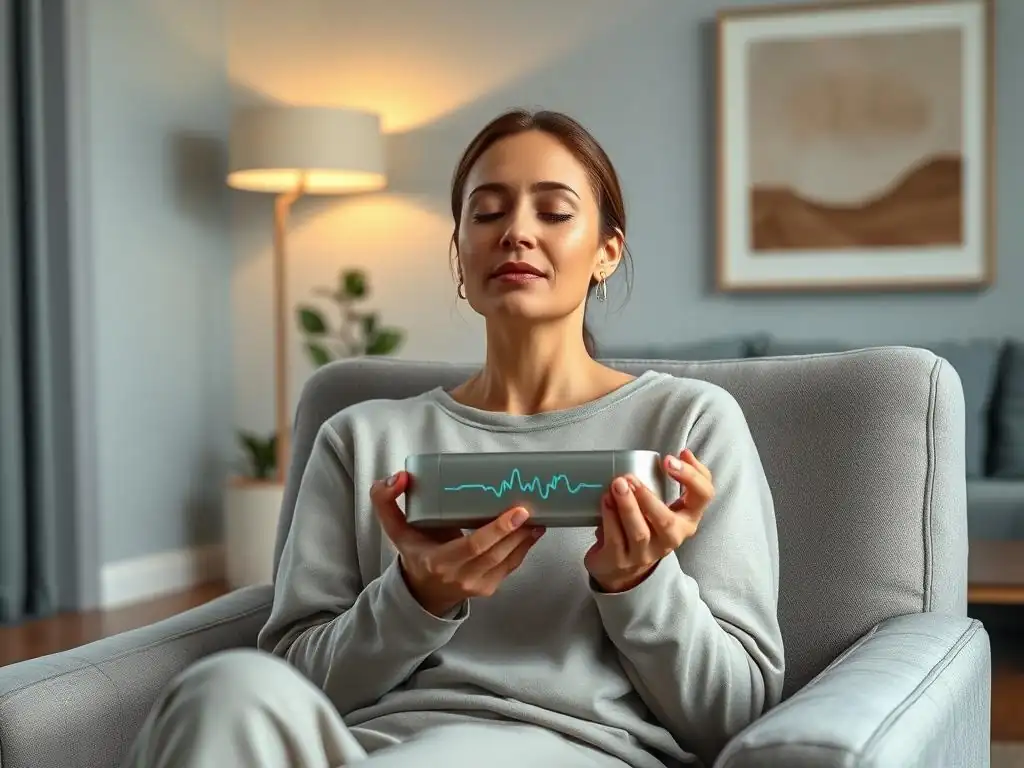
While a home biofeedback device is a powerful tool, it's important to remember that managing anxiety is often a multi-faceted journey. Relying solely on a device might not be sufficient for everyone. Integrating biofeedback into a broader strategy that includes lifestyle changes, professional support when needed, and connecting with others can significantly enhance your progress and overall well-being.
Thinking holistically about anxiety management ensures that you are addressing all contributing factors, not just the physiological symptoms targeted by biofeedback. This comprehensive approach is key to achieving sustainable relief and building long-term resilience against anxiety.
Online Communities and Forums for Biofeedback Users
Connecting with others who are using home biofeedback can provide valuable support, tips, and motivation. Online communities and forums dedicated to biofeedback or specific device brands are excellent resources. Here, users share their experiences, challenges, and successes. You can find advice on troubleshooting devices, tips for consistent practice, and encouragement from others who understand the journey of learning self-regulation.
These communities can be a source of practical information and emotional support. Learning how others have integrated biofeedback into their lives, overcome plateaus, or combined it with other techniques can offer new perspectives and strategies. While not a substitute for professional advice, peer support can be a powerful adjunct to your biofeedback practice.
Working with a Biofeedback Therapist: When Professional Guidance is Needed
For some individuals, especially those with severe or complex anxiety, or those who find it difficult to get started or make progress with a home device alone, working with a qualified biofeedback therapist can be highly beneficial. A therapist can perform a more comprehensive assessment, identify specific physiological patterns related to your anxiety, and develop a personalized training plan.
A therapist can also provide guidance on proper sensor placement, interpreting feedback data, troubleshooting technical issues, and integrating biofeedback practice with other therapeutic strategies like cognitive restructuring or relaxation techniques. They can offer support and accountability, which can be crucial for consistency. While adding the cost of therapy sessions, this professional guidance can significantly enhance the effectiveness of your home practice and accelerate your progress, potentially making the overall investment in home biofeedback reduces anxiety efforts more successful.
The Importance of a Holistic Approach to Anxiety Relief: Diet, Exercise, and Sleep
Effective anxiety management rarely relies on a single tool or technique. A holistic approach that addresses various aspects of physical and mental health is often the most successful. Complementing your home biofeedback practice with healthy lifestyle habits can amplify its benefits and contribute to overall resilience.
Key lifestyle factors that significantly impact anxiety include:
- Diet: Eating balanced meals, limiting caffeine and sugar, and staying hydrated can stabilize mood and energy levels.
- Exercise: Regular physical activity is a powerful stress reducer and can improve mood and sleep quality. Even moderate exercise like walking can be beneficial.
- Sleep: Prioritizing 7-9 hours of quality sleep per night is crucial, as sleep deprivation can exacerbate anxiety symptoms.
Integrating biofeedback practice with these healthy habits creates a powerful synergy, addressing anxiety from multiple angles and promoting sustained well-being.
Is Home Biofeedback Worth the Cost? A Final Verdict
Deciding whether the investment in home biofeedback is "worth it" for managing anxiety is a personal one, depending on individual needs, financial situation, and how consistently one commits to the practice. There is an undeniable upfront cost, ranging from under $100 to well over $1,000, plus potential ongoing subscription fees or battery costs. This must be weighed against the potential benefits.
For many, the value lies not just in temporary symptom relief, but in the development of a lifelong skill of self-regulation. Learning to consciously influence your physiological responses provides a sense of empowerment and control over anxiety that medications alone cannot offer.
If consistent practice leads to a significant reduction in anxiety symptoms, improved quality of life, reduced reliance on other, potentially more expensive or side-effect-laden treatments, then the initial and ongoing costs can be seen as a valuable investment in long-term health and well-being. The question becomes: does home biofeedback reduce anxiety cost compared to the alternatives for you?
Weighing the Investment Against the Potential Benefits for Anxiety Reduction
To assess the value, consider the potential return on investment. If using a home biofeedback device consistently allows you to:
- Reduce the frequency or intensity of anxiety symptoms.
- Decrease reliance on medication (under medical supervision).
- Potentially reduce the need for frequent therapy sessions focused only on physiological regulation.
- Improve sleep quality or focus.
- Increase your overall sense of calm and control.
Then the cost may be justified. For example, if an individual spends $200 on a device and practices consistently, leading to a 50% reduction in panic attacks over a year, that could be considered a significant return on investment in terms of improved quality of life and potentially reduced healthcare costs (e.g., fewer urgent care visits for panic). Compare the device cost and potential ongoing fees to the cost of alternative or complementary treatments you might otherwise pursue.
Alternatives to Home Biofeedback: Comparing Cost and Effectiveness
It's helpful to compare the cost and effectiveness of home biofeedback to other common anxiety management strategies:
- Therapy (e.g., CBT): Sessions can range from
$100to$250+per hour. A typical course of therapy might involve 10-20 sessions, totaling$1,000to$5,000+. Highly effective for many, but costs add up quickly, and access can be limited. - Medication: Costs vary widely depending on the medication and insurance coverage, but can range from
$10to$500+per month. Ongoing cost and potential side effects are factors. - Mindfulness/Meditation Apps: Many offer free tiers or subscriptions ranging from
$5to$15per month. Highly accessible and beneficial, but lack the objective physiological feedback of biofeedback. - Yoga/Exercise Classes: Costs vary (gym membership, class fees), potentially
$30to$100+per month. Excellent for stress reduction but don't offer specific physiological training feedback.
Home biofeedback represents a one-time (plus potential subscription) investment in a tool for skill acquisition. For individuals who benefit from learning to regulate their physiological responses, the cost of home biofeedback reduces anxiety effectively by providing a practice tool that can be used daily, potentially offering a different long-term value proposition than approaches requiring ongoing professional sessions.
Taking the Next Step: Resources for Finding the Right Home Biofeedback Device and Support System
If you're considering home biofeedback, start by researching the different types of devices (HRV, EDA, EEG) and their typical price ranges. Read reviews from other users and look for devices with user-friendly apps and good customer support.
- Explore reputable brands known for reliability and effectiveness.
- Look for devices that measure the physiological signals most relevant to your specific anxiety symptoms.
- Consider your budget, including potential subscription costs.
Consulting with a mental health professional or a biofeedback therapist can provide personalized recommendations based on your needs and history. They can help you understand if biofeedback is a suitable option and which type might be most beneficial. Remember that home biofeedback is a tool to support your well-being journey; it's often most effective when integrated into a broader strategy that includes healthy lifestyle choices and professional support as needed.
Affiliate Product Links and Discount Codes: Your Path to a Calmer You
Explore Recommended Home Biofeedback Devices
Frequently Asked Questions
How does home biofeedback work to reduce anxiety?
Home biofeedback devices monitor physiological signals like heart rate variability or skin conductance. This allows you to learn techniques to consciously regulate these signals, leading to reduced anxiety.
What are the potential cost savings of using home biofeedback compared to traditional therapy?
While the initial investment might seem significant, home biofeedback can reduce the need for frequent therapy sessions. This can result in substantial long-term savings, particularly if anxiety is a chronic issue.
Is home biofeedback a substitute for professional mental health care?
No, home biofeedback is not a replacement for therapy or medication prescribed by a professional. It's best used as a complementary tool to enhance your existing mental health plan.
What types of anxiety disorders can home biofeedback be effective for?
Home biofeedback can be helpful for managing various anxiety disorders, including generalized anxiety disorder (GAD), panic disorder, and social anxiety. However, effectiveness can vary depending on the individual and the severity of the condition.
What are the key factors to consider when choosing a home biofeedback device for anxiety?
Consider factors such as ease of use, accuracy, biofeedback metrics measured, and compatibility with your lifestyle. Research reputable brands and read reviews to ensure the device meets your specific needs and budget.
Final Reflection: The Quiet Revolution of Home Biofeedback
The rising tide of anxiety in our modern world demands innovative solutions, and home biofeedback offers a powerful, accessible, and increasingly cost-effective approach to managing its debilitating effects. The affordability and convenience of at-home biofeedback devices are disrupting traditional anxiety treatment, making self-management a tangible reality for many who previously lacked access to effective care. This shift promises a future where mental wellness is less a privilege and more a readily available resource.
The integration of biofeedback into personal wellness routines is a significant cultural shift, mirroring a growing awareness of the mind-body connection and the importance of proactive mental health management. This isn't just about reducing anxiety; it's about reclaiming agency over one's own well-being. The greatest wealth is health,
as the ancient proverb states, and home biofeedback empowers individuals to invest in that wealth directly, on their own terms. This resonates deeply with me, having witnessed firsthand the transformative potential of this technology for individuals struggling with anxiety and stress.
Consider the potential within your reach. You are not powerless against anxiety. By understanding the cost-effectiveness and accessibility of home biofeedback, you can take proactive steps to cultivate a calmer, more resilient self. Explore the options, research the devices, and begin your journey towards a more peaceful and empowered life. The investment in your mental well-being is an investment in your future – a future filled with greater calm, clarity, and joy.
Unwind Your World: Take Control of Your Anxiety Today
Thank you for taking the time to explore the world of home biofeedback and its potential to alleviate anxiety. We hope you've gained valuable insights into its cost-effectiveness and transformative power. Now it's time to put that knowledge into action!
- Schedule a consultation with a biofeedback therapist: This is the most impactful step towards managing your anxiety effectively. They can tailor a program to your specific needs and guide you through the process.
- Explore relaxation techniques: Practice deep breathing exercises or mindfulness meditation to complement your biofeedback sessions and enhance their impact.
- Share your journey: Connect with others on social media and discuss your experiences with home biofeedback – your insights can help others discover this amazing tool!
Ready to embrace a calmer, more centered you? What's the first step you'll take to invest in your mental wellbeing today?