
Tame Your Tension: How Biofeedback Devices Help Manage Anxiety from Your Living Room


Welcome to Mind Care Guide, a space dedicated to nurturing your mental well-being. Feeling overwhelmed by anxiety? You're not alone. We understand the challenges you face, and we're here to offer practical solutions. Dive into our guide on Biofeedback anxiety management techniques and discover how this innovative approach can empower you to take control, transforming your living room into a sanctuary of calm. Intrigued? Let's explore how biofeedback can help you reclaim your peace of mind.
Tame Your Tension: How Biofeedback Devices Help Manage Anxiety from Your Living Room
- Understanding Anxiety and the Need for Effective Management Techniques
- What is Biofeedback and How Does It Work for Anxiety?
- Choosing the Right Biofeedback Device for Anxiety Relief at Home
- Integrating Biofeedback Anxiety Management Techniques into Your Daily Routine
- Real-Life Success Stories: Biofeedback for Anxiety
- Potential Benefits and Limitations of Biofeedback Anxiety Management Techniques
- Maximizing Your Investment: Tips for Effective Biofeedback Training
- Where to Buy Biofeedback Devices for Anxiety and What to Expect
- The Future of Biofeedback Anxiety Management Techniques: Innovation and Accessibility
-
Frequently Asked Questions
- What exactly is biofeedback, and how does it relate to anxiety management?
- What types of biofeedback devices are typically used for managing anxiety at home?
- How effective are biofeedback devices for anxiety management compared to traditional methods like therapy or medication?
- Are there any potential risks or side effects associated with using biofeedback devices at home?
- Where can I find reliable resources and guidance on using biofeedback devices for anxiety management?
- Final Reflection: Reclaiming Calm in a Chaotic World
- Unlock Your Calm: Take Control of Your Anxiety Today
Understanding Anxiety and the Need for Effective Management Techniques
The Growing Prevalence of Anxiety: A Modern Epidemic
Anxiety disorders represent a significant global mental health challenge, affecting millions of people across all demographics. According to estimates from the World Health Organization, approximately 1 in 13 people globally are affected by anxiety disorders. This includes conditions like Generalized Anxiety Disorder (GAD), panic disorder, social anxiety disorder, and specific phobias.
The symptoms can be debilitating, ranging from excessive worry and restlessness to physical manifestations like rapid heart rate, sweating, and difficulty concentrating. The COVID-19 pandemic further exacerbated this trend, with studies indicating a substantial increase in the prevalence of anxiety and depression worldwide during 2020, highlighting the urgent need for accessible and effective Biofeedback anxiety management techniques and other strategies.
The impact of this widespread anxiety extends far beyond individual suffering. It affects productivity at work, performance in school, relationships with loved ones, and overall quality of life. The economic burden is also substantial, encompassing healthcare costs, lost productivity, and disability claims.
While traditional treatments like therapy and medication remain vital tools, the sheer scale of the issue, coupled with barriers to access such as cost, availability, and stigma, necessitates the exploration and adoption of diverse, complementary approaches. This is where innovative solutions, such as utilizing biofeedback devices for anxiety management at home, offer promising avenues for self-help and support.
Limitations of Traditional Anxiety Treatments: Why Explore Alternatives?
While psychotherapy, such as Cognitive Behavioral Therapy (CBT), and pharmacological interventions, like selective serotonin reuptake inhibitors (SSRIs) or benzodiazepines, are cornerstones of anxiety treatment, they are not without limitations. Therapy requires consistent access to a trained professional, which can be geographically challenging or financially prohibitive for many. Waiting lists for therapists can be long, delaying necessary support. Furthermore, progress in therapy can be gradual, requiring significant commitment over time.
Medications, while effective for many, can have side effects ranging from mild (like nausea or drowsiness) to more severe, and they may not be suitable for everyone. There's also the potential for dependence with certain classes of anxiety medication. Moreover, medication primarily addresses the symptoms rather than teaching individuals how to manage their physiological responses to stress and anxiety in real-time. This is a crucial gap that alternative and complementary methods, particularly Biofeedback anxiety management techniques, are designed to fill by empowering individuals with self-regulation skills.
Introducing Biofeedback Anxiety Management Techniques: A Natural Approach
Amidst the search for effective and accessible ways to cope with anxiety, biofeedback has emerged as a compelling option. Unlike approaches that solely focus on cognitive restructuring or chemical intervention, biofeedback offers a natural, non-invasive method that teaches individuals to gain conscious control over physiological processes that are typically involuntary. By providing real-time data about bodily functions linked to stress and anxiety, such as heart rate, skin temperature, or muscle tension, biofeedback devices act as a mirror, reflecting internal states.
This real-time feedback loop allows individuals to observe how their thoughts, feelings, and actions directly influence their physical responses. Through guided exercises and practice, users learn to intentionally alter these physiological signals, effectively reducing the physical symptoms associated with anxiety. This skill development is a key advantage of Biofeedback anxiety management techniques, offering a sustainable way to manage stress and anxiety independently, often from the comfort and privacy of one's own home using personal biofeedback devices.
What is Biofeedback and How Does It Work for Anxiety?
Demystifying Biofeedback: A Definition and Explanation
Biofeedback is a therapeutic technique that involves using electronic instruments to measure and provide information about an individual's physiological processes. This information, often displayed on a screen or conveyed through auditory signals, allows a person to become more aware of their body's responses, such as heart rate, muscle tension, skin temperature, brainwave activity, or sweat gland activity (electrodermal activity). The term "biofeedback" literally means providing biological information back to the individual. It's essentially a form of mind-body training where the body's signals serve as the "teacher."
The core principle is that by seeing or hearing these typically unconscious bodily functions, individuals can learn to influence them voluntarily. For instance, someone might see their heart rate displayed on a monitor while feeling stressed. Through relaxation exercises or focused breathing, they can then observe in real-time how these efforts cause their heart rate to decrease.
Over time, with consistent practice, the goal is to gain the ability to regulate these responses without the need for the device, although using the device can continue to support and refine the skill. This self-regulation is the essence of Biofeedback anxiety management techniques.
The Science Behind Biofeedback: Connecting Mind and Body
The effectiveness of biofeedback for anxiety stems from the well-established connection between the mind and the body, particularly the role of the autonomic nervous system (ANS). The ANS controls involuntary bodily functions like heart rate, breathing, digestion, and the "fight or flight" response. When a person experiences anxiety or stress, the sympathetic branch of the ANS becomes activated, leading to physical symptoms such as increased heart rate, rapid breathing, muscle tension, and increased sweating. Biofeedback provides a window into these physiological changes.
By using biofeedback devices, individuals receive immediate feedback on their ANS activity. For example, an HRV biofeedback device shows how the timing between heartbeats varies, reflecting ANS balance. An EDA device shows changes in skin conductivity related to sweat gland activity, another indicator of sympathetic arousal.
This objective data allows users to directly see the impact of their mental state (stress, worry) and their relaxation efforts (deep breathing, mindfulness) on their physical state. Through this process of conscious observation and intentional practice, the individual learns to activate the parasympathetic branch of the ANS, which promotes relaxation and counteracts the stress response, thereby enhancing their Biofeedback anxiety management techniques.
How Biofeedback Devices Help Reduce Anxiety Symptoms: A Step-by-Step Process
Using biofeedback devices for anxiety management typically involves a structured process designed to build self-regulation skills. First, sensors are attached to the body to measure a specific physiological signal related to stress, such as heart rate variability, skin conductance, or muscle tension. The device then processes this data and presents it to the user in an easily understandable format, often through visual displays on a screen, auditory tones, or even tactile vibrations. This real-time feedback is the core of the training.
Next, the user engages in relaxation or stress-reducing techniques, such as deep diaphragmatic breathing, guided imagery, or progressive muscle relaxation, while observing the biofeedback signal. For example, a user might see a graph of their skin conductance drop as they practice slow, controlled breathing.
This immediate feedback reinforces the effectiveness of the relaxation technique, motivating the user and helping them understand what it feels like physically when their body is moving towards a state of calm. Over repeated sessions, the individual learns to associate specific mental and physical practices with desired physiological changes, gradually gaining the ability to lower their anxiety response intentionally, even without the device present, a key outcome of effective Biofeedback anxiety management techniques.
Choosing the Right Biofeedback Device for Anxiety Relief at Home
Types of Biofeedback Devices for Anxiety: A Comprehensive Overview
When exploring biofeedback for anxiety management at home, you'll encounter several different types of devices, each focusing on a specific physiological signal. The choice depends on individual needs, the specific type of anxiety experienced, budget, and preference for the kind of feedback received. The most common types available for home use include devices that measure Heart Rate Variability (HRV), Electrodermal Activity (EDA), and, less commonly, simplified versions of Electroencephalography (EEG), also known as neurofeedback.
Each device type targets a different aspect of the body's stress response, offering unique insights and training opportunities. Some devices are designed to be simple and portable, suitable for quick check-ins throughout the day, while others are more complex and require dedicated training sessions. Understanding the principles behind each type is crucial for selecting the most appropriate tool to support your Biofeedback anxiety management techniques.
Heart Rate Variability (HRV) Biofeedback Devices
HRV biofeedback is one of the most popular and accessible forms of biofeedback for anxiety management. These devices measure the tiny variations in the time intervals between consecutive heartbeats. While it might seem counterintuitive, a higher variability in these intervals when at rest is generally an indicator of a well-regulated autonomic nervous system and better resilience to stress. Conversely, low HRV is often associated with stress, anxiety, and a persistent "fight or flight" state.
HRV biofeedback devices, often wrist-worn sensors, finger sensors, or chest straps connected to a smartphone app or computer program, display your HRV in real-time. The training involves practicing slow, paced breathing, typically at a rate of about 5-6 breaths per minute, which is known to maximize HRV.
The device shows you how your breathing patterns influence your HRV, guiding you to find the optimal breathing rhythm that promotes a state of coherence between your heart rate and breathing. This training directly impacts the balance between the sympathetic (stress) and parasympathetic (relaxation) branches of your ANS, making it a powerful tool for Biofeedback anxiety management techniques.
Benefits of HRV Biofeedback for Anxiety Reduction
One of the primary benefits of HRV biofeedback is its direct impact on the autonomic nervous system, which is central to the body's stress response. By training to increase HRV, individuals are essentially strengthening their parasympathetic nervous system, the branch responsible for the "rest and digest" state. This leads to a more balanced physiological state, reducing the physical symptoms commonly associated with anxiety, such as rapid heart rate, shallow breathing, and muscle tension. Many users report feeling calmer and more centered after regular practice.
Furthermore, HRV biofeedback provides objective, quantifiable data on your physiological state. This can be incredibly empowering for individuals with anxiety, who may sometimes feel disconnected from their bodies or unsure if their relaxation efforts are truly effective. Seeing a visual representation of their HRV increasing as they practice paced breathing provides clear evidence of progress, building confidence in their ability to self-regulate their anxiety. This tangible feedback is a core component of effective Biofeedback anxiety management techniques.
How HRV Biofeedback Devices Work: Training Your Autonomic Nervous System
HRV biofeedback devices typically use a sensor, often placed on a fingertip or earlobe, to measure the pulse and calculate the time between heartbeats. This data is then transmitted to software that analyzes the variability in these intervals and displays it in various formats, such as graphs, coherence scores, or even interactive games. The goal of the training is to achieve a state of "coherence," where heart rhythms and breathing patterns synchronize harmoniously, indicating optimal ANS function.
During a typical session, the device guides the user to breathe slowly and rhythmically, often with visual or auditory prompts. As the user inhales and exhales at the guided pace, they observe how their HRV changes in response. The software usually provides a score or visual representation (like a rising and falling wave) that indicates how coherent their physiological state is.
By practicing this paced breathing while receiving feedback on their HRV, individuals learn to consciously regulate their ANS, shifting from a state of sympathetic dominance (stress) to parasympathetic dominance (relaxation). This learned skill is a cornerstone of Biofeedback anxiety management techniques, enabling users to better manage their physiological response to stressors in daily life.
Electrodermal Activity (EDA) Biofeedback Devices
Electrodermal Activity (EDA), also known as galvanic skin response (GSR) or skin conductance, measures changes in the electrical conductivity of the skin. This conductivity is influenced by the activity of sweat glands, which are controlled by the sympathetic nervous system. When a person experiences stress, anxiety, or heightened emotional arousal, the sympathetic nervous system activates sweat glands, even if no visible sweat is produced. This slight increase in moisture on the skin surface increases electrical conductivity.
EDA biofeedback devices use small sensors, typically placed on the fingertips or palms, to detect these subtle changes in skin conductivity. The device translates these measurements into a visual or auditory signal that the user can easily understand. A rising line on a graph or a changing tone might indicate increasing arousal or stress, while a falling line or steady tone suggests a state of relaxation. This real-time feedback allows individuals to see the immediate impact of their thoughts, feelings, or relaxation techniques on their physiological state.
Understanding EDA and Its Connection to Stress and Anxiety
EDA is a sensitive indicator of sympathetic nervous system arousal, making it highly relevant for understanding and managing stress and anxiety. Even subtle shifts in emotional state or exposure to a perceived stressor can trigger a measurable change in skin conductance. This physiological response occurs automatically and often precedes conscious awareness of feeling anxious. By monitoring EDA, individuals gain objective insight into their body's stress response in real-time.
For someone experiencing anxiety, the EDA signal can serve as a concrete representation of their internal state. Seeing their skin conductance spike when thinking about a stressful situation or observing it drop as they practice a calming exercise provides powerful, undeniable feedback. This awareness is the first step towards self-regulation. EDA biofeedback training helps individuals learn to recognize the early signs of physiological arousal and practice techniques to lower their skin conductance, thereby reducing the physical manifestations of stress and enhancing their Biofeedback anxiety management techniques.
Utilizing EDA Biofeedback for Real-Time Stress Monitoring and Management
EDA biofeedback devices are particularly useful for real-time monitoring of stress levels. They can show how specific thoughts, situations, or even environmental cues trigger a physiological response. For example, someone with social anxiety might notice their EDA levels rise simply by thinking about an upcoming social event. This immediate feedback helps them identify triggers and understand the physical impact of their anxious thoughts.
During training sessions, users practice relaxation techniques while observing their EDA levels. The goal is to learn how to intentionally lower skin conductance, indicating a reduction in sympathetic arousal. This could involve deep breathing, mindfulness exercises, or simply focusing on calming imagery. By repeatedly practicing these techniques and seeing their effectiveness reflected in the EDA data, individuals train their bodies to respond differently to stressors. This skill allows them to intervene early when they feel their anxiety rising, using the learned techniques to bring their physiological state back into balance, a practical application of Biofeedback anxiety management techniques.
EEG Biofeedback Devices (Neurofeedback) for Anxiety: A More Advanced Option
EEG biofeedback, commonly known as neurofeedback, is a type of biofeedback that focuses on brainwave activity. Electroencephalography (EEG) measures electrical activity in the brain using sensors placed on the scalp. Different brainwave frequencies (Delta, Theta, Alpha, Beta, Gamma) are associated with different states of consciousness and mental activity. For example, Alpha waves are often associated with a relaxed, calm state, while Beta waves are linked to alert, focused thinking, and sometimes anxiety.
Neurofeedback training involves monitoring a person's brainwave patterns in real-time and providing feedback when the desired pattern is achieved or an undesired pattern is reduced. For anxiety, training often focuses on increasing Alpha and/or Theta waves (associated with relaxation and calm) and decreasing high Beta waves (associated with worry and hypervigilance). While more complex and traditionally conducted in a clinical setting, simplified versions of neurofeedback devices are becoming available for home use, offering a different dimension to Biofeedback anxiety management techniques.
How Neurofeedback Helps Retrain Brainwave Patterns Associated with Anxiety
The premise behind neurofeedback for anxiety is that individuals can learn to voluntarily alter their brainwave patterns. When brainwave activity is measured, the neurofeedback device provides immediate feedback, often through visual displays (like a video game that only progresses when desired brainwaves are produced) or auditory tones. For example, the screen might brighten or a pleasant tone might sound when the user produces more Alpha waves and fewer high Beta waves.
Through repeated training sessions, the brain learns to associate the desired brainwave patterns with the positive feedback. This process, based on principles of operant conditioning, helps the brain "re-regulate" itself towards a healthier, less anxious state. By practicing this self-regulation of brain activity, individuals can potentially reduce the underlying neurological patterns associated with excessive worry, restlessness, and hyperarousal characteristic of anxiety disorders. This makes neurofeedback a powerful, albeit more complex, form of Biofeedback anxiety management techniques.
Considerations Before Choosing EEG Biofeedback: Cost and Expertise
While potentially very effective, EEG biofeedback (neurofeedback) for home use presents some significant considerations compared to HRV or EDA devices. Firstly, neurofeedback systems are generally more expensive. The technology involved in accurately measuring and interpreting brainwave activity is more complex, leading to higher price points for devices and accompanying software. This can make it a substantial initial investment for individuals seeking this type of Biofeedback anxiety management techniques.
Secondly, properly using neurofeedback, even with a home device, often benefits significantly from guidance. Interpreting brain maps (QEEG), setting appropriate training protocols, and understanding the nuances of brainwave patterns typically require the expertise of a trained neurofeedback practitioner. While some home systems offer pre-set protocols, personalized training based on an individual's specific brain activity patterns is often more effective. Users should be prepared for a steeper learning curve or consider supplementing home use with professional consultation.
Key Features to Consider When Selecting a Biofeedback Device for Anxiety
Once you've decided on the type of biofeedback (e.g., HRV, EDA) that seems most suitable for your needs, several key features should guide your selection of a specific device. These features impact the device's usability, effectiveness, and overall value. Paying close attention to these aspects will help ensure you choose a device that aligns with your goals for implementing Biofeedback anxiety management techniques effectively at home.
Consider factors such as how the device collects data, how that data is presented to you, the available training programs, its physical design, and the overall cost. A device that is accurate but difficult to use, or one that is affordable but provides unreliable data, won't be effective in supporting your anxiety management journey.
Accuracy and Reliability of Data Collection
The effectiveness of any biofeedback device hinges on its ability to accurately and reliably measure the physiological signal it's designed to track. Inaccurate data means the feedback you receive is misleading, making it impossible to learn how to regulate your body effectively. For HRV devices, this means accurately measuring the time between heartbeats. For EDA devices, it means precisely detecting subtle changes in skin conductivity.
Look for devices from reputable manufacturers with positive reviews regarding data accuracy. Some devices may use medical-grade sensors, offering higher precision. While consumer-grade devices may not always meet clinical standards, they should still provide consistent and responsive feedback that clearly reflects changes in your physiological state. Reliable data ensures that when you see a change in the feedback signal, you can trust that it corresponds to a real change in your body, which is fundamental for successful Biofeedback anxiety management techniques.
Ease of Use and User-Friendly Interface
Especially for home use, the device and its accompanying software or app should be easy to set up and navigate. A complex setup process or a confusing interface can be a barrier to consistent practice, which is crucial for learning biofeedback skills. Consider how the sensors attach (e.g., fingertip clip, wrist strap, adhesive pads) and whether they are comfortable to wear for the duration of a training session.
The software or app should present the biofeedback data in a clear, intuitive way. Look for visual displays (graphs, meters, animations) or auditory cues that are easy to understand and respond to in real-time. Features like guided sessions, tutorials, and clear instructions can significantly enhance the user experience and make it easier to integrate Biofeedback anxiety management techniques into your routine without frustration.
Personalized Training Programs and Feedback Mechanisms
Effective biofeedback training isn't just about seeing your numbers; it's about learning to change them. Look for devices that offer structured training programs or guided exercises specifically designed for anxiety reduction. These programs often walk you through techniques like paced breathing while providing real-time feedback on how your physiological signal is responding.
Some advanced devices offer personalized feedback, adapting the training based on your performance or specific needs. This might include setting target zones for your HRV or providing more sensitive feedback as you improve. Engaging feedback mechanisms, such as game-like interfaces or progress tracking features, can also help maintain motivation and make the learning process more enjoyable, supporting consistent practice of Biofeedback anxiety management techniques.
Portability and Convenience for Home Use
Since the goal is to manage anxiety from your living room (or anywhere in your home), the device's portability and convenience are important. Consider the size and weight of the device, whether it's wireless, and how it connects to your display (e.g., Bluetooth to a smartphone/tablet, USB to a computer). Devices that are quick to set up and require minimal fuss are more likely to be used regularly.
Think about where you plan to use the device. A small, discreet sensor connected wirelessly to a smartphone app might be ideal if you want the flexibility to practice in different rooms. If you prefer dedicated sessions at a desk, a device that connects to a computer might be fine. The convenience of the device directly impacts your ability to establish a consistent practice schedule, which is vital for mastering Biofeedback anxiety management techniques.
Cost and Value for Money
Biofeedback devices for home use vary widely in price, from relatively inexpensive finger sensors that connect to smartphone apps (under $100-$200) to more sophisticated systems that can cost several hundred dollars or more. Consider your budget, but also weigh the cost against the features and reliability offered. The cheapest option may not provide the necessary accuracy or features for effective training.
Assess what is included in the purchase – is it just the hardware, or does it come with comprehensive software, training programs, and ongoing support? Some devices require subscription fees for full access to features or content. Consider the potential long-term value in terms of improved anxiety management and reduced reliance on other coping mechanisms when evaluating the investment in Biofeedback anxiety management techniques through a home device.
Integrating Biofeedback Anxiety Management Techniques into Your Daily Routine
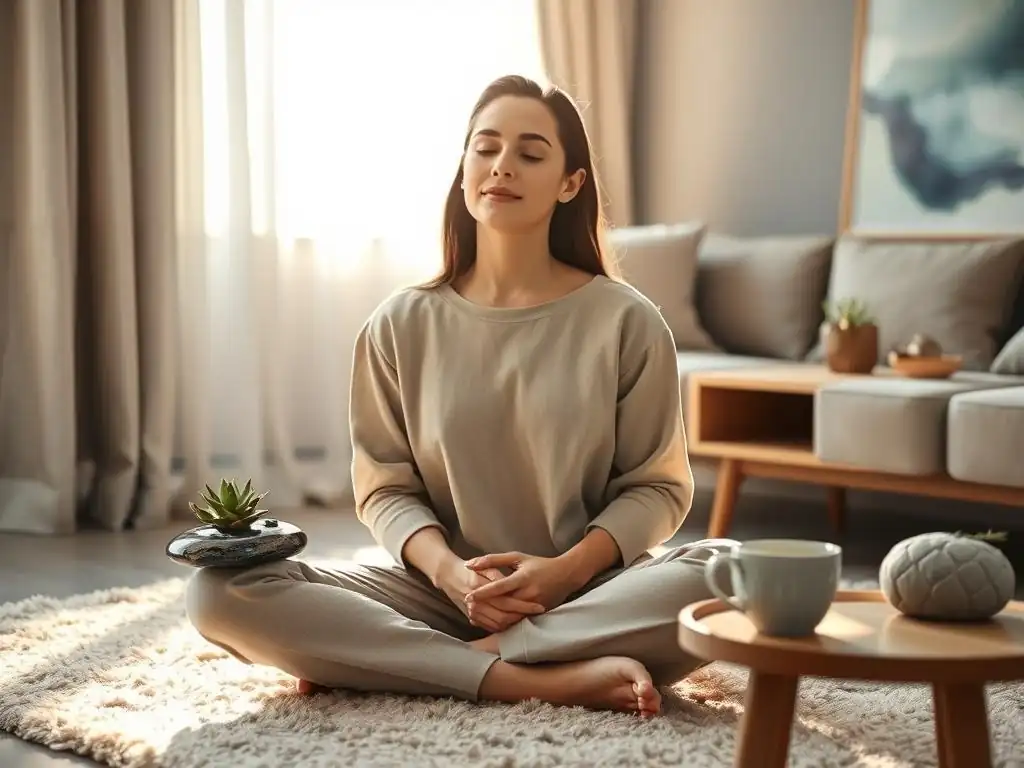
Setting Up Your Home Biofeedback Practice: Creating a Relaxing Environment
Successfully integrating Biofeedback anxiety management techniques into your daily life starts with creating a dedicated space and time for practice. While biofeedback can theoretically be done anywhere, especially with portable devices, establishing a calm and quiet environment free from distractions can significantly enhance the effectiveness of your sessions, particularly when you are first learning.
Choose a comfortable chair or spot where you won't be interrupted. Ensure the lighting is soft and the temperature is comfortable. Turn off notifications on your phone or computer, unless the device requires the screen for feedback. Think of this space as your personal sanctuary for relaxation and skill-building. Consistency in your environment can also help condition your mind and body to enter a relaxed state more easily when you begin your biofeedback session.
Developing a Consistent Biofeedback Training Schedule: The Key to Success
Like learning any new skill, mastering Biofeedback anxiety management techniques requires regular, consistent practice. Short, frequent sessions are often more effective than infrequent, long ones. Aim for daily sessions, even if they are just 10-20 minutes long. Find a time that works best for you – perhaps first thing in the morning to set a calm tone for the day, during a mid-day break to manage rising stress, or in the evening to wind down before bed.
Schedule your biofeedback practice like any other important appointment. Put it in your calendar and commit to it. Consistency helps reinforce the neural pathways associated with self-regulation and builds your ability to access a state of calm more readily when you need it most. Over time, these regular sessions will help you internalize the skills learned through the biofeedback device, making them accessible even without the technology present.
Combining Biofeedback with Other Anxiety Management Strategies: A Holistic Approach
Biofeedback is a powerful tool, but it often works best when integrated into a broader approach to anxiety management. Combining Biofeedback anxiety management techniques with other evidence-based strategies can create a synergistic effect, enhancing overall well-being and resilience. Think of biofeedback as a way to deepen and accelerate the physical aspect of relaxation techniques you might already be using or considering.
Popular combinations include pairing biofeedback with mindfulness meditation, deep breathing exercises, or progressive muscle relaxation. The biofeedback device provides objective data that validates and enhances the subjective experience of these practices. This integrated approach addresses anxiety from multiple angles – physiological, cognitive, and behavioral – leading to more comprehensive and sustainable results.
Mindfulness Meditation and Biofeedback: A Powerful Combination
Mindfulness meditation involves paying attention to the present moment without judgment. It helps cultivate awareness of thoughts, feelings, and bodily sensations. When combined with biofeedback, mindfulness can become even more potent. For instance, practicing mindfulness while monitoring your HRV can help you become more attuned to the subtle physiological shifts that occur as you observe your breath or body sensations.
The biofeedback device provides objective confirmation of the calming effects of mindfulness, showing you how your focused attention influences your heart rate variability or skin conductance. This tangible feedback can make mindfulness practice more engaging and reinforcing, helping you develop both present moment awareness and physiological self-regulation simultaneously, creating a powerful synergy for Biofeedback anxiety management techniques.
Deep Breathing Exercises and Biofeedback: Enhancing Relaxation
Deep, diaphragmatic breathing is a fundamental technique for activating the parasympathetic nervous system and reducing anxiety. Biofeedback devices, especially HRV biofeedback, are exceptionally good at illustrating the immediate physiological benefits of proper breathing. Paced breathing, often guided by biofeedback software, is a core component of HRV training precisely because it directly influences heart rate variability.
Using a biofeedback device while practicing deep breathing allows you to see in real-time how each slow inhale and exhale impacts your physiological state. You can experiment with different breathing rates and depths to find what works best for your body, guided by the objective feedback. This makes the practice more effective and helps you truly understand the physical power of your breath in managing anxiety, significantly enhancing your Biofeedback anxiety management techniques.
Progressive Muscle Relaxation and Biofeedback: Releasing Physical Tension
Progressive Muscle Relaxation (PMR) involves systematically tensing and then releasing different muscle groups in the body to become more aware of the contrast between tension and relaxation. Anxiety often manifests as physical tension, so releasing this tension is crucial for reducing overall anxiety levels. When combined with biofeedback, particularly EDA or EMG (electromyography, which measures muscle tension) biofeedback if available, PMR can be even more effective.
While EMG biofeedback devices are less common for home use compared to HRV or EDA, EDA devices can still show the general physiological arousal associated with muscle tension. Practicing PMR while monitoring EDA can demonstrate how releasing physical tension leads to a reduction in sympathetic nervous system activity. This helps individuals consciously connect the physical sensation of relaxation with a measurable decrease in physiological arousal, solidifying their understanding and application of Biofeedback anxiety management techniques.
Real-Life Success Stories: Biofeedback for Anxiety
Success Story 1: Overcoming Performance Anxiety with HRV Biofeedback
Sarah, a professional musician, struggled for years with debilitating performance anxiety. Before auditions or concerts, her heart would pound, her hands would shake, and her mind would race, significantly impacting her playing. Traditional therapy helped her manage some of the cognitive aspects of her fear, but the physical symptoms remained overwhelming. She decided to try Biofeedback anxiety management techniques using an HRV device.
Sarah practiced daily, using the device to guide her through paced breathing exercises. She could see her HRV score increase as she slowed her breathing and focused on achieving a state of coherence. Over several weeks, she noticed she could reach that coherent state more quickly. Crucially, she started practicing with the device while imagining herself on stage.
This helped her learn to maintain a calm physiological state even when mentally simulating a stressful situation. By the time of her next major audition, she felt a significant reduction in her physical anxiety symptoms. While still experiencing some nerves, her hands were steady, and her focus improved dramatically, allowing her to perform at her best.
Success Story 2: Managing Generalized Anxiety Disorder with EDA Biofeedback
David had lived with Generalized Anxiety Disorder (GAD) for years, characterized by persistent, excessive worry about everyday things. This constant state of worry left him feeling perpetually on edge, with physical symptoms like restlessness, fatigue, and increased muscle tension. He found it hard to recognize when his anxiety was escalating until he was already feeling overwhelmed. He turned to EDA biofeedback to gain better awareness of his physiological state.
Using an EDA device on his fingertips, David began monitoring his skin conductance throughout the day and during dedicated practice sessions. He was surprised to see how much his EDA levels fluctuated, often spiking during seemingly minor worries or even just when reading stressful news. He used the device while practicing mindfulness and deep breathing. The real-time feedback showed him how these techniques could quickly lower his physiological arousal.
Over time, David became much more attuned to the subtle physical cues of rising anxiety. He learned to use his breathing and mindfulness skills proactively whenever he noticed his EDA starting to climb, preventing the anxiety from escalating into full-blown overwhelm. This tangible feedback significantly improved his ability to apply Biofeedback anxiety management techniques effectively in his daily life.
Success Story 3: Reducing Panic Attacks with Neurofeedback Training
Mark experienced panic attacks, which were terrifying episodes involving intense fear, chest pain, shortness of breath, and a feeling of losing control. These attacks were unpredictable and severely limited his activities. After exploring various options, his therapist recommended considering neurofeedback as a potential Biofeedback anxiety management technique. He began sessions with a practitioner but later invested in a home neurofeedback system to supplement his training.
The neurofeedback training focused on regulating specific brainwave patterns associated with panic and hypervigilance, often involving increasing alpha waves and decreasing high beta waves in certain areas of the brain. During home sessions, Mark would watch a simple movie or play a game that would only function smoothly when his brain produced the desired patterns. If his brain activity shifted towards the patterns associated with anxiety or panic, the movie would dim or the game would pause.
Through consistent practice over several months, Mark gradually trained his brain towards a calmer state. The frequency and intensity of his panic attacks significantly decreased. He reported feeling less "wired" and more able to manage anxious thoughts before they spiraled into panic, demonstrating the profound impact of Biofeedback anxiety management techniques on a neurological level.
Potential Benefits and Limitations of Biofeedback Anxiety Management Techniques
Advantages of Biofeedback for Anxiety: A Drug-Free and Non-Invasive Approach
One of the most significant advantages of Biofeedback anxiety management techniques is that they offer a drug-free alternative or complement to traditional treatments. This is particularly appealing to individuals who wish to avoid medication side effects, are unable to take certain medications due to health conditions, or are seeking a more natural approach to managing their anxiety. Biofeedback empowers individuals by teaching them self-regulation skills, reducing reliance on external substances.
Furthermore, biofeedback is non-invasive. It typically involves placing sensors on the skin surface – there are no needles, incisions, or internal procedures. This makes it a safe and comfortable option for most people. The process is active; the user is an engaged participant in their own healing journey, learning skills they can use anytime, anywhere, which fosters a sense of control and self-efficacy over their anxiety.
Disadvantages and Potential Challenges: Commitment and Learning Curve
While beneficial, Biofeedback anxiety management techniques do come with potential disadvantages and challenges. Firstly, they require a significant commitment of time and consistent practice. Unlike taking a pill, biofeedback is a skill that needs to be learned and refined through regular sessions. Results are typically not immediate; it can take several weeks or even months of consistent practice to notice significant improvements, which can be discouraging for some.
There can also be a learning curve associated with using the device and understanding the feedback. Some individuals may find it challenging initially to connect their internal state with the external physiological data. The technology itself, while increasingly user-friendly, can still present minor hurdles. Patience and persistence are key to overcoming these initial challenges and successfully integrating biofeedback into an anxiety management plan.
Who is Biofeedback Suitable For? Determining if it's Right for You
Biofeedback can be a suitable anxiety management technique for a wide range of individuals, but it's not a one-size-fits-all solution. It is often a good fit for people who are motivated to take an active role in their treatment and are interested in understanding the physiological basis of their anxiety. It can be particularly helpful for those whose anxiety manifests strongly with physical symptoms like rapid heart rate, muscle tension, or excessive sweating, as these are directly measured by common biofeedback devices.
It can be used effectively by individuals seeking non-pharmacological options, those who have not found complete relief with traditional methods, or those looking for complementary strategies. However, it may be less suitable for individuals who struggle with consistent practice, have difficulty understanding abstract data, or have certain medical conditions that might interfere with sensor placement or data interpretation. Consulting with a healthcare professional or a certified biofeedback therapist is recommended to determine if Biofeedback anxiety management techniques are appropriate for your specific situation.
Maximizing Your Investment: Tips for Effective Biofeedback Training
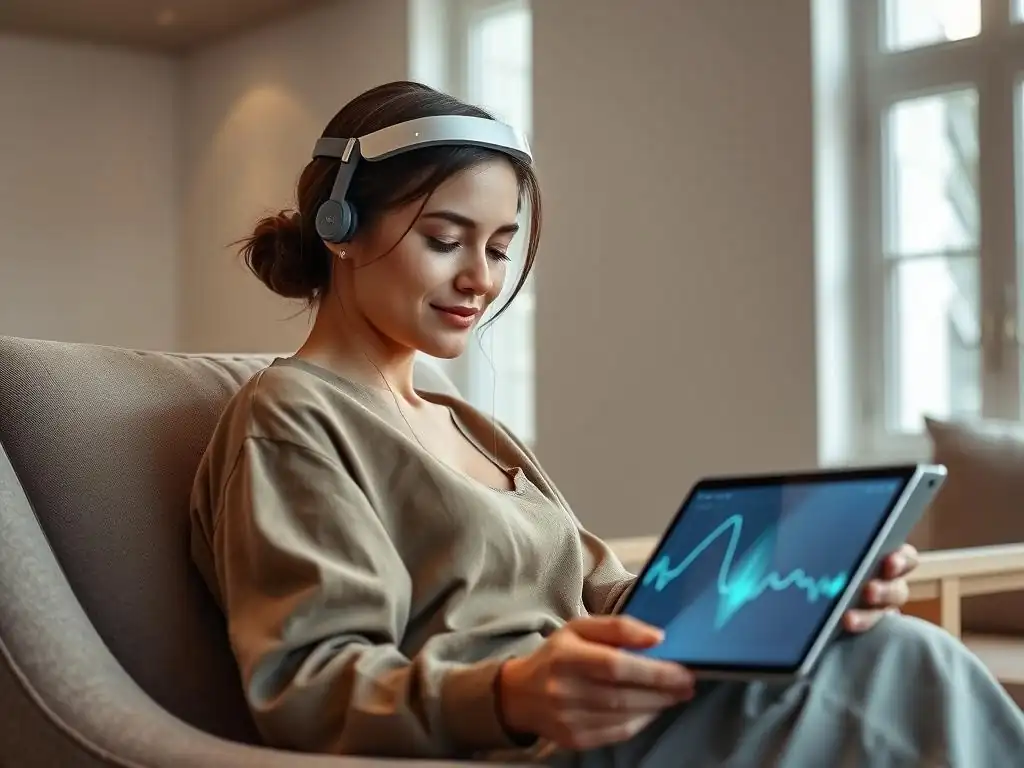
Following Instructions: Adhering to the Device's Training Protocols
To get the most out of your biofeedback device and effectively implement Biofeedback anxiety management techniques, it is crucial to follow the instructions and training protocols provided by the manufacturer or accompanying software. These protocols are designed based on established biofeedback principles and are optimized for the specific type of physiological signal the device measures. Skipping steps or inventing your own methods before you understand the basics can hinder your progress.
Pay attention to recommended session length, frequency, and any specific breathing or relaxation exercises suggested. Consistency in following the protocol helps ensure that you are training effectively and building the correct skills. If the device offers different programs, start with the recommended introductory ones before moving to more advanced training. Proper adherence maximizes the potential benefits you can derive from your investment in biofeedback technology.
Tracking Your Progress: Monitoring Your Anxiety Levels and HRV Scores
Tracking your progress is a vital component of successful Biofeedback anxiety management techniques. Most biofeedback devices and their associated apps or software offer features to record data from your sessions. This allows you to see trends over time – is your average HRV score increasing? Is your average skin conductance decreasing during relaxation exercises? This objective data provides tangible evidence of your progress, which can be incredibly motivating.
Beyond the device's metrics, it's also helpful to track your subjective experience of anxiety. Keep a journal to note your anxiety levels before and after sessions, any situations that triggered anxiety during the day, and how you felt you managed them. Comparing your subjective feelings with the objective biofeedback data can deepen your understanding of your body's responses and reinforce the connection between your practice and real-world improvements in managing anxiety.
Seeking Professional Guidance: Working with a Certified Biofeedback Therapist
While home biofeedback devices make Biofeedback anxiety management techniques more accessible, working with a certified biofeedback therapist can significantly enhance your training. A professional can provide personalized guidance, help you understand your physiological data in the context of your specific anxiety challenges, and tailor training protocols to your needs.
A therapist can also help troubleshoot difficulties you might encounter, refine your relaxation techniques, and integrate biofeedback into a broader treatment plan that may include therapy or other interventions. They possess a deeper understanding of the underlying physiology and the nuances of biofeedback training. Even a few sessions with a professional can provide a strong foundation and ensure you are using your home device as effectively as possible.
Where to Buy Biofeedback Devices for Anxiety and What to Expect
Reputable Online Retailers and Manufacturers
When looking to purchase a biofeedback device for Biofeedback anxiety management techniques at home, it's important to buy from reputable sources. This helps ensure you receive a genuine, functional device that meets quality standards. Many manufacturers specialize in biofeedback or wearable wellness technology and sell directly through their websites. These sites often provide detailed product information, specifications, and customer support.
Additionally, major online retailers carry a range of biofeedback devices. When purchasing from a large retailer, be sure to check seller reviews if buying from a third party on their platform. Focus on products with clear descriptions, technical specifications, and positive customer reviews related to accuracy, usability, and effectiveness for anxiety or stress management. Avoid questionable or unfamiliar websites selling devices at unusually low prices, as quality and support may be lacking.
Understanding Warranty and Return Policies
Before making a purchase, carefully review the warranty and return policies offered by the seller or manufacturer. Biofeedback devices are electronic instruments, and like any technology, they can sometimes have defects or not function as expected. A good warranty provides protection against manufacturing issues for a specified period.
Understanding the return policy is also crucial, especially if you are new to biofeedback. Some companies offer a satisfaction guarantee or a return window (e.g., 30 days) that allows you to return the device if it doesn't meet your needs or you find it unsuitable for your Biofeedback anxiety management techniques. Knowing these policies upfront gives you peace of mind and recourse if the device isn't the right fit.
Budget Considerations: Investing in Your Mental Well-being
Investing in a biofeedback device for Biofeedback anxiety management techniques is an investment in your mental and physical well-being. Prices can vary significantly, from under a hundred dollars for basic sensors to several hundred for more advanced systems. While it's important to consider your budget, try to balance cost with the features, reliability, and support offered.
Think of the potential long-term savings if successful biofeedback training reduces your need for other, more costly interventions or improves your overall quality of life and productivity. Research different devices within your price range, read reviews, and compare features to find the best value. Remember that consistent practice is key, so choose a device that is not only effective but also one you are likely to use regularly.
The Future of Biofeedback Anxiety Management Techniques: Innovation and Accessibility
Emerging Technologies in Biofeedback: What's on the Horizon?
The field of biofeedback is continuously evolving, driven by advancements in sensor technology, data processing, and artificial intelligence. We can expect to see even more sophisticated and user-friendly devices in the future. Emerging technologies include more accurate and less intrusive sensors, potentially integrated into everyday items like clothing or furniture.
There's also increasing research into combining different types of biofeedback simultaneously (e.g., tracking HRV and brainwaves at the same time) for a more comprehensive understanding of physiological states. AI and machine learning are being used to analyze biofeedback data more deeply, offering personalized insights and adaptive training programs that adjust in real-time based on user progress. These innovations promise to make Biofeedback anxiety management techniques even more effective and tailored to individual needs.
The Role of Biofeedback in Personalized Mental Healthcare
Biofeedback is poised to play a significant role in the future of personalized mental healthcare. By providing objective data on an individual's physiological response to stress and anxiety, biofeedback can help clinicians and users gain a deeper understanding of specific triggers and patterns. This data can inform more targeted therapy approaches and track the effectiveness of various interventions.
As devices become more integrated with health platforms and potentially covered by insurance, Biofeedback anxiety management techniques could become a standard component of personalized treatment plans for anxiety and stress-related disorders. This allows for a more data-driven approach to mental wellness, moving beyond subjective reports to include measurable physiological indicators of progress and well-being.
Biofeedback Anxiety Management: A Sustainable Solution for Long-Term Well-being
Ultimately, Biofeedback anxiety management techniques offer a sustainable solution for long-term well-being. Unlike treatments that merely mask symptoms, biofeedback teaches fundamental self-regulation skills. Once learned, these skills can be applied throughout life, empowering individuals to manage stress and anxiety proactively, even without constant reliance on the device.
By providing tangible evidence of the mind-body connection and teaching individuals how to consciously influence their physiological state, biofeedback fosters a sense of agency and control over one's mental and physical health. As the technology becomes more accessible and refined, biofeedback is set to become an increasingly valuable tool in the global effort to improve mental well-being and help individuals tame their tension from the comfort of their own homes.
Frequently Asked Questions
What exactly is biofeedback, and how does it relate to anxiety management?
Biofeedback is a technique that helps you become more aware of your body's physiological responses, such as heart rate and muscle tension. It then teaches you relaxation techniques to control these responses, thus managing anxiety. It provides real-time feedback allowing you to learn self-regulation.
What types of biofeedback devices are typically used for managing anxiety at home?
Common devices include heart rate variability (HRV) monitors, electromyography (EMG) devices (measuring muscle tension), and skin conductance sensors. These provide data to track your stress levels and the effectiveness of relaxation exercises. They are non-invasive and easy to use.
How effective are biofeedback devices for anxiety management compared to traditional methods like therapy or medication?
Biofeedback can be highly effective for some individuals, especially when used in conjunction with traditional therapies. It offers a drug-free alternative and empowers individuals to actively participate in their anxiety management. It may not be a cure, but a powerful tool for self-regulation.
Are there any potential risks or side effects associated with using biofeedback devices at home?
Generally, biofeedback is safe and has minimal risks. However, some individuals may experience mild discomfort or frustration if they are not seeing immediate results. It's crucial to consult with a healthcare professional before starting biofeedback, especially if you have underlying health conditions.
Where can I find reliable resources and guidance on using biofeedback devices for anxiety management?
Consult with a qualified therapist or biofeedback practitioner for personalized guidance. The Mind Care Guide website offers information and resources on biofeedback and other mental well-being strategies. Look for certified biofeedback therapists in your area for expert support.
Final Reflection: Reclaiming Calm in a Chaotic World
The pervasive nature of anxiety in modern life demands innovative solutions, and biofeedback offers a powerful, accessible path to reclaiming inner peace. This technology, once confined to clinical settings, is now readily available to empower individuals to manage their anxiety from the comfort of their own homes. The convenience and personalized approach offered by at-home biofeedback devices represent a significant shift in how we address mental wellness.
The journey towards understanding and managing anxiety is deeply personal, and the impact of biofeedback extends far beyond simply lowering heart rate or reducing muscle tension. It's about fostering a deeper connection with one's own body, learning to recognize the subtle signals of stress, and developing coping mechanisms that promote resilience. As the renowned psychologist Abraham Maslow once said, What a lovely surprise to suddenly realize that one is happy.
Biofeedback provides the tools to cultivate this "lovely surprise" by equipping individuals with the knowledge and techniques to navigate the challenges of daily life with greater ease and equanimity.
Now, consider your own relationship with stress and anxiety. What small steps can you take today to prioritize your mental wellbeing? Perhaps it's exploring biofeedback, practicing mindfulness, or simply carving out time for activities that bring you joy and relaxation. The path to a calmer, more fulfilling life begins with a single, conscious choice. Embrace the opportunity to learn, adapt, and cultivate a healthier relationship with your inner landscape. Your journey to tranquility starts now.
Unlock Your Calm: Take Control of Your Anxiety Today
Thanks for taking the time to learn about how biofeedback can help manage your anxiety! We hope you found the information insightful and empowering. Ready to take the next step towards a calmer you?
- Start your personalized anxiety-reduction journey: Research biofeedback devices that suit your lifestyle and budget. Explore different models and features to find the perfect fit.
- Share your experience: Tell us about your journey with biofeedback in the comments below. What challenges did you face, and what successes have you celebrated?
- Explore additional resources on Mind Care Guide to find more strategies to complement your biofeedback practice. Discover mindfulness techniques, breathing exercises, and healthy lifestyle tips for a holistic approach to well-being.
What small step will you take this week to integrate biofeedback into your self-care routine?