
Effective Herbs for Stress Relief: A Mind Care Guide Overview

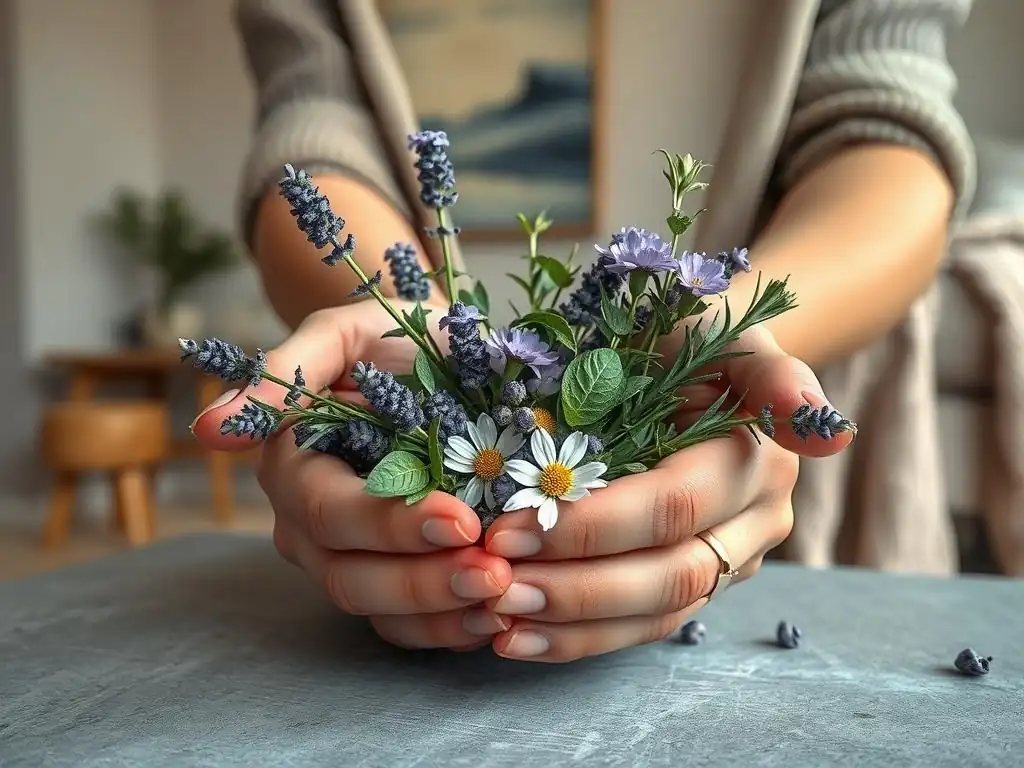
Welcome to Mind Care Guide, your haven for navigating the complexities of mental well-being. Feeling overwhelmed? We understand. Stress can be debilitating, but you're not alone. In this article, we delve into how herbs reduce stress naturally, offering a gentle and effective path toward tranquility. Curious to discover which natural remedies can help you reclaim your inner peace? Let's explore together...
Effective Herbs for Stress Relief: A Mind Care Guide Overview
- Discover Natural Stress Relief with Herbs: A Mind Care Guide Approach
- Top Herbs to Reduce Stress Naturally: Our Recommended Options
- How to Choose the Right Herbs to Reduce Stress Naturally
- Potential Side Effects and Safety Precautions When Using Herbs to Reduce Stress Naturally
- Conclusion: Embrace Natural Stress Relief with Herbs for a Healthier Mind
-
Frequently Asked Questions
- How do herbs reduce stress naturally, according to Mind Care Guide?
- Which herbs are most effective for stress relief as mentioned in the "Effective Herbs for Stress Relief: A Mind Care Guide Overview"?
- Are there any potential side effects of using herbs to reduce stress?
- Where can I find reliable information and support regarding using herbs for mental well-being besides the Mind Care Guide?
- How does Mind Care Guide recommend incorporating herbs into a stress-reduction routine?
- Final Reflection: Cultivating Inner Calm Through Nature's Pharmacy
- Unlock Your Inner Calm: Take Control of Stress Today!
Discover Natural Stress Relief with Herbs: A Mind Care Guide Approach
Navigating the complexities of modern life often brings stress, impacting both our mental and physical health. While various strategies exist for managing stress, many individuals are exploring natural avenues to support their well-being. This is where the ancient wisdom of using herbs comes into play, offering a gentle yet potentially effective way to find calm.
Understanding how certain herbs reduce stress naturally can be a valuable addition to a comprehensive mind care routine, providing an alternative or complementary approach to conventional methods. The goal is to empower you with knowledge about these botanical allies and how they might fit into your personal journey towards greater resilience and peace of mind.
Incorporating herbs into your stress management plan requires careful consideration and an informed perspective. It's not simply about taking a supplement; it's about understanding the properties of each plant, their traditional uses, and what modern science suggests about their effectiveness. For centuries, cultures worldwide have relied on the power of nature to soothe the nervous system and promote relaxation.
Today, as research continues to explore these traditional remedies, we gain a clearer picture of which herbs offer the most promise for helping to reduce stress naturally and safely. This guide from Mind Care Guide aims to shed light on some of the most popular and well-researched options available.
Top Herbs to Reduce Stress Naturally: Our Recommended Options
1. Ashwagandha: The Ancient Adaptogen for Stress Reduction
Ashwagandha ( Withania somnifera) is an adaptogenic herb, meaning it helps the body adapt to stress. Originating from India, it has been a cornerstone of Ayurvedic medicine for thousands of years, traditionally used to restore balance, increase stamina, and calm the nervous system. Its primary mechanism is believed to involve modulating the body's stress response system, particularly by influencing the hypothalamic-pituitary-adrenal (HPA) axis, which regulates cortisol production. High or prolonged cortisol levels are linked to chronic stress and various health issues. By helping to regulate cortisol, ashwagandha may mitigate the negative effects of stress on the body and mind.
Numerous human studies support the use of ashwagandha for stress and anxiety. For instance, a randomized, double-blind, placebo-controlled study published in the Indian Journal of Psychological Medicine found that participants taking a high-concentration full-spectrum extract of ashwagandha root showed a significant reduction in stress assessment scores and serum cortisol levels compared to the placebo group. Specifically, perceived stress scores decreased by an average of 44% in the high-dose group over 60 days. This evidence highlights ashwagandha's potential as a powerful tool when looking for herbs reduce stress naturally, particularly in cases of chronic psychological stress.
2. Lavender: The Calming Herb for Anxiety and Sleep
Lavender ( Lavandula angustifolia) is perhaps best known for its soothing aroma, widely used in aromatherapy to promote relaxation. However, its benefits extend beyond scent. Compounds within lavender, particularly linalool and linalyl acetate, are thought to interact with neurotransmitters in the brain, influencing the activity of GABA (gamma-aminobutyric acid), a calming neurotransmitter. This interaction can help reduce nervous system excitability, leading to feelings of calm and reduced anxiety. Lavender can be used in various forms, including essential oil for diffusion or topical application (diluted), and as a tea or supplement containing lavender oil.
Research has explored lavender's effects on anxiety. A study published in the European Journal of Medical Research investigated the efficacy of an oral lavender oil preparation (Silexan) in patients with generalized anxiety disorder (GAD). The results indicated that the lavender oil preparation significantly reduced anxiety symptoms, measured by the Hamilton Anxiety Rating Scale (HARS), comparable to the effects of a low-dose benzodiazepine (lorazepam) and better than placebo over a 6-week period. This provides clinical evidence for lavender's role as one of the effective herbs reduce stress naturally, especially when anxiety is a prominent symptom.
3. Chamomile: The Gentle Herb for Relaxation and Sleep
Chamomile, primarily German chamomile ( Matricaria recutita) and Roman chamomile ( Chamaemelum nobile), is one of the most popular herbs globally, often consumed as a calming tea. Its gentle nature makes it suitable for various ages. Chamomile contains apigenin, an antioxidant that may bind to certain receptors in the brain, similar to how some anti-anxiety medications work, potentially promoting relaxation and reducing insomnia. It's often recommended for mild anxiety, restlessness, and sleep disturbances linked to stress.
While extensive high-quality trials are still emerging, some studies support chamomile's traditional uses. Research published in the Journal of Advanced Nursing involving postpartum women found that drinking chamomile tea daily for two weeks led to improved sleep quality and reduced symptoms of depression compared to a control group.
Another study in the Journal of Clinical Psychopharmacology found that chamomile extract supplementation showed modest benefits in reducing symptoms of moderate-to-severe generalized anxiety disorder (GAD) over an 8-week period, although it did not significantly prevent relapse compared to placebo in a longer-term study. These findings suggest that while not a cure, chamomile can be a helpful, gentle option when exploring herbs reduce stress naturally, particularly for its calming and sleep-promoting effects.
4. Lemon Balm: The Mood-Boosting Herb for Stress and Anxiety
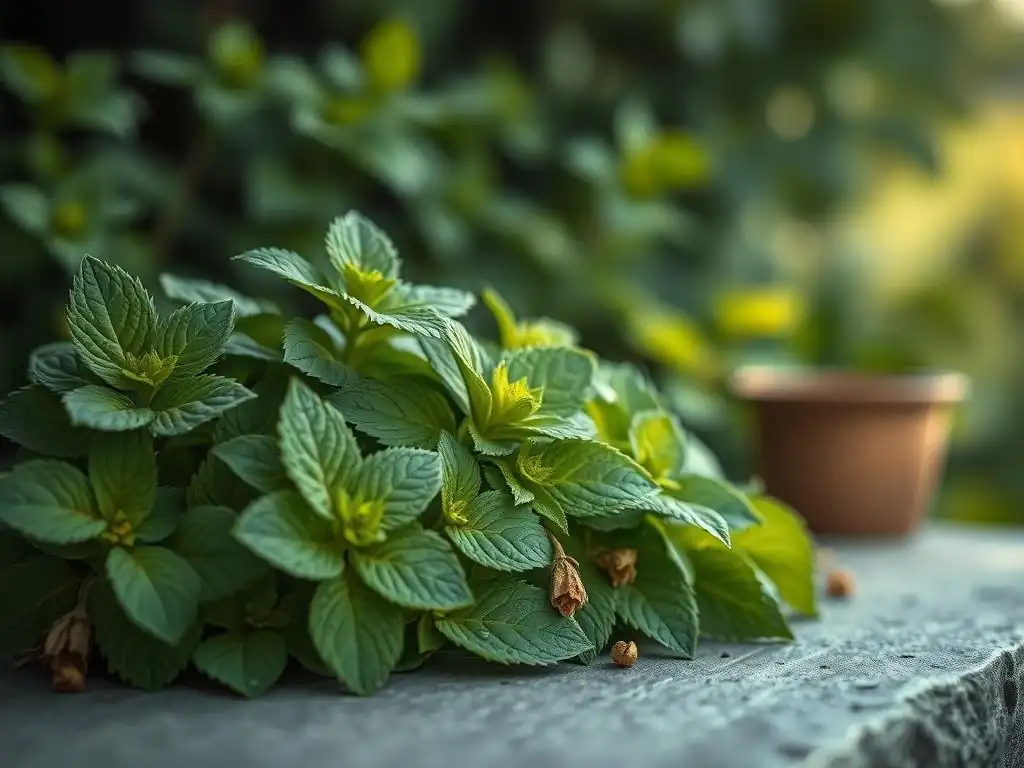
Lemon Balm ( Melissa officinalis) is a fragrant herb belonging to the mint family, known for its uplifting scent and calming properties. Traditionally used to reduce stress, anxiety, and improve sleep and appetite, modern research points to its potential effects on mood and cognitive function. Compounds in lemon balm, such as rosmarinic acid, are thought to influence GABA levels in the brain, similar to lavender, contributing to its calming effects. It's often used as a tea, tincture, or in capsules.
Studies have investigated lemon balm's impact on stress and mood. A study published in Pharmacology Biochemistry and Behavior examined the effects of lemon balm on mood and cognitive performance. Participants who received lemon balm extract reported increased feelings of calmness and reduced feelings of alertness compared to a placebo group.
Another study found that consuming a drink containing lemon balm significantly improved mood and reduced stress-induced negative mood states in healthy volunteers. While more research is needed, these results indicate that lemon balm can be a valuable herb to consider when seeking ways herbs reduce stress naturally, particularly for its ability to soothe the mind and lift the spirits.
5. Rhodiola Rosea: The Resilience Herb for Stress and Fatigue
Rhodiola Rosea is an adaptogenic herb native to cold, mountainous regions. It has a long history of use in traditional medicine in Russia and Scandinavian countries to increase physical and mental endurance, reduce fatigue, and enhance resilience to stress. Like ashwagandha, Rhodiola is believed to work by modulating the stress response system, helping the body adapt to both physical and emotional stressors. Its active compounds, such as rosavin and salidroside, are thought to influence neurotransmitters and energy metabolism.
Clinical studies have demonstrated Rhodiola's benefits in managing stress-related fatigue and burnout. For example, research published in Phytomedicine investigated the effects of Rhodiola extract in individuals with stress-related fatigue. The study found that participants experienced significant improvements in symptoms like fatigue, exhaustion, and concentration difficulties after just one week of treatment. Another study on physicians undergoing night duty found that Rhodiola supplementation improved mental performance and reduced fatigue. This evidence suggests Rhodiola is a potent option among herbs reduce stress naturally, particularly for those experiencing stress that manifests as fatigue and impaired cognitive function.
How to Choose the Right Herbs to Reduce Stress Naturally
Selecting the most suitable herbs to reduce stress naturally involves more than just picking from a list. It requires a personalized approach, considering your specific stress symptoms, overall health, and lifestyle. What works well for one person may not be the best fit for another. Taking the time to assess your individual needs and doing careful research is crucial for a positive experience. Remember that these herbs are meant to support, not replace, professional medical advice or treatment for severe stress or anxiety disorders.
Navigating the world of herbal remedies can seem daunting, but focusing on key factors can simplify the process. Understanding the different forms herbs come in (teas, tinctures, capsules), potential interactions with medications you might be taking, and the importance of sourcing high-quality products are all vital steps. This section will help guide you through the considerations necessary to make informed decisions about incorporating herbs into your mind care strategy.
Factors to Consider When Selecting Herbs for Stress Relief
When choosing herbs to reduce stress naturally, consider the specific nature of your stress. Are you experiencing chronic, low-grade stress leading to fatigue (where ashwagandha or rhodiola might be useful)? Or is your stress primarily manifesting as acute anxiety and difficulty sleeping (where lavender or chamomile might be more appropriate)?
Identifying your primary symptoms can help narrow down the options. It's also important to consider any existing health conditions you have and any medications you are currently taking, as herbs can interact with prescription drugs. For example, kava, another herb sometimes used for anxiety (though not listed above due to safety concerns in some regions), is known to interact with many medications and can have liver toxicity issues.
The quality and source of the herbal product are paramount. The concentration of active compounds can vary significantly between products and brands. Look for reputable suppliers who provide information about their sourcing, testing for purity, and standardization of extracts.
Standardized extracts contain a guaranteed amount of the herb's key active compounds, ensuring more consistent potency. For instance, when choosing ashwagandha, look for extracts standardized to contain a certain percentage of withanolides, which are believed to be its primary active components. While precise global statistics on herbal supplement quality are hard to pin down, reports from regulatory bodies and consumer labs occasionally highlight issues with contamination, incorrect dosage, or substitution with other plants – underscoring the need for careful selection.
Integrating Herbs into Your Mind Care Routine
Once you've selected appropriate herbs reduce stress naturally for your needs, integrating them effectively into your daily routine is key. Consistency is often necessary to experience the full benefits of herbal remedies. This might involve making a calming chamomile or lemon balm tea part of your evening ritual, taking ashwagandha capsules daily, or using lavender essential oil in a diffuser during stressful times. The form of the herb can influence how quickly it takes effect and how long the effects last. Teas and tinctures are typically absorbed faster than capsules or tablets.
Combining herbal remedies with other stress-management techniques can enhance their effectiveness. Consider integrating your herbal use with practices like mindfulness meditation, deep breathing exercises, gentle yoga, or spending time in nature. For example, enjoying a cup of lemon balm tea while practicing mindful breathing can create a powerful synergy. Establishing a regular sleep schedule and ensuring adequate physical activity also complement the actions of herbs that support relaxation and stress resilience. The goal is to create a holistic approach to mind care, where herbs serve as one supportive element among many healthy habits.
Potential Side Effects and Safety Precautions When Using Herbs to Reduce Stress Naturally
While herbs are natural, they are potent substances that can cause side effects or interact with medications. It is crucial to approach the use of herbs to reduce stress naturally with caution and awareness. The notion that "natural" automatically means "safe" is a misconception. Like pharmaceuticals, herbs contain bioactive compounds that can affect the body in various ways. Therefore, understanding potential risks and taking necessary precautions is essential for safe and effective use.
Before starting any new herbal supplement, especially if you have underlying health conditions, are pregnant or breastfeeding, or are taking prescription medications, it is highly recommended to consult with a healthcare professional or a qualified herbalist. They can provide personalized guidance based on your health history and help you avoid potential interactions or adverse effects. Information about potential risks allows you to make informed decisions and use herbs responsibly as part of your mind care plan.
Common Side Effects of Herbal Remedies
Even common and generally safe herbs can sometimes cause side effects, although they are often mild. For instance, some individuals may experience digestive upset, such as nausea or stomach discomfort, when taking certain herbal supplements. Allergic reactions are also possible, ranging from skin rashes to more severe symptoms, particularly in individuals with sensitivities to plants in the same family (e.g., allergies to ragweed might mean sensitivity to chamomile). Drowsiness can occur with calming herbs like chamomile or lavender, which is why it's advised to use caution if operating machinery or driving after taking them, especially initially.
More serious side effects or interactions, though less common with the herbs discussed here at typical doses, are a possibility. For example, some herbs can affect blood clotting, blood sugar levels, or interact with sedatives or antidepressants. It's estimated that a significant percentage of the population uses herbal supplements, yet awareness of potential interactions remains relatively low.
Therefore, maintaining open communication with your healthcare provider about all supplements you are taking is vital. Starting with a low dose and monitoring your body's response is a prudent approach when introducing any new herb to help herbs reduce stress naturally in your life.
Conclusion: Embrace Natural Stress Relief with Herbs for a Healthier Mind
Managing stress is a continuous process that benefits from a multi-faceted approach. Exploring how certain herbs reduce stress naturally offers a promising path for many seeking complementary ways to support their mental well-being. From the adaptogenic power of Ashwagandha and Rhodiola to the calming effects of Lavender, Chamomile, and Lemon Balm, nature provides a diverse array of botanical allies that can help soothe the nervous system and build resilience.
Remember that while these herbs can be effective tools in your mind care kit, they work best when integrated into a broader healthy lifestyle that includes balanced nutrition, regular exercise, adequate sleep, and stress-reducing practices. Always prioritize safety by researching products, being mindful of potential side effects, and consulting with a healthcare professional, especially if you have existing health conditions or are taking medications. By making informed choices and embracing a holistic perspective, you can harness the potential of herbs reduce stress naturally and cultivate a calmer, healthier mind.
Frequently Asked Questions
How do herbs reduce stress naturally, according to Mind Care Guide?
Mind Care Guide suggests that certain herbs can help reduce stress by impacting the body's stress response system, potentially lowering cortisol levels and promoting relaxation. They offer a natural alternative to medication.
Which herbs are most effective for stress relief as mentioned in the "Effective Herbs for Stress Relief: A Mind Care Guide Overview"?
The guide likely highlights herbs like Ashwagandha, Chamomile, and Lavender as effective for stress relief due to their calming and adaptogenic properties. These are often cited for their ability to promote relaxation.
Are there any potential side effects of using herbs to reduce stress?
Yes, even natural remedies can have side effects. It's crucial to research and consult with a healthcare professional before using herbs, as they can interact with medications or have adverse effects on some individuals.
Where can I find reliable information and support regarding using herbs for mental well-being besides the Mind Care Guide?
While Mind Care Guide is a resource, consider consulting with a qualified herbalist, doctor, or mental health professional. They can provide personalized advice and ensure safe and effective use.
How does Mind Care Guide recommend incorporating herbs into a stress-reduction routine?
The guide likely suggests various methods, such as teas, supplements, or aromatherapy, depending on the herb. They emphasize that herbs should be part of a comprehensive approach including lifestyle changes.
Final Reflection: Cultivating Inner Calm Through Nature's Pharmacy
The pursuit of natural stress relief is more vital than ever in our fast-paced world. The overwhelming pressures of modern life demand effective coping mechanisms, and as this article has explored, the ancient wisdom of herbal remedies offers a powerful, accessible path towards achieving a calmer, more balanced state of being. The growing interest in holistic wellness underscores the urgent need for accessible and effective strategies to manage stress, and herbal remedies provide a compelling answer.
The profound impact of these natural stress relievers extends far beyond individual well-being; they represent a return to a more harmonious relationship with nature. We are increasingly recognizing the interconnectedness of our physical and mental health, and the role that natural remedies play in fostering this balance. Nature does not hurry, yet everything is accomplished.
– Lao Tzu. This quote perfectly encapsulates the gentle yet powerful efficacy of these herbs, reminding us that true healing often requires patience and a mindful approach. The shift towards natural remedies reflects a growing awareness of the limitations of purely pharmaceutical solutions and a desire for gentler, more sustainable approaches to mental wellness.
Now, consider your own journey towards stress management. What steps can you take today to incorporate these natural remedies into your daily routine? Perhaps it's brewing a calming cup of chamomile tea before bed, adding a few drops of lavender essential oil to your bath, or researching the benefits of other herbs mentioned in this guide. Remember, the path to inner peace is a personal one, and these herbs can be valuable allies on your journey. Embrace the opportunity to nurture your mind and body with the wisdom of nature, and discover the transformative power of inner calm.
Unlock Your Inner Calm: Take Control of Stress Today!
Thanks for taking the time to explore effective ways to manage stress with Mind Care Guide! We hope you found valuable insights into harnessing the power of herbs for a calmer you. Now it's time to put this knowledge into practice.
- Start your personalized herbal remedy journey: Identify 1-2 herbs from the article that resonate with you most and research their safe usage and potential interactions with your current medications. (Remember to consult a healthcare professional before making significant changes to your health routine.)
- Share your newfound knowledge: Discuss your discoveries with friends and family – perhaps you can inspire others to embrace natural stress-relief techniques!
- Explore deeper: Dive into our website (MindCareGuide.org) for more comprehensive articles on stress management and natural well-being.
What simple step will you take today to prioritize your mental well-being and find more inner peace?