
Finding Grace in the Present Moment: A MindfulSpiritual View

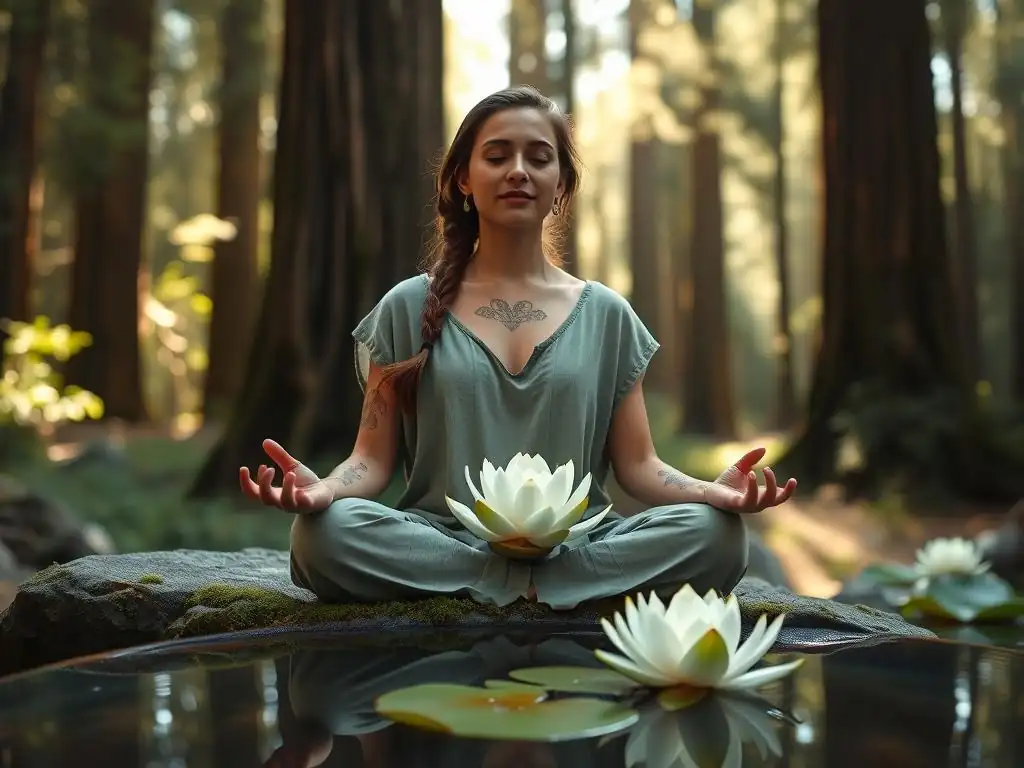
Welcome to Mind Care Guide, a sanctuary for your mental well-being.
Feeling overwhelmed by the complexities of life? Perhaps a deeper connection to yourself and the present moment is what you seek. This article explores the transformative power of mindful spiritual wellbeing practices, offering practical steps towards finding inner peace and resilience. Ready to unlock a new dimension of healing and self-discovery? Let's begin.
Finding Grace in the Present Moment: A Mindful Spiritual View
- Introduction: Cultivating Mindful Spiritual Wellbeing
- What is Mindful Spirituality? Exploring the Core Concepts
- Benefits of Mindful Spiritual Wellbeing Practices
- Mindful Spiritual Practices for Everyday Life
- Integrating Mindfulness and Spirituality: A Step-by-Step Guide
- Overcoming Challenges in Mindful Spiritual Practice
- The Role of Self-Compassion in Mindful Spiritual Wellbeing
- Advanced Practices for Deepening Your Mindful Spiritual Journey
- Resources for Mindful Spiritual Growth
- Conclusion: Embracing Grace in the Present Moment for Lasting Wellbeing
-
Frequently Asked Questions
- How does integrating spirituality enhance mindful well-being?
- What are some practical Mindful Spiritual Wellbeing practices I can start today?
- How can Mindful Spiritual Wellbeing practices help manage stress and anxiety?
- Is Mindful Spiritual Wellbeing tied to any specific religion?
- How do I know if Mindful Spiritual Wellbeing practices are working for me?
- Final Reflection: Embracing the Present, Cultivating Wellbeing
- Unlock Your Inner Peace: Start Living Mindfully Today
Introduction: Cultivating Mindful Spiritual Wellbeing
Understanding the Intersection of Mindfulness and Spirituality for Mental Health
The journey toward robust mental well-being often involves exploring practices that nurture both the mind and the spirit. At the heart of this exploration lies the powerful intersection of mindfulness and spirituality. Mindfulness, the practice of paying attention to the present moment without judgment, offers a profound tool for anchoring our awareness.
When combined with spiritual practices, which often involve connecting with something larger than oneself, cultivating meaning, or adhering to ethical principles, we create a holistic approach to mental health that addresses the inner landscape as well as our place in the world. This synergy forms the basis of mindful spiritual wellbeing practices, offering pathways to resilience, peace, and self-understanding.
Numerous studies and anecdotal accounts highlight the benefits of integrating these two domains. For instance, research published in the Journal of Religion and Health has indicated that individuals who engage in both spiritual practices and mindfulness techniques often report lower levels of anxiety and depression compared to those who engage in neither or only one.
This suggests a complementary relationship where mindfulness provides the mental clarity and presence necessary to fully engage with spiritual concepts or rituals, while spirituality can provide context, purpose, and a sense of connection that deepens the mindful experience. It's not about adhering to a specific religion, but rather about cultivating a personal sense of meaning, connection, and transcendence that is enhanced by present-moment awareness.
The Power of Presence: Why the Present Moment Matters
In our fast-paced world, the mind often races, dwelling on past regrets or future anxieties. This constant mental chatter pulls us away from the only reality we ever truly inhabit: the present moment. The power of presence, the ability to fully engage with what is happening right now, is foundational to both mindfulness and many spiritual traditions. It is in the present that we can experience life directly, without the filters of rumination or worry. Cultivating this presence is a core component of effective mindful spiritual wellbeing practices.
Focusing on the present moment allows us to step out of the cycle of automatic negative thoughts and reactive emotions. When we are fully present, we can observe our thoughts and feelings without being swept away by them. This observational stance is crucial for developing emotional regulation and reducing stress.
Furthermore, many spiritual paths emphasize finding the sacred in the ordinary, recognizing the divine or the profound in everyday experiences. This recognition is only possible when we are truly present to witness the world around us, making the present moment not just a psychological state, but a gateway to deeper spiritual connection and a vital element of mindful spiritual wellbeing practices.
What is Mindful Spirituality? Exploring the Core Concepts
Defining Mindfulness: Paying Attention with Intention
Mindfulness is often defined as paying attention in a particular way: on purpose, in the present moment, and non-judgmentally. It is not about emptying the mind, but rather about observing the contents of the mind and sensory experience with a sense of gentle curiosity and acceptance. This practice involves training attention, often through techniques like focusing on the breath, bodily sensations, or sounds. The intention behind the attention is key – it is a deliberate effort to notice what is happening, both internally and externally, without getting caught up in evaluation or analysis.
The formal practice of mindfulness typically involves dedicated meditation sessions, but it can also be integrated into everyday activities, such as mindful eating, mindful walking, or mindful listening. The goal is to cultivate a state of awareness that can be accessed throughout the day, allowing one to respond to life's challenges with greater clarity and less reactivity. Developing this foundational skill of present-moment awareness is the first step in integrating mindful spiritual wellbeing practices into one's life, providing the bedrock for deeper spiritual exploration.
Spirituality Beyond Religion: Connecting to Something Larger Than Yourself
Spirituality is a broad and deeply personal concept that extends far beyond adherence to specific religious doctrines or institutions. It often involves a search for meaning and purpose in life, a sense of connection to something larger than one's individual self, and the cultivation of values such as compassion, love, and gratitude. For some, this connection might be with nature, for others, it might be with humanity as a whole, or with a transcendent force or principle. Exploring one's spirituality is a quest to understand one's place in the cosmos and to live in alignment with one's deepest values.
Unlike the structured beliefs and rituals often associated with religion, spirituality is often more fluid and experiential. It is about the inner journey, the sense of awe and wonder, and the cultivation of an ethical life guided by an inner compass. Many people find their spiritual path outside of traditional religious frameworks, through philosophy, art, service, or contemplative practices. It is this personal, often non-dogmatic, search for meaning and connection that readily harmonizes with the open and non-judgmental approach of mindfulness, making it a natural partner in developing mindful spiritual wellbeing practices.
The Synergy: How Mindfulness Enhances Spiritual Practice
The combination of mindfulness and spirituality creates a powerful synergy, where each element enhances the other. Mindfulness provides the tools to quiet the mental noise and become fully present, which is essential for engaging deeply with spiritual practices, whatever they may be. Whether it's prayer, meditation, ritual, or simply contemplating the beauty of nature, a mindful state allows for a richer, more direct experience. Instead of going through the motions on autopilot, mindfulness enables us to be fully there, feeling the sensations, observing the thoughts, and connecting with the underlying intention or meaning.
Conversely, spirituality can provide context and motivation for mindfulness practice. Understanding mindfulness not just as a stress-reduction technique, but as a way to connect more deeply with oneself, others, or the divine, can imbue the practice with greater purpose. Spiritual values like compassion or interconnectedness can inform what we bring our mindful attention to and how we relate to our experiences. For example, practicing mindful listening with the intention of truly hearing another person's suffering, rooted in a spiritual value of compassion, transforms the simple act of listening into a profound mindful spiritual wellbeing practice.
Benefits of Mindful Spiritual Wellbeing Practices
Reduced Stress and Anxiety Through Present Moment Awareness
Engaging in mindful spiritual wellbeing practices has been widely shown to significantly reduce levels of stress and anxiety. By training the mind to focus on the present moment, individuals learn to interrupt the cycle of worrying about the future or dwelling on the past, which are major drivers of anxiety and stress.
Mindfulness meditation, for instance, helps to calm the nervous system and reduce the physiological symptoms associated with stress, such as elevated heart rate and cortisol levels. Studies have indicated that regular mindfulness practice can lead to reductions in perceived stress by as much as 30% in some populations.
Furthermore, incorporating spiritual elements, such as prayer, contemplation, or connecting with a higher power or universal energy, can provide a sense of comfort, hope, and perspective during stressful times. Believing in a benevolent force or finding meaning in difficult experiences can help reframe challenges and reduce their perceived threat. The combination of mindful presence and spiritual reassurance creates a powerful buffer against the pressures of modern life, fostering a sense of inner calm and resilience that is characteristic of mindful spiritual wellbeing.
Enhanced Emotional Regulation and Resilience
Mindful spiritual practices cultivate the ability to observe emotions without being overwhelmed by them, leading to enhanced emotional regulation. Instead of reacting impulsively to feelings like anger, sadness, or fear, mindfulness teaches us to notice these emotions as temporary states in the body and mind. This non-judgmental observation creates space between the feeling and our reaction, allowing for a more considered response. Spiritual practices often provide a framework for understanding difficult emotions, perhaps viewing them as part of the human condition or as opportunities for growth and learning.
This improved emotional regulation directly contributes to greater resilience, the ability to bounce back from adversity. When faced with challenges, individuals who practice mindful spiritual wellbeing are better equipped to navigate their emotional landscape. They can acknowledge their feelings of pain or disappointment without getting stuck in them, drawing strength from their spiritual connection or finding perspective through mindful awareness. This integrated approach helps build inner fortitude, allowing one to face life's inevitable difficulties with greater stability and grace.
Increased Self-Awareness and Understanding
A significant benefit of mindful spiritual wellbeing practices is a profound increase in self-awareness. Mindfulness encourages introspection and honest observation of one's thoughts, feelings, and physical sensations. By regularly turning our attention inward, we gain a clearer understanding of our habits, patterns, and underlying beliefs. This increased awareness is not about self-criticism, but about gaining insight into our inner workings with a compassionate gaze, often informed by spiritual principles of acceptance and non-judgment.
Spirituality often prompts deep questions about identity, purpose, and values. Reflecting on these questions within a mindful framework allows for authentic self-discovery. For example, mindful journaling about one's spiritual journey can reveal hidden desires, fears, or strengths. This combined process of mindful observation and spiritual reflection leads to a more nuanced and compassionate understanding of oneself, fostering personal growth and aligning one's actions with one's deepest values, which is central to mindful spiritual wellbeing.
Deeper Connection to Self, Others, and the World
Mindful spiritual wellbeing practices naturally foster a deeper sense of connection. Mindfulness helps us become more attuned to our own inner experience, creating a stronger connection to our physical and emotional self. When we are present and aware, we are also more available to truly connect with others. Mindful listening, empathy, and compassion, often cultivated through both mindfulness and spiritual teachings, improve our relationships and sense of belonging. For example, practicing loving-kindness meditation (Metta), a core mindful spiritual practice, explicitly cultivates feelings of warmth and connection towards oneself and others.
Furthermore, many spiritual paths emphasize interconnectedness – the idea that all beings and the natural world are fundamentally linked. Mindfulness, by sharpening our perception and appreciation of the world around us, can deepen this spiritual understanding. Mindful walks in nature, for instance, allow us to connect intimately with the environment, fostering a sense of awe and belonging within the larger web of life. This expanded sense of connection, encompassing self, others, and the world, is a hallmark of a flourishing mindful spiritual wellbeing.
Cultivating Inner Peace and Joy
Perhaps one of the most sought-after benefits of mindful spiritual wellbeing practices is the cultivation of inner peace and joy. Inner peace is not the absence of problems, but the ability to meet challenges with equanimity. Mindfulness helps us accept the present moment as it is, reducing resistance to difficult circumstances, which is a major source of suffering. Spiritual practices often provide a framework for finding peace even amidst turmoil, perhaps through faith, surrender, or focusing on eternal truths.
Joy, in this context, is not merely fleeting happiness, but a deeper sense of contentment, meaning, and appreciation for life. By cultivating gratitude through mindful reflection on the blessings in the present moment, we shift our focus from what is lacking to what is abundant. Connecting with something larger than ourselves can also bring a profound sense of purpose and joy. Together, mindfulness and spirituality create fertile ground for cultivating a sustainable inner peace and a deep, abiding joy that is less dependent on external circumstances and more rooted in the richness of mindful spiritual wellbeing.
Mindful Spiritual Practices for Everyday Life

Mindful Breathing Exercises for Grounding and Centering
Mindful breathing is perhaps the most accessible and fundamental mindful spiritual wellbeing practice. It involves simply paying attention to the sensation of the breath as it enters and leaves the body. This can be done anywhere, anytime, providing an immediate anchor to the present moment. Focusing on the breath helps quiet the racing mind and calm the nervous system. For example, taking three conscious breaths before responding to an email or entering a stressful meeting can significantly shift one's state from reactivity to presence.
Many spiritual traditions also incorporate breathwork as a way to connect with life force, spirit, or a higher power. Conscious breathing can be seen as a way to literally "breathe in" peace or divine energy, and "breathe out" tension or negativity.
A simple practice involves inhaling deeply, counting to four, holding for a moment, and exhaling slowly, counting to six or eight, repeating this several times. This simple act, when done with intention and present-moment awareness, serves as a powerful tool for grounding oneself and centering one's awareness in the midst of daily life, embodying a core mindful spiritual wellbeing practice.
Body Scan Meditation: Connecting with Your Physical Sensations
The body scan meditation is a practice that involves systematically bringing mindful attention to different parts of the body, noticing physical sensations without judgment. This practice helps to develop a greater awareness of the connection between mind and body and can reveal areas of tension or discomfort that we may be holding unconsciously. By mindfully observing these sensations, we can learn to release tension and cultivate a sense of ease in the physical body.
From a spiritual perspective, the body can be viewed as a temple or a vessel for the spirit. Connecting with the body through the scan can be a way of honoring this vessel and listening to its wisdom. It can also foster a sense of gratitude for the body's complex functions.
A typical body scan meditation might last anywhere from 10 to 45 minutes, guiding attention from the toes all the way up to the crown of the head. This detailed exploration of physical presence is a powerful component of mindful spiritual wellbeing practices, fostering acceptance and connection with the physical self.
Gratitude Practices: Appreciating the Present Blessings
Cultivating gratitude is a cornerstone of both mindful living and many spiritual paths. Gratitude practices involve intentionally acknowledging and appreciating the positive aspects of one's life, no matter how small. This shifts the focus from what is lacking to what is abundant, fostering a sense of contentment and joy. Mindfulness enhances gratitude by allowing us to fully experience the things we are grateful for in the present moment – the warmth of the sun, the taste of food, the sound of a loved one's voice.
Simple gratitude practices include keeping a gratitude journal, listing three to five things you are grateful for each day, or simply taking a moment to pause and appreciate something as it happens. Spiritually, gratitude is often seen as a recognition of blessings bestowed by a higher power or the universe, fostering humility and a sense of connection to the source of these gifts. Regularly engaging in gratitude is a powerful mindful spiritual wellbeing practice that rewires the brain to notice the positive, significantly impacting overall happiness and well-being.
Mindful Movement: Yoga, Walking, and Tai Chi
Integrating mindfulness with physical movement can be a deeply spiritual practice. Activities like yoga, mindful walking, and Tai Chi encourage paying attention to the sensations in the body as it moves, the rhythm of the breath, and the connection with the ground or environment.
This brings conscious awareness to physical activity, transforming exercise from a purely physical task into a form of moving meditation. For example, during a mindful walk, one might pay attention to the feeling of the feet hitting the ground, the swing of the arms, and the sights and sounds of the surroundings, rather than getting lost in thought.
Many forms of mindful movement, such as yoga and Tai Chi, have ancient roots in spiritual traditions, emphasizing the connection between mind, body, and spirit. They often incorporate elements of breath control, focused attention, and postures or movements designed to cultivate energy flow and inner balance. Engaging in these practices with mindful awareness can lead to increased physical well-being, reduced stress, and a deeper connection to one's inner self and the flow of life, making them excellent mindful spiritual wellbeing practices.
Nature Connection: Finding Spirituality in the Natural World
Connecting with nature mindfully is a powerful way to cultivate mindful spiritual wellbeing. The natural world offers countless opportunities for present-moment awareness – observing the intricate details of a leaf, feeling the breeze on your skin, listening to the sounds of birds or water. Spending time in nature has been shown to reduce stress, improve mood, and increase feelings of vitality. Studies have linked spending just 20 minutes in nature to lower cortisol levels and increased feelings of well-being.
For many, nature is a profound source of spiritual connection. Witnessing the vastness of a landscape, the resilience of life, or the cyclical patterns of growth and decay can evoke feelings of awe, humility, and interconnectedness. A mindful nature walk involves engaging all the senses, noticing the colors, textures, smells, and sounds with open attention. This practice allows us to step out of our human-centric perspective and feel part of something much larger, fostering a deep sense of peace and belonging that nourishes mindful spiritual wellbeing.
Integrating Mindfulness and Spirituality: A Step-by-Step Guide
Step 1: Setting Intentions for Mindful Spiritual Practice
The first step in integrating mindfulness and spirituality is to set clear intentions for your practice. What are you hoping to cultivate? Is it greater peace, deeper connection, reduced anxiety, or a stronger sense of purpose? Having a clear intention helps guide your choices and provides motivation, especially when facing challenges. Take some time to reflect on why mindful spiritual wellbeing practices are important to you and what you hope to gain from them. You might write down your intentions or simply hold them in your heart.
Setting intentions can be done daily before starting a practice or weekly as you plan your schedule. For example, your intention for a morning meditation might be to cultivate peace, or your intention for a mindful walk might be to connect with the beauty around me. Aligning your practice with your deeper values and spiritual aspirations imbues it with meaning and makes it a more powerful tool for transformation. This intentional approach is fundamental to building a sustainable habit of mindful spiritual wellbeing.
Step 2: Creating a Dedicated Space for Meditation and Reflection
Having a dedicated physical space, even a small corner, for your mindful spiritual practices can be incredibly helpful. This space serves as a visual cue and a sanctuary, signaling to your mind and body that it is time to transition into a state of presence and reflection. It doesn't need to be elaborate – a comfortable cushion or chair, perhaps a small altar or meaningful object, and a quiet atmosphere are sufficient. The key is that it feels peaceful and conducive to introspection.
Consistency in location, even if it's just the same chair by a window, helps establish a routine and makes it easier to settle into practice. This dedicated space becomes associated with calm and presence, making it easier to drop into a mindful state. While mindful spiritual wellbeing can be practiced anywhere, having a designated area for formal practices like meditation or journaling provides a foundation and reinforces the importance of setting aside time for inner cultivation.
Step 3: Choosing a Practice that Resonates with You
There are many different mindful spiritual wellbeing practices available, and it's important to choose ones that genuinely resonate with you. What activities or traditions feel authentic and meaningful to you? Experiment with different approaches, such as seated meditation, walking meditation, mindful yoga, contemplative prayer, spiritual reading, or spending mindful time in nature. Don't feel pressured to stick with something that doesn't feel right; the goal is to find practices that nourish your spirit and help you cultivate presence.
Consider starting small and gradually incorporating more practices as you become comfortable. You might begin with just 5-10 minutes of mindful breathing each day, or a short mindful walk during your lunch break. The key is consistency and finding joy in the practice itself. As you explore, pay attention to how different practices make you feel – which ones leave you feeling more grounded, peaceful, or connected? Choosing practices that resonate ensures that your journey towards mindful spiritual wellbeing is sustainable and deeply personal.
Step 4: Being Patient and Compassionate with Yourself
Embarking on a path of mindful spiritual wellbeing is a journey, not a destination, and it will inevitably involve challenges. There will be days when your mind feels particularly restless, when you struggle to feel connected, or when you simply don't feel motivated to practice. During these times, it is crucial to be patient and compassionate with yourself. Avoid self-criticism or judgment; these are counterproductive to the very principles of mindfulness and spirituality.
Recognize that difficulties are a normal part of any practice. When your mind wanders during meditation, gently guide it back without frustration. If you miss a day of practice, simply acknowledge it and recommit the next day. Treat yourself with the same kindness and understanding you would offer a friend who is learning a new skill. Cultivating this inner kindness is a mindful spiritual wellbeing practice in itself, fostering resilience and a more gentle approach to your growth.
Step 5: Integrating Mindful Spiritual Awareness into Daily Activities
While formal practice is valuable, the ultimate goal of mindful spiritual wellbeing is to weave this awareness into the fabric of everyday life. How can you bring presence and spiritual connection to mundane tasks like washing dishes, commuting, or interacting with colleagues? This might involve simply paying attention to the sensations of washing the dishes, observing the scenery during your commute, or listening mindfully to someone speaking.
You can create small moments of mindful spiritual reflection throughout your day. For example, take a mindful pause before eating to appreciate your food, or offer a silent blessing or kind intention before starting a challenging task. Ask yourself:
- [ ] How can I bring more presence to this activity?
- [ ] What spiritual value (e.g., patience, kindness) can I embody right now?
- [ ] Can I notice moments of grace or beauty in this moment?
These small acts of intentional presence transform ordinary moments into opportunities for mindful spiritual wellbeing, deepening your connection to yourself and the world around you.
Overcoming Challenges in Mindful Spiritual Practice

Dealing with Distractions and Wandering Thoughts
One of the most common challenges in mindful spiritual wellbeing practices, particularly meditation, is dealing with a restless mind and wandering thoughts. It's a universal experience – as soon as you try to focus, your mind starts replaying conversations, planning the future, or listing tasks. It's important to understand that this is not a sign of failure, but simply how the mind works. The practice isn't about stopping thoughts, but about changing your relationship with them.
When you notice your mind has wandered, the practice is to gently acknowledge it without judgment and guide your attention back to your chosen anchor (like the breath or bodily sensations). Think of your thoughts like clouds drifting across the sky – you can observe them without needing to jump on board and ride them away. This gentle redirection is the core skill being developed.
Over time, with consistent practice, you may find the periods of focused attention lengthen, but the wandering will likely never cease entirely. Patience and persistence are key in navigating this aspect of mindful spiritual wellbeing.
Managing Difficult Emotions and Sensations
Mindful spiritual wellbeing practices can sometimes bring difficult emotions or physical sensations to the surface. As we become more present, we may become more aware of underlying anxiety, sadness, pain, or discomfort that we previously pushed away. This can be challenging and even uncomfortable. It's important to approach these experiences with the same non-judgmental awareness cultivated in the practice.
Rather than trying to push away or fix the difficult emotion or sensation, the mindful approach is to allow it to be present, observing its qualities with curiosity. Where do you feel it in your body? What is its texture or intensity? Simply noticing without getting caught up in the story surrounding the feeling can lessen its power.
Spiritual perspectives can also offer solace, perhaps viewing suffering as temporary or as an opportunity for compassion towards oneself. If the emotions feel overwhelming, it's important to know when to gently step back from the practice or seek support. This skillful navigation of discomfort is vital for sustainable mindful spiritual wellbeing.
Staying Motivated and Consistent with Your Practice
Maintaining motivation and consistency is a significant hurdle for many embarking on mindful spiritual wellbeing practices. Life gets busy, priorities shift, and the initial enthusiasm can wane. It's easy to let practice slide, promising to "get back to it tomorrow." However, consistency, even in short bursts, is more beneficial than infrequent long sessions. Just like physical exercise, the benefits accumulate over time with regular effort.
To stay motivated, remind yourself of your initial intentions (Step 1 in the integration guide). Revisit why mindful spiritual wellbeing is important for your mental health and overall well-being. Consider finding a practice buddy or joining a group to provide accountability and support. Track your progress, perhaps by simply noting the days you practiced.
Most importantly, be flexible. If you can't manage your usual 20-minute meditation, commit to just 5 minutes. Celebrate small victories and be kind to yourself when you falter. Finding ways to make practice a non-negotiable part of your routine is crucial for long-term mindful spiritual wellbeing.
Seeking Guidance and Support When Needed
While mindful spiritual wellbeing can be a deeply personal journey, there are times when seeking external guidance and support is invaluable. This could involve consulting with a qualified mindfulness teacher, a spiritual mentor, a therapist, or joining a community of like-minded individuals. Teachers can provide instruction on techniques, answer questions, and offer insights based on their own experience.
A therapist specializing in mindfulness or spiritual integration can help navigate complex emotional issues that may arise during practice or address underlying mental health concerns. Connecting with others who are also exploring mindful spiritual wellbeing can provide encouragement, shared wisdom, and a sense of belonging. There is strength in community, and seeking support is a sign of wisdom, not weakness. Don't hesitate to reach out if you feel stuck, overwhelmed, or simply want to deepen your understanding and practice.
The Role of Self-Compassion in Mindful Spiritual Wellbeing
Understanding Self-Compassion: Treating Yourself with Kindness
Self-compassion is a fundamental element of mindful spiritual wellbeing, involving treating yourself with the same kindness, care, and understanding that you would offer a dear friend who is suffering or struggling. It has three core components:
- Self-Kindness vs. Self-Judgment: Being gentle and understanding towards ourselves in instances of pain or failure, rather than harshly criticizing ourselves.
- Common Humanity vs. Isolation: Recognizing that suffering, imperfection, and failure are part of the shared human experience, rather than feeling isolated in our difficulties.
- Mindfulness vs. Over-identification: Holding our painful thoughts and feelings in mindful awareness, acknowledging them without getting swept away by them or exaggerating their significance.
Cultivating self-compassion counters the often-harsh inner critic and creates a more nurturing inner environment. It allows us to face our flaws and mistakes with acceptance rather than shame, which is essential for personal growth and resilience. This gentle approach is vital for making mindful spiritual wellbeing practices sustainable and healing.
Practicing Self-Forgiveness and Acceptance
An important aspect of self-compassion within mindful spiritual wellbeing is the practice of self-forgiveness and acceptance. We all make mistakes, fall short of our ideals, or act in ways we later regret. Holding onto guilt, shame, or resentment towards ourselves is a heavy burden that hinders peace and growth. Self-forgiveness is the conscious decision to release this burden, acknowledging the past without letting it define our present or future.
Acceptance, in this context, doesn't mean condoning past behavior, but rather acknowledging reality as it is, including our imperfections and the consequences of our actions. It's about accepting ourselves as imperfect beings on a journey of learning and growth. Mindful awareness helps us notice the self-judgment and resistance that arise, while spiritual perspectives can offer frameworks for grace, redemption, and the inherent worthiness of all beings. Practicing self-forgiveness and acceptance is a continuous process, freeing up energy to focus on living more mindfully and spiritually in the present.
Using Self-Compassion to Overcome Self-Criticism
Self-criticism is a pervasive habit for many, often stemming from early experiences or societal pressures. It erodes self-worth and creates significant emotional distress. Self-compassion provides a powerful antidote to this inner negativity. When the voice of the inner critic arises ("You're not good enough," "You failed again"), self-compassion allows us to respond with kindness and understanding instead of believing the criticism or fighting against it.
One way to practice this is to notice the self-critical thought mindfully, perhaps acknowledging it by saying internally, "Ah, there's the thought 'I'm not good enough.'". Then, consciously offer yourself a phrase of self-compassion, such as "This is a moment of suffering. May I be kind to myself." or "It's okay to be imperfect." Spiritual teachings often emphasize unconditional love and acceptance, which can inform and strengthen this self-compassionate response. By consistently meeting self-criticism with kindness, we gradually weaken its hold and cultivate a more supportive and nurturing inner dialogue, strengthening our foundation for mindful spiritual wellbeing.
Advanced Practices for Deepening Your Mindful Spiritual Journey
Loving-Kindness Meditation (Metta): Cultivating Compassion for All Beings
Loving-kindness meditation, known as Metta in the Buddhist tradition, is a powerful mindful spiritual wellbeing practice focused on cultivating unconditional kindness, warmth, and compassion towards oneself and others. It typically involves silently repeating phrases that express goodwill, such as "May I be happy," "May I be healthy," "May I be safe," and "May I be free from suffering." These phrases are first directed towards oneself, then towards loved ones, neutral persons, difficult persons, and finally towards all beings without exception.
This practice systematically expands the circle of compassion, helping to dissolve feelings of separation, resentment, and ill will. It requires mindful attention to the feelings that arise as you direct these intentions, noticing resistance or warmth without judgment. While rooted in a specific spiritual tradition, the cultivation of loving-kindness is a universal practice that deeply nourishes mindful spiritual wellbeing, fostering empathy and connection in a profound way. Regular practice has been linked to increased positive emotions and reduced social anxiety.
Vipassana Meditation: Insight into the Nature of Reality
Vipassana meditation, meaning "to see things as they really are," is an ancient Indian mindful spiritual wellbeing practice focused on developing insight into the impermanent nature of reality through sustained, non-judgmental observation of physical sensations and mental phenomena. Unlike concentration practices that aim to focus the mind on a single object, Vipassana involves a broader, yet precise, awareness of whatever arises in the present moment – sounds, thoughts, feelings, bodily sensations – noticing their arising, passing, and changing nature.
The goal of Vipassana is to gain direct experiential understanding of key spiritual truths, such as impermanence ( anicca), suffering or dissatisfaction ( dukkha), and non-self ( anatta). By observing the constant flux of experience, practitioners can begin to detach from the illusion of a permanent, solid self and the tendency to cling to pleasant experiences or push away unpleasant ones, which are seen as root causes of suffering. This rigorous practice requires significant dedication and often involves silent retreats lasting several days or weeks. It offers a profound path to liberation and deepens mindful spiritual wellbeing by providing direct insight into the fundamental nature of existence.
Spiritual Journaling: Reflecting on Your Experiences
Spiritual journaling is a mindful spiritual wellbeing practice that combines the reflective process of writing with an exploration of one's inner spiritual landscape. It involves regularly writing down thoughts, feelings, insights, and questions related to one's spiritual journey, experiences of presence, or reflections on meaningful concepts. This can be a free-form stream of consciousness or guided by specific prompts, such as "Where did I experience grace today?" or "What spiritual lesson is this challenge teaching me?"
The act of writing helps to clarify thoughts, process emotions, and gain perspective. When approached mindfully, paying attention to the act of writing itself and the feelings that arise, journaling becomes a form of active meditation. It provides a tangible record of one's growth and insights over time. Spiritual journaling can be a powerful tool for self-discovery, connecting with one's intuition, and deepening one's understanding of their unique path towards mindful spiritual wellbeing. It allows for honest self-reflection in a private, non-judgmental space.
Resources for Mindful Spiritual Growth
Recommended Books and Articles on Mindfulness and Spirituality
Exploring the wealth of literature available can significantly deepen your understanding and practice of mindful spiritual wellbeing. Many authors and teachers have written extensively on the intersection of these two fields.
- Books like "Wherever You Go, There You Are" by Jon Kabat-Zinn offer foundational teachings on mindfulness.
- "A Path with Heart" by Jack Kornfield integrates Buddhist psychology with Western spiritual paths.
- Works by authors like Tara Brach or Kristin Neff provide deep dives into mindful self-compassion, a vital component.
- Numerous articles in psychology journals and spiritual publications discuss specific aspects of mindful spiritual wellbeing practices and their benefits.
Seeking out texts that resonate with your specific interests and background can provide guidance, inspiration, and a broader context for your personal journey.
Online Meditation Apps and Websites
Technology offers accessible tools for supporting mindful spiritual wellbeing. Numerous online platforms and mobile applications provide guided meditations, talks, and courses.
- Apps like Calm, Headspace, or Insight Timer offer extensive libraries of guided meditations ranging from basic mindfulness to specific spiritual themes like gratitude or compassion.
- Websites from organizations like the Center for Mindful Self-Compassion or Spirit Rock Meditation Center provide free resources, talks, and information on retreats and workshops.
These digital resources can be particularly helpful for beginners looking for instruction or experienced practitioners seeking to add variety to their routine. They make consistent mindful spiritual wellbeing practices more convenient to integrate into a busy life.
Retreat Centers and Workshops for Mindful Spiritual Exploration
For those seeking a more immersive experience, attending retreats or workshops focused on mindful spiritual wellbeing can be transformative. Retreat centers offer dedicated spaces away from daily distractions, allowing for intensive practice and deeper introspection. These often include periods of silence, guided meditations, teachings, and opportunities for reflection.
Workshops and courses, whether in-person or online, provide structured learning environments to explore specific aspects of mindfulness, spirituality, or their integration. They offer the opportunity to learn from experienced teachers and connect with a community of fellow practitioners. Engaging in these more structured settings can accelerate growth, clarify understanding, and provide the support needed to navigate challenges on the path of mindful spiritual wellbeing. Examples include silent retreats, compassion cultivation training workshops, or courses on contemplative prayer.
Conclusion: Embracing Grace in the Present Moment for Lasting Wellbeing
The Transformative Power of Mindful Spiritual Practices
The integration of mindfulness and spirituality offers a powerful pathway to profound and lasting wellbeing. By cultivating present-moment awareness with a non-judgmental attitude, we gain clarity, reduce reactivity, and develop emotional resilience. When this is combined with a search for meaning, connection, and purpose – the essence of spirituality – our lives become richer, more grounded, and filled with a deeper sense of peace. Mindful spiritual wellbeing practices are not just techniques for coping with stress; they are tools for transforming our relationship with ourselves, others, and the world.
From simple mindful breathing to dedicated meditation retreats, the journey of mindful spiritual wellbeing is one of continuous discovery and growth. It empowers us to navigate life's inevitable challenges with greater grace, compassion, and wisdom. The benefits extend beyond individual peace, fostering empathy and connection that can ripple outwards, positively impacting our relationships and communities. Embracing these practices is an investment in our inner world that yields invaluable returns in terms of mental health, emotional balance, and a life lived with greater presence and meaning.
Living a More Meaningful and Fulfilling Life
Ultimately, the goal of cultivating mindful spiritual wellbeing is to live a life that is not only less stressful and anxious, but also deeply meaningful and fulfilling. By consistently returning to the present moment and connecting with our deepest values and a sense of something larger than ourselves, we begin to experience life more fully. We notice the small moments of joy, appreciate the beauty around us, and connect with others from a place of authenticity and compassion.
This path encourages us to live in alignment with our inner truth, guided by wisdom and kindness. It's about finding the sacred in the ordinary, recognizing that each present moment holds the potential for connection, insight, and grace. As we integrate mindful spiritual wellbeing practices into our daily lives, we open ourselves to a richer, more vibrant experience of being alive, fostering a sense of purpose and contentment that contributes to a truly flourishing life.
Frequently Asked Questions
How does integrating spirituality enhance mindful well-being?
Incorporating spirituality can add a deeper layer of meaning and purpose to mindfulness practices, fostering a sense of connection and inner peace. This can lead to greater emotional resilience.
What are some practical Mindful Spiritual Wellbeing practices I can start today?
Begin with simple activities like mindful meditation, spending time in nature, or practicing gratitude journaling. These can help ground you in the present moment and connect with something larger than yourself.
How can Mindful Spiritual Wellbeing practices help manage stress and anxiety?
These practices encourage present moment awareness, allowing you to observe thoughts and feelings without judgment. This reduces rumination and promotes emotional regulation, lowering stress and anxiety levels.
Is Mindful Spiritual Wellbeing tied to any specific religion?
No, Mindful Spiritual Wellbeing is not tied to any specific religion. It's about cultivating a sense of connection and finding meaning in life, which can be done through various spiritual or non-religious pathways. It's about personal meaning.
How do I know if Mindful Spiritual Wellbeing practices are working for me?
You may notice improvements in your mood, stress levels, and overall sense of well-being. You might also feel more connected, compassionate, and grateful. Track your progress through journaling or reflection.
Final Reflection: Embracing the Present, Cultivating Wellbeing
The pursuit of mindful spiritual wellbeing is not a fleeting trend; it's a fundamental human need, a pathway to a richer, more meaningful existence in an increasingly frantic world. The practices explored in this article – from meditation and breathwork to mindful movement and gratitude journaling – offer tangible tools for navigating the complexities of modern life and finding solace amidst the chaos. These aren't just techniques; they are pathways to a deeper understanding of ourselves and our connection to something larger than ourselves.
The impact of mindful spiritual practices on our cultural landscape is undeniable. We see a growing recognition of the importance of mental and emotional health, a shift away from solely focusing on material success towards a more holistic approach to wellbeing. The purpose of life, after all, is to live it, to taste experience to the utmost, to reach out eagerly and without fear for newer and richer experience.
– Eleanor Roosevelt. This quote perfectly encapsulates the spirit of mindful living – embracing the present moment with open arms and a willingness to fully engage with life's experiences, both joyful and challenging. It's a journey of self-discovery, and the rewards are immeasurable.
Now, consider your own life. What small adjustments can you make today to cultivate more presence and peace? Perhaps it's setting aside five minutes for quiet reflection, incorporating mindful breathing into your daily routine, or simply taking a moment to appreciate the beauty around you. Don't underestimate the power of these small acts; they are the building blocks of a more mindful, more fulfilling life.
Begin your journey towards greater wellbeing today. Start small, be consistent, and allow yourself the grace to grow. The path to mindful spiritual wellbeing is a personal one, and your journey is unique and valuable.
Unlock Your Inner Peace: Start Living Mindfully Today
Thanks for taking the time to explore the path to present moment awareness with us! We hope this article helped you discover new ways to find grace and inner peace. Ready to deepen your practice?
- Begin a daily mindfulness meditation practice: Even 5 minutes a day can make a significant difference. Try focusing on your breath or the sensations in your body.
- Share this article with someone who could benefit from a mindful perspective. Let's spread the peace!
- Challenge yourself to notice three things you are grateful for today. Write them down and reflect on the feeling of gratitude.
Ready to cultivate more mindful moments in your day? What small step will you take today to embrace the present?