
Neurofeedback and Neuroplasticity: Training Your Brainwaves to Reduce Anxiety

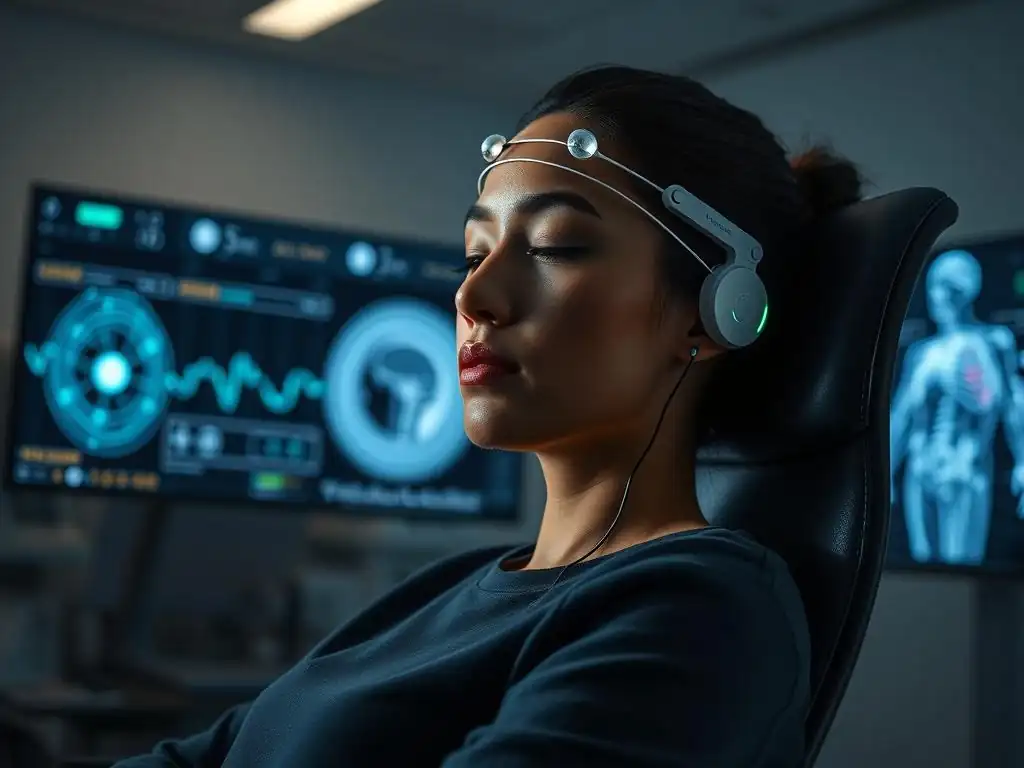
Welcome to Mind Care Guide, your trusted companion on the path to mental well-being. Feeling overwhelmed by anxiety? You're not alone. Did you know that your brainwaves hold the key to unlocking a calmer, more resilient you? Our exploration of Neurofeedback and Neuroplasticity reveals how training your brainwaves can significantly reduce anxiety symptoms. Dive in to understand the science and discover practical steps towards a more peaceful mind. Intrigued? Let's explore this fascinating connection together...
Neurofeedback and Neuroplasticity: Training Your Brainwaves to Reduce Anxiety
- Understanding Neurofeedback and Its Role in Anxiety Reduction
- How Neurofeedback Works to Alleviate Anxiety
- Benefits of Neurofeedback for Anxiety: Beyond Symptom Management
- Types of Anxiety Disorders That Benefit from Neurofeedback
- What to Expect During a Neurofeedback Session for Anxiety
- Is Neurofeedback Right for You? Considering Neurofeedback for Anxiety Relief
- Supporting Research and Clinical Evidence for Neurofeedback and Anxiety
- Integrating Neurofeedback with Other Anxiety Management Strategies
- Finding a Qualified Neurofeedback Provider for Anxiety Treatment
-
Frequently Asked Questions
- What is Neurofeedback and how does it relate to anxiety?
- How does Neurofeedback actually work to reduce anxiety symptoms?
- Is Neurofeedback a permanent solution for anxiety, or does it require ongoing treatment?
- What is neuroplasticity, and how does it connect to the effectiveness of Neurofeedback in reducing anxiety?
- Are there any potential side effects associated with Neurofeedback treatment for anxiety?
- Final Reflection: Rewiring Anxiety: The Promise of Neurofeedback
- Unlock Your Brain's Potential: Start Your Anxiety Reduction Journey Today!
Understanding Neurofeedback and Its Role in Anxiety Reduction
What is Neurofeedback? A Definition for Anxiety Relief
Neurofeedback, also known as EEG biofeedback, is a non-invasive therapeutic technique that helps individuals learn to regulate their brain activity. It operates on the principle that brainwave patterns are associated with different states of consciousness and emotional states, including anxiety. By providing real-time information about a person's brainwave activity, neurofeedback training allows the individual to consciously learn to alter these patterns towards a more balanced and regulated state. This process is akin to learning any new skill, but instead of training a muscle, you are training your brain.
During a typical session focused on how neurofeedback reduce anxiety symptoms, sensors are placed on the scalp to measure electrical activity produced by the brain. This activity is then displayed on a screen in various forms, such as graphs, sounds, or even within a video game interface.
The individual receives feedback based on whether their brain activity is moving towards a desired pattern (e.g., increasing calm alpha waves) or away from it (e.g., decreasing excessive high-beta activity often linked to anxiety). Over multiple sessions, the brain learns to naturally produce the desired patterns, leading to a reduction in anxiety symptoms.
Neuroplasticity: The Brain's Ability to Change and Adapt for Better Mental Health
Neuroplasticity is the remarkable ability of the brain to reorganize itself by forming new neural connections throughout life. It allows the brain to adapt, learn, and change in response to experience. This fundamental concept is critical for understanding how therapeutic interventions, including neurofeedback, can lead to lasting changes in mental health and behavior. The brain isn't a static organ; its structure and function are constantly being shaped by our thoughts, feelings, experiences, and actions.
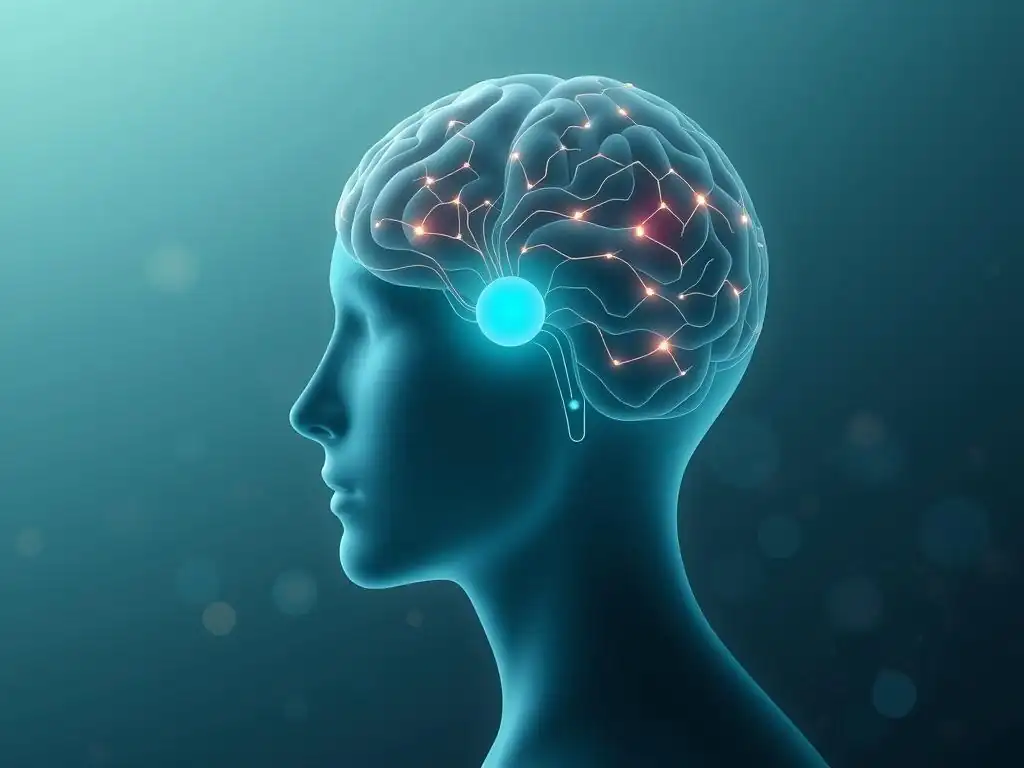
This capacity for change means that areas of the brain involved in anxiety, such as the amygdala (often hyperactive in anxiety disorders) or the prefrontal cortex (involved in regulation), can be influenced and modified. Engaging in new learning, practicing new behaviors, or receiving targeted interventions like neurofeedback can strengthen or weaken specific neural pathways. For instance, learning to regulate brainwave patterns associated with calm can, over time, strengthen the neural circuits responsible for relaxation and reduce the dominance of circuits linked to fear and worry, significantly impacting how effectively neurofeedback reduce anxiety symptoms.
The Link Between Neurofeedback, Neuroplasticity, and Anxiety Symptoms
Neurofeedback leverages the principle of neuroplasticity to help individuals suffering from anxiety. By providing targeted training based on real-time brainwave activity, neurofeedback encourages the brain to create new, healthier neural pathways and modify existing ones. This process directly addresses the dysregulated brain activity patterns often associated with anxiety disorders, thereby promoting the brain's natural ability to self-regulate.
When an individual learns through neurofeedback to decrease excessive high-frequency activity (like high-beta) or increase calming frequencies (like alpha or theta), they are actively engaging their brain's neuroplastic capabilities. This repeated practice during sessions helps solidify these new, more balanced patterns. As these patterns become more established through neuroplastic change, the individual's ability to manage stress, control worry, and respond calmly to challenging situations improves outside of the therapy setting. This is the core mechanism by which neurofeedback reduce anxiety symptoms over time, offering a sustainable approach to emotional regulation.
How Neurofeedback Works to Alleviate Anxiety
Brainwave Frequencies and Their Connection to Anxiety Disorders
The brain produces electrical activity that can be measured in cycles per second, or Hertz (Hz), categorized into different frequency bands. Each band is typically associated with different states of consciousness and mental processing. For example, Delta waves (0.5-4 Hz) are dominant during deep sleep, while Theta waves (4-8 Hz) are often linked to relaxation, creativity, and light sleep.
Alpha waves (8-13 Hz) are associated with a relaxed, calm, yet alert state, and Beta waves (13-30 Hz) are typically active during focused thinking, problem-solving, and alertness. Higher frequencies, like Gamma waves (30-100 Hz), are linked to intense focus and cognitive processing.
In individuals with anxiety disorders, specific brainwave patterns are often observed to be dysregulated. For instance, generalized anxiety disorder (GAD) can be associated with excessive high-beta activity, reflecting excessive worry and hypervigilance, particularly in frontal brain regions. Conversely, some individuals might show insufficient alpha or theta activity, indicating difficulty relaxing or accessing calmer states. Panic disorder can sometimes involve abnormal activity in areas like the limbic system, reflected in specific EEG patterns. Identifying these specific dysregulations is a crucial first step in tailoring neurofeedback protocols designed to help neurofeedback reduce anxiety symptoms effectively.
The Neurofeedback Process: A Step-by-Step Guide to Anxiety Treatment
The process of using neurofeedback to address anxiety typically begins with an initial assessment. This often includes a quantitative electroencephalogram (qEEG), sometimes referred to as brain mapping. This involves placing a cap with multiple sensors on the scalp to record brain activity across different regions. The recorded data is then compared to a normative database of brain activity patterns from individuals without anxiety or other specific conditions. This comparison helps identify areas and frequency bands that are dysregulated and likely contributing to the individual's anxiety symptoms.
Following the qEEG, a trained practitioner develops a personalized training plan or protocol. During subsequent neurofeedback sessions, sensors are placed on specific sites on the scalp corresponding to the identified areas of dysregulation. The individual then interacts with a computer program (e.g., watching a movie, playing a simple game) that is controlled by their brainwave activity.
The program provides positive feedback (like a clear picture or a game advancing) when the brain produces the desired brainwave pattern (e.g., decreasing high-beta, increasing alpha) and negative feedback (like a blurry picture or the game pausing) when it produces the undesirable pattern. Over a series of sessions, typically ranging from 20 to 40 depending on the individual and severity, the brain learns to self-regulate, leading to a reduction in anxiety symptoms.
Identifying Brainwave Dysregulation Associated with Anxiety
Accurately identifying the specific brainwave patterns contributing to an individual's anxiety is foundational to effective neurofeedback training. This is often achieved through a qEEG assessment. For example, a qEEG might reveal excessive activity in the high-beta frequency band (above 20 Hz) in the frontal lobes, which is frequently correlated with anxious rumination and worry. Another common pattern seen in anxiety is low alpha wave activity in posterior regions, suggesting difficulty entering a relaxed state.
Beyond general patterns, dysregulation can be highly individual. Some people with anxiety might show excessive theta activity in certain areas, linked to distractibility or difficulties with focus alongside their anxiety. Others might exhibit coherence issues, where different parts of the brain are not communicating effectively. The qEEG provides a detailed map of these unique patterns, allowing the neurofeedback practitioner to design a protocol precisely targeting the specific dysregulations observed. This precision is key to helping neurofeedback reduce anxiety symptoms by training the brain towards a more balanced and efficient state.
Training Brainwaves for Optimal Emotional Regulation
Once the specific brainwave dysregulations linked to anxiety are identified, neurofeedback training focuses on teaching the brain to produce patterns associated with calm, focus, and emotional balance. For someone with excessive frontal high-beta activity, the protocol might involve training the brain to decrease this frequency band while simultaneously increasing a calmer frequency like SMR (Sensory Motor Rhythm, 12-15 Hz) or alpha (8-12 Hz) in the same or related areas.
The training is based on operant conditioning. The brain "learns" through positive reinforcement when it produces the desired pattern. For example, if the goal is to increase alpha waves, the feedback signal (e.g., a tone or visual reward) is only given when the brain generates alpha activity within a target range.
If the brain produces excessive beta waves, the feedback stops or is negative. Through repeated practice across multiple sessions (often 2-3 sessions per week), the brain gradually reorganizes itself via neuroplasticity, making it easier to naturally enter and maintain states of calm and focus. This learned self-regulation of brain activity is how neurofeedback reduce anxiety symptoms and improves overall emotional well-being.
Benefits of Neurofeedback for Anxiety: Beyond Symptom Management
Neurofeedback vs. Traditional Anxiety Treatments: A Comparison
Traditional treatments for anxiety often include psychotherapy (such as Cognitive Behavioral Therapy or CBT) and medication (like SSRIs or benzodiazepines). These approaches can be highly effective for many individuals, but they have different mechanisms compared to neurofeedback. Medication primarily works by altering brain chemistry, which can alleviate symptoms but may have side effects and often requires continuous use. Psychotherapy helps individuals identify and change negative thought patterns and behaviors contributing to anxiety, focusing on conscious processing and coping strategies.
Neurofeedback, in contrast, directly targets the underlying physiological dysregulation in brainwave activity associated with anxiety. While CBT works "top-down" (from thoughts to brain function), neurofeedback works "bottom-up" (training brain function to influence thoughts and feelings). A key difference is that neurofeedback aims to teach the brain to self-regulate, potentially leading to more sustained changes even after treatment ends, as it promotes neuroplastic changes in brain networks. While traditional methods manage symptoms or teach coping, neurofeedback seeks to retrain the brain's fundamental patterns, offering a distinct pathway to help neurofeedback reduce anxiety symptoms.
Long-Term Anxiety Relief Through Neurofeedback-Induced Neuroplasticity
One of the most significant potential benefits of neurofeedback for anxiety is the possibility of long-term relief. Because neurofeedback facilitates neuroplastic changes – the physical rewiring of brain pathways – the positive effects can persist long after the training sessions are completed. Unlike medications that manage symptoms as long as they are taken, neurofeedback aims to create a new baseline of brain function.
Studies and clinical experience suggest that individuals who complete a full course of neurofeedback often maintain their gains in anxiety reduction months or even years later. For example, a follow-up study on individuals treated for anxiety and depression reported that 75% maintained their symptom reduction 6 months post-treatment.
This enduring effect is attributed to the brain having learned and consolidated the new, more regulated patterns of activity. The brain becomes more efficient at naturally producing the desired brainwave states, leading to a more stable emotional state and a reduced propensity for the anxious patterns to re-emerge, providing sustained help for neurofeedback reduce anxiety symptoms.
Improved Emotional Regulation and Resilience with Neurofeedback
Beyond simply reducing the intensity of anxiety symptoms, neurofeedback training can significantly enhance an individual's overall capacity for emotional regulation and resilience. By training the brain to shift out of states of hyperarousal (often characterized by excessive high-frequency beta activity) or into states of calm focus (associated with alpha and SMR activity), individuals become better equipped to manage their emotional responses to stress and challenging situations.
This improved ability to regulate emotions means that when faced with a potential anxiety trigger, the individual's brain is less likely to automatically default to an anxious pattern. Instead, it has been trained to access calmer, more resourceful states. This builds resilience, making the individual less susceptible to overwhelming anxiety and better able to recover more quickly when stress does occur. The goal is not just to suppress anxiety but to cultivate a brain state that is inherently more balanced and less prone to anxious reactivity, demonstrating how neurofeedback reduce anxiety symptoms and fosters greater emotional strength.
Reduced Reliance on Medication for Anxiety Management
For many individuals struggling with anxiety, medication is a necessary and effective tool. However, some people experience side effects, find that medication doesn't fully alleviate their symptoms, or prefer non-pharmacological options. Neurofeedback offers a promising alternative or complementary approach that can potentially reduce or even eliminate the need for anxiety medication over time, under medical supervision.
By addressing the underlying brain dysregulation, neurofeedback helps the brain develop its own capacity for self-regulation, which can mimic or enhance the effects of medication without the systemic side effects. Many people who have successfully completed neurofeedback for anxiety report being able to reduce their dosage or discontinue medication entirely, always in consultation with their prescribing physician. This potential to reduce reliance on pharmaceuticals is a significant benefit for individuals seeking alternative or integrative strategies to help neurofeedback reduce anxiety symptoms.
Types of Anxiety Disorders That Benefit from Neurofeedback
Neurofeedback for Generalized Anxiety Disorder (GAD)
Generalized Anxiety Disorder (GAD) is characterized by excessive worry and tension, even with little or no reason. Individuals with GAD often report feeling restless, easily fatigued, having difficulty concentrating, being irritable, experiencing muscle tension, and having sleep problems. QEEG assessments in individuals with GAD frequently reveal patterns such as excessive high-beta activity, particularly in frontal or central brain regions, reflecting the state of chronic worry and hyperarousal.
Neurofeedback protocols for GAD often target these specific dysregulations. For instance, training may involve decreasing high-beta activity while increasing alpha or SMR (Sensory Motor Rhythm) activity in relevant areas. The goal is to quiet the overactive "worry centers" and promote a calmer, more relaxed state. Clinical reports and some studies suggest that individuals with GAD undergoing neurofeedback training experience significant reductions in worry, tension, and physical symptoms associated with anxiety, demonstrating its potential to help neurofeedback reduce anxiety symptoms in this population.
Neurofeedback for Panic Disorder and Panic Attacks
Panic Disorder is characterized by recurrent, unexpected panic attacks, which are sudden periods of intense fear that come on quickly and reach their peak within minutes. Symptoms can include heart palpitations, sweating, trembling, shortness of breath, feelings of impending doom, and a sense of losing control. The brain mechanisms underlying panic attacks are complex but often involve hypersensitivity in the fear circuitry, including the amygdala.
While qEEG patterns can vary, some individuals with Panic Disorder show dysregulation in temporal lobe areas or specific coherence patterns. Neurofeedback protocols may focus on regulating activity in areas implicated in the fear response or promoting overall brain stability and coherence. Training can help individuals gain greater control over the physiological and psychological cascade that leads to a panic attack, increasing their threshold for experiencing panic. Anecdotal evidence and some smaller studies indicate that neurofeedback can be effective in reducing the frequency and intensity of panic attacks, highlighting another way neurofeedback reduce anxiety symptoms.
Social Anxiety Disorder (SAD), also known as social phobia, is marked by a persistent, intense fear of being watched and judged by others. This fear can interfere with work, school, and everyday activities. Individuals with SAD often experience significant anxiety in social situations, leading to avoidance behaviors. Brain imaging studies sometimes show heightened activity in the amygdala and altered connectivity in networks involved in social processing in individuals with SAD.
Neurofeedback training for SAD might focus on calming areas related to fear and social judgment or improving connectivity in relevant brain networks. Protocols could involve increasing alpha/theta activity to promote relaxation and reduce hypervigilance to social cues, or targeting areas associated with social cognition. While research is still developing compared to GAD or PTSD, clinical reports suggest that neurofeedback can help individuals with SAD feel more comfortable in social settings and reduce the intensity of their social fears, contributing to the evidence that neurofeedback reduce anxiety symptoms across different forms.
Post-Traumatic Stress Disorder (PTSD) can develop after experiencing or witnessing a traumatic event. While PTSD is distinct from anxiety disorders, anxiety and hyperarousal are core symptoms. Individuals with PTSD often exhibit dysregulation in brain areas involved in fear processing, memory, and emotional regulation, such as the amygdala, hippocampus, and prefrontal cortex. QEEG patterns in PTSD can be complex and varied, but often involve patterns indicative of hyperarousal or dissociation.
Neurofeedback protocols for PTSD-related anxiety are often tailored to address the specific qEEG findings, which might include excessive high-beta or gamma activity in some regions (hyperarousal) or excessive theta activity in others (dissociation). Training can aim to stabilize these dysregulated patterns, calm the hyperactive fear response, and improve the brain's ability to process traumatic memories without becoming overwhelmed. Research increasingly supports neurofeedback as a valuable tool for reducing PTSD symptoms, including anxiety, flashbacks, and hypervigilance, further demonstrating how neurofeedback reduce anxiety symptoms in complex trauma-related conditions.
Obsessive-Compulsive Disorder (OCD) is characterized by persistent, intrusive thoughts (obsessions) that cause distress and anxiety, and repetitive behaviors or mental acts (compulsions) that an individual feels driven to perform to reduce the anxiety or prevent a dreaded event. Anxiety is a central component of the OCD experience, often driving the compulsive behaviors. Brain imaging studies in OCD have implicated specific neural circuits, particularly the cortico-striatal-thalamo-cortical (CSTC) circuit, which is involved in habit formation, reward, and executive function.
QEEG patterns in OCD can show abnormalities in activity or connectivity within these circuits. Neurofeedback protocols for OCD-related anxiety often target these specific brain regions or circuits. For example, training might focus on regulating activity in frontal-striatal pathways. While less extensively researched than other anxiety disorders, clinical observations and some studies suggest that neurofeedback can help reduce the intensity of obsessive thoughts and compulsive urges, thereby decreasing the associated anxiety. This indicates that neurofeedback reduce anxiety symptoms even when they are part of a more complex condition like OCD.
What to Expect During a Neurofeedback Session for Anxiety
Initial Assessment and Brain Mapping for Personalized Treatment
The journey with neurofeedback for anxiety typically begins with a thorough initial assessment. This involves gathering detailed information about your anxiety symptoms, medical history, lifestyle, and treatment goals. You'll likely complete questionnaires to quantify the severity and nature of your anxiety. The cornerstone of the assessment is often a quantitative electroencephalogram (qEEG), also known as brain mapping.
During the qEEG, a cap fitted with multiple sensors is placed on your scalp. These sensors measure the electrical activity of your brain from various locations. You might be asked to sit quietly with your eyes open and closed, or perform simple tasks.
The data collected is then processed and compared to a large database of brain activity from people of similar age and gender without anxiety or other specific conditions. This comparison identifies specific areas and frequency bands where your brain activity deviates from typical patterns, providing a personalized map of the dysregulation contributing to your anxiety. This map is essential for designing a targeted neurofeedback protocol aimed at helping neurofeedback reduce anxiety symptoms unique to your brain.
Real-Time Feedback and Brainwave Training Techniques
Once the initial assessment and brain mapping are complete, your neurofeedback sessions will begin. In a typical session, sensors are placed on specific locations on your scalp according to your personalized protocol. These sensors connect to a computer running specialized neurofeedback software. Your brainwave activity is monitored in real time.
The software provides feedback based on whether your brain is producing the desired brainwave patterns or the undesirable ones. This feedback is usually visual and/or auditory. For example, you might watch a movie, and the screen remains clear and the sound plays smoothly when your brain is producing the target brainwaves (e.g., more alpha, less high-beta).
If your brain drifts into the undesirable pattern, the screen might dim or blur, or the sound might become distorted. This immediate feedback allows your brain, unconsciously at first, to learn which states are being rewarded and to adjust its activity accordingly. Over time, this operant conditioning trains your brain to produce the desired patterns more consistently, which is how neurofeedback reduce anxiety symptoms by promoting self-regulation.
The Role of the Therapist in the Neurofeedback Process
While the technology is central to neurofeedback, the role of the qualified therapist or practitioner is crucial. They are responsible for conducting the initial assessment, interpreting the qEEG results, and developing your personalized training protocol. This requires expertise in both neurophysiology and the specific technology being used.
During the sessions, the therapist monitors your brainwave activity, adjusts the training parameters as needed, and provides guidance and support. They observe your responses to the feedback and how your brain is learning to regulate. They may also discuss your progress, changes in your anxiety symptoms, and any challenges you are facing. The therapist acts as a guide and facilitator, ensuring that the training is safe, effective, and tailored to your evolving needs. Their expertise is vital in maximizing the effectiveness of how neurofeedback reduce anxiety symptoms in your specific case.
Number of Sessions and Treatment Duration for Anxiety Reduction
The number of neurofeedback sessions required to see significant and lasting reduction in anxiety symptoms varies from person to person. Several factors influence this, including the severity and chronicity of the anxiety, the presence of co-occurring conditions, the individual's overall health, and their consistency in attending sessions. However, a typical course of neurofeedback therapy for anxiety usually involves between 20 and 40 sessions.
Sessions are often scheduled 2 to 3 times per week, particularly in the initial stages, to provide consistent training and facilitate neuroplastic change. As progress is made, the frequency might be reduced. Some individuals begin to notice subtle changes within the first 5-10 sessions, such as improved sleep or feeling slightly calmer. More significant and consistent reduction in core anxiety symptoms typically becomes apparent after 15-20 sessions. The full course of treatment is recommended to consolidate the learned patterns and ensure long-term benefits, solidifying the brain's ability to help neurofeedback reduce anxiety symptoms effectively.
Is Neurofeedback Right for You? Considering Neurofeedback for Anxiety Relief
Consulting with a Qualified Neurofeedback Practitioner
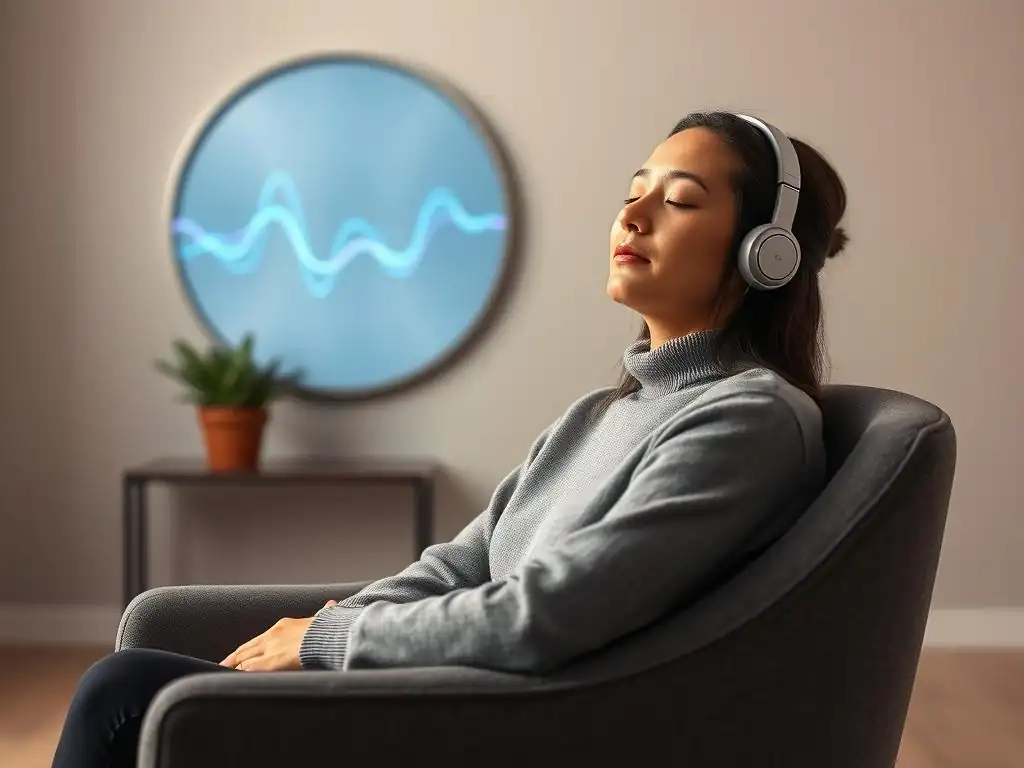
Deciding whether neurofeedback is the right approach for your anxiety requires careful consideration and, most importantly, consultation with a qualified professional. Not all practitioners offering biofeedback or related services are specifically trained and experienced in neurofeedback for clinical applications like anxiety. A qualified practitioner will have specific training in neurofeedback techniques, qEEG interpretation, and clinical psychology or a related mental health field.
During an initial consultation, they can explain the process in detail, discuss whether your specific type and severity of anxiety are likely to respond well to neurofeedback, and outline the potential benefits and limitations. They should be able to answer your questions about their training, experience, and the specific technology they use. This consultation is crucial for determining if neurofeedback is a suitable option for you and setting realistic expectations about how neurofeedback reduce anxiety symptoms in your situation.
Factors to Consider Before Starting Neurofeedback Therapy
Before committing to neurofeedback therapy for anxiety, several factors should be considered.
- Time Commitment: A typical course requires 20-40 sessions, usually 2-3 times per week. This is a significant time investment.
- Cost: Neurofeedback is often not fully covered by insurance, and sessions can range from $100 to $200+ each. The total cost can be substantial.
- Consistency: Regular attendance is key to success. Missing sessions can slow down progress.
- Individual Variability: While many people benefit, results can vary. Neurofeedback is not a guaranteed cure for everyone.
- Integration with Other Treatments: Consider how neurofeedback would fit with any current treatments you are receiving (e.g., therapy, medication) and discuss this with all your healthcare providers.
Weighing these factors against the potential benefits of reduced anxiety symptoms and improved emotional regulation is essential.
Potential Side Effects and Risks Associated with Neurofeedback
Neurofeedback is generally considered safe and non-invasive. Unlike medication, there are typically no systemic side effects. However, some individuals may experience mild, temporary effects during or immediately after a session. These are usually brief and resolve quickly.
Potential mild side effects might include:
- Fatigue or tiredness
- Headache
- Feeling slightly lightheaded or "spaced out"
- Increased anxiety or agitation (less common, often indicates the protocol needs adjustment)
These effects are often indicators that the brain is actively responding to the training and might signal that the parameters need fine-tuning. A skilled practitioner will monitor for these effects and adjust the protocol accordingly. Serious side effects are extremely rare. Compared to many pharmacological interventions, the risk profile of neurofeedback is quite low, particularly given its non-invasive nature and focus on self-regulation to help neurofeedback reduce anxiety symptoms.
Neurofeedback Cost and Insurance Coverage for Anxiety Treatment
The cost of neurofeedback therapy for anxiety can be a significant barrier for many individuals. As mentioned, individual sessions typically range from $100 to $200 or more, and a full course of treatment can cost several thousand dollars. This cost reflects the specialized equipment, software, and the practitioner's extensive training and expertise.
Insurance coverage for neurofeedback varies widely. Some insurance plans may offer partial coverage, particularly if it is billed under codes for biofeedback or specific types of psychotherapy, but full coverage is uncommon. It is crucial to contact your insurance provider directly to inquire about coverage for "EEG biofeedback" or "neurofeedback" for your specific diagnosis (e.g., anxiety disorder). Many clinics offer payment plans or package deals for a series of sessions, which might help manage the expense. Financial considerations are a practical but important factor when evaluating neurofeedback as an option to help neurofeedback reduce anxiety symptoms.
Supporting Research and Clinical Evidence for Neurofeedback and Anxiety
Studies on Neurofeedback's Effectiveness in Reducing Anxiety Symptoms
A growing body of research explores the effectiveness of neurofeedback in reducing anxiety symptoms. While the quality and scope of studies vary, many indicate positive outcomes. For instance, a study published in Applied Psychophysiology and Biofeedback in 2009 reported significant reductions in anxiety scores among participants with generalized anxiety disorder who received neurofeedback training targeting specific brainwave patterns (e.g., reducing frontal beta). Another study in Clinical EEG and Neuroscience in 2016 found that alpha-theta neurofeedback training led to decreased anxiety symptoms in individuals with affective disorders.
More recent research continues to explore optimal protocols and specific anxiety subtypes. While some studies are limited by sample size or control groups, the consistent finding across multiple investigations is that neurofeedback training can lead to statistically and clinically significant improvements in anxiety levels for a substantial portion of individuals. This research provides empirical support for the use of neurofeedback to help neurofeedback reduce anxiety symptoms.
The Neuroscientific Basis for Neurofeedback's Impact on Anxiety
The effectiveness of neurofeedback in alleviating anxiety is grounded in its ability to influence the neural circuits and brainwave patterns known to be dysregulated in anxiety disorders. Anxiety is often associated with an overactive limbic system (including the amygdala), reduced regulatory control from the prefrontal cortex, and imbalances in specific neurotransmitter systems. These neurological patterns are reflected in measurable brainwave activity.
By training individuals to increase calming brainwaves (like alpha or SMR) and decrease activating or dysregulated waves (like excessive high-beta), neurofeedback directly impacts the brain's ability to enter and maintain states of relaxation and focused calm. This training, facilitated by neuroplasticity, strengthens the neural pathways associated with self-regulation and weakens those linked to the anxious response. Essentially, neurofeedback helps retune the brain's internal "thermostat" for emotional arousal, providing a neuroscientific mechanism for how neurofeedback reduce anxiety symptoms at their source.
Meta-Analyses and Systematic Reviews of Neurofeedback for Anxiety Disorders
Meta-analyses and systematic reviews pool data from multiple studies to provide a more comprehensive understanding of a treatment's effectiveness. Several such reviews have examined the evidence for neurofeedback in treating various conditions, including anxiety. While some early reviews noted limitations in the research base, more recent analyses tend to be more positive, particularly for specific applications.
A systematic review published in Frontiers in Psychology in 2018, for example, concluded that neurofeedback is a promising intervention for anxiety disorders, noting that while more large-scale, placebo-controlled trials are needed, existing evidence suggests it can lead to significant symptom reduction. Another review focusing on qEEG-informed neurofeedback protocols highlighted the potential for personalized treatment based on brain mapping to enhance outcomes for conditions like anxiety. These broader analyses support the clinical observation that neurofeedback reduce anxiety symptoms effectively for many individuals, positioning it as a valuable tool in the therapeutic landscape.
Integrating Neurofeedback with Other Anxiety Management Strategies
Combining Neurofeedback with Cognitive Behavioral Therapy (CBT) for Anxiety
Neurofeedback and Cognitive Behavioral Therapy (CBT) target anxiety from different but potentially complementary angles. CBT focuses on identifying and changing negative thought patterns and behaviors that contribute to anxiety ("top-down"). Neurofeedback focuses on regulating the underlying brain activity patterns associated with anxiety ("bottom-up"). Combining these approaches can create a powerful synergy.
By using neurofeedback to help regulate the brain's arousal state, individuals may find it easier to engage with and benefit from CBT techniques. For example, someone whose brain is constantly in a state of high alert might struggle to practice relaxation techniques or challenge anxious thoughts effectively in CBT. Neurofeedback can help calm the nervous system, making the brain more receptive to learning and implementing the cognitive and behavioral strategies taught in CBT. This integrated approach can potentially lead to faster and more robust reduction in anxiety symptoms than either therapy alone.
The Role of Mindfulness and Meditation in Enhancing Neurofeedback Results
Mindfulness and meditation practices, like neurofeedback, involve training the mind and brain. Mindfulness cultivates present-moment awareness without judgment, which can help individuals detach from anxious thoughts. Meditation often involves focusing attention (e.g., on breath) or cultivating specific states like calm or compassion. Both practices have been shown to induce changes in brain activity and structure consistent with neuroplasticity.
Integrating mindfulness or meditation with neurofeedback can be mutually beneficial. Neurofeedback can make it easier for individuals to enter the calm, focused states often associated with successful meditation practice by training the brain to produce relevant brainwave patterns (like alpha or theta). Conversely, regular mindfulness or meditation practice can reinforce the self-regulation skills learned in neurofeedback sessions, helping to generalize the benefits to daily life. This combination leverages different pathways to help neurofeedback reduce anxiety symptoms and improve overall mental well-being.
Lifestyle Factors: Diet, Exercise, and Sleep for Anxiety Management
Managing anxiety is a holistic process that involves addressing various aspects of health and lifestyle. While neurofeedback targets brainwave activity directly, its effectiveness can be significantly supported by healthy lifestyle choices. Diet, exercise, and sleep all have profound impacts on brain function and mental health.
A balanced diet rich in whole foods, omega-3 fatty acids, and probiotics can support neurotransmitter balance and reduce inflammation, both of which are relevant to anxiety. Regular physical exercise is a potent anxiety reducer, releasing endorphins and helping regulate the stress response system. Adequate, quality sleep is crucial for brain health and emotional regulation; sleep deprivation can exacerbate anxiety. Incorporating these healthy habits alongside neurofeedback therapy can create an optimal environment for the brain to learn and maintain healthier patterns, enhancing the long-term benefits and contributing significantly to how neurofeedback reduce anxiety symptoms.
Finding a Qualified Neurofeedback Provider for Anxiety Treatment
Essential Qualifications and Certifications to Look For
Finding a qualified neurofeedback provider is paramount to ensuring safe and effective treatment for anxiety. Look for practitioners who are licensed mental health professionals (such as psychologists, therapists, or counselors) or medical professionals (like physicians) with specialized training in neurofeedback.
Certifications from recognized bodies indicate that a practitioner has met specific training and competency standards. The Biofeedback Certification International Alliance (BCIA) offers certification in Neurofeedback (BCIA-EEG). A BCIA-certified practitioner has completed required coursework, mentorship, and passed an exam. While not the only indicator of competence, BCIA certification demonstrates a commitment to standardized training and ethical practice in using neurofeedback to help neurofeedback reduce anxiety symptoms. Don't hesitate to ask about their training, certifications, and experience specifically treating anxiety disorders.
Questions to Ask Potential Neurofeedback Therapists
Before choosing a neurofeedback provider, prepare a list of questions to ask during an initial consultation. This will help you assess their expertise and determine if they are a good fit for your needs.
Consider asking:
- What is your professional background and license?
- What specific training and certifications do you have in neurofeedback? (e.g., BCIA-EEG?)
- How much experience do you have treating anxiety disorders with neurofeedback?
- What is your approach to assessment, including brain mapping (qEEG)?
- What specific neurofeedback protocols do you typically use for anxiety?
- What is the expected number of sessions for someone with my type of anxiety?
- How do you measure progress?
- What are the potential side effects, and how do you manage them?
- What is the cost per session, and do you offer package deals or payment plans?
- Do you work collaboratively with other healthcare providers, such as my therapist or physician?
Asking these questions will help you understand their process and confidence in their ability to help neurofeedback reduce anxiety symptoms for you.
Resources for Finding Neurofeedback Providers
Several resources can help you locate qualified neurofeedback providers in your area. Professional organizations are often the best starting point.
- The Biofeedback Certification International Alliance (BCIA) website has a "Find a Practitioner" directory that allows you to search for certified professionals by location and specialty.
- The Association for Applied Psychophysiology and Biofeedback (AAPB) also offers a directory of members, many of whom practice neurofeedback.
- State or national psychological associations or mental health directories may list practitioners who offer neurofeedback.
Additionally, asking for referrals from your current therapist, physician, or support groups can be helpful. When using online directories, verify the practitioner's credentials and experience, and remember that a consultation is the best way to determine if a provider is the right fit to help neurofeedback reduce anxiety symptoms effectively for your specific needs.
Frequently Asked Questions
What is Neurofeedback and how does it relate to anxiety?
Neurofeedback is a type of biofeedback that trains your brain to self-regulate by monitoring brainwave activity. It can help reduce anxiety symptoms by promoting healthier brainwave patterns associated with calmness and focus.
How does Neurofeedback actually work to reduce anxiety symptoms?
Neurofeedback uses sensors to read your brainwaves and provides real-time feedback, often through a game-like interface. This feedback allows you to learn to control your brainwave activity, promoting a state of relaxed alertness and reducing anxiety.
Is Neurofeedback a permanent solution for anxiety, or does it require ongoing treatment?
Neurofeedback aims to promote lasting changes in brain function through neuroplasticity. While results vary, many people experience significant and lasting reductions in anxiety symptoms after completing a neurofeedback program, though maintenance sessions may be beneficial.
What is neuroplasticity, and how does it connect to the effectiveness of Neurofeedback in reducing anxiety?
Neuroplasticity is the brain's ability to reorganize itself by forming new neural connections throughout life. Neurofeedback leverages neuroplasticity to retrain brainwave patterns, leading to a more resilient and less anxious brain.
Are there any potential side effects associated with Neurofeedback treatment for anxiety?
Neurofeedback is generally considered safe, but some individuals may experience mild and temporary side effects such as headaches, fatigue, or increased anxiety. These side effects are usually short-lived and resolve on their own.
Final Reflection: Rewiring Anxiety: The Promise of Neurofeedback
The ability to actively shape our brain's response to anxiety, once a distant dream, is now a tangible reality thanks to advancements in neurofeedback. This innovative technique offers a powerful pathway towards managing and potentially mitigating anxiety symptoms, bypassing the limitations of traditional approaches for many individuals. The implications for mental health are profound, offering a personalized and empowering alternative.
Neurofeedback's impact extends beyond individual relief; it challenges our understanding of the brain's malleability and the potential for self-directed change. It underscores the incredible capacity of the brain for neuroplasticity, the ability to reorganize itself by forming new neural connections throughout life. This resonates deeply with me, as I've witnessed firsthand the transformative power of harnessing this inherent capacity. The brain is like a muscle. We can strengthen it and make it more resilient through training.
This simple analogy perfectly encapsulates the essence of neurofeedback and its potential to reshape our relationship with anxiety.
Consider the possibilities: Imagine a future where anxiety is not a life sentence, but a challenge met with proactive self-management. You, the reader, hold the key to unlocking this potential. Take the time to explore the research, discuss neurofeedback with your healthcare provider, and consider whether this innovative approach could be a valuable tool in your own journey towards a calmer, more resilient you. The power to reshape your brainwaves, and thus your experience of anxiety, is within your reach.
Unlock Your Brain's Potential: Start Your Anxiety Reduction Journey Today!
Thanks for taking the time to explore the powerful connection between neurofeedback and neuroplasticity! You've learned how retraining your brainwaves can significantly reduce anxiety and improve your overall well-being. Now it's time to put this knowledge into action.
Here's how you can begin your journey towards a calmer, more focused you:
- Schedule a consultation with a certified neurofeedback practitioner. This is the most crucial step to personalize your brain training program and achieve optimal results.
- Explore guided meditation and mindfulness techniques to complement your neurofeedback sessions and enhance your progress.
- Share your newfound knowledge with friends or family who might also benefit from learning about neurofeedback and anxiety reduction. Let's build a community of support!
Ready to take control of your anxiety and unlock your brain's incredible potential? What small step will you take this week to prioritize your mental well-being?