
The Foundation of Wellbeing: Introducing Mindfulness

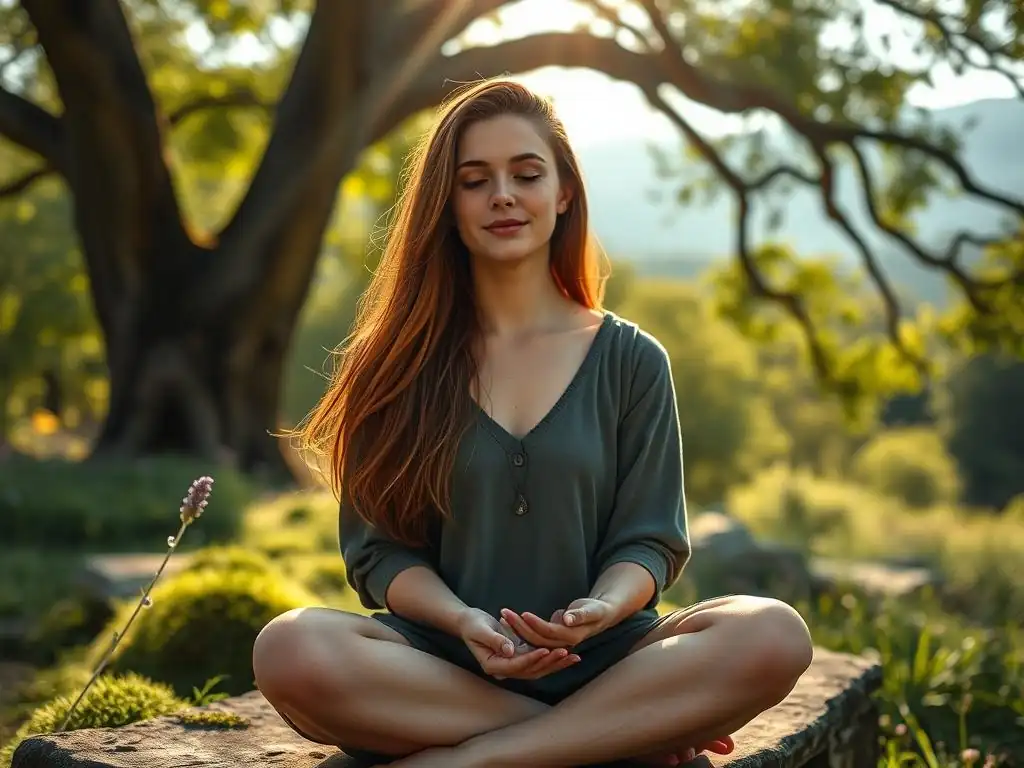
Welcome to Mind Care Guide, a space dedicated to nurturing your inner peace.
Are you feeling overwhelmed, searching for a way to navigate the complexities of modern life? You're not alone. We understand. This week, we're delving into a powerful tool that can help you reclaim your calm and cultivate lasting well-being: Mindfulness for better mental health. Curious to discover how bringing awareness to the present moment can transform your life? Let's explore this foundation of wellbeing together...
The Foundation of Wellbeing: Introducing Mindfulness
- Mind Care Guide's Introduction to Mindfulness for Mental Wellbeing
- What is Mindfulness? A Beginner's Guide to Present Moment Awareness
- The Benefits of Mindfulness for Better Mental Health
- Practical Mindfulness Exercises for Daily Life
- Overcoming Challenges in Mindfulness Practice
- Mindfulness and Mental Health Conditions: A Closer Look
- Long-Term Benefits and Cultivating a Mindful Lifestyle
- Conclusion: Embracing Mindfulness for a Healthier Mind
-
Frequently Asked Questions
- What is mindfulness, and how does it relate to mental well-being?
- How can mindfulness techniques contribute to better mental health outcomes?
- What are some simple mindfulness exercises I can incorporate into my daily routine?
- Where can I find reliable resources and support for learning and practicing mindfulness?
- Can mindfulness be used as a treatment for specific mental health challenges, such as anxiety or depression?
- Final Reflection: Cultivating Inner Peace in a Frantic World
- Unveil Your Inner Calm: Start Your Mindfulness Journey Today
Mind Care Guide's Introduction to Mindfulness for Mental Wellbeing
Mindfulness, a practice rooted in ancient traditions, is gaining widespread recognition as a powerful tool for enhancing mental wellbeing. In a world that often demands our attention in countless directions simultaneously, cultivating present moment awareness offers a pathway to reduced stress, increased clarity, and greater emotional balance.
This guide from Mind Care Guide explores what mindfulness is, its profound benefits, and practical ways to integrate it into your daily life, ultimately contributing to a healthier mind and a more fulfilling existence. Understanding and practicing mindfulness for better mental health is a journey accessible to everyone, regardless of their background or current state of mind.
What is Mindfulness? A Beginner's Guide to Present Moment Awareness
At its core, mindfulness is the practice of intentionally bringing one's attention to the present moment without judgment. It's about observing thoughts, feelings, bodily sensations, and the surrounding environment as they arise, simply noticing them without getting carried away or trying to change them. This practice isn't about emptying the mind, but rather about learning to relate differently to our internal and external experiences. It cultivates a state of being fully present, rather than dwelling on the past or worrying about the future.
Understanding the Core Principles of Mindfulness
The practice of mindfulness is built upon several foundational principles that guide its application and deepen its effectiveness. One primary principle is non-judgment, which involves observing experiences as they are, without labeling them as good or bad, right or wrong. This allows for a clearer perception of reality and reduces the tendency to get stuck in reactive emotional patterns. Another key principle is acceptance – acknowledging the present moment as it is, even if it's difficult or unpleasant. This doesn't mean resignation, but rather a willingness to face reality squarely, creating space for a more constructive response.
Intention also plays a crucial role; approaching mindfulness practice with a clear purpose, whether it's to reduce stress, increase focus, or cultivate self-compassion, helps to anchor the practice. Beginner's mind is another principle, encouraging us to see things as if for the first time, with curiosity and openness, shedding preconceived notions. Finally, non-striving reminds practitioners that mindfulness isn't about achieving a particular state or outcome, but about the process of paying attention itself. Embracing these principles is fundamental to developing a robust mindfulness for better mental health practice.
Mindfulness vs. Meditation: Clarifying the Differences
While often used interchangeably, mindfulness and meditation are related but distinct concepts. Meditation is a broad term that encompasses various practices designed to train the mind, including focusing attention, cultivating compassion, or enhancing awareness. Mindfulness, specifically, is a quality of awareness – the state of being present and non-judgmental. Mindfulness meditation is a type of meditation practice where one cultivates this present-moment awareness, often through focusing on the breath or bodily sensations.
Think of it this way: meditation is the activity or discipline (like running), while mindfulness is a quality you can develop through that activity (like endurance). You can practice mindfulness during meditation sessions, but you can also bring mindfulness to any activity in your daily life, such as eating, walking, or listening. Therefore, mindfulness is a state of being that can be cultivated through formal meditation practices and informal daily activities, making it a versatile approach for promoting mental wellbeing.
The Benefits of Mindfulness for Better Mental Health
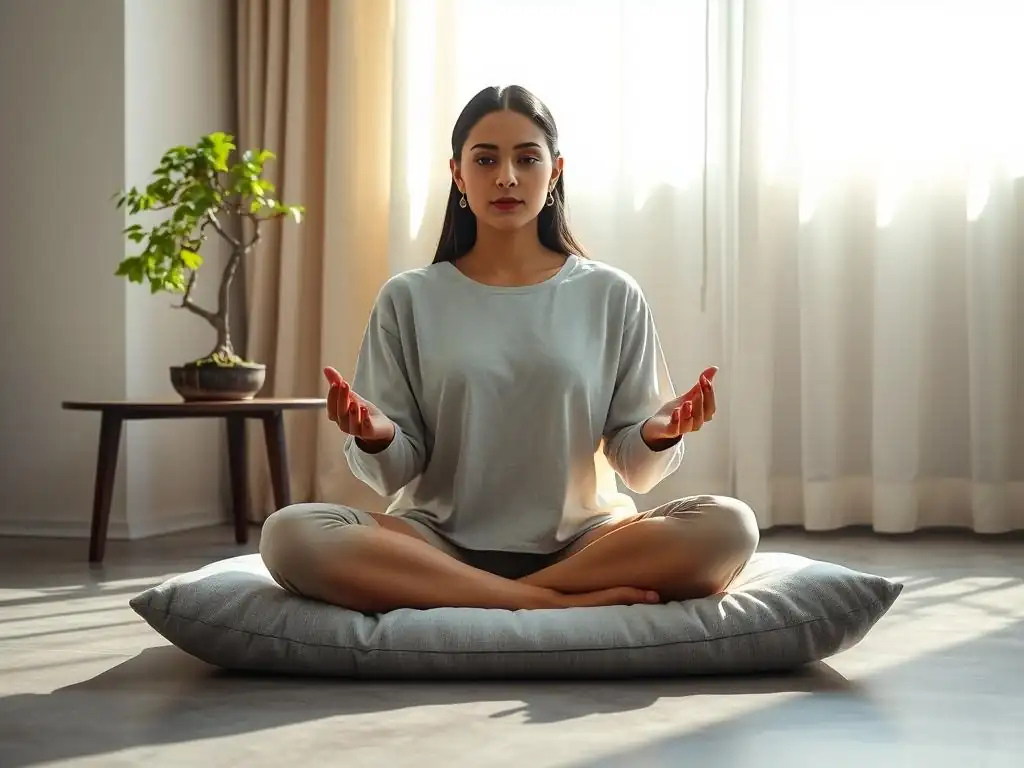
Regular engagement with mindfulness practices has been shown through extensive research to yield significant benefits for mental health. These advantages range from managing everyday stress to supporting individuals dealing with more complex psychological challenges. The cumulative effect of cultivating present-moment awareness can lead to profound positive shifts in how we perceive and interact with the world and ourselves.
Reducing Stress and Anxiety Through Mindfulness Practices
One of the most well-documented benefits of mindfulness is its efficacy in reducing stress and anxiety. By learning to observe thoughts and feelings without judgment, individuals can create distance from anxious thought loops and reduce the physiological stress response. Studies, including those focusing on Mindfulness-Based Stress Reduction (MBSR) programs, have reported reductions in perceived stress levels and physical symptoms related to stress, such as muscle tension and fatigue. For example, research often indicates a significant decrease in cortisol levels, a key stress hormone, among regular mindfulness practitioners.
Mindfulness helps individuals recognize early signs of stress and anxiety in their body and mind, enabling them to respond more skillfully rather than react automatically. By anchoring attention in the present moment, practitioners become less susceptible to worrying about future uncertainties or ruminating on past difficulties, which are common drivers of anxiety. This ability to step back and observe anxious thoughts as temporary mental events, rather than absolute truths, is a cornerstone of using mindfulness for better mental health and resilience against stress.
Mindfulness for Improved Focus and Concentration
In an age of constant distractions, the ability to focus and concentrate is becoming increasingly valuable. Mindfulness practice, particularly concentration-based meditations, trains the mind to stay focused on a chosen object, such as the breath. This repetitive bringing back of wandering attention strengthens the neural pathways associated with focus and executive function. Research suggests that regular mindfulness meditation can lead to measurable improvements in attention span and the ability to ignore distractions.
For instance, studies using attention tests like the Stroop task have shown that individuals who practice mindfulness demonstrate improved performance, indicating enhanced attentional control. This improved focus is not limited to formal meditation time; it translates into daily tasks, whether it's being more present during conversations, concentrating better at work or school, or fully engaging in hobbies. Cultivating mindfulness for better mental health naturally leads to a more focused and less scattered mind.
Enhancing Emotional Regulation with Mindfulness Techniques
Mindfulness significantly enhances emotional regulation by teaching individuals to observe their emotions without being overwhelmed by them. Instead of immediately reacting to feelings like anger, sadness, or frustration, mindfulness provides the space to pause, acknowledge the emotion, and choose a more considered response. This non-reactive observation allows for a deeper understanding of emotional triggers and patterns.
Techniques like the body scan meditation help individuals become aware of how emotions manifest physically, while mindful breathing can be used as an anchor during intense emotional states. Research indicates that mindfulness practice can lead to changes in brain regions associated with emotional processing, such as the amygdala (involved in fear and threat response) and the prefrontal cortex (involved in regulation and decision-making). This neurobiological effect underlies the improved capacity to navigate challenging emotions with greater ease and resilience, a vital component of mindfulness for better mental health.
Cultivating Self-Awareness and Compassion Through Mindfulness
Mindfulness is fundamentally a practice of self-awareness. By paying attention to our internal landscape – our thoughts, feelings, and physical sensations – we gain deeper insights into our habits, patterns, and core beliefs. This increased self-awareness is the first step towards making conscious choices rather than being driven by unconscious impulses. Understanding our own reactions and triggers empowers us to navigate life's challenges more effectively.
Furthermore, mindfulness often goes hand-in-hand with cultivating compassion, both for oneself and others. As we become more aware of our own struggles and imperfections with kindness and non-judgment, it naturally extends to understanding and empathizing with the human experience in others. Practices like loving-kindness meditation, often integrated into mindfulness programs, specifically focus on generating feelings of warmth, care, and compassion. This dual development of self-awareness and compassion fosters a more positive and accepting relationship with oneself, crucial for genuine mental wellbeing.
Practical Mindfulness Exercises for Daily Life
Integrating mindfulness into daily life doesn't always require setting aside long periods for formal meditation. Many simple exercises can be woven into your routine, helping you cultivate present moment awareness throughout the day. These practices are accessible and can be adapted to various situations, making mindfulness for better mental health a practical pursuit.
Simple Breathing Exercises for Mindfulness
Focusing on the breath is one of the most basic yet powerful mindfulness exercises. You can do this anytime, anywhere. Simply bring your attention to the physical sensation of the breath entering and leaving your body. Notice the rise and fall of your abdomen or chest, the feeling of air moving through your nostrils or mouth. There's no need to change your breath; just observe it as it is.
Try a simple 3-minute mindful breathing exercise. Sit comfortably, close your eyes if possible, or soften your gaze. For the first minute, simply notice your breath. For the second minute, count your breaths (e.g., "in" on inhale, "out" on exhale, or counting each exhale up to 10 and starting over). For the third minute, just return to simply observing the breath without counting. If your mind wanders, gently guide your attention back to the breath without judgment. This brief practice can significantly reduce stress and bring you back to the present moment.
Body Scan Meditation for Increased Awareness
The body scan is a formal mindfulness practice that involves systematically bringing attention to different parts of the body, noticing sensations without judgment. This exercise helps to cultivate a deeper connection with the physical self and can reveal areas of tension or discomfort that we might otherwise ignore. It's typically done lying down or sitting comfortably and can range from 10 to 45 minutes.
To practice a body scan, lie on your back with your arms at your sides and legs uncrossed. Close your eyes or soften your gaze. Bring your attention to your breath for a few moments to settle in. Then, gently direct your awareness to your toes. Notice any sensations there – tingling, warmth, pressure, absence of sensation.
Simply observe. After a minute or two, move your attention to the soles of your feet, then the ankles, and so on, slowly moving up through your legs, torso, arms, neck, and head. If you notice discomfort or pain, bring a gentle, curious awareness to it. If your mind wanders, simply notice that it has wandered and gently redirect your attention back to the part of the body you were focusing on. This practice enhances interoceptive awareness, which is linked to emotional regulation and overall wellbeing.
Mindful Walking: Connecting with the Present Moment Through Movement
Mindful walking is an exercise that combines movement with present moment awareness. It can be done indoors or outdoors, slowly or at a normal pace. The goal is to pay attention to the sensations of walking itself, rather than getting lost in thought about your destination or other concerns. This practice allows you to bring mindfulness into a common daily activity.
As you walk, bring your attention to the physical sensations in your feet and legs. Notice the feeling of your feet touching the ground, the shifting of weight, the movement of your legs. You can also expand your awareness to include the sensations of your breath and the environment around you – the feeling of air on your skin, the sights, the sounds.
If your mind starts planning or worrying, gently notice that and bring your attention back to the sensations of walking. Mindful walking can transform a simple commute or stroll into an opportunity for grounding and awareness, contributing to your mindfulness for better mental health journey.
Integrating Mindfulness into Daily Activities: Mindful Dishwashing, Mindful Communication
Mindfulness isn't confined to formal practice sessions; it can be integrated into almost any daily activity. This informal practice involves bringing your full attention to what you are doing in the present moment, engaging your senses and noticing the experience without rushing or judging. This approach can transform mundane tasks into opportunities for presence and awareness.
Consider mindful dishwashing: Instead of rushing through the task or thinking about other things, pay attention to the sensations – the warmth of the water, the feel of the soap, the texture of the dishes, the sounds. Engage fully with the activity. Similarly, mindful communication involves truly listening to the other person, paying attention not just to their words but also their tone of voice and body language, and being present in the interaction without formulating your response prematurely. By embedding mindfulness into these everyday actions, you consistently reinforce the habit of present moment awareness, enhancing overall mental wellbeing.
Overcoming Challenges in Mindfulness Practice
While the benefits of mindfulness are significant, the practice itself isn't always easy. It's common to encounter challenges, such as a wandering mind, feelings of restlessness, or difficulty finding time. Recognizing these obstacles as normal parts of the process is the first step toward navigating them effectively.
Addressing Common Obstacles in Mindfulness Meditation
A frequently encountered obstacle is the "monkey mind" – a mind that is constantly jumping from one thought to another. It's important to understand that a wandering mind is not a sign of failure; it's simply what minds do. The practice is not about stopping thoughts but about noticing when the mind has wandered and gently bringing it back to the anchor (like the breath). This gentle redirection is the core training of attention.
Another challenge can be physical discomfort or restlessness during sitting meditation. Experimenting with different postures or incorporating gentle movement before or during practice can help. Boredom or impatience can also arise; approaching these feelings with curiosity and non-judgment, simply observing them without resistance, is part of the practice.
Tips for Staying Consistent with Your Mindfulness Practice
Consistency is often more important than duration when it comes to reaping the benefits of mindfulness for better mental health. Start small, perhaps with just 5-10 minutes a day, and gradually increase the time as you feel comfortable. Schedule your practice like any other important appointment, finding a time that works best for you, whether it's first thing in the morning, during a lunch break, or before bed. Find a quiet space where you won't be interrupted.
Don't aim for perfection; some days practice will feel easier than others. The key is simply to show up. Consider using guided meditations, which can be helpful, especially when starting out or feeling unmotivated. Joining a mindfulness group or finding a practice partner can also provide support and accountability. Remember why you started practicing – perhaps to reduce stress or improve focus – and revisit your intention when motivation wanes.
Finding the Right Mindfulness Resources and Support
Accessing quality resources and support can significantly aid your mindfulness journey. There are numerous reputable books, apps, and online courses available. Look for resources developed by experienced teachers or based on established programs like MBSR or MBCT. Apps like Calm, Headspace, or Insight Timer offer guided meditations for various purposes and durations. Many communities also offer local mindfulness groups or meditation centers where you can practice with others and receive guidance.
If you are struggling with mental health challenges, consider seeking support from a therapist or counselor who incorporates mindfulness into their practice. Programs like MBSR and MBCT are often offered in clinical settings and are specifically designed to address conditions like anxiety and depression. Finding the right resources means finding approaches and teachers that resonate with you and provide the structure and support needed to maintain a consistent and beneficial mindfulness for better mental health practice.
Mindfulness and Mental Health Conditions: A Closer Look
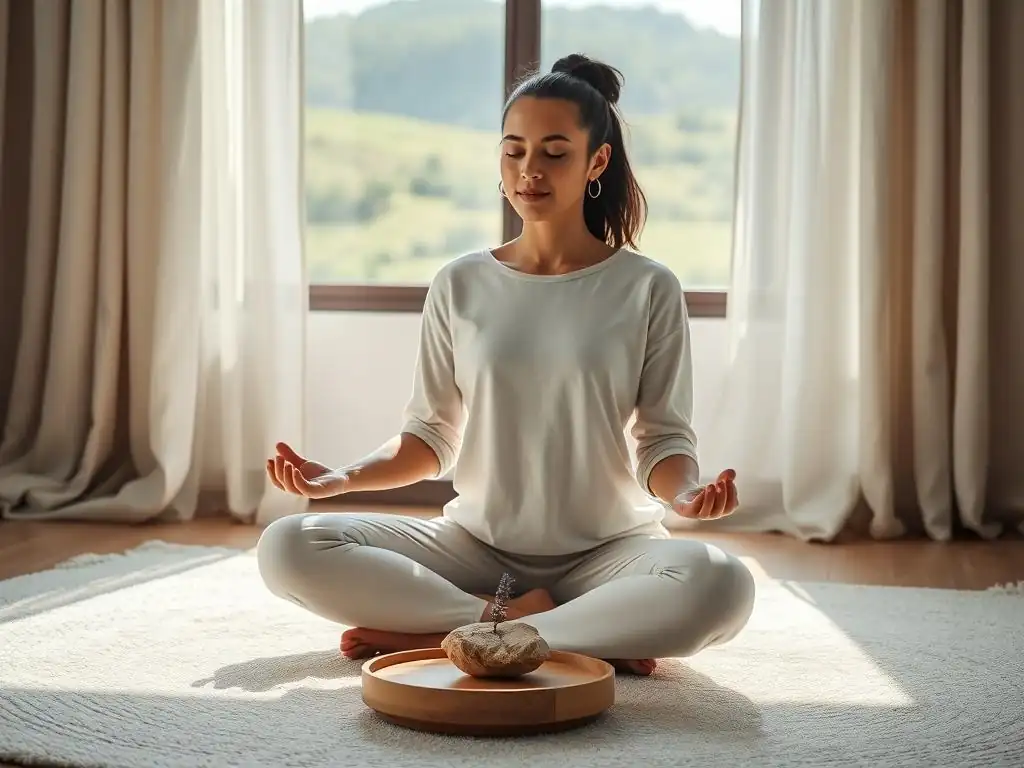
Mindfulness-based interventions have emerged as valuable complementary approaches in the treatment and management of various mental health conditions. While not a standalone cure, they offer powerful tools for managing symptoms, preventing relapse, and improving overall quality of life alongside conventional treatments.
Mindfulness for Anxiety Disorders: Mindfulness-Based Stress Reduction (MBSR) and its efficacy
Mindfulness-Based Stress Reduction (MBSR), developed by Jon Kabat-Zinn, is an intensive 8-week program that teaches participants formal meditation practices and informal mindfulness techniques. It has been extensively researched and shown to be effective in reducing symptoms of generalized anxiety disorder, social anxiety, panic disorder, and other stress-related conditions. A meta-analysis of multiple studies indicated that MBSR leads to significant reductions in anxiety scores compared to control groups.
MBSR helps individuals with anxiety by teaching them to observe anxious thoughts and physical sensations without reacting with fear or avoidance. This creates a sense of detachment from the anxiety, demonstrating that thoughts are not facts and feelings are temporary. Participants learn to tolerate discomfort and uncertainty, reducing the power anxiety holds over their lives. The program's focus on integrating mindfulness into daily life provides tools to manage anxiety triggers as they arise, fostering a sense of greater control and peace.
Mindfulness for Depression: Mindfulness-Based Cognitive Therapy (MBCT) and relapse prevention
Mindfulness-Based Cognitive Therapy (MBCT) is another 8-week program, co-developed by Zindel Segal, Mark Williams, and John Teasdale, specifically for individuals with recurrent depression. It combines elements of MBSR with principles from cognitive behavioral therapy (CBT). MBCT aims to help individuals recognize the patterns of negative thinking and rumination that often precede depressive episodes and learn to respond to them with mindful awareness rather than getting caught in the downward spiral.
Research has demonstrated that MBCT is particularly effective in preventing relapse in individuals who have experienced multiple episodes of depression. Studies have shown that MBCT can reduce the risk of relapse by approximately 50% for individuals with three or more previous episodes, comparable to the effectiveness of maintenance antidepressant medication for some groups. By teaching individuals to become aware of their mood and thought patterns without judgment, MBCT empowers them to step out of habitual depressive thinking and choose more skillful responses, significantly enhancing their mindfulness for better mental health and long-term stability.
Mindfulness for PTSD: Trauma-Sensitive Mindfulness and its adaptations
While mindfulness can be beneficial for many, traditional mindfulness practices can sometimes be challenging or even re-traumatizing for individuals with Post-Traumatic Stress Disorder (PTSD) if not approached with care. Trauma-Sensitive Mindfulness (TSM) is an adaptation of standard mindfulness techniques designed to address the specific needs and sensitivities of trauma survivors. TSM prioritizes creating a sense of safety and control, offering more choices and modifications to practices, and emphasizing gentle, body-based awareness rather than potentially overwhelming sensory focus.
TSM approaches might use anchors other than breath if breath focus triggers anxiety, encourage open eyes or gentle movement, and focus on building resources and positive experiences in the body. While research is ongoing, studies on TSM and related trauma-informed mindfulness practices show promise in helping individuals with PTSD manage symptoms like hypervigilance, flashbacks, and emotional dysregulation. These adapted practices provide a safer pathway to cultivate present moment awareness, helping survivors gently reconnect with their bodies and experiences in a way that supports healing and recovery.
Long-Term Benefits and Cultivating a Mindful Lifestyle
Committing to mindfulness practice over the long term transforms it from a temporary intervention into a fundamental aspect of one's lifestyle. This sustained engagement yields cumulative benefits, building resilience and fostering a deeper sense of wellbeing that permeates all areas of life. Cultivating a mindful lifestyle is the ultimate goal of using mindfulness for better mental health.
Sustaining Mindfulness Practice for Lasting Wellbeing
The lasting benefits of mindfulness come from consistent, even if imperfect, practice over time. Just like learning a musical instrument or a new language, the skills of attention and awareness are strengthened through regular exercise. Over months and years, this consistency can lead to more automatic shifts in perspective, reduced reactivity, and a greater capacity for joy and presence. It's not about reaching a state of perpetual calm, but about developing the ability to navigate life's inevitable challenges with greater grace and resilience.
Maintaining practice often involves adapting it to changing life circumstances. This might mean shorter formal sessions during busy periods, incorporating more informal mindfulness into daily tasks, or finding new ways to connect with a practice community. The key is to view mindfulness not as another chore, but as a valuable form of self-care and mental training that supports your overall health. The sustained effort in cultivating mindfulness for better mental health pays dividends in terms of enduring peace and presence.
The Role of Mindfulness in Building Resilience
Resilience is the capacity to bounce back from adversity, stress, and trauma. Mindfulness plays a significant role in building this crucial trait. By increasing self-awareness, individuals become better able to recognize their stress triggers and early signs of difficulty. The practice of non-judgment helps to reduce the tendency to catastrophize or personalize setbacks.
Furthermore, mindfulness enhances emotional regulation, allowing individuals to experience difficult emotions without being consumed by them, thus enabling a more adaptive response to challenging situations. The cultivated ability to stay present amidst discomfort builds tolerance and strength. Research suggests that mindfulness practice is associated with increased activity in brain regions linked to resilience, such as the prefrontal cortex. This neurological evidence supports the subjective experience of feeling more equipped to handle life's curveballs after consistent mindfulness for better mental health practice.
Integrating Mindfulness into All Aspects of Life: Work, Relationships, Parenting
Moving beyond formal meditation cushions, integrating mindfulness into the fabric of daily life allows its benefits to flourish across all domains. At work, mindful attention can improve focus during tasks, enhance communication with colleagues, and reduce stress during demanding periods. Taking a few mindful breaths before a meeting or bringing full awareness to writing an email can shift the experience.
In relationships, mindful listening involves being fully present when someone is speaking, fostering deeper connection and understanding. Mindful communication encourages speaking intentionally and kindly, rather than reacting impulsively. For parents, mindfulness can help manage the stresses of raising children, allowing for more patient and present interactions, even amidst chaos. Being mindful while playing with children or during challenging moments can create stronger bonds. Ultimately, a mindful lifestyle means consciously choosing presence and awareness in as many moments as possible, weaving the threads of mindfulness for better mental health into the rich tapestry of life.
Conclusion: Embracing Mindfulness for a Healthier Mind
Mindfulness offers a profound and accessible pathway to enhance mental wellbeing. From understanding its core principles of non-judgment and presence to exploring its proven benefits in reducing stress, improving focus, and regulating emotions, the evidence is clear: mindfulness for better mental health is a powerful tool. While challenges may arise in practice, they are normal, and with consistency and the right resources, they can be navigated.
Whether through formal meditation, informal daily exercises, or integrated into specialized therapeutic approaches like MBSR and MBCT, cultivating present moment awareness fosters resilience, self-awareness, and compassion. Embracing mindfulness is an ongoing journey, but one that offers the potential for lasting positive transformation, leading to a healthier, more balanced, and more fulfilling life.
Frequently Asked Questions
What is mindfulness, and how does it relate to mental well-being?
Mindfulness is the practice of paying attention to the present moment without judgment. It directly relates to mental well-being by helping reduce stress and improve emotional regulation.
How can mindfulness techniques contribute to better mental health outcomes?
Mindfulness techniques, like meditation, can help individuals become more aware of their thoughts and feelings, leading to reduced anxiety and improved focus. This increased awareness fosters better mental health overall.
What are some simple mindfulness exercises I can incorporate into my daily routine?
Simple exercises include mindful breathing, body scan meditations, or even paying attention to the sensations of eating. These practices can be easily integrated to promote daily mindfulness.
Where can I find reliable resources and support for learning and practicing mindfulness?
The Mind Care Guide website offers a comprehensive guide to mindfulness. Additionally, many apps and local centers provide instruction and support for mindfulness practices.
Can mindfulness be used as a treatment for specific mental health challenges, such as anxiety or depression?
While not a replacement for traditional treatment, mindfulness can be a valuable tool for managing symptoms of anxiety and depression. It helps individuals develop coping mechanisms and improve emotional resilience.
Final Reflection: Cultivating Inner Peace in a Frantic World
The pursuit of mindfulness isn't a fleeting trend; it's a fundamental shift in how we approach our wellbeing in an increasingly demanding world. The practices discussed – from mindful breathing to meditation and mindful movement – offer tangible tools to navigate the anxieties and pressures of modern life, fostering resilience and a deeper connection to ourselves. This isn't about escaping reality; it's about engaging with it more fully and compassionately.
The impact of mindfulness on our cultural landscape is undeniable. We see its principles woven into various aspects of our lives, from corporate wellness programs to educational initiatives. The growing recognition of its benefits speaks volumes about our collective need for inner peace and emotional regulation. The mind is everything. What you think you become.
– Buddha. This ancient wisdom resonates profoundly today, reminding us that our internal state significantly shapes our external reality. The conscious cultivation of mindfulness offers a powerful antidote to the pervasive stress and negativity that often dominate our experiences.
Consider how you can integrate these practices into your daily routine. Start small – perhaps with just five minutes of mindful breathing each morning. Observe the subtle shifts in your mood, your energy levels, your capacity for empathy. This isn't about achieving perfection; it's about cultivating a consistent practice of self-awareness and self-compassion. Embrace the journey, and allow mindfulness to become your anchor in the storms of life. Your mental health deserves this investment; your future self will thank you for it.
Unveil Your Inner Calm: Start Your Mindfulness Journey Today
Thanks for taking the time to explore the world of mindfulness with us! We hope you discovered valuable insights into how this practice can enrich your life. Now it's time to put your newfound knowledge into action.
- Begin your daily mindfulness practice: Even 5 minutes a day can make a significant difference. Try focusing on your breath, a guided meditation, or simply observing your senses. This is your key step to unlocking inner peace.
- Share your experience: Connect with others on the Mind Care Guide community and share your thoughts on how mindfulness is impacting your well-being. Let's build a supportive network together!
- Explore mindful living resources: Investigate further by researching different mindfulness techniques (body scans, mindful walking) to find what best suits your lifestyle.
What small, mindful action will you take today to cultivate more peace and presence in your life?