
StepParenting Challenges: Coping with Stress and Rejection

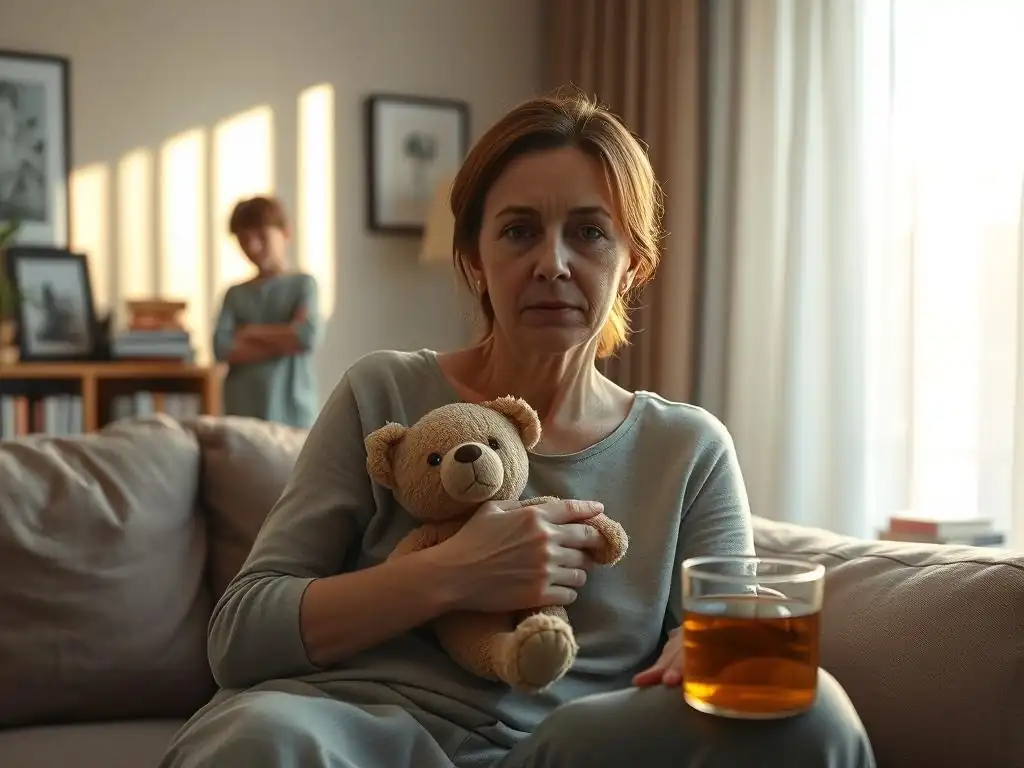
Welcome to Mind Care Guide, a safe space to explore your mental well-being.
Feeling overwhelmed by the unique challenges of step-parenting? You're not alone. This can be a tough journey, and we understand. Dive into our article on StepParenting Stress Management Techniques to discover practical strategies and compassionate support. Let's explore ways to navigate these complexities and build stronger, healthier family relationships. Eager to find out how to transform challenges into opportunities for growth?
StepParenting Challenges: Coping with Stress and Rejection - A Mind Care Guide
- Understanding the Unique Stresses of StepParenting
- Addressing Feelings of Rejection in StepParenting
- StepParenting Stress Management Techniques: Practical Strategies
- Navigating Specific StepParenting Challenges
- Overcoming Obstacles and Building a Positive Stepfamily
- Resources for StepParents: Where to Find Support
-
Frequently Asked Questions
- What are some common stressors associated with step-parenting?
- How can I effectively manage rejection from my stepchild?
- What are some healthy communication strategies for step-families?
- How can I prioritize my own mental well-being while step-parenting?
- What resources are available to help step-parents cope with stress?
- Final Reflection: Navigating the Complexities of Step-Parenting
- Unlock Your Step-Parenting Strength
Understanding the Unique Stresses of StepParenting
The Emotional Landscape of StepParents
Stepparenting is a journey fraught with unique emotional complexities that differ significantly from traditional parenting. Many stepparents enter relationships with optimism, perhaps influenced by idealized media portrayals, only to discover a landscape marked by uncertainty, insecurity, and sometimes, profound isolation. Feelings of inadequacy are common, stemming from the difficulty in bonding with stepchildren or navigating conflicts with biological parents. Research indicates that blended families face distinct stressors, and stepparents often report higher levels of stress and lower levels of satisfaction compared to parents in first marriages.
This emotional toll can manifest as anxiety, depression, or a pervasive sense of being an outsider in one's own home. Stepparents may feel unappreciated or resentful, especially if their efforts to connect or contribute are met with resistance or indifference. It's crucial for stepparents to acknowledge these feelings without guilt and understand that they are a normal part of the complex adjustment period. Learning effective StepParenting Stress Management Techniques begins with recognizing and validating these often-difficult emotions.
Common Triggers for StepParenting Stress
Numerous factors can act as triggers for stress in stepparenting roles. One significant source is navigating differing parenting styles and household rules between the stepparent, the biological parent within the home, and the other biological parent outside the home. For example, if one household has strict screen time rules while the other has none, it creates friction and inconsistency that is stressful for both adults and children.
Financial issues also frequently arise, whether it's managing child support, dividing expenses, or dealing with the economic realities of supporting two households. Studies suggest that financial strain is a leading cause of conflict in blended families.
Another major trigger is conflict with the ex-partner of the biological parent. High-conflict co-parenting situations can spill over into the stepparent's life, creating tension, anxiety, and undermining the stepparent's efforts to build relationships. Loyalty conflicts experienced by the stepchildren, where they feel pressured to choose between their biological parent and stepparent, also place immense stress on the stepparent. These persistent stressors highlight the need for robust StepParenting Stress Management Techniques tailored to the unique dynamics of blended families.
Recognizing the Signs of StepParenting Burnout
Stepparenting burnout is a real and serious condition that can occur when chronic stress and emotional demands overwhelm a stepparent's capacity to cope. Recognizing the signs early is vital for mental well-being. Symptoms often include persistent exhaustion, irritability, and a feeling of being emotionally drained or detached from the family. Physical symptoms like headaches, digestive issues, or difficulty sleeping may also emerge. A stepparent experiencing burnout might withdraw from family activities, lose interest in their relationship with their partner, or feel a sense of hopelessness about the future of the blended family.
Beyond personal symptoms, burnout can impact family dynamics. Communication may break down, patience wears thin, and minor issues can escalate into major conflicts. If a stepparent finds themselves constantly feeling overwhelmed, resentful, or questioning their role and value in the family, it could be a sign of burnout. Addressing these signs requires proactive strategies, including implementing effective StepParenting Stress Management Techniques and seeking support before the situation becomes untenable.
Addressing Feelings of Rejection in StepParenting
Why Stepchildren Might Reject a Stepparent
Rejection from stepchildren is one of the most painful experiences a stepparent can face. It's crucial to understand that this rejection is often not a personal indictment of the stepparent's worth, but rather a complex reaction rooted in the child's own experiences and feelings. Children in blended families have typically navigated significant changes, such as divorce, loss, or relocation. A new stepparent can represent the finality of their original family structure and trigger feelings of grief, anger, or fear.
Furthermore, children may feel intense loyalty to their biological parent, especially if there is ongoing conflict between the ex-partners. Accepting a stepparent might feel like a betrayal of their biological parent. The child's age also plays a significant role; teenagers, for instance, are often navigating identity formation and independence, making them potentially more resistant to new authority figures or emotional bonds compared to younger children. Understanding these underlying reasons is a critical step in processing feelings of rejection and developing compassionate StepParenting Stress Management Techniques.
Understanding the Child's Perspective in Blended Families
Empathy is a powerful tool when navigating the complexities of a blended family. Stepping into a stepchild's shoes can illuminate the challenges they face. Imagine being a child whose world has been turned upside down by parental separation. They may grieve the loss of their original family unit, harbor fantasies of their parents reuniting, or feel caught in the middle of adult conflicts. A new stepparent, no matter how kind, can initially be perceived as an intruder, a reminder that the past is truly over, or even a competitor for their biological parent's attention and affection.
Children in blended families often carry heavy emotional burdens, including loyalty conflicts, adapting to different rules in different homes, and navigating relationships with stepsiblings. Their behaviors – withdrawal, defiance, or emotional outbursts – are frequently expressions of these underlying struggles. Recognizing that a child's resistance or rejection often stems from their own pain and confusion, rather than a deliberate attempt to hurt the stepparent, is fundamental to developing patience and seeking appropriate StepParenting Stress Management Techniques.
Managing Personal Expectations and Avoiding Resentment
One of the most significant hurdles for stepparents is managing their expectations. The "instant family" myth, often portrayed in media, rarely reflects the reality of blended family integration, which typically takes years, often between four and seven, to find its rhythm. Expecting immediate love, acceptance, or a smooth transition can lead to profound disappointment and resentment when faced with the inevitable challenges. It's vital to let go of the fantasy of replicating a first-family dynamic and instead focus on building a unique blended family structure based on respect and gradual connection.
Resentment can build insidiously when expectations are unmet, particularly if a stepparent feels their efforts are unappreciated or that their partner isn't adequately supporting them. This can erode the couple's relationship, which is the bedrock of a successful blended family. Practicing self-compassion, acknowledging the difficulty of the role, and adjusting expectations are crucial StepParenting Stress Management Techniques. Focusing on small, incremental progress rather than grand gestures can help prevent burnout and foster a more positive outlook.
StepParenting Stress Management Techniques: Practical Strategies

Communication Strategies for Blended Families
Effective communication is perhaps the most vital tool in the stepparenting toolkit. Open, honest dialogue between partners is non-negotiable. Regular discussions about challenges, expectations, and feelings can prevent misunderstandings and build a united front. It's also important to establish clear communication protocols with the other biological parent(s), focusing on the children's well-being rather than adult conflicts. Family meetings, even informal ones, can provide a platform for everyone to share feelings and address issues in a safe space.
Beyond talking, listening is paramount. Creating an environment where children feel heard and validated, even when they express negative feelings about the blended family situation, is crucial. This doesn't mean agreeing with everything, but acknowledging their emotions helps build trust over time. Mastering these communication skills is a fundamental aspect of effective StepParenting Stress Management Techniques.
Active Listening and Empathy in Stepfamily Dynamics
Active listening involves fully concentrating on, understanding, responding to, and remembering what is being said. In blended families, this means truly hearing a stepchild's concerns, even if they seem irrational or hurtful at first glance. For example, if a stepchild complains about having to spend time at your house, active listening involves acknowledging their feelings ("It sounds like you're really missing your other home right now") rather than becoming defensive ("Don't be ungrateful! ").
Coupled with empathy, which is the ability to understand and share the feelings of another, active listening helps bridge emotional gaps. Trying to see the situation from the stepchild's perspective – their grief, their loyalty binds, their adjustment challenges – fosters patience and compassion. This empathetic approach, while challenging, is a powerful StepParenting Stress Management Technique that can de-escalate conflict and build rapport over time.
Setting Realistic Expectations for Communication
It's important to have realistic expectations about communication, especially early in the blended family journey. Don't expect deep, heart-to-heart conversations with stepchildren overnight, or even for several years. Communication might be minimal, polite, or even strained at times. Focus on consistency and availability rather than intensity. Simple interactions, like asking about their day or sharing a casual observation, lay the groundwork for future connection.
Also, recognize that communication with ex-partners can be difficult. Setting clear boundaries and focusing discussions solely on logistics concerning the children (schedules, health, school) can minimize conflict. Using communication tools like shared calendars or apps can help keep interactions business-like. Managing these communication expectations is a key component of effective StepParenting Stress Management Techniques, preventing frustration and disappointment.
Building a Strong Relationship with Your Partner
The strength of the couple's relationship is the backbone of a successful blended family. Research consistently shows that marital satisfaction is a strong predictor of blended family stability. Prioritizing the relationship with your partner provides a united front, models healthy adult relationships for the children, and offers essential emotional support for both partners navigating the challenges. When partners are disconnected or in conflict, the stress on the blended family unit intensifies dramatically.
This means investing time and energy into the partnership, even when stepparenting demands feel overwhelming. It involves open discussions about parenting roles, expectations, and feelings. It also requires presenting a united front to the children regarding rules and discipline, even if disagreements happen privately. A strong partnership is not just beneficial; it's arguably the most crucial StepParenting Stress Management Technique available.
Prioritizing Couple Time Amidst StepParenting Challenges
Finding quality time as a couple can be incredibly challenging with conflicting schedules, child custody arrangements, and the sheer exhaustion that comes with stepparenting. However, intentionally carving out time for just the two of you is vital. This doesn't always require elaborate date nights; it could be as simple as having coffee together before the kids wake up, scheduling a regular walk, or dedicating an hour each evening after the children are asleep to talk and reconnect without discussing stepfamily problems.
Making the relationship a priority signals to both partners that their bond is important and worth nurturing. This shared connection provides a reservoir of strength and resilience needed to face external pressures. Neglecting the couple's relationship can lead to distance, misunderstanding, and increased individual stress, making effective StepParenting Stress Management Techniques harder to implement.
Co-Parenting Strategies with Your Partner and the Other Biological Parent
Effective co-parenting within a blended family involves coordination between three or four adults: you, your partner, and the children's other biological parent(s). While the stepparent's role in co-parenting varies greatly depending on the family dynamics and the relationship with the other biological parent, open communication and a united front with your partner are essential. Discuss discipline philosophies, house rules, and expectations for the children before issues arise. Presenting a consistent message minimizes confusion and manipulation from the children.
Regarding the other biological parent, your partner should ideally be the primary communicator, especially concerning sensitive issues. The stepparent's role is often one of support to their partner. Establishing clear boundaries and respectful interactions (even if minimal) with the other biological parent, facilitated by your partner, reduces conflict and stress for everyone involved. This collaborative approach to managing the children's needs across households is a significant StepParenting Stress Management Technique.
Self-Care for StepParents: Prioritizing Mental Well-being
Given the unique and often intense stressors of stepparenting, prioritizing self-care is not a luxury, but a necessity for long-term well-being and the ability to effectively parent. Stepparents often pour their energy into the family unit, sometimes neglecting their own needs in the process, leading to burnout. Intentionally setting aside time for activities that recharge you – whether it's exercise, hobbies, spending time with friends, or simply quiet reflection – is crucial.
Self-care also involves managing expectations of yourself. You don't have to be a perfect stepparent or instantly replicate the bond of a biological parent. Be kind to yourself, acknowledge your efforts, and accept that progress takes time. Integrating self-care practices into your routine is a foundational element of effective StepParenting Stress Management Techniques.
Mindfulness and Stress Reduction Exercises for StepParents
Mindfulness practices can be incredibly beneficial for managing the day-to-day stresses of stepparenting. Taking just a few minutes each day to focus on your breath, engage in mindful walking, or simply bring non-judgmental awareness to your current experience can help reduce anxiety and increase emotional regulation. When faced with a stressful interaction or situation, pausing to breathe deeply before reacting can make a significant difference.
Other stress reduction techniques include progressive muscle relaxation, guided imagery, or journaling about your experiences and feelings. Regular physical activity, even a short walk, is also a proven stress reliever. Incorporating these simple practices into your routine provides practical StepParenting Stress Management Techniques that can help you feel more centered and less reactive in challenging moments.
Creating a Support System for StepParenting
Feeling isolated is a common experience for stepparents, especially if friends and family don't fully understand the unique challenges. Building a strong support system is vital. This could include trusted friends who are good listeners, family members who offer understanding, or other stepparents who share similar experiences. Connecting with others who "get it" can provide validation, practical advice, and emotional relief.
Joining a stepparenting support group, either online or in person, can be incredibly empowering. Sharing stories and challenges with peers reduces feelings of isolation and provides a sense of community. These connections offer invaluable emotional support and are a crucial part of a comprehensive approach to StepParenting Stress Management Techniques.
Dealing with Loyalty Conflicts in Stepchildren
Loyalty conflicts are almost inevitable in blended families. Children may feel torn between their biological parents and their stepparents, fearing that showing affection or respect to one means betraying the other. This is particularly challenging when there is ongoing tension or conflict between the biological parents. A child might refuse to engage with a stepparent, decline invitations, or express guilt or anxiety after spending positive time with the stepparent.
Addressing loyalty conflicts requires immense patience and a deep understanding of the child's position. Stepparents should avoid putting the child in the middle or speaking negatively about the other biological parent. Encourage your partner to reassure the child that it is okay to love and have a relationship with both parents and the stepparent. Allowing the child to move at their own pace in building a relationship with the stepparent, without pressure, is a key strategy. Managing your own emotional response to these conflicts is a critical StepParenting Stress Management Technique.
Managing Discipline and House Rules in Blended Families
Establishing consistent discipline and house rules is one of the trickiest aspects of stepparenting. Children coming from different households may be accustomed to different expectations, and introducing new rules can be met with resistance. Experts often recommend that, initially, the biological parent takes the lead in disciplining their own children, with the stepparent supporting their partner's decisions. This allows the stepparent to build rapport before stepping into a disciplinary role.
As the stepparent builds a relationship with the stepchildren, they can gradually take on more disciplinary responsibilities, but ideally, discipline should be a united front decided upon by both partners. Discussing discipline philosophies, consequences, and household expectations privately as a couple is essential before presenting them to the children. Inconsistency or disagreement between partners on discipline undermines authority and increases stress. Developing a shared approach to rules and consequences is a vital StepParenting Stress Management Technique.
Addressing Sibling Rivalry in Stepfamilies
Sibling rivalry is common in any family, but it can be exacerbated in blended families due to competition for parental attention, resources, and space. Stepsiblings may resent having to share their home, their parents, or their belongings. They might also feel jealous of the relationships their biological siblings have with their parents or stepparents. These dynamics can lead to increased conflict, squabbling, and tension within the home.
Encouraging activities that foster connection and teamwork among stepsiblings can help. Creating shared family rituals, ensuring each child has individual time with their biological parent and, eventually, the stepparent, and avoiding comparisons between children are important strategies. Acknowledging the challenges of living together and validating their feelings, while setting clear expectations for respectful behavior, is key. Managing the stress that sibling rivalry creates requires patience and consistent application of StepParenting Stress Management Techniques focused on fostering positive family interactions.
Overcoming Obstacles and Building a Positive Stepfamily
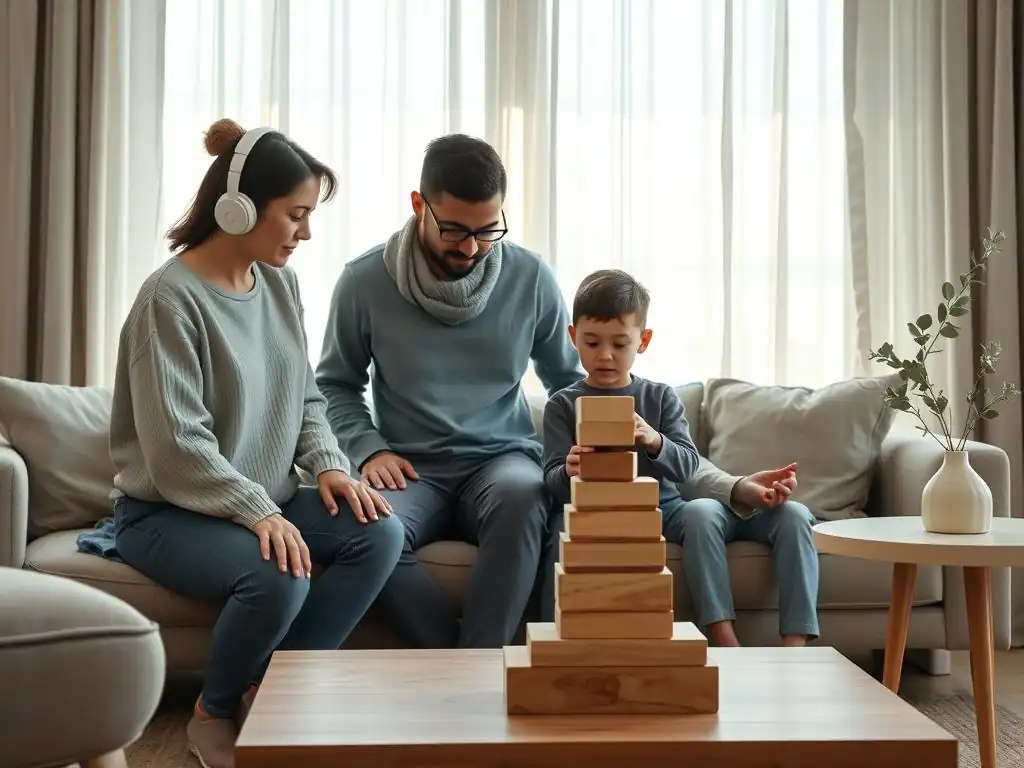
Seeking Professional Help: Therapy and Counseling Options
Sometimes, despite best efforts, the challenges of stepparenting become overwhelming. Seeking professional help is a sign of strength, not failure. Therapists specializing in blended families can provide invaluable guidance, tools, and a neutral space to work through complex issues. Family therapy can help improve communication, address conflict, and facilitate understanding among all family members, including children and stepparents.
Individual counseling can also be highly beneficial for stepparents dealing with personal stress, feelings of inadequacy, or burnout. A therapist can help you process emotions, develop coping strategies, and manage expectations. For couples, therapy can strengthen the partnership, which, as noted, is foundational to a successful blended family. Investing in professional support is a proactive and effective StepParenting Stress Management Technique.
The Importance of Patience and Persistence in StepParenting
Building a successful blended family is a marathon, not a sprint. It requires immense patience and persistence. Relationships with stepchildren develop over time, often with ups and downs. There will be moments of connection and moments of rejection. Accepting that this is a long-term process and celebrating small steps forward is crucial for maintaining morale. It can take years for a stepparent to feel fully integrated or for stepchildren to truly accept the new family structure.
Giving up too soon deprives the family of the opportunity to eventually find its equilibrium. Persistence means continuing to show up, to be reliable, and to offer consistent kindness and respect, even when it's not immediately reciprocated. This long-term perspective is a fundamental aspect of navigating challenges and applying effective StepParenting Stress Management Techniques.
Celebrating Small Victories and Focusing on Progress
In the face of significant challenges, it's easy to focus on what isn't working. However, intentionally recognizing and celebrating small victories is vital for maintaining a positive outlook and reinforcing positive behaviors. Did a stepchild share a joke with you? Did the family have a peaceful dinner together? Did you and your partner successfully navigate a tricky situation with an ex-partner? These are all wins worth acknowledging.
Focusing on progress rather than perfection helps frame the journey realistically. Blended family life is rarely seamless, but gradual improvements in communication, connection, and overall harmony are signs of movement in the right direction. Taking time to appreciate these steps, no matter how small, provides encouragement and validates the effort being put in, contributing positively to StepParenting Stress Management Techniques.
Resources for StepParents: Where to Find Support
Online Communities and Forums for StepParents
The digital age offers numerous avenues for stepparents to connect and find support. Online communities, forums, and social media groups dedicated to blended families provide spaces for stepparents to share experiences, ask questions, and receive advice from others who understand their unique challenges. These platforms offer a sense of not being alone and can be accessed anytime, anywhere.
While online resources can be incredibly helpful, it's important to choose reputable groups and be mindful of privacy. Reading about others' experiences can provide validation and new perspectives on StepParenting Stress Management Techniques. Engaging in discussions can offer practical tips and emotional support from a community of peers navigating similar paths.
Books and Articles on StepParenting and Blended Families
Educating yourself about the dynamics of blended families is a powerful tool for navigating challenges. Numerous books and articles written by therapists, researchers, and experienced stepparents offer insights into common issues, developmental stages of blended families, and strategies for building strong relationships. Topics range from communication with ex-partners to discipline, loyalty conflicts, and building couple strength.
Reading provides perspective, validates your experiences, and equips you with knowledge and practical tools. Look for resources based on research and professional expertise. Gaining a deeper understanding of the complexities involved is a key component of effective StepParenting Stress Management Techniques.
Support Groups and Local Resources for Stepfamilies
Connecting with local support groups offers face-to-face interaction and a deeper sense of community than online forums. Many areas have support groups specifically for stepparents or blended families, often facilitated by mental health professionals or experienced volunteers. These groups provide a safe space to share challenges and successes, learn from others, and build a local network.
Check with local community centers, mental health clinics, or family service organizations to find groups in your area. Participating in a support group provides emotional validation, practical advice, and reduces feelings of isolation. These local resources are invaluable components of a comprehensive approach to StepParenting Stress Management Techniques, offering tangible support and connection.
Frequently Asked Questions
What are some common stressors associated with step-parenting?
Common stressors include blended family dynamics, loyalty conflicts between the stepchild and biological parent, and feeling like an outsider in the family unit.
How can I effectively manage rejection from my stepchild?
Acknowledge the child's feelings and validate their emotions. Focus on building a relationship based on trust and understanding, rather than forcing affection. Patience is key in these situations.
What are some healthy communication strategies for step-families?
Establish open and honest communication between all family members. Actively listen to each other's concerns and respect different perspectives. Family meetings can be a helpful tool.
How can I prioritize my own mental well-being while step-parenting?
It's crucial to practice self-care, including getting enough rest, eating well, and engaging in activities you enjoy. Seek support from other step-parents or a therapist. Remember, your well-being matters.
What resources are available to help step-parents cope with stress?
Organizations like the Stepfamily Foundation offer resources and support groups. Consider therapy or counseling for individual or family support. Online forums can also provide a sense of community.
The unique challenges of step-parenting are not merely anecdotal; they represent a significant, often overlooked, source of stress in modern families. The emotional toll of blending families, navigating complex relationships, and managing the inherent uncertainties of a non-traditional family structure is substantial, impacting the well-being of step-parents, children, and biological parents alike. This reality demands a proactive and compassionate approach to stress management, one that prioritizes self-care and open communication.
The journey of step-parenting is a continuous process of adaptation and learning, profoundly shaping not only the individuals involved but also the broader societal understanding of family structures. The stigma surrounding blended families still persists, often leaving step-parents feeling isolated and unsupported. This lack of understanding underscores the importance of open dialogue and the sharing of experiences. The most important thing is to be patient and understanding. It takes time to build trust and create a strong family unit.
This sentiment, while simple, encapsulates the core of successful step-parenting and highlights the ongoing need for empathy and support within these families.
You, the reader, are now equipped with a range of stress management techniques specifically tailored to the unique pressures of step-parenting. Consider how you can integrate these strategies into your daily life – from prioritizing self-care and seeking support to fostering open communication and setting healthy boundaries. Remember, your well-being is paramount, and your ability to thrive directly impacts the strength and happiness of your blended family. Embrace the challenges, celebrate the victories, and continue to learn and grow alongside your loved ones. The journey is complex, but the rewards are immeasurable.
Unlock Your Step-Parenting Strength
Thanks for taking the time to explore the unique challenges of step-parenting. We hope you gained valuable insights into managing stress and navigating potential rejection. Now, let's turn those insights into action!
- Prioritize self-care: Schedule 30 minutes each day for an activity that rejuvenates you, whether it's meditation, a walk in nature, or simply enjoying a quiet cup of tea. This is crucial for maintaining your well-being amidst the demands of step-parenting.
- Connect with other step-parents: Join an online forum or support group to share experiences and learn from others facing similar challenges. You'll find that you're not alone!
- Try a new communication strategy: Experiment with one new approach to communicating with your stepchild this week, focusing on active listening and understanding their perspective. Even small changes can make a big difference.
What small step will you take today to foster a stronger, more positive relationship within your stepfamily?