
Embracing Change with Confidence: Helping Kids Adapt and Thrive


Welcome to Mind Care Guide, a sanctuary for nurturing mental well-being.
Feeling overwhelmed by the thought of helping your child navigate life's inevitable shifts? You're not alone. In this space, we understand the delicate art of fostering resilience. Dive into our guide on Kids adapt change confidently to discover practical strategies and empathetic insights that will empower your children to not just survive, but thrive amidst change. Let's embark on this journey together, creating a confident and adaptable future for our little ones. Curious to learn how?
Supporting Children Through Life Transitions: Fostering Resilience and Adaptability
Navigating life's inevitable changes is a fundamental part of human experience, and for children, these transitions can be particularly challenging. Whether it's starting school, moving to a new town, or adjusting to family changes, how kids adapt change confidently significantly impacts their emotional well-being and future resilience. This guide explores how caregivers can provide the necessary support and tools to help children not just cope with, but thrive through, life's shifts.
- Understanding the Impact of Transitions on Children
- Strategies for Supporting Children Through Transitions
- Supporting Children Through Specific Transition Scenarios
- Fostering Long-Term Resilience and Well-being
- Resources for Parents and Children
-
Frequently Asked Questions
- How can I help my child understand that change is a normal part of life?
- What are some signs that my child is struggling to adapt to a change?
- What strategies can I use to prepare my child for an upcoming change?
- How can I validate my child's feelings during a time of change?
- Where can I find additional resources and support for helping my child adapt to change?
- Final Reflection: Cultivating Resilience in a Changing World
- Unlock Your Child's Resilience: Start Their Journey Today!
Understanding the Impact of Transitions on Children
Children, especially young ones, often thrive on predictability and routine. When significant changes occur, their sense of security can be shaken, leading to a range of emotional and behavioral responses. Understanding these impacts is the first step in effectively helping kids adapt change confidently.
Common Challenges Children Face During Transitions
Transitions can present a variety of hurdles for children. For instance, moving to a new school might involve navigating unfamiliar social dynamics and academic expectations. Studies indicate that up to 30% of children experience some level of anxiety when starting at a new school. Similarly, the arrival of a new sibling can shift family dynamics, potentially leading to feelings of jealousy or displacement, affecting perhaps 40-50% of older siblings to some degree in the initial months. These challenges require empathetic understanding and proactive support to help children adapt confidently.
Another common challenge relates to changes in routine, such as moving from preschool to kindergarten. This transition involves longer days, more structured learning, and new social groups. Data suggests that adjusting to kindergarten can take several months for some children, impacting their engagement and comfort level. Even seemingly minor changes, like switching from a crib to a bed, can disrupt sleep patterns and comfort zones. The key is recognizing that each child's response is unique and influenced by their age, temperament, and previous experiences with change.
Recognizing the signs of stress or anxiety in children during transitions is crucial. These signs can manifest differently depending on the child's age. Younger children might exhibit increased clinginess, regression in behaviors (like wetting the bed after being potty trained), or changes in eating or sleeping habits. For example, a child who previously slept through the night might start waking up frequently during a family move. Approximately 15-20% of children may show significant sleep disturbances during stressful transitions.
Older children and adolescents might show irritability, withdrawal from social activities, difficulty concentrating at school (potentially leading to a temporary dip in grades, perhaps 10-15% lower than their average), or physical complaints like headaches or stomachaches without a clear medical cause. They might also express worry verbally or show increased defiance. Observing these shifts in behavior and mood provides caregivers with valuable insights into how a child is internally processing the change and indicates where support is most needed to help them adapt confidently.
Resilience is the capacity to bounce back from adversity and adapt well to change. For children, developing resilience means building the internal strength and coping skills needed to face challenges without being overwhelmed. Research consistently shows that children with higher levels of resilience are better equipped to handle transitions, experiencing less stress and demonstrating more positive outcomes. They are more likely to view challenges as opportunities for growth rather than insurmountable obstacles.
Fostering resilience is not about shielding children from difficulty, but about equipping them with the tools to navigate it effectively. This includes developing problem-solving skills, maintaining positive relationships, and cultivating a belief in their ability to cope. Children who have successfully navigated past transitions with support are often better prepared for future ones, reinforcing their ability to adapt confidently to new situations. Caregivers play a pivotal role in modeling resilient behaviors and creating a supportive environment where resilience can flourish.
Strategies for Supporting Children Through Transitions
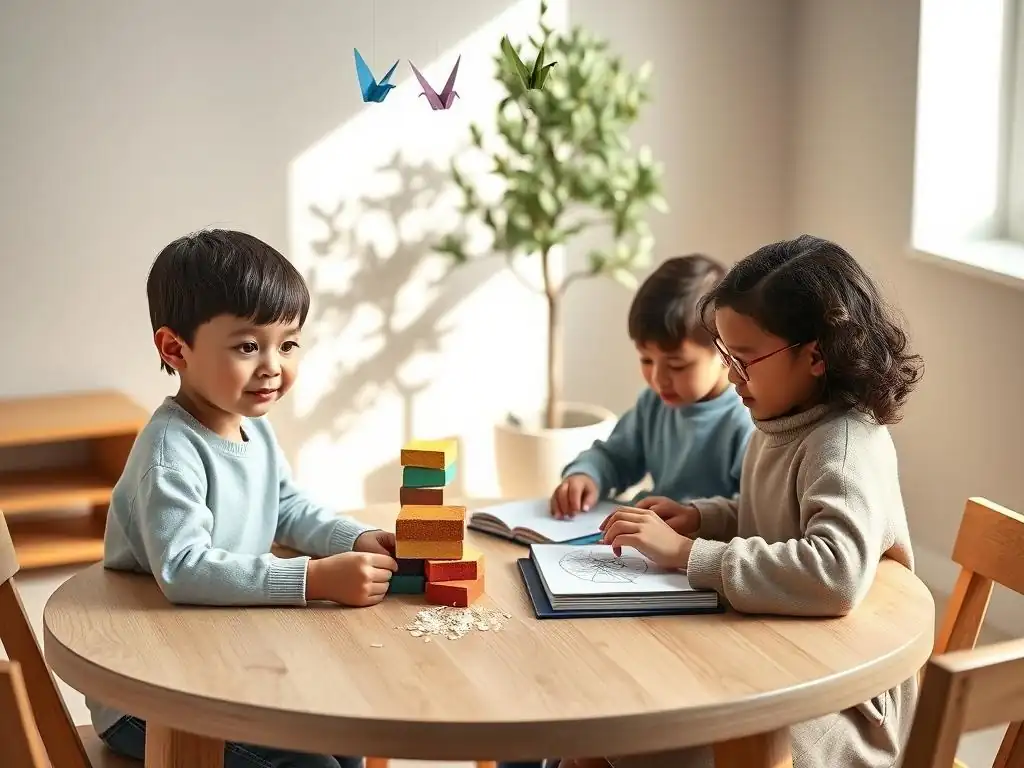
Providing effective support during transitions requires a multi-faceted approach that addresses both emotional and practical needs. Strategies should focus on building security, preparing for the unknown, and enhancing coping abilities, all contributing to helping kids adapt change confidently.
Creating a Stable and Predictable Environment
Maintaining a sense of stability is paramount when everything else feels uncertain for a child. This doesn't mean avoiding change, but rather anchoring the child's world with reliable elements. Consistency in rules, expectations, and daily rhythms provides a foundation upon which children can stand firm while navigating the shifting landscape around them. For example, keeping meal times and bedtime routines consistent, even during a move, can offer significant comfort.
A stable environment also involves the emotional presence of caregivers. Being consistently available, calm, and reassuring helps children feel safe. When a child knows they can rely on their caregivers for emotional support, they are better equipped to explore and adapt to new situations. This emotional security is a cornerstone for building confidence in their ability to handle change.
Open Communication: Facilitating Dialogue About Changes
Talking openly and honestly about upcoming changes, using age-appropriate language, is fundamental. Children often fill information gaps with their own fears and fantasies, which can be far more frightening than the reality. Initiating conversations allows children to express their feelings, ask questions, and process the change gradually. For instance, when preparing for a new school, discussing what a typical day will look like, who their teacher might be, and what they will learn can demystify the experience.
These conversations should be ongoing, not just a one-time announcement. Check in frequently, perhaps daily in the lead-up to a significant change, to see how they are feeling and address any new concerns. Active listening is key – pay attention not just to their words, but also to their tone and body language. Let them know that all their feelings are valid and that you are there to support them, reinforcing their capacity to adapt confidently.
Emotional Validation: Acknowledging and Respecting Feelings
Children's emotions during transitions can be intense and varied – excitement mixed with fear, sadness about leaving something behind, frustration with new challenges. It is vital to validate these feelings without judgment. Phrases like "It's okay to feel scared about starting a new class" or "I understand you're sad about leaving your old friends" let children know their emotional experience is normal and accepted. Avoid dismissing their feelings with statements like "Don't be silly, there's nothing to be scared of."
Validation doesn't mean agreeing with negative perspectives, but rather acknowledging the feeling itself. Once feelings are validated, children are more open to exploring coping strategies and solutions. This process teaches them emotional literacy and self-regulation, crucial skills for navigating future changes and helping them adapt confidently throughout life.
Establishing Consistent Routines: Providing a Sense of Security
Routines are anchors in a sea of change. Maintaining consistent daily schedules for meals, homework, playtime, and bedtime provides children with predictability and structure. This predictability reduces anxiety because they know what to expect, even when other aspects of their life are changing. For example, if a family is moving, keeping the bedtime story routine the same every night can be a source of comfort and normalcy.
Consistent routines also help children manage their energy and moods. Knowing that quiet time follows active play, or that a healthy snack is available after school, helps regulate their bodies and minds. This structure frees up mental energy that might otherwise be spent worrying about the unknown, allowing them to focus on adapting to the new circumstances more effectively and helping them adapt confidently.
Proactive Preparation for Transitions
Preparing children for upcoming changes significantly reduces anxiety and builds confidence. The more children know about what to expect, the less daunting the transition appears. This proactive approach empowers children and gives them a sense of control.
Providing Information: Explaining Upcoming Changes Clearly
Explain the transition in simple, concrete terms well in advance, tailored to the child's age and understanding. For example, if a new baby is arriving, talk about what babies do (sleep, eat, cry), how the family's routine might change slightly, and how they can help. For a move, show them pictures of the new house, the new neighborhood, and talk about the reasons for the move. Being transparent builds trust and reduces fear of the unknown.
Repeat the information as needed and allow plenty of time for questions. Children may need to process the information in small doses. Use calendars or countdowns for visual learners to help them understand the timeline of the change. This preparation is key to helping kids adapt change confidently.
Using Visual Aids: Supporting Understanding Through Visuals
Visual aids can be incredibly helpful, especially for younger children or those who process information visually. Maps, diagrams, photos, or even simple drawings can illustrate the upcoming change. For example, drawing a map of the new school or a diagram showing the new family structure after a divorce can make abstract concepts more concrete.
Social stories, which are short, simple stories describing a situation and appropriate responses, can also be effective. A social story about starting kindergarten might walk through arriving at school, meeting the teacher, circle time, and playtime. These visual tools provide a clear, predictable narrative that children can refer back to, increasing their comfort and confidence in navigating the new situation.
Practicing Coping Mechanisms: Developing Skills for Managing Stress
Teach children simple coping strategies they can use when feeling overwhelmed or anxious. These might include deep breathing exercises (e.g., "smell the flower, blow out the candle"), mindfulness techniques (e.g., noticing five things they can see, four things they can touch), or physical activities like jumping jacks or squeezing a stress ball. Practice these skills together when the child is calm so they can access them when feeling stressed.
Role-playing different scenarios related to the transition can also build confidence. For example, practice introducing themselves to a new person or asking the teacher a question. This rehearsal makes the actual event feel less intimidating and helps children feel more prepared to adapt confidently.
Building Resilience and Adaptability
Beyond managing specific transitions, fostering general resilience and adaptability equips children for a lifetime of change. These skills empower them to face challenges with a positive outlook and a belief in their own capabilities.
Promoting Problem-Solving Skills: Empowering Children to Find Solutions
Instead of immediately solving a child's problems for them, guide them towards finding their own solutions. If they're struggling to make friends at a new school, brainstorm ideas together: "What are some ways you could meet new people?" "What activities are you interested in joining?" Help them evaluate the pros and cons of different approaches. This process teaches them critical thinking and builds confidence in their ability to overcome obstacles.
Start with small, manageable problems to build their skills and confidence. When they successfully navigate a challenge, acknowledge their effort and ingenuity. This reinforces the idea that they have the capacity to solve problems and helps them adapt confidently to new situations.
Encouraging Independence: Fostering Self-Reliance and Confidence
Allowing children appropriate levels of independence helps them develop self-reliance and confidence in their abilities. This could be anything from choosing their own clothes (within reason) to completing age-appropriate chores or navigating a familiar route on their own. Each successful act of independence builds their self-esteem and prepares them for situations where they might need to rely on themselves.
During transitions, encourage them to take initiative where possible. For example, let them help pack their own box when moving, or choose their backpack for the new school year. These small acts of agency give them a sense of control and competence during a time of uncertainty, contributing to their ability to adapt confidently.
Cultivating a Growth Mindset: Emphasizing Learning and Development
A growth mindset is the belief that abilities can be developed through dedication and hard work. Teach children that challenges and setbacks are opportunities for learning, not indicators of fixed limitations. Instead of saying "You're not good at math," try "Math is challenging right now, but with practice, you can improve."
Frame transitions as adventures and opportunities to learn new things and meet new people. Highlight their past successes in adapting to smaller changes. This perspective shift helps children view transitions not as threats, but as chances to grow and become stronger, reinforcing their capacity to adapt confidently.
Supporting Children Through Specific Transition Scenarios
Different transitions present unique challenges and require tailored approaches. Understanding the specifics of common scenarios helps caregivers provide targeted support.
Transitioning to a New School
Moving to a new school is a significant change involving social, academic, and logistical adjustments. Effective preparation and ongoing support are key to a smooth transition. Data suggests that students who feel connected to their new school environment within the first few months perform better academically and socially.
Helping a child navigate the social landscape of a new school can be particularly daunting. They might worry about making friends or fitting in. Caregivers can facilitate connections by encouraging participation in school clubs or sports, or arranging playdates with classmates. A study found that children who participate in at least one extracurricular activity within the first semester of a new school year report higher levels of belonging.
Pre-Visit and Orientation: Familiarizing with the School Environment
Visiting the new school before the first day is invaluable. Many schools offer orientation programs or allow prospective students to tour the campus. Seeing the classroom, meeting the teacher, locating the bathrooms, and understanding the layout reduces anxiety about the unknown. For example, a child who visits their new middle school might practice opening their locker or walking their class schedule.
Some schools report that pre-visit programs reduce first-day anxiety by as much as 50% among new students. If a formal visit isn't possible, driving by the school, looking at pictures online, or talking about the school's features can still help create familiarity. This proactive step significantly helps kids adapt change confidently to their new academic environment.
Facilitating Social Connections: Encouraging Interaction with Peers
Making friends is a primary concern for children starting at a new school. Encourage your child to participate in activities they enjoy, as this increases the likelihood of meeting peers with similar interests. Suggest ways they can initiate interactions, such as introducing themselves or asking someone to play.
Connect with the school counselor or teacher to see if they can facilitate introductions to other students with similar interests. Arranging playdates before school starts or early in the school year can also ease social anxiety. Remind your child that building new friendships takes time and patience, reinforcing their ability to adapt confidently to new social dynamics.
Establishing Routines: Promoting a Sense of Belonging
Establishing consistent school routines helps children feel more secure. This includes a regular wake-up time, breakfast routine, homework schedule, and bedtime. Knowing what to expect each day reduces stress and helps them manage their time and energy effectively.
Beyond daily routines, establishing a routine around school involvement can foster a sense of belonging. This might involve regularly checking the school website together, discussing their day, or participating in school events when possible. These routines provide structure and reinforce their connection to the new school community, aiding in their process of helping kids adapt change confidently.
Family Transitions: Divorce or Separation
Family structure changes, like divorce or separation, are emotionally complex for everyone involved, especially children. Providing consistent support, clear communication, and maintaining stability are critical. Statistics show that children of divorced parents may experience temporary academic or emotional challenges, but long-term outcomes are significantly improved with supportive co-parenting and access to resources.
The emotional impact on children can range from sadness and anger to confusion and guilt. It's important to remember that children often feel responsible for the separation or worry about losing one parent. Addressing these fears directly and reassuring them that they are loved and not to blame is essential for helping them adapt confidently.
Providing Age-Appropriate Explanations: Ensuring Understanding
Explain the separation or divorce in simple, honest, and age-appropriate terms. Avoid blaming the other parent or sharing unnecessary details about the reasons for the separation. Focus on what will change and, more importantly, what will stay the same. Reassure them that both parents will continue to love and care for them.
For a young child, this might involve explaining that "Mommy and Daddy will live in different houses now, but we both love you very much." For an older child, you might explain the living arrangements and visitation schedule more explicitly. Answer their questions patiently and repeatedly, as they may need time to process the information and help them adapt confidently to the new family structure.
Maintaining Consistency: Providing Stability and Predictability
Consistency in routines, rules, and expectations between households (if applicable) is vital. While schedules may change, maintaining similar bedtimes, homework rules, and discipline approaches in both homes provides children with a sense of stability and reduces confusion. Collaborative co-parenting, even when difficult, is in the child's best interest.
Consistency also extends to emotional support. Both parents should strive to provide a predictable and loving environment. While emotions will be high, minimizing conflict in front of the children is paramount. Children who experience high levels of parental conflict post-divorce show significantly higher rates of anxiety and depression compared to those whose parents manage conflict effectively.
Ensuring Individual Attention: Addressing Individual Needs and Concerns
During family transitions, children may worry about being overlooked or that their needs won't be met. Make a conscious effort to spend individual time with each child, engaging in activities they enjoy. This reinforces your bond and provides opportunities for them to open up about their feelings and concerns privately.
Pay close attention to each child's unique response to the transition. One child might become withdrawn, while another might act out. Tailor your support to their individual needs and temperament. Ensuring they feel seen and heard helps them process the change and helps them adapt confidently to their new family dynamic.
Coping with Loss and Grief
Experiencing the death of a loved one, a pet, or even the loss of a familiar lifestyle (like moving away from friends) can be profoundly impactful for children. Grief is a natural process, and children need support and space to mourn.
Children's understanding and expression of grief vary significantly with age. A young child might not grasp the permanence of death but will react to the absence and the emotions of those around them. An older child might understand death intellectually but struggle with intense emotions. Anticipatory grief, experienced before a loss, can also be significant.
Providing Time for Mourning: Acknowledging and Supporting Grief
Allow children the time and space they need to grieve. There is no set timeline for grieving, and it can manifest in waves. Encourage them to talk about their feelings and memories of the person or situation they lost. It's okay for them to see you grieve too, as it models that it's a normal and healthy process.
Provide opportunities for remembrance, such as looking at photos, sharing stories, or creating a memorial. Avoid trying to rush them through their grief or telling them to "be strong." Acknowledging their pain and offering comfort helps them process the loss and helps them adapt confidently to life without what they lost.
Seeking Professional Support: Providing Access to Mental Health Resources
Grief can be complex, and sometimes children need professional support to navigate it. Therapists specializing in childhood grief can provide tools and strategies for coping. Signs that professional help might be needed include prolonged withdrawal, significant changes in behavior or mood, difficulty functioning at school or home, or expressing suicidal thoughts (though this is rare in young children, it's crucial to seek help immediately if suspected in older children/teens).
School counselors, grief support groups for children, or individual therapy can provide a safe space for children to process their feelings with peers or a trained professional. Utilizing these resources is a sign of strength and commitment to helping kids adapt change confidently, even profound loss.
Offering Unconditional Support: Reinforcing Love and Security
During times of loss, children need unwavering reassurance of your love and presence. Grief can make them feel vulnerable and insecure. Maintain routines as much as possible and ensure they feel safe and cared for. Physical comfort, like hugs, can be very reassuring.
Let them know that you are there for them no matter what they are feeling. Your consistent, unconditional support provides a stable foundation during a time of emotional upheaval and helps them adapt confidently to their new reality.
Fostering Long-Term Resilience and Well-being

Building resilience is an ongoing process. By incorporating certain practices into daily life, caregivers can help children develop the skills and mindset needed to navigate future challenges with confidence and maintain overall mental well-being. This sustained effort supports children's ability to adapt confidently throughout their lives.
Building Self-Esteem and Confidence
A strong sense of self-worth is a powerful buffer against the difficulties of transitions. Encourage children by acknowledging their efforts, celebrating their successes (no matter how small), and providing constructive feedback on areas for improvement. Focus on their strengths and help them develop their talents and interests.
Allowing them to take on age-appropriate responsibilities and make choices also builds confidence. When children feel capable and valued, they are more likely to approach challenges with a positive attitude and a belief in their ability to succeed, which is fundamental to helping kids adapt change confidently.
Promoting Healthy Coping Strategies: Physical Activity and Creative Expression
Teach children healthy ways to manage stress and difficult emotions. Physical activity is a powerful stress reliever; encourage participation in sports, outdoor play, or simply getting bodies moving. Creative outlets like drawing, painting, music, or writing can provide ways for children to express feelings they might not be able to articulate verbally.
Help them identify what activities help them feel calm and happy. Encourage them to use these strategies when feeling stressed or overwhelmed. Developing a repertoire of healthy coping mechanisms early on provides them with essential tools for navigating life's inevitable ups and downs and helps them adapt confidently.
Modeling Adaptability: Demonstrating Resilience as Caregivers
Children learn by observing. Your own response to change significantly influences how your child will approach transitions. When you face challenges with a positive attitude, problem-solving skills, and emotional regulation, you model resilient behavior. Talk openly (in an age-appropriate way) about how you cope with stress or disappointment.
Show them that it's okay to feel difficult emotions, but also demonstrate healthy ways of managing them. Your ability to adapt confidently provides a powerful example for your child to follow.
Seeking Professional Guidance: Knowing When to Consult Experts
While many transitions are navigated successfully with family support, some situations or a child's response may warrant professional intervention. If a child exhibits persistent signs of distress (significant changes in behavior, mood, sleep, or appetite), struggles to function at school or home, or expresses hopelessness, consulting a pediatrician, school counselor, or child therapist is advisable. Mental health professionals can provide targeted support, strategies, and sometimes diagnose underlying issues that may be exacerbated by the transition. Early intervention can make a significant difference in helping kids adapt change confidently and maintaining their long-term well-being.
Resources for Parents and Children
Navigating transitions can be challenging for caregivers too. Accessing supportive resources can provide valuable information, guidance, and community.
Recommended Books and Websites
Numerous books are available for both children and parents addressing various transitions, from starting school ("The Kissing Hand") to dealing with grief ("The Invisible String"). Websites from reputable organizations like the American Academy of Pediatrics, the National Association of School Psychologists, or mental health foundations often provide articles, tips, and toolkits for supporting children through change. Searching for resources specific to the type of transition (e.g., "books for kids about moving," "websites about childhood grief") can yield helpful results.
Relevant Support Groups and Organizations
Connecting with other parents who have navigated similar transitions can be incredibly supportive. Look for local or online support groups for parents dealing with specific issues like divorce, grief, or raising children with anxiety. Organizations focused on child development or mental health often have resource lists or host support groups.
Local Mental Health Services
Knowing where to access professional mental health support in your community is important. This could include community mental health centers, private practice therapists, school counseling services, or non-profit organizations offering counseling for families and children. Have contact information readily available for times of need. Your pediatrician can often provide referrals to local services.
Frequently Asked Questions
How can I help my child understand that change is a normal part of life?
Explain to your child that change is inevitable and happens to everyone. Use examples from nature, like the changing seasons, or their own growth, to illustrate how change is a natural process and can lead to new and exciting experiences.
What are some signs that my child is struggling to adapt to a change?
Signs can include increased anxiety, irritability, sleep disturbances, or a noticeable change in appetite. They might also exhibit clinginess or regress in behavior, indicating they need extra support to cope with the change.
What strategies can I use to prepare my child for an upcoming change?
Provide as much information as possible about the change, using age-appropriate language. Create a visual schedule or social story to help them understand the sequence of events and reduce uncertainty.
How can I validate my child's feelings during a time of change?
Acknowledge and validate their emotions, even if you don't fully understand them. Let them know it's okay to feel sad, scared, or confused. Offer unconditional support and listen attentively to their concerns.
Where can I find additional resources and support for helping my child adapt to change?
Websites like Mind Care Guide offer information and resources on mental well-being. You can also consult with a child psychologist or therapist for personalized guidance and support.
Final Reflection: Cultivating Resilience in a Changing World
The ability of children to adapt to change confidently is not merely a desirable trait; it's a crucial life skill in our rapidly evolving world. The information presented in this article highlights the importance of proactive parenting and supportive environments in fostering this resilience. We've explored practical strategies, from open communication to embracing flexibility, that empower children to navigate the inevitable uncertainties of life with grace and strength.
The impact of childhood experiences on the ability to adapt to change is profound and far-reaching. It shapes not only how individuals handle future challenges but also their overall sense of self-efficacy and emotional well-being. As the world continues to shift at an unprecedented pace, equipping children with the tools to embrace change becomes even more vital. The best way to predict the future is to create it.
- Abraham Lincoln. This quote underscores the importance of actively shaping a child's experience to foster adaptability and a proactive approach to life's transitions.
Consider the lessons presented within this article – the power of positive reinforcement, the importance of open communication, and the value of creating a secure and supportive environment. You have the power to cultivate resilience in the young people around you. Take a moment to reflect on your own approach to change and how you can model adaptable behavior. By embracing these strategies, you can empower the next generation to not just survive, but thrive in the face of any challenge.
Unlock Your Child's Resilience: Start Their Journey Today!
Thank you for taking the time to learn how to support your child through change. We hope this article equipped you with valuable tools and insights. Now, let's put that knowledge into action!
- Implement one new strategy from the article this week. Focus on the technique that resonated most with you and your child. Even small changes can make a big difference!
- Share this article with a friend or family member who might find it helpful. Let's create a supportive network for parents navigating this together.
- Leave a comment below! Share your experiences, challenges, or even a small victory – let's build a community of support and encouragement.
What small step will you take today to empower your child to embrace change with confidence?