
The Grandparent Connection: Mental Health Across Generations in the Family

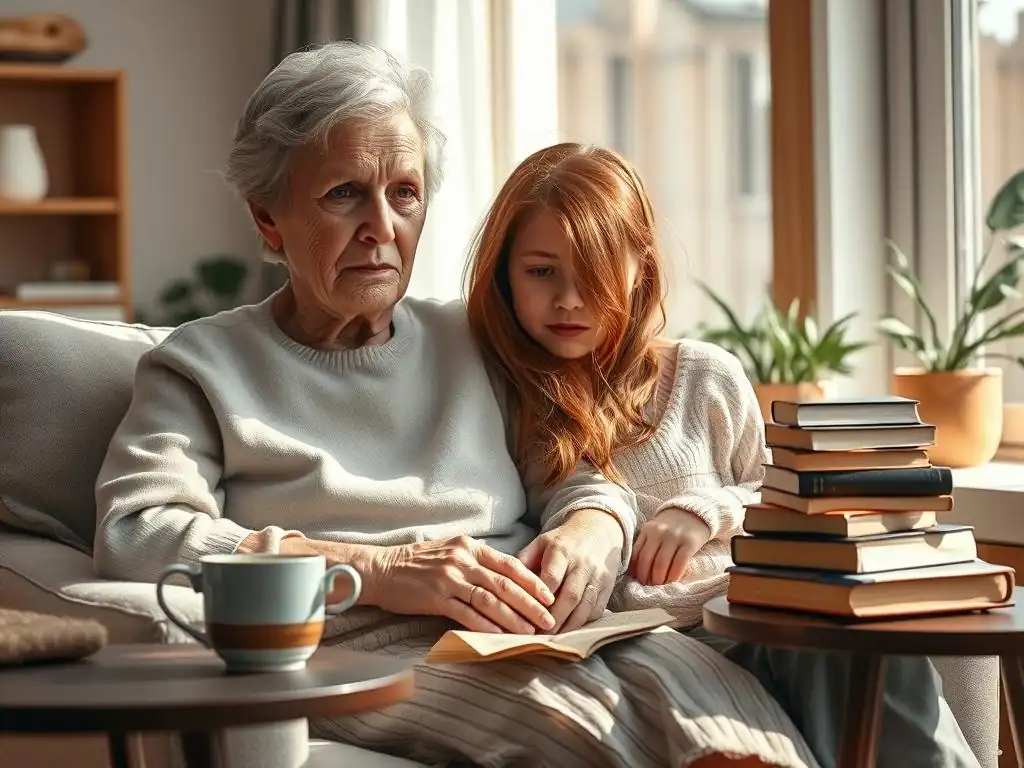
Welcome to Mind Care Guide, a space dedicated to nurturing your mental well-being and understanding the complexities of the mind.
Have you ever considered the profound impact grandparents can have on the mental health of their grandchildren, and vice versa? In this article, we delve into the crucial topic of grandparent-grandchild mental health support, exploring the unique dynamic and offering practical guidance for fostering healthy relationships across generations. Discover how this special bond can be a powerful source of strength, resilience, and emotional well-being for the entire family. Intrigued? Let's explore the vital connection together...
The Grandparent Connection: Mental Health Across Generations in the Family
- Understanding the Unique Role of Grandparents in Family Mental Well-being
- Grandparent-Grandchild Mental Health Support: A Two-Way Street
- Identifying Mental Health Challenges in Grandparents and Grandchildren
- Strategies for Strengthening Grandparent-Grandchild Mental Health Support
- Practical Tips for Grandparents to Support Grandchildren's Mental Well-being
- Seeking Professional Help: When and How to Access Mental Health Resources
- The Long-Term Impact of Positive Grandparent-Grandchild Relationships on Mental Health
- Navigating Challenges in Grandparent-Grandchild Relationships and Mental Health
- The Future of Grandparent-Grandchild Connections and Mental Health
-
Frequently Asked Questions
- How does the grandparent-grandchild relationship impact mental well-being?
- What are some ways grandparents can provide mental health support to their grandchildren?
- What challenges might grandparents face when trying to support their grandchildren's mental health?
- Where can grandparents find resources to better understand and support their grandchildren's mental health needs?
- What are the benefits for grandparents themselves in engaging in their grandchildren's mental well-being?
- Final Reflection: Weaving a Stronger Intergenerational Tapestry of Mental Wellbeing
- Unleash the Power of Family: Strengthen Intergenerational Bonds
Understanding the Unique Role of Grandparents in Family Mental Well-being
The Evolving Family Structure and the Importance of Grandparent Involvement
Family structures in the 21st century are more diverse than ever, with grandparents often playing central roles beyond traditional visits. Economic shifts, single-parent households, and geographic mobility have led to a significant increase in multi-generational living arrangements or grandparents providing regular childcare and support. According to recent estimates, millions of children in the United States live with a grandparent, and a substantial portion are primarily cared for by them.
This evolving dynamic highlights the critical importance of recognizing grandparents not just as relatives, but as key figures in the daily lives and mental health landscapes of their grandchildren and the wider family unit. Their involvement provides a layer of stability and connection that can be profoundly beneficial.
This increased involvement means grandparents are often on the front lines of providing practical and emotional support, influencing everything from a child's daily routine to their sense of security and belonging. Their presence can buffer the effects of stress on parents and children alike. For instance, in families facing economic hardship or parental absence, grandparents can offer a consistent source of care and guidance.
This steady support is vital for fostering a secure attachment in children, which is a cornerstone of healthy emotional and psychological development. Understanding this expanded role is the first step in appreciating the depth of the grandparentgrandchild mental health support network.
Grandparents as Pillars of Support: Emotional and Psychological Benefits
Grandparents often serve as significant emotional anchors for their grandchildren, providing unconditional love, wisdom, and a link to family history and identity. This unique bond offers children a sense of continuity and rootedness, which contributes positively to their self-esteem and emotional regulation. For example, a grandchild navigating the difficulties of adolescence might find solace and non-judgmental listening from a grandparent, offering a perspective outside the immediate parent-child dynamic. Studies suggest that children with involved grandparents tend to have fewer behavioral problems and better social skills, indicating a direct link between this relationship and positive mental health outcomes.
Beyond emotional comfort, grandparents can also provide psychological benefits by modeling healthy coping mechanisms and life skills. They share stories of overcoming past challenges, demonstrating resilience and adaptability. This intergenerational sharing of experiences can teach grandchildren valuable lessons about navigating life's difficulties. Furthermore, the simple act of spending quality time together, whether through shared hobbies or conversations, strengthens the emotional bond and reduces feelings of loneliness or isolation for both generations, thereby fostering robust grandparentgrandchild mental health support.
Grandparent-Grandchild Mental Health Support: A Two-Way Street
How Grandchildren Contribute to Grandparents' Mental Health and Well-being
The benefits of the grandparent-grandchild relationship are far from one-sided. Grandchildren bring immense joy, purpose, and social connection into the lives of their grandparents. For older adults, who may face challenges like retirement, loss of peers, or decreased physical mobility, the active presence of grandchildren can combat feelings of loneliness and isolation, which are significant risk factors for depression and cognitive decline. Engaging with young minds keeps grandparents mentally stimulated and provides opportunities for physical activity, even if it's just playing simple games or going for walks.
Furthermore, the role of a grandparent provides a renewed sense of identity and value. Knowing they are needed and loved by their grandchildren can boost self-esteem and provide a strong sense of purpose during later life stages. Sharing skills, stories, and simply being present for milestones gives grandparents a vital connection to the future. Research indicates that older adults who regularly interact with grandchildren report higher levels of life satisfaction and lower rates of depressive symptoms compared to those with less frequent contact. This highlights the potent effect of intergenerational connection on supporting grandparent mental health.
The Importance of Intergenerational Relationships for Mental Resilience
Strong bonds between different generations within a family create a powerful buffer against life's stressors, fostering mental resilience in both younger and older members. For grandchildren, having involved grandparents expands their support network, providing additional sources of comfort, guidance, and stability during challenging times like parental divorce, moving to a new school, or dealing with peer pressure. This multi-layered support helps them develop better coping skills and a stronger sense of security.
For grandparents, maintaining close relationships with grandchildren helps them stay connected to contemporary life, reducing feelings of being left behind or irrelevant. It provides opportunities for continued learning and adaptation. For example, learning to use new technology to stay in touch with grandchildren who live far away can keep cognitive skills sharp. This mutual exchange of energy, perspective, and support reinforces mental strength and adaptability across the lifespan, underscoring the importance of robust grandparentgrandchild mental health support networks.
Identifying Mental Health Challenges in Grandparents and Grandchildren
Recognizing Signs of Depression, Anxiety, and Loneliness in Grandparents
Identifying mental health challenges in grandparents can sometimes be difficult as symptoms may be mistaken for normal aging or physical health issues. Depression in older adults might manifest less as sadness and more as fatigue, irritability, loss of interest in hobbies, changes in sleep or appetite, and physical complaints. Anxiety might appear as excessive worry, restlessness, difficulty concentrating, or physical symptoms like headaches or stomach issues. Loneliness is a significant concern, often leading to social withdrawal and exacerbating symptoms of depression and anxiety.
- Common signs to look for:
- Persistent sadness or feeling empty
- Loss of interest or pleasure in activities
- Significant weight loss or gain, or decrease/increase in appetite
- Insomnia or excessive sleeping
- Restlessness or irritability
- Fatigue or loss of energy
- Feelings of worthlessness or excessive guilt
- Difficulty thinking, concentrating, or making decisions
- Thoughts of death or suicide
- Increased physical complaints without a clear medical cause
- Avoiding social interactions, including family gatherings
It's crucial for family members, including adult children and older grandchildren, to be aware of these signs and encourage grandparents to talk about how they are feeling. Openly discussing mental well-being can reduce stigma and pave the way for seeking help. Approximately 10% of older adults experience depression, but many cases go undiagnosed and untreated. Recognizing these signs is a vital part of providing effective grandparentgrandchild mental health support within the family structure.
Understanding Mental Health Issues Impacting Grandchildren: From Childhood to Adolescence
Mental health challenges can affect grandchildren at any age, presenting differently depending on their developmental stage. In younger children, issues like anxiety might appear as excessive shyness, clinginess, frequent stomach aches, or difficulty separating from caregivers. Depression might show up as irritability, persistent sadness, withdrawal from play, or changes in sleep and eating habits. Behavioral issues, such as defiance or aggression, can also sometimes be outward manifestations of underlying anxiety or trauma.
As grandchildren enter adolescence, mental health issues become increasingly common and can present with more recognizable adult-like symptoms, though often intertwined with typical teenage behaviors. Depression might involve persistent low mood, loss of interest, fatigue, changes in academic performance, social withdrawal, and sometimes reckless behavior. Anxiety can manifest as excessive worry about school, social situations, or the future, leading to panic attacks, avoidance behaviors, or physical symptoms.
Eating disorders, substance use, and self-harm are also risks during these years. Understanding these age-specific presentations is essential for grandparents who are actively involved in providing grandparentgrandchild mental health support. For example, a sudden drop in grades or avoidance of social activities might warrant a conversation.
Mental Health Challenges: ADHD in Children, Anxiety in Adolescents, and Cognitive Decline in Grandparents
Specific mental and cognitive health challenges are prevalent across the age spectrum within families. Attention-Deficit/Hyperactivity Disorder (ADHD) affects many children, impacting their ability to focus, control impulses, and manage hyperactivity. Grandparents involved in childcare or school support may notice symptoms like difficulty sitting still, interrupting others, being easily distracted, or struggling with homework organization. Understanding ADHD means recognizing these behaviors are not willful defiance but symptoms of a neurodevelopmental difference, requiring patience, structure, and appropriate strategies.
Anxiety disorders are among the most common mental health issues in adolescents, affecting roughly 1 in 3 teenagers. This can range from generalized anxiety about everyday life to specific phobias or social anxiety. Grandparents might observe their teenage grandchildren experiencing excessive worry, avoidance of social situations, panic symptoms before tests or events, or difficulty sleeping due to racing thoughts. Offering a calm, supportive presence and validating their feelings without dismissing them as "just teenage worries" is crucial. Simultaneously, grandparents face their own age-related cognitive changes. While not strictly a mental illness, cognitive decline, including conditions like mild cognitive impairment or dementia, significantly impacts mental well-being, causing confusion, memory problems, changes in mood (like increased irritability or apathy), and difficulty with daily tasks. Recognizing these changes early and seeking assessment is important for the grandparent's well-being and affects the entire family, including the ability to provide consistent grandparentgrandchild mental health support.
Strategies for Strengthening Grandparent-Grandchild Mental Health Support

Open Communication: Fostering Dialogue and Understanding
Open and honest communication is the bedrock of strong intergenerational relationships and crucial for providing grandparentgrandchild mental health support. This involves creating a safe space where both grandparents and grandchildren feel comfortable sharing their thoughts, feelings, and concerns without fear of judgment. For grandparents, initiating conversations about feelings can model emotional openness for their grandchildren. They can share age-appropriate stories about their own challenges and how they coped, normalizing the experience of difficulty.
For grandchildren, especially adolescents, this might mean being available to listen without immediately offering solutions or criticisms. Asking open-ended questions like "How are you feeling about that?" or "What was that like for you?" encourages deeper sharing than questions with simple yes/no answers. Teaching grandchildren how to express their emotions constructively and validating their experiences helps them develop emotional literacy. Setting aside dedicated time for talking, free from distractions, reinforces the value of these conversations. This consistent dialogue builds trust and strengthens the emotional bond, making it easier to address mental health concerns if they arise.
Engaging in shared activities and hobbies is a powerful way to build bonds and enhance mental well-being for both generations. Common interests provide a natural context for interaction, conversation, and mutual enjoyment. This could be anything from cooking together, gardening, playing board games, doing puzzles, reading, listening to music, working on crafts, or even engaging in light physical activities like walking. These shared experiences create positive memories and reinforce the connection between grandparent and grandchild.
These activities also serve to reduce feelings of isolation, which is a significant risk factor for poor mental health in both age groups. A grandparent who feels isolated might find renewed purpose and social connection through a weekly baking session with a grandchild. Similarly, a grandchild struggling to connect with peers might find a safe and fulfilling social outlet in a shared hobby with a grandparent. The focus is on connection and enjoyment, not performance. These regular interactions strengthen the foundation for providing effective grandparentgrandchild mental health support.
Like any relationship, the grandparent-grandchild dynamic will inevitably encounter conflict or require navigating difficult conversations, especially when dealing with sensitive topics like mental health. It's important to approach these situations with patience, empathy, and respect for differing perspectives. When conflict arises, focusing on the issue at hand rather than personal attacks is key. Using "I" statements ("I feel worried when...") rather than "You" statements ("You always...") can help keep the conversation constructive.
Difficult conversations about mental health, whether discussing a grandparent's struggles or a grandchild's challenges, require sensitivity. Choose a calm time and private place to talk. Start by expressing care and concern. For instance, a grandparent might say, "I've noticed you seem a bit down lately, and I'm here if you want to talk."
Listen actively without interrupting. It's okay not to have all the answers; sometimes, just listening and validating feelings is the most important thing. For complex issues, agreeing to seek outside help together can be a positive step. Learning to navigate disagreements respectfully and address tough topics openly strengthens the relationship's resilience and capacity for providing grandparentgrandchild mental health support.
Practical Tips for Grandparents to Support Grandchildren's Mental Well-being
Active Listening and Validation: Creating a Safe Space
One of the most impactful ways grandparents can support their grandchildren's mental well-being is by practicing active listening and validation. Active listening involves fully concentrating on the grandchild when they are speaking, making eye contact, nodding, and responding verbally to show understanding (e.g., "It sounds like you were really frustrated"). It's about hearing not just the words but also the underlying emotions.
Validation is equally crucial. It means acknowledging and respecting the grandchild's feelings, even if you don't fully understand or agree with the situation. Phrases like "That sounds really tough," "I can see why you'd feel upset about that," or "It makes sense that you're worried" communicate empathy and acceptance. Validation doesn't mean agreeing with a behavior, but rather affirming the feeling behind it. Creating this kind of safe, non-judgmental space encourages grandchildren to open up about their struggles, knowing they will be heard and accepted. This is a cornerstone of effective grandparentgrandchild mental health support.
Promoting Resilience and Coping Skills
Grandparents can play a significant role in helping grandchildren develop resilience – the ability to bounce back from adversity – and healthy coping skills. This isn't about shielding them from all difficulties, but equipping them with the tools to navigate challenges. Sharing stories from their own lives where they faced and overcame obstacles can be incredibly powerful. This models perseverance and shows that difficult times are survivable.
Encouraging grandchildren to identify their strengths, set realistic goals, and break down large tasks into smaller, manageable steps helps build confidence and a sense of agency. Teaching simple stress-reduction techniques, such as deep breathing exercises or mindfulness, can provide practical tools for managing anxiety. Helping them find healthy outlets for stress or difficult emotions, like exercise, creative activities, or talking to a trusted person, are invaluable lessons. By fostering these skills, grandparents contribute significantly to their grandchildren's long-term mental resilience, a key aspect of grandparentgrandchild mental health support.
Modeling Healthy Emotional Expression
Children and adolescents learn a great deal about managing emotions by observing the adults around them. Grandparents can model healthy emotional expression by openly and appropriately sharing their own feelings. This doesn't mean burdening grandchildren with adult worries, but rather showing that it's okay to feel a range of emotions – sadness, frustration, joy, worry – and demonstrating healthy ways to process them.
For example, a grandparent might say, "I'm feeling a bit frustrated because my computer isn't working, so I'm going to take a break and come back to it later," or "I felt sad when my friend moved away, and talking about it with someone helped me feel better." This teaches grandchildren that emotions are normal, temporary, and manageable. It also shows them that seeking support or using coping strategies is a sign of strength, not weakness. Modeling this emotional honesty is a powerful way for grandparents to provide indirect but impactful grandparentgrandchild mental health support.
Seeking Professional Help: When and How to Access Mental Health Resources
Recognizing the Need for Professional Intervention
Knowing when a mental health challenge requires professional help is crucial for both grandparents and grandchildren. While family support is invaluable, some issues are too complex or severe to be managed within the family unit alone. Signs that professional help might be needed include:
- Symptoms are persistent and significantly impacting daily functioning (school, work, social life).
- Changes in behavior are drastic or concerning (e.g., severe withdrawal, risky behaviors, thoughts of self-harm).
- The individual expresses hopelessness or talks about not wanting to live.
- Family efforts to help do not lead to improvement or seem to make things worse.
- Physical symptoms with no clear medical cause persist.
- There's a history of trauma that hasn't been processed.
It's important to remember that seeking professional help is a sign of strength and self-awareness, not failure. Encouraging a grandparent or grandchild to see a therapist or doctor when concerns arise is a vital part of providing comprehensive grandparentgrandchild mental health support.
Finding Therapists and Counselors Specializing in Family and Intergenerational Therapy
Once the need for professional help is recognized, finding the right therapist or counselor is the next step. For issues impacting grandparent-grandchild dynamics or family mental health more broadly, seeking professionals who specialize in family therapy or intergenerational therapy can be particularly beneficial. These therapists are trained to understand how family relationships and dynamics influence individual mental health and can work with multiple family members together or individually.
Resources for finding therapists include primary care physicians (who can provide referrals), mental health organizations' websites, and online directories (like the Psychology Today therapist finder or the American Association for Marriage and Family Therapy directory - note: no direct links allowed, but mentioning resource types is okay). Consider factors like the therapist's experience with specific age groups (children, adolescents, older adults) and mental health issues (depression, anxiety, trauma, cognitive concerns), as well as their approach to family systems. Asking for a brief phone consultation before scheduling a first appointment can help determine if the therapist is a good fit.
Mental Health Resources: NAMI, MentalHealth.gov, and the Geriatric Mental Health Alliance
Numerous organizations offer valuable information, support, and resources for navigating mental health challenges at different life stages. For general mental health information and resources for all ages, MentalHealth.gov is a key federal resource. It provides links to services and information on various conditions. The National Alliance on Mental Illness (NAMI) is another vital resource, offering support groups, educational programs, and advocacy for individuals and families affected by mental illness. NAMI has local chapters across the country that can provide community-specific resources.
For concerns specific to older adults, the Geriatric Mental Health Alliance, part of the American Association for Geriatric Psychiatry, offers resources focused on mental health and aging. While not a direct service provider, they offer information and help locate geriatric mental health professionals. These resources can provide crucial support for grandparents seeking help for themselves or information on how to support their grandchildren, and for adult children or grandchildren seeking help for their grandparents. Utilizing these resources is an important facet of providing comprehensive grandparentgrandchild mental health support.
The Long-Term Impact of Positive Grandparent-Grandchild Relationships on Mental Health
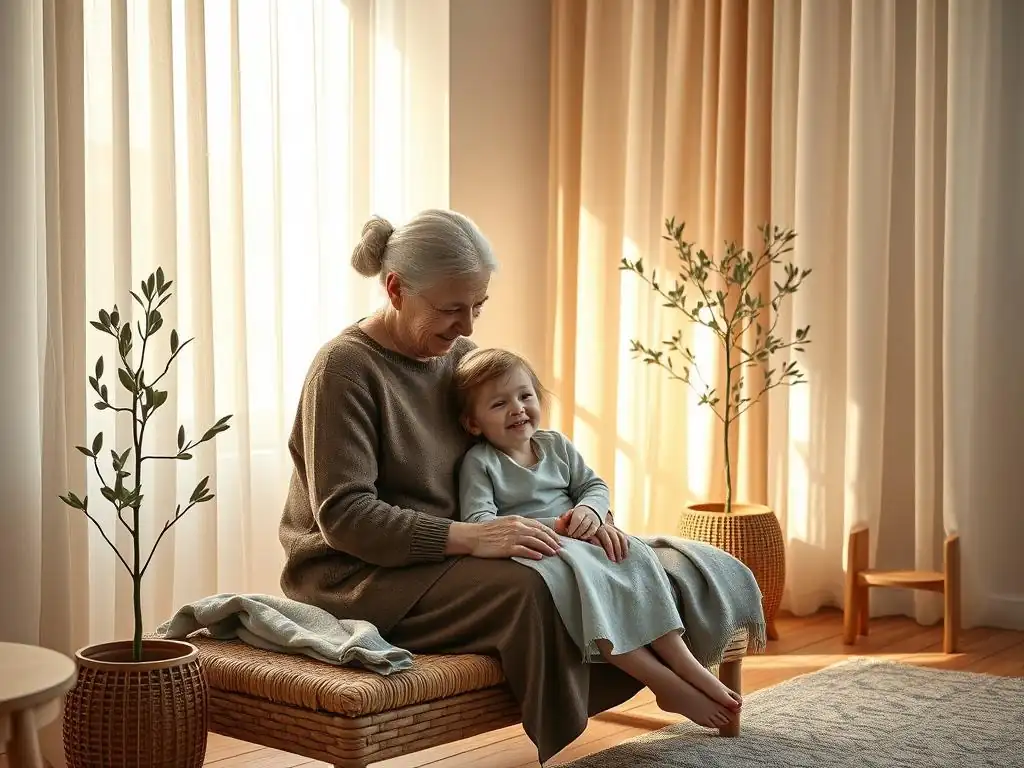
Promoting Emotional Stability and Well-being Across the Lifespan
Positive and supportive grandparent-grandchild relationships have a ripple effect that extends far beyond childhood and adolescence, contributing significantly to emotional stability and overall mental well-being across the lifespan. For grandchildren, a strong bond with a grandparent in formative years provides a secure base and a sense of being loved and valued, which fosters resilience and a positive self-concept that can buffer against future stressors. This early foundation of secure attachment and emotional support is linked to lower rates of depression and anxiety in adulthood.
For grandparents, these enduring relationships provide continued purpose, social engagement, and emotional fulfillment in later life, counteracting the isolation and loss that can sometimes accompany aging. Maintaining these connections is associated with better cognitive function and reduced risk of depression. The mutual exchange of care and affection creates a positive feedback loop that enhances mental well-being for both generations over many decades, demonstrating the profound, long-term benefits of grandparentgrandchild mental health support.
Building a Legacy of Mental Wellness for Future Generations
The positive interactions and emotional skills fostered within a strong grandparent-grandchild relationship can create a legacy of mental wellness that benefits future generations. Grandparents who model healthy coping, open communication, and emotional resilience teach these invaluable skills to their grandchildren, who in turn carry these lessons into their own adult lives and potentially pass them on to their children. This intergenerational transmission of positive mental health practices helps break cycles of poor coping or emotional avoidance that might exist in a family history.
Furthermore, the shared family history and sense of identity preserved and passed down by grandparents provide grandchildren with a sense of belonging and continuity, which are important protective factors for mental health. By investing in the grandparent-grandchild bond, families are not just supporting current mental health needs but are actively building a foundation for emotional resilience and well-being for generations to come. This long-term perspective underscores the enduring value of grandparentgrandchild mental health support.
Addressing Geographical Distance and Limited Contact
One significant challenge to fostering strong grandparent-grandchild mental health support is geographical distance. Modern families are often spread across states or even countries, limiting face-to-face interaction. This distance can lead to feelings of disconnection and make it harder to provide or receive spontaneous emotional support. Grandchildren may feel less connected to their heritage, and grandparents may miss out on crucial developmental milestones.
Strategies to bridge the gap include using technology for regular virtual visits, such as video calls, which allow for more personal interaction than just phone calls. Sending letters, cards, or care packages can also help maintain a tangible connection. Planning intentional, quality visits, even if infrequent, and making the most of that time is crucial. Focusing on consistent, meaningful contact, even if brief, can help maintain the emotional bond and ensure that grandparentgrandchild mental health support remains a possibility despite the miles.
Dealing with Health Issues and Caregiving Responsibilities
Health challenges can significantly impact the grandparent-grandchild relationship and the mental well-being of everyone involved. A grandparent's declining health, whether physical or cognitive, can alter their ability to interact as they once did, potentially causing confusion or sadness for grandchildren. Conversely, grandparents who become primary caregivers due to a child's health issues face immense stress, which can impact their own mental health and their capacity to provide emotional support.
Navigating these challenges requires open communication within the family, age-appropriate explanations for grandchildren about a grandparent's health changes, and ensuring caregivers (whether the grandparent or others) receive adequate support. It's important to adjust expectations and find new ways to connect that accommodate health limitations. For instance, a grandchild might read to a grandparent with limited mobility, or a grandparent caregiver might need respite care to prevent burnout. Addressing the mental health needs of both the ill individual and the caregiver is paramount for maintaining overall family well-being and ensuring that grandparentgrandchild mental health support systems don't collapse under strain.
Coping with Loss and Grief in the Family
Loss is an inevitable part of life, and families will face grief, whether it's the loss of a grandparent, a grandchild, or another close family member. These experiences profoundly impact mental health across generations. Grandparents may grieve the loss of their own parents, spouses, or friends, while also supporting their grandchildren through the loss of a loved one. Grandchildren may experience deep grief after the death of a beloved grandparent.
Coping with loss requires acknowledging the pain, allowing for grieving in healthy ways, and providing mutual support. This might involve talking about memories, looking at photos, or creating rituals to honor the person who was lost. It's important to be patient and understanding, as grief manifests differently in individuals and across age groups. Grandparents can model healthy grieving for their grandchildren, showing them that it's okay to feel sad and that healing takes time. Seeking professional grief counseling can be beneficial for individuals or families struggling to cope, reinforcing the available grandparentgrandchild mental health support networks during difficult times.
The Future of Grandparent-Grandchild Connections and Mental Health
The Role of Technology in Bridging the Gap
Technology is increasingly vital in shaping the future of grandparent-grandchild connections, particularly in overcoming geographical barriers. Video calls, social media platforms (used appropriately and safely), and even shared online gaming or educational apps allow for more frequent and interactive communication than previously possible. These tools enable grandparents and grandchildren to share moments, experiences, and emotions in real-time, fostering a sense of closeness despite distance.
Beyond simple communication, technology can facilitate shared activities, such as watching a movie "together" remotely, playing online games, or collaborating on digital projects. These shared digital experiences create new opportunities for bonding and mutual support. While technology cannot fully replace face-to-face interaction, its thoughtful use can significantly enhance the quality and frequency of contact, ensuring that grandparentgrandchild mental health support remains robust in an increasingly mobile world.
Promoting Intergenerational Programs and Initiatives
Promoting structured intergenerational programs and initiatives holds significant promise for strengthening grandparent-grandchild connections and enhancing mental health. These programs bring together older adults and young people in planned activities, such as reading buddies programs in schools, community gardens, arts and crafts workshops, or shared volunteering efforts. These initiatives create opportunities for positive interaction and mutual learning outside the immediate family unit.
Participation in such programs can combat ageism, reduce isolation for both age groups, and build empathy and understanding across generations. For example, a program where teenagers interview seniors about their life experiences can be profoundly impactful for both, fostering connection and reducing feelings of loneliness. Investing in and promoting these community-based intergenerational initiatives can build broader networks of grandparentgrandchild mental health support, benefiting individuals and the community as a whole.
Future Research: Longitudinal Studies on Intergenerational Trauma and Resilience
Looking ahead, future research is needed to deepen our understanding of the complex dynamics of grandparent-grandchild relationships and their long-term impact on mental health. Specifically, longitudinal studies that track these relationships over many years can provide invaluable insights into how early interactions shape mental well-being throughout life. There's also a growing interest in understanding the intergenerational transmission of both trauma and resilience.
Research into how traumatic experiences in one generation (e.g., a grandparent's historical trauma) can impact subsequent generations, and conversely, how intergenerational support and connection can foster resilience and healing, is crucial. Studies exploring the specific mechanisms through which grandparentgrandchild mental health support functions, such as the role of storytelling, shared activities, or emotional modeling, can inform more effective family interventions and public health initiatives aimed at promoting mental wellness across the lifespan. This ongoing research will continue to highlight the profound significance of the grandparent connection.
Frequently Asked Questions
How does the grandparent-grandchild relationship impact mental well-being?
Grandparent-grandchild relationships foster emotional support and connection, which can significantly contribute to both generations' mental well-being. This connection provides stability and reduces feelings of isolation.
What are some ways grandparents can provide mental health support to their grandchildren?
Grandparents can offer support by actively listening, providing a safe and non-judgmental space for grandchildren to share their feelings, and engaging in quality time and shared activities.
What challenges might grandparents face when trying to support their grandchildren's mental health?
Grandparents might face challenges such as generational differences in understanding mental health, difficulty recognizing signs of distress, or a lack of knowledge about modern mental health resources.
Where can grandparents find resources to better understand and support their grandchildren's mental health needs?
Grandparents can find resources at organizations like Mind Care Guide, mental health websites, local community centers, and through family therapy or counseling sessions. These resources offer information and practical advice.
What are the benefits for grandparents themselves in engaging in their grandchildren's mental well-being?
Engaging in their grandchildren's lives and providing support can improve grandparents' own sense of purpose and fulfillment, reduce feelings of loneliness, and promote cognitive health and well-being.
Final Reflection: Weaving a Stronger Intergenerational Tapestry of Mental Wellbeing
The erosion of traditional family structures and the increasing prevalence of mental health challenges highlight the urgent need for stronger intergenerational support, particularly between grandparents and grandchildren. This connection, often overlooked, offers a powerful resource for navigating the complexities of mental wellbeing across the lifespan. We've explored the unique benefits this relationship provides, from emotional security to practical assistance, and the crucial role it plays in fostering resilience.
The impact of this grandparent-grandchild bond extends far beyond individual families; it shapes the very fabric of our society. The wisdom, patience, and unconditional love grandparents often offer are invaluable assets in a world increasingly characterized by anxiety and uncertainty. The best legacy one can pass on to one's children and grandchildren is not money or other material things accumulated in one's life, but rather a legacy of character and faith.
This quote underscores the enduring power of intergenerational connection in shaping not only mental health but also the moral compass of future generations. We must actively cultivate and protect these relationships, recognizing their profound influence on the well-being of both young and old.
Now, consider your own family. Reflect on the strength of the connections between generations, and identify opportunities to nurture these vital bonds. Are you actively fostering a supportive environment for open communication about mental health within your family? Perhaps you can schedule regular visits, engage in shared activities, or simply dedicate time to listening and offering understanding. By consciously investing in these relationships, we create a stronger, more resilient society, one where mental wellbeing is not just a personal responsibility, but a shared family legacy.
Unleash the Power of Family: Strengthen Intergenerational Bonds
Thank you for taking the time to explore the vital connection between mental well-being and family relationships across generations. We hope this article provided valuable insights into supporting each other's mental health within your family. Now, let's put that knowledge into action!
- Prioritize a meaningful conversation: Schedule a dedicated time to connect with a grandparent or other family elder this week. Discuss openly and honestly about shared experiences, challenges, and how you can best support one another. This focused time is key to strengthening your bonds and understanding.
- Share this article: Spread the word and inspire others to nurture their family connections by sharing this article on your social media platforms. Let's build a supportive community around family mental health.
- Discover a shared activity: Explore a new hobby or activity you can enjoy together, fostering a sense of connection and shared experience. Even a simple weekly phone call or online game can make a difference.
What small step can you take today to strengthen the mental well-being within your family across generations?