
Talking About Feelings: Open Communication with Your Child About Their Struggles

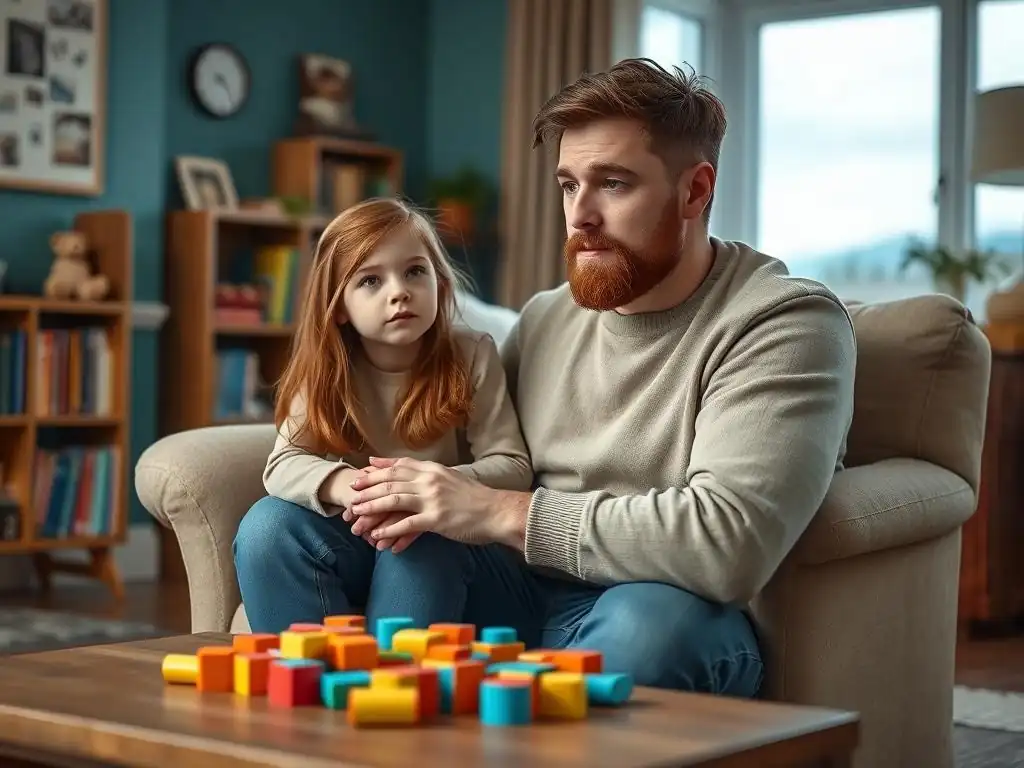
Welcome to Mind Care Guide, a space dedicated to nurturing your mental well-being.
Are you looking for ways to better understand your child's emotional world? It can be tough navigating the complexities of childhood emotional communication challenges, leaving you feeling lost and unsure of how to help. Perhaps you've noticed your child struggling to express themselves, leading to frustration and misunderstandings. Discover practical strategies and supportive insights in our article, "Talking About Feelings: Open Communication with Your Child About Their Struggles," designed to help you foster a stronger, more connected relationship with your child and unlock the power of open communication. Let's explore how to build a bridge of understanding, together.
Fostering Emotional Intelligence: Guiding Your Child Through Their Feelings
- Understanding Childhood Emotional Development
- Building a Secure Foundation for Sharing Feelings
- Navigating Common Childhood Emotional Experiences
- Practical Strategies for Encouraging Emotional Expression
- Addressing Obstacles to Emotional Connection
- The Lasting Impact of Open Emotional Dialogue
- Resources for Emotional Support and Development
-
Frequently Asked Questions
- How can I tell if my child is experiencing childhood emotional communication challenges?
- What are some practical strategies for encouraging open communication about feelings with my child?
- Why is it important to address childhood emotional communication challenges early on?
- Where can I find resources and support if I'm struggling to help my child with their emotional communication?
- How can I help my child differentiate between different emotions and express them appropriately?
- Final Reflection: Unlocking the Power of Emotional Expression in Childhood
- Unlock Your Child's World: Start Talking Today
Understanding Childhood Emotional Development
Recognizing Signs of Emotional Needs in Children
Children communicate their needs and feelings in numerous ways, often non-verbally or through changes in behavior. Spotting these signs early is crucial for providing timely Childhood emotional communication challenges help. Subtle shifts like increased irritability, withdrawal from activities they once enjoyed, or unexplained physical complaints such as stomach aches or headaches can signal underlying emotional distress. For instance, a usually outgoing child becoming quiet and isolated might be struggling with social anxiety or feeling overwhelmed.
Research indicates that persistent behavioral changes, lasting two weeks or more, should prompt closer attention. Approximately 1 in 5 children experience a mental health condition in a given year, and these often manifest as behavioral or emotional shifts rather than direct verbalization, especially in younger children. Paying attention to sleep patterns, appetite changes, and academic performance can also provide clues. Understanding these indicators is the first step in effectively offering Childhood emotional communication challenges help.
The Role of Open Communication in Emotional Intelligence
Open and consistent communication is the bedrock upon which childhood emotional intelligence is built. When parents create a safe space for children to express themselves, they help them develop a robust emotional vocabulary and the ability to understand and manage their feelings. This process involves not just talking to your child, but actively listening to them.
Studies highlight that children with strong emotional intelligence are better equipped to handle stress, build positive relationships, and perform well academically. Teaching children to name their emotions – recognizing "sadness" instead of just feeling "bad" – is a critical step. This skill, nurtured through open dialogue about everyday feelings and bigger challenges, significantly contributes to their capacity for empathy and problem-solving, offering essential Childhood emotional communication challenges help.
Building a Secure Foundation for Sharing Feelings
Creating a Consistent and Supportive Environment
A child's willingness to share their struggles is deeply tied to the sense of security and predictability they feel at home. Establishing consistent routines provides a sense of safety, making it easier for children to open up during difficult times. This doesn't require a rigid schedule, but rather reliable moments for connection, like family meals or bedtime stories, where conversations about feelings can naturally arise.
A supportive environment means your child knows they won't be met with judgment or dismissal when they express vulnerability. It's about being a steady presence, a "secure base" from which they can explore their emotional world, knowing you are there to help navigate Childhood emotional communication challenges. This consistent support builds trust, which is paramount for fostering open emotional dialogue.
Practicing Empathetic Listening: Understanding Your Child's Perspective
Empathetic listening is more than just hearing words; it's about trying to understand the emotion behind them and validating the child's experience. Techniques include making eye contact, nodding, and using reflective phrases like "It sounds like you're feeling really frustrated right now." Avoid interrupting or immediately jumping in with solutions.
Research consistently shows that when children feel truly heard and understood, they are more likely to continue sharing. This process helps them feel less alone in their struggles and models the kind of listening skills they will need in their own relationships. Offering this kind of understanding is a powerful form of Childhood emotional communication challenges help.
Acknowledging and Accepting Your Child's Emotions
Every emotion your child experiences is valid, even if their reaction to it isn't ideal. Acknowledging their feelings doesn't mean you agree with their behavior, but that you see and accept their emotional state. Phrases like "I can see you're very angry about this" or "It makes sense that you feel sad when..." validate their internal experience.
Dismissing feelings with phrases like "Don't be sad" or "There's nothing to be angry about" can teach children that certain emotions are unacceptable, leading them to suppress or hide them. Accepting their emotions, both positive and negative, encourages honest expression and helps them trust you with their inner world, providing crucial Childhood emotional communication challenges help.

Addressing Worries and Anxieties in Children
Worries are a normal part of childhood, but for some children, anxiety can become overwhelming, impacting daily life. Approximately 7% of children aged 3-17 years in the U.S. are diagnosed with anxiety. Common anxieties include separation anxiety, social anxiety, and specific phobias like fear of the dark or certain animals. Openly talking about these fears helps children feel less alone and provides opportunities to teach coping strategies.
When addressing anxieties, validate the feeling ("That sounds like a really scary thought") while gently challenging the anxious thought ("Is there another way to look at this?"). Gradual exposure to the feared situation, starting small, can be effective. For example, if a child fears school, start with a short visit, then a half-day, building up slowly. Teaching relaxation techniques like deep breathing or progressive muscle relaxation also offers tangible Childhood emotional communication challenges help.
Supporting Children Through Sadness and Loss
Sadness is a natural response to disappointment, change, or loss. Children experience loss in various ways, from moving to a new town or parents divorcing, to the death of a pet or a loved one. It's estimated that about 1 in 20 children will experience the death of a parent by age 16. Grief reactions in children can differ significantly from adults, often appearing in waves and manifesting as irritability, difficulty concentrating, or changes in sleep and appetite.
Supporting a child through sadness involves allowing them space to grieve without pressure to "get over it." Acknowledge their sadness ("I know you're feeling very sad about [loss]") and share your own feelings appropriately. Maintaining routines provides stability during times of change or loss. Reading books about loss or using art to express feelings can also be helpful tools, offering essential Childhood emotional communication challenges help.
Teaching Healthy Ways to Manage Anger and Irritability
Anger is a powerful emotion that, when expressed unhealthily, can lead to aggressive behavior or internalizing distress. Teaching children that anger is okay, but hurting others or destroying things is not, is a key lesson in emotional regulation. Children need strategies to cope with intense feelings of frustration and anger.
Examples of healthy coping mechanisms include taking deep breaths, counting to ten, drawing their angry feelings, talking about why they are angry, or engaging in physical activity like running or jumping. For younger children, simple techniques like the "turtle technique" (pulling arms and head in like a turtle to calm down) can be effective. Helping them identify the triggers for their anger and practicing these strategies before they get overwhelmed provides valuable Childhood emotional communication challenges help.
Practical Strategies for Encouraging Emotional Expression
Using Emotionally Descriptive Language
Parents are their children's first teachers of emotional language. Consistently using words to describe feelings – both your own and those you observe in your child or others – expands their emotional vocabulary. Instead of just saying "You're upset," try "You seem frustrated because your tower fell down" or "I feel happy when we spend time together."
This practice helps children connect physical sensations or situations with specific emotions. Research indicates that children who can accurately identify and label their emotions are better able to understand and manage them. Integrating this rich language into everyday conversations provides direct Childhood emotional communication challenges help.
Integrating Feelings Discussions into Daily Interactions
Emotional check-ins don't need to be formal, sit-down conversations. Weaving discussions about feelings into the natural rhythm of the day makes them a normal and comfortable part of family life. Ask questions during dinner ("What was one thing that made you feel happy today? "), during a car ride ("How did you feel when that happened? "), or before bed ("What was a challenge you faced today, and how did it make you feel? ").
These low-pressure moments encourage spontaneous sharing and show children that you are consistently interested in their inner world. Regular, brief check-ins are often more effective than trying to force a conversation only when there's a problem, proactively addressing potential Childhood emotional communication challenges.
Exploring Creative Outlets for Emotional Expression
Not all children are comfortable expressing their feelings verbally, especially when those feelings are intense or complicated. Creative outlets like drawing, painting, sculpting, writing stories or poems, playing music, or engaging in dramatic play offer alternative pathways for emotional expression.
Providing materials and opportunities for these activities allows children to process feelings non-verbally. A child might draw a picture filled with dark colors to represent sadness or create a superhero character who vanquishes their fears. These methods can be particularly helpful for younger children or those struggling with significant Childhood emotional communication challenges.
Addressing Obstacles to Emotional Connection

Examining Your Own Emotional Responses
Parents' own emotional awareness and regulation significantly impact their child's willingness to share. If a parent reacts with anxiety when a child expresses fear, or anger when a child expresses frustration, the child may learn to suppress those feelings. Recognizing and managing your own emotional triggers is vital for creating a safe space for your child.
Consider how you react when your child shares something difficult. Do you get defensive, anxious, or overwhelmed? Practicing mindfulness or seeking your own support can improve your capacity to respond calmly and empathetically, modeling healthy emotional regulation and providing better Childhood emotional communication challenges help.
Responding to Reluctance or Resistance
It's normal for children, especially teenagers, to be reluctant to share their feelings sometimes. Pushing too hard can backfire. If your child resists talking, respect their need for space while leaving the door open. Let them know you are available when they are ready.
Phrases like "I'm here if you want to talk about it, no pressure" or "It seems like something is bothering you, and I'm ready to listen whenever you're ready to share" can be effective. Continue to offer opportunities for connection through shared activities, which can sometimes lead to unexpected moments of openness, patiently navigating Childhood emotional communication challenges.
Knowing When to Seek Professional Guidance
While open communication is powerful, some childhood emotional communication challenges require professional support. If your child's emotional struggles are persistent (lasting several weeks), significantly impacting their daily life (school, friendships, family), involve self-harming thoughts or behaviors, or are causing you significant concern, it's time to consult a professional.
Pediatricians, school counselors, child psychologists, or therapists can provide assessment and intervention tailored to your child's specific needs. Seeking help is a sign of strength and commitment to your child's well-being. Mental health professionals are equipped to provide specialized Childhood emotional communication challenges help.
The Lasting Impact of Open Emotional Dialogue
Developing Emotional Resilience and Self-Awareness
Children who grow up in environments where feelings are openly discussed develop greater emotional resilience – the ability to bounce back from setbacks and challenges. Understanding their own emotions and how to manage them allows them to navigate difficulties more effectively. This self-awareness is a critical skill for coping with stress and adapting to change throughout life.
Research consistently links childhood emotional intelligence with positive outcomes in adulthood, including better mental health, stronger relationships, and greater career success. The ability to understand and regulate emotions, nurtured through open communication, is a lifelong asset, offering profound Childhood emotional communication challenges help that extends far beyond childhood.
Enhancing the Parent-Child Bond
Open emotional dialogue deepens the connection between parents and children. When children feel safe sharing their vulnerabilities and parents respond with empathy and understanding, it strengthens trust and intimacy. These shared moments of emotional connection build a powerful bond that can withstand the challenges of different developmental stages.
This enhanced relationship isn't just beneficial for the child; it also enriches the parent's experience, fostering a deeper understanding and appreciation of their child's unique personality and inner world. Prioritizing this kind of communication is a powerful way to build a stronger, more resilient parent-child relationship, which is fundamental in addressing Childhood emotional communication challenges.
Supporting Lifelong Mental and Emotional Well-being
The emotional skills and communication patterns established in childhood have a profound impact on long-term mental and emotional well-being. Children who learn healthy ways to express and manage their emotions are less likely to struggle with anxiety, depression, and other mental health issues in adulthood.
By fostering open communication about feelings from an early age, parents equip their children with essential tools for navigating the complexities of life. This investment in their emotional development is an investment in their future happiness and health, providing foundational Childhood emotional communication challenges help that supports them throughout their lives.
Resources for Emotional Support and Development
Recommended Books and Websites for Children and Parents
Numerous resources are available to help families understand and navigate emotions. For children, there are many engaging picture books and stories designed to help them identify and name feelings, understand empathy, and learn simple coping strategies. These resources often use relatable characters and scenarios to make abstract concepts like emotions concrete.
For parents, there are extensive guides and websites offering practical advice on emotional coaching, understanding child development, and strategies for fostering open communication. Reputable organizations focused on child mental health and parenting often provide free articles, toolkits, and webinars to support families in addressing Childhood emotional communication challenges.
Local Child and Adolescent Mental Health Resources
If you are concerned about your child's emotional well-being or need professional guidance, there are local resources available. Start by talking to your child's pediatrician, who can offer initial advice or provide referrals. School counselors are also valuable resources, often able to provide support within the school setting or connect families with external services.
Local mental health clinics and private practices specializing in child and adolescent therapy offer assessments and evidence-based treatments for various emotional and behavioral challenges. These professionals can provide tailored Childhood emotional communication challenges help.
Support Organizations for Families
Many non-profit organizations are dedicated to supporting families facing mental health challenges. These groups often provide information, peer support, advocacy, and resources specific to certain conditions or age groups. Connecting with other families who have similar experiences can be incredibly validating and informative.
These organizations can offer guidance on finding resources, navigating the healthcare system, and understanding your child's specific needs. They serve as a vital network for families seeking comprehensive Childhood emotional communication challenges help and support.
Frequently Asked Questions
How can I tell if my child is experiencing childhood emotional communication challenges?
Look for signs like increased irritability, withdrawal, difficulty expressing feelings, or changes in behavior. These can be indicators that your child is struggling with emotional expression and needs support. Addressing these communication challenges early is crucial.
What are some practical strategies for encouraging open communication about feelings with my child?
Create a safe and non-judgmental space where your child feels comfortable sharing. Use active listening skills, validate their emotions, and model healthy emotional expression yourself. Make it a regular habit, not just when problems arise.
Why is it important to address childhood emotional communication challenges early on?
Early intervention can prevent these challenges from escalating into more significant mental health issues later in life. Building emotional literacy in childhood sets the foundation for healthy relationships and coping mechanisms. It fosters resilience and overall well-being.
Where can I find resources and support if I'm struggling to help my child with their emotional communication?
Mind Care Guide offers a wealth of information, support articles, and resources specifically tailored to childhood mental well-being. You can also consult with therapists, counselors, or support groups specializing in child and family mental health.
How can I help my child differentiate between different emotions and express them appropriately?
Use tools like emotion charts, games, or stories to help them identify and name different feelings. Teach them healthy ways to express their emotions, such as talking, drawing, or engaging in physical activity. Role-playing scenarios can also be helpful.
Final Reflection: Unlocking the Power of Emotional Expression in Childhood
The ability to openly communicate feelings is not merely a skill; it's the cornerstone of a child's emotional well-being and future success. Ignoring or dismissing a child's emotional landscape can have profound and lasting consequences, hindering their development and creating barriers to healthy relationships throughout their lives. This is a challenge we must actively address, not only as parents but as a society.
The journey of fostering open emotional communication with children is a continuous process, one that requires patience, understanding, and a willingness to learn alongside them. It's a journey that has profoundly impacted my own understanding of empathy and the importance of creating safe spaces for vulnerability. The most important thing a father can do for his children is to love their mother.
This quote, while seemingly simple, highlights the ripple effect of emotional health within a family unit – a healthy emotional climate for parents creates a healthier climate for children.
Now, consider your own experiences. How did your parents or caregivers handle your emotional expressions as a child? What impact did that have on you? Take a moment to reflect on this, and consider how you can consciously create a more supportive and understanding environment for the children in your life. Let's commit to breaking the cycle of emotional suppression and instead nurture a generation capable of expressing themselves authentically and navigating life's challenges with resilience and emotional intelligence.
Unlock Your Child's World: Start Talking Today
Thanks for taking the time to learn about open communication with your child. You've gained valuable insights into fostering a stronger, more trusting relationship. Now, let's put that knowledge into action!
- Prioritize one heartfelt conversation this week: Choose a time when you're both relaxed and dedicate 15 minutes to simply listening and connecting. Ask open-ended questions about their day, focusing on their feelings.
- Share this article with a friend or family member: Open communication is a skill we can all improve, and spreading awareness helps build stronger support networks.
- Try a new family activity that encourages sharing and listening: Board games, creative projects, or even a nature walk can provide great opportunities for casual conversation and connection.
Ready to build a deeper bond with your child based on understanding and empathy? What small step will you take today to enhance your communication?