
The Digital Divide at Home: Bridging the Gap Between Generations and Technology


Welcome to Mind Care Guide.
Feeling the frustration of the digital generation gap at home? It's a common struggle, and we understand the stress it can cause within families. Our latest article, "The Digital Divide at Home: Bridging the Gap Between Generations and Technology," explores practical strategies to foster understanding and provide effective technology support. Discover how to navigate these challenges and create a more connected and harmonious family environment. Curious about how to start? Let's explore the solutions together...
- The Digital Divide at Home: Bridging the Gap Between Generations and Technology
- What is the Digital Divide? Exploring the Technological Disconnect
- The Mental Health Implications of the Digital Divide
- Strategies for Bridging the Digital Generation Gap at Home
- Practical Tech Support Tips for Seniors and Beginners
- Addressing the Emotional Aspects of Technology Adoption
- The Role of Technology in Strengthening Family Bonds
- Resources for Digital Literacy and Technology Support
- Future Trends: The Evolving Digital Landscape and Family Relationships
-
Frequently Asked Questions
- How does the digital generation gap specifically impact families?
- What are the common challenges older adults face when learning new technologies?
- What role can younger generations play in providing technology support to older relatives?
- Why is it important to bridge the digital generation gap within families?
- Where can families find resources to help bridge the digital divide and provide technology support?
- Final Reflection: Bridging the Digital Divide, One Connection at a Time
- Bridge the Digital Divide: Empower Your Family Today!
The Digital Divide at Home: Bridging the Gap Between Generations and Technology
Understanding the Digital Generation Gap and Its Impact on Family Dynamics
The concept of a digital generation gap refers to the disparity in technology adoption, access, skills, and attitudes between different age groups, particularly between younger, digitally native generations and older adults. This gap isn't merely about owning devices; it encompasses the comfort level, understanding, and ability to utilize digital tools effectively for daily life, communication, and access to information. In a rapidly evolving digital world, navigating this divide within the family unit presents unique challenges and opportunities.
This generational difference in digital fluency can significantly impact family dynamics. Communication styles may clash, with younger members preferring instant messaging or social media while older members rely on phone calls or face-to-face interactions. This can lead to misunderstandings, feelings of exclusion, and a sense of disconnection. Bridging this digital generation gap requires empathy, patience, and a conscious effort to provide tailored technology support that meets the needs of all family members, fostering stronger bonds despite technological differences.
What is the Digital Divide? Exploring the Technological Disconnect
Defining the Digital Divide: Access, Skills, and Attitudes
The digital divide is a complex issue encompassing more than just whether someone owns a computer or has internet access. Fundamentally, it refers to the unequal distribution of information and communication technologies (ICT) and the unequal ability to use them. This includes disparities in broadband access, the quality of devices available, and, crucially, the digital literacy and skills needed to navigate the online world effectively.
Beyond technical access and skills, the digital divide also involves differences in attitudes and comfort levels towards technology. Some individuals, often older adults, may harbor anxiety or skepticism towards digital tools, stemming from a lack of early exposure, fear of making mistakes, or concerns about online safety. Addressing this attitudinal component is just as vital as providing physical access or teaching basic skills when offering digital generation gap technology support.
The Roots of the Digital Divide: Generational Differences in Tech Adoption
The primary driver of the digital generation gap is the differing historical context of technology adoption. Younger generations, often labeled "digital natives," grew up immersed in the internet, smartphones, and social media. They learned to use these tools instinctively, integrating them seamlessly into their social lives, education, and entertainment. Their early and continuous exposure fostered a high level of comfort and adaptability with new technologies.
In contrast, older generations, sometimes called "digital immigrants," encountered these technologies later in life. Their foundational skills and habits were formed in a pre-digital era. While many have adapted remarkably, the learning process can be steeper and require more deliberate effort and specific technology support. This difference in lived experience creates a natural disparity in digital fluency and confidence.
Impact of the Digital Divide on Family Communication and Relationships
The digital divide can create tangible friction within families. Simple tasks like sharing photos, coordinating schedules, or even basic communication can become challenging when family members operate on different digital wavelengths. For instance, a grandchild might share updates primarily via an Instagram story, which a grandparent without the app or skills to use it will miss entirely.
This disconnect can lead to feelings of frustration for both sides. Younger members might feel impatient or misunderstood, while older members may feel left behind, isolated, or a burden when asking for help. Research suggests that while many older adults want to connect digitally, they often lack the necessary skills and support. Providing patient, empathetic digital generation gap technology support is crucial for maintaining strong family ties in the digital age.
The Mental Health Implications of the Digital Divide
Digital Literacy and Mental Well-being: A Correlation?
A growing body of evidence suggests a correlation between digital literacy and mental well-being, particularly among older adults. The ability to access online information, connect with others digitally, and participate in online activities can significantly impact an individual's sense of independence, social connection, and access to resources. Conversely, lacking these skills can lead to feelings of isolation, helplessness, and increased stress.
For example, being unable to use online banking or access health information portals can create significant anxiety. Furthermore, as more services move online, individuals without digital skills risk being excluded from essential aspects of modern life, potentially impacting their confidence and mental state. Effective digital generation gap technology support is therefore not just about convenience but about promoting autonomy and mental resilience.
The digital age, while connecting billions globally, can paradoxically exacerbate social isolation for those unable to participate. For older adults or individuals with limited mobility, the internet offers a vital lifeline to the outside world through video calls, social media, and online communities. When the digital divide prevents access to these tools, the risk of loneliness and social isolation increases substantially.
Data from organizations studying aging often highlights that a significant portion of older adults report feeling lonely. While technology isn't a panacea, the ability to connect with family and friends digitally can mitigate these feelings. Providing targeted digital generation gap technology support can empower individuals to stay connected, reducing the negative mental health impacts of isolation.
Cyberbullying and Vulnerable Generations: Protecting Family Members
While often associated with younger internet users, cyber threats, including scams, phishing, and online harassment, pose significant risks to digitally less savvy individuals across all generations. Older adults, in particular, can be vulnerable targets for online fraud due to less familiarity with digital security practices and the persuasive tactics used by scammers.
Educating vulnerable family members about online safety is a critical component of digital generation gap technology support. This involves teaching them how to identify suspicious emails or messages, create strong passwords, understand privacy settings, and know when not to click on something. Protecting their digital presence is essential for their peace of mind and overall mental well-being.
Strategies for Bridging the Digital Generation Gap at Home
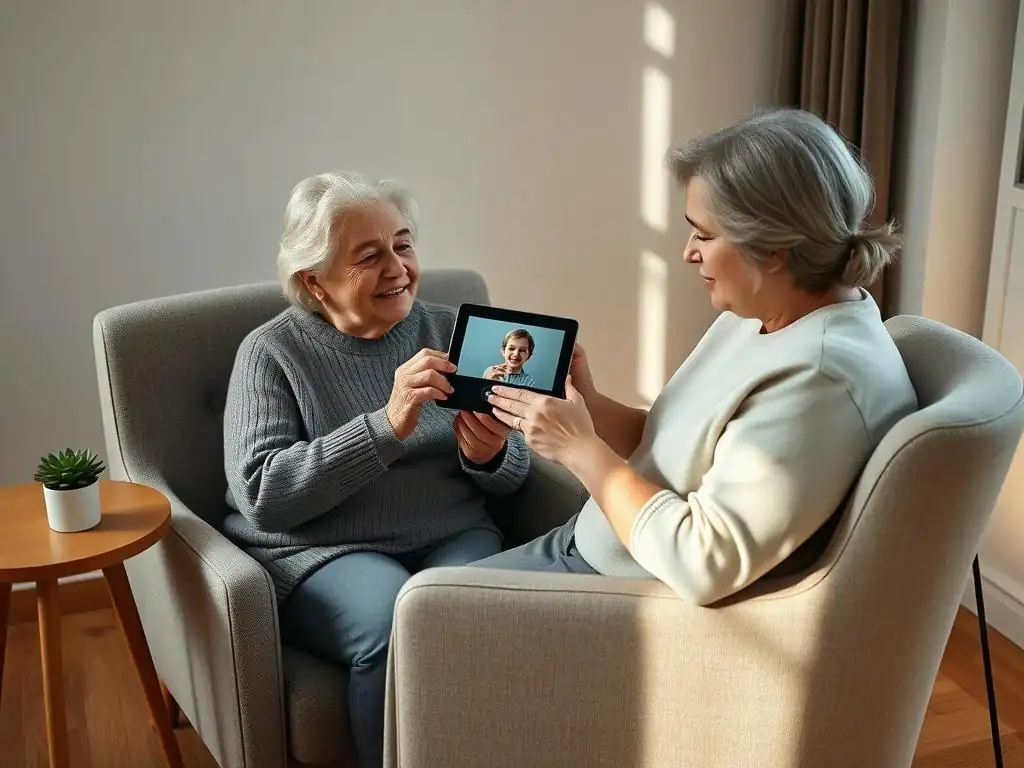
Open Communication: Fostering Understanding and Empathy
Bridging the digital generation gap begins with open, non-judgmental communication. It's important for family members on both sides of the divide to express their feelings, frustrations, and needs regarding technology. Younger family members should strive to understand the challenges faced by those less comfortable with tech, recognizing that it's not a lack of intelligence but often a lack of exposure and confidence.
Conversely, older family members can express their desire to learn and their specific areas of difficulty without embarrassment. Creating a safe space for these conversations builds empathy and lays the foundation for collaborative learning and effective digital generation gap technology support within the family.
Collaborative Learning: Tech Support and Knowledge Sharing within Families
A highly effective strategy is to turn technology learning into a collaborative family activity. This involves younger generations patiently teaching older ones, and surprisingly, older generations sharing their life skills and knowledge in return. It's a two-way street of mutual support and learning.
Teaching Seniors Technology: A Patient and Supportive Approach
When teaching seniors technology, patience is paramount. Break down tasks into small, manageable steps. Use clear, simple language, avoiding jargon. Focus on the specific applications they are interested in, whether it's video calling, email, or using a particular app. Repetition is key, and allowing them to practice independently builds confidence. Celebrate small successes, like successfully sending an email or making a video call. This kind of dedicated digital generation gap technology support builds trust and encourages continued learning.
Learning from Younger Generations: Embracing New Digital Skills
While providing support, older generations can also embrace the opportunity to learn from their younger counterparts. Ask questions, show genuine interest in the technology they use, and be open to trying new things. This demonstrates a willingness to bridge the gap and can be a fun way to connect. Learning together, perhaps setting up a shared family photo album online or mastering a new communication app, reinforces family bonds while building digital skills.
Establishing Healthy Tech Boundaries for All Family Members
While encouraging technology use to connect is important, it's equally crucial to establish healthy boundaries around technology for everyone. This might involve designated "tech-free" times during family meals or gatherings, ensuring technology doesn't completely replace face-to-face interaction.
For younger generations, this could mean limiting screen time or managing social media use. For older generations learning new skills, it might involve setting realistic goals for practice time to avoid frustration. Discussing and agreeing upon these boundaries as a family promotes a balanced relationship with technology for all ages, complementing the digital generation gap technology support provided.
Practical Tech Support Tips for Seniors and Beginners
Simplifying Technology: Focusing on Essential Digital Skills
When providing digital generation gap technology support, start with the basics. Identify the essential tasks they need or want to accomplish online, such as communicating with family, accessing news, or managing appointments. Focus on teaching these core skills first, rather than overwhelming them with too many features or applications. Learning how to navigate a web browser, send an email, or use a video call app are foundational steps.
A helpful approach is to use simplified interfaces or accessibility features available on many devices. For instance, increasing font sizes, using voice commands, or setting up speed dials for key contacts can make technology less intimidating and more manageable for beginners.
Choosing User-Friendly Devices and Software
The choice of device and software can significantly impact the learning curve. When assisting family members with technology purchases, prioritize devices known for their user-friendly interfaces, clear menus, and reliable performance. Tablets, for instance, often have intuitive touch screens that can be easier for some seniors to navigate than a complex computer operating system.
Similarly, opt for applications that are designed with simplicity in mind. Many popular communication apps have streamlined versions or accessibility options. Researching and selecting technology tailored to the user's needs and comfort level is a key part of effective digital generation gap technology support.
Online Safety and Security: Protecting Against Scams and Cyber Threats
Educating beginners about online safety is non-negotiable. Start with the fundamentals: explaining the importance of strong, unique passwords and why they shouldn't be shared. Teach them how to recognize common phishing scams – emails or messages asking for personal information or urging them to click suspicious links.
Demonstrate how to verify the legitimacy of websites before entering sensitive data. Discuss the risks of sharing too much personal information on social media. Empowering them with this knowledge helps build confidence and reduces anxiety related to potential online threats, making them feel safer as they navigate the digital world.
Addressing the Emotional Aspects of Technology Adoption
Overcoming Tech Anxiety and Frustration
Learning new technology can be frustrating, especially for those who didn't grow up with it. Tech anxiety is a real phenomenon, manifesting as nervousness, apprehension, or even fear when faced with digital devices or tasks. It's crucial to acknowledge these feelings with empathy.
When providing digital generation gap technology support, create a patient and encouraging environment. Avoid showing impatience or making them feel inadequate. Frame mistakes as learning opportunities. Sometimes, simply taking a break when frustration sets in and returning to it later can make a big difference. Reassure them that it's okay to not know everything and that help is available.
Building Confidence in Digital Skills
Confidence is built through successful practice and positive reinforcement. As family members learn new digital skills, provide specific praise for their achievements, no matter how small they seem. Did they successfully send an email? "That's great! You did it!" Did they manage a video call? "Fantastic! Now you can see everyone!"
Encourage them to practice independently between support sessions. Suggest simple, low-stakes tasks they can try on their own. Building confidence is essential for overcoming the digital generation gap, empowering individuals to explore technology further and integrate it into their lives.
Celebrating Small Wins and Progress
Learning is a journey, and progress should be celebrated along the way. Mastering a new app, successfully troubleshooting a minor issue, or even just feeling more comfortable turning on the computer are all steps forward. Acknowledge these milestones within the family.
Celebrating these small wins provides positive reinforcement and motivates continued effort. It shifts the focus from the challenges to the achievements, making the process of bridging the digital generation gap a more positive and rewarding experience for everyone involved.
The Role of Technology in Strengthening Family Bonds

Despite the challenges of the digital divide, technology offers powerful tools for strengthening family bonds, particularly across geographical distances. Video calls platforms like Zoom or FaceTime allow families to see each other's faces, sharing moments that traditional phone calls cannot capture. Social media platforms, when used thoughtfully, can facilitate sharing photos, life updates, and messages, keeping everyone in the loop.
Shared digital experiences, such as creating a collaborative online photo album or using messaging apps to share daily anecdotes, can help bridge the physical distance and maintain a sense of closeness. This is a key benefit that digital generation gap technology support aims to unlock.
Family Activities in the Digital Realm: Online Games, Virtual Tours, and Digital Storytelling
Technology can also enable shared family activities that are fun and engaging. Playing simple online games together, taking virtual tours of museums or landmarks, or creating digital photo stories can be enjoyable ways to spend time together, regardless of location. These activities provide opportunities for intergenerational interaction and learning in a relaxed setting.
These shared digital experiences can also serve as practical, low-pressure environments for practicing new tech skills, subtly providing digital generation gap technology support while simply having fun as a family.
Maintaining Balance: Prioritizing Face-to-Face Interactions
While technology offers wonderful ways to connect, it's vital to remember that it should complement, not entirely replace, face-to-face interactions. Prioritize in-person visits, shared meals, and activities that don't involve screens whenever possible.
A healthy balance involves leveraging technology to stay connected when physically apart, while cherishing and making the most of opportunities for direct, in-person connection. This balanced approach ensures that technology enhances, rather than detracts from, the quality of family relationships.
Resources for Digital Literacy and Technology Support
Online Tutorials and Courses for Seniors
A wealth of online resources is available specifically designed to help seniors and beginners learn technology. Websites like GCFGlobal.org, Age UK (in the UK), or AARP (in the US) offer free tutorials covering topics from computer basics to internet safety and using specific apps. YouTube also hosts countless video guides that can be followed at one's own pace. Recommending and helping family members access these resources is a valuable form of digital generation gap technology support.
Local Community Centers and Libraries Offering Tech Assistance
Many local community centers, senior centers, and public libraries offer free or low-cost technology classes and one-on-one assistance. These resources provide hands-on learning opportunities in a supportive environment, often taught by patient instructors or volunteers. Checking local listings for "senior tech classes" or "digital literacy workshops" can reveal valuable community-based digital generation gap technology support options.
Government Programs and Initiatives to Bridge the Digital Divide
Various government programs at local, regional, and national levels aim to address the digital divide. These initiatives may offer subsidized internet access, provide low-cost devices, or fund digital literacy training programs. Researching available government resources in your area can uncover additional avenues for accessing technology and receiving digital generation gap technology support for family members who need it.
Future Trends: The Evolving Digital Landscape and Family Relationships
Adapting to New Technologies: Preparing for Future Digital Challenges
The digital landscape is constantly evolving, with new technologies like artificial intelligence, virtual reality, and smart home devices becoming more prevalent. Bridging the current digital generation gap is an ongoing process, and families will need to continue adapting to future technological changes.
This requires fostering a mindset of continuous learning and encouraging adaptability across all generations. Future digital generation gap technology support will likely need to address these emerging technologies and their implications for daily life and family interaction.
The Importance of Continuous Learning and Digital Inclusion
Given the rapid pace of technological change, continuous learning is essential for maintaining digital inclusion. Encouraging family members to stay curious about new tools and platforms, even if they don't adopt every single one, is important. Digital inclusion means ensuring everyone has the opportunity and skills to participate meaningfully in the digital world, regardless of age.
Maintaining Strong Family Connections in an Increasingly Digital World
Ultimately, the goal of addressing the digital divide at home is to strengthen family connections. While technology provides powerful new ways to interact, the core of family relationships remains built on love, understanding, and shared experiences. By providing patient digital generation gap technology support and fostering open communication, families can navigate the complexities of the digital age together, ensuring that technology serves as a bridge, not a barrier, between generations.
Frequently Asked Questions
How does the digital generation gap specifically impact families?
The digital generation gap can lead to communication breakdowns and frustration within families. Older generations may struggle with technology, needing constant support from younger, more tech-savvy relatives.
What are the common challenges older adults face when learning new technologies?
Older adults often struggle with cognitive decline, making it harder to learn new interfaces and concepts. They might also experience physical limitations, like poor eyesight or dexterity, affecting their ability to use devices.
What role can younger generations play in providing technology support to older relatives?
Younger generations can offer patient and understanding technology support. This includes teaching basic skills, troubleshooting issues, and providing ongoing assistance with devices and applications.
Why is it important to bridge the digital generation gap within families?
Bridging the gap promotes better communication and connection. It allows older adults to stay connected with loved ones and access important information, improving their overall well-being.
Where can families find resources to help bridge the digital divide and provide technology support?
Websites like Mind Care Guide offer articles, guides, and resources on mental well-being and technology support. Local libraries and community centers often provide technology classes specifically designed for older adults.
Final Reflection: Bridging the Digital Divide, One Connection at a Time
The digital divide isn't just a technological chasm; it's a societal fracture that impacts families, communities, and the future of innovation. Ignoring this gap means leaving behind a significant portion of our population, hindering their access to vital resources, opportunities, and social connection. We must actively work towards bridging this divide to ensure a more equitable and inclusive digital landscape for everyone.
The generational differences in technological literacy highlighted in this article are not simply about age; they represent a complex interplay of access, learning styles, and societal expectations. The impact is profound, affecting everything from healthcare access and financial security to social participation and personal growth. As Margaret Mead wisely stated, Never doubt that a small group of thoughtful, committed citizens can change the world; indeed, it's the only thing that ever has.
This quote underscores the power of individual action in addressing the digital divide, starting with our own families and communities.
You, the reader, now hold the key to fostering greater understanding and bridging the digital gap. Consider the seniors in your life – your parents, grandparents, or neighbors. Offer your time, patience, and technological expertise to help them navigate the digital world. A simple act of teaching someone how to use video chat, access online banking, or connect with loved ones online can have a profound and positive impact on their lives. Let's work together to ensure that technology empowers, rather than isolates, and that everyone can participate fully in our increasingly digital world.
Bridge the Digital Divide: Empower Your Family Today!
Thanks for taking the time to learn about bridging the digital gap between generations. We hope this article equipped you with valuable insights and actionable strategies. Now it's time to put that knowledge into practice!
- Prioritize: Identify one specific area where you can immediately improve tech access or understanding within your family. Is it setting up a new email account for Grandma? Teaching your kids safe online habits? Focusing on one step makes the process less overwhelming.
- Share this article: Spread the word! Help others navigate the digital world by sharing this article with family and friends who might benefit. A simple share can make a big difference.
- Explore Resources: Dive deeper! Seek out additional resources online – a simple Google search related to your chosen "prioritized" area can uncover many support tools and tutorials.
What small step will you take today to foster better digital literacy and connection in your home?