
Teaching Kids to Solve Problems: The Foundation of Future Resilience

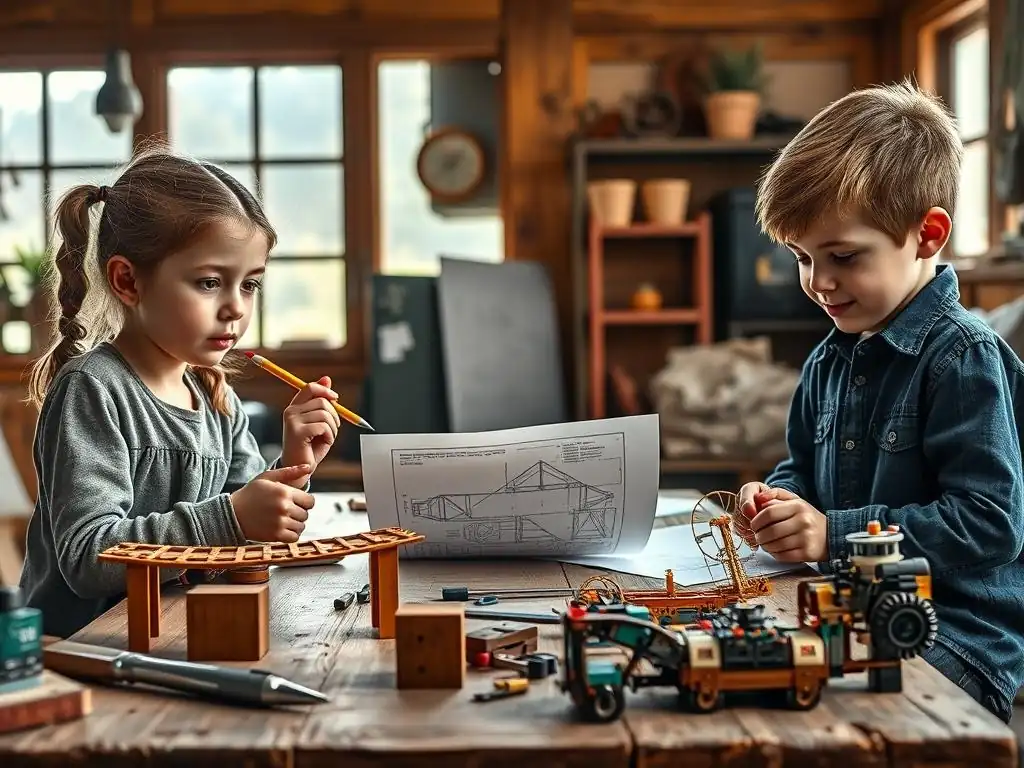
Welcome to Mind Care Guide, a safe space dedicated to nurturing your mental well-being. Ever wonder how to equip your children with the tools to navigate life's inevitable hurdles? This week, we delve into the crucial topic of teaching kids problemsolving skills resilience. Discover practical strategies and insightful advice to empower your children to face challenges with confidence, fostering a foundation of resilience that will serve them for years to come. Ready to unlock their inner strength? Let's begin!
Teaching Kids to Solve Problems: The Foundation of Future Resilience
- Why Kids Need Problem-Solving Skills for Resilience
- Identifying Common Problems Kids Face
- Step-by-Step Guide to Teaching Problem-Solving to Children
- Age-Appropriate Problem-Solving Strategies for Children
- Practical Activities to Boost Kids' Problem-Solving Abilities
- Fostering a Problem-Solving Mindset in Children
- Overcoming Challenges in Teaching Problem-Solving
- The Long-Term Benefits of Strong Problem-Solving Skills
- Resources for Parents to Support Children's Problem-Solving
-
Frequently Asked Questions
- What is the relationship between problem-solving skills and resilience in children?
- How can parents actively teach problem-solving skills to their children?
- At what age should parents start focusing on developing problem-solving skills in kids?
- What are some common obstacles that hinder a child's ability to develop strong problem-solving skills?
- How does building problem-solving skills contribute to a child's overall mental well-being?
- Final Reflection: Cultivating Resilience Through Problem-Solving
- Unlock Your Child's Problem-Solving Power!
Why Kids Need Problem-Solving Skills for Resilience
The Importance of Problem-Solving in Child Development
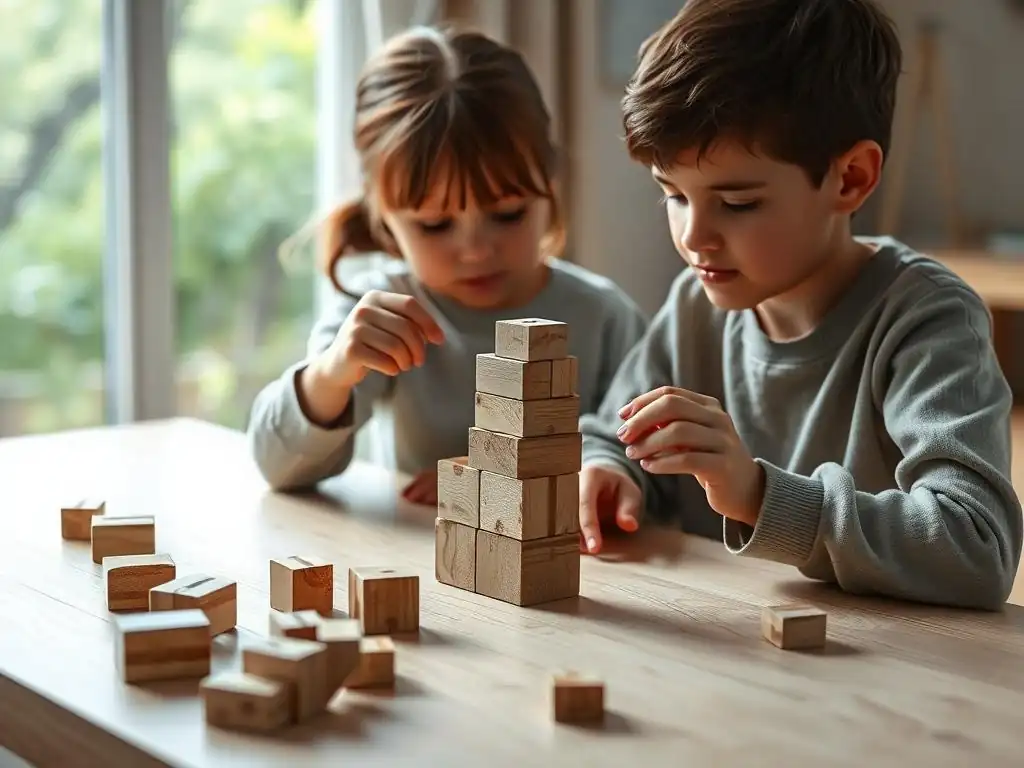
Developing strong problem-solving skills is a fundamental aspect of healthy child development. From early childhood, children encounter challenges, whether it's figuring out how to stack blocks without them toppling over, sharing a toy, or understanding a new concept at school. These seemingly small hurdles are crucial opportunities for learning.
When children are encouraged and guided to tackle these problems themselves, they learn to think critically, evaluate options, and make decisions. This process is not just about finding a solution; it's about building cognitive flexibility and the confidence to face future unknowns. Research consistently shows that children who develop robust problem-solving abilities early on are better equipped to handle the complexities of adolescence and adulthood, demonstrating greater independence and initiative in various aspects of life.
Furthermore, fostering problem-solving skills in children contributes significantly to their overall intellectual growth. It stimulates the prefrontal cortex, the part of the brain responsible for executive functions like planning, decision-making, and impulse control. Engaging in problem-solving activities, even simple ones like puzzles or negotiating play scenarios, helps wire these neural pathways, leading to improved focus, memory, and analytical thinking. This foundational skill set is not confined to academic success; it permeates social interactions, emotional regulation, and the ability to navigate personal challenges effectively. Teaching kids problem-solving skills lays the groundwork for a lifetime of learning and adaptation.
How Problem-Solving Skills Build Resilience in Children
Resilience is the capacity to recover quickly from difficulties; toughness. For children, this means being able to bounce back from setbacks, disappointments, and stress. Problem-solving skills are intrinsically linked to building resilience in children. When a child faces a challenge, such as not being picked for a team or struggling with a difficult math problem, their ability to identify the issue, think of different approaches, and try a solution empowers them.
Instead of feeling helpless or giving up, they learn that they have agency and the capacity to influence outcomes. This sense of self-efficacy, built through successful problem-solving experiences, is a cornerstone of resilience. For instance, a child who figures out how to resolve a conflict with a friend without adult intervention learns that they can navigate social difficulties, making them more resilient to future peer challenges.
Moreover, the process of problem-solving often involves encountering obstacles and failed attempts. Learning from these failures is a vital part of building resilience. A child who tries one solution to a problem and it doesn't work, but then analyzes why it failed and tries a different approach, develops perseverance and a growth mindset.
They understand that failure is not an endpoint but a part of the learning process. This iterative approach to challenges teaches children that they can adapt and persist even when things are difficult. By equipping kids with problem-solving skills resilience becomes a natural byproduct of their experiences, enabling them to face adversity with greater confidence and a belief in their ability to overcome.
Linking Problem-Solving to Mental Well-being in Children
The connection between strong problem-solving skills and positive mental well-being in children is profound. Children who feel equipped to handle problems tend to experience lower levels of anxiety and stress. When faced with a difficult situation, they are less likely to feel overwhelmed or helpless if they have the tools to approach it systematically.
For example, a child worried about a test might use problem-solving skills to break down the studying task into smaller, manageable steps, reducing their overall anxiety about the challenge. This proactive approach to stress management is a key component of good mental health. Studies suggest that children with well-developed coping and problem-solving skills report fewer symptoms of depression and anxiety compared to their peers who lack these abilities.
Furthermore, effective problem-solving enhances a child's sense of control and self-worth. Successfully navigating challenges, whether big or small, boosts their confidence and reinforces a positive self-image. This feeling of competence contributes significantly to emotional stability and overall mental well-being.
Children who can solve their own problems are also often better at managing their emotions, as the process requires patience and the ability to regulate frustration. For instance, a child learning to share might initially feel angry, but through guided problem-solving, they learn to manage that emotion while finding a solution that works for everyone. This emotional regulation, coupled with effective problem-solving, is vital for healthy psychological development and building resilience in kids.
Identifying Common Problems Kids Face
One of the most frequent and impactful types of problems kids face involves social interactions, particularly conflicts with peers and navigating peer pressure. From disagreements over rules during a game to exclusion from a social group, these situations require children to understand differing perspectives, communicate effectively, and make decisions that align with their values amidst external influence. For example, a common scenario might involve a group of friends wanting to engage in an activity that one child finds uncomfortable or against family rules.
This child faces the problem of wanting to fit in while also needing to stay true to themselves. Learning how to articulate their feelings, suggest alternative activities, or respectfully decline participation are all problem-solving actions crucial for their social development and self-esteem.
Navigating peer pressure is another significant challenge. Children, especially pre-teens and teenagers, often face pressure to conform, whether it involves trying risky behaviors, adopting certain attitudes, or making choices they wouldn't otherwise make. Teaching kids problemsolving skills resilience becomes particularly important here.
It involves helping them identify the pressure, understand the potential consequences of giving in, and brainstorm ways to resist or redirect the situation. A specific example might be pressure to cheat on a test; the child needs to solve the internal conflict between the desire for a good grade and the understanding of academic integrity, then execute a solution like refusing to cheat and perhaps seeking help with the material instead.
Recognizing Academic Struggles and Learning Challenges
Academic environments present a constant stream of problems for children to solve, ranging from grasping complex subjects to managing workload and overcoming learning difficulties. A child might struggle with understanding fractions, face challenges completing homework on time, or encounter difficulties with reading comprehension. These are not just academic hurdles; they can significantly impact a child's confidence and motivation.
Recognizing these struggles is the first step in applying problem-solving skills. For instance, a child consistently getting low grades in math faces the problem of poor understanding. The solution isn't just 'study harder,' but involves identifying the specific area of difficulty (e.g., multiplication facts, word problems), brainstorming strategies (e.g., asking the teacher for help, using online tutorials, practicing with flashcards), implementing a plan, and evaluating its effectiveness.
Learning challenges, such as dyslexia or ADHD, introduce unique problems that require specific problem-solving approaches. A child with dyslexia might struggle with decoding words, making reading a significant problem. Solving this involves identifying the need for support, exploring different learning strategies (e.g., phonics-based programs, audiobooks), advocating for accommodations in school, and developing compensatory skills. Teaching kids these types of problem-solving skills resilience in the face of academic adversity is crucial. It empowers them to seek help, try different methods, and persist despite difficulties, fostering a resilient attitude towards learning and intellectual growth.
Understanding Emotional Regulation Difficulties
Emotional regulation is a critical skill, and difficulties in managing strong emotions present significant problems for children. A child might struggle with intense anger when frustrated, overwhelming sadness when disappointed, or excessive anxiety in new situations. These emotional responses, if not managed, can interfere with their ability to function, learn, and interact positively with others.
Recognizing that difficulty managing an emotion is a problem is key. For example, a child who melts down every time they lose a game faces the problem of poor frustration tolerance. The problem isn't losing the game, but the inability to cope with the feeling of losing.
Teaching children problem-solving in this context involves helping them identify the emotion, understand its triggers, and brainstorm coping strategies. This might include taking deep breaths, walking away to cool down, talking about their feelings, or reframing the situation. Implementing these strategies is the solution.
For a child struggling with anxiety about speaking in class, the problem is the fear itself. Solutions might involve practicing their presentation beforehand, using positive self-talk, or speaking to the teacher about their anxiety. By addressing emotional regulation as a problem to be solved with specific strategies, parents and educators help kids build resilience and develop healthier ways of responding to challenging feelings, significantly impacting their mental well-being.
Step-by-Step Guide to Teaching Problem-Solving to Children
Step 1: Identifying the Problem Clearly
Helping Kids Define the Problem Accurately
The very first step in teaching kids problemsolving skills resilience is helping them accurately identify and define the problem they are facing. Children, especially younger ones, might express their distress through emotions or vague complaints rather than clearly stating the issue. For instance, a child might say "I hate school!" when the real problem is difficulty with a specific subject or conflict with a classmate.
Parents can help by listening actively, asking open-ended questions (e.g., "What happened right before you felt this way? "), and reflecting the child's feelings to help them articulate the situation more precisely. Encouraging them to use specific language about what is happening, who is involved, and when it occurs helps clarify the problem. For example, instead of "Nobody likes me," the defined problem might be "During recess today, Sarah and Emily didn't let me join their game."
Once the child has described the situation, help them distill it into a concise problem statement. This might involve writing it down or drawing a picture for younger children. This act of defining the problem makes it feel more manageable and less overwhelming. It shifts the focus from a general feeling of distress to a specific challenge that can be addressed. This step is crucial because an inaccurately defined problem will inevitably lead to ineffective solutions. Guiding children to pinpoint the core issue is the foundational element of effective problem-solving.
Encouraging Objective Problem Identification
Beyond just defining the problem, it's important to help kids identify the problem objectively, separating facts from feelings or interpretations. Children often view problems through a highly subjective lens, blaming others or seeing the situation as insurmountable. Encouraging objectivity involves helping them look at the situation from different perspectives and focus on observable facts.
For example, if a child says, "My teacher hates me," an objective approach would involve asking for specific instances or behaviors that led them to feel that way. Is the teacher truly showing animosity, or did the child perhaps forget to turn in homework, leading to a consequence?
Teaching kids to look at the facts of the situation rather than getting lost in their emotional reaction or subjective interpretation is a key skill for effective problem-solving and building resilience. It involves asking questions like "What exactly happened? ", "What did you do? ", "What did the other person do?". This helps the child step back and analyze the situation more calmly and rationally. While acknowledging their feelings is important, guiding them towards an objective understanding of the problem prevents them from getting stuck in blame or helplessness and opens the door to finding constructive solutions.
Step 2: Brainstorming Potential Solutions
Facilitating Creative Thinking and Solution Generation
Once the problem is clearly defined, the next step in teaching kids problemsolving skills resilience is to brainstorm a wide range of potential solutions. This phase should encourage creative thinking and suspend judgment. The goal is to generate as many ideas as possible, no matter how silly or impractical they might initially seem. Parents can facilitate this by creating a supportive and playful atmosphere.
Ask questions like, "What are all the different ways you could handle this?" or "If you were a superhero, what would you do?". For the problem of not being allowed to join a game at recess, ideas might range from "Ask them again nicely," to "Find someone else to play with," to "Tell the teacher," to "Make up my own game," or even "Politely tell them I'm going to play by myself today."
Write down or draw every idea the child comes up with. This validates their thinking and provides a visual list to work from. For younger children, using dolls or action figures to act out different scenarios can stimulate creative thinking. The key here is to avoid immediately dismissing ideas and to encourage thinking outside the box. This process teaches children that there is often more than one way to solve a problem and empowers them to think flexibly and imaginatively when faced with challenges. It builds confidence in their ability to generate options.
Emphasizing Quantity Over Quality in Initial Brainstorming
During the brainstorming phase, it is crucial to emphasize generating a large quantity of ideas rather than focusing on finding the 'right' solution immediately. This is often counterintuitive for both kids and adults, who want to jump straight to the most obvious or seemingly best answer. However, encouraging quantity helps unlock creativity and ensures that potentially good, but less obvious, solutions aren't overlooked.
Set a goal, perhaps aiming for five or ten different ideas, no matter how far-fetched. For instance, if the problem is a messy room, ideas could include "Clean it all myself," "Ask Mom to do it," "Throw everything away," "Organize one shelf today," "Invite a friend over to help," or "Close the door and pretend it's not messy."
Explain to the child that this is just the idea-gathering stage, and you'll evaluate the ideas later. The focus is on imagination and possibility. This approach reduces the pressure to be 'right' and makes the process more enjoyable. It teaches children to explore the full spectrum of possibilities before narrowing down their options. This skill is vital for complex problems later in life, where the most obvious solution may not be the most effective. By practicing this "quantity over quality" rule in brainstorming, kids develop a broader approach to problem-solving skills resilience.
Step 3: Evaluating and Choosing the Best Solution
Teaching Kids to Weigh the Pros and Cons of Each Solution
Once a list of potential solutions has been generated, the next critical step is teaching kids how to evaluate them and choose the best one for the specific problem. This involves moving from creative thinking to critical thinking. A helpful method is to discuss the potential positive and negative outcomes of each brainstormed idea. For each solution, ask questions like: "If you did this, what good things might happen?"
and "What bad things might happen?". For the messy room problem, if one solution was "Throw everything away," the pros might be "Room is clean quickly," but the cons are "Might throw away important things," and "Mom might be upset." If another solution was "Organize one shelf today," the pros might be "Room starts getting cleaner," and "It feels manageable," while the cons might be "Room won't be clean right away."
This process teaches children to think consequentially and weigh different factors. It helps them understand that solutions have trade-offs and that the 'best' solution isn't always the easiest or the quickest. For older children, you can introduce the concept of a simple pro/con list written down. This visual tool helps them compare options side-by-side. Teaching children to evaluate pros and cons is a fundamental analytical skill that applies to countless decisions in life, extending far beyond simple childhood problems.
Considering the Consequences of Different Actions
Building on weighing pros and cons, it's important to explicitly teach children to consider the consequences of implementing different solutions. This involves thinking about the potential impact on themselves and others. Ask them to imagine what would happen immediately after implementing a solution, and what might happen later.
For example, if the problem is wanting a toy another child has, and a brainstormed solution is "Just take it," discuss the immediate consequence (you have the toy) and the later consequences (the other child will be upset, they might tell an adult, they might not want to play with you anymore). Contrast this with asking to share: immediate consequence (they might say yes or no), later consequence (maintaining a positive friendship).
This step helps children develop empathy and foresight. It teaches them that their actions have ripples and that responsible problem-solving involves considering the broader impact. It's also an opportunity to discuss values – which solutions align with being kind, fair, or responsible? By consistently guiding them to think about consequences, you help kids make more thoughtful and ethical choices, strengthening their problem-solving skills resilience in social and personal situations.
Step 4: Implementing the Chosen Solution
Guiding Children Through the Action Phase
Once a solution has been chosen, the next step is implementation – putting the plan into action. This is where children translate their thinking into doing. For younger children, this might require significant guidance and support.
If the solution is to apologize to a friend, you might role-play the apology beforehand or walk with them to approach the friend. For older children, guidance might involve helping them break down the solution into smaller, manageable steps. If the solution to struggling in a class is to ask the teacher for help and set aside 30 minutes each evening for review, help the child plan when they will talk to the teacher and how they will structure their review time.
Sometimes, the chosen solution might require specific skills the child hasn't fully mastered, like assertive communication. This step becomes an opportunity to teach those skills in the context of a real problem. Provide encouragement and practical assistance as needed, but allow the child to take the lead as much as possible. The goal is for them to experience the process of executing a plan they developed, which is incredibly empowering.
Providing Support and Encouragement During Implementation
Implementing a solution, especially if it's challenging or involves confronting a difficult situation, can be daunting for children. It's crucial to provide support and encouragement throughout this phase. Let them know you are there for them, whether they need help practicing what to say, a ride to a meeting, or just a listening ear if things get tough. Remind them that it's okay if the implementation isn't perfect or if they feel nervous. Focus on praising their effort and courage in taking action, regardless of the immediate outcome.
If the child encounters difficulties during implementation, resist the urge to jump in and fix it for them immediately. Instead, ask them how they feel about the challenge and what they think they could do next. This reinforces their role as the problem-solver. Your support during this phase builds their confidence in their ability to act and teaches them that seeking help or adjusting the plan is a valid part of the process. This consistent support is vital for nurturing kids problemsolving skills resilience.
Step 5: Evaluating the Outcome and Adjusting if Necessary
Teaching Kids to Assess the Effectiveness of the Solution
The final step in the problem-solving process is reflecting on the outcome. Once the chosen solution has been implemented, help the child evaluate whether it worked and why or why not. Ask questions like, "Did your solution fix the problem?" "What happened after you tried it?" "Were there any unexpected results?". For instance, if the child chose to ask to join the game at recess and was still told no, the solution wasn't effective in achieving the desired outcome (joining that game). If they chose to find someone else to play with and had fun, that solution was effective.
This evaluation phase teaches children critical self-assessment skills. It helps them understand the link between their actions and the results. It's also an opportunity to discuss why a solution might not have worked – perhaps the problem was bigger than anticipated, the solution wasn't quite right, or external factors interfered. This isn't about finding fault, but about learning from the experience.
Encouraging Flexibility and Adaptation in Problem-Solving
Effective problem-solving is rarely a linear process, and the evaluation phase often reveals that adjustments are needed or that a different solution should be tried. This is where flexibility and adaptation come in. If the initial solution didn't fully resolve the problem, or created new ones, guide the child back to earlier steps. "Okay, that didn't quite work. Let's look back at our brainstormed list. Is there another idea we could try?" Or, "Based on what happened, do we need to think of some new ideas?"
This iterative process teaches children that problem-solving is often about trial and error. It encourages them to be persistent and adaptable, rather than getting discouraged if the first attempt isn't successful. Learning to evaluate outcomes and adjust their approach is a key component of building resilience in kids. It shows them that challenges are opportunities to learn and refine their strategies, reinforcing the idea that they have the capacity to overcome difficulties by thinking and acting flexibly.
Age-Appropriate Problem-Solving Strategies for Children
Problem-Solving Techniques for Preschoolers (Ages 3-5)
Using Picture Cards to Illustrate Emotions and Solutions
For preschoolers, problem-solving needs to be concrete and visual. A highly effective technique is using picture cards that illustrate different emotions (happy, sad, angry, frustrated) and simple solutions to common preschool problems. For example, cards might show a child snatching a toy (the problem), a child asking to share, two children playing together, or a child walking away when upset. When a conflict arises, you can sit with the child and use the cards to help them identify how they are feeling and look at possible actions they could take. "You look angry. Which card shows how you feel?"
(Point to angry card). "The problem is you both want the same toy. Look at these cards. What could you do?" (Show cards like "Ask to share," "Take turns," "Find another toy").
This visual aid helps young children connect feelings with situations and potential actions before they have strong verbal skills. It makes the abstract concept of "solving a problem" tangible. By repeatedly using these cards or similar visual cues, children begin to internalize simple problem-solving steps and build a basic vocabulary around identifying problems and thinking about solutions. This early exposure to kids problemsolving skills resilience building is crucial for their emotional and social development.
Problem-Solving Techniques for Elementary School Children (Ages 6-12)
Implementing a Family Meeting to Discuss and Resolve Issues
For elementary school children, who are developing more complex reasoning and communication skills, implementing regular family meetings can be a powerful problem-solving technique. Family meetings provide a structured environment for discussing challenges that affect the family or individual members, and collaboratively finding solutions. For instance, if there's a recurring problem like arguments over screen time or disagreements about chores, the family meeting is the forum to address it. Everyone gets a chance to express their perspective on the problem without interruption.
Then, as a group, the family brainstorms potential solutions. This encourages children to contribute ideas and feel heard. After brainstorming, evaluate the solutions together, considering pros and cons for the whole family. Finally, agree on a solution to try and decide how to implement it, perhaps assigning specific tasks. This process not only models problem-solving but also teaches children negotiation, compromise, and collective decision-making. It builds a sense of shared responsibility and resilience within the family unit and directly applies problem-solving skills in a meaningful context.
Problem-Solving Techniques for Teenagers (Ages 13-18)
Teaching Cost-Benefit Analysis for Decision Making
Teenagers are facing increasingly complex problems with significant consequences, from academic choices to social pressures and future planning. Teaching them a more formal approach like cost-benefit analysis can be highly effective.
While the term sounds academic, it simply involves systematically evaluating the potential positive outcomes (benefits) and negative outcomes (costs) associated with different decisions or solutions to a problem. For example, if a teenager is deciding whether to take an advanced placement class that is very challenging, they can list the benefits (potential college credit, deeper understanding, challenge) and the costs (more homework, potential stress, lower grade if they struggle).
This technique encourages teenagers to think critically and weigh options based on a more rational assessment rather than impulsive reactions or peer influence. It helps them move beyond simply identifying pros and cons to assigning relative importance or 'weight' to different factors. Applying cost-benefit analysis to real-life problems, such as choosing a college, deciding on a part-time job, or navigating a complex social situation, helps teenagers develop sophisticated problem-solving skills resilience and make more informed decisions about their future. It empowers them to analyze situations independently and choose paths that align with their long-term goals and well-being.
Practical Activities to Boost Kids' Problem-Solving Abilities
Board Games and Card Games That Promote Strategic Thinking
Many classic and modern board games and card games are excellent tools for developing kids problemsolving skills resilience. Games like chess, checkers, and Othello require players to think several moves ahead, anticipate their opponent's actions, and strategize to achieve a goal. Cooperative board games, where players work together to solve a problem or achieve a common objective (like Pandemic or Forbidden Island), teach teamwork, communication, and collective problem-solving. Card games like Uno or strategy games like Settlers of Catan involve decision-making based on probabilities and available resources.
Playing these games regularly provides a fun and low-stakes environment for children to practice identifying problems (e.g., "How can I block my opponent? "), brainstorming solutions (e.g., "Should I play this card or save it? "), implementing strategies, and evaluating outcomes. They learn to handle winning and losing gracefully, adapting their strategies based on the flow of the game. Dedicating even 30 minutes a few times a week to playing such games can significantly boost a child's analytical and strategic thinking abilities, contributing to their overall problem-solving prowess.
Encouraging Creative Writing and Storytelling
Creative writing and storytelling are powerful activities for fostering problem-solving skills, particularly in developing imagination and narrative thinking. When children create stories, they are constantly inventing characters, settings, and, crucially, problems that their characters must overcome. Whether it's a hero needing to defeat a dragon, a lost puppy trying to find its way home, or friends trying to build a magnificent treehouse despite obstacles, the child is the architect of the problem and the solver.
Encourage children to write or tell stories where the character faces a challenge. Ask them, "What problem does your character have?" and then, "How does your character try to solve it?". This prompts them to think through scenarios and outcomes.
They can brainstorm different ways the character could tackle the problem, imagine the consequences of each attempt, and decide on the ultimate solution. This process mirrors the steps of real-world problem-solving in a creative context. It helps children practice generating multiple solutions, thinking about cause and effect, and developing narrative resilience – the ability to move the story forward despite difficulties, just as they must navigate challenges in their own lives.
Real-Life Scenarios and Role-Playing Exercises
Using real-life scenarios and engaging in role-playing exercises is perhaps one of the most direct ways to teach kids problemsolving skills resilience. These activities allow children to practice their skills in situations they might actually encounter. You can present hypothetical problems relevant to their age group, such as "What would you do if someone offered you something you know you're not supposed to have?" or "Imagine you accidentally broke something at a friend's house. What do you do?"
Role-playing involves acting out these scenarios. You can take on different roles (e.g., the peer offering something risky, the friend whose item was broken) while the child practices different responses. This allows them to test out potential solutions in a safe environment.
Discuss how different approaches might feel or what the likely outcome would be. This active practice helps children internalize the problem-solving steps and builds confidence in their ability to handle similar situations when they arise in reality. For example, role-playing how to say "no" assertively to peer pressure helps a child feel more prepared and resilient when facing such a situation outside the home.
Fostering a Problem-Solving Mindset in Children
Creating a Supportive and Encouraging Environment
Fostering a problem-solving mindset in children requires creating an environment where they feel safe to try, fail, and learn. This means celebrating effort and learning from mistakes rather than focusing solely on finding the 'right' answer immediately. When a child is struggling with a problem, resist the urge to swoop in and solve it for them. Instead, offer guidance and encouragement. Phrases like "I see you're finding this tricky, but I believe you can figure it out" or "What have you tried so far?"
empower the child to persist. Frame challenges as opportunities for growth. When something doesn't go as planned, instead of saying "That didn't work," try "Okay, that didn't give us the result we wanted. What did we learn from trying that?"
A supportive environment also means acknowledging and validating the child's feelings of frustration or disappointment when problems are hard. Let them know it's okay to feel that way, and then gently redirect them back to the task of finding a solution. This balance of emotional support and gentle challenge is crucial for building resilience. When children feel safe to explore and experiment with solutions, they are more likely to develop a proactive and confident approach to tackling problems throughout their lives.
Modeling Effective Problem-Solving Behavior as a Parent
Children learn a tremendous amount by observing the adults in their lives. Modeling effective problem-solving behavior is one of the most powerful ways parents can teach kids problemsolving skills resilience. When you face a problem yourself, whether it's a minor household issue or a more significant challenge, talk your thought process through out loud. For example, if the internet isn't working, you might say, "Okay, the internet is down. That's a problem.
First, I need to figure out why it's not working. Is it just my computer, or is it the router? I'll try restarting the router. If that doesn't work, maybe I need to call the internet company."
Involving children in age-appropriate family problem-solving, as mentioned with family meetings, also provides direct modeling. Let them see you identify the problem, brainstorm options (even if you've already thought of some), weigh pros and cons, choose a solution, implement it, and evaluate the results. Be open about challenges and setbacks, and show them how you handle frustration or disappointment constructively. Your willingness to openly navigate problems demonstrates that challenges are a normal part of life and that they can be approached systematically and calmly, fostering a similar mindset in your children.
Promoting Independence and Self-Reliance
While support and guidance are essential, fostering a problem-solving mindset ultimately requires promoting independence and self-reliance in children. This means gradually stepping back and allowing them to take ownership of age-appropriate problems. Resist the urge to jump in and rescue them immediately when they face a challenge they are capable of handling. Give them space to struggle a little, think for themselves, and try their own ideas. For instance, if a child can't find a toy, instead of finding it for them, ask, "Where did you play with it last?" or "Let's think about the places it might be."
Empowering children to solve their own problems builds confidence in their capabilities. Each successful problem-solving experience, even a small one, reinforces their belief in their own competence. This self-reliance is a key component of resilience. It teaches kids that they don't need an adult to fix everything for them and that they possess the inner resources to navigate challenges independently. As they grow, this cultivated independence allows them to face increasingly complex problems with greater self-assurance.
Overcoming Challenges in Teaching Problem-Solving
Addressing Resistance and Frustration in Children
Teaching kids problemsolving skills resilience is not always smooth sailing. Children may exhibit resistance or become easily frustrated when faced with a difficult problem. This is a common challenge parents face. Resistance might manifest as "I can't do it," "It's too hard," or simply refusing to engage with the problem. Frustration can lead to meltdowns, giving up quickly, or anger. It's important to approach these reactions with empathy and patience. Acknowledge their feelings ("I see you're feeling really frustrated right now") before attempting to guide them through the problem-solving process.
Help them identify the source of their resistance or frustration. Is the problem genuinely too difficult? Are they feeling overwhelmed? Are they afraid of failing? Break the problem down into smaller, less intimidating steps. Reassure them that it's okay to feel challenged and that learning takes effort. Remind them of past problems they've successfully solved. Sometimes, taking a short break before returning to the problem can help reset their emotional state. Consistent encouragement and a focus on effort over immediate success are key to helping children push through resistance and develop perseverance.
Dealing with Impatience and the Desire for Quick Fixes
In today's fast-paced world, children (and adults!) often desire quick fixes for problems. They may become impatient with the step-by-step process of problem-solving, wanting the issue to disappear instantly. This impatience can be a significant hurdle in teaching effective problem-solving. Explain to children that some problems take time and effort to solve, and that the process itself is valuable learning. Use analogies, like building something complex takes many steps, or training for a sport requires consistent practice, not just one try.
Help them understand that quick fixes often only address the surface of a problem or create new ones. For example, if the problem is a messy room, a quick fix might be shoving everything under the bed, but this doesn't truly solve the mess and makes it harder to find things later. Contrast this with the more effective, though slower, process of sorting and organizing.
Celebrate small wins and progress along the way to show them that effort yields results, even if the final solution isn't immediate. This helps them develop patience and appreciate the value of a thoughtful approach to problem-solving.
Tailoring Strategies to Individual Learning Styles
Every child is unique, with different strengths, weaknesses, and learning styles. What works for one child in learning problem-solving skills resilience might not work for another. Some children are visual learners and might benefit most from drawing out problems and solutions or using picture cards, as discussed for preschoolers. Others might be auditory learners who benefit from talking through problems out loud or listening to stories about characters solving problems. Kinesthetic learners might learn best by acting out scenarios through role-playing or building solutions with blocks or other materials.
Observe how your child naturally approaches challenges and which methods seem to resonate most with them. Are they analytical and prefer lists and logical steps? Are they creative and come up with imaginative, though perhaps less practical, ideas? Tailor your teaching strategies to match their style.
If a child struggles with abstract thinking, keep the problems and solutions concrete. If they are highly verbal, encourage them to talk through their ideas. Flexibility in your teaching approach ensures that the methods you use are accessible and effective for your individual child, making the process of learning problem-solving skills more engaging and successful.
The Long-Term Benefits of Strong Problem-Solving Skills
Improved Academic Performance and Cognitive Development
Children with strong problem-solving skills are generally better equipped to succeed academically. Problem-solving is at the core of learning in subjects like math, science, and even language arts (understanding plot conflicts and character motivations). Children who can analyze information, identify challenges within assignments, brainstorm approaches, and persist through difficulties are more likely to grasp complex concepts and perform well on tests and projects. Studies have shown a correlation between developed executive function skills, which include problem-solving, and higher academic achievement scores.
Beyond specific subjects, the cognitive development fostered by problem-solving is immense. It enhances critical thinking, logical reasoning, analytical skills, and creativity. It improves memory as children recall past strategies and outcomes. It strengthens the ability to focus and concentrate as they work through a problem. These cognitive benefits extend across all areas of learning and continue to support academic pursuits throughout a child's educational journey. Teaching kids problemsolving skills resilience is an investment in their intellectual future.
Many of the problems children face are social, involving interactions with peers, siblings, and adults. Strong problem-solving skills are therefore intrinsically linked to enhanced social competence and healthier interpersonal relationships. Children who can effectively navigate social conflicts, negotiate disagreements, understand different perspectives, and find mutually agreeable solutions are better liked by their peers and experience less social friction. For example, a child who knows how to calmly express their feelings and suggest a compromise during a disagreement over game rules is more likely to maintain positive friendships than a child who resorts to yelling or withdrawing.
Problem-solving skills also help children resist negative peer pressure by empowering them to think critically about potential consequences and find alternative ways to fit in or assert their boundaries. They learn to communicate their needs and feelings more effectively, leading to fewer misunderstandings. This ability to handle social challenges with competence and confidence builds resilience in social settings and contributes significantly to a child's overall social-emotional well-being.
Greater Emotional Intelligence and Self-Regulation
As discussed earlier, problem-solving is deeply connected to emotional regulation. The process of identifying a problem often requires acknowledging and understanding one's own emotions (e.g., frustration, anger, anxiety). Brainstorming and evaluating solutions involves considering the emotional impact of different actions on oneself and others. Implementing a solution often requires managing difficult feelings like fear of failure or disappointment if things don't go as planned.
Children who regularly engage in problem-solving develop greater emotional intelligence – the ability to understand and manage their own emotions and recognize and influence the emotions of others. They learn to tolerate frustration, delay gratification, and respond to challenges with thoughtful action rather than impulsive emotional reactions. This enhanced self-regulation is a hallmark of resilience and is crucial for navigating the stresses and challenges of life. By teaching kids problemsolving skills resilience is built from the inside out, equipping them with the emotional tools they need to thrive.
Resources for Parents to Support Children's Problem-Solving
Books and Websites on Child Development and Resilience
Numerous resources are available to help parents deepen their understanding of child development and learn specific strategies for building resilience and problem-solving skills in their children. Many reputable websites dedicated to parenting, child psychology, and education offer articles, guides, and expert advice on these topics.
Similarly, there is a wealth of books written by child development experts that provide detailed insights into how children learn problem-solving, age-appropriate techniques, and ways to foster a supportive environment. Looking for resources specifically focused on "raising resilient children" or "cognitive development in kids" can provide valuable information and practical tips to support your efforts in nurturing kids problemsolving skills resilience.
Online Courses and Workshops for Parents
For parents who prefer a more structured learning experience, online courses and workshops are available that focus on various aspects of child development, including problem-solving and resilience. These courses often offer in-depth modules, video lessons, and interactive exercises.
Workshops, whether online or in person, can provide opportunities to learn from experts and connect with other parents facing similar challenges. Topics might include positive discipline strategies, fostering independence, or specific techniques for teaching emotional regulation and problem-solving. Participating in such courses or workshops can provide parents with a deeper understanding and practical tools to effectively support their children's development of essential life skills.
Support Groups and Communities for Parents
Connecting with other parents through support groups or online communities can be an invaluable resource when teaching kids problemsolving skills resilience. Sharing experiences, challenges, and successes with others who understand can provide emotional support and practical advice.
Parenting forums, local support groups, or online communities focused on child development or specific age groups offer platforms to ask questions, get suggestions for dealing with specific problems, and learn from the collective wisdom of other parents. Hearing how others have successfully navigated challenges or implemented problem-solving strategies can provide new ideas and encouragement, reinforcing that you are not alone in the journey of raising resilient children.
Frequently Asked Questions
What is the relationship between problem-solving skills and resilience in children?
Problem-solving skills are essential tools that empower children to navigate challenges effectively. This, in turn, builds resilience, allowing them to bounce back from setbacks with greater ease and confidence. Resilience is strengthened by successfully overcoming obstacles.
How can parents actively teach problem-solving skills to their children?
Parents can model effective problem-solving by thinking aloud through their own challenges and involving their children in age-appropriate solutions. They can also use role-playing, games, and real-life scenarios to practice identifying problems, brainstorming solutions, and evaluating outcomes.
At what age should parents start focusing on developing problem-solving skills in kids?
It's never too early to start! Even toddlers can begin learning basic problem-solving through simple choices and guided exploration. The focus should be on age-appropriate activities that encourage critical thinking and creative solutions, gradually increasing complexity as they grow.
What are some common obstacles that hinder a child's ability to develop strong problem-solving skills?
Common obstacles include lack of opportunity to practice, fear of failure, and over-protective parenting. Parents should encourage independence, provide a safe space to make mistakes, and offer guidance without always solving the problem for them.
How does building problem-solving skills contribute to a child's overall mental well-being?
Developing strong problem-solving skills fosters a sense of self-efficacy and control over their environment. This reduces feelings of helplessness and anxiety, contributing to improved mental well-being and a more positive outlook on life's challenges.
Final Reflection: Cultivating Resilience Through Problem-Solving
The ability to navigate challenges effectively is no longer a desirable skill; it's a necessity for thriving in our increasingly complex world. Equipping children with robust problem-solving skills isn't just about academic success; it's about fostering the resilience they'll need to face the inevitable setbacks and uncertainties of life. This is especially crucial in today's rapidly changing environment, where adaptability and critical thinking are paramount.
The impact of effective problem-solving extends far beyond childhood, shaping individuals' confidence, independence, and overall well-being. It's a skill that ripples outwards, influencing not only personal success but also contributing to a more innovative and adaptable society. As the saying goes, The only way to do great work is to love what you do.
This applies equally to problem-solving; when children are empowered to find solutions, they develop a sense of agency and ownership that fuels their passion and perseverance.
Consider the lessons explored within this article – from fostering creativity to encouraging collaboration and embracing failure as a learning opportunity. These aren't just theoretical concepts; they are practical tools you can implement today to nurture your child's resilience. Take a moment to reflect on how you can actively cultivate these skills in the young people around you. Encourage their curiosity, provide a safe space for experimentation, and celebrate their efforts, regardless of the outcome. By investing in their problem-solving abilities, you're investing in a brighter, more resilient future for them – and for us all.
Unlock Your Child's Problem-Solving Power!
Thanks for taking the time to explore the world of problem-solving with your kids! You've just learned valuable strategies to nurture their resilience and confidence. Now, let's put that knowledge into action:
- Implement one new problem-solving technique from the article this week. Start small—try the "what if" scenario method with a simple everyday challenge.
- Share this article with a friend or family member who could benefit from these strategies. Let's build a supportive community of empowered parents!
- Challenge your child to a fun problem-solving game this weekend – build a tower with limited materials, solve a simple puzzle together, or even create a short story with an unexpected twist.
Ready to watch your child's problem-solving abilities blossom? What's one small step you'll take today to empower your child?