
Comparing Battery Life & Comfort in Top Stress Tracking Wearables

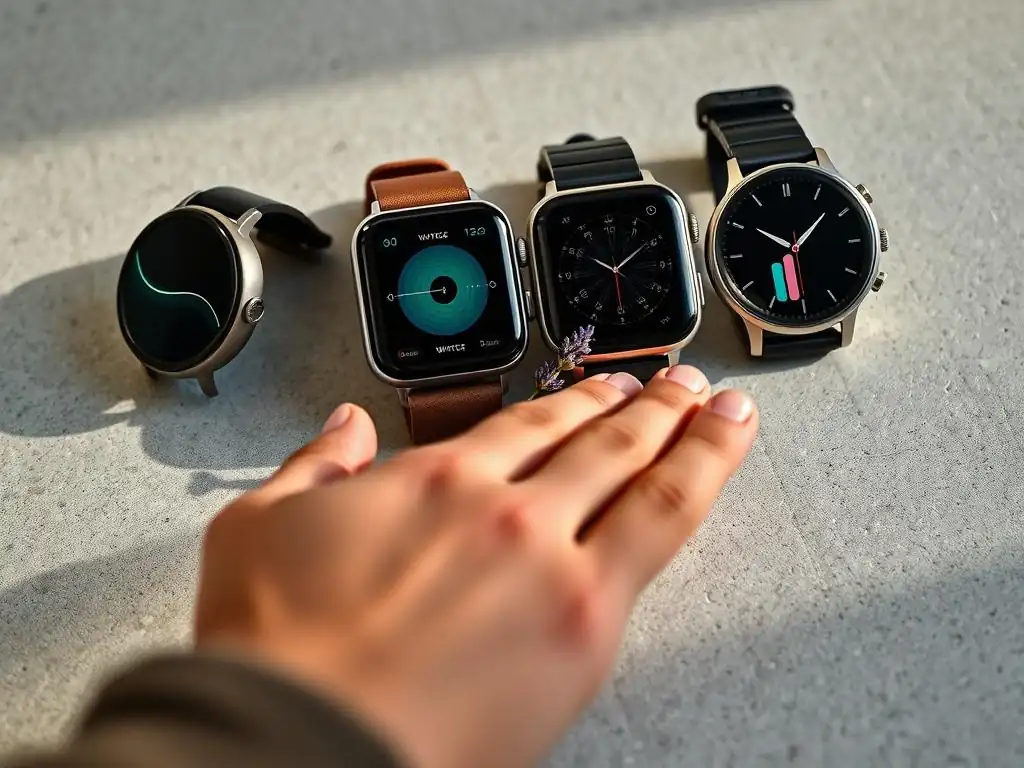
Welcome to Mind Care Guide, where your journey toward mental well-being begins! In an age where stress management is more crucial than ever, our latest article dives deep into the fascinating world of stress tracking wearables. Discover not only how to monitor your stress levels but also the vital aspect of battery life and comfort in these innovative devices.
Are you curious about which wearable might best support your mental health needs while keeping you connected? Join us as we explore the nuances of technology that empowers you to take charge of your well-being. Your path to a calmer mind starts here—read on!
Comparing Battery Life & Comfort in Top Stress Tracking Wearables
- Introduction: Finding the Best Stress Tracking Wearable with Optimal Battery and Comfort
- Why Battery Life Matters for Stress Tracking Wearables
- Prioritizing Comfort: The Key to Consistent Wearable Usage
-
Stress Tracking Wearable Battery Life & Comfort Comparison: Top Models
- Fitbit Sense 2: Battery Life, Comfort, and Stress Tracking Features
- Garmin Vivosmart 5: Long-Lasting Battery and Slim Design for Stress Monitoring
- Apple Watch Series 9 (with mindfulness apps): Balancing Features and Battery Life for Stress Management
- Whoop 4.0: Focus on Recovery and Data with Unique Comfort and Charging
- Maximizing Battery Life on Your Stress Tracking Wearable
- Enhancing Comfort for Long-Term Wearable Use
- Conclusion: Choosing the Right Stress Tracking Wearable Based on Your Needs.
-
Frequently Asked Questions
- How does battery life impact the effectiveness of a stress tracking wearable?
- Why is comfort such a crucial factor when choosing a stress tracking wearable?
- Do stress tracking wearables provide actionable insights, or just raw data?
- What are the key features to look for when comparing the battery life of different stress tracking wearables?
- How can I optimize the battery life of my stress tracking wearable?
- Final Reflection: The Power of Calm in a Connected World
- Unleash Your Inner Zen: Take Control of Your Wellbeing
Introduction: Finding the Best Stress Tracking Wearable with Optimal Battery and Comfort
In today's fast-paced world, managing stress has become a crucial aspect of maintaining overall well-being. Wearable technology offers a promising avenue for monitoring physiological signals related to stress, providing valuable insights into our daily patterns. Devices equipped with advanced sensors can track metrics like heart rate variability (HRV), skin temperature, and electrodermal activity (EDA) to help users identify stressors and understand their body's response.
However, the effectiveness and usability of these tools heavily depend on two critical factors: battery life and comfort. A device that constantly needs charging or feels uncomfortable to wear is unlikely to provide consistent, reliable data or become a seamless part of your routine.
Choosing the right stress tracking wearable involves balancing sophisticated features with practical considerations. While features like advanced stress detection algorithms and detailed reporting are important, they are only beneficial if the device can be worn continuously and hassle-free. This article delves into the significance of a robust stress tracking wearable battery life and ergonomic design, comparing some of the leading models on the market to help you make an informed decision. Understanding how these elements impact your ability to track stress effectively and integrate the technology into your life is key to leveraging wearables for improved mental well-being.
Why Battery Life Matters for Stress Tracking Wearables
Consistent Data Collection: The Link Between Battery Life and Accurate Stress Measurement
Stress tracking wearables rely on continuous or frequent physiological data collection to build a comprehensive picture of your stress levels throughout the day and night. Metrics such as heart rate variability (HRV), resting heart rate, sleep quality, and even skin conductance require the device to be powered on and actively sensing for extended periods.
If your device's battery dies midway through the day or night, you lose crucial data points that contribute to the overall stress assessment. For example, measuring HRV during sleep is often considered vital for understanding recovery and stress resilience, and a short stress tracking wearable battery life can interrupt this critical monitoring period.
Furthermore, algorithms that analyze stress often look for patterns and trends over time, correlating physiological changes with different activities or times of day. A fragmented data stream caused by frequent charging breaks makes it difficult for these algorithms to identify meaningful patterns accurately.
Imagine trying to track your stress response during a particularly busy workday or a challenging week; if your wearable runs out of power repeatedly, the resulting stress score or insights will be incomplete and potentially misleading. A reliable stress tracking wearable battery life ensures that you capture the full spectrum of your body's responses, leading to more accurate and actionable insights into your stress triggers and recovery.
Minimizing Anxiety: The Stress of a Dying Stress Tracker Battery
Ironically, a wearable designed to help you manage stress can become a source of anxiety itself if its battery life is poor. Constantly monitoring the battery level, worrying if it will last through your commute, a workout, or the night, and scrambling to find a charger can add unnecessary mental load.
This defeats the purpose of a device intended to simplify and support your mental well-being journey. Users often report feeling frustrated or stressed when their stress tracking wearable battery life is insufficient to cover their typical usage patterns, leading to a sense of unreliability and disappointment in the technology.
The empathy factor is significant here; people turn to stress trackers for peace of mind and data-driven insights, not added hassle. A wearable with a long-lasting stress tracking wearable battery life allows you to wear it continuously for days on end without thinking about charging, making the stress tracking process seamless and unobtrusive.
This "set it and forget it" convenience is crucial for consistent adherence and getting the most value from the device's stress management features. It removes the friction of constant battery management, allowing you to focus on interpreting the data and implementing stress-reducing strategies instead of worrying about power levels.
Long-Term Usage: Investing in a Wearable with Lasting Battery Performance
When investing in a stress tracking wearable, you're often looking for a tool that will provide insights and support over an extended period. The longevity of a device's battery performance directly impacts its usability and value proposition in the long run. A wearable with a robust stress tracking wearable battery life out of the box is more likely to maintain acceptable performance levels over months and years of use, even as batteries naturally degrade over time. Conversely, a device that starts with only a day or two of battery life may quickly become impractical as its capacity diminishes.
Choosing a wearable known for its excellent stress tracking wearable battery life ensures that it remains a reliable companion for your stress management journey without requiring frequent upgrades solely due to power issues. This not only provides better value for your investment but also supports the development of long-term data trends, which are invaluable for understanding chronic stress patterns and the effectiveness of interventions. A device that you can trust to consistently collect data over weeks and months becomes a more powerful tool for self-discovery and sustained well-being improvements.
Prioritizing Comfort: The Key to Consistent Wearable Usage
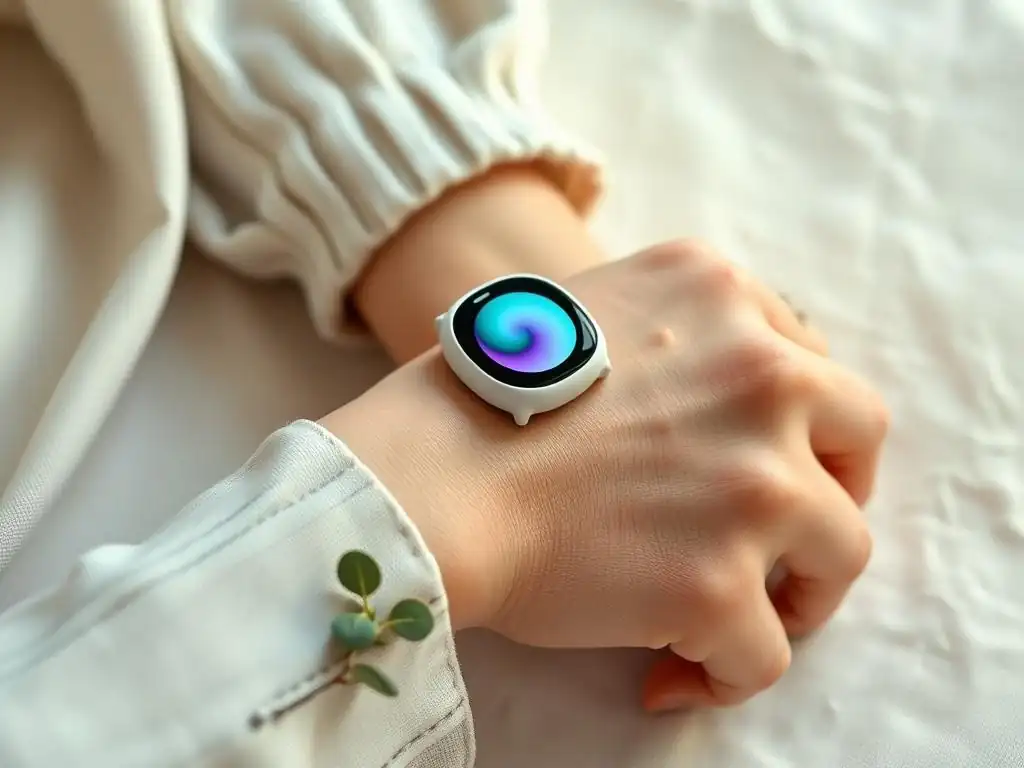
Ergonomics and Wearable Design: How Comfort Impacts Adherence
For a stress tracking wearable to be effective, it needs to be worn as consistently as possible – ideally, day and night. This requires a design that is comfortable enough to be forgotten about during daily activities, exercise, and sleep. Ergonomics play a vital role; the shape, size, weight distribution, and flexibility of the device and its band must conform naturally to the wrist without causing irritation or restricting movement. A bulky, rigid, or poorly fitting device is likely to be taken off frequently, leading to gaps in data collection and hindering the ability to track stress continuously.
Consider the difference between a lightweight, slim tracker with a soft, pliable band and a heavy, large smartwatch with a stiff strap. While both might offer stress tracking features, the former is far more likely to be worn 24/7, providing a complete picture of physiological signals. Consistent wear is paramount because stress responses can occur at any time, and correlating these responses with sleep quality, activity levels, and daily events requires uninterrupted data. A comfortable design ensures that the stress tracking wearable becomes a natural extension of the user, promoting the adherence necessary for meaningful insights.
Skin Sensitivity and Materials: Choosing Hypoallergenic Stress Tracking Wearables
The materials used in the construction of a stress tracking wearable, particularly the band and the sensor housing that touches the skin, are critical for comfort and preventing allergic reactions. Many people have sensitivities to certain materials like nickel (often found in watch backs or clasps), silicone, or specific plastics. Wearing a device made from irritating materials for extended periods, especially during activities that cause sweating, can lead to rashes, itching, and discomfort, forcing the user to remove the device.
Selecting a stress tracking wearable made from hypoallergenic materials like medical-grade silicone, certain types of nylon, or stainless steel can significantly improve comfort and wearability. Manufacturers are increasingly offering alternative band materials to cater to different skin types and preferences. Prioritizing a device with material options that suit your skin sensitivity is essential for maintaining consistent wear and avoiding discomfort that could disrupt your stress tracking efforts. Checking user reviews and manufacturer specifications for material details is a worthwhile step before purchasing.
Weight and Size Considerations: Finding a Discreet and Comfortable Stress Tracker
The physical dimensions and weight of a stress tracking wearable directly impact how noticeable and comfortable it feels on the wrist. A large, heavy device can feel cumbersome during daily tasks, be annoying during sleep, and may not fit comfortably under clothing. This lack of discretion and added bulk can deter users from wearing the device consistently, especially in professional or social settings where they prefer their technology to be less conspicuous.
Conversely, a lightweight and slim stress tracking wearable is easier to wear continuously without noticing it. Devices designed to be worn on the wrist or even the finger (like the Oura Ring, although primarily a sleep and recovery tracker, it also tracks metrics relevant to stress) offer different profiles, but size and weight remain key factors for comfort.
For example, a slim fitness band style tracker might be preferred for sleep tracking over a large smartwatch due to its minimal presence on the wrist. Finding a balance between the desired features and a size/weight that feels comfortable for your specific lifestyle and preferences is crucial for ensuring the device is actually worn long enough to provide valuable stress insights.
Stress Tracking Wearable Battery Life & Comfort Comparison: Top Models
Fitbit Sense 2: Battery Life, Comfort, and Stress Tracking Features
The Fitbit Sense 2 is specifically designed with stress management in mind, featuring continuous electrodermal activity (cEDA) sensing.
-
Battery Life Performance
The Fitbit Sense 2 typically offers a stress tracking wearable battery life of up to 6 days on a single charge with standard usage. This includes continuous heart rate monitoring, sleep tracking, and occasional use of the cEDA sensor for "body response" notifications. Using features like the always-on display or frequent GPS use will significantly reduce this duration, potentially down to 2-3 days. Compared to many smartwatches, its battery life is quite strong, supporting several days of uninterrupted stress monitoring before needing a charge.
-
Comfort Assessment
The Sense 2 features a relatively slim and lightweight design for a device of its capability. It comes with a standard silicone band that is soft and flexible, contributing to overall comfort for all-day and overnight wear. The device sits relatively flat on the wrist. While the silicone band is comfortable for most, some users with sensitive skin may prefer to swap it out for third-party fabric or leather options. Its ergonomic design makes it suitable for continuous wear, including during sleep, which is important for comprehensive stress and recovery tracking.
-
Stress Tracking Capabilities
The Sense 2's primary stress tracking feature is its continuous EDA sensor, which measures small electrical changes in your skin's sweat levels, indicating your body's response to stress. It provides "Body Response" notifications when it detects significant changes, prompting you to reflect on your current state. It also tracks heart rate variability (HRV) and skin temperature variation during sleep, contributing to its daily Stress Management Score. This score combines physiological data with sleep and activity levels to give a holistic view of your stress and recovery.
Garmin Vivosmart 5: Long-Lasting Battery and Slim Design for Stress Monitoring
The Garmin Vivosmart 5 is a slim, screen-based fitness tracker that includes Garmin's Body Battery energy monitoring, a key metric relevant to stress and recovery.
-
Battery Life Performance
The Garmin Vivosmart 5 boasts an impressive stress tracking wearable battery life of up to 7 days in smartwatch mode. This includes continuous heart rate monitoring, pulse ox tracking during sleep (optional, and reduces battery life), and activity tracking. Its power efficiency is a major advantage for users who prioritize long periods between charges. Even with more active usage, it reliably lasts several days, making it excellent for consistent stress tracking without frequent interruptions.
-
Comfort Assessment
As a slim band-style tracker, the Vivosmart 5 is designed for minimal presence on the wrist. It is lightweight and features a soft, flexible silicone band that is comfortable for 24/7 wear, including during sleep. Its narrow profile means it's less likely to catch on clothing or feel bulky. The screen is small but functional, and the overall design prioritizes discretion and comfort, making it an easy device to forget you're wearing, which is ideal for continuous stress monitoring.
-
Stress Tracking Capabilities
The Vivosmart 5 tracks stress levels throughout the day using heart rate variability. It provides a current stress score and offers guided breathing exercises ('Relax Reminders') when high stress is detected. Its standout feature relevant to stress is Body Battery, which estimates your energy reserves based on activity, stress, and rest. High stress depletes Body Battery, while rest and sleep replenish it, providing a tangible way to visualize the impact of stress on your overall energy levels. It also tracks sleep stages and Pulse Ox, contributing to a more complete picture of recovery.
Apple Watch Series 9 (with mindfulness apps): Balancing Features and Battery Life for Stress Management
The Apple Watch Series 9 is a full-featured smartwatch that, while not solely dedicated to stress, offers relevant sensors and integrates with numerous mindfulness and stress-tracking applications.
-
Battery Life Performance
The Apple Watch Series 9 typically offers an "all-day" stress tracking wearable battery life, rated by Apple at up to 18 hours of normal use or up to 36 hours in Low Power Mode. This is significantly less than dedicated fitness trackers like the Fitbit Sense 2 or Garmin Vivosmart 5. Daily charging is usually required, which can interrupt continuous tracking, particularly overnight. Users focused purely on stress tracking might find this limited stress tracking wearable battery life inconvenient compared to multi-day options.
-
Comfort Assessment
The Apple Watch has a familiar, rectangular design and is available in various sizes (41mm and 45mm). While relatively lightweight for a smartwatch, it is bulkier than fitness bands. Comfort is highly dependent on the chosen band; Apple and third-party vendors offer a wide range of materials and styles, from silicone to fabric and metal. Finding a comfortable band, especially for sleep tracking, is key. Its design is generally well-regarded, but its larger size compared to dedicated trackers can make it less comfortable for some during sleep.
-
Stress Tracking Capabilities
The Apple Watch doesn't have a dedicated "stress score" feature built-in like Fitbit or Garmin. However, it tracks heart rate variability (HRV) and resting heart rate, which are key physiological indicators of stress. The Mindfulness app offers guided meditations and reflection prompts. Its strength lies in its extensive ecosystem and the availability of third-party apps (like Athlytic, AutoSleep, or dedicated mindfulness apps) that can analyze the collected physiological data (HRV, heart rate, sleep) to provide stress and recovery insights. This requires the user to actively seek out and utilize these apps.
Whoop 4.0: Focus on Recovery and Data with Unique Comfort and Charging
The Whoop 4.0 is a screenless, strap-based wearable focused intensely on recovery, sleep, and strain, all of which are intimately linked to stress.
-
Battery Life Performance
The Whoop 4.0 provides a battery life of approximately 4-5 days on a single charge. While not the longest on this list, its unique charging mechanism mitigates this. It uses a sliding battery pack that can be attached while the strap is still being worn, allowing for continuous data collection even during charging. This innovative approach means you never have to take the device off to power it up, effectively providing continuous stress tracking wearable battery life in practice, despite the relatively shorter charge cycle.
-
Comfort Assessment
The Whoop 4.0 is a small, lightweight sensor attached to a soft, flexible fabric strap. It can be worn on the wrist, bicep, or even other body locations using specific apparel. This versatility and the comfortable fabric material make it highly adaptable and less intrusive than many watch-style devices. Its screenless design contributes to its low profile and comfort, especially during sleep. Many users find the fabric band more comfortable for 24/7 wear than traditional silicone or metal watch bands.
-
Stress Tracking Capabilities
Whoop doesn't provide a real-time "stress score" in the same way as some competitors. Instead, its entire platform focuses on understanding your body's physiological state, which includes significant indicators of stress and recovery. It tracks HRV, resting heart rate, respiratory rate, and skin temperature during sleep, feeding these into its Recovery score.
High strain (from exercise or stress) and poor sleep negatively impact recovery. By tracking your daily Strain, Sleep, and Recovery, Whoop provides a comprehensive picture of how your body is handling load (including stress) and how well it's recovering, offering deep insights into your stress resilience and the impact of stressors.
Maximizing Battery Life on Your Stress Tracking Wearable
Optimizing Settings: Adjusting Display Brightness, Notifications, and Heart Rate Monitoring Frequency
Many features on stress tracking wearables, while useful, consume significant battery power. Adjusting these settings can dramatically extend your stress tracking wearable battery life. For instance, reducing screen brightness or setting the display to only turn on when you raise your wrist (instead of always-on) can save substantial power. Disabling non-essential notifications from your phone can also help, as each notification requires the device to wake up and display information.
Additionally, some wearables allow you to adjust the frequency of heart rate monitoring. While continuous monitoring is ideal for comprehensive stress tracking, if your device offers options like sampling every few minutes instead of every second, this could extend battery life in situations where real-time precision isn't critical. Reviewing your device's settings menu and selectively disabling features you don't use or adjusting their frequency is a practical step to optimize your stress tracking wearable battery life without necessarily compromising core stress tracking functionality.
Using Power Saving Modes: When and How to Activate Battery-Saving Features
Most modern stress tracking wearables include power-saving modes designed to conserve battery when you're running low or want to maximize usage between charges. These modes typically disable certain features, such as GPS, continuous background syncing, or always-on displays, while still allowing core functions like basic activity tracking and potentially, depending on the device, some level of physiological monitoring necessary for stress insights (like periodic heart rate checks).
Knowing when and how to activate these modes is key. If you're heading out for an overnight trip and forgot your charger, enabling power saving can ensure your device lasts until you return.
Similarly, if your stress tracking wearable battery life is consistently falling short of your needs, using a power-saving mode during periods when you don't need full functionality (e.g., during sleep if sleep tracking features are not affected, or during a long workday) can help bridge the gap. Consult your device's manual to understand what features are disabled in power-saving mode and how to toggle it on and off.
Charging Habits: Tips for Maintaining Battery Health and Longevity
Proper charging habits can help maintain the overall health and longevity of your stress tracking wearable battery life over time. While it might seem convenient to let the battery drain completely before recharging, lithium-ion batteries, commonly used in these devices, generally benefit from being kept within a certain charge range (e.g., between 20% and 80%). Avoiding frequent full drains and charges from 0% to 100% can reduce stress on the battery.
- [ ] Avoid letting the battery drain to 0% regularly.
- [ ] Aim to charge when the battery is between 20% and 30%.
- [ ] Unplug the device once it reaches around 80% charge, if possible.
- [ ] Avoid exposing the device to extreme temperatures while charging.
- [ ] Use the original or a certified charger recommended by the manufacturer.
Short, frequent charges are often better for battery health than long, deep cycles. Establishing a routine, like charging while you shower or prepare breakfast, can help keep the battery topped up without needing extended downtime. This approach helps preserve the long-term stress tracking wearable battery life capacity, ensuring your device remains a reliable tool for stress monitoring for as long as possible.
Enhancing Comfort for Long-Term Wearable Use
Choosing the Right Band: Selecting a Comfortable and Breathable Material
The band is arguably the most critical component affecting the comfort of a stress tracking wearable, as it's in constant contact with your skin. Standard silicone bands are durable and water-resistant, making them practical for exercise and daily wear, but they can sometimes cause irritation or feel sweaty for some users, especially in humid conditions or during sleep. Exploring alternative band materials can significantly enhance comfort and promote consistent wear.
Many manufacturers and third-party vendors offer bands made from woven nylon, fabric, leather, or specialized hypoallergenic silicones. Fabric bands are often more breathable and lighter, making them excellent for sensitive skin and sleep tracking. Leather bands can be comfortable for daily wear but are typically not suitable for intense exercise or swimming. Consider your lifestyle, activity level, and skin sensitivity when choosing a band material. Investing in a high-quality, comfortable band that suits your needs can make a significant difference in how consistently you wear your stress tracking wearable.
Adjusting the Fit: Finding the Optimal Tightness for Accurate Tracking and Comfort
The fit of your stress tracking wearable is a delicate balance between being secure enough for accurate sensor readings (like heart rate and EDA) and being loose enough to be comfortable and allow your skin to breathe. If the band is too tight, it can restrict circulation, cause indentations on the skin, and become very uncomfortable, especially during sleep or swelling due to heat or activity. If it's too loose, the sensors may lose contact with your skin, leading to inaccurate data or missed readings.
The optimal fit is usually snug but not constricting. You should be able to slide a finger comfortably between the band and your wrist. For activities like exercise, you might need to tighten it slightly to prevent movement that could affect heart rate accuracy. For sleep, some prefer a slightly looser fit for maximum comfort. Experiment with different notch settings on the band to find the sweet spot that provides both reliable data collection for stress tracking and allows for comfortable, continuous wear throughout the day and night.
Cleaning and Maintenance: Preventing Skin Irritation and Maintaining Hygiene
Regular cleaning of your stress tracking wearable and its band is essential for hygiene and preventing skin irritation, which directly impacts comfort. Sweat, dirt, lotions, and dead skin cells can accumulate under the band and on the sensor area, creating a breeding ground for bacteria and potentially causing rashes or discomfort. This is particularly important for devices worn 24/7 to capture comprehensive stress data.
Follow the manufacturer's recommendations for cleaning. Typically, this involves rinsing the device and band with fresh water after exercise or exposure to sweat or soap, and occasionally cleaning it more thoroughly with a mild soap and water. Ensure the device is completely dry before putting it back on. Allowing your wrist and the device to air out periodically, perhaps while showering or charging (if using a traditional charging method), can also help. Proper cleaning and maintenance not only keep your device looking good but, more importantly, ensure it remains comfortable and hygienic for continuous wear, supporting consistent stress tracking.
Conclusion: Choosing the Right Stress Tracking Wearable Based on Your Needs.
Selecting the ideal stress tracking wearable involves a thoughtful evaluation of its features, but critically, also its practical aspects like battery life and comfort. A device might boast cutting-edge stress detection algorithms, but if its stress tracking wearable battery life requires daily charging that interrupts overnight tracking, or if its design causes skin irritation, its utility as a consistent stress management tool is significantly diminished. The ability to wear the device continuously, day and night, is paramount for collecting the comprehensive data needed for accurate stress insights and understanding your body's responses over time.
As we've seen, devices like the Fitbit Sense 2 and Garmin Vivosmart 5 offer multi-day stress tracking wearable battery life and designs focused on comfort, making them strong contenders for those prioritizing uninterrupted data collection. The Apple Watch, while feature-rich and capable via third-party apps, demands daily charging, which is a key consideration. The Whoop 4.0 offers a unique charging solution to ensure continuous wear despite a shorter charge cycle, alongside a highly comfortable, versatile strap design.
Ultimately, the best stress tracking wearable battery life and comfort profile for you depends on your lifestyle, skin sensitivity, tolerance for charging frequency, and how seamlessly you need the device to integrate into your daily and nightly routine. By carefully considering these factors alongside the specific stress tracking capabilities, you can choose a wearable that truly supports your journey towards better mental well-being.
Frequently Asked Questions
How does battery life impact the effectiveness of a stress tracking wearable?
Shorter battery life necessitates more frequent charging, which can interrupt continuous stress monitoring. This leads to gaps in data and potentially missed stress events, reducing the overall accuracy and usefulness of the device.
Why is comfort such a crucial factor when choosing a stress tracking wearable?
Comfort directly affects adherence. An uncomfortable wearable is less likely to be worn consistently, negating its ability to provide long-term stress data. Poor comfort can also introduce additional stress!
Do stress tracking wearables provide actionable insights, or just raw data?
The best wearables offer actionable insights based on the tracked data. This goes beyond simply showing stress levels and may include personalized tips for stress reduction techniques and lifestyle adjustments.
What are the key features to look for when comparing the battery life of different stress tracking wearables?
Consider the advertised battery life and read user reviews to gauge real-world performance. Also, factor in the types of features used, as constant heart rate monitoring and advanced features can drain the battery faster.
How can I optimize the battery life of my stress tracking wearable?
Disable unnecessary features like continuous GPS tracking if you don't need them. Reduce the screen brightness and minimize the frequency of syncing the device with your phone or computer.
Final Reflection: The Power of Calm in a Connected World
The quest for stress management in our hyper-connected world is driving a surge in wearable technology, and battery life remains a critical factor in its effectiveness. A device promising relaxation shouldn't be a constant source of anxiety about its own power! Our exploration of top stress-tracking wearables highlights the crucial interplay between technological advancement and the very human need for peace of mind.
The impact of these devices extends beyond simple data collection; they represent a cultural shift towards prioritizing mental wellbeing. We are increasingly recognizing the importance of self-care, and these wearables offer a tangible tool for self-monitoring and self-improvement. The greatest wealth is health.
This ancient proverb rings truer than ever in our modern, often stressful lives, and these devices are helping us quantify and manage our path towards it. The ongoing development of longer-lasting batteries and more comfortable designs will only amplify this trend, making self-care more accessible and less burdensome.
Consider your own relationship with technology. Are you using your devices to enhance your wellbeing, or are they adding to your stress? Take a moment to reflect on how you can leverage the insights from this article to make conscious choices about the technology you incorporate into your daily life. Choose devices that support your journey towards a calmer, more balanced existence, and remember that true wellness is not just about the data, but about the mindful integration of technology into a life rich in purpose and peace.
Unleash Your Inner Zen: Take Control of Your Wellbeing
Thanks for exploring the world of stress-tracking wearables with us! We hope you've gained valuable insights into choosing the right device for your needs. Now it's time to put that knowledge into action.
- Prioritize your well-being: Take the quiz on our homepage to discover which wearable best matches your lifestyle and stress management goals. This will help you make an informed decision based on your individual needs.
- Share your experience: Tell us which features are most important to you in a stress-tracking wearable! Join the conversation in the comments below and share your insights with other readers.
- Explore mindful practices: Beyond technology, consider exploring complementary mindfulness techniques like meditation or yoga to further enhance your stress management journey.
Ready to find the perfect wearable and embark on your path to greater wellbeing? What's the first step you'll take to prioritize your mental health today?