
Unlock Calm: Simple Ways to Integrate Mindfulness Daily

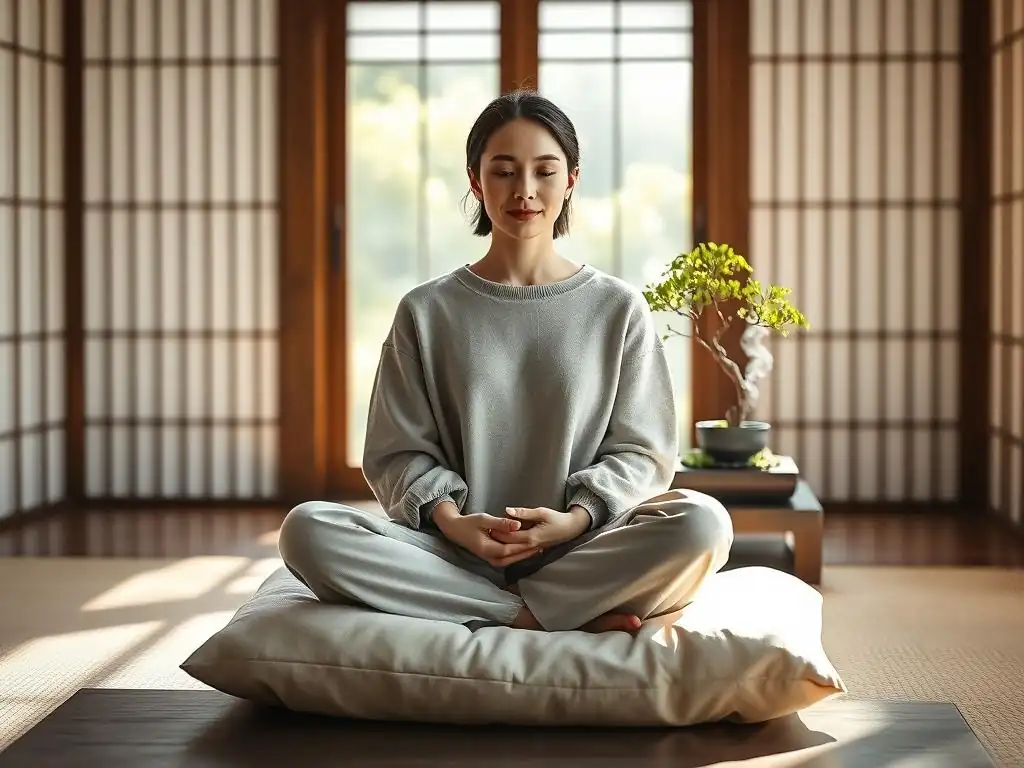
Welcome to Mind Care Guide, a sanctuary for your mental well-being.
Feeling overwhelmed by the daily grind? You're not alone. We understand the constant pressure, and we're here to help you find moments of peace. This article delves into the transformative power of mindfulness, offering simple, practical ways to cultivate "Mindfulness for daily calm". Discover how even a few minutes a day can significantly reduce stress and improve your overall mental state. Curious to learn how? Let's begin your journey towards a calmer, more centered you...
Unlock Calm: Simple Ways to Integrate Mindfulness Daily
- Introduction to Mindfulness for Daily Calm
- Practical Techniques for Integrating Mindfulness into Your Daily Routine
- Overcoming Challenges in Your Mindfulness Journey
- The Long-Term Effects of Daily Mindfulness Practice
- Resources for Continued Mindfulness Learning
- Conclusion: Embrace Mindfulness for a Calmer Life
-
Frequently Asked Questions
- How can I easily incorporate mindfulness into my busy day?
- What are the main benefits of practicing mindfulness regularly?
- Is mindfulness the same as meditation, and do I need to meditate to be mindful?
- What if I find it difficult to clear my mind during mindfulness exercises?
- Where can I find resources to learn more about mindfulness for daily calm?
- Final Reflection: Cultivating Inner Peace in a Frantic World
- Unveil Your Inner Peace: Start Your Mindfulness Journey Today!
Introduction to Mindfulness for Daily Calm
What is Mindfulness and Why is it Important?
Mindfulness is essentially the practice of paying attention to the present moment without judgment. It involves being fully aware of what is happening right now – your thoughts, feelings, bodily sensations, and the environment around you – simply observing them as they are, without getting caught up in analyzing, criticizing, or trying to change them.
This simple yet profound practice shifts your focus away from dwelling on the past or worrying about the future, grounding you in the here and now. It's not about emptying your mind, but rather about learning to relate to your thoughts and feelings in a new way, recognizing them as temporary mental events rather than absolute truths.
The importance of mindfulness lies in its ability to cultivate a greater sense of awareness and acceptance in our often chaotic lives. In a world filled with constant distractions and demands, our minds frequently race, leading to stress, anxiety, and disconnection. Practicing mindfulness for daily calm helps to interrupt this cycle, offering moments of peace and clarity. It empowers you to respond to challenges with more presence and less reactivity, improving your emotional resilience and overall well-being. By regularly bringing mindful attention to your experiences, you can navigate life's ups and downs with a more grounded and centered perspective.
The Benefits of Practicing Mindfulness Regularly
Consistent mindfulness practice offers a wealth of benefits that extend across mental, emotional, and even physical health. One of the most widely recognized advantages is stress reduction. Studies, such as those involving participants in mindfulness-based stress reduction (MBSR) programs, have shown significant decreases in reported stress levels, sometimes by as much as 30% or more after just a few weeks of regular practice. This isn't merely about feeling less stressed; it translates into tangible physiological changes, like lowered cortisol levels, the body's primary stress hormone.
Beyond stress, integrating mindfulness daily can lead to improved emotional regulation. By becoming more aware of your feelings without immediate judgment, you gain the capacity to choose how to respond to difficult emotions rather than being overwhelmed by them. Research indicates that individuals who practice mindfulness tend to experience fewer negative emotions and a greater capacity for positive ones.
Furthermore, daily mindfulness has been linked to enhanced focus and attention span, better sleep quality, and even improvements in symptoms associated with conditions like anxiety and depression. It's a practice that nourishes the mind, paving the way for greater inner peace and resilience.
Practical Techniques for Integrating Mindfulness into Your Daily Routine
Mindfulness Meditation for Beginners: A Simple Guide
Mindfulness meditation is a foundational practice for cultivating mindfulness for daily calm. It doesn't require special equipment or a perfect environment, just a willingness to sit and pay attention. To begin, find a quiet space where you won't be disturbed for a few minutes. This could be a chair in your living room, a cushion on the floor, or even a quiet corner in your office. The key is to choose a place where you feel relatively comfortable and safe to simply be.
Once settled, adopt a comfortable posture, whether sitting or lying down. The aim is to be alert but relaxed. Gently close your eyes or soften your gaze towards the floor. The core practice involves focusing your attention on your breath. Notice the physical sensations of breathing – the rise and fall of your abdomen or chest, the air entering and leaving your nostrils.
There's no need to control your breath, just observe it as it naturally is. Thoughts will inevitably arise; this is normal. When you notice your mind wandering, gently acknowledge the thought without judgment and guide your attention back to your breath. This act of returning is the practice itself. Start with just 5-10 minutes a day and gradually increase the duration as you feel comfortable.
Finding a Quiet Space for Meditation
Finding a consistent quiet space is crucial for establishing a regular mindfulness meditation practice. While it might seem challenging in a busy household or workplace, even small, dedicated areas can suffice. Consider using a bedroom corner, a balcony, or even a parked car during a lunch break. The space doesn't need to be completely silent, but it should be somewhere you feel less likely to be interrupted and can minimize external stimuli.
Once you've identified a potential space, try using it consistently at a similar time each day. This helps build a routine and signals to your mind that it's time to transition into a state of calm focus. Even if the space isn't perfectly quiet, learning to practice mindfulness with sounds is a valuable skill. The goal isn't to block out the world, but to practice being present within it. Making this space your dedicated spot for mindfulness for daily calm can reinforce your commitment to the practice.
Focusing on Your Breath: The Core of Mindfulness
The breath serves as an anchor in mindfulness meditation, a constant point of reference that is always available to bring you back to the present moment. The practice involves simply observing the natural rhythm of your breathing – the inhale, the slight pause, the exhale, and the pause before the next inhale. Pay attention to the subtle physical sensations: the coolness of the air entering, the warmth as it leaves, the expansion and contraction of your body.
It's important not to judge how you are breathing or try to force it into a particular pattern (unless practicing a specific breathing technique). The intention is gentle awareness. When your mind inevitably drifts off into thoughts, memories, or plans, simply notice that it has wandered, and with kindness, guide your attention back to the sensations of your breath. This gentle redirection is the fundamental movement of mindfulness practice and strengthens your ability to stay present throughout your day.
Guided Mindfulness Meditations: Resources and Apps
For beginners and experienced practitioners alike, guided mindfulness meditations can be incredibly helpful. These are audio or video sessions led by an instructor who guides you through the practice, often providing prompts to focus on the breath, bodily sensations, or sounds. This can make it easier to stay present and less likely to get lost in thoughts, especially when you are just starting out or feeling particularly restless.
Numerous resources offer guided meditations. While specific names are outside these instructions, widely available platforms and applications provide extensive libraries of guided sessions varying in length, focus (e.g., stress reduction, sleep, self-compassion), and style. Many public libraries also offer access to digital resources with mindfulness content. Exploring these options allows you to find voices and styles that resonate with you, making the journey toward integrating mindfulness for daily calm more accessible and enjoyable.
Mindful Breathing Exercises for Stress Reduction
Beyond formal meditation, specific mindful breathing techniques can be powerful tools for instant stress reduction and cultivating mindfulness for daily calm throughout the day. These exercises leverage the direct connection between breath and the nervous system, helping to calm the fight-or-flight response. They can be done anywhere, anytime – at your desk, in traffic, or before a challenging conversation.
One popular and effective technique is the 4-7-8 breathing method. This involves inhaling quietly through your nose for a count of four, holding your breath for a count of seven, and exhaling completely through your mouth for a count of eight, making a gentle whooshing sound. Repeat this cycle for four breaths. This technique, sometimes referred to as a natural tranquilizer, helps slow down your heart rate and promote relaxation. Another useful technique is Box Breathing, which we'll explore further. Integrating these simple breathing exercises can provide immediate moments of calm amidst daily pressures.
The 4-7-8 Breathing Technique
The 4-7-8 breathing technique, popularized by Dr. Andrew Weil, is a simple yet potent tool for quickly calming the nervous system. The process is as follows: find a comfortable seated position with your back straight. Place the tip of your tongue against the ridge of tissue just behind your upper front teeth and keep it there throughout the exercise. Exhale completely through your mouth, making a distinct "whoosh" sound.
Then, close your mouth and inhale quietly through your nose to a mental count of four. Hold your breath for a count of seven. Finally, exhale completely through your mouth, making the "whoosh" sound again, to a count of eight.
This completes one cycle. It's recommended to practice this pattern for four breaths initially. As you become more comfortable, you can gradually increase to eight breaths. The specific timing is less important than the ratio (4:7:8), and the goal is to feel comfortable, not strained. Practicing this technique regularly, perhaps a couple of times a day, can significantly enhance your capacity for mindfulness for daily calm, providing a reliable method to reduce anxiety and promote relaxation when needed.
Box Breathing for Anxiety Relief
Box breathing, also known as square breathing, is another highly effective technique for managing anxiety and promoting a state of calm awareness. It's often used by athletes and first responders to regulate their nervous system under pressure. The technique involves visualizing a box and matching your breath to its four equal sides.
Here's how it works: sit comfortably and exhale completely, pushing out all the air from your lungs. Then, inhale slowly through your nose for a count of four. Hold your breath at the top of the inhale for a count of four. Exhale slowly through your mouth for a count of four.
Hold your breath at the bottom of the exhale for a count of four. Repeat this cycle for several minutes. The equal timing of each phase helps to regulate breathing and calm the mind, making it an excellent tool for integrating mindfulness for daily calm, especially during moments of heightened stress or anxiety.
Mindful Walking: Connecting with Your Body and Environment
Mindful walking transforms a simple act into a moving meditation, offering a way to cultivate mindfulness for daily calm while engaging with the world. Instead of rushing from point A to point B or letting your mind wander endlessly, mindful walking invites you to bring your full attention to the experience of walking itself. This practice can be done anywhere – in a park, down a street, or even just walking across a room.
The core of mindful walking is paying deliberate attention to the physical sensations of moving your body and the sensory input from your surroundings. This includes noticing the feeling of your feet touching the ground, the movement of your legs, the sway of your arms, and the rhythm of your breath. It also involves gently opening your awareness to the sights, sounds, and smells around you, observing them without getting lost in thought or judgment. This active form of mindfulness helps ground you in the present moment and can be particularly refreshing after periods of sedentary work.
Paying Attention to Sensations While Walking
During mindful walking, shift your focus from your destination to the journey itself, specifically the physical sensations involved in walking. Begin by noticing the feeling of your feet making contact with the ground – the heel striking, the roll through the arch, the push-off from the toes. Pay attention to the subtle shifts in weight from one foot to the other.
Expand your awareness to include the movement of your legs, your hips, and the gentle swing of your arms. Notice the rhythm of your steps and how it relates to your breath. Are you walking quickly or slowly? Is your body tense or relaxed? Simply observe these sensations without trying to change them. This detailed attention to the physical experience of walking helps anchor your mind in the present moment, making it a powerful way to practice mindfulness for daily calm.
Transforming Your Commute into a Mindful Practice
Your daily commute, often a source of stress and frustration, can be transformed into an opportunity for cultivating mindfulness. Whether you walk, bike, drive, or take public transport, you can integrate moments of mindful awareness. If walking or biking, apply the principles of mindful walking, paying attention to your body's movement and the environment.
If driving, focus on the physical sensations of holding the steering wheel, the pressure of the pedals, and the feeling of the seat beneath you. Pay attention to the sounds of the engine and the road, and visually observe the traffic and surroundings without judgment. If using public transport, notice the feeling of sitting or standing, the gentle motion of the vehicle, and the sounds around you.
Instead of immediately reaching for your phone, dedicate a portion of your commute to simply being present. Even a few minutes of mindful commuting can significantly contribute to a sense of mindfulness for daily calm before starting your day or winding down in the evening.
Mindful Eating: Savoring Each Bite

Mindful eating is a practice that brings awareness to the entire experience of consuming food, from preparation to digestion. In our fast-paced lives, meals are often rushed, eaten in front of screens, or consumed without much thought, leading to poor digestion and a disconnection from our bodies' hunger and fullness signals. Mindful eating encourages you to slow down, pay attention to your food, and truly savor the experience.
This practice involves engaging all your senses: observing the colors and shapes of your food, noticing its aroma, paying attention to the textures and temperatures, and really tasting the flavors. It also includes becoming aware of your body's hunger and fullness cues, learning to start eating when you're truly hungry and stop when you are satisfied, rather than overly full. Integrating mindful eating into even one meal a day can deepen your appreciation for food and enhance your overall sense of mindfulness for daily calm.
Eliminating Distractions During Meals
A key step in practicing mindful eating is consciously removing distractions during meal times. This means turning off the television, putting away your phone, closing your laptop, and ideally, not reading or working while you eat. Creating a dedicated space and time for eating allows you to fully engage with the sensory experience of your meal and your body's signals.
Eating in silence or with quiet conversation focused on the meal can significantly enhance your ability to be present. When distractions are removed, your attention is free to focus on the food itself and your internal experience of eating. This not only makes the meal more enjoyable but also helps you become more attuned to your body's needs, contributing to healthier eating habits and a greater sense of mindfulness for daily calm around food.
Focusing on Taste, Texture, and Smell
Once distractions are minimized, the practice of mindful eating shifts to engaging your senses. Before taking the first bite, take a moment to look at your food. Notice its colors, shapes, and arrangement on the plate. Inhale its aroma – what scents do you detect?
As you eat, pay deliberate attention to the taste of each mouthful. Notice the different flavors – sweet, salty, bitter, sour, umami – and how they evolve as you chew. Explore the textures – is it crunchy, soft, smooth, chewy? Chew slowly and thoroughly, noticing how the food changes in your mouth. Pay attention to the temperature. By focusing on these sensory details, you slow down the eating process, enhance your enjoyment of the meal, and cultivate a deeper connection to the present moment, reinforcing your capacity for mindfulness for daily calm.
Mindfulness in Everyday Activities: Finding Calm in the Mundane
Mindfulness isn't limited to formal meditation or specific exercises; it can be woven into the fabric of your everyday life, transforming routine tasks into opportunities for presence and peace. The seemingly mundane activities that fill our days – washing dishes, brushing teeth, taking a shower, waiting in line – can become moments to practice bringing your full attention to what you are doing right now.
By intentionally bringing awareness to these ordinary moments, you train your mind to be present throughout the day, rather than just during dedicated practice times. This continuous cultivation of awareness helps to reduce the tendency for the mind to constantly race or worry, fostering a pervasive sense of mindfulness for daily calm. It demonstrates that mindfulness is not an escape from life, but a way to fully engage with it, finding pockets of peace and presence even in the most routine activities.
Mindful Dishwashing: Transforming a Chore into a Meditation
Dishwashing, often viewed as a tedious chore, can be a surprisingly effective mindfulness practice. Instead of rushing through it or letting your mind replay the day's events, bring your full attention to the task at hand. Begin by noticing the temperature of the water as you turn on the tap. Feel the warmth or coolness on your hands.
Pay attention to the sensations of the soap – its scent, the bubbles it creates, the slippery feel. Notice the texture of the dishes, the sound of water running, the clinking of plates. Feel the movement of your hands and arms as you wash, rinse, and stack. When your mind wanders (as it inevitably will), gently guide it back to the sensory experience of washing the dishes. This simple act of mindful dishwashing can transform a chore into a grounding experience, cultivating mindfulness for daily calm in an unexpected place.
Mindful Listening: Improving Communication and Connection
Mindful listening is the practice of paying full, non-judgmental attention to another person when they are speaking. In conversations, we often listen with an agenda – formulating our response, interrupting, or letting our minds drift. Mindful listening requires putting aside our own thoughts and truly focusing on understanding the speaker's words, tone, and body language.
When practicing mindful listening, make eye contact (if culturally appropriate and comfortable), nod occasionally to show you are engaged, and resist the urge to interrupt or formulate your reply while the other person is still speaking. Listen with curiosity and empathy, aiming to fully grasp their perspective. Notice your own reactions – any judgments, assumptions, or impatience – and simply observe them without acting on them. This practice not only deepens your connection with others but also trains your mind to remain present and focused, enhancing your overall capacity for mindfulness for daily calm in social interactions.
Overcoming Challenges in Your Mindfulness Journey
Embarking on a journey to integrate mindfulness for daily calm is a rewarding path, but it's also one that comes with its own set of challenges. It's crucial to approach these obstacles with patience and self-compassion, recognizing that they are a normal part of the process. Many people encounter difficulties such as a restless mind during meditation, inconsistency in practice, or feelings of frustration when expectations aren't met.
Understanding that mindfulness is a practice, not a destination, is key. There will be days when it feels effortless and days when it feels impossible. The goal is not perfection, but rather consistent effort and a gentle return to the present moment whenever you notice your attention has wandered. Addressing common challenges head-on with practical strategies and a kind attitude towards yourself can significantly support your long-term commitment to cultivating mindfulness for daily calm.
Dealing with Distractions During Meditation
Distraction is perhaps the most common challenge faced during mindfulness meditation, and it's important to understand that a wandering mind is not a sign of failure; it's simply what minds do. The practice of mindfulness isn't about stopping thoughts, but about noticing when your attention has drifted and gently bringing it back.
When you notice your mind is distracted – perhaps planning, worrying, or replaying events – acknowledge the thought or feeling without judgment. You might mentally label it ("thinking," "planning," "worrying") and then, as gently as possible, guide your attention back to your chosen anchor, typically the breath. Think of it like training a puppy; it will wander off, and you patiently bring it back, over and over.
The strength comes from this repeated act of returning. Embracing distractions as part of the practice rather than obstacles can shift your perspective and make dealing with them less frustrating, supporting your pursuit of mindfulness for daily calm.
Staying Consistent with Your Mindfulness Practice
Consistency is often cited as the most challenging aspect of establishing any new habit, and integrating mindfulness for daily calm is no exception. Life gets busy, motivation wanes, and it's easy to let practice slide. Finding ways to build mindfulness into your existing routine is essential.
Start small. Even 5 minutes of dedicated practice a day is more beneficial than sporadic longer sessions. Try pairing your mindfulness practice with an activity you already do, like brushing your teeth (mindful brushing) or drinking your morning coffee (mindful sipping). Schedule your practice time like you would an important appointment.
Don't wait until you "feel like it"; show up for yourself regardless. Tracking your practice, perhaps with a simple journal or an app, can also provide motivation and a visual reminder of your progress. Remember that missing a day or two is not a failure; simply begin again with kindness.
Cultivating Self-Compassion and Patience
Mindfulness practice inevitably brings you face-to-face with your own internal landscape, including difficult emotions, self-criticism, and impatience with the process or yourself. Cultivating self-compassion is vital for a sustainable mindfulness journey. Self-compassion involves treating yourself with the same kindness, understanding, and acceptance you would offer a friend who is struggling.
When you notice self-critical thoughts or feel frustrated with your practice, pause and acknowledge these feelings without judgment. Remind yourself that it's okay to struggle, that mindfulness is challenging, and that you are doing your best. Place a hand on your heart or offer yourself a comforting phrase like "This is difficult, and it's okay." Patience is also key.
The benefits of mindfulness for daily calm unfold gradually over time. Don't expect immediate transformation. Celebrate small victories and appreciate the effort you are making, regardless of the perceived outcome. This kind and patient approach fosters resilience and makes the practice a nurturing rather than a demanding experience.
The Long-Term Effects of Daily Mindfulness Practice

Committing to daily mindfulness practice isn't just about finding calm in the moment; it's an investment in your long-term well-being. The cumulative effect of consistently bringing awareness to the present moment can lead to profound and lasting changes in how you experience life. These benefits are supported by a growing body of scientific research demonstrating the positive impact of mindfulness on brain function and overall health.
Over time, regular mindfulness practice can literally change your brain structure, a phenomenon known as neuroplasticity. Studies using fMRI scans have shown increases in gray matter density in areas associated with learning, memory, emotion regulation, and empathy (like the hippocampus and prefrontal cortex), while areas related to fear and stress (like the amygdala) may show decreased activity or size. These changes contribute to improved mental health, enhanced cognitive abilities, and a greater capacity to navigate challenges with resilience, solidifying the role of mindfulness for daily calm in creating a more fulfilling life.
Improved Mental Well-being and Emotional Regulation
One of the most significant long-term effects of daily mindfulness is a marked improvement in mental well-being. By regularly observing your thoughts and emotions without judgment, you develop a greater capacity to recognize patterns of thinking and feeling. This awareness creates space between an emotion arising and your reaction to it, allowing you to respond more skillfully rather than being swept away.
Research consistently shows that regular mindfulness practice is associated with reduced symptoms of anxiety and depression. For example, a meta-analysis of over 200 studies found that mindfulness-based interventions were effective in reducing symptoms of these conditions, with effects comparable to other evidence-based treatments. By fostering a sense of acceptance and non-reactivity, mindfulness helps individuals navigate difficult emotional landscapes with greater ease and resilience, contributing significantly to lasting mindfulness for daily calm.
Enhanced Focus and Concentration
In an age of constant digital distraction, the ability to focus and concentrate is becoming increasingly valuable. Daily mindfulness practice acts like a workout for your attention muscles. Each time you notice your mind has wandered during meditation or a mindful activity and gently guide it back, you are strengthening your capacity to sustain focus.
Over time, this training translates into improved concentration in other areas of your life, whether it's work, study, or even engaging in conversations. Studies have shown that individuals who regularly practice mindfulness perform better on tasks requiring sustained attention and cognitive flexibility. This enhanced focus allows you to be more productive, learn more effectively, and feel more present and engaged in whatever you are doing, reinforcing the benefits of mindfulness for daily calm in cognitive function.
Reduced Stress and Anxiety Levels
While mindfulness offers immediate stress reduction benefits, its long-term impact on chronic stress and anxiety is particularly powerful. Regular practice helps to regulate the body's stress response system. By becoming more aware of the early signs of stress in your body and mind, you can intervene sooner and apply calming techniques like mindful breathing before stress escalates.
Furthermore, mindfulness helps change your relationship with stressful thoughts. Instead of getting caught in cycles of worry, you learn to observe these thoughts as temporary mental events. Longitudinal studies have demonstrated that consistent mindfulness practice can lead to sustained reductions in perceived stress and anxiety levels over months and even years. This enduring reduction in stress contributes significantly to overall health and well-being, making daily mindfulness a cornerstone for cultivating sustainable mindfulness for daily calm.
Resources for Continued Mindfulness Learning
Embarking on the path of mindfulness is a continuous journey of learning and exploration. While this article provides a starting point, there are numerous resources available to deepen your understanding and practice. Engaging with these resources can provide structure, guidance, and inspiration as you continue to integrate mindfulness for daily calm into your life.
Whether you prefer reading, listening, or experiential learning, there are options to suit different preferences and levels of experience. Exploring various resources allows you to find what resonates most with you and can help you navigate challenges and deepen your practice over time.
Books on Mindfulness and Meditation
Books offer a foundational understanding of the principles and practices of mindfulness. Many influential authors have written extensively on the subject, providing both theoretical background and practical guidance. These texts often share insights into the philosophy behind mindfulness, explain the scientific basis for its benefits, and offer detailed instructions for various meditation techniques.
Reading different perspectives can broaden your understanding and provide new insights into your own practice. Look for books that offer clear, accessible explanations and practical exercises you can incorporate immediately. While specific titles cannot be listed here, exploring works by well-known mindfulness teachers can be a valuable step in deepening your knowledge and supporting your journey towards mindfulness for daily calm.
Online Mindfulness Courses and Workshops
For structured learning and guided practice, online mindfulness courses and workshops are excellent resources. These programs often provide a progressive curriculum, starting with basic concepts and gradually introducing more advanced techniques. They frequently include guided meditations, video lectures, readings, and exercises to help you integrate mindfulness into your daily life.
Online formats offer flexibility, allowing you to learn at your own pace and from anywhere. Many courses are led by experienced mindfulness instructors and provide a sense of community through forums or group sessions. Participating in a structured course can provide accountability and a deeper dive into specific aspects of mindfulness, significantly enhancing your ability to cultivate mindfulness for daily calm.
Mindfulness Retreats and Communities
For a more immersive experience, mindfulness retreats offer an opportunity to dedicate focused time to practice away from the distractions of daily life. Retreats can range from a single day to several weeks and often involve periods of silent meditation, mindful movement, and teachings from experienced teachers. This concentrated practice can significantly deepen your understanding and experience of mindfulness.
Joining a local mindfulness community or sitting group can also provide invaluable support and connection. Practicing with others can be motivating and provides an opportunity to share experiences and learn from fellow practitioners. These communities often offer regular guided sits and discussions. Engaging with a community or attending a retreat can provide a powerful boost to your practice and reinforce your commitment to integrating mindfulness for daily calm.
Conclusion: Embrace Mindfulness for a Calmer Life
Integrating mindfulness into your daily life is a powerful and accessible path to cultivating a greater sense of calm, presence, and well-being. It's not about achieving a perfect, thought-free state, but about consistently choosing to bring your attention to the present moment with kindness and curiosity. From formal meditation sessions and mindful breathing exercises to simply paying attention while washing dishes or walking, every moment offers an opportunity to practice.
The journey towards mindfulness for daily calm is personal and unfolds gradually. Be patient with yourself, celebrate small steps, and remember that the act of noticing your mind wandering and gently returning is the essence of the practice. By committing to small, consistent actions, you build momentum and cultivate a habit that can profoundly transform your relationship with yourself and the world around you, leading to lasting peace and resilience.
Making Mindfulness a Habit for Lasting Peace
Transforming mindfulness from an occasional activity into a daily habit is key to unlocking its long-term benefits and achieving lasting peace. Habits are formed through repetition and consistency, even in small doses. The most effective way to make mindfulness a habit is to start small and build gradually. Begin with just a few minutes each day, perhaps linking it to an existing routine like your morning coffee or evening wind-down.
Creating cues or reminders can also help. Setting an alarm, leaving a meditation cushion visible, or using a habit-tracking app can serve as prompts. The goal is to make the practice feel less like a chore and more like a natural part of your day. As you consistently show up for your practice, even when you don't feel like it, you strengthen the neural pathways associated with mindfulness, making it easier over time and cementing its role in fostering mindfulness for daily calm.
The Power of Small, Consistent Actions
The profound impact of mindfulness often comes not from grand gestures but from the cumulative power of small, consistent actions. A few minutes of mindful breathing during a stressful moment, a mindful walk around the block, or simply taking three mindful sips of tea can seem insignificant on their own, but when practiced regularly, they build resilience and deepen your capacity for presence.
Don't underestimate the value of these micro-moments of mindfulness. They train your attention, interrupt automatic stress responses, and provide brief but powerful anchors in the present. Focusing on integrating these small acts throughout your day makes the practice less daunting and more sustainable. It's the steady drip, not the flood, that shapes the stone. Embracing the power of these small, consistent actions is the most effective way to cultivate deep and lasting mindfulness for daily calm.
Frequently Asked Questions
How can I easily incorporate mindfulness into my busy day?
Start small! Try mindful breathing for just a few minutes each day, focusing on your breath. You can also practice mindful eating by paying attention to the tastes and textures of your food.
What are the main benefits of practicing mindfulness regularly?
Regular mindfulness practice can lead to reduced stress and anxiety. It can also improve focus and concentration and promote a greater sense of emotional regulation.
Is mindfulness the same as meditation, and do I need to meditate to be mindful?
While often used together, they aren't the same. Meditation is a practice, while mindfulness is a state of awareness. You can be mindful without formally meditating.
What if I find it difficult to clear my mind during mindfulness exercises?
It's normal for your mind to wander! The key is to gently redirect your attention back to your chosen focus, like your breath or sensations. Don't judge yourself!
Where can I find resources to learn more about mindfulness for daily calm?
Mind Care Guide offers various articles, guides, and practical exercises to help you cultivate mindfulness. You can also find guided meditations and apps online to support your practice.
Final Reflection: Cultivating Inner Peace in a Frantic World
The relentless pace of modern life often leaves us feeling overwhelmed and disconnected, yet the simple practice of mindfulness offers a powerful antidote. This article explored practical, accessible ways to integrate mindfulness into daily routines, proving that finding calm isn't about escaping the chaos, but about learning to navigate it with greater awareness and peace. The pursuit of daily calm is not a luxury, but a necessity for navigating the complexities of the 21st century.
The impact of mindfulness extends far beyond individual well-being; it ripples outwards, influencing our relationships, our work, and even our broader societal interactions. By cultivating inner peace, we become more compassionate, resilient, and capable of contributing positively to the world around us. As Jon Kabat-Zinn eloquently stated, Mindfulness means paying attention in a particular way: on purpose, in the present moment, and non-judgmentally.
This simple yet profound definition encapsulates the transformative power of this practice, a power I've personally witnessed in my own life and hope to share with you.
Now, I invite you to consider how you can weave mindfulness into your own daily life. Start small – perhaps with a few minutes of mindful breathing each morning, or by paying closer attention to the sensations of your feet on the ground as you walk. The journey to inner peace is a personal one, but the rewards – a greater sense of calm, clarity, and connection – are immeasurable. Embrace the opportunity to cultivate a more mindful existence, and watch as your life unfolds with newfound serenity and purpose.
Unveil Your Inner Peace: Start Your Mindfulness Journey Today!
Thanks for taking the time to explore the power of mindfulness with us! We hope you found practical ways to weave calm into your daily life. Ready to take the next step?
- Begin your personalized mindfulness practice: Start with just 5 minutes today – focus on your breath, a calming image, or a simple body scan. Even small steps make a big difference!
- Share your experience: Tell us about your first mindfulness practice in the comments below. What did you notice? What surprised you?
- Explore further: Dive deeper into mindfulness techniques with our other articles on MindCareGuide.org (Note: This is not a clickable link as requested in instructions)
What small change will you implement today to bring more peace into your life?