
Is Mindfulness Right for Your Anxiety? What to Know

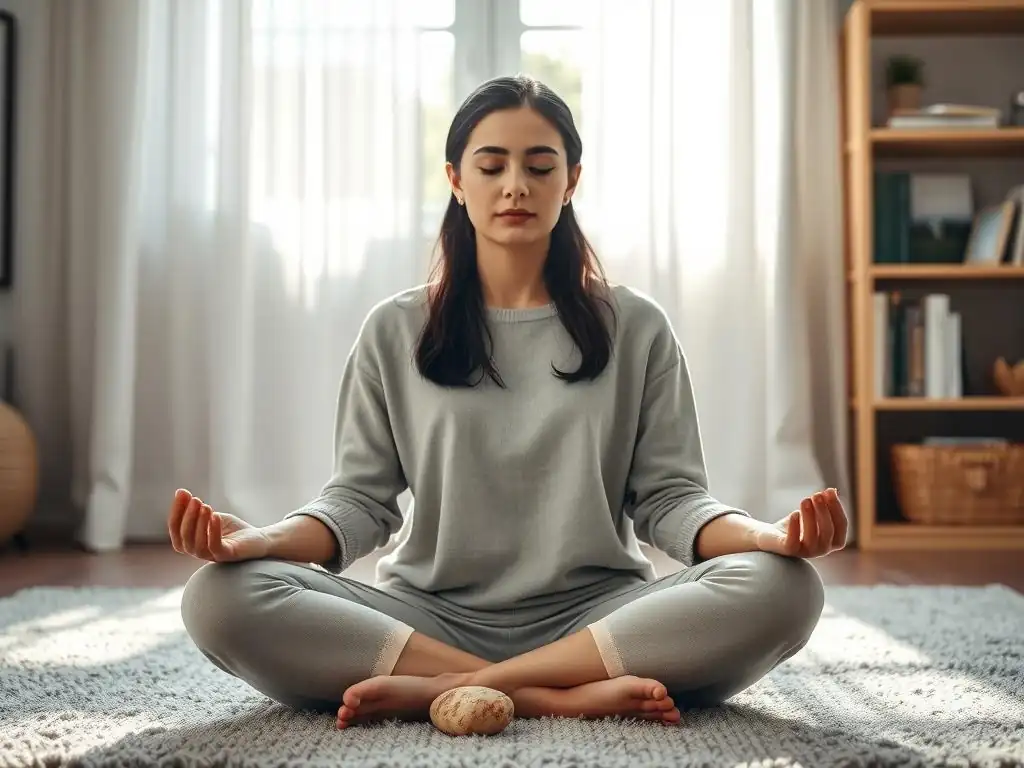
Welcome to Mind Care Guide.
Feeling overwhelmed by anxiety? You're not alone. At Mind Care Guide, we understand the challenges you face, and we're here to offer compassionate support and practical solutions.
But is mindfulness really the answer for your anxiety? Discover the power of mindfulness anxiety relief techniques and explore whether this approach aligns with your individual needs. We'll help you navigate the path to inner peace and well-being, one mindful breath at a time. Ready to begin?
- Understanding Anxiety and Its Impact
- Mindfulness Techniques for Anxiety Relief: An Introduction
- Benefits of Using Mindfulness for Anxiety
-
Different Mindfulness Techniques for Anxiety Relief
- Mindfulness Meditation for Observing Thoughts Without Judgment
- Body Scan Meditation for Identifying and Releasing Physical Tension
- Diaphragmatic Breathing Exercises for Regulating the Nervous System
- Walking Meditation for Connecting with the Body and Environment
- Mindful Activities: Cooking, Cleaning, and Gardening for Anxiety
- How to Start Practicing Mindfulness for Anxiety
- Potential Challenges and How to Overcome Them
- Is Mindfulness Right for You? Considering Your Individual Needs
- Mindfulness for Anxiety: Long-Term Benefits and Considerations
- Conclusion: Integrating Mindfulness for a Calmer and More Balanced Life
-
Frequently Asked Questions
- Is mindfulness truly effective for anxiety relief, or is it just a trend?
- What are some common Mindfulness anxiety relief techniques that beginners can easily implement?
- How does mindfulness differ from other anxiety treatments, such as medication or therapy?
- Are there any potential downsides or risks associated with using mindfulness for anxiety?
- How long does it typically take to experience the benefits of mindfulness for anxiety relief?
- Final Reflection: Finding Calm Amidst the Chaos of Anxiety
- Unlock Your Calm: Start Your Mindfulness Journey Today
Understanding Anxiety and Its Impact
Anxiety is a natural human response to stress, characterized by feelings of worry, nervousness, or unease. While occasional anxiety is normal, persistent and excessive anxiety can manifest as distinct clinical disorders. Generalized Anxiety Disorder (GAD), for example, involves chronic worry about everyday matters, often disproportionate to the actual likelihood of negative outcomes. Individuals with GAD may experience restlessness, fatigue, difficulty concentrating, irritability, muscle tension, and sleep disturbances, affecting their daily functioning significantly. It's estimated that millions of adults in the United States experience GAD in any given year.
Panic Disorder is marked by recurrent, unexpected panic attacks, which are sudden episodes of intense fear that trigger severe physical reactions when there is no real danger or apparent cause. Symptoms can include a racing heart, sweating, trembling, shortness of breath, chest pain, nausea, dizziness, numbness, or a feeling of impending doom or loss of control. These attacks can be debilitating and lead to significant distress and avoidance behaviors, with people often fearing future attacks and altering their lives to prevent them.
Social Anxiety Disorder (SAD), on the other hand, involves intense fear of being judged, scrutinized, or humiliated in social situations, leading to avoidance of social interactions or enduring them with extreme discomfort. Common situations that trigger SAD include public speaking, meeting new people, or eating in front of others.
The Connection Between Anxiety and Sleep, Diet, and Exercise
The relationship between anxiety and lifestyle factors like sleep, diet, and exercise is deeply intertwined and often forms a vicious cycle. Chronic anxiety frequently disrupts sleep patterns, leading to insomnia, difficulty falling or staying asleep, or restless sleep. Poor sleep, in turn, can exacerbate anxiety symptoms, making it harder to manage worries and regulate emotions during the day. This bidirectional relationship means addressing sleep hygiene is crucial for managing anxiety.
Similarly, diet plays a significant role. While no specific diet cures anxiety, consuming excessive caffeine or sugar can trigger or worsen symptoms like jitters, heart palpitations, and nervousness. Conversely, a balanced diet rich in whole grains, lean proteins, fruits, and vegetables can help stabilize blood sugar levels and provide essential nutrients that support brain health and mood regulation.
Exercise is another powerful tool; physical activity releases endorphins, natural mood boosters, and can act as a distraction from anxious thoughts. Regular exercise has been shown in numerous studies to reduce overall tension levels, improve sleep, and enhance resilience to stress, offering a natural pathway for anxiety relief techniques.
Exploring Cognitive Behavioral Therapy (CBT) and Medication for Anxiety
Cognitive Behavioral Therapy (CBT) is a widely recognized and effective form of psychotherapy for anxiety disorders. It operates on the principle that our thoughts, feelings, and behaviors are interconnected. CBT helps individuals identify and challenge negative thought patterns (cognitive distortions) that contribute to their anxiety.
For example, someone with social anxiety might learn to challenge the thought "Everyone is judging me" and replace it with a more balanced perspective. Through behavioral techniques like exposure therapy, individuals gradually confront feared situations in a safe environment, reducing avoidance and building confidence. Studies consistently show that CBT can significantly reduce anxiety symptoms and improve quality of life for many people.
Medication is another common approach for managing anxiety, often used in conjunction with therapy, especially for moderate to severe cases. Antidepressants, such as selective serotonin reuptake inhibitors (SSRIs) and serotonin-norepinephrine reuptake inhibitors (SNRIs), are frequently prescribed and work by affecting neurotransmitters in the brain involved in mood and stress regulation. Benzodiazepines may be prescribed for short-term relief of acute anxiety or panic attacks due to their rapid calming effect, though they carry risks of dependence.
The choice of medication depends on the specific anxiety disorder, severity of symptoms, and individual patient factors. It's important to note that medication can help manage symptoms, but it doesn't necessarily address the underlying thought patterns or coping skills that contribute to anxiety, which is where techniques like CBT or mindfulness anxiety relief techniques can be particularly valuable.
Mindfulness Techniques for Anxiety Relief: An Introduction
What is Mindfulness? Paying Attention to the Present Moment
Mindfulness is a state of active, open attention on the present moment. When you're mindful, you observe your thoughts and feelings without judgment. It's about being fully present, aware of where you are and what you’re doing, and not overly reactive or overwhelmed by what’s going on around you. This practice is rooted in ancient contemplative traditions but has gained significant traction in modern psychology and healthcare as an effective method for stress reduction and emotional regulation.
Practicing mindfulness involves intentionally bringing your attention to your current experience, whether it's the sensation of breathing, the feeling of your feet on the ground, or the thoughts passing through your mind. The goal isn't to empty your mind or achieve a state of perfect calm, which is a common misconception. Instead, it's about noticing what is happening right now, without getting caught up in worries about the future or regrets about the past. This simple act of non-judgmental observation is a core component of many mindfulness anxiety relief techniques.
How Mindfulness Can Help Manage Racing Thoughts and Physical Symptoms
Anxiety often manifests as a cascade of racing thoughts, catastrophic predictions, and uncomfortable physical sensations like a tight chest or rapid heartbeat. Mindfulness offers a way to interrupt this cycle. By focusing on the present moment, you can create distance from the anxious thoughts that often fuel the fire.
Instead of getting swept away by "what if" scenarios, mindfulness helps you notice the thought as just a thought, not necessarily a reality. For instance, during mindful breathing, you might notice the thought "I'm going to fail" but gently bring your attention back to the breath, reducing the thought's power over you.
Furthermore, mindfulness practices, such as body scans or mindful movement, can help you become more aware of the physical symptoms of anxiety without reacting to them with fear. You might notice the tightness in your shoulders or the butterflies in your stomach not as signs of danger, but simply as physical sensations that can be observed and potentially released.
This increased awareness, coupled with a non-judgmental attitude, can reduce the intensity of the physical response to anxiety and help you develop a greater sense of control over your body's reactions. These mindfulness anxiety relief techniques provide practical tools for navigating both the mental and physical aspects of anxiety.
The Science Behind Mindfulness: Brain Changes and Stress Reduction
Research into the neuroscience of mindfulness has revealed compelling evidence for its effectiveness in managing anxiety. Studies using fMRI scans have shown that regular mindfulness practice can lead to structural and functional changes in the brain regions associated with stress, emotion regulation, and self-awareness. For example, the amygdala, the brain's "fear center," tends to show reduced activity in experienced meditators when exposed to stressful stimuli. This suggests that mindfulness can dampen the brain's immediate stress response.
Concurrently, areas associated with executive function and emotional regulation, such as the prefrontal cortex, often show increased activity and connectivity. This strengthening of regulatory brain regions helps individuals better manage their emotional responses and make more conscious choices rather than reacting impulsively to anxious feelings. Mindfulness has also been shown to reduce levels of stress hormones like cortisol. Collectively, these changes provide a biological basis for how mindfulness anxiety relief techniques can help individuals develop greater resilience to stress and a reduced propensity for feeling overwhelmed by anxious thoughts and feelings.
Benefits of Using Mindfulness for Anxiety
Reduced Rumination and Catastrophizing Through Mindfulness Practices
Rumination – the tendency to dwell on negative thoughts and worries – is a hallmark of anxiety. Catastrophizing involves predicting the worst possible outcome in any given situation. Both significantly fuel the anxiety cycle. Mindfulness helps by teaching you to observe your thoughts without getting entangled in them. Instead of continuously replaying worries or spinning worst-case scenarios, mindfulness provides a mental space to notice the thought and gently redirect attention back to the present moment.
Through consistent mindfulness practice, individuals can develop a greater capacity to recognize when they are caught in a loop of rumination or catastrophizing. This awareness is the first step towards disengaging from these unhelpful thinking patterns. By practicing non-judgmental observation, you learn that a thought is just a thought; it doesn't necessarily reflect reality or require immediate action. This skill is a powerful component of effective mindfulness anxiety relief techniques, helping to break free from the grip of excessive worry and negative forecasting.
Improved Attention Span and Productivity: A Mindfulness Advantage
Anxiety often fragments attention, making it difficult to concentrate on tasks and reduce overall productivity. The mind jumps from one worry to the next, hindering focus and cognitive performance. Mindfulness training, which fundamentally involves practicing sustained attention on the present moment, can significantly improve concentration skills. By repeatedly bringing your attention back to a chosen anchor, such as the breath, you are essentially training your brain to stay focused despite distractions.
This enhanced ability to focus translates directly into improved productivity. When the mind is less hijacked by anxious thoughts, it is freer to engage fully with the task at hand. Whether it's work, study, or daily chores, a more focused mind performs more efficiently and effectively. Regular engagement with mindfulness anxiety relief techniques not only calms the mind but also strengthens the neural pathways associated with attention and focus, providing a tangible benefit beyond just emotional regulation.
Enhanced Ability to Cope with Difficult Emotions with Mindfulness Training
Anxiety involves experiencing a range of difficult emotions, including fear, worry, frustration, and sometimes shame or guilt. Often, the natural tendency is to avoid or suppress these uncomfortable feelings, which can paradoxically intensify them or lead to other coping mechanisms that are not healthy. Mindfulness offers an alternative approach: learning to acknowledge and tolerate difficult emotions without being overwhelmed by them.
Mindfulness training encourages you to turn towards difficult emotions with curiosity and acceptance, rather than pushing them away. For example, during meditation, you might notice a wave of anxiety or fear and practice observing the physical sensations and thoughts associated with it without judgment. This practice helps build emotional resilience, allowing you to experience uncomfortable feelings fully but temporary, without them completely derailing your well-being. This skill is central to many mindfulness anxiety relief techniques, empowering individuals to face their emotional landscape with greater courage and equanimity.
Cultivating Self-Compassion and Self-Acceptance Through Mindfulness
Anxiety can be accompanied by harsh self-criticism and a feeling of not being "good enough" or capable of handling life's challenges. This internal judgment adds another layer of suffering. Mindfulness practice inherently fosters self-compassion and self-acceptance. By observing thoughts and feelings non-judgmentally, you extend that same attitude towards yourself. You begin to see your struggles, including anxiety, as part of the human experience rather than personal failures.
Self-compassion involves treating yourself with the same kindness, care, and understanding you would offer a friend who is suffering. Mindfulness helps you recognize when you are being hard on yourself and gently encourages a more compassionate response. Accepting your current experience, including the presence of anxiety, without wishing it were different is a powerful act of self-acceptance. These qualities are naturally cultivated through consistent engagement with mindfulness anxiety relief techniques, leading to a more gentle and supportive internal dialogue.
Different Mindfulness Techniques for Anxiety Relief

Mindfulness Meditation for Observing Thoughts Without Judgment
Mindfulness meditation is perhaps the most well-known mindfulness practice. It typically involves sitting comfortably and bringing attention to a chosen anchor, most commonly the breath. When the mind inevitably wanders, which it will, the practice is simply to notice that the mind has wandered and gently guide the attention back to the anchor, without self-criticism. This simple act of noticing and returning is the core "workout" for the attention muscle and the non-judgmental attitude.
For someone with anxiety, this practice provides a direct opportunity to observe the constant stream of anxious thoughts without getting pulled into their narrative. You might notice thoughts like "What if I forget something important?" or "I can't handle this," but the practice is to see them as temporary mental events, like clouds passing in the sky, rather than absolute truths. Regular practice strengthens the ability to create this space between yourself and your thoughts, significantly reducing their power to trigger the anxiety response. This is a foundational element among mindfulness anxiety relief techniques.
Body Scan Meditation for Identifying and Releasing Physical Tension
Anxiety often manifests physically, leading to muscle tension, headaches, stomach issues, and other uncomfortable bodily sensations. Body scan meditation is a practice that involves systematically bringing mindful attention to different parts of the body, from the toes to the top of the head. The purpose is to notice any sensations present – tingling, warmth, tightness, pain, or absence of sensation – without trying to change or judge them.
This technique helps individuals become more attuned to the physical signs of anxiety as they arise. By paying non-judgmental attention to areas of tension, you can learn to recognize where you hold stress in your body. Sometimes, simply bringing awareness to a tense area can allow it to begin to release. The body scan also serves as an anchor to the present moment, drawing attention away from anxious thoughts and grounding you in your physical experience. It's a practical and effective tool among mindfulness anxiety relief techniques for addressing the somatic symptoms of anxiety.
Diaphragmatic Breathing Exercises for Regulating the Nervous System
Breathing is intimately connected to our nervous system state. When we are anxious, breathing tends to become shallow and rapid, further activating the "fight or flight" response. Diaphragmatic breathing, or deep belly breathing, is a simple yet powerful mindfulness technique that can help calm the nervous system and induce a state of relaxation. It involves breathing deeply into the abdomen, allowing the belly to rise with each inhale and fall with each exhale, rather than just breathing into the chest.
Focusing on slow, deep breaths engages the parasympathetic nervous system, which counteracts the stress response. Practicing diaphragmatic breathing mindfully means paying full attention to the sensation of the breath entering and leaving the body, the rise and fall of the abdomen, and the rhythm of each inhale and exhale. This focus on the physical process of breathing serves as a powerful anchor to the present and provides immediate anxiety relief. It's one of the most accessible and immediate mindfulness anxiety relief techniques available.
Walking Meditation for Connecting with the Body and Environment
Mindfulness doesn't require sitting still. Walking meditation is a practice that brings mindful awareness to the experience of walking. It involves paying attention to the sensations in your feet and legs as you move, the rhythm of your steps, the feeling of the ground beneath you, and the movement of your body through space. This can be done indoors or outdoors, slowly or at a normal pace.
For individuals who find sitting meditation challenging, walking meditation offers a dynamic alternative. It grounds you in the physical experience of movement, helping to release restless energy that often accompanies anxiety. It also encourages mindful engagement with your surroundings – noticing the sights, sounds, and smells of your environment without getting lost in thought. This practice integrates mindfulness into everyday activity, offering a way to find anxiety relief techniques while being active and engaged with the world around you.
Mindful Activities: Cooking, Cleaning, and Gardening for Anxiety
Mindfulness can be integrated into almost any activity. Engaging mindfully in everyday tasks like cooking, cleaning, or gardening can turn routine chores into opportunities for present-moment awareness and anxiety relief. When cooking, you can pay attention to the textures of ingredients, the smells, the sounds of chopping or sizzling, and the process of combining elements. When cleaning, focus on the sensation of wiping a surface, the smell of the cleaner, the visual progress being made.
Gardening offers rich sensory experiences – the feel of soil, the smell of plants, the visual beauty of flowers, the sounds of nature. By fully immersing yourself in the sensory details and physical actions of these activities, you naturally draw your attention away from anxious thoughts and ground yourself in the present. These mindful activities are practical mindfulness anxiety relief techniques that can be woven seamlessly into daily life, providing pockets of calm and focus throughout the day.
How to Start Practicing Mindfulness for Anxiety
Finding a Quiet Space and Time for Mindfulness Practice
When beginning mindfulness practice for anxiety relief, it's helpful to start in an environment that supports focus and minimizes distractions. Find a quiet space where you won't be interrupted, perhaps a corner of a room, a comfortable chair, or even a peaceful spot outdoors. While eventually, you can practice mindfulness anywhere, starting in a calm setting makes it easier to cultivate concentration and settle into the practice.
Equally important is dedicating a specific time for practice. Even just 5-10 minutes a day can make a difference. Consistency is often more important than duration, especially when starting. Consider integrating it into your existing routine – perhaps first thing in the morning before the day gets busy, during a lunch break, or in the evening before bed. Scheduling this time helps make mindfulness a regular habit, providing consistent opportunities for anxiety relief techniques.
Starting with Short Sessions and Gradually Increasing Duration
It's common for beginners, especially those with anxiety, to find sitting still with their thoughts challenging. Trying to sit for long periods right away can feel overwhelming and counterproductive. Therefore, it's highly recommended to start with short sessions, perhaps just 2-5 minutes. The goal is to become familiar with the practice and build comfort gradually, not to achieve instant calm or eliminate thoughts.
As you become more comfortable, you can slowly increase the duration of your sessions by a few minutes at a time. Over weeks and months, you might work up to 10, 15, or even 20 minutes or longer. The key is to be patient and gentle with yourself. Some days will be easier than others. The simple act of showing up and trying is valuable. This gradual approach makes integrating mindfulness anxiety relief techniques feel manageable and sustainable.
Guided Mindfulness Meditations for Beginners: Insight Timer, Calm, Headspace
For many beginners, guided meditations are incredibly helpful. A guide's voice can help direct your attention and keep you anchored in the practice, especially when the mind is busy with anxious thoughts. Numerous apps and online resources offer guided mindfulness meditations specifically designed for anxiety and stress reduction. Popular options include Insight Timer (which offers thousands of free guided meditations), Calm, and Headspace.
These platforms provide meditations of varying lengths and focus areas, from basic breath awareness to body scans and meditations for specific challenges like sleep or difficult emotions. Using guided meditations can provide structure and support as you learn the fundamentals of mindfulness anxiety relief techniques. Experiment with different guides and styles to find what resonates most with you.
Incorporating Mindfulness into Daily Life: Mindful Eating, Listening, and Communication
Mindfulness isn't just about formal meditation; it's a way of being that can be brought into any moment. Integrating mindfulness into everyday activities reinforces the practice and provides continuous opportunities for anxiety relief throughout the day. Mindful eating involves paying attention to the sensory experience of food – the smell, texture, taste, and the process of chewing and swallowing – rather than eating on autopilot.
Mindful listening means truly focusing on what another person is saying, without planning your response or getting distracted by internal thoughts. Mindful communication involves being present and aware of your words, tone, and the impact they have. Simple acts like mindfully washing dishes, taking a mindful shower, or mindfully walking to your car can become opportunities to ground yourself in the present moment and practice mindfulness anxiety relief techniques outside of formal practice sessions.
Potential Challenges and How to Overcome Them
Difficulty Quieting the Mind During Mindfulness Practice: Acceptance and Patience
One of the most common challenges, particularly for individuals with anxiety, is the expectation that mindfulness means having an empty or quiet mind. This is a misconception. The mind's nature is to think, and for an anxious mind, those thoughts are often rapid and persistent. Trying to force thoughts to stop is usually counterproductive and can lead to frustration.
Instead of striving for a quiet mind, the goal in mindfulness is to cultivate awareness of the thoughts without judgment. Think of your mind as a sky and thoughts as clouds; you can observe them passing without having to chase after each one or make them disappear. When you notice your mind has wandered into anxious territory, simply acknowledge it ("Ah, thinking about work deadlines") and gently redirect your attention back to your chosen anchor, like the breath.
This act of returning, again and again, is the practice. Cultivating acceptance that the mind will be busy and approaching the practice with patience is key to overcoming this challenge and making mindfulness anxiety relief techniques effective.
Feeling Frustrated or Discouraged During Meditation: Seeking Guidance
It's completely normal to feel frustrated or discouraged when starting mindfulness, especially if you feel like you're "not doing it right" or not experiencing immediate calm. Anxiety can make it hard to sit still, and encountering persistent anxious thoughts during meditation can sometimes feel worse before it feels better. These feelings are part of the process, not a sign of failure.
If you find yourself frequently feeling frustrated or discouraged, consider seeking guidance. This could involve trying guided meditations specifically designed for managing difficult emotions, reading books on mindfulness for anxiety, or attending a local mindfulness class or workshop. Talking to a therapist who incorporates mindfulness into their practice can also be incredibly beneficial. They can help you navigate specific challenges and tailor mindfulness anxiety relief techniques to your individual needs, providing support and encouragement along the way.
Maintaining Consistency in Your Mindfulness Routine: Scheduling and Accountability
Like any new skill or habit, maintaining consistency in mindfulness practice can be challenging amidst a busy life, especially when motivation wanes. Skipping a day can easily turn into a week or a month, diminishing the potential benefits for anxiety relief. Establishing a routine is crucial.
Try to schedule your mindfulness practice just like you would any other important appointment. Put it in your calendar. Starting with a very short, achievable duration (like 5 minutes) can make it easier to commit consistently. Finding an accountability partner – a friend, family member, or fellow practitioner – with whom you can share your progress and challenges can also be motivating. Remember that missing a session isn't a failure; simply acknowledge it and commit to returning to the practice as soon as you can. Small, consistent efforts using mindfulness anxiety relief techniques build over time.
Is Mindfulness Right for You? Considering Your Individual Needs
Assessing the Severity and Frequency of Your Anxiety Symptoms
Determining whether mindfulness is a suitable approach for your anxiety involves considering the nature and severity of your symptoms. For many people experiencing mild to moderate anxiety, stress, or worry, mindfulness can be a highly effective standalone or complementary tool for developing coping skills and finding anxiety relief techniques. It provides practical strategies for managing racing thoughts, physical tension, and emotional reactivity.
However, if you are experiencing severe, debilitating anxiety, frequent panic attacks, or anxiety accompanied by other significant mental health challenges, mindfulness might be best explored as part of a broader treatment plan. While mindfulness can be beneficial even in severe cases, it's important not to view it as a quick fix or a replacement for professional help. Consulting with a mental health professional is crucial to assess your specific situation and determine the most appropriate course of action, which may include integrating mindfulness anxiety relief techniques alongside other interventions.
Exploring Other Anxiety Management Techniques: Yoga, Exercise, and Support Groups
Mindfulness is one powerful tool for managing anxiety, but it's not the only one, and a multi-faceted approach is often most effective. Exploring and incorporating other anxiety management techniques can provide additional pathways to relief and well-being. Regular physical exercise, as discussed earlier, is a scientifically supported method for reducing anxiety symptoms and improving mood. Activities like jogging, swimming, or dancing can be excellent stress relievers.
Yoga combines physical postures, breathing exercises, and meditation, offering a holistic approach that can significantly reduce anxiety. The focus on movement and breath helps calm the nervous system and increase body awareness. Additionally, connecting with others who understand your struggles through support groups can provide invaluable emotional support, shared experiences, and practical coping strategies. Exploring a combination of these approaches alongside mindfulness anxiety relief techniques can create a robust personal toolkit for managing anxiety.
Combining Mindfulness with Therapy and/or Medication: A Comprehensive Approach
For many individuals, particularly those with moderate to severe anxiety disorders, the most effective approach involves combining mindfulness with professional therapy and/or medication. Mindfulness can significantly enhance the benefits of therapy, such as Cognitive Behavioral Therapy (CBT) or Acceptance and Commitment Therapy (ACT). For instance, mindfulness skills like non-judgmental awareness can help individuals engage more effectively with exposure exercises in CBT or practice acceptance in ACT.
When medication is part of the treatment plan, mindfulness can complement its effects by teaching practical coping skills and addressing the behavioral and cognitive patterns associated with anxiety that medication alone may not fully resolve. A mental health professional can help you integrate mindfulness anxiety relief techniques into a comprehensive treatment strategy tailored to your unique needs and circumstances, ensuring you have the most supportive and effective path forward.
Mindfulness for Anxiety: Long-Term Benefits and Considerations
Integrating Mindfulness into Your Lifestyle for Sustainable Well-being
The true power of mindfulness for anxiety lies in integrating it beyond formal meditation sessions into your daily life. While dedicated practice time is important, cultivating a mindful attitude throughout the day is what leads to sustainable well-being. This means bringing awareness to simple actions like brushing your teeth, walking, or interacting with others. It's about making a conscious effort to be present in the moment, rather than letting the mind constantly dwell on worries.
Over time, consistent integration of mindfulness anxiety relief techniques helps to rewire the brain, making the shift towards present-moment awareness more automatic. It builds resilience to stress and anxiety, not by eliminating challenges, but by changing your relationship with them. Making mindfulness a lifestyle choice, rather than just a temporary fix, fosters a greater sense of calm, clarity, and emotional balance that can endure over the long term.
Finding a Qualified Mindfulness-Based Stress Reduction (MBSR) Instructor
For those interested in a structured and evidence-based approach to learning mindfulness anxiety relief techniques, participating in a Mindfulness-Based Stress Reduction (MBSR) program can be highly beneficial. Developed by Jon Kabat-Zinn, MBSR is an intensive 8-week course that teaches various mindfulness practices, including meditation, body scanning, and mindful movement, within a supportive group setting.
Finding a qualified MBSR instructor is important to ensure the program is delivered effectively and safely. Look for instructors certified by recognized institutions or those with extensive training and experience. A good instructor can provide personalized guidance, address challenges that arise during practice, and help you deepen your understanding of how mindfulness can specifically support anxiety management. A well-taught MBSR course offers a comprehensive foundation for integrating mindfulness into your life.
Further Resources for Mindfulness and Anxiety: Books, Websites, and Local Classes
Beyond structured programs like MBSR, there are numerous resources available to support your journey with mindfulness anxiety relief techniques. Many excellent books delve into the principles and practices of mindfulness specifically for anxiety, offering guided exercises and insights. Websites from reputable organizations focused on mental health or mindfulness can provide valuable information, articles, and free resources.
Exploring local mindfulness or meditation centers can offer in-person classes, workshops, and community support, which can be motivating and provide opportunities to learn from experienced teachers and connect with others. Many therapists also integrate mindfulness into their practice and can offer guidance tailored to your specific anxiety challenges. Utilizing these resources can help you deepen your understanding, refine your practice, and maintain momentum in using mindfulness for long-term anxiety relief.
Conclusion: Integrating Mindfulness for a Calmer and More Balanced Life
Anxiety can feel overwhelming, but exploring mindfulness anxiety relief techniques offers a powerful and accessible path towards managing its impact. From understanding the different facets of anxiety and its connection to lifestyle to delving into specific practices like meditation, body scans, and mindful breathing, mindfulness provides practical tools to navigate racing thoughts and physical symptoms. The scientific evidence supporting its benefits for brain function and stress reduction further underscores its potential.
While challenges may arise, such as a busy mind or moments of frustration, approaching the practice with patience, self-compassion, and seeking guidance can help you overcome them. Integrating mindfulness into your daily life, starting with short sessions and gradually increasing duration, can lead to sustainable improvements in attention, emotional regulation, and overall well-being.
Whether used on its own, alongside other techniques like exercise or therapy, or as part of a structured program like MBSR, mindfulness is a valuable skill set for cultivating a calmer, more balanced life in the face of anxiety. By committing to consistent practice and exploring available resources, you can unlock the transformative potential of mindfulness anxiety relief techniques.
Frequently Asked Questions
Is mindfulness truly effective for anxiety relief, or is it just a trend?
Mindfulness has been shown to be effective in reducing anxiety symptoms by helping individuals focus on the present moment and reduce overthinking. It's not just a trend, but a practice backed by research.
What are some common Mindfulness anxiety relief techniques that beginners can easily implement?
Beginners can start with simple techniques like mindful breathing, body scan meditations, or mindful walking. These techniques help cultivate awareness and calmness.
How does mindfulness differ from other anxiety treatments, such as medication or therapy?
Mindfulness focuses on present moment awareness and acceptance, while medication addresses chemical imbalances. Therapy provides coping strategies and addresses underlying issues. Mindfulness can complement other treatments.
Are there any potential downsides or risks associated with using mindfulness for anxiety?
While generally safe, mindfulness can sometimes bring up difficult emotions. It's important to practice with guidance, especially if you have a history of trauma or severe mental health conditions.
How long does it typically take to experience the benefits of mindfulness for anxiety relief?
The time it takes to experience benefits varies, but many people notice improvements within a few weeks of consistent practice. Regularity is key to achieving lasting relief.
Final Reflection: Finding Calm Amidst the Chaos of Anxiety
The pervasive nature of anxiety in modern life demands effective coping strategies, and mindfulness offers a powerful, accessible pathway to relief. Its growing popularity isn't a trend; it's a testament to the urgent need for tools that help us navigate the pressures of daily life and cultivate inner peace. The techniques explored in this article – from mindful breathing to body scans – are not mere suggestions, but practical steps towards reclaiming control over your mental well-being.
Mindfulness isn't a quick fix; it's a journey of self-discovery and acceptance. It requires consistent practice, patience, and self-compassion. The impact of this practice extends far beyond anxiety relief; it fosters a deeper understanding of oneself, strengthens emotional regulation, and cultivates a more present and appreciative way of living. The mind is everything. What you think you become.
– Buddha. This quote encapsulates the transformative power of mindful awareness, highlighting how our thoughts directly shape our experiences and overall well-being. The ongoing integration of mindfulness into various therapeutic approaches and self-help resources underscores its growing recognition as a valuable tool for mental health.
Consider the ways in which you can incorporate mindfulness into your daily routine. Start small – perhaps with just five minutes of mindful breathing each morning. Observe the subtle shifts in your thoughts and feelings without judgment. Remember, the journey towards a calmer, more centered self is a personal one. Embrace the process, celebrate your progress, and allow the practice of mindfulness to gently guide you towards a life less burdened by anxiety. You deserve the peace and clarity that mindfulness can offer.
Unlock Your Calm: Start Your Mindfulness Journey Today
Thanks for taking the time to explore the world of mindfulness and its potential to ease anxiety. We hope you found valuable insights! Now it's time to put that knowledge into practice. Ready to feel calmer and more in control?
- Begin your mindfulness practice with a guided meditation: Even just 5 minutes a day can make a difference. Many free apps and online resources are available.
- Share your experience: Tell us (or a friend!) about your first meditation session. What did you notice? What surprised you?
- Explore different mindfulness techniques: Experiment with mindful breathing, body scans, or mindful walking to discover what resonates best with you.
What small step will you take today to cultivate more mindfulness in your life?