
Five Animal Frolics (Wu Qin Xi): Invigorate Your Energy for Better Mood


Welcome to Mind Care Guide, a sanctuary dedicated to your mental well-being.
Feeling overwhelmed or disconnected? You're not alone. We understand the daily struggles and the importance of finding holistic approaches to inner peace. Dive into our latest exploration of Wu Qin Xi mental health, also known as Five Animal Frolics, an ancient practice that might just be the key to unlocking a revitalized mind and a lighter spirit. Intrigued? Discover how mimicking the movements of animals can invigorate your energy and potentially transform your mood... Let's begin your journey towards a more balanced you.
Five Animal Frolics (Wu Qin Xi): Invigorate Your Energy for Better Mood
- Wu Qin Xi: Enhancing Mental Well-being Through Ancient Qigong
- The Five Animals and Their Mental Health Benefits
- Wu Qin Xi Practice: A Step-by-Step Guide for Mental Clarity
- The Science Behind Wu Qin Xi and Mental Health
- Tips for Maximizing the Mental Health Benefits of Wu Qin Xi
- Wu Qin Xi for Stress Reduction and Emotional Regulation
- Conclusion: Embrace Wu Qin Xi for a Healthier, Happier Mind
-
Frequently Asked Questions
- How can Wu Qin Xi, the Five Animal Frolics, specifically benefit my mental health?
- What are the five animals represented in Wu Qin Xi, and how do their movements relate to mental well-being?
- Is Wu Qin Xi suitable for people with pre-existing mental health conditions, such as anxiety or depression?
- How often should I practice Wu Qin Xi to experience noticeable improvements in my mental health?
- Where can I find reliable resources and guidance to learn Wu Qin Xi correctly and safely, to maximize its mental health benefits?
- Final Reflection: Unleashing Inner Strength Through Wu Qin Xi
- Unleash Your Inner Tiger: Boost Your Energy Today!
Wu Qin Xi: Enhancing Mental Well-being Through Ancient Qigong
Understanding Wu Qin Xi and its Benefits for Mental Health
Wu Qin Xi, or the Five Animal Frolics, is an ancient Chinese qigong exercise developed by the physician Hua Tuo nearly 2,000 years ago during the Eastern Han Dynasty. It is a holistic practice that mimics the movements and spirit of five animals: the Tiger, Deer, Bear, Monkey, and Bird. The core philosophy is rooted in traditional Chinese medicine (TCM), which views health as a state of balance and free flow of vital energy, or Qi (pronounced "chee"), throughout the body.
Disruptions in Qi flow are believed to contribute to physical and mental ailments. Wu Qin Xi aims to regulate this energy, promoting harmony between mind and body.
The benefits of engaging in Wu Qin Xi for mental health are multifaceted. By combining gentle physical movements, focused breathing, and mindful intention, the practice helps to calm the nervous system, reduce stress hormones like cortisol, and improve overall emotional regulation. Regular Wu Qin Xi practice can lead to increased feelings of well-being, improved mood, and greater resilience to daily pressures.
It provides a tangible way to connect with one's internal state, fostering self-awareness and providing tools to manage challenging emotions. This ancient form of exercise offers a unique pathway to support and enhance mental wellness in the modern world.
The History of Wu Qin Xi: From Ancient China to Modern Mental Wellness
The origins of Wu Qin Xi are deeply intertwined with the history of preventative medicine in ancient China. Hua Tuo, its creator, was a renowned physician known for his surgical skills and knowledge of herbal medicine and acupuncture. He observed the natural movements of animals and believed that emulating their postures and spirits could help people stay healthy and vital, much like animals in the wild maintain their health through instinctual movements. His aim was to create a system of exercises accessible to everyone, regardless of physical condition, to prevent illness and promote longevity.
Over centuries, Wu Qin Xi was passed down through various lineages, evolving slightly but retaining its fundamental principles. While its initial focus was primarily physical health – strengthening muscles, improving flexibility, and enhancing organ function – its profound impact on the mind was also recognized.
The meditative aspect, the focus on breath, and the release of tension inherent in the movements naturally contributed to mental clarity and emotional stability. Today, Wu Qin Xi is practiced globally, recognized not only for its physical benefits but increasingly for its significant contributions to mental health and stress management, bridging the gap between ancient wisdom and contemporary wellness needs.
The Five Animals and Their Mental Health Benefits
Tiger Style: Boosting Courage and Assertiveness
The Tiger style in Wu Qin Xi embodies strength, power, and courage. Its movements are typically expansive and robust, mimicking the tiger's pouncing and clawing actions. Mentally, practicing Tiger style helps to cultivate inner strength, overcome fear, and build assertiveness. It encourages the practitioner to tap into their innate power, fostering a sense of confidence and self-reliance. This can be particularly beneficial for individuals who struggle with feelings of inadequacy or timidity, helping them to stand taller and face challenges with greater resolve.
By engaging in the forceful yet controlled movements of the Tiger, practitioners can release pent-up frustration or anger in a healthy way. The focus required to execute the movements precisely also helps to sharpen the mind and improve concentration. This style encourages pushing past perceived limitations, both physical and mental, leading to a powerful sense of accomplishment and increased self-efficacy. Integrating Tiger movements into your Wu Qin Xi practice can be a potent tool for psychological empowerment, helping to build resilience and a more assertive approach to life's demands.
Practicing Tiger Style: Techniques for Enhanced Focus and Drive
Tiger style techniques often involve movements like "Tiger Pouncing" and "Tiger Grasping." These require rooted stances and powerful extensions of the limbs, often concluding with focused hand shapes mimicking claws. The emphasis is on gathering energy and then releasing it with intention. To enhance focus and drive, concentrate on the spirit of the tiger – its unwavering gaze and powerful intent before it acts.
During these movements, synchronize your breath with the action: inhale as you prepare to move, and exhale with a focused intention as you execute the powerful part of the movement. For instance, as you "grasp," imagine pulling in energy or seizing an opportunity. This mental imagery, combined with the physical exertion and breath control, helps to channel energy effectively, improving concentration and providing a surge of motivational drive.
Deer Style: Cultivating Gentleness and Compassion
The Deer style is characterized by graceful, stretching, and agile movements, mirroring the deer's gentle nature and quick reflexes. This style focuses on cultivating softness, flexibility, and compassion, both for oneself and others. It encourages a sense of ease and flow, counteracting stiffness and rigidity in the body and mind. The movements often involve reaching and twisting, promoting flexibility in the spine and joints.
Mentally, Deer style helps to soothe irritability and impatience. By embodying the deer's calm and gentle spirit, practitioners can learn to approach situations with more patience and understanding. This style is particularly effective for releasing emotional tension stored in the body, promoting a feeling of lightness and emotional freedom. It fosters an attitude of yielding and adaptability, which can be invaluable in navigating interpersonal relationships and managing emotional responses.
Deer Style Qigong: Fostering Emotional Balance and Flexibility
Deer Style Qigong movements, such as "Deer Locking Horns" and "Deer Running," involve gentle stretching and turning. These actions are designed to open the chest and upper back, areas often associated with holding emotional stress. The focus is on smooth, continuous motion, avoiding jerky or forceful movements. This fluidity translates into mental flexibility, helping practitioners adapt to changing emotional states without becoming overwhelmed.
To foster emotional balance, pay attention to the feeling of release in the body as you stretch and twist. Imagine letting go of emotional baggage with each exhale. The gentle nature of the movements encourages self-compassion; there is no need for force or perfection. The emphasis on flexibility – both physical and mental – helps to improve emotional resilience, allowing you to bend without breaking under pressure.
Bear Style: Grounding and Reducing Anxiety
The Bear style embodies stability, rootedness, and strength from the core. Its movements are slow, heavy, and grounded, mimicking the bear's lumbering gait and solid posture. This style is particularly effective for grounding oneself, calming the mind, and reducing feelings of anxiety and nervousness. By focusing on the lower body and connecting deeply with the earth, practitioners can cultivate a sense of stability and security.
Mentally, Bear style helps to quiet the restless mind and anchor awareness in the present moment. The slow, deliberate movements promote patience and persistence. For individuals experiencing anxiety, the grounded nature of Bear style provides a strong antidote to feelings of being scattered or overwhelmed. It encourages a sense of being firmly rooted, capable of weathering storms with quiet strength, significantly benefiting Wu Qin Xi mental health practice for anxiety relief.
Bear Style Movements: Promoting Stability and Inner Calm
Bear style movements, such as "Bear Swaying" and "Bear Walking," involve shifting weight slowly and deliberately from one leg to the other, often with rounded arm movements. The focus is on maintaining a low center of gravity and feeling the connection to the ground through the feet. This emphasis on rootedness provides a physical anchor that helps calm a racing mind.
Practice these movements with a sense of heaviness and rootedness. Imagine your legs are like tree trunks connecting deeply into the earth. This physical sensation of stability helps to cultivate inner calm. The slow, repetitive nature of the movements acts as a moving meditation, drawing your attention away from anxious thoughts and into the physical sensation of being present and grounded.
Monkey Style: Enhancing Focus and Cognitive Function

The Monkey style is characterized by nimble, light, and quick movements, mimicking the monkey's agility and playful curiosity. This style focuses on improving coordination, reflexes, and cognitive function. It stimulates the mind and body, promoting alertness and mental agility. The movements often involve reaching, looking around, and quick changes in direction, engaging various parts of the brain.
Mentally, Monkey style helps to sharpen focus, improve memory, and enhance problem-solving skills. It encourages adaptability and creativity. For individuals experiencing mental fogginess or difficulty concentrating, the dynamic and varied movements of the Monkey can help to invigorate the mind. It promotes a sense of playful exploration and curiosity, which can break through mental blocks and stimulate new ways of thinking.
Monkey Style Exercises: Improving Coordination and Mental Agility
Monkey style exercises, such as "Monkey Looking" and "Monkey Picking Fruit," involve swift head turns, quick hand movements, and balancing on one leg. These movements require significant coordination between the eyes, hands, and feet. The rapid shifts in focus and balance challenge the brain, improving neural pathways related to coordination and cognitive processing.
To improve mental agility, perform these movements with alertness and precision. Pay close attention to the visual cues (like "looking" in different directions) and coordinate your body's response accordingly. The playful nature of the movements can also help to reduce mental rigidity, encouraging a more flexible and adaptable mindset. Regular practice of Monkey style enhances neuroplasticity, supporting better focus and cognitive function.
Bird Style: Promoting Relaxation and Releasing Tension
The Bird style, particularly the Crane, embodies lightness, grace, and soaring freedom. Its movements are fluid, expansive, and often involve balancing on one leg, mimicking the crane's elegant postures and flight. This style focuses on promoting relaxation, releasing tension, and cultivating a sense of inner peace and emotional lightness. It emphasizes stretching and opening the chest, promoting deeper breathing.
Mentally, Bird style helps to release emotional burdens and anxieties, allowing the spirit to feel lighter and more free. The balancing aspects require focus and calm, helping to quiet distracting thoughts. This style is excellent for stress reduction and cultivating serenity. It encourages letting go of what weighs you down, fostering a sense of peace and emotional release, contributing significantly to Wu Qin Xi mental health benefits.
Bird Style Qigong: Achieving Inner Peace and Emotional Release
Bird Style Qigong movements, such as "Crane Spreading Wings" and "Crane Standing on One Leg," involve slow, expansive arm movements and challenging balance poses. The "Spreading Wings" movement, for example, opens the chest and shoulders, areas where tension from stress and anxiety often accumulates. The balance poses require intense focus, which naturally draws the mind away from worries and into the present moment.
Practice these movements with a sense of lightness and freedom. Imagine your arms are wings, lifting away tension and worry as they rise. When balancing, focus your gaze softly on a fixed point and breathe deeply, allowing yourself to feel stable yet light. This combination of gentle expansion, focused balance, and deep breathing facilitates a profound sense of relaxation and emotional release, promoting inner peace.
Wu Qin Xi Practice: A Step-by-Step Guide for Mental Clarity
Preparing for Your Wu Qin Xi Session: Mindful Intention Setting
Before beginning your Wu Qin Xi practice, it's beneficial to take a few moments to prepare your mind and body. Find a quiet space where you won't be interrupted. Wear comfortable clothing that allows for free movement. Start by standing with your feet shoulder-width apart, knees slightly bent, and spine erect but relaxed. Close your eyes or soften your gaze. Take a few deep breaths, inhaling slowly through your nose and exhaling gently through your mouth. Allow your shoulders to drop and any tension to begin melting away.
Once you feel more centered, set a clear intention for your practice. This could be as simple as "to cultivate peace," "to release stress," or "to energize my body and mind." Hold this intention gently in your awareness throughout the session. This mindful preparation helps to shift your focus from external distractions to your internal experience, making your Wu Qin Xi practice a more potent tool for achieving mental clarity and emotional balance.
Basic Wu Qin Xi Movements for Beginners: A Gentle Introduction
For beginners, starting with simplified versions of the movements or focusing on just one or two animals can be helpful. Begin with gentle warm-up exercises, such as rotating your joints (neck, shoulders, hips, knees, ankles). Then, you can try basic movements like:
- Bear Swaying: Stand with feet wider than shoulder-width, knees bent. Gently sway your torso from side to side, allowing your arms to hang loosely or rest on your lower back. Feel grounded and heavy.
- Deer Stretching: Stand with feet together. Inhale and raise your arms overhead, interlacing fingers and stretching towards the sky. Exhale and gently lean to one side, stretching the opposite side of your body. Repeat on the other side.
- Crane Spreading Wings: Stand with feet together. Inhale and slowly raise your arms out to the sides and slightly up, as if spreading wings, opening your chest. Exhale and slowly lower your arms.
Start with a few repetitions of each movement, focusing on coordination with your breath and maintaining a relaxed state. There is no need for perfection; the goal is gentle movement and mindful presence.
Breathing Techniques in Wu Qin Xi: Connecting Breath and Mind
Breath is a fundamental component of Wu Qin Xi, acting as a bridge between the physical movements and the mental state. The general principle is to breathe deeply, slowly, and smoothly through the nose, allowing the abdomen to expand on the inhale and contract on the exhale. This diaphragmatic breathing helps to activate the body's relaxation response.
Specific movements often have prescribed breathing patterns that synchronize with the action – inhaling during expansive or preparatory movements and exhaling during contracting or powerful movements. For example, in Tiger Grasping, you might inhale as you prepare to grasp and exhale as you execute the powerful grasp. Paying conscious attention to your breath throughout the practice helps to keep you present, regulate your nervous system, and enhance the flow of Qi. This deliberate connection between breath and movement is key to the mental benefits of Wu Qin Xi.
Integrating Wu Qin Xi into Your Daily Routine
Making Wu Qin Xi a regular part of your day can significantly enhance your mental well-being. Even short, consistent practice sessions can yield substantial benefits. Aim for 15-30 minutes daily, perhaps in the morning to energize your day or in the evening to unwind and release tension. Find a time that works best for your schedule and stick to it as much as possible.
- Choose a specific time each day.
- Designate a small, peaceful space for practice.
- Start with just one or two animals if time is limited.
- Use online resources or guided videos initially.
- Keep it simple and focus on consistency over intensity.
Integrating Wu Qin Xi into your routine is about creating a habit of self-care. Treat it as a non-negotiable appointment with yourself. Over time, you will notice the cumulative positive effects on your mood, stress levels, and overall mental clarity, reinforcing the benefits of Wu Qin Xi mental health practice.
The Science Behind Wu Qin Xi and Mental Health
How Wu Qin Xi Influences the Nervous System for Improved Mood
Research into mind-body practices like qigong and tai chi provides insights into how Wu Qin Xi benefits mental health. These practices have been shown to influence the autonomic nervous system (ANS), which controls involuntary bodily functions like heart rate, breathing, and digestion. The ANS has two main branches: the sympathetic nervous system (responsible for the "fight or flight" response) and the parasympathetic nervous system (responsible for the "rest and digest" response). Chronic stress and anxiety often involve an overactive sympathetic system.
Wu Qin Xi, with its slow, deliberate movements, deep breathing, and mindful focus, helps to shift the ANS towards parasympathetic dominance. This state promotes relaxation, lowers heart rate and blood pressure, and reduces muscle tension. By calming the nervous system, Wu Qin Xi directly counteracts the physiological effects of stress and anxiety, leading to a more stable and positive mood. Studies have indicated that regular qigong practice can lead to measurable changes in heart rate variability (HRV), a marker of ANS balance and resilience to stress.
Wu Qin Xi and the Body's Energy Flow (Qi): A Mental Health Perspective
Traditional Chinese Medicine (TCM) views the body as a network of energy pathways called meridians, through which Qi flows. Mental and emotional imbalances are often seen as blockages or stagnation in this Qi flow. Wu Qin Xi movements are designed to gently stretch and twist the body, stimulating these meridians and promoting the smooth circulation of Qi. From a Western perspective, these movements improve circulation of blood and lymph, reduce muscular tension that can impede flow, and stimulate nerve endings.
The concept of balanced Qi translates to a state of vitality and harmony, both physically and mentally. Stagnant Qi can manifest as feelings of frustration, irritability, or depression, while deficient Qi might lead to fatigue or lack of motivation. By practicing Wu Qin Xi, practitioners aim to clear blockages and nourish their energy reserves, leading to improved mood, increased energy levels, and greater emotional resilience. The feeling of vital energy flowing freely through the body is often described as invigorating and uplifting, directly supporting mental well-being.
Wu Qin Xi's Impact on Stress Hormones
Chronic stress exposes the body to elevated levels of stress hormones, particularly cortisol. Prolonged exposure to high cortisol levels can have detrimental effects on both physical and mental health, contributing to anxiety, depression, sleep problems, and impaired cognitive function. Mind-body practices like Wu Qin Xi have been shown to help regulate the body's stress response system, including the hypothalamic-pituitary-adrenal (HPA) axis, which controls cortisol release.
Regular Wu Qin Xi practice can lead to a reduction in circulating cortisol levels. The calming effect on the nervous system, combined with the physical activity, helps to modulate the HPA axis, preventing it from becoming overactive in response to stressors. Lower levels of stress hormones contribute to a more stable mood, reduced feelings of anxiety, and improved sleep quality, all of which are vital for maintaining good mental health. The practice provides a natural way to buffer the body against the damaging effects of chronic stress.
Tips for Maximizing the Mental Health Benefits of Wu Qin Xi
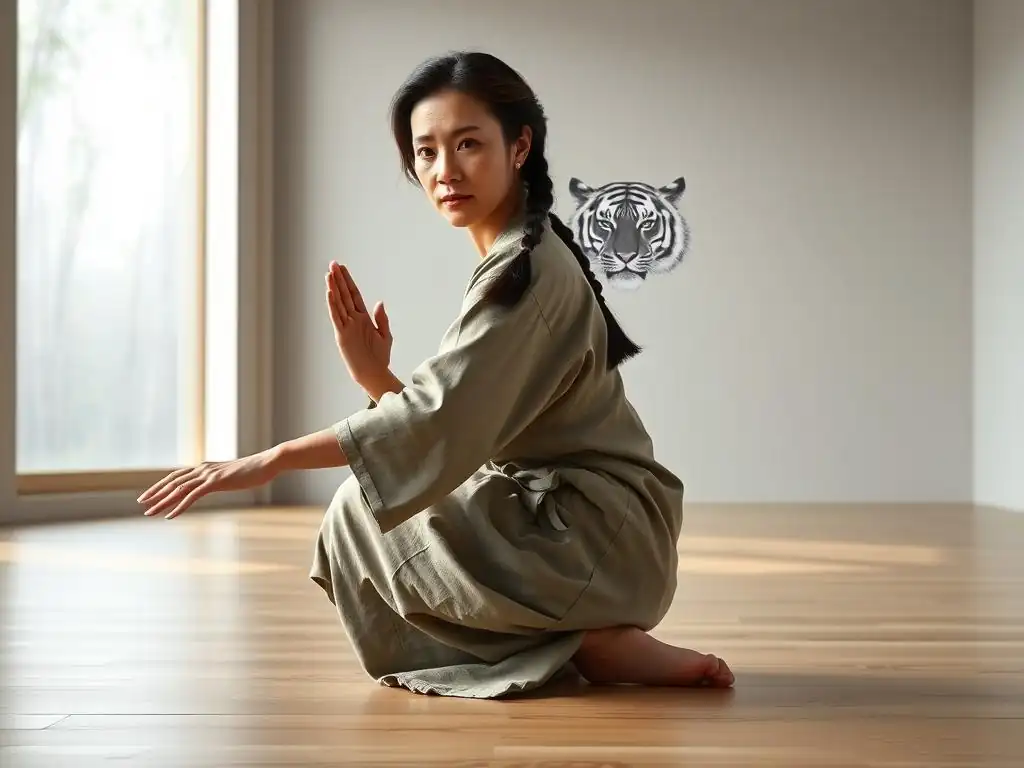
Maintaining Proper Form and Alignment in Wu Qin Xi Practice
While Wu Qin Xi movements are gentle, maintaining proper form and alignment is crucial for maximizing both physical and mental benefits and preventing injury. Focus on keeping your spine elongated but relaxed, shoulders dropped, and knees slightly bent. Ensure your weight is balanced and your movements are smooth and controlled, not jerky. Proper alignment allows energy (Qi) to flow more freely and prevents strain on joints and muscles.
If you are new to Wu Qin Xi, consider learning from a qualified instructor or using resources that provide clear guidance on posture and movement. Even minor adjustments in alignment can make a significant difference in how the energy circulates and how grounded or expansive the movements feel. Paying attention to form also enhances mindfulness, keeping your focus on the present moment and the sensations in your body, which is essential for the mental health benefits of Wu Qin Xi.
Listening to Your Body and Avoiding Injury During Wu Qin Xi
Wu Qin Xi is designed to be gentle and therapeutic, but it's important to listen to your body's signals and avoid pushing yourself too hard, especially when starting out. Do not force stretches or movements that cause pain. Work within your current range of motion, and gradually increase flexibility and strength over time.
- Start with shorter practice sessions.
- Modify movements if necessary to accommodate physical limitations.
- Pay attention to any discomfort and ease off if needed.
- Breathe deeply to help release tension rather than pushing through it.
Respecting your body's limits prevents injury and makes the practice sustainable. An injured body is often a stressed mind. By practicing self-compassion and listening to your body, you reinforce the empathetic and gentle aspects of Wu Qin Xi, making it a truly nurturing experience for your mental well-being.
Cultivating Mindfulness and Presence During Wu Qin Xi
Mindfulness is at the heart of Wu Qin Xi and is key to unlocking its mental health benefits. It involves paying deliberate attention to your movements, breath, and internal sensations without judgment. As you move through the forms, notice the feeling of your feet on the ground, the stretch in your muscles, the flow of your breath, and any emotions or thoughts that arise.
Allow thoughts to come and go without getting caught up in them. Gently bring your attention back to the physical practice whenever your mind wanders. This act of conscious redirection strengthens your ability to focus and helps to quiet mental chatter, which is often a source of stress and anxiety. Cultivating mindfulness during Wu Qin Xi trains your mind to be more present and less reactive in daily life.
Combining Wu Qin Xi with Other Wellness Practices
Wu Qin Xi can be a powerful standalone practice, but its benefits for mental health can be amplified when combined with other complementary wellness approaches. Integrating Wu Qin Xi with practices like meditation, journaling, healthy eating, and sufficient sleep creates a comprehensive strategy for supporting your mental well-being.
For example, practicing Wu Qin Xi in the morning can energize you for the day, while a short meditation session afterwards can deepen your sense of calm. Combining the physical release of tension through Wu Qin Xi with journaling about your emotions can provide a powerful outlet for processing feelings. Think of Wu Qin Xi as a foundational movement practice that supports and enhances the effectiveness of other self-care activities aimed at nurturing a healthy mind.
Wu Qin Xi for Stress Reduction and Emotional Regulation
Using Wu Qin Xi to Manage Anxiety and Depression
Wu Qin Xi has shown promise as a supportive practice for individuals managing symptoms of anxiety and depression. The gentle, rhythmic movements, combined with focused breathing, help to downregulate the sympathetic nervous system, reducing the physiological symptoms associated with anxiety, such as rapid heart rate, shallow breathing, and muscle tension. The grounding nature of certain styles, like the Bear, is particularly helpful for anchoring the mind and reducing feelings of overwhelm.
For depression, the physical activity inherent in Wu Qin Xi can help to boost mood and energy levels. The practice encourages mindful presence, which can counteract rumination and negative thought patterns often associated with depression. The structured nature of the forms provides a sense of accomplishment and routine, which can be beneficial.
While not a replacement for professional treatment, incorporating Wu Qin Xi mental health practice can be a valuable part of a holistic approach to managing these conditions. Studies, including reviews of qigong and tai chi practices, have indicated positive effects on mood scores and reduced symptom severity in participants with anxiety and depression.
Wu Qin Xi for Improved Sleep Quality and Mental Restoration
Sleep is crucial for mental restoration and emotional regulation. Stress and anxiety are significant contributors to sleep disturbances. By calming the nervous system and reducing stress hormones, Wu Qin Xi can help improve sleep quality. The practice promotes relaxation and reduces physical tension, making it easier to fall asleep and stay asleep.
Performing a gentle Wu Qin Xi session in the evening can signal to the body that it's time to wind down. The focus on slow movements and deep breathing prepares the mind and body for rest. Improved sleep then contributes to better mood, cognitive function, and emotional resilience the following day, creating a positive cycle of mental well-being supported by Wu Qin Xi. Evidence suggests that regular qigong practice can lead to improvements in sleep efficiency and reduced sleep disturbances.
Wu Qin Xi as a Complementary Therapy
Wu Qin Xi serves as an excellent complementary therapy alongside conventional medical and psychological treatments. It is not intended to replace professional care but can significantly support the healing process and enhance overall well-being. For individuals undergoing therapy or managing conditions with medication, Wu Qin Xi offers an active way to participate in their own healing journey.
Discussing your interest in Wu Qin Xi with your healthcare provider or therapist is recommended. They can offer guidance on how it might fit into your overall treatment plan. As a low-impact, accessible practice, Wu Qin Xi can empower individuals by providing them with tools to manage stress, improve mood, and cultivate a stronger mind-body connection, complementing the effects of other therapeutic interventions.
Conclusion: Embrace Wu Qin Xi for a Healthier, Happier Mind
The Power of Wu Qin Xi: A Holistic Approach to Mental Well-being
Wu Qin Xi, the Five Animal Frolics, is far more than just a series of physical exercises; it is a holistic system that addresses the interconnectedness of mind, body, and spirit. By mimicking the strength of the Tiger, the gentleness of the Deer, the rootedness of the Bear, the agility of the Monkey, and the lightness of the Bird, practitioners engage in a moving meditation that cultivates specific physical and mental qualities. This ancient practice offers a proven path to reduce stress, regulate emotions, improve focus, and enhance overall mental resilience.
The consistent practice of Wu Qin Xi mental health exercises helps to balance the nervous system, regulate stress hormones, and promote the smooth flow of vital energy. It encourages mindfulness, presence, and a deeper connection with one's inner state. In a world often characterized by speed and stress, Wu Qin Xi provides a sanctuary of calm and a powerful tool for self-care, empowering individuals to take an active role in nurturing their mental well-being.
Continuing Your Wu Qin Xi Journey
Embarking on the Wu Qin Xi journey is a commitment to your health and happiness. Like any practice, consistency is key to experiencing the profound benefits. Be patient with yourself, especially when learning the movements. Embrace the process of exploration and discovery.
- Practice regularly, even for short periods.
- Explore the different animal styles to see which resonates most with you.
- Consider joining a class or finding a teacher for deeper learning.
- Reflect on how the practice makes you feel, both physically and mentally.
- Celebrate small improvements and acknowledge your dedication.
By making Wu Qin Xi a cherished part of your life, you are investing in a healthier, happier, and more balanced mind. This ancient wisdom offers timeless techniques for navigating the challenges of modern life with grace, strength, and peace.
Frequently Asked Questions
How can Wu Qin Xi, the Five Animal Frolics, specifically benefit my mental health?
Wu Qin Xi combines physical movement with mindful focus, which can help reduce stress hormones like cortisol. This practice promotes relaxation and improved mood, leading to a greater sense of well-being.
What are the five animals represented in Wu Qin Xi, and how do their movements relate to mental well-being?
The animals are the Tiger, Deer, Bear, Monkey, and Bird. Each animal's movements are designed to stimulate specific energy pathways and organ systems, promoting emotional balance and reducing anxiety.
Is Wu Qin Xi suitable for people with pre-existing mental health conditions, such as anxiety or depression?
While generally safe, individuals with pre-existing conditions should consult a healthcare professional before starting Wu Qin Xi. The practice can be a complementary therapy, but it's not a replacement for professional treatment and should be done under guidance if needed.
How often should I practice Wu Qin Xi to experience noticeable improvements in my mental health?
Consistency is key! Aim for at least 15-30 minutes of practice 3-5 times per week to start noticing positive effects on your mood and overall mental well-being.
Where can I find reliable resources and guidance to learn Wu Qin Xi correctly and safely, to maximize its mental health benefits?
Look for qualified Wu Qin Xi instructors or workshops. Online resources from reputable organizations focusing on Traditional Chinese Medicine can also provide instruction, but proper form is crucial to avoid injury and ensure effectiveness.
Final Reflection: Unleashing Inner Strength Through Wu Qin Xi
The revitalizing power of Wu Qin Xi extends far beyond physical fitness; it's a potent tool for cultivating mental resilience and emotional well-being in our increasingly stressful world. The ancient practice, as explored in this article, offers a holistic approach to health, seamlessly blending physical movement with mindful engagement, directly impacting our mental state and emotional regulation. This is particularly relevant today, where anxiety and stress are pervasive challenges.
The enduring legacy of Wu Qin Xi lies in its ability to connect us with our innate strength and vitality, fostering a sense of empowerment that transcends the physical postures themselves. It's a practice that encourages self-awareness, allowing us to observe our breath, our body, and our emotions with greater clarity. This mindful movement helps to quiet the incessant chatter of the mind, creating space for calm and focus. As Bruce Lee eloquently stated, Knowing is not enough; we must apply. Willing is not enough; we must do.
Wu Qin Xi embodies this principle, urging us not just to understand its benefits, but to actively engage with the practice and experience its transformative power firsthand.
Now, consider your own journey towards well-being. What aspects of Wu Qin Xi resonate most deeply with you? Perhaps it's the invigorating energy of the Tiger pose, the grounded stability of the Bear, or the graceful fluidity of the Deer. Whatever your connection, commit to incorporating even a few minutes of this ancient practice into your daily routine. Embrace the playful spirit of the Five Animal Frolics, and discover the profound impact it can have on your mental and emotional health. Let the movements become a meditation, a pathway to inner peace and a stronger, more resilient you.
Unleash Your Inner Tiger: Boost Your Energy Today!
Thanks for taking the time to explore the invigorating world of Wu Qin Xi! We hope you've discovered a new path towards better energy and mood. Ready to take the next step?
- Start your own Wu Qin Xi practice: Begin with just 5 minutes a day, focusing on the movements that resonate most with you. Even small steps make a big difference!
- Share your experience: Tell us (and others!) about your journey with Wu Qin Xi. What movements do you enjoy the most? What benefits have you noticed?
- Challenge a friend: Invite someone to join you in this energizing practice. Working together can make it even more fun and motivating.
What animal spirit will you embrace first on your Wu Qin Xi journey?