
Healing Your Mind from Within: The Power of AntiInflammatory Nutrition


Welcome to Mind Care Guide, a safe space to explore the intricate connection between your mind and body.
Are you ready to unlock a powerful secret weapon in your journey to mental well-being? It might just be sitting on your plate. In this article, we delve into the fascinating relationship between antiinflammatory nutrition and mental health, revealing how what you eat can profoundly impact your mood, clarity, and overall emotional state. Curious to learn how food can become your ally in the fight for a healthier mind? Let's begin.
Healing Your Mind from Within: The Power of Anti-Inflammatory Nutrition
- Introduction: The Mind-Body Connection and Mental Well-being
- The Science Behind Anti-Inflammatory Nutrition for Mental Health
- Identifying Inflammatory Foods to Avoid for Mental Clarity
- Embracing Anti-Inflammatory Foods for a Healthier Mind
- Building Your Anti-Inflammatory Meal Plan for Mental Wellness
- Beyond Food: Lifestyle Factors that Enhance Anti-Inflammatory Effects
- Practical Tips for Implementing an Anti-Inflammatory Diet for Mental Health
- Addressing Potential Challenges and Concerns
- Anti-Inflammatory Nutrition and Specific Mental Health Conditions
- Conclusion: Nurturing Your Mind with Anti-Inflammatory Nutrition for Long-Term Mental Well-being
-
Frequently Asked Questions
- What is the connection between anti-inflammatory nutrition and mental health?
- How can anti-inflammatory foods improve my mental well-being?
- What are some examples of anti-inflammatory foods I should incorporate into my diet?
- Are there specific mental health conditions that can benefit from anti-inflammatory nutrition?
- Is anti-inflammatory nutrition a substitute for traditional mental health treatment?
- Final Reflection: Cultivating Inner Peace Through the Plate
- Unlock Your Inner Radiance: Nourish Your Mind, Naturally
Introduction: The Mind-Body Connection and Mental Well-being
The intricate connection between our physical health and our mental state is becoming increasingly clear. While traditional approaches to mental well-being often focus on psychological and emotional factors, a growing body of research highlights the profound impact of physiological processes, particularly inflammation, on brain function and mood. Understanding this fundamental link is the first step towards a more holistic approach to healing the mind.
Understanding the Link Between Inflammation and Mental Health
Inflammation is the body's natural response to injury or infection, a vital process for healing. However, chronic, low-grade inflammation, often fueled by lifestyle factors, can become a silent adversary, impacting various systems, including the brain. Research indicates that this persistent inflammation is not just a physical issue but is closely associated with several mental health conditions, including depression, anxiety, and cognitive decline.
Studies have shown elevated levels of inflammatory markers, such as C-reactive protein (CRP) and pro-inflammatory cytokines, in individuals experiencing depressive episodes. For example, some meta-analyses pooling data from numerous studies have found that people with major depression consistently exhibit higher levels of these inflammatory indicators compared to healthy controls. This suggests that systemic inflammation might be a contributing factor or even a driver in the development and severity of mood disorders.
Why Anti-Inflammatory Nutrition is Crucial for Brain Health
Given the strong link between inflammation and mental health, adopting an anti-inflammatory lifestyle becomes a powerful strategy for supporting brain health and emotional resilience. Nutrition plays a central role in this, as the foods we consume can either promote or dampen inflammatory responses in the body. An anti-inflammatory diet is rich in nutrients that combat inflammation, providing the brain with the building blocks it needs to function optimally.
Prioritizing anti-inflammatory nutrition means choosing foods that nourish the brain and reduce systemic inflammation. This approach doesn't just benefit physical health; it directly supports neurological function, neurotransmitter balance, and overall mental clarity. By making conscious dietary choices, individuals can actively work towards reducing the inflammatory burden on their bodies, potentially alleviating symptoms associated with various mental health challenges and fostering a more stable and positive mood.
The Science Behind Anti-Inflammatory Nutrition for Mental Health
Delving deeper into the biological mechanisms reveals how inflammation impacts the brain and why dietary interventions are so effective. The brain, once thought to be immune-privileged, is now known to interact closely with the immune system, and inflammatory signals can directly influence neuronal activity and structure.
How Inflammation Affects Brain Function and Mood
Chronic inflammation can disrupt the delicate balance required for healthy brain function. It can impair neurogenesis (the creation of new neurons), damage synapses (the connections between neurons), and interfere with neurotransmitter production and signaling. For instance, inflammation can affect the metabolism of tryptophan, an amino acid precursor to serotonin, a key neurotransmitter involved in mood regulation.
Furthermore, inflammatory molecules can increase the permeability of the blood-brain barrier, allowing immune cells and inflammatory substances to enter the brain more easily. This neuroinflammation can lead to oxidative stress, cellular damage, and altered neural circuits involved in mood, motivation, and cognition. These biochemical changes contribute significantly to the symptoms experienced in conditions like depression, fatigue, and difficulty concentrating.
The Gut-Brain Axis: A Key Player in Mental Well-being
The gut-brain axis is a complex bidirectional communication system linking the central nervous system with the enteric nervous system of the gut. The trillions of microorganisms residing in our gut, collectively known as the gut microbiota, play a critical role in this axis. An imbalanced gut microbiota (dysbiosis), often caused by a poor diet high in inflammatory foods, can trigger inflammation not just locally in the gut but systemically.
This gut-derived inflammation can send signals to the brain via various pathways, including the vagus nerve, immune system, and production of metabolites. Research suggests that gut dysbiosis and the resulting inflammation are linked to increased anxiety, depression, and even cognitive impairment. For example, studies in both animals and humans have shown that altering the gut microbiome through diet or probiotics can influence mood and stress responses, underscoring the importance of gut health for mental well-being.
Exploring the Role of Cytokines and Neuroinflammation
Cytokines are small proteins released by cells, particularly immune cells, that act as signaling molecules. They can be pro-inflammatory (promoting inflammation) or anti-inflammatory (reducing inflammation). In the context of mental health, elevated levels of pro-inflammatory cytokines like IL-1β, IL-6, and TNF-α are frequently observed in individuals with mood disorders.
These cytokines can cross the blood-brain barrier or be produced by brain cells (glia) themselves, leading to neuroinflammation. Within the brain, they can interfere with neurotransmitter systems (dopamine, serotonin, norepinephrine), disrupt neuroendocrine function (like the HPA axis involved in stress response), and impair neuronal plasticity. This neuroinflammatory environment contributes to the pathophysiology of depression and anxiety, highlighting why reducing systemic inflammation through approaches like antiinflammatory nutrition mental health is a crucial strategy.
Identifying Inflammatory Foods to Avoid for Mental Clarity
Just as certain foods can heal, others can harm, particularly when it comes to inflammation and its impact on the brain. Recognizing and limiting these inflammatory culprits is a foundational step in adopting an anti-inflammatory diet for mental health.
Common Culprits: Processed Foods, Sugar, and Trans Fats
Highly processed foods, often laden with refined sugars, unhealthy fats, and artificial additives, are major drivers of chronic inflammation. Refined sugars, like high-fructose corn syrup found in many sodas and processed snacks, cause rapid spikes in blood sugar, triggering inflammatory responses. A typical sugary drink can contain upwards of 40 grams of sugar, far exceeding daily recommended limits and contributing significantly to inflammatory load.
Trans fats, often found in partially hydrogenated oils used in fried foods, baked goods, and margarine, are particularly insidious. They not only increase bad cholesterol but also promote systemic inflammation, negatively impacting cardiovascular and brain health. Similarly, excessive consumption of saturated fats, prevalent in red meat and full-fat dairy, can also contribute to inflammation, albeit to a lesser extent than trans fats and refined sugars.
Limiting Dairy and Gluten: Considerations for Mental Health
While not inflammatory for everyone, dairy and gluten can be problematic for individuals with sensitivities or intolerances, leading to inflammatory responses that may affect mental health. Gluten, a protein found in wheat, barley, and rye, can trigger inflammation in individuals with Celiac disease or non-celiac gluten sensitivity. This inflammation can extend beyond the gut, potentially impacting the brain-gut axis.
Dairy contains lactose and casein, which can cause digestive distress and inflammation in some people. For those sensitive, consuming dairy might contribute to low-grade inflammation that could exacerbate symptoms of anxiety or depression. While eliminating these food groups isn't necessary for everyone, paying attention to how your body and mind react after consuming them can help determine if limiting them is beneficial for your personal antiinflammatory nutrition mental health journey.
The Impact of Artificial Sweeteners on Brain Inflammation
Artificial sweeteners, often marketed as healthier alternatives to sugar, may not be innocent when it comes to inflammation and brain health. While research is ongoing, some studies suggest that certain artificial sweeteners can negatively impact the gut microbiome, leading to dysbiosis and subsequent inflammation. This disruption in gut health can, in turn, influence the gut-brain axis and potentially contribute to neuroinflammation.
For example, some animal studies have indicated that certain artificial sweeteners might induce changes in brain chemistry and behavior, potentially mediated by inflammatory pathways. While direct human studies are still emerging, the potential for these additives to disrupt the delicate balance of the gut and immune system warrants caution for those prioritizing an anti-inflammatory diet for mental well-being. Opting for natural sweetness from fruits or minimal use of natural sweeteners like stevia or maple syrup might be a better approach.
Embracing Anti-Inflammatory Foods for a Healthier Mind

Shifting focus from what to avoid to what to embrace is key to building a sustainable anti-inflammatory diet for mental health. Loading your plate with nutrient-dense, anti-inflammatory foods provides the body and brain with powerful compounds that combat inflammation and support optimal function.
Powerhouse Foods: Berries, Leafy Greens, and Fatty Fish
Berries, such as blueberries, strawberries, and raspberries, are packed with antioxidants and polyphenols, compounds known for their potent anti-inflammatory effects. These compounds help protect brain cells from damage and reduce oxidative stress, which is often linked to inflammation. Consuming just one cup of mixed berries daily can contribute significantly to your antioxidant intake.
Leafy green vegetables like spinach, kale, and collard greens are rich in vitamins, minerals, and phytonutrients, including vitamin K, lutein, and nitrates, all of which have anti-inflammatory properties. A study found that regular consumption of leafy greens was associated with slower cognitive decline, potentially due to their anti-inflammatory and antioxidant benefits.
Fatty fish, including salmon, mackerel, and sardines, are excellent sources of Omega-3 fatty acids, particularly EPA and DHA, which are renowned for their ability to reduce inflammation throughout the body, including the brain. Aiming for two servings of fatty fish per week can provide substantial amounts of these beneficial fats.
The Benefits of Turmeric and Other Anti-Inflammatory Spices
Spices have been used for centuries for their medicinal properties, and many possess significant anti-inflammatory power. Turmeric, containing the active compound curcumin, is perhaps the most well-known. Curcumin has been extensively studied for its ability to block inflammatory pathways at a molecular level. Research suggests that curcumin may help reduce symptoms of depression and anxiety, potentially by lowering inflammatory markers in the brain.
Other beneficial spices include ginger, cinnamon, and garlic. Ginger contains gingerols, which have strong anti-inflammatory and antioxidant effects. Cinnamon is known to help regulate blood sugar, which can indirectly reduce inflammation. Garlic contains sulfur compounds that have been shown to modulate the immune system and reduce inflammatory cytokines. Incorporating these spices generously into your cooking is a simple yet effective way to boost your antiinflammatory nutrition mental health efforts.
Incorporating Healthy Fats: Olive Oil, Avocados, and Nuts
Not all fats are created equal. While trans and excessive saturated fats promote inflammation, healthy fats are crucial components of an anti-inflammatory diet for mental health. Extra virgin olive oil, a cornerstone of the Mediterranean diet, is rich in monounsaturated fats and polyphenols with potent anti-inflammatory effects. Using high-quality extra virgin olive oil daily in dressings or for cooking (at lower temperatures) is highly recommended.
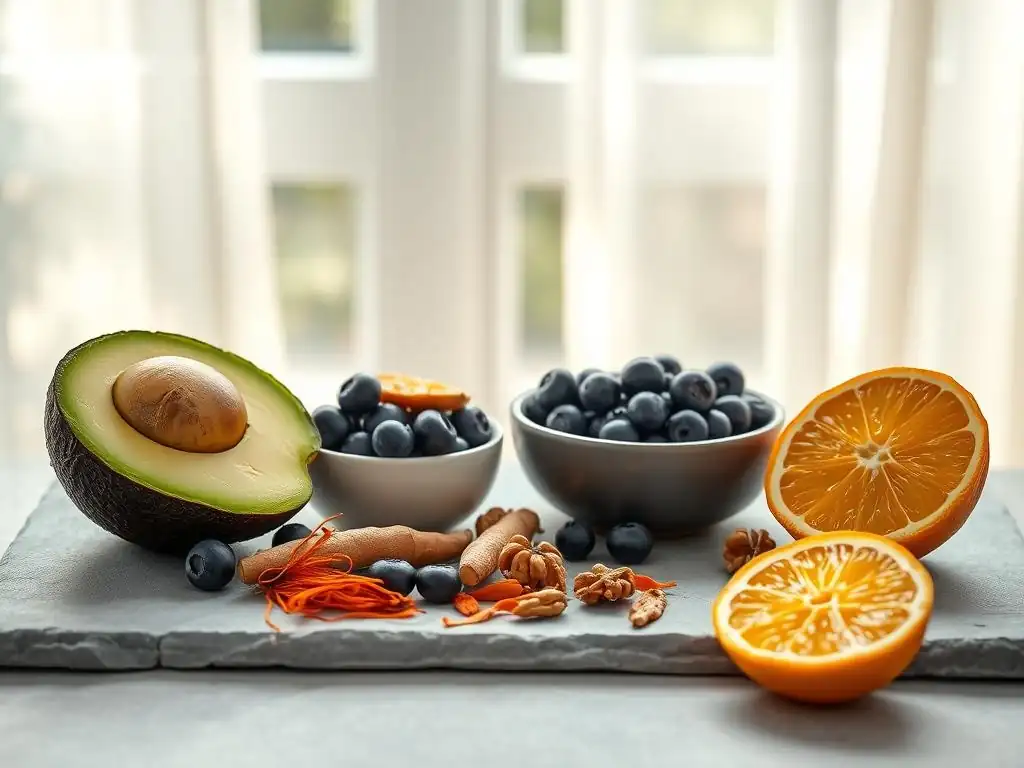
Avocados are another excellent source of monounsaturated fats, along with fiber, potassium, and antioxidants, all contributing to their anti-inflammatory profile. Nuts and seeds, such as walnuts, almonds, chia seeds, and flaxseeds, provide healthy fats (including Omega-3s in walnuts, chia, and flax), fiber, and various micronutrients that help combat inflammation. A handful of nuts (around one ounce) daily can be a great addition to your antiinflammatory nutrition mental health strategy.
Building Your Anti-Inflammatory Meal Plan for Mental Wellness
Translating the principles of anti-inflammatory nutrition into daily meals can seem daunting, but it's achievable with a little planning. The goal is to create balanced, nutrient-dense meals that are both delicious and supportive of your mental well-being.
Sample Breakfast Ideas for a Calm and Focused Mind
Starting the day with an anti-inflammatory breakfast sets a positive tone for both your body and mind. A simple yet effective option is a smoothie made with berries, spinach, a source of healthy fat like chia seeds or avocado, and a liquid base like almond milk. This provides antioxidants, fiber, and healthy fats to stabilize blood sugar and reduce inflammation.
Another excellent choice is oatmeal (rolled oats) topped with nuts, seeds, and a sprinkle of cinnamon. Oats provide complex carbohydrates and fiber, promoting stable energy levels, while nuts and seeds add anti-inflammatory fats and protein. Avoid sugary cereals or pastries, which can lead to blood sugar crashes and increased inflammation, negatively impacting mood and focus early in the day.
Lunch Options to Combat Inflammation and Boost Mood
Lunch provides an opportunity to refuel and maintain stable energy and mood throughout the afternoon. A large salad packed with leafy greens, colorful vegetables (like bell peppers, carrots, and tomatoes), and a source of lean protein (grilled chicken, salmon, lentils, or chickpeas) dressed with extra virgin olive oil and lemon juice is a perfect anti-inflammatory meal. Adding avocado or a sprinkle of nuts can further enhance its benefits.
Alternatively, consider a bowl of lentil soup or a quinoa salad with roasted vegetables. Legumes like lentils and chickpeas are high in fiber and plant-based protein, contributing to satiety and gut health, which, as we know, is linked to mental well-being via the gut-brain axis. Quinoa is a complete protein and contains anti-inflammatory compounds. These options provide sustained energy and nutrients without the inflammatory burden of processed lunch meats or refined bread.
Dinner Recipes to Support Brain Health and Improve Sleep
Dinner should aim to provide nutrients that support overnight recovery and brain function, potentially aiding sleep quality. Baked or grilled fatty fish, like salmon, with a side of roasted broccoli and sweet potato is an ideal anti-inflammatory dinner. The Omega-3s in the fish support brain health, while broccoli provides sulforaphane, an anti-inflammatory compound, and sweet potatoes offer complex carbs and antioxidants.
Another option is a vegetable curry made with coconut milk, loaded with anti-inflammatory spices like turmeric and ginger, and plenty of vegetables like cauliflower, spinach, and bell peppers, served with a small portion of brown rice. This meal is rich in fiber, antioxidants, and beneficial fats. Avoiding heavy, processed, or sugary foods close to bedtime is also crucial for supporting both digestion and sleep quality, which are essential for mental health.
Beyond Food: Lifestyle Factors that Enhance Anti-Inflammatory Effects
While anti-inflammatory nutrition is a powerful tool, its effects are amplified when combined with other healthy lifestyle practices. Mental well-being is a multifaceted endeavor, and addressing factors beyond diet provides a more comprehensive approach to reducing inflammation and supporting your mind.
The Importance of Regular Exercise for Mental Wellness
Regular physical activity is a potent anti-inflammatory agent. Exercise helps reduce levels of pro-inflammatory markers and increases the production of anti-inflammatory cytokines. It also improves circulation, delivering oxygen and nutrients more efficiently throughout the body, including the brain.
Engaging in moderate exercise, such as brisk walking, jogging, swimming, or cycling, for at least 150 minutes per week, or vigorous exercise for 75 minutes per week, has been shown to have significant anti-inflammatory effects. Beyond its direct impact on inflammation, exercise is well-known for its ability to reduce stress, improve mood, and enhance cognitive function, making it a crucial component of a holistic approach to antiinflammatory nutrition mental health.
Stress Management Techniques to Reduce Inflammation
Chronic stress triggers the release of stress hormones like cortisol, which, over time, can lead to increased systemic inflammation. Finding effective ways to manage stress is therefore vital for reducing inflammatory load and supporting mental health. Techniques such as mindfulness meditation, deep breathing exercises, yoga, or spending time in nature can help regulate the body's stress response.
Even short periods of stress reduction can have a positive impact. For example, practicing mindfulness for just 10-15 minutes daily has been shown to reduce perceived stress levels and may influence inflammatory pathways. Incorporating stress management into your routine complements your antiinflammatory nutrition mental health efforts by addressing another significant source of inflammation.
Prioritizing Sleep for Optimal Brain Function and Mental Health
Sleep is a fundamental pillar of both physical and mental health. During sleep, the brain clears metabolic waste products, including those associated with inflammation. Chronic sleep deprivation, defined as consistently getting less than 7-9 hours of quality sleep per night for most adults, can increase inflammatory markers in the body.
Poor sleep can also disrupt the gut microbiome and impair the body's ability to regulate blood sugar, both of which can contribute to inflammation. Prioritizing sufficient, restful sleep helps the body repair and regenerate, reducing inflammation and supporting cognitive function, emotional regulation, and overall mental resilience. Establishing a consistent sleep schedule and creating a relaxing bedtime routine are key steps.
Practical Tips for Implementing an Anti-Inflammatory Diet for Mental Health
Making dietary changes can feel overwhelming, but focusing on gradual, sustainable steps makes the process much more manageable and effective in the long run.
Gradual Changes: Start Small and Build Momentum
Instead of attempting a complete dietary overhaul overnight, identify one or two small changes you can make initially. For example, commit to swapping sugary drinks for water or unsweetened tea, or add one extra serving of vegetables to your dinner each night. Once these changes become habits, introduce another.
This incremental approach builds confidence and allows your palate and routine to adjust. Celebrating small victories, like successfully incorporating a new anti-inflammatory food into your week, can provide motivation to continue your journey towards improved antiinflammatory nutrition mental health. Remember, consistency over time is more important than perfection immediately.
Reading Food Labels: Understanding Ingredients and Avoiding Inflammatory Additives
Becoming a savvy label reader is crucial for identifying hidden inflammatory ingredients. Look for added sugars (which go by many names like sucrose, glucose-fructose, corn syrup), partially hydrogenated oils (trans fats), and excessive amounts of saturated fat. Pay attention to ingredient lists, which are ordered by quantity.
Choose products with shorter ingredient lists and whole, recognizable foods. For instance, opt for bread made with whole grains and minimal added sugar rather than refined white bread with a long list of additives. Understanding labels empowers you to make informed choices that align with your antiinflammatory nutrition mental health goals.
Creating a Weekly Shopping List for Anti-Inflammatory Foods
Planning your meals and creating a shopping list based on anti-inflammatory foods can save time, reduce waste, and ensure you have the right ingredients on hand. Focus on stocking up on fresh produce (berries, leafy greens, colorful vegetables), lean protein sources (fish, poultry, legumes, nuts, seeds), healthy fats (olive oil, avocados), and whole grains.
Organize your list by grocery store sections (produce, pantry, etc.) to make shopping more efficient. Having a list based on your anti-inflammatory meal plan makes it easier to resist impulse purchases of processed snacks or sugary treats, keeping you on track with your goals for antiinflammatory nutrition mental health.
[ ] Plan one anti-inflammatory meal for the week.
[ ] Identify one inflammatory food to reduce or eliminate.
[ ] Add two new anti-inflammatory foods to your next shopping list.
Addressing Potential Challenges and Concerns
Embarking on an anti-inflammatory diet for mental health may present challenges. It's important to anticipate these and have strategies in place to navigate them successfully.
Cravings for sugary or processed foods, especially when stressed or tired, can be powerful. Instead of viewing them as failures, see them as signals. Try drinking a glass of water, going for a short walk, or engaging in a distracting activity. Having healthy, anti-inflammatory snacks readily available, like nuts, seeds, or fruit, can help satisfy hunger and reduce the urge for less healthy options.
Social gatherings often revolve around food. Before attending, consider eating a small, anti-inflammatory snack so you're not overly hungry. Survey the options available and prioritize those that fit your plan, like salads, grilled proteins, or vegetable dishes. If you choose to indulge in a less anti-inflammatory item, do so mindfully and in moderation, and then return to your regular eating pattern. Remember that progress, not perfection, is the goal for sustainable antiinflammatory nutrition mental health.
Addressing Potential Nutrient Deficiencies Through Supplementation
While a well-planned anti-inflammatory diet is nutrient-dense, some individuals may still benefit from targeted supplementation, especially if they have specific dietary restrictions or conditions affecting nutrient absorption. Omega-3 fatty acids (EPA and DHA), Vitamin D, and certain probiotics are common supplements considered to support an anti-inflammatory state and mental health.
For example, many people don't consume enough fatty fish to get optimal levels of Omega-3s, making a supplement potentially beneficial. Vitamin D deficiency is also common and has been linked to both inflammation and mood disorders. However, it is crucial to remember that supplements should complement, not replace, a healthy diet. Always consult with a healthcare professional or registered dietitian before starting any new supplements to ensure they are appropriate for your individual needs and won't interact with medications.
Consulting with a Healthcare Professional or Registered Dietitian
Making significant dietary changes, particularly when managing mental health conditions, should ideally be done in consultation with qualified professionals. A registered dietitian or nutritionist specializing in mental health or inflammatory diets can provide personalized guidance, help you create a tailored meal plan, and ensure you are meeting all your nutritional needs.
Your doctor can also provide valuable insights, rule out underlying medical conditions, and help you understand how dietary changes might interact with any medications you are taking. Collaborating with these professionals ensures that your approach to antiinflammatory nutrition mental health is safe, effective, and integrated with any other treatments you are receiving.
Anti-Inflammatory Nutrition and Specific Mental Health Conditions
The principles of anti-inflammatory nutrition offer supportive benefits across a spectrum of mental health challenges, working alongside other therapies.
The Role of Diet in Managing Generalized Anxiety Disorder
Chronic anxiety is often associated with heightened physiological stress responses, which can involve inflammatory pathways. Adopting an anti-inflammatory diet can help modulate these responses and promote a calmer state. By reducing inflammatory foods that can cause blood sugar spikes and crashes (which can exacerbate anxiety symptoms) and increasing nutrients that support neurotransmitter balance and nervous system function, individuals with GAD may experience reduced symptom severity.
Foods rich in magnesium, found in leafy greens, nuts, and seeds, are particularly helpful as magnesium plays a role in regulating the stress response. Omega-3 fatty acids have also shown promise in studies for reducing anxiety symptoms, potentially due to their anti-inflammatory effects on the brain. While diet is not a cure for GAD, integrating antiinflammatory nutrition mental health strategies can be a valuable part of a comprehensive management plan, helping to create a more stable internal environment.
The Impact of Diet on Major Depressive Disorder Symptoms
Major Depressive Disorder (MDD) is strongly linked to inflammation, with many individuals showing elevated inflammatory markers. An anti-inflammatory diet directly targets this underlying inflammation. By reducing intake of pro-inflammatory foods like refined sugars and processed items and increasing consumption of anti-inflammatory powerhouses, individuals can potentially lower systemic inflammation and neuroinflammation.
Research, including observational studies and some clinical trials, suggests that dietary patterns high in fruits, vegetables, whole grains, and fatty fish (characteristic of anti-inflammatory diets like the Mediterranean diet) are associated with a lower risk of depression and can potentially improve symptoms in individuals already diagnosed. One study found that dietary improvements in individuals with moderate to severe depression led to significant symptom reduction, comparable to the effects of exercise or cognitive behavioral therapy. This highlights the significant potential of antiinflammatory nutrition mental health as an adjunctive therapy for depression.
Supporting Cognitive Function Through Anti-Inflammatory Eating for Alzheimer's Prevention
While not strictly a mental health disorder in the same category as anxiety or depression, cognitive decline and neurodegenerative diseases like Alzheimer's are increasingly understood to have inflammatory components. Chronic neuroinflammation contributes to the accumulation of amyloid plaques and tau tangles characteristic of Alzheimer's pathology.
An anti-inflammatory diet, rich in antioxidants, healthy fats, and phytonutrients, helps protect brain cells from oxidative stress and inflammation, supporting long-term cognitive function. The MIND diet, a hybrid of the Mediterranean and DASH diets, specifically emphasizes foods linked to brain health and reduced Alzheimer's risk, such as berries, leafy greens, nuts, and olive oil, while limiting inflammatory foods. Studies on the MIND diet have shown a reduced risk of developing Alzheimer's by as much as 53% in participants who adhered most strictly, underscoring the protective power of antiinflammatory nutrition mental health for cognitive longevity.
Conclusion: Nurturing Your Mind with Anti-Inflammatory Nutrition for Long-Term Mental Well-being
Embracing anti-inflammatory nutrition is more than just a diet; it's a lifestyle choice that profoundly impacts not only physical health but also the intricate workings of the brain and our overall mental well-being. By understanding the powerful connection between inflammation and mental health and making conscious food choices, we can actively support our cognitive function, emotional stability, and resilience.
The Ongoing Journey of Holistic Mental Health
Healing and nurturing the mind is an ongoing journey that benefits from a holistic approach. Anti-inflammatory nutrition is a vital piece of this puzzle, working synergistically with other supportive practices like regular exercise, stress management, quality sleep, and professional support when needed. It acknowledges that the body and mind are deeply interconnected and that nourishing one directly benefits the other.
This path is about progress, not perfection. It involves learning, adapting, and being patient with yourself. By consistently prioritizing anti-inflammatory foods and minimizing inflammatory ones, you are building a foundation for long-term mental resilience and vitality, creating an internal environment where your mind can thrive.
Empowering Yourself with Knowledge and Healthy Choices
The knowledge of how food impacts inflammation and, consequently, mental health is incredibly empowering. It shifts the focus from feeling powerless over symptoms to having agency through daily choices. Every time you choose a plate full of colorful vegetables, healthy fats, and lean proteins over processed alternatives, you are making a tangible investment in your brain health and emotional well-being.
By adopting antiinflammatory nutrition mental health principles, you are taking proactive steps to reduce inflammation, support your gut-brain axis, protect your neurons, and foster a more positive mental state. This journey is an act of self-care, a commitment to nourishing your mind from within and unlocking its full potential for health and happiness.
Frequently Asked Questions
What is the connection between anti-inflammatory nutrition and mental health?
Studies suggest a strong link. Chronic inflammation in the body can negatively impact the brain, potentially contributing to various mental health challenges. Anti-inflammatory nutrition aims to reduce this inflammation.
How can anti-inflammatory foods improve my mental well-being?
These foods are rich in antioxidants and nutrients that help combat inflammation. By reducing inflammation, they can improve brain function, mood, and overall cognitive performance.
What are some examples of anti-inflammatory foods I should incorporate into my diet?
Consider adding foods like fatty fish, berries, leafy greens, nuts, and seeds to your diet. These are known for their anti-inflammatory properties and nutritional benefits.
Are there specific mental health conditions that can benefit from anti-inflammatory nutrition?
While more research is needed, conditions like depression, anxiety, and cognitive decline show promising links. Reducing inflammation may help alleviate symptoms and improve outcomes.
Is anti-inflammatory nutrition a substitute for traditional mental health treatment?
No, it's crucial to understand that it's not a replacement for therapy or medication. It's a complementary approach that can support overall mental well-being alongside traditional treatments.
Final Reflection: Cultivating Inner Peace Through the Plate
The connection between what we eat and how we feel is undeniable, and the impact of anti-inflammatory nutrition on mental well-being is increasingly recognized as crucial for a healthier, happier life. We've explored the intricate pathways linking gut health, inflammation, and mental clarity, demonstrating how mindful food choices can significantly impact our emotional landscape. This isn't just a trend; it's a fundamental shift in understanding the holistic nature of health.
The journey towards mental wellness is deeply personal, and the power of anti-inflammatory nutrition lies not just in its scientific basis, but in its ability to empower individuals to take control of their own well-being. It's about fostering a relationship with food that nourishes both body and mind, a concept echoed beautifully by the words of Hippocrates: Let food be thy medicine and medicine be thy food.
This ancient wisdom resonates powerfully today as we grapple with the complexities of modern life and the rising prevalence of mental health challenges. The simple act of choosing nourishing foods becomes an act of self-care, a tangible way to prioritize mental peace.
Now, consider your own relationship with food. What changes, however small, can you implement today to cultivate a more anti-inflammatory diet? Perhaps it's adding a vibrant serving of colorful vegetables to your dinner, swapping processed snacks for nutrient-rich alternatives, or simply taking a moment to appreciate the nourishment your food provides. This isn't about perfection; it's about progress. Embrace the journey, celebrate your successes, and remember that the path to a healthier mind often begins with a mindful bite.
Unlock Your Inner Radiance: Nourish Your Mind, Naturally
Thank you for taking the time to explore the powerful connection between nutrition and mental well-being! We hope you gained valuable insights into harnessing the anti-inflammatory power of food to support your mind. Now it's time to put that knowledge into action.
- Prioritize one anti-inflammatory food: Choose one new food from the article (like blueberries or turmeric) and actively incorporate it into your diet this week. Track how you feel!
- Share your journey: Tell us (and others!) about your experience by leaving a comment below – what challenges did you encounter, and what successes did you celebrate?
- Experiment with mindful eating: Pay close attention to how different foods make you feel, both physically and mentally. This increased awareness is key to building a healthier relationship with food.
What simple dietary change will you make today to nurture your mind and unlock its incredible potential?