
The Spiritual Dimension of Mental Health in Eastern Cultures

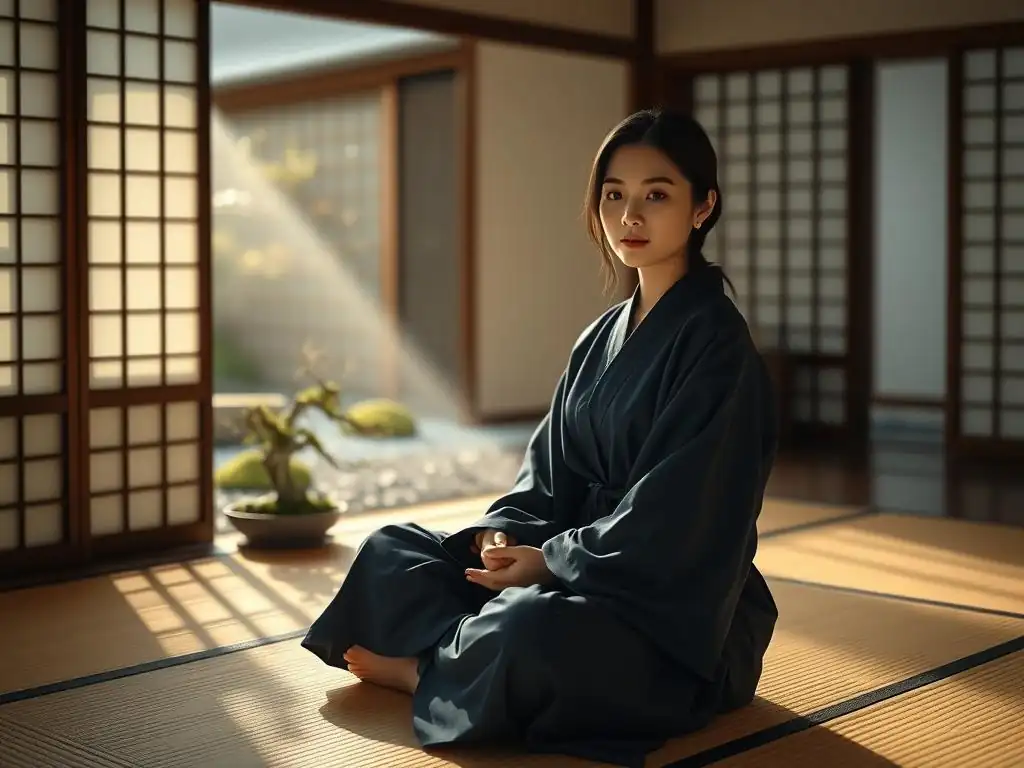
Welcome to Mind Care Guide, a space dedicated to nurturing your mental well-being.
Feeling overwhelmed by the modern world? Many are. But what if ancient wisdom held the key to a more balanced mind? This week, we delve into the profound connection between spirituality and mental health, exploring the powerful Eastern cultures mental wellness practices that have helped countless individuals find inner peace. Curious to discover how these time-tested methods can enrich your own journey to well-being? Let's begin.
The Spiritual Dimension of Mental Health in Eastern Cultures: A Mind Care Guide
- Introduction: Bridging Mental Well-being and Spirituality in the East
- Eastern Cultures Mental Wellness Practices: An Overview
- Traditional Practices for Mental Well-being in Eastern Cultures
- The Influence of Religion on Mental Health in Eastern Societies
- Addressing Mental Health Stigma in Eastern Communities
- Case Studies: Examples of Successful Spiritual Interventions for Mental Health
- The Future of Mental Health Care in Eastern Cultures: A Holistic Approach
-
Frequently Asked Questions
- What are some common Eastern cultures mental wellness practices?
- How does spirituality contribute to mental health in Eastern cultures?
- How do Eastern approaches to mental health differ from Western approaches?
- Are Eastern mental wellness practices effective for everyone, regardless of cultural background?
- Where can I find resources to learn more about Eastern cultures mental wellness practices?
- Final Reflection: Weaving the Spiritual into Wellness
- Unlock Your Inner Peace: Practical Steps to Holistic Wellbeing
Introduction: Bridging Mental Well-being and Spirituality in the East
Understanding the Intertwined Nature of Mind and Spirit in Eastern Philosophies
In many Eastern philosophical traditions, the concept of the self is not neatly compartmentalized into separate physical, mental, and spiritual components as is often seen in Western thought. Instead, there is a deep-seated understanding that these dimensions are intrinsically linked and constantly influence one another. Mental health is therefore not merely the absence of psychological distress but is viewed as a state of harmony and balance across all aspects of one's being, including the spiritual. This holistic perspective informs many Eastern cultures mental wellness practices.
This interconnectedness is central to philosophies like Buddhism, Hinduism, and Taoism, which emphasize the importance of inner peace, self-awareness, and connection to something larger than oneself. Suffering, including mental anguish, is often understood not just as a personal failing or biological imbalance, but as a result of disharmony or a lack of spiritual insight. Consequently, paths to healing and well-being frequently involve practices aimed at cultivating spiritual growth alongside mental and physical health. This integrated approach forms the bedrock of how mental wellness is pursued in these cultures.
The Role of Spirituality in Holistic Mental Healthcare Approaches
Spirituality in Eastern cultures often provides a framework for understanding life's challenges, including mental health struggles, and offers pathways for coping and resilience. Religious or philosophical beliefs can provide a sense of purpose, community, and hope, which are vital protective factors for mental well-being. Practices such as prayer, ritual, ethical living, and seeking guidance from spiritual teachers are integral components of the support system available to individuals facing mental health issues.
Moreover, many traditional healing methods employed in Eastern cultures mental wellness practices explicitly incorporate spiritual or energetic concepts. Techniques like meditation, yoga, acupuncture, and herbal medicine are often grounded in philosophies that view illness, including mental illness, as a disruption of vital energy or spiritual equilibrium. Addressing these imbalances through spiritual or energetically-focused practices is considered essential for restoring overall health, highlighting the inseparable link between the spiritual and the therapeutic in these contexts.
Eastern Cultures Mental Wellness Practices: An Overview
Core Principles of Eastern Approaches to Mental Wellness
Eastern approaches to mental wellness are fundamentally rooted in principles of balance, harmony, and interconnectedness. Unlike models that might primarily focus on symptom reduction or diagnosis, these practices often aim for a deeper transformation of consciousness and a cultivation of inner resilience. A core principle is the understanding that external circumstances are often less significant than one's internal state and reaction to them, emphasizing the power of the mind in shaping experience.
Another key principle is the focus on prevention and the maintenance of wellness, rather than solely intervening during illness. Many Eastern cultures mental wellness practices are daily or regular activities intended to maintain physical, mental, and spiritual equilibrium, thereby preventing the onset of distress. This includes practices like mindful eating, regular movement (like Tai Chi or Qigong), and contemplative practices, all designed to foster a state of harmonious health and prevent the accumulation of stress or negative energy that can lead to mental health problems.
Key Differences Between Eastern and Western Perspectives on Mental Health
One significant difference lies in the conceptualization of the self and suffering. Western psychology often focuses on the individual self and identifying specific psychological disorders based on symptoms. While effective, this can sometimes isolate the individual's mind from their body, community, or spiritual life. Eastern perspectives, conversely, often view suffering as arising from attachment, illusion (Maya in Hinduism), or a lack of awareness of one's true nature (Anatta in Buddhism), placing it within a broader existential or spiritual context.
Furthermore, the therapeutic relationship differs. While Western therapy often centers on verbal processing and the dynamic between therapist and client, many Eastern cultures mental wellness practices emphasize self-discipline, personal practice, and guidance from a teacher or community rather than solely a clinical professional. The goal is frequently self-mastery and spiritual insight alongside emotional regulation. For instance, meditation teachers might guide students through practices to observe thoughts without judgment, a technique aimed at changing one's relationship with thoughts, not just analyzing their content, which represents a distinct therapeutic approach.
Traditional Practices for Mental Well-being in Eastern Cultures

Meditation and Mindfulness: Cultivating Inner Peace and Mental Clarity
Meditation and mindfulness are cornerstones of many Eastern cultures mental wellness practices, rooted in ancient contemplative traditions, particularly Buddhism. These practices involve training the mind to achieve a state of focused attention or open awareness, leading to reduced reactivity to thoughts and emotions. The goal is often to cultivate equanimity, insight into the nature of reality, and ultimately, liberation from suffering.
Regular engagement in meditation and mindfulness has been linked to numerous mental health benefits. By observing thoughts and feelings without judgment, individuals can develop a greater capacity to manage stress, anxiety, and depressive symptoms. These practices foster a sense of calm, improve concentration, and can enhance self-awareness, allowing individuals to respond to challenges more skillfully rather than automatically reacting out of habit or emotional overwhelm.
Types of Meditation Practices Common in Eastern Traditions
Various forms of meditation are practiced across Eastern cultures. Vipassanā (insight meditation), originating from the Theravada Buddhist tradition, focuses on observing reality as it is, paying close attention to physical sensations, feelings, and thoughts to understand impermanence and non-self. Samatha (calm abiding) meditation, found in many Buddhist schools, aims to develop concentration and mental stability, often by focusing on a single object like the breath.
Other practices include loving-kindness meditation (Metta), which cultivates compassion towards oneself and others; walking meditation, integrating mindfulness with physical movement; and mantra meditation, using repeated sounds or phrases to focus the mind, common in Hindu and certain Buddhist traditions. Each type offers a unique path to quiet the mind and cultivate inner qualities beneficial for mental health, forming vital Eastern cultures mental wellness practices.
Benefits of Meditation for Reducing Stress and Anxiety
Scientific studies have increasingly validated the benefits of meditation for mental health, echoing centuries of anecdotal evidence from Eastern practitioners. Research indicates that regular meditation can lead to measurable reductions in stress hormones like cortisol. For example, some studies have reported reductions in perceived stress levels by 30% or more after consistent meditation practice over several weeks.
Furthermore, mindfulness-based interventions, derived from Eastern meditation techniques, have shown efficacy in reducing symptoms of anxiety and depression. Meta-analyses suggest that these practices can lead to moderate effect sizes in improving symptoms comparable to some psychological therapies. By training the mind to remain present and non-reactive, meditation helps individuals detach from anxious rumination about the future or depressive thoughts about the past, significantly improving their mental state.
Yoga and Physical Practices: Balancing Body and Mind
Yoga, originating in ancient India, is another foundational element of Eastern cultures mental wellness practices. While often perceived in the West primarily as a physical exercise involving postures (asanas), traditional yoga is a comprehensive system that includes breath control (pranayama), meditation (dhyana), ethical principles (yamas and niyamas), and other practices aimed at integrating the body, mind, and spirit.
The physical postures and breathing techniques of yoga are believed to influence the flow of vital energy (prana) in the body, which in turn affects mental and emotional states. By releasing physical tension, improving circulation, and calming the nervous system, yoga practices can directly alleviate stress, anxiety, and symptoms of depression. The discipline required to maintain postures and focus on breath also cultivates mental concentration and self-awareness.
The Connection Between Physical Activity and Mental Health in Eastern Thought
Eastern philosophies have long recognized the intricate connection between the physical body and the mental/emotional state. Practices like yoga, Tai Chi, and Qigong are not just seen as exercise but as ways to cultivate and balance the body's subtle energies, which are believed to directly impact the mind. A stagnant or unbalanced physical energy flow is thought to manifest as emotional or mental distress.
This perspective contrasts with a purely biomedical view where physical exercise might be seen as a separate intervention for mental health, primarily affecting neurotransmitters. In Eastern thought, the physical practice is the mental and spiritual practice; the body is a vehicle for cultivating a calm mind and achieving spiritual insight. Harmonizing physical movement and breath is understood as harmonizing the internal landscape, a core principle in Eastern cultures mental wellness practices.
Specific Yoga Poses for Mental and Emotional Well-being
Certain yoga postures are particularly recommended in traditional texts and modern practice for their calming or uplifting effects on the mind. Poses like child's pose (Balasana) and legs-up-the-wall pose (Viparita Karani) are considered restorative and help calm the nervous system, beneficial for anxiety. Forward bends like seated forward bend (Paschimottanasana) are thought to release tension in the back and hamstrings, often correlated with stored stress.
Inversions, such as headstand (Sirsasana) or shoulder stand (Sarvangasana), when practiced safely, are believed to increase blood flow to the brain and can be invigorating, potentially helping with lethargy associated with depression. Twisting poses are thought to aid detoxification and stimulate internal organs, which some traditions link to emotional release. Integrating these postures with conscious breath forms potent Eastern cultures mental wellness practices.
Traditional Chinese Medicine (TCM) and Mental Health
Traditional Chinese Medicine (TCM), a system practiced for over 2,500 years, offers a unique perspective on mental health deeply integrated with physical health and the environment. TCM views the body as a complex system of interconnected meridians through which vital energy, or Qi (pronounced "chee"), flows. Mental and emotional states are considered manifestations of the balance or imbalance of Qi, Blood, and the Five Elements, as well as the health of specific organ systems like the Heart, Liver, and Spleen.
Emotional disturbances are often seen as either causes or effects of disharmony within these systems. For example, excessive worry is thought to weaken the Spleen and Lungs, while anger is linked to the Liver. Treating mental health in TCM involves diagnosing the underlying pattern of imbalance and restoring harmony through various methods, making it a key component of Eastern cultures mental wellness practices.
The Role of Qi and the Five Elements in Emotional Balance
In TCM, Qi is the fundamental life force, circulating through pathways called meridians. Emotional states are intimately connected to Qi flow; blocked or stagnant Qi can lead to feelings of frustration, irritability, or depression, while deficient Qi can manifest as lethargy, anxiety, or lack of motivation. The Five Elements (Wood, Fire, Earth, Metal, Water) are also central, each associated with specific organs, emotions, and seasons.
For instance, the Liver is associated with the Wood element and the emotion of anger. Imbalances in Liver Qi can manifest as irritability, frustration, or even depression. The Heart is associated with the Fire element and houses the Shen (Spirit/Mind). A disturbed Shen, often due to Heart Qi or Blood deficiency, can lead to insomnia, anxiety, and poor memory. Restoring the balance of Qi and the Five Elements is the primary goal in addressing emotional and mental health issues within this framework.
Acupuncture and Herbal Remedies for Addressing Mental Health Concerns
Acupuncture and Chinese herbal medicine are two primary modalities used in TCM for mental health. Acupuncture involves inserting fine needles into specific points along the meridians to regulate the flow of Qi and restore balance. For conditions like anxiety or depression, acupuncture points on meridians associated with the Heart, Liver, or Spleen might be targeted to calm the Shen, soothe stagnant Qi, or nourish deficient energy.
Chinese herbal medicine uses complex formulas tailored to an individual's specific TCM diagnosis. Herbs are chosen based on their properties to, for example, calm the spirit (like Ziziphus jujuba seed), move stagnant Qi (like Bupleurum chinense), or nourish Blood and Yin (like Angelica sinensis). Clinical reports and some studies suggest these interventions can help alleviate symptoms of anxiety, depression, insomnia, and stress, contributing significantly to Eastern cultures mental wellness practices.
Ayurveda and Mental Well-being
Ayurveda, the traditional system of medicine from India, practiced for over 3,000 years, also offers a holistic approach to mental well-being deeply intertwined with physical health, diet, lifestyle, and spiritual practices. Ayurveda views health as a state of balance among the three fundamental energies or constitutions known as Doshas: Vata, Pitta, and Kapha. Each individual has a unique combination of these Doshas, which influences their physical, mental, and emotional tendencies.
Mental imbalances, known as Manas Roga, are understood as disruptions in the equilibrium of the Doshas in the mind (Manas) and body, often exacerbated by improper diet, lifestyle, environmental factors, and emotional stress. Restoring mental well-being involves identifying the specific Dosha imbalance and implementing personalized interventions to bring the system back into harmony, making it a crucial part of Eastern cultures mental wellness practices.
Understanding Doshas and Their Influence on Mental States
The three Doshas—Vata (air and ether), Pitta (fire and water), and Kapha (earth and water)—govern all physiological and psychological processes. Vata energy is associated with movement, creativity, and change, but when imbalanced, it can lead to anxiety, fear, restlessness, and insomnia. Pitta energy relates to metabolism, digestion, and transformation; an imbalance can manifest as irritability, anger, frustration, and critical thoughts.
Kapha energy provides structure, stability, and lubrication; its imbalance can result in lethargy, depression, attachment, and resistance to change. Understanding an individual's dominant Dosha and their current state of imbalance (Vikriti) is key in Ayurveda to tailor treatment for mental health. For example, someone with a Vata imbalance experiencing anxiety might benefit from grounding and warming practices, while someone with a Pitta imbalance and anger might need cooling and calming interventions.
Ayurvedic Practices for Promoting Mental Harmony
Ayurvedic treatment for mental well-being is multi-faceted, incorporating diet, lifestyle adjustments, herbal remedies, body therapies, and spiritual practices. Dietary recommendations are made based on the individual's Dosha imbalance to reduce aggravating qualities; for example, a Vata imbalance might require warm, cooked, grounding foods, while a Pitta imbalance might need cooling foods.
Lifestyle changes include establishing regular routines (Dinacharya), getting adequate sleep, and practicing stress-reducing activities like yoga and meditation. Herbal formulations are used to calm the nervous system, improve sleep, and balance specific Doshas; examples include Ashwagandha for stress and anxiety, Brahmi for cognitive function and calming, and Jatamansi for insomnia. Body therapies like Shirodhara (warm oil poured on the forehead) are also used to calm the mind. These integrated practices are essential Eastern cultures mental wellness practices.
The Influence of Religion on Mental Health in Eastern Societies
Buddhism: Finding Liberation from Suffering Through Mindfulness and Compassion
Buddhism, originating in India, offers a profound framework for understanding and alleviating mental suffering, making it a significant influence on Eastern cultures mental wellness practices. The core teaching revolves around the Four Noble Truths, which state that suffering exists, it has a cause (attachment and ignorance), it can cease, and there is a path to its cessation (the Noble Eightfold Path). Mental distress is seen as a form of suffering arising from clinging to impermanent phenomena and misunderstanding the nature of reality.
The path to liberation (Nirvana) involves cultivating ethical conduct, mental discipline (meditation), and wisdom. Practices like mindfulness (Sati) and compassion (Karuna) are central. By developing mindfulness, individuals learn to observe their thoughts and emotions without getting swept away by them, reducing reactivity and fostering emotional regulation. Cultivating compassion helps to alleviate suffering by fostering connection and reducing self-centeredness, addressing feelings of isolation that often accompany mental health challenges.
The Four Noble Truths and Their Relevance to Mental Health
The Four Noble Truths provide a diagnostic and therapeutic model applicable to mental health. The First Truth acknowledges the reality of suffering (Dukkha), which includes physical pain, emotional distress, and the dissatisfaction inherent in life's impermanence. This validates the experience of mental health struggles. The Second Truth identifies the cause of suffering as craving and attachment (Tanha), explaining how clinging to desires, aversions, and fixed views fuels anxiety, depression, and other forms of distress.
The Third Truth offers hope by stating that suffering can cease (Nirodha) by letting go of craving, suggesting that mental well-being is attainable. The Fourth Truth outlines the path to cessation (Magga) through the Noble Eightfold Path, which includes practices like right understanding, right thought, right speech, right action, right livelihood, right effort, right mindfulness, and right concentration. These principles provide a practical guide for cultivating mental discipline and wisdom to overcome psychological distress, forming core Eastern cultures mental wellness practices.
Buddhist Meditation Techniques for Emotional Regulation
Buddhist traditions have developed a rich array of meditation techniques specifically aimed at emotional regulation. Mindfulness meditation teaches individuals to observe the arising and passing of emotions without judgment or identification, creating space between the feeling and the reaction. This practice can significantly reduce the intensity and duration of negative emotional states like anger, fear, and sadness.
Loving-kindness meditation (Metta Bhavana) cultivates feelings of warmth, friendliness, and compassion towards oneself and others. Regularly practicing Metta can help reduce self-criticism, increase empathy, and improve relationships, all of which are crucial for mental well-being. Compassion meditation (Karuna Bhavana) focuses on cultivating the wish for others to be free from suffering. These practices directly address the emotional landscape, offering powerful Eastern cultures mental wellness practices for managing difficult feelings.
Hinduism: Karma, Dharma, and the Path to Mental Harmony
Hinduism, a diverse tradition originating in the Indian subcontinent, incorporates concepts like Karma, Dharma, and various spiritual paths (Yogas) that profoundly influence mental health perspectives and practices. Karma refers to the principle of cause and effect, where actions have consequences, shaping one's present and future experiences, including mental states. Dharma represents one's duty, purpose, or righteous way of living. Living in accordance with Dharma is believed to create positive Karma and contribute to inner peace.
The pursuit of mental harmony in Hinduism often involves understanding one's Karma and Dharma, engaging in spiritual practices (like prayer, rituals, meditation, yoga), and seeking liberation (Moksha) from the cycle of birth and death. These practices aim to purify the mind (Chitta Shuddhi), reduce ego-driven desires, and cultivate virtues, all of which are considered essential for mental well-being. These form crucial Eastern cultures mental wellness practices.
The Role of Karma in Shaping Mental Experiences
The concept of Karma in Hinduism provides a framework for understanding why individuals experience certain circumstances or predispositions, including mental health challenges. While not a fatalistic concept, it suggests that past actions (in this life or previous ones) can influence one's current mental state, tendencies, and challenges. This perspective can sometimes lead to a sense of personal responsibility for one's condition but also offers a pathway for change through conscious action (right Karma).
Understanding Karma encourages individuals to engage in virtuous actions and spiritual practices to create positive imprints on the mind and mitigate the effects of negative past actions. Rather than viewing mental illness solely as a random occurrence, the Karma perspective integrates it into a larger spiritual journey, encouraging introspection and ethical living as means to improve one's mental and spiritual state. This understanding shapes how individuals approach Eastern cultures mental wellness practices.
Hindu Spiritual Practices for Promoting Mental Wellness
Hinduism offers numerous spiritual practices aimed at purifying the mind and promoting mental wellness. Bhakti Yoga (the path of devotion) involves chanting mantras, singing hymns (Kirtan), and performing rituals (Puja) to connect with the divine. These practices can evoke feelings of peace, joy, and surrender, reducing anxiety and depression. Jñana Yoga (the path of knowledge) involves studying scriptures and engaging in philosophical inquiry to understand the nature of reality and the self, which can help transcend mental delusions and fears.
Karma Yoga (the path of selfless action) emphasizes performing one's duties without attachment to results, reducing the stress and anxiety associated with outcome-dependency. Raja Yoga, as codified by Patanjali, includes the physical and mental disciplines of Asana, Pranayama, and Dhyana (meditation), directly cultivating mental control and tranquility. These diverse paths offer varied yet powerful Eastern cultures mental wellness practices for achieving mental harmony.
Taoism: Living in Harmony with Nature and Finding Inner Peace
Taoism, originating in ancient China, emphasizes living in harmony with the Tao (the Way), the fundamental, unnamable principle underlying the universe. Mental well-being in Taoism is achieved by aligning oneself with the natural flow of life, cultivating spontaneity, simplicity, and inner stillness. Distress often arises from resisting this flow, striving against nature, or becoming overly attached to artificial societal constructs and desires.
Key concepts include Wu Wei (non-action or effortless action), P'u (uncarved block or simplicity), and living in accordance with the rhythms of nature. Taoist practices aim to cultivate vital energy (Qi) and harmonize the body and mind through movement, meditation, and contemplation. By letting go of excessive control, striving, and judgment, individuals can find inner peace and resilience, reflecting core Eastern cultures mental wellness practices.
The Concept of Wu Wei (Non-Action) and Its Application to Mental Health
Wu Wei does not mean doing nothing, but rather acting in alignment with the natural order, effortlessly and spontaneously, without force or resistance. Applying Wu Wei to mental health involves letting go of excessive worry, overthinking, and trying to control circumstances beyond one's influence. It encourages acceptance of the present moment and responding to challenges with flexibility and adaptability, much like water flowing around obstacles.
This principle helps reduce stress and anxiety caused by constant striving and resistance. Instead of battling negative thoughts or difficult emotions, Wu Wei suggests observing them without judgment and allowing them to pass naturally. This approach mirrors aspects of mindfulness and acceptance therapies and is a vital principle within Eastern cultures mental wellness practices focused on effortless living and inner peace.
Taoist Practices for Cultivating Mental Balance
Taoist practices for mental balance often involve cultivating Qi and harmonizing the body and mind. Tai Chi Chuan and Qigong are gentle movement practices that combine slow, deliberate movements with deep breathing and meditation. These practices are believed to improve the flow of Qi, reduce tension, calm the nervous system, and enhance awareness of the body-mind connection.
Taoist meditation techniques often focus on cultivating stillness (Zuochan) or visualizing the circulation of Qi within the body. These practices aim to quiet the mind, reduce distractions, and foster a state of inner peace and centeredness. By cultivating awareness of and working with one's vital energy, Taoist practices offer a unique pathway within Eastern cultures mental wellness practices to achieve mental equilibrium and resilience.
Addressing Mental Health Stigma in Eastern Communities
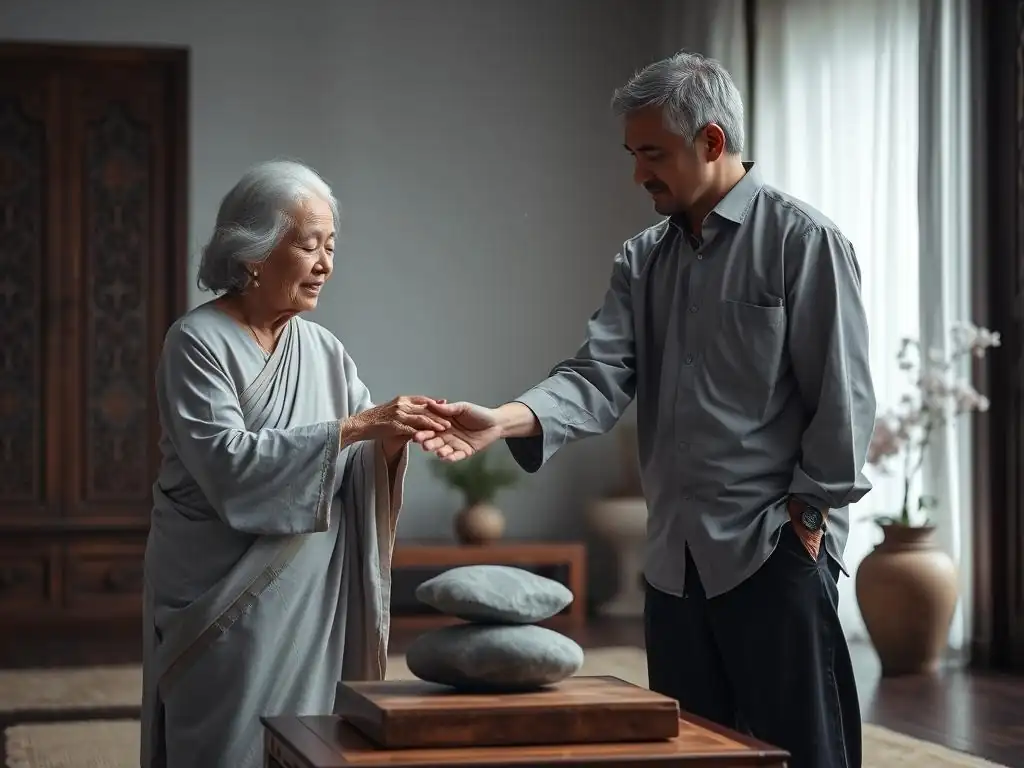
Cultural Barriers to Seeking Mental Health Treatment
Despite the rich traditions of Eastern cultures mental wellness practices, seeking professional mental health treatment in the modern sense can face significant cultural barriers. Stigma surrounding mental illness is prevalent in many Eastern societies, often leading to shame, secrecy, and discrimination. Mental health issues may be attributed to moral failings, lack of willpower, spiritual weakness, or even supernatural causes, rather than recognized as health conditions requiring medical or psychological intervention.
Fear of bringing shame upon the family, concerns about social reputation, and a preference for handling problems within the family or religious community can prevent individuals from seeking help from formal mental health services. A 2017 study in a South Asian country, for example, found that over 60% of individuals with common mental disorders did not seek any form of help, citing stigma and lack of awareness as major reasons. This reluctance highlights the need for culturally sensitive approaches.
Promoting Open Dialogue and Awareness of Mental Health Issues
Breaking down stigma requires promoting open dialogue and increasing awareness about mental health. Educational campaigns that frame mental health as a health issue, similar to physical health, can help destigmatize conditions. Sharing personal stories from individuals who have successfully managed mental health challenges can also be powerful in reducing shame and encouraging help-seeking.
Community leaders, religious figures, and healthcare professionals play a crucial role in facilitating these conversations. Initiatives that integrate mental health education into schools, workplaces, and community centers can reach a wider audience. For example, some programs in Southeast Asia have successfully used community-based workshops led by trained lay counselors to discuss stress and emotional well-being, normalizing the conversation around mental health as part of Eastern cultures mental wellness practices.
Integrating Traditional Practices with Modern Mental Healthcare
A promising approach to improve mental health outcomes in Eastern cultures is the integration of traditional wellness practices with modern psychiatric and psychological care. This recognizes the cultural relevance and effectiveness of practices like meditation, yoga, and certain herbal remedies, while also leveraging the diagnostic and treatment capabilities of Western medicine for severe conditions.
Integration can involve training mental health professionals in culturally sensitive approaches that incorporate traditional beliefs and practices, or creating collaborative models where traditional healers and modern clinicians work together. For instance, some clinics in India have begun offering yoga and meditation alongside psychotherapy and medication for depression and anxiety, reporting positive patient engagement and outcomes. This hybrid model respects cultural heritage while expanding access to effective care, enriching the landscape of Eastern cultures mental wellness practices.
Case Studies: Examples of Successful Spiritual Interventions for Mental Health
Using Mindfulness Meditation to Treat Anxiety in a Thai Buddhist Community
A case study in a rural Thai community, where Buddhism is deeply ingrained, explored the effectiveness of a mindfulness-based intervention delivered by local monks and trained community members for individuals experiencing anxiety. Participants engaged in daily guided mindfulness meditation sessions over eight weeks, focusing on breath awareness and body scan techniques, drawing directly from the local Vipassanā tradition.
Results showed a significant reduction in self-reported anxiety levels among participants compared to a control group. Participants reported feeling calmer, more able to manage worrying thoughts, and a greater sense of peace. The intervention's success was partly attributed to its cultural congruence, leveraging the respected role of monks and integrating a practice already familiar within the community's spiritual framework, demonstrating the power of Eastern cultures mental wellness practices when applied sensitively.
Integrating Yoga and Ayurveda for Depression Management in an Indian Population
A program implemented in an urban setting in India offered an integrated approach for individuals diagnosed with moderate depression, combining standard psychiatric care (medication) with weekly yoga therapy sessions and personalized Ayurvedic dietary and lifestyle recommendations. Participants attended yoga classes focusing on postures, breathing exercises, and relaxation techniques known in Ayurveda to balance the Doshas associated with depression (often Vata and Kapha).
After three months, participants in the integrated group showed significantly greater improvement in depressive symptoms compared to a control group receiving only medication. They also reported improved sleep quality, increased energy levels, and a greater sense of well-being. This case highlights how traditional Eastern cultures mental wellness practices like Yoga and Ayurveda can complement modern treatment, offering a more holistic path to recovery that resonates culturally.
The Future of Mental Health Care in Eastern Cultures: A Holistic Approach
Combining Traditional Wisdom with Modern Science
The future of mental health care in Eastern cultures likely lies in a synergistic approach that respectfully combines the wisdom of traditional Eastern cultures mental wellness practices with the evidence-based methods of modern science. This involves rigorous research into the mechanisms and effectiveness of traditional practices and finding ways to integrate them into formal healthcare systems.
Collaboration between traditional healers, spiritual leaders, and mental health professionals is essential. This could lead to the development of culturally adapted therapies that are more acceptable and accessible to local populations. For instance, mindfulness-based cognitive therapy (MBCT), which blends Western psychology with Buddhist meditation, is an example of how such integration can create effective new modalities.
The Importance of Culturally Sensitive Mental Health Services
For mental health services to be effective in Eastern cultures, they must be culturally sensitive. This means understanding and respecting local beliefs about health, illness, and healing, including the role of spirituality and family. Training mental health professionals in cultural competence is crucial to avoid imposing Western models inappropriately.
Culturally sensitive services might involve delivering therapy in local languages, incorporating family members into treatment as is common in some cultures, and being open to discussing traditional or spiritual perspectives on distress. Recognizing and validating Eastern cultures mental wellness practices as legitimate forms of support can build trust and encourage individuals to seek help when needed.
Resources for Exploring Eastern Approaches to Mental Wellness
For those interested in exploring Eastern cultures mental wellness practices, numerous resources exist. Books and teachings from respected spiritual leaders and scholars in Buddhism, Hinduism, and Taoism offer deep insights into the philosophical underpinnings of these practices. Many reputable centers and teachers offer instruction in meditation, yoga, Tai Chi, and Qigong, often rooted in traditional lineages.
Additionally, practitioners of Traditional Chinese Medicine and Ayurveda can provide personalized guidance based on these ancient healing systems. While seeking professional help for mental health concerns is important, exploring these traditional practices can offer valuable tools for self-care, resilience, and a more holistic path to well-being, complementing other forms of support.
Frequently Asked Questions
What are some common Eastern cultures mental wellness practices?
Common practices include meditation, yoga, and mindfulness techniques deeply rooted in philosophies like Buddhism and Hinduism. These practices emphasize inner peace and self-awareness.
How does spirituality contribute to mental health in Eastern cultures?
Spirituality provides a framework for meaning and purpose, offering coping mechanisms and social support networks within religious or spiritual communities. This helps individuals navigate life's challenges.
How do Eastern approaches to mental health differ from Western approaches?
Eastern approaches often emphasize holistic well-being, integrating mind, body, and spirit, while Western approaches tend to focus more on biological and psychological factors. Eastern cultures may also prioritize community support.
Are Eastern mental wellness practices effective for everyone, regardless of cultural background?
While beneficial for many, the effectiveness can vary. It's important to approach these practices with cultural sensitivity and adapt them to individual needs and beliefs. Consulting with a qualified practitioner is recommended.
Where can I find resources to learn more about Eastern cultures mental wellness practices?
Mind Care Guide offers articles and resources. You can also seek guidance from qualified spiritual teachers or mental health professionals familiar with these traditions.
Final Reflection: Weaving the Spiritual into Wellness
The interconnectedness of spiritual practices and mental well-being, as explored throughout this article, remains profoundly relevant in today's fast-paced, often isolating world. The pursuit of mental wellness, increasingly recognized as a fundamental human right, finds powerful allies in the ancient wisdom traditions of Eastern cultures. Ignoring this rich tapestry of practices is a disservice to both individual well-being and the collective understanding of mental health.
The enduring influence of these practices is undeniable, shaping not only individual lives but also the broader cultural landscape. We see a growing global interest in mindfulness, meditation, and yoga – techniques deeply rooted in Eastern philosophies. These practices are no longer niche pursuits but are increasingly integrated into mainstream healthcare and wellness programs. The mind is everything. What you think you become.
– Buddha. This simple yet profound statement encapsulates the core principle underlying many Eastern approaches to mental health, emphasizing the power of conscious thought and intention in shaping our experience.
Now, consider your own life. What aspects of these Eastern traditions resonate with you? Perhaps it's the emphasis on self-compassion, the importance of community, or the power of mindful presence. I invite you to explore these practices further, to experiment with techniques that speak to your soul, and to integrate the wisdom of Eastern cultures into your own journey towards holistic well-being. Let this exploration be a step towards a more balanced, mindful, and ultimately, more fulfilling life.
Unlock Your Inner Peace: Practical Steps to Holistic Wellbeing
Thanks for exploring the spiritual side of mental health with us! We hope you gained valuable insights into how Eastern traditions can enrich your journey towards wellbeing. Ready to integrate these practices into your life?
- Embrace a mindful moment: Start by dedicating just 5 minutes each day to quiet reflection – notice your breath, your body, and the present moment. This simple act can be profoundly transformative.
- Share your reflections: What resonated most with you from this article? Share your thoughts and experiences in the comments below – let’s build a supportive community!
- Explore a new meditation technique: Many free guided meditations are available online; experiment and find one that suits your style. This is a fantastic next step to deepen your understanding and practice.
What small step will you take today to nurture your mind, body, and spirit?