
Media's Mirror: How Cultural Portrayals Fuel Stigma


Welcome to Mind Care Guide, your trusted space for navigating the complexities of mental well-being. Have you ever wondered how the stories we see and hear shape our understanding of mental health? In this insightful exploration, "Media's Mirror: How Cultural Portrayals Fuel Stigma," we delve into the powerful influence of media on perceptions and prejudices. Uncover the subtle ways narratives can impact lives and discover pathways to challenge harmful stereotypes. Intrigued? Let's begin to understand and dismantle the stigma together.
The Impact of Social Media on Body Image
- Introduction: Understanding the Connection Between Social Media and Body Image
- The Role of Social Media in Shaping Unrealistic Beauty Standards
- Analyzing Social Media's Impact: Specific Examples of Harmful Content
- The Consequences of Negative Body Image on Mental and Physical Health
- Strategies for Promoting Positive Body Image in the Digital Age
- Counter-Narratives: Examples of Body-Positive Influencers and Campaigns
- Strategies for Reducing the Negative Impact of Social Media on Body Image
- The Future of Social Media and Body Image
- Conclusion: Moving Towards a More Inclusive and Body-Positive Online Environment
-
Frequently Asked Questions
- How does media representation contribute to mental health stigma?
- What are some common negative stereotypes about mental illness perpetuated by the media?
- What is the impact of media stigma on individuals experiencing mental health challenges?
- How can the media improve its portrayal of mental health?
- What can individuals do to combat media stigma surrounding mental health?
- Final Reflection: Breaking the Media's Reflection
- Unmask the Narrative: Take Action Against Stigma
In the contemporary digital landscape, social media platforms have become ubiquitous, woven into the daily fabric of life for billions worldwide. From the moment many people wake up, they are exposed to a constant stream of images and updates, often curated and idealized. Platforms like Instagram, TikTok, and Facebook, which heavily emphasize visual content and personal presentation, expose users to an endless parade of filtered photos, highlight reels of others' lives, and aspirational content.
This constant exposure, particularly among younger demographics who spend significant portions of their day online—studies suggest teenagers can spend upwards of seven hours a day on screens, much of it on social media—creates an environment ripe for comparison and external validation seeking. The sheer volume and accessibility of this content mean that individuals are continuously processing visual information about others, often leading to an unconscious, or conscious, evaluation of themselves against these digital benchmarks.
This pervasive influence shapes how individuals perceive themselves in profound ways. Unlike traditional media, which offered more mediated and less frequent exposure to idealized images, social media provides a relentless, personalized feed. Users are not just passive consumers; they are also active participants, crafting their own online personas and seeking affirmation through likes, comments, and shares.
This dual role intensifies the pressure to present an idealized self, often focusing heavily on physical appearance. The feedback loop of posting, receiving validation (or lack thereof), and comparing oneself to others can significantly impact self-worth, making individuals more susceptible to internalizing external standards of beauty and success, which can contribute to a form of media stigma mental health challenge where one feels inadequate based on unrealistic portrayals.
Body image is a complex construct encompassing an individual's perceptions, thoughts, and feelings about their physical self. It's not merely how one looks, but rather how one feels about how they look, involving perceptual components (how accurately one perceives their size and shape), cognitive components (thoughts and beliefs about one's body), and affective components (feelings and emotions related to one's body).
A positive body image involves acceptance and appreciation of one's body, while a negative body image is characterized by dissatisfaction, distress, and preoccupation with perceived flaws. Social media use has been shown in numerous studies to have a significant correlation with negative body image.
The relationship between social media use and body image is multifaceted. The platforms' emphasis on visual presentation means users are constantly confronted with images focused on physical appearance—selfies, fashion posts, fitness transformations, and lifestyle photos featuring idealized bodies. Research consistently indicates that increased time spent on platforms like Instagram is associated with higher levels of body dissatisfaction, particularly among young women.
This is often attributed to the nature of the content: highly curated, filtered, and professionally posed images that represent an unattainable standard for most people. The constant exposure to these images fosters social comparison, where individuals evaluate their own bodies against the unrealistic ideals presented online. This perpetual comparison can erode self-esteem and cultivate a negative body image, representing a specific challenge within the broader landscape of media stigma mental health issues.
Historical Perspective: Evolution of Beauty Standards and Media Influence
Beauty standards have always been fluid, shifting across cultures and historical periods, significantly influenced by the prevailing media of the time. In the mid-20th century, magazines and Hollywood films dictated ideals, often promoting a curvier figure in the 1950s, transitioning to a thinner, more waif-like look in later decades championed by models and movie stars. Television further amplified these ideals, bringing them directly into homes. While traditional media presented aspirational figures, there was a degree of distance and a slower pace of change. The gatekeepers of beauty standards were centralized – major publications, film studios, fashion houses.
Social media has democratized the creation and dissemination of content, but it has also accelerated and intensified the pressure to conform to certain looks. The historical influence of media on beauty standards has evolved from carefully curated, somewhat distant ideals to an immediate, constant, and seemingly personal stream of perfection.
This evolution means that individuals are no longer just seeing idealized bodies on magazine covers; they are seeing them presented by peers, friends, and relatable influencers, making the comparison feel more personal and the unattainable standards feel closer and more achievable, paradoxically increasing the pressure and contributing to media stigma mental health challenges related to physical appearance.
From Celebrities to Influencers: The Impact of Idealized Images
The rise of social media has shifted the focus from traditional celebrities, who often seemed distant and otherworldly, to social media influencers who cultivate an image of relatability and authenticity. These influencers, who can amass millions of followers on platforms like Instagram and TikTok, often base their brand around their lifestyle, fashion, fitness, and appearance.
They frequently promote products, including beauty, diet, and fitness items, further emphasizing physical appearance as a key to success and happiness. While traditional celebrities also promoted products, the influencer model often blurs the lines between personal life and sponsored content, making the idealized images they present feel more like attainable goals for their followers.
This shift from distant celebrity to relatable influencer significantly impacts how idealized images affect body image. Followers often feel a personal connection to influencers and may aspire to emulate their looks, lifestyles, and bodies. However, the images shared by influencers are frequently highly curated, professionally shot, and extensively edited.
The constant exposure to these seemingly "real" yet fundamentally altered images creates a pervasive sense of inadequacy for viewers who compare their unedited reality to the influencer's polished presentation. This contributes significantly to the media stigma mental health challenge of feeling like one is not "enough" unless they meet these digitally enhanced standards.
The Power of Filters and Editing: Creating an Illusion of Perfection
The widespread availability and ease of use of photo editing apps and filters have revolutionized how individuals present themselves online, particularly on visual platforms. Filters can smooth skin, whiten teeth, enlarge eyes, slim faces, and even alter body shape with a few taps. Editing software allows for more extensive manipulation, such as changing lighting, adding makeup, or dramatically altering proportions.
What began as subtle enhancements has evolved into the creation of entirely new, often unrecognizable versions of oneself. A 2018 survey by the Renfrew Center Foundation found that 42% of women reported using filters or editing tools to enhance their photos.
This ability to instantly create a seemingly "perfect" image has profound psychological consequences. It blurs the line between reality and digital fabrication, leading users to compare themselves not only to others' edited photos but also to their own filtered self-image. This phenomenon, sometimes referred to as "Snapchat Dysmorphia," describes the desire to undergo plastic surgery to resemble one's filtered selfies.
The constant presentation and consumption of filtered images normalize an unrealistic standard of beauty, making natural features seem like flaws that need correcting. This cycle of digital enhancement and subsequent dissatisfaction fuels a harmful feedback loop, contributing to media stigma mental health issues by promoting the idea that one's natural appearance is unacceptable and requires digital alteration to be worthy of online validation.
Case Studies: Examining the Effects of Photo-Sharing Platforms on Body Dissatisfaction
Numerous studies and reports have highlighted the specific harm caused by photo-sharing platforms, most notably Instagram, on body image and mental health. Internal research conducted by Meta (formerly Facebook) itself, revealed in 2021, indicated that Instagram use worsened body image issues for one in three teenage girls.
The research noted that these young women reported feeling "addicted" to the platform and experiencing increased rates of anxiety and depression linked to their use. This internal data corroborated findings from external academic studies that had previously identified a strong correlation between time spent on platforms like Instagram and higher levels of body dissatisfaction, particularly among young women and adolescents.
These case studies collectively demonstrate how the visual-centric nature of these platforms, coupled with the prevalence of highly curated and edited content, creates an environment where negative social comparison is rampant. Users are constantly exposed to images portraying thinness, specific body shapes, and flawless appearances as the norm, leading them to feel inadequate and dissatisfied with their own bodies. This consistent exposure to unattainable ideals contributes directly to a form of media stigma mental health challenge, where individuals feel shamed or flawed for not possessing the bodies they see celebrated online, often leading to significant distress and psychological harm.
The Influence of Fitness Culture: Promoting Unattainable Physical Goals
Social media has become a major hub for fitness culture, with trainers, athletes, and enthusiasts sharing workouts, diet tips, and transformation photos. While this can be motivating for some, the dominant narrative often focuses on extreme leanness, sculpted physiques, and rapid transformations achieved through intense regimens and restrictive diets.
"Fitfluencers" often showcase seemingly perfect bodies that are the result of professional training, specific lighting, posing, and sometimes, digital enhancement or even surgical procedures, rather than typical, sustainable health practices. This content is often presented without context regarding the effort, genetics, or resources required to achieve such results, making them appear easily attainable.
This constant stream of idealized fitness content can promote unattainable physical goals for the average person. Users may feel pressured to adhere to overly strict diets, engage in excessive exercise, or pursue unhealthy weight loss methods in an attempt to achieve the bodies they see online.
Failure to meet these unrealistic standards can lead to feelings of guilt, inadequacy, and failure, contributing to negative body image and potentially fostering disordered eating or exercise habits. This aspect of social media content represents another facet of media stigma mental health challenges, where physical appearance related to fitness becomes a measure of worth and discipline, leading to distress when one doesn't conform.
The Impact of "Fitspiration": Motivation vs. Body Shaming
"Fitspiration" content, a popular category on platforms like Instagram and Pinterest, aims to motivate individuals towards fitness goals. However, much of this content blurs the line between healthy inspiration and harmful body shaming. While some "fitspiration" focuses on strength, health, and the joy of movement, a significant portion relies on before-and-after photos, images of extremely lean bodies, and motivational slogans that implicitly or explicitly criticize larger body sizes or lack of visible muscle definition. Phrases like "Sweat is your fat crying" or images equating thinness with moral superiority are common.
This type of content, while presented as motivational, often functions as a form of body shaming, promoting the idea that one's current body is unacceptable and requires drastic change. It can trigger feelings of guilt and inadequacy, particularly for individuals already struggling with body image issues or disordered eating.
Research has linked exposure to "fitspiration" content with increased negative mood, body dissatisfaction, and disordered eating symptoms. The emphasis on achieving a specific, often extreme, physical appearance creates a media stigma mental health environment where individuals feel pressured to conform to narrow ideals, leading to psychological distress if they do not or cannot achieve them.
The Consequences of Negative Body Image on Mental and Physical Health
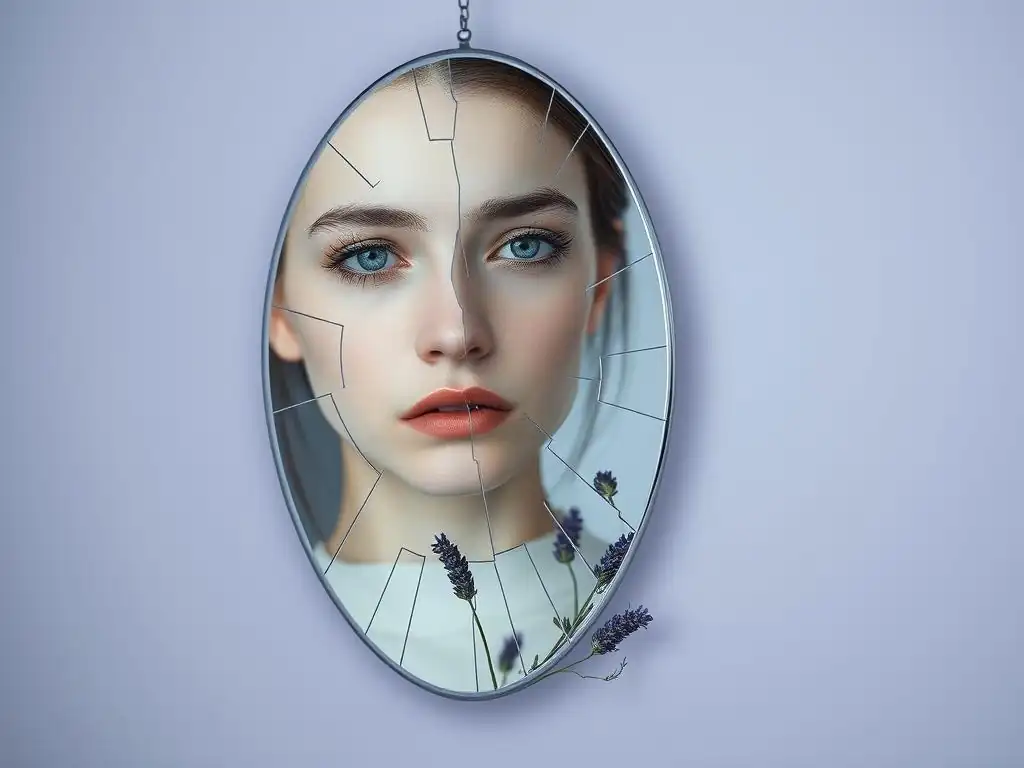
Negative body image, often exacerbated by social media's emphasis on unattainable ideals, has a profound impact on an individual's self-esteem and overall confidence. When people constantly compare themselves to the curated perfection they see online, they are likely to find themselves lacking. This upward social comparison—comparing oneself to someone perceived as "better" or more successful—is a powerful driver of insecurity.
The feeling that one's body is not thin enough, muscular enough, smooth enough, or "perfect" enough can lead to a diminished sense of self-worth. This insecurity often extends beyond physical appearance, affecting confidence in other areas of life, such as academic performance, social interactions, and career aspirations.
The relentless nature of social media exposure means that this comparison and subsequent erosion of self-esteem can be a daily, even hourly, experience. Each scroll through a feed filled with idealized images can reinforce feelings of inadequacy. This constant barrage of messages suggesting that one's natural body is insufficient contributes significantly to the media stigma mental health challenge of feeling inherently flawed. Low self-esteem makes individuals more vulnerable to anxiety, depression, and social withdrawal, as they may avoid situations where they feel their body will be judged or compared negatively.
The pressures exerted by social media regarding body image are strongly linked to the development and exacerbation of serious mental health conditions, including eating disorders and body dysmorphic disorder (BDD). Eating disorders such as anorexia nervosa, bulimia nervosa, and binge eating disorder are characterized by disturbed eating habits and distorted thoughts and feelings about one's body weight or shape. Body Dysmorphic Disorder involves a persistent and intrusive preoccupation with an imagined or slight defect in one's appearance. Social media can act as both a trigger and a reinforcing factor for these conditions.
Exposure to idealized body types, "thinspiration," and "fitspiration" content can intensify preoccupations with weight, shape, and diet for vulnerable individuals. Platforms can also inadvertently (or sometimes deliberately, in hidden corners) host communities that promote disordered behaviors. The constant focus on appearance, the pressure to achieve a specific look, and the use of filters and editing that distort reality all contribute to an environment where distorted body image and obsessive thoughts about appearance can flourish. These are critical examples of severe media stigma mental health consequences stemming from the pressure to conform to unrealistic beauty standards.
As discussed, social media is a breeding ground for social comparison. While people have always compared themselves to others, social media intensifies this behavior by providing unprecedented access to the carefully curated lives and appearances of a vast network of peers, acquaintances, celebrities, and influencers. This constant exposure to idealized versions of reality fuels upward social comparison, leading to feelings of envy, inadequacy, and dissatisfaction with one's own life and body. This perpetual state of comparison is a significant source of anxiety.
Studies have shown a correlation between high social media use and increased rates of anxiety, particularly among adolescents and young adults. The pressure to present a perfect life and body online, the fear of missing out (FOMO) based on others' seemingly exciting lives, and the constant evaluation of one's own worth through likes and comments all contribute to a heightened state of psychological stress.
This pervasive anxiety, rooted in the fear of not measuring up to digitally constructed ideals, is a direct psychological effect of constant social media exposure and contributes to the broader issue of media stigma mental health challenges.
Strategies for Promoting Positive Body Image in the Digital Age
Promoting positive body image in the digital age begins with empowering individuals to engage with social media in a more conscious and responsible manner. One crucial strategy is setting clear boundaries around social media use.
This could involve limiting the amount of time spent on platforms each day (using app timers or scheduling specific times for use), avoiding checking social media first thing in the morning or last thing at night, or designating certain days as social media-free. Establishing these boundaries helps reduce constant exposure to potentially harmful content and allows for more time engaging in activities that build self-esteem and well-being offline.
Equally important is actively curating one's social media feed. This involves critically evaluating the accounts one follows and unfollowing those that promote unrealistic beauty standards, trigger negative comparisons, or make one feel inadequate. Replacing these accounts with diverse voices, body-positive influencers, and content that promotes health, well-being, and self-acceptance is a powerful step. Taking control of the content one consumes helps protect against the internalization of harmful ideals and mitigates the effects of media stigma mental health triggers found online.
The Power of Body Positivity: Embracing Diversity and Self-Acceptance
The body positivity movement has gained significant traction on social media as a counter-narrative to the dominant thin ideal. This movement advocates for the acceptance and appreciation of all body types, sizes, ethnicities, genders, abilities, and appearances. It challenges the narrow beauty standards perpetuated by traditional and social media and encourages individuals to love and accept their bodies as they are, regardless of societal pressures. Engaging with body-positive content and communities online can be a powerful tool for reframing one's perspective on beauty and self-worth.
By actively seeking out and engaging with content that celebrates diversity and promotes self-acceptance, individuals can build resilience against the negative impacts of idealized images. Following influencers and accounts that showcase real, unedited bodies and share messages of self-love can counteract the constant exposure to perfection. Embracing the principles of body positivity helps individuals shift their focus from achieving an unattainable ideal to valuing their own unique body and focusing on health and well-being rather than appearance. This approach directly challenges the media stigma mental health narrative that links worth to physical appearance.
Media Literacy and Critical Consumption: Recognizing and Challenging Unrealistic Standards
Developing strong media literacy skills is essential for navigating the complex landscape of social media and protecting one's body image. This involves understanding how media messages are constructed, recognizing the use of filters and editing, and critically evaluating the authenticity and purpose of the content one consumes. Learning to identify sponsored content and understanding that many online appearances are carefully curated and not representative of everyday reality are crucial steps.
Critical consumption means questioning the images presented online rather than passively accepting them as reality. It involves understanding that the pursuit of likes and followers often drives the creation of idealized content. Educating oneself about the techniques used to create seemingly perfect images empowers individuals to view such content with skepticism and reduces its power to negatively impact self-esteem. By becoming a more discerning consumer of online media, individuals can build mental defenses against the internalization of unrealistic standards and challenge the underlying media stigma mental health messages that equate value with physical perfection.
Counter-Narratives: Examples of Body-Positive Influencers and Campaigns
Celebrating Diversity: Highlighting Different Body Types and Abilities
A growing number of influencers and social media campaigns are actively working to counter the dominant narrative of unrealistic beauty standards by celebrating diversity in body types, sizes, ethnicities, ages, and abilities. These individuals and initiatives intentionally showcase a wide range of human bodies, reflecting the reality of the population rather than a narrow ideal. This includes featuring models and influencers of different sizes (including plus-size representation), promoting body diversity across racial and ethnic backgrounds, and highlighting individuals with disabilities or visible differences.
The importance of seeing diverse bodies represented positively online cannot be overstated. For individuals who have long felt marginalized or invisible in mainstream media, seeing someone who looks like them being celebrated can be incredibly validating and empowering. It helps to normalize different body types and features, challenging the notion that only one specific look is acceptable or beautiful. By amplifying these diverse voices and images, these counter-narratives directly combat the media stigma mental health impact that arises when individuals feel their bodies are not represented or valued in the digital space.
Promoting Self-Love and Acceptance: Encouraging a Healthy Relationship with One's Body
Beyond simply showcasing diverse bodies, many body-positive influencers and campaigns focus on promoting messages of self-love, self-compassion, and acceptance. Their content often emphasizes the importance of viewing one's body with kindness and appreciation for what it can do, rather than solely focusing on its appearance. This includes encouraging practices like intuitive eating (listening to your body's hunger and fullness cues), joyful movement (exercising in ways that feel good), and practicing self-compassion when experiencing negative thoughts about one's body.
These counter-narratives shift the focus from external validation based on appearance to internal validation based on self-worth and well-being. They encourage individuals to cultivate a healthy, nurturing relationship with their bodies, recognizing that health and happiness come in many shapes and sizes. By promoting self-love and acceptance, these online voices help dismantle the internalized media stigma mental health messages that link happiness or worthiness solely to physical appearance or weight. They provide a refreshing alternative that prioritizes mental and emotional well-being alongside physical health.
The Role of Authenticity: Showcasing Real Bodies and Experiences
In contrast to the polished, filtered perfection that dominates much of social media, a powerful counter-narrative is emerging around authenticity. This involves influencers and individuals intentionally sharing unedited photos, showcasing natural skin texture, cellulite, stretch marks, and body rolls. They often share their struggles with body image, mental health, and the pressures of social media, fostering a sense of connection and shared humanity with their audience. Hashtags like #nofilter, #realskin, and #bodyneutrality are part of this movement towards greater transparency.
Showcasing real bodies and experiences helps to normalize imperfections and reminds viewers that the highly curated images they see online are often not reflective of reality. This authenticity helps to break down the illusion of perfection and makes individuals feel less alone in their struggles with body image. By valuing honesty and vulnerability over unattainable ideals, this counter-narrative directly challenges the media stigma mental health impact of feeling flawed or inadequate compared to filtered online appearances. It encourages a more realistic and compassionate view of oneself and others.

Addressing the negative impact of social media on body image requires action not just from individuals but also from the platforms themselves and regulatory bodies. There is a growing call for social media companies to take greater accountability for the content they host and the impact of their design features on user well-being. Potential regulations being discussed or implemented in some regions include mandating disclosure labels on images that have been significantly edited or filtered, particularly for commercial content or influencers. Some proposals suggest banning certain types of overtly harmful content, such as pro-eating disorder accounts.
Beyond content moderation, there is also a focus on platform design. Features like the infinite scroll, the prominent display of like counts, and algorithms that prioritize visually appealing (and often unrealistic) content can contribute to addictive usage patterns and negative comparison.
Advocating for design changes that prioritize user mental health, such as offering options to hide like counts, providing nudges to take breaks, or adjusting algorithms to promote diverse and authentic content, is crucial. Holding platforms accountable for the documented harm their services can cause is an important step in mitigating media stigma mental health issues fueled by their environment.
Education and Awareness Programs for Young People
Given that adolescents and young adults are particularly vulnerable to the negative effects of social media on body image, comprehensive education and awareness programs are vital. These programs should be integrated into school curricula and community initiatives, teaching young people critical media literacy skills from an early age. This includes educating them about the prevalence and techniques of photo editing and filtering, helping them understand the curated nature of social media content, and teaching them to critically evaluate the messages they receive about beauty, health, and success online.
Furthermore, these programs should focus on building resilience, promoting positive body image, and fostering self-esteem independent of physical appearance. Teaching young people about body diversity, challenging beauty stereotypes, and encouraging healthy self-talk are essential components. Providing education about the link between social media use and mental health, including awareness of eating disorders and body dysmorphia, empowers young people to recognize harmful patterns and seek help if needed. Equipping the next generation with these tools is key to navigating the digital world and resisting media stigma mental health pressures.
Community Support: Creating Safe Spaces for Discussion and Empowerment
Building community support networks, both online and offline, can provide individuals struggling with body image issues exacerbated by social media with valuable resources and a sense of belonging. Safe spaces where people can openly discuss their experiences with social media pressures, body dissatisfaction, and related mental health challenges without fear of judgment are crucial. This could include support groups facilitated by mental health professionals, peer-led online forums focused on body positivity and recovery, or community workshops on media literacy and self-acceptance.
Connecting with others who understand the unique challenges posed by social media can reduce feelings of isolation and provide validation. Sharing coping strategies, celebrating small victories, and receiving encouragement from a supportive community can significantly strengthen an individual's ability to resist negative media influences. These community-based initiatives play a vital role in counteracting the isolating effects of media stigma mental health issues and empowering individuals to work towards a healthier relationship with their bodies and social media.
The Potential of Emerging Platforms for Promoting Positive Change
While existing social media platforms have contributed significantly to body image issues, emerging platforms and future iterations of current ones hold potential for promoting positive change. Newer platforms could be designed with mental well-being and body positivity as core principles, rather than afterthoughts. This might involve features that de-emphasize likes and follower counts, default camera settings that do not automatically apply filters, or algorithms that actively promote diverse body types and authentic content.
Furthermore, as awareness of the negative impacts grows, there is potential for innovation in how online communities are built and moderated to foster healthier interactions around body image. Future platforms could prioritize connection and shared experiences over performance and comparison, creating online spaces that are genuinely supportive rather than competitive. This forward-looking perspective offers hope that the digital landscape can evolve to better support positive body image and mitigate media stigma mental health challenges.
Ongoing Efforts to Combat Unrealistic Beauty Standards
The fight against unrealistic beauty standards is not new, but it has gained significant momentum in the age of social media. Ongoing efforts span various sectors, including advocacy groups, mental health organizations, researchers, and even some forward-thinking brands and influencers. These efforts involve conducting further research to better understand the complex relationship between social media and body image, launching public awareness campaigns, advocating for policy changes and platform accountability, and promoting diverse representation across all forms of media.
These sustained efforts are crucial because the digital landscape is constantly evolving, presenting new challenges and opportunities. By continuing to highlight the harm caused by unrealistic standards and pushing for systemic change, advocates can keep pressure on platforms and advertisers to prioritize ethical representation and user well-being. This ongoing work is essential for dismantling the pervasive media stigma mental health issues linked to unattainable beauty ideals.
The Importance of Continued Advocacy and Awareness
Despite increased awareness, the negative impact of social media on body image remains a significant public health concern. Therefore, continued advocacy and awareness are paramount. Individuals, parents, educators, mental health professionals, and policymakers must remain vigilant and actively engaged in addressing this issue. This involves speaking out against harmful content, supporting initiatives that promote positive body image, educating others about media literacy, and advocating for greater responsibility from social media companies.
The digital environment is dynamic, and staying informed about new trends, platforms, and potential harms is necessary. Continued conversations about the pressures of social media and their impact on mental health are vital for fostering a culture that prioritizes well-being over conformity to unrealistic beauty standards. By maintaining a strong focus on advocacy and awareness, society can work towards creating a more inclusive, compassionate, and body-positive online world, actively combating media stigma mental health challenges related to appearance.
Conclusion: Moving Towards a More Inclusive and Body-Positive Online Environment
Creating a more inclusive and body-positive online environment is a collective effort that requires conscious action from each individual user. You have the power to shape your own digital experience and contribute to a healthier online culture. Begin by curating your feed intentionally: unfollow accounts that make you feel inadequate or promote unrealistic standards, and actively seek out and follow diverse, body-positive voices that celebrate authenticity and self-acceptance. Be mindful of your own posting habits; consider sharing more authentic, unedited content and focusing on experiences and moments rather than solely on posed appearance.
Engage critically with the content you consume by questioning the reality behind polished images and understanding the use of filters and editing. Educate yourself and others, particularly young people, about media literacy and the impact of social media on body image and mental health.
Speak out against body shaming or the promotion of harmful ideals you encounter online, either by reporting content or offering counter-comments that promote positivity and acceptance. By taking these steps – curating your feed, practicing authenticity, consuming critically, and advocating for positivity – you contribute directly to dismantling the media stigma mental health challenges prevalent online and fostering a more supportive digital community for everyone.
For those seeking to deepen their understanding of body image, social media's impact, and strategies for cultivating a healthier relationship with both, numerous valuable resources are available. Reputable mental health organizations and non-profits dedicated to eating disorder prevention and body image advocacy offer extensive information, guides, and support materials. Searching for organizations focused on "body positive," "eating disorder awareness," or "media literacy" can yield helpful results.
Academic research databases contain numerous studies exploring the links between social media use, body image, and mental health; searching terms like "social media body image research," "online social comparison," or "media influence on self-esteem" can provide access to scientific findings. Books written by therapists, researchers, and advocates specializing in body image, disordered eating, and the psychological effects of media offer in-depth insights and practical strategies.
Government health websites and public health initiatives often provide reliable information and resources on mental well-being, including aspects related to body image and media influence. Exploring these resources can provide further context, support, and tools for navigating the complexities of body image in the digital age.
Frequently Asked Questions
How does media representation contribute to mental health stigma?
Media often portrays mental illness inaccurately, relying on stereotypes and sensationalism. This can lead to misunderstandings and negative attitudes among the public.
What are some common negative stereotypes about mental illness perpetuated by the media?
Common stereotypes include portraying individuals with mental illness as violent, unpredictable, or incompetent. They are also often depicted as dramatic or comedic figures, minimizing the seriousness of their conditions.
What is the impact of media stigma on individuals experiencing mental health challenges?
Media stigma can discourage individuals from seeking help, leading to isolation and delayed treatment. It can also affect their self-esteem and social integration.
How can the media improve its portrayal of mental health?
The media should strive for accurate and nuanced representations, consulting with mental health professionals and individuals with lived experience. Focusing on recovery and resilience is also crucial.
What can individuals do to combat media stigma surrounding mental health?
Individuals can challenge inaccurate portrayals on social media and in other forums. They can also share their own experiences to help break down stereotypes and promote understanding.
Final Reflection: Breaking the Media's Reflection
The pervasive influence of media on our perceptions of mental health is undeniable; its portrayals, often inaccurate and stigmatizing, continue to shape public understanding and hinder progress towards genuine acceptance. We've explored how skewed representations in film, television, and social media contribute to harmful stereotypes, fostering fear, misunderstanding, and ultimately, silence around mental health struggles. This isn't just a historical issue; it's a contemporary crisis demanding immediate attention.
The insidious nature of media-fueled stigma is deeply troubling. It perpetuates a cycle of shame and isolation, preventing individuals from seeking help and fostering a climate of judgment rather than compassion. The greatest barrier to mental health care is not the lack of resources, but the lack of understanding.
This quote highlights the crucial role media plays in shaping that understanding, and the urgent need for a shift in narrative. We need to move beyond the sensationalized portrayals of mental illness and towards nuanced, authentic representations that reflect the lived experiences of those affected.
The power to change this narrative rests with each of us. You can be part of the solution. By critically evaluating the media you consume, actively seeking out diverse and accurate portrayals, and engaging in open conversations about mental health, you can contribute to a more informed and compassionate society. Let's challenge the harmful stereotypes, amplify authentic voices, and work together to create a media landscape that reflects the reality of mental health, fostering understanding, empathy, and ultimately, hope.
Unmask the Narrative: Take Action Against Stigma
Thanks for taking the time to explore the complex relationship between media portrayals and societal stigma. You've gained valuable insight into how narratives shape our perceptions and understanding of mental health. Now, let's turn that awareness into action.
- Challenge a harmful portrayal: Identify a recent media example that perpetuates stigma and write a constructive comment expressing your concerns, offering a different perspective. This is your chance to make a tangible difference in the conversation.
- Share this article: Spread the word! Sharing this with your network helps amplify the conversation about responsible media representation and challenges harmful stereotypes.
- Join the discussion: What other media examples have you encountered that either perpetuate or challenge mental health stigma? Share your insights in the comments below!
What powerful message will you share today to combat stigma?