
Finding Help Nearby: Local Resources for Senior Mental Wellness

Welcome to Mind Care Guide, a space dedicated to nurturing your mental well-being.
Feeling overwhelmed or searching for support? You're not alone. It can be challenging to navigate the landscape of mental health, especially when seeking resources for our seniors. This guide is designed to shed light on senior mental wellness resources local to you, offering practical information and pathways to a healthier, happier life. Curious about what's available right in your community? Let's explore together.
Finding Help Nearby: Local Resources for Senior Mental Wellness
- Understanding the Importance of Senior Mental Wellness Resources
- Identifying Local Senior Mental Wellness Resources
- Navigating Local Resources for Senior Mental Wellness
- Specific Types of Local Support Available
- The Role of Family and Caregivers in Accessing Local Resources
- Overcoming Barriers to Accessing Senior Mental Wellness Resources
- Creating a Local Support Network for Senior Mental Wellness
- Maintaining Senior Mental Wellness: Long-Term Strategies
-
Frequently Asked Questions
- How can I find local senior mental wellness resources near me?
- What types of mental health services are typically available for seniors in my community?
- Are there any free or low-cost mental wellness programs available for seniors locally?
- How can I help a senior loved one access mental health support if they are hesitant to seek help?
- What should I do in a mental health crisis involving a senior citizen in my area?
- Final Reflection: The Untapped Power of Local Support for Senior Mental Wellness
- Unlock Your Wellness Journey: Take the Next Step Today!
Understanding the Importance of Senior Mental Wellness Resources
Why Local Support Networks Matter for Older Adults' Mental Health
Accessing senior mental wellness resources local to one's community is profoundly important for older adults. As individuals age, they may face unique challenges such as social isolation, loss of loved ones, chronic health conditions, and changes in routine or living situations. These factors can significantly impact mental health, increasing the risk of conditions like depression and anxiety.
Having readily available, local support networks means seniors can access help without facing significant travel barriers or feeling disconnected from their community. Proximity fosters a sense of accessibility and familiarity, making it easier for seniors to take the crucial step of seeking assistance.
Moreover, local support networks often understand the specific cultural context and needs of the senior population within that area. They can tailor programs and services to address common local issues, such as transportation limitations or the availability of specific types of care. For instance, a local senior center might offer grief counseling groups specifically because it has identified a need among its members.
These types of targeted senior mental wellness resources local to the individual can provide more effective and relevant support than generic, distant services. Building these local connections also strengthens community ties, which in itself is a protective factor for mental well-being.
Recognizing the Signs of Mental Health Challenges in Seniors
Recognizing mental health challenges in older adults can be difficult, as symptoms can sometimes be mistaken for normal signs of aging or side effects of physical health conditions. Common indicators of potential issues like depression or anxiety include persistent sadness, loss of interest in activities once enjoyed, changes in appetite or sleep patterns, fatigue, irritability, difficulty concentrating, or physical aches and pains without a clear medical cause.
Unlike younger adults, seniors might express depression more through physical complaints or a lack of energy rather than overt sadness. Anxiety might manifest as excessive worry about health, finances, or family, or physical symptoms like restlessness or difficulty sleeping.
Identifying these signs is the first step towards connecting seniors with appropriate senior mental wellness resources local to them. It's crucial not to dismiss these symptoms as simply "getting older." For example, significant weight loss or gain, or sleeping much more or less than usual, are not typical parts of healthy aging and could signal depression.
Similarly, constant worrying that interferes with daily activities is a sign of anxiety. Family members, caregivers, and friends play a vital role in observing these changes and encouraging the senior to seek help. Early recognition and intervention through local support can significantly improve outcomes and quality of life.
The Unique Challenges Faced by Older Adults Regarding Mental Wellbeing
Older adults encounter several unique challenges that can impact their mental wellbeing and their ability to access care. One significant factor is the high prevalence of chronic physical health conditions. Managing multiple illnesses, pain, and mobility issues can be emotionally taxing and may interact with mental health conditions. For example, conditions like heart disease or diabetes are often comorbid with depression, making diagnosis and treatment more complex. Polypharmacy, the use of multiple medications, is also common and can lead to drug interactions or side effects that mimic or worsen mental health symptoms.
Another major challenge is social isolation and loneliness. Retirement, the death of a spouse or friends, and geographical distance from family can reduce social contact. Studies consistently show a strong link between social isolation and increased rates of depression, anxiety, and cognitive decline in older adults.
Stigma surrounding mental health is also particularly prevalent among older generations, who may have been raised in times when mental illness was not openly discussed or was highly stigmatized. This can lead to reluctance to admit difficulties or seek help from senior mental wellness resources local to their area, fearing judgment or being perceived as weak. Addressing these specific challenges requires tailored approaches and empathetic support systems found within the community.
Identifying Local Senior Mental Wellness Resources
Community Mental Health Centers: A Key Resource for Seniors
Community Mental Health Centers (CMHCs) are often foundational senior mental wellness resources local to many areas, providing a range of accessible and affordable services. These centers are typically non-profit organizations or public agencies funded through a mix of federal, state, and local sources, including block grants like the Substance Abuse and Mental Health Services Administration's (SAMHSA) Community Mental Health Services Block Grant.
They are mandated to provide services regardless of a person's ability to pay, often utilizing sliding fee scales based on income, which is particularly beneficial for seniors on fixed incomes. Services commonly offered include individual therapy, group therapy, psychiatric evaluation, medication management, case management, and crisis intervention.
CMHCs are designed to serve residents within a specific geographic catchment area, making them genuinely local. Many have specialized programs or staff trained in geriatric mental health, understanding the unique needs of older adults, such as the interaction between physical and mental health, cognitive changes, and the impact of life transitions.
For example, a CMHC might offer a specific therapy group focused on coping with grief and loss, a common challenge for seniors. They can also assist with navigating complex service systems and connecting seniors with other local support services they might need, acting as a central hub for senior mental wellness resources local to the community.
Senior centers serve as vital community hubs that offer far more than just recreational activities; they are significant senior mental wellness resources local to neighborhoods and towns. Their primary role in combating social isolation cannot be overstated. By providing a physical space for older adults to gather, participate in shared activities, and build relationships, they directly address a major risk factor for depression and anxiety.
Activities range from exercise classes (like yoga or walking groups) and educational workshops (on health, nutrition, or technology) to arts and crafts, card games, and communal meals. These interactions foster a sense of belonging and purpose.
Beyond social connection, many senior centers are increasingly incorporating specific mental wellness programs. This can include stress reduction workshops, mindfulness sessions, support groups for various challenges (e.g., caregiving, chronic illness), and even partnerships with local mental health professionals who offer services on-site or provide referrals.
For instance, a center might host a weekly talk by a local therapist on managing anxiety in later life or facilitate a peer-led support group for individuals coping with vision loss. They often have staff or volunteers trained to recognize signs of distress and can connect seniors with other senior mental wellness resources local to the area, such as counseling services or transportation assistance.
Local Hospitals and Clinics: Mental Health Services for Older Adults
Local hospitals and clinics, including primary care practices and specialized geriatric clinics, are crucial access points for senior mental wellness resources local to the community. Many hospitals have psychiatry departments or behavioral health units that offer outpatient services, and some have inpatient units specifically for older adults experiencing acute mental health crises. Primary care physicians (PCPs) are often the first point of contact for seniors and can play a significant role in identifying mental health issues, providing initial support, and referring patients to specialists or other local resources.
Increasingly, integrated care models are being adopted, where mental health professionals are embedded within primary care practices. This makes accessing mental health support more convenient and less stigmatizing for seniors. For example, a senior visiting their PCP for a physical ailment might also be screened for depression and, if needed, see a behavioral health specialist within the same visit or practice.
Hospitals and larger clinic systems can also connect seniors with specialized geriatric psychiatrists or psychologists who have expertise in diagnosing and treating mental health conditions in the context of aging, polypharmacy, and complex medical histories. These medical settings are essential senior mental wellness resources local to many areas, providing clinical expertise and coordinated care.
How to Find Senior Mental Health Professionals in Your Area
Finding qualified senior mental health professionals local to your area requires knowing where to look and what to ask. A good starting point is often a referral from a primary care physician or a gerontologist, as they are familiar with local specialists who work with older adults.
Many health insurance providers, including Medicare and private insurers, have online directories of in-network providers that can be filtered by specialty (e.g., geriatric psychiatry, geriatric psychology), location, and even specific conditions treated. Professional organizations, such as the American Academy of Geriatric Psychiatry or state psychological associations, may also offer searchable databases of their members.
When searching for senior mental wellness resources local to you, consider the professional's experience working specifically with older adults. Ask about their approach to common senior issues like grief, chronic illness, cognitive changes, and family dynamics. It's also helpful to inquire about their familiarity with Medicare or other insurance plans you might have.
Don't hesitate to ask for a brief phone consultation before scheduling an appointment to ensure they are a good fit. Local senior centers or Area Agencies on Aging can also often provide lists of recommended local therapists or clinics that specialize in senior care, serving as valuable connectors to senior mental wellness resources local to the community.
Understanding Medicare and Insurance Coverage for Mental Health Services
Navigating insurance coverage is essential when accessing senior mental wellness resources local to you. For most seniors, Medicare is the primary insurer. Original Medicare (Parts A and B) covers a range of mental health services.
Part A covers inpatient mental health care in a hospital or psychiatric hospital, though there are limits on the number of days covered in a psychiatric hospital per lifetime (a 190-day lifetime limit). Part B covers outpatient mental health services, including visits to a psychiatrist, psychologist, clinical social worker, or other licensed mental health professional; individual and group therapy; diagnostic tests; and partial hospitalization programs.
Under Part B, after meeting the annual deductible, Medicare typically pays 80% of the Medicare-approved amount for most outpatient mental health services, meaning the senior is responsible for a 20% coinsurance. However, the coinsurance for outpatient mental health services provided by a hospital outpatient department can be higher. Medicare Part D plans (prescription drug plans) cover medications prescribed for mental health conditions.
Medicare Advantage Plans (Part C) are offered by private companies and must cover at least the same services as Original Medicare, but they may have different rules, costs, and networks of providers. Understanding your specific plan's benefits, deductibles, copays, and network restrictions is crucial when seeking senior mental wellness resources local to your area.
Utilizing Online Directories to Locate Local Mental Wellness Support
Online directories are powerful tools for finding senior mental wellness resources local to your specific geographic area. Websites of national mental health organizations like the National Alliance on Mental Illness (NAMI) or the Depression and Bipolar Support Alliance (DBSA) often have 'find a support group' or 'find a provider' search functions that allow filtering by zip code or city. Similarly, the Substance Abuse and Mental Health Services Administration (SAMHSA) offers a National Helpline and an online treatment locator tool that can help find mental health facilities and programs nearby.
Beyond national sites, many state or local mental health authorities and non-profit organizations maintain online directories specific to their region. For instance, a state Department of Health might have a searchable database of licensed therapists, clinics, and community mental health centers. Local United Way chapters or 2-1-1 information and referral services often have comprehensive databases of health and human services available in the community, including senior mental wellness resources local to you.
When using these directories, look for options to filter by age specialty (geriatric), accepted insurance, and the specific type of service needed (e.g., therapy, medication management, support group). Cross-referencing information from multiple directories can help build a comprehensive list of potential local resources.
Specific Types of Local Support Available
Support Groups for Seniors: Connecting with Others Facing Similar Challenges
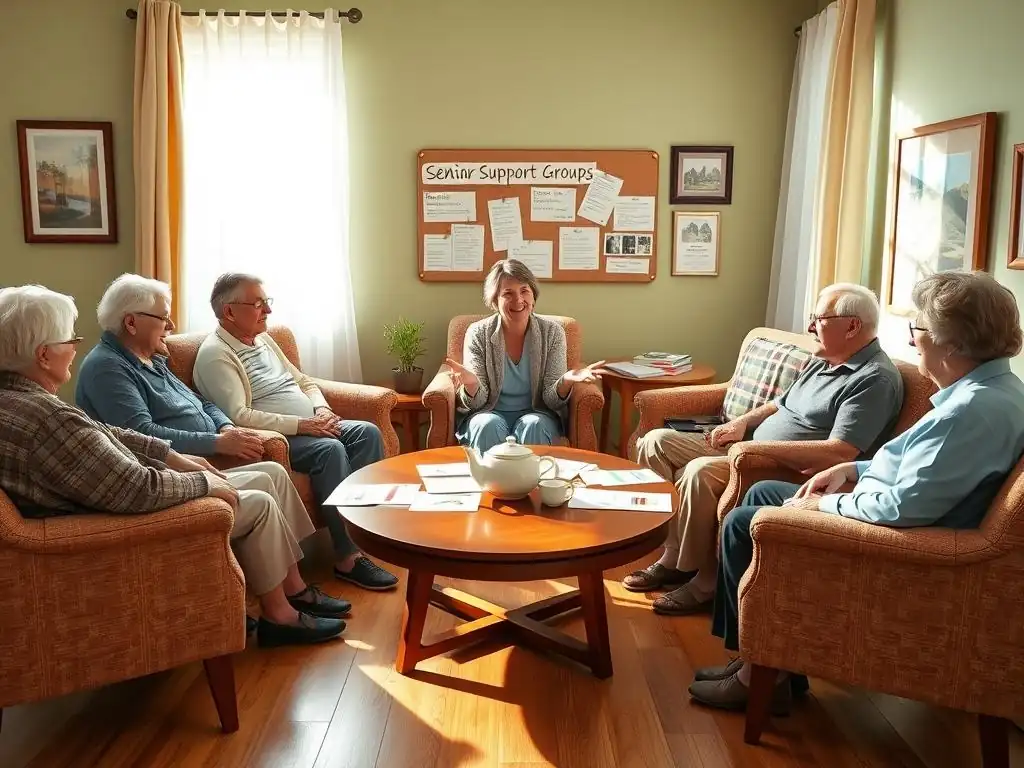
Support groups are invaluable senior mental wellness resources local to communities, offering a space for older adults to connect with peers who understand their experiences. These groups can be condition-specific, focusing on issues like depression, anxiety, grief, chronic illness, or dementia caregiving, or they can be more general, centered around life transitions or social connection. The power of support groups lies in reducing feelings of isolation and providing validation. Hearing from others who have navigated similar difficulties can be incredibly empowering and offer practical coping strategies. Participants often share personal stories, exchange advice, and build a sense of community.
Many support groups for seniors are facilitated by trained peers or mental health professionals and meet regularly at local senior centers, community centers, hospitals, or places of worship. For example, a local hospital might host a weekly grief support group open to the community, or a senior center might run a peer-led discussion group on managing stress.
While not a substitute for individual therapy, support groups provide a complementary layer of emotional support and social connection. Finding a suitable group among the senior mental wellness resources local to your area can provide a vital lifeline for many older adults facing challenging circumstances.
Geriatric mental health specialists are clinicians—such as geriatric psychiatrists, geriatric psychologists, or licensed clinical social workers with expertise in aging—who possess specialized training and experience in diagnosing and treating mental health conditions in older adults. Their expertise is crucial because mental health issues in seniors can be complex, often interacting with physical health problems, cognitive changes, and the unique pharmacological considerations of aging. A geriatric psychiatrist, for example, understands how age-related changes affect metabolism and response to psychiatric medications, helping to minimize side effects and drug interactions when prescribing.
These specialists are vital senior mental wellness resources local to communities, though access can sometimes be limited depending on the region. They are skilled in assessing and treating conditions like late-life depression, anxiety disorders, bipolar disorder, schizophrenia, and behavioral and psychological symptoms associated with dementia.
They can also help older adults and their families navigate complex issues like capacity assessments, advance care planning related to mental health, and coordinating care with other medical providers. Finding a geriatric mental health specialist among the senior mental wellness resources local to your area ensures care is tailored to the specific needs and complexities of aging.
Local Area Agency on Aging (AAA): Information and Referral Services
Area Agencies on Aging (AAAs) are designated local organizations that serve as central points of access for information and services for older adults and their caregivers. Funded primarily by the Older Americans Act, there are over 600 AAAs nationwide, each serving a specific planning and service area. AAAs do not typically provide direct clinical mental health services themselves, but they are invaluable senior mental wellness resources local to every community because they act as expert navigators and connectors. They maintain extensive databases of local services and programs available to seniors.
When contacted, an AAA can provide comprehensive information about a wide range of local resources, including transportation options, meal programs, in-home care, legal assistance, and crucially, health and mental health services. They can help seniors and families understand what senior mental wellness resources local to their area are available, who is eligible, and how to access them.
For example, an AAA might connect a senior experiencing symptoms of depression with a local community mental health center that offers counseling or provide information about support groups meeting nearby. Their role is to empower seniors and caregivers by providing the knowledge needed to access the support they require.
The Role of Family and Caregivers in Accessing Local Resources
How Family Members Can Help Seniors Find Mental Wellness Support
Family members often play a critical role in helping older adults access senior mental wellness resources local to their community, especially if the senior is reluctant to seek help or faces barriers like mobility or cognitive decline. The first step is often observing changes in behavior, mood, or habits and gently initiating a conversation about how the senior is feeling. Approaching the topic with empathy and without judgment is key, focusing on concern for their well-being. Family members can offer to help research local options, make phone calls, or even accompany the senior to appointments.
Practical assistance can include identifying potential senior mental wellness resources local to their area, verifying insurance coverage, scheduling appointments, and providing transportation. For example, a daughter might call the local AAA to inquire about available counseling services or research therapists online who specialize in working with older adults. They can also help overcome technology barriers by assisting with online searches or virtual appointments if appropriate resources are available. Encouragement, patience, and active support from family members can significantly reduce the barriers older adults face in accessing needed mental health care.
Communicating with Healthcare Providers on Behalf of a Senior
Effectively communicating with healthcare providers is essential when assisting a senior with their mental health needs, particularly when engaging with senior mental wellness resources local to the area. With the senior's consent (due to privacy regulations like HIPAA in the United States), family members or caregivers can share observations about the senior's symptoms, behavior changes, and challenges they are facing. This information provides valuable context for the healthcare provider, who may only see the senior for a limited time during an appointment.
Before an appointment, it's helpful to prepare a list of concerns, specific examples of symptom onset or severity, and any medications the senior is taking (including over-the-counter drugs and supplements, which can sometimes affect mood or interact with psychiatric medications). During the appointment, ask clarifying questions about diagnosis, treatment options, potential side effects of medications, and recommended senior mental wellness resources local to the area. Ensure you understand the follow-up plan and how to contact the provider with questions or concerns. Effective communication ensures the senior receives comprehensive care and that all relevant information is considered.
Self-Care Strategies for Caregivers: Maintaining Your Own Wellbeing
Caring for an older adult, especially one facing mental or physical health challenges, can be demanding and emotionally taxing. Caregivers themselves are at a higher risk for stress, burnout, depression, and anxiety. Therefore, maintaining the caregiver's own mental wellbeing is not only crucial for their health but also for their ability to provide effective support to the senior. Caregivers need to prioritize self-care strategies and identify senior mental wellness resources local to their own needs.
Key strategies include setting realistic expectations, accepting help from others, and finding time for rest and activities they enjoy. Seeking support for oneself is not selfish; it's necessary. Local senior mental wellness resources often include caregiver support groups, which provide a space to share experiences and coping strategies with others in similar situations. Area Agencies on Aging can also connect caregivers with respite care services, allowing them a temporary break from caregiving duties. Recognizing the signs of caregiver burnout and proactively seeking support ensures that caregivers can continue their vital role without sacrificing their own health.
Overcoming Barriers to Accessing Senior Mental Wellness Resources

Addressing Stigma Associated with Mental Health in Older Adults
Stigma is a significant barrier preventing older adults from seeking help from senior mental wellness resources local to their communities. Many seniors grew up in generations where mental health issues were misunderstood, feared, or considered a sign of weakness. They may internalize these beliefs, feeling shame or embarrassment about experiencing symptoms of depression or anxiety. This can lead to silence, isolation, and a reluctance to discuss their feelings even with family or doctors. Overcoming this barrier requires a multi-faceted approach involving education, empathy, and creating safe spaces for discussion.
Educational initiatives within senior centers, community groups, and healthcare settings can help demystify mental illness and frame it as a health condition treatable like any other. Personal stories shared by peers who have benefited from seeking help can be powerful in reducing shame. Healthcare providers can play a role by routinely screening for mental health issues during appointments and initiating conversations in a non-judgmental way. Family members can help by expressing unconditional support and normalizing the act of seeking help, emphasizing that utilizing senior mental wellness resources local to the area is a sign of strength, not weakness.
Transportation Challenges and Solutions for Reaching Local Resources
Transportation is a major practical barrier preventing many older adults from accessing senior mental wellness resources local to their community. Seniors may no longer drive due to age, health conditions, or financial constraints. Public transportation might be limited, inconvenient, or difficult to navigate due to mobility issues. Lack of reliable transportation can mean missing therapy appointments, support group meetings, or visits to a psychiatrist. This physical barrier directly impacts consistent access to care.
Fortunately, many communities offer solutions specifically designed to address senior transportation needs. Area Agencies on Aging are excellent resources for information on local options, which can include:
- Senior-specific bus or van services: Many municipalities or non-profits operate transportation services tailored for older adults, often providing door-to-door service for medical appointments, shopping, and social activities.
- Volunteer driver programs: Organizations sometimes coordinate volunteers who use their own vehicles to transport seniors.
- Non-emergency medical transportation (NEMT): Some Medicare Advantage plans, Medicaid programs, or state initiatives cover transportation to medical appointments, including mental health visits.
- Ride-sharing partnerships: Some local senior organizations partner with ride-sharing services, sometimes offering subsidized fares.
Exploring these senior mental wellness resources local to transportation can help ensure seniors can physically reach the support they need.
Financial Assistance Programs for Mental Health Services
The cost of mental health care can be a barrier, even with insurance. Deductibles, copays, and services not fully covered can be expensive for seniors on fixed incomes. Identifying financial assistance programs is crucial for ensuring access to senior mental wellness resources local to your area. As mentioned, Community Mental Health Centers often use sliding fee scales based on income, making services more affordable. Some therapists or clinics may also offer pro bono services or reduced fees on a case-by-case basis.
Beyond direct service providers, there are programs designed to help. Medicare Savings Programs (MSPs) can help lower out-of-pocket Medicare costs, including deductibles and copays for Part B services like outpatient therapy. Medicaid, if a senior qualifies based on income and assets, covers a broad range of mental health services.
State and local governments or non-profit foundations sometimes offer grants or subsidies specifically for mental health care access. Area Agencies on Aging and local social service departments can provide information and assistance with applying for these financial aid programs, connecting seniors to more affordable senior mental wellness resources local to their needs.
Creating a Local Support Network for Senior Mental Wellness
Volunteering Opportunities to Support Senior Mental Health Initiatives
Engaging in volunteering is a powerful way to support senior mental wellness initiatives and strengthen the local support network. Volunteers can contribute in numerous ways, directly or indirectly impacting seniors' mental health. For example, volunteers are essential for running programs at senior centers, providing companionship, facilitating activities, or assisting with administrative tasks. These roles help keep centers vibrant and accessible, which are key senior mental wellness resources local to the community.
Volunteers can also participate in programs specifically designed to combat isolation, such as friendly visiting programs where volunteers visit homebound seniors to provide social interaction. Some organizations train volunteers to facilitate support groups or provide peer counseling, offering emotional support to those in need. Advocating for senior mental health needs within local government or community planning groups is another impactful way to volunteer. By contributing time and skills, volunteers directly help maintain and expand the availability of senior mental wellness resources local to their area, fostering a more supportive environment for older adults.
Advocating for Increased Access to Local Mental Wellness Resources
Advocacy plays a vital role in improving and expanding senior mental wellness resources local to communities. Concerned individuals, families, caregivers, and organizations can advocate at local, state, and national levels for policies that prioritize senior mental health. This can involve contacting local elected officials to highlight the need for funding for community mental health centers or senior programs. It might also mean participating in community meetings to voice support for initiatives that improve transportation options or reduce stigma.
Advocacy can also take the form of raising public awareness about senior mental health issues through community events, workshops, or sharing information online and through local media. Supporting organizations that lobby for increased funding for mental health services for older adults or for better insurance coverage (like advocating for the removal of the 190-day lifetime limit on psychiatric hospital care under Medicare Part A) is another avenue. By collectively advocating for greater investment and accessibility, communities can ensure that robust senior mental wellness resources local to their area are available to all who need them.
Building a Stronger Community for Older Adults' Mental Wellbeing
Creating a truly supportive community environment is fundamental to promoting senior mental wellness. This goes beyond formal senior mental wellness resources local to the area and involves fostering an inclusive, age-friendly culture. Communities can work towards this by ensuring public spaces are accessible, creating opportunities for intergenerational interaction, and promoting social engagement. Simple acts like neighbors checking in on older residents or local businesses being welcoming and accommodating make a difference.
Initiatives that connect seniors with opportunities to contribute their skills and wisdom can combat feelings of purposelessness that sometimes accompany aging and retirement. Programs that facilitate lifelong learning or civic engagement for older adults are examples. Public libraries can offer accessible technology classes or book clubs specifically for seniors. Local parks and recreation departments can ensure walking paths are well-maintained and offer senior-friendly exercise classes. By weaving support and connection into the fabric of community life, alongside formal senior mental wellness resources local to the area, a more resilient and mentally healthy environment for older adults is built.
Maintaining Senior Mental Wellness: Long-Term Strategies
Promoting consistent social engagement and connection is arguably one of the most critical long-term strategies for maintaining senior mental wellness. As discussed, isolation is a major risk factor for depression and cognitive decline. Encouraging and facilitating opportunities for older adults to stay connected with family, friends, and their community is paramount. This can involve regular family visits (in person or virtual), participating in activities at a local senior center, joining clubs or groups based on hobbies and interests, or volunteering.
Community organizations and local senior wellness resources can play a key role by offering diverse and accessible social programs. For example, a local historical society might host talks that appeal to seniors, or a library might run a weekly knitting group. Transportation support, as mentioned earlier, is vital to enable participation. Even simple things like regular phone calls or video chats with loved ones can make a significant difference. Fostering strong social ties is a proactive way to safeguard mental health and utilize senior mental wellness resources local to social connection.
Encouraging Physical Activity and Healthy Lifestyle Choices
Encouraging physical activity and healthy lifestyle choices is a powerful strategy for maintaining mental wellness throughout life, including in older age. Regular physical activity has been shown to reduce symptoms of depression and anxiety, improve mood, and enhance cognitive function. Even moderate activity, such as walking, gardening, or gentle exercise classes, can yield significant benefits. Access to safe and accessible spaces for physical activity, such as local parks, community centers with senior fitness programs, or walking trails, are important senior mental wellness resources local to promoting this.
Beyond exercise, healthy lifestyle choices include maintaining a balanced diet, getting adequate sleep, and managing chronic health conditions effectively. Nutrition plays a role in mood and cognitive function, and sufficient sleep is crucial for emotional regulation. Local health clinics or senior wellness programs often offer educational workshops on healthy eating and managing conditions like diabetes or heart disease, which can impact mental health. Encouraging seniors to adopt and maintain these habits is a proactive approach to mental wellbeing.
Seeking Professional Help When Needed: A Proactive Approach
Finally, a crucial long-term strategy for maintaining senior mental wellness is viewing professional help not just as a response to crisis, but as a proactive component of overall health management. Regular check-ups with a primary care physician should include discussions about mood and emotional well-being. Screening for depression or anxiety can be integrated into routine care. Seniors and their families should feel comfortable bringing up mental health concerns with their doctors.
Knowing about and being willing to access senior mental wellness resources local to their area, such as therapists, counselors, or psychiatrists, is essential. For some, this might mean establishing a relationship with a mental health professional even before symptoms become severe, particularly if they have a history of mental health challenges or are going through a significant life transition like retirement or widowhood. Utilizing therapy to develop coping skills, manage stress, or process difficult emotions is a sign of strength and a proactive step towards maintaining mental resilience throughout the later years of life.
Frequently Asked Questions
How can I find local senior mental wellness resources near me?
You can start by searching online using terms like "senior mental wellness resources local" followed by your city or zip code. Also, contact your local Area Agency on Aging for information about services in your area.
What types of mental health services are typically available for seniors in my community?
Available services often include counseling services, support groups, and educational programs designed for seniors' specific needs. Some areas also offer in-home mental health care.
Are there any free or low-cost mental wellness programs available for seniors locally?
Yes, many communities offer free or reduced-cost programs through government agencies, non-profit organizations, and senior centers. Check with your local Department of Health and Human Services for options.
How can I help a senior loved one access mental health support if they are hesitant to seek help?
Start by having an open and honest conversation about their concerns, emphasizing the benefits of seeking help. Offer to assist them in finding resources and accompany them to their first appointment.
What should I do in a mental health crisis involving a senior citizen in my area?
Contact your local emergency services (911) or a mental health crisis hotline immediately. You can also take them to the nearest hospital emergency room for evaluation and treatment.
Final Reflection: The Untapped Power of Local Support for Senior Mental Wellness
The mental health crisis extends to our senior population, and accessing timely, appropriate care is often a significant hurdle. Ignoring this reality is not an option; the well-being of our elders is inextricably linked to the health of our communities. We must actively dismantle the stigma surrounding mental health and empower seniors to seek the help they deserve.
The journey to better mental wellness for seniors is not a solitary one; it's a collective responsibility. Building a supportive network of local resources is paramount. As we've explored throughout this article, understanding the landscape of available services – from community centers offering support groups to specialized geriatric mental health professionals – is crucial. The best way to find yourself is to lose yourself in the service of others,
– Mahatma Gandhi. This quote resonates deeply, as supporting our seniors is not only about their individual well-being but also about enriching the fabric of our society. Their wisdom, experience, and contributions are invaluable, and ensuring their mental health allows them to continue sharing these gifts.
Now, consider your own community. Are you aware of the resources available to seniors in your area? Take the time to research local organizations, connect with community leaders, and spread awareness about the importance of senior mental wellness. A simple conversation, a shared resource, or a volunteer hour can make a profound difference in the life of a senior struggling in silence. Let's work together to create a more supportive and understanding environment for our elders, ensuring they age with dignity, joy, and peace of mind.
Unlock Your Wellness Journey: Take the Next Step Today!
Thanks for taking the time to explore local resources for senior mental wellness! We hope this article empowered you with valuable information to support your wellbeing or that of a loved one. Now, let's turn that knowledge into action.
- Prioritize your mental health: Identify one local resource from the article and schedule a consultation or introductory call this week. This is the most important step toward feeling better.
- Share this article with a friend or family member who might benefit from these resources. Let's build a supportive community together!
- Explore the Mind Care Guide website further for additional articles and information on senior mental health. Discover more tools and tips to enhance your well-being!
What's one small step you can take today to prioritize your mental health, or the mental health of someone you care about?