
Unlock Your Mind's Potential: An Introduction to Qigong for Mental Health

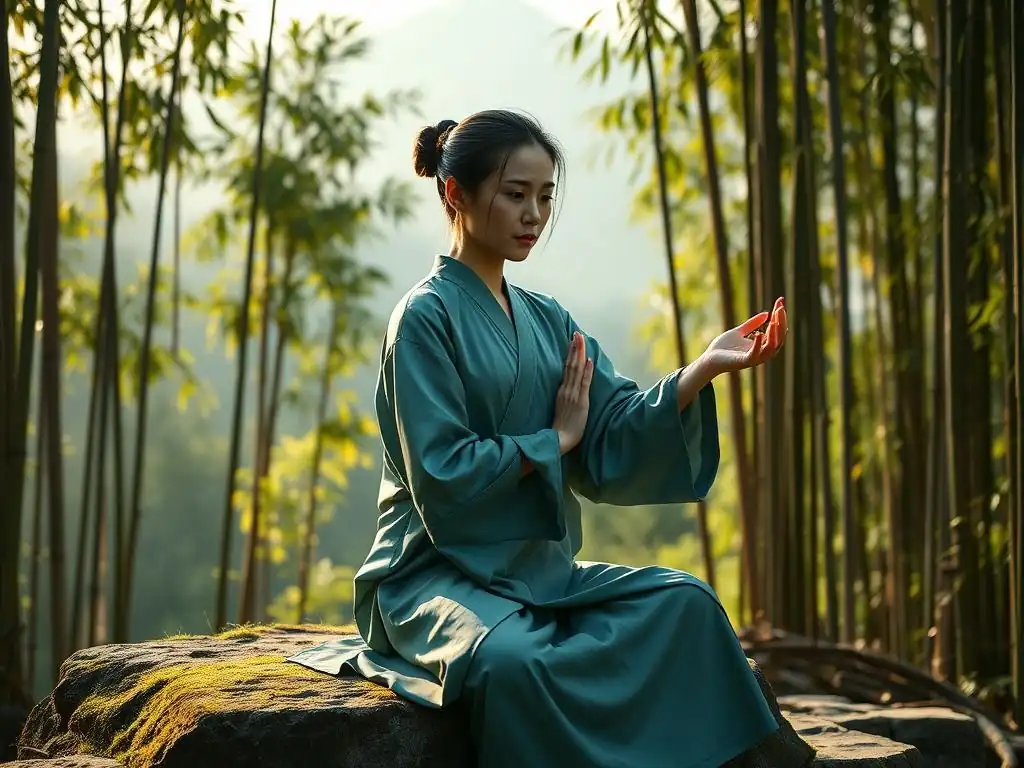
Welcome to Mind Care Guide, a space dedicated to nurturing your mental well-being. Feeling overwhelmed, stressed, or simply seeking a more balanced state of mind? You're in the right place. We understand that navigating mental health can be challenging, and we're here to offer guidance and support.
In this article, we delve into a powerful, yet often overlooked practice: Qigong. Curious about the Qigong mental health benefits guide and how this ancient art can unlock your inner peace and resilience? Let's explore how gentle movements and mindful breathing can transform your mental landscape.
Unlock Your Mind's Potential: An Introduction to Qigong for Mental Health
- Qigong for Mental Health: Your Comprehensive Guide to Energy and Balance
- Qigong Mental Health Benefits Guide: Unveiling the Power of Energy
- Specific Qigong Exercises for Mental Wellbeing
- Integrating Qigong into Your Daily Routine for Mental Health
- Qigong for Mental Health: Scientific Evidence and Research
- Addressing Common Concerns and Misconceptions About Qigong
- Continuing Your Qigong Journey for Enhanced Mental Well-being
-
Frequently Asked Questions
- What is Qigong and how does it relate to mental health?
- What are some specific mental health benefits one can expect from practicing Qigong?
- How often should I practice Qigong to experience noticeable mental health improvements?
- Is Qigong a replacement for traditional mental health treatment, such as therapy or medication?
- Are there any risks or precautions to consider before starting a Qigong practice for mental health?
- Final Reflection: Cultivating Inner Peace Through Qigong
- Unleash Your Inner Calm: Start Your Qigong Journey Today!
Qigong for Mental Health: Your Comprehensive Guide to Energy and Balance
What is Qigong? Exploring the Ancient Practice
Qigong (pronounced chee-gong) is an ancient Chinese mind-body practice that translates roughly to "cultivating life energy." It involves gentle movements, controlled breathing techniques, and meditation to promote overall well-being. Unlike high-impact exercises, Qigong is accessible to most people, regardless of age or physical condition, making it a valuable tool in a Qigong mental health benefits guide. The practice is rooted in traditional Chinese medicine principles, aiming to harmonize the body's vital energy, known as 'Qi', which is believed to flow through meridians. Blockages or imbalances in Qi are thought to contribute to physical and mental health issues.
The practice of Qigong has a history stretching back thousands of years in China, initially developed for health maintenance, spiritual cultivation, and martial arts training. Over time, various forms and styles emerged, each with unique movements and focuses, but all sharing the core intention of connecting mind, body, and spirit.
Modern interest in Qigong has grown significantly, particularly in the West, as people seek holistic approaches to health, including exploring the profound benefits of Qigong for mental health. Scientific research is increasingly exploring its mechanisms and effectiveness for a range of conditions, supporting its inclusion in a comprehensive approach to mental wellness.
The Core Principles of Qigong: Mind, Body, and Breath Connection
At the heart of Qigong lies the synergistic connection between mind, body, and breath. The practice emphasizes the importance of integrating these three elements to cultivate and balance Qi. The movements are often slow, deliberate, and flowing, designed to relax the body, release tension, and improve circulation. This physical aspect is intrinsically linked with mental focus; practitioners are encouraged to bring their awareness fully into the present moment, observing their breath and bodily sensations without judgment. This focused awareness is a key component contributing to the Qigong mental health benefits guide.
Breathing in Qigong is typically deep, slow, and abdominal (diaphragmatic). Conscious breathing helps to calm the nervous system, increase oxygen flow, and facilitate the smooth circulation of Qi. By coordinating movement with breath and maintaining a calm, focused mind, practitioners enter a state of relaxed alertness. This state is conducive to reducing stress, improving concentration, and fostering a sense of inner peace, all vital aspects of using Qigong for mental health. The cultivation of this integrated state is what distinguishes Qigong from simple exercise or meditation alone.
Qigong vs. Other Mind-Body Practices: Key Differences
While Qigong shares similarities with other mind-body practices like Yoga, Tai Chi, and meditation, it has distinct characteristics. Tai Chi is often considered a form of Qigong, focusing more on martial applications and complex, flowing sequences. Qigong, in contrast, can involve simpler, repetitive movements or static postures, with a primary emphasis on energy cultivation for health and longevity. Both practices offer significant Qigong mental health benefits, but Qigong is often more accessible for beginners due to its simpler forms.
Yoga, originating from India, also integrates movement, breath, and meditation but often involves more static postures (asanas) and holds, and its philosophical and spiritual roots differ from those of Qigong. Meditation, in its various forms, primarily focuses on training the mind, often practiced while seated or lying down, and may not include physical movement. Qigong uniquely blends gentle movement with focused breathing and meditative intention, offering a dynamic yet calming approach that directly addresses the flow of energy, providing a unique pathway in the exploration of Qigong mental health benefits.
Qigong Mental Health Benefits Guide: Unveiling the Power of Energy
How Qigong Impacts Brain Function and Mental Clarity
Regular Qigong practice has been linked to positive changes in brain function, contributing significantly to mental clarity and cognitive health. The combination of focused attention, gentle movement, and controlled breathing can influence brainwave activity, promoting alpha and theta waves, which are associated with states of relaxation, creativity, and reduced stress. This shift in brain states helps quiet the 'monkey mind' often associated with anxiety and racing thoughts, offering tangible Qigong mental health benefits. Studies using neuroimaging techniques have begun to explore these effects, observing changes in brain regions involved in attention, emotional regulation, and self-awareness.
Furthermore, Qigong's emphasis on coordinated movement and breath requires concentration, which acts as a form of cognitive training. This practice can enhance executive functions such as focus, working memory, and cognitive flexibility. For individuals experiencing 'brain fog' or difficulty concentrating due to stress or other mental health challenges, Qigong offers a gentle yet effective way to sharpen the mind. The improved circulation promoted by the movements is also believed to enhance blood flow to the brain, providing it with essential oxygen and nutrients, further supporting cognitive function and overall mental vitality.
Reducing Stress and Anxiety with Qigong Techniques
One of the most widely recognized Qigong mental health benefits is its profound ability to reduce stress and anxiety. The slow, rhythmic movements and deep breathing techniques activate the body's parasympathetic nervous system, often referred to as the 'rest and digest' system. This counters the 'fight or flight' response triggered by stress, leading to a decrease in heart rate, blood pressure, and muscle tension. By consciously slowing down and focusing on the present moment through movement and breath, practitioners create a buffer against the physiological effects of stress.
Numerous studies have demonstrated the effectiveness of Qigong in lowering perceived stress levels and reducing symptoms of anxiety. For instance, research involving adults reporting high stress has shown significant reductions in anxiety scores after participating in Qigong programs, sometimes comparable to or exceeding the effects of other relaxation techniques. The practice provides individuals with practical tools to manage anxious feelings as they arise, offering a sense of control and empowerment over their emotional state. This makes Qigong an invaluable component of a personal Qigong mental health benefits guide.
Qigong for Depression: Lifting the Cloud Through Movement
Qigong offers a gentle yet powerful approach for individuals experiencing symptoms of depression. The practice encourages re-engagement with the body, which can be challenging when feeling low or withdrawn. The gentle movements can help to release physical stagnation and tension that often accompany depressive states. By focusing on the breath and simple, repetitive motions, Qigong provides a pathway to break the cycle of negative rumination and bring attention back to the physical self in a nurturing way. This embodied approach is a key aspect of using Qigong for mental health recovery.
Clinical studies have explored the impact of Qigong on depressive symptoms, showing promising results. While not a replacement for professional medical treatment, regular Qigong practice has been shown to alleviate symptoms such as low mood, fatigue, and lack of motivation in some individuals. For example, a study involving older adults with depressive symptoms found that participating in a Qigong program led to significant improvements in mood and overall well-being compared to a control group. The social interaction in a class setting can also provide valuable support, further contributing to its therapeutic effects.
Improving Sleep Quality with Qigong: Restful Nights Ahead

Sleep disturbances are common companions to many mental health challenges, including anxiety and depression. Qigong's ability to calm the nervous system and reduce stress can significantly improve sleep quality. The practice helps quiet the racing thoughts that often prevent sleep onset and promotes a state of physical and mental relaxation conducive to deep, restful sleep. Incorporating a short Qigong routine before bedtime can signal to the body and mind that it's time to wind down.
Research supports the use of Qigong for sleep improvement. Studies involving individuals with insomnia or poor sleep quality have shown that consistent Qigong practice can decrease the time it takes to fall asleep, reduce nighttime awakenings, and increase overall sleep duration and quality. For example, older adults practicing Qigong reported improvements in sleep efficiency and fewer sleep disturbances after a period of regular practice. These findings highlight Qigong's potential as a non-pharmacological intervention for sleep issues, adding another layer to the Qigong mental health benefits guide.
Enhancing Emotional Regulation Through Qigong Practice
Emotional regulation is the ability to manage and respond to emotional experiences appropriately. Qigong cultivates this capacity by increasing self-awareness and providing tools to navigate intense emotions. Through mindful movement and breath, practitioners learn to observe their emotional states without being overwhelmed by them. The practice teaches patience, acceptance, and the ability to return to a state of balance, even when faced with challenging feelings. This skill is fundamental for maintaining good mental health.
By fostering a stronger connection between mind and body, Qigong helps individuals recognize how emotions manifest physically (e.g., tension in the shoulders, tightness in the chest). This awareness allows for a more conscious response rather than an automatic reaction. Regular practice builds resilience, enabling individuals to bounce back more effectively from emotional setbacks. This enhanced ability to process and manage emotions is a crucial, long-term benefit derived from consistent Qigong practice, making it a valuable tool in anyone's personal Qigong mental health benefits guide.
Specific Qigong Exercises for Mental Wellbeing
The Eight Brocades Qigong: A Powerful Routine for Mental Health
The Eight Brocades, or Ba Duan Jin, is one of the most popular and widely practiced forms of medical Qigong. It consists of eight simple, yet profound movements designed to stretch the body, strengthen the muscles and tendons, and regulate the internal organs and energy flow. Each movement targets specific areas and meridians, aiming to remove blockages and promote vitality. This set is highly accessible for beginners and offers significant contributions to Qigong mental health benefits.
For example, the movement "Holding Up the Heavens" stretches the torso and arms, opening the chest and promoting relaxation and emotional release. "Drawing the Bow to Shoot the Eagle" is believed to strengthen the kidneys and waist, while also requiring focus and coordination, enhancing mental clarity. Practicing the Eight Brocades regularly can help reduce tension, improve circulation, calm the mind, and cultivate a sense of centeredness, directly addressing common challenges associated with stress and anxiety.
Five Element Qigong: Balancing Your Inner Energies
Five Element Qigong is based on the theory of the five elements (Wood, Fire, Earth, Metal, Water) from traditional Chinese medicine, each associated with specific organs, emotions, and seasons. This form uses movements, sounds, and visualizations designed to harmonize the energy of each element within the body, promoting balance and well-being. Understanding the connection between elements and emotions is key to unlocking the full Qigong mental health benefits of this practice.
For instance, movements associated with the Wood element might focus on the liver and gallbladder, related to anger and frustration, aiming to release tension and promote smooth energy flow. Fire element movements target the heart and small intestine, linked to joy and anxiety, encouraging emotional balance. By working with these elemental energies, practitioners can address specific emotional imbalances, fostering greater stability and resilience in their mental and emotional states.
Crane Stance Qigong: Step-by-Step Guide
The Crane Stance, or Crane Standing, is a simple yet powerful static posture practice in Qigong that emphasizes balance, rooting, and cultivating internal energy. It involves standing on one leg, often with the other leg slightly raised or bent, and the arms positioned in various ways, mimicking the posture of a crane. This exercise requires deep focus and patience, which are excellent for cultivating mental discipline and calm.
Here is a simplified guide:
- Stand with feet shoulder-width apart, weight evenly distributed.
- Shift weight slowly onto one leg, keeping the knee slightly bent.
- Gently lift the other foot off the ground. You can start by resting the toes on the floor.
- As balance improves, lift the foot higher, perhaps bending the knee and bringing the heel towards the opposite inner thigh (like a tree pose in Yoga).
- Hold the posture for a few breaths, focusing on your breath and maintaining a soft gaze.
- Repeat on the other side.
This practice strengthens legs and ankles, improves balance, and requires intense focus, which helps quiet the mind and cultivate a sense of stability and presence, contributing significantly to Qigong mental health benefits.
Turtle Qigong: Cultivating Calm and Focus
Turtle Qigong, inspired by the longevity and calm demeanor of the turtle, often involves slow, grounding movements and postures that emphasize stability, inward focus, and deep, slow breathing. These exercises are particularly effective for calming the nervous system and cultivating patience and concentration, making them valuable for managing anxiety and restlessness.
One example of a Turtle Qigong movement involves slowly lowering the body into a crouched position, mimicking a turtle retracting into its shell, while inhaling deeply. On the exhale, the practitioner slowly rises back up, extending the arms forward or upward. This movement is performed with great deliberation and awareness, focusing on the connection to the earth and the steady rhythm of the breath. Such practices ground the energy, reduce mental chatter, and promote a profound sense of peace and stability, enhancing the benefits of Qigong for mental health.
Integrating Qigong into Your Daily Routine for Mental Health
Creating a Consistent Qigong Practice: Tips and Strategies
Consistency is key to reaping the full Qigong mental health benefits. Aim for a regular practice schedule, even if it's just for 10-15 minutes each day. Consider integrating Qigong into your morning routine to start the day with centered energy or practice in the evening to unwind and prepare for restful sleep. Finding a specific time and dedicated space can help establish a habit.
Start small with simple movements or a short routine like a few repetitions of a specific exercise. As you become more comfortable, you can gradually increase the duration or complexity of your practice. Tracking your practice in a journal or app can also help maintain motivation and observe the positive changes in your mood and energy levels over time. Be patient and compassionate with yourself; some days will be easier than others, and that's okay. The goal is progress, not perfection.
Qigong and Mindfulness: A Synergistic Approach
Qigong is inherently a mindful practice, making it a natural complement to formal mindfulness meditation. Both practices cultivate present-moment awareness, but Qigong adds the dimension of intentional, gentle movement. By bringing full attention to the sensations in the body, the flow of breath, and the execution of each movement, practitioners deepen their ability to stay grounded and focused.
Combining Qigong with mindfulness meditation can enhance the benefits of both. For example, practicing a short Qigong routine before sitting meditation can help release physical restlessness and quiet the mind, making it easier to settle into stillness. Alternatively, bringing the mindful awareness cultivated during meditation into Qigong movements can deepen the energetic experience and body-mind connection. This synergistic approach amplifies the positive impact on mental well-being, solidifying the place of Qigong in a comprehensive Qigong mental health benefits guide.
Finding a Qualified Qigong Instructor or Class
While self-guided practice is possible, learning Qigong from a qualified instructor can greatly enhance your understanding and practice. An experienced teacher can provide personalized guidance on proper posture, alignment, breathing techniques, and energy flow, ensuring you perform the movements safely and effectively. They can also offer deeper insights into the principles and philosophy behind the practice.
Look for instructors certified by reputable Qigong or Tai Chi organizations. Check their experience and teaching style to ensure it resonates with you. Attending a class or workshop also provides a supportive community environment, which can be motivating and enriching, especially when using Qigong for mental health as part of a recovery journey. Many community centers, health clubs, and specialized studios offer Qigong classes.
Qigong at Home: Resources for Self-Guided Practice
For those who prefer to practice at home, a wealth of resources are available. Numerous books, DVDs, and online platforms offer instructional videos and guided practices for various Qigong forms, including those known for their mental health benefits like the Eight Brocades. Starting with beginner-level resources is recommended to build a solid foundation.
When practicing at home, create a quiet, comfortable space where you won't be interrupted. Wear loose clothing that allows for ease of movement. Pay attention to your body and avoid pushing yourself too hard, especially when starting. Consistency is more important than intensity. Many free resources are available online to get started, allowing you to explore different styles and find what resonates with you before committing to paid content or classes.
Qigong for Mental Health: Scientific Evidence and Research

Studies on the Effectiveness of Qigong for Anxiety and Depression
Scientific research into the effectiveness of Qigong for mental health, particularly anxiety and depression, has grown significantly in recent years. Numerous studies, including randomized controlled trials and systematic reviews, have explored its impact. For example, a meta-analysis published around 2017 pooling data from multiple studies found that Qigong practice was associated with significant reductions in symptoms of depression and anxiety across diverse populations.
Another study published in the Journal of Alternative and Complementary Medicine around 2015 specifically looked at the effects of Qigong on anxiety in college students, reporting a notable decrease in self-reported anxiety levels after just a few weeks of regular practice. While research is ongoing and some studies have limitations, the cumulative evidence suggests that Qigong can be a valuable complementary therapy for managing these common mental health challenges, strengthening its position within a comprehensive Qigong mental health benefits guide.
Stress is a major contributor to various mental health conditions, including generalized anxiety disorder, panic disorder, and even exacerbating symptoms of PTSD. Qigong's fundamental ability to activate the parasympathetic nervous system and promote relaxation makes it particularly relevant for managing stress-related disorders. By teaching individuals how to calm their physiological stress response in the moment, Qigong provides a powerful coping mechanism.
Research has investigated Qigong's impact on various stress markers and psychological outcomes in individuals with stress-related conditions. For instance, studies on individuals experiencing chronic stress have shown improvements in symptoms like fatigue, irritability, and difficulty concentrating after incorporating Qigong into their routine. The practice helps build resilience, enabling individuals to handle stressors more effectively and reduce the frequency and intensity of stress-related episodes, underscoring its value in a practical Qigong mental health benefits guide.
Research Findings on Qigong's Impact on Cortisol Levels
Cortisol is often referred to as the body's primary stress hormone. Elevated levels of cortisol over prolonged periods can have detrimental effects on both physical and mental health, contributing to anxiety, depression, and cognitive issues. Research has explored whether Qigong practice can influence cortisol levels, providing a physiological marker for its stress-reducing effects.
Several studies have reported that regular Qigong practice is associated with lower basal cortisol levels or a more balanced cortisol response to stress. For example, a study involving healthy adults found that those who practiced Qigong for several weeks showed a significant decrease in salivary cortisol levels compared to a control group. While more large-scale, rigorous studies are needed, these findings suggest a potential biological pathway through which Qigong exerts its stress-reducing and thus mental health benefits, adding scientific weight to the Qigong mental health benefits guide.
Addressing Common Concerns and Misconceptions About Qigong
Is Qigong Safe? Safety Considerations and Precautions
Qigong is generally considered a very safe practice for most people due to its gentle, low-impact nature. Movements are typically slow and flowing, with minimal risk of injury compared to more vigorous forms of exercise. However, as with any new physical activity, it's wise to start slowly and listen to your body. Avoid pushing yourself into positions that cause pain.
Individuals with pre-existing health conditions, particularly those affecting balance, mobility, or cardiovascular health, should consult with their healthcare provider before starting Qigong. A qualified instructor can also help modify movements to accommodate physical limitations or injuries. For example, movements can often be performed while seated if standing is challenging. By being mindful of your body's limits and seeking appropriate guidance, you can ensure a safe and beneficial Qigong practice for mental health.
Qigong for Specific Mental Health Conditions: What to Consider
While Qigong offers broad Qigong mental health benefits, it's important to approach it as a complementary practice, not a standalone cure for specific mental health conditions like severe depression, bipolar disorder, or schizophrenia. It can be a valuable tool for managing symptoms, reducing stress, and improving overall well-being alongside professional medical and psychological treatment.
Individuals with specific mental health diagnoses should continue their prescribed therapies and medications and discuss their interest in Qigong with their mental health professional. They can offer guidance on how Qigong might fit into your overall treatment plan. Starting with simple, calming forms and gradually progressing is often recommended. The empathetic and non-judgmental nature of Qigong practice can be particularly supportive for those navigating complex mental health journeys.
Debunking Myths About Qigong and its Mental Health Benefits
Several misconceptions about Qigong can deter people from trying it. One myth is that Qigong is purely mystical or requires special abilities. In reality, while it has roots in ancient philosophy, modern Qigong for mental health is grounded in practical exercises accessible to anyone, focusing on concrete benefits like stress reduction and improved mood. You don't need to understand complex energy theories to experience its effects.
Another misconception is that Qigong is too slow or ineffective for significant health benefits. While gentle, the cumulative effect of consistent practice on the nervous system, circulation, and body-mind connection is substantial. Research, as highlighted in this Qigong mental health benefits guide, increasingly supports its positive impact on anxiety, depression, and stress markers. Finally, some believe it requires hours of practice, but even short, focused sessions of 10-20 minutes daily can yield noticeable improvements in mental clarity and emotional balance.
Continuing Your Qigong Journey for Enhanced Mental Well-being
Advanced Qigong Techniques for Deeper Mental Transformation
Once comfortable with basic Qigong forms, practitioners can explore more advanced techniques that offer deeper levels of energy cultivation and mental transformation. These might include specific meditation practices integrated with movement, more complex forms that target particular energy channels, or practices focused on cultivating specific qualities like compassion or inner stillness.
Advanced Qigong often involves a greater emphasis on internal awareness, subtle energy sensations, and refining the coordination of mind, breath, and movement. For example, some advanced practices focus on circulating energy within specific internal pathways, which is believed to have profound effects on vitality and mental clarity. Learning these techniques typically requires guidance from a highly experienced instructor due to their complexity and focus on internal energetics, allowing for even greater Qigong mental health benefits.
The Long-Term Benefits of Regular Qigong Practice
Committing to regular Qigong practice over the long term yields cumulative and lasting mental health benefits. Beyond immediate stress reduction and improved mood, consistent practice builds resilience, enhances self-awareness, and fosters a deeper connection with one's inner self. It becomes a sustainable lifestyle tool for maintaining emotional balance and mental clarity amidst life's challenges.
Over months and years, practitioners often report feeling more grounded, centered, and less reactive to stressors. The improved body awareness cultivated through Qigong can also lead to earlier recognition of physical signs of stress or emotional imbalance, allowing for proactive self-care. This long-term cultivation of inner resources is perhaps the most significant contribution of Qigong to enduring mental well-being, making it a vital component of a lifelong Qigong mental health benefits guide.
Embracing Qigong for a More Balanced and Resilient Mind
Embracing Qigong means committing to a path of self-care that nurtures both the mind and body. It's an invitation to slow down, tune into your internal landscape, and cultivate a sense of peace and vitality from within. By integrating Qigong into your life, you are actively choosing to invest in your mental resilience and emotional balance.
The journey with Qigong is personal and unfolds gradually. Be patient with the process, celebrate small victories, and trust in the cumulative power of consistent practice. Whether you seek relief from stress, support for anxiety or depression, or simply a way to enhance mental clarity and inner peace, Qigong offers a gentle yet profound path towards a more balanced and resilient mind, fulfilling the promise of a comprehensive Qigong mental health benefits guide.
Frequently Asked Questions
What is Qigong and how does it relate to mental health?
Qigong is an ancient Chinese practice involving coordinated breathing, movement, and meditation. It is believed to promote mental well-being by regulating the body's qi (vital energy), reducing stress and anxiety.
What are some specific mental health benefits one can expect from practicing Qigong?
Regular Qigong practice can lead to reduced stress levels, improved mood and emotional regulation, and enhanced cognitive function such as focus and memory.
How often should I practice Qigong to experience noticeable mental health improvements?
While individual results may vary, most practitioners recommend aiming for at least 15-30 minutes of Qigong several times a week to begin experiencing the mental health benefits.
Is Qigong a replacement for traditional mental health treatment, such as therapy or medication?
No, Qigong should be considered a complementary practice, not a replacement for professional mental health care. It can be used alongside therapy and medication to enhance overall well-being.
Are there any risks or precautions to consider before starting a Qigong practice for mental health?
It's always advisable to consult with a healthcare professional before starting any new exercise program, especially if you have pre-existing health conditions. Seek guidance from a qualified Qigong instructor to learn proper techniques and avoid injuries.
Final Reflection: Cultivating Inner Peace Through Qigong
The ancient practice of Qigong offers a powerful pathway to improved mental well-being, a necessity in our increasingly stressful modern world. Its ability to calm the nervous system, reduce anxiety, and enhance focus is not merely anecdotal; scientific research increasingly validates its profound impact on mental health. This makes Qigong not just a historical practice, but a vital tool for navigating the challenges of the 21st century.
Qigong's influence extends beyond individual practice, shaping a growing understanding of the mind-body connection and the importance of holistic wellness. It challenges the prevailing Western medical model's tendency to treat symptoms in isolation, instead emphasizing the interconnectedness of physical and mental health. This shift in perspective is crucial. The body is a temple, and the mind is its priest.
This ancient wisdom, though expressed differently across cultures, underscores the inherent link between our physical and mental states, a connection Qigong beautifully exemplifies.
You now hold the key to unlocking your mind's potential. This guide has provided a starting point, but the true journey lies in your own practice. I encourage you to explore the gentle movements, mindful breathing, and meditative focus of Qigong. Begin with small steps, be patient with yourself, and allow the transformative power of this ancient practice to unfold within you. Embrace the journey towards a calmer, clearer, and more resilient mind.
Unleash Your Inner Calm: Start Your Qigong Journey Today!
Thanks for taking the time to explore the power of Qigong for mental well-being! We hope you found this introduction insightful and inspiring. Ready to experience the transformative benefits firsthand?
- Begin your personalized Qigong practice: Start with just 5 minutes a day, focusing on the breathing techniques discussed. Even small steps can make a big difference!
- Share your experience: Tell us about your initial practice session in the comments below – what felt most impactful? Inspire others to embark on their own journey!
- Explore complementary resources: Search online for beginner Qigong videos to further enhance your understanding and practice.
Ready to discover how Qigong can help you cultivate inner peace and mental clarity? Let's hear your thoughts!