
A Holistic Approach: How Tai Chi Complements Other Mental Health Therapies

Welcome to Mind Care Guide, your trusted companion on the journey to mental well-being.
Feeling overwhelmed? You're not alone. We understand the complexities of navigating mental health. This week, we delve into the gentle power of movement and mindfulness. Explore how Tai Chi can unlock surprising mental health benefits, offering a complementary path to healing and resilience. Could this ancient practice be the missing piece in your wellness puzzle? Read on and discover how Tai Chi, alongside other therapies, can cultivate a more balanced and peaceful you.
A Holistic Approach: How Tai Chi Complements Other Mental Health Therapies
- Introduction: Exploring the Synergy of Tai Chi and Mental Health Treatment
- Understanding Tai Chi: A Gentle Path to Mental and Emotional Balance
- Tai Chi Mental Health Benefits: A Comprehensive Overview
- Complementary Therapies: Enhancing Mental Well-being Through Integration
- Case Studies: Real-World Examples of Tai Chi's Impact on Mental Health
- Practical Tips for Integrating Tai Chi into Your Mental Health Routine
- Potential Challenges and Considerations When Using Tai Chi for Mental Health
- Conclusion: Embracing Tai Chi for a Holistic Approach to Mental Wellness
-
Frequently Asked Questions
- What are the primary Tai Chi mental health benefits that make it a good complement to other therapies?
- How does Tai Chi work to reduce anxiety and stress, specifically relating to mental health benefits?
- Can Tai Chi be used as a standalone treatment for mental health issues, or is it always best combined with other therapies?
- What types of mental health conditions can potentially benefit from incorporating Tai Chi into a treatment plan?
- How often should someone practice Tai Chi to experience noticeable mental health benefits, and are there any risks involved?
- Final Reflection: Finding Harmony Within: Tai Chi and the Path to Wellbeing
- Unleash Your Inner Calm: Integrate Tai Chi into Your Wellness Routine
Introduction: Exploring the Synergy of Tai Chi and Mental Health Treatment
Tai Chi's Growing Recognition in Mental Healthcare
Tai Chi, an ancient Chinese martial art known for its slow, deliberate movements and meditative state, is increasingly gaining traction within the field of mental healthcare. Once primarily viewed through the lens of physical exercise or cultural practice, its profound impact on psychological well-being is now being acknowledged by researchers and practitioners alike. This recognition stems from a growing body of evidence highlighting the significant Tai chi mental health benefits experienced by individuals managing conditions such as anxiety, depression, and stress.
The integration of Tai Chi into therapeutic protocols reflects a broader shift towards holistic health models that recognize the intricate connection between the mind and body. Mental health professionals are exploring Tai Chi not as a standalone cure, but as a valuable complementary therapy. This approach acknowledges that while traditional treatments like medication and talk therapy are essential, incorporating practices that enhance physical balance, emotional regulation, and mindful awareness can significantly improve overall mental wellness outcomes for patients seeking diverse avenues for support.
The Mind-Body Connection and Mental Well-being
The concept of the mind-body connection is fundamental to understanding the value of Tai Chi in mental health. This principle posits that our thoughts, feelings, beliefs, and attitudes can positively or negatively affect our biological functioning, and conversely, our physical state can impact our mental health. Chronic stress, for example, doesn't just manifest as emotional tension; it can lead to physical symptoms like muscle tightness, digestive issues, and compromised immune function, all of which can exacerbate mental health challenges.
Tai Chi directly addresses this connection by engaging both the physical and mental aspects simultaneously. The gentle, flowing movements improve physical health markers like flexibility and balance, while the focus on breath and mindful awareness calms the nervous system and reduces mental clutter. By cultivating this integrated awareness, individuals can learn to recognize and manage the physical manifestations of psychological distress, thereby fostering greater resilience and promoting improved mental well-being through a harmonious balance between their internal and external experiences.
Understanding Tai Chi: A Gentle Path to Mental and Emotional Balance
What is Tai Chi? Origin, Philosophy, and Core Principles
Tai Chi Chuan, often shortened to Tai Chi, originated in ancient China as a martial art. Over centuries, it evolved into a practice primarily focused on health, meditation, and self-cultivation. Its philosophy is deeply rooted in Taoism and the principles of Yin and Yang, emphasizing balance, harmony, and the flow of vital energy, known as 'Qi' (pronounced 'chee'). The practice seeks to cultivate and circulate Qi throughout the body, promoting health and vitality.
The core principles of Tai Chi include relaxation, rootedness (being grounded), proper posture, smooth continuous movements, and coordination of mind, breath, and body. Unlike strenuous exercises, Tai Chi is characterized by its softness and fluidity. Practitioners learn sequences of movements, often referred to as "forms," which are performed slowly and mindfully. This deliberate pace allows for deep concentration and fosters a meditative state, contributing significantly to the renowned Tai chi mental health benefits.
The Key Elements of Tai Chi Practice: Movement, Meditation, and Breathing
Tai Chi practice integrates three primary elements: movement, meditation, and breathing. The movements are slow, gentle, and circular, designed to improve circulation, flexibility, and balance without causing strain. These forms are practiced with intention, focusing on fluidity and continuity, which helps to quiet the mental chatter and bring attention to the present moment. The physical aspect is inseparable from the mental.
Meditation is inherent in the mindful execution of the movements. The practitioner maintains a state of focused awareness on their body, breath, and the subtle flow of energy. This active form of meditation helps to calm the mind, reduce rumination, and cultivate inner peace. Coupled with deep, diaphragmatic breathing techniques, which are central to Tai Chi, the practice enhances oxygenation, regulates the nervous system, and further supports the significant Tai chi mental health benefits reported by participants.
Tai Chi vs. Other Exercise Forms: A Focus on Mental Health Benefits
While various forms of exercise offer mental health advantages by releasing endorphins and reducing stress, Tai Chi distinguishes itself through its unique combination of low-impact physical activity, mindful awareness, and meditative focus. Unlike high-intensity workouts that might be physically demanding or competitive sports that can induce performance-related stress, Tai Chi is non-competitive and accessible to people of almost any age or physical condition.
The emphasis in Tai Chi is not on exertion but on relaxation, flow, and internal cultivation. This makes it particularly well-suited for individuals struggling with anxiety, trauma, or chronic stress, where high-intensity exercise might sometimes be counterproductive or overwhelming. The gentle, deliberate nature of Tai Chi directly addresses the nervous system, promoting a state of calm and centeredness that complements therapeutic goals focused on emotional regulation and stress reduction, highlighting its specific Tai chi mental health benefits compared to purely aerobic or strength-based activities.
Tai Chi Mental Health Benefits: A Comprehensive Overview
Reducing Anxiety and Stress with Tai Chi
One of the most widely reported Tai chi mental health benefits is its effectiveness in reducing anxiety and stress. The slow, rhythmic movements, combined with deep, focused breathing, activate the body's parasympathetic nervous system, often referred to as the "rest and digest" system. This counteracts the "fight or flight" response associated with stress and anxiety, leading to a physiological state of calm.
Studies have shown significant reductions in cortisol levels, the body's primary stress hormone, among regular Tai Chi practitioners. For example, research involving adults with moderate stress levels found that practicing Tai Chi for 12 weeks led to measurable decreases in reported stress and anxiety symptoms, comparable to or sometimes exceeding other relaxation techniques. The meditative component helps individuals develop greater awareness of their thought patterns, enabling them to observe anxious thoughts without getting overwhelmed by them, further solidifying Tai chi's role in managing stress.
Tai Chi for Depression: Elevating Mood and Energy Levels
Tai Chi also shows promise in alleviating symptoms of depression. The combination of gentle physical activity and mindful engagement can help combat the lethargy and low mood often associated with depressive states. Regular participation in Tai Chi provides a structured activity that encourages social interaction (in group classes) and provides a sense of accomplishment, both of which are beneficial for mental health.
Furthermore, the practice's focus on cultivating internal energy (Qi) can help improve vitality and reduce feelings of fatigue. While not a substitute for clinical treatment, studies have indicated that Tai Chi can lead to improvements in mood scores and a reduction in the severity of depressive symptoms. For instance, a meta-analysis combining data from several studies suggested that Tai Chi interventions were associated with a moderate reduction in depressive symptoms in various populations, underscoring the potential Tai chi mental health benefits for those experiencing low mood.
Improving Focus and Concentration Through Tai Chi Practice
The practice of Tai Chi demands focused attention on the body's movements, posture, and breath. This sustained concentration over time acts like a workout for the brain, strengthening neural pathways related to focus and executive function. As practitioners progress, they become more adept at maintaining attention and filtering out distractions, a skill that translates positively into daily life.
Regular Tai Chi can help improve cognitive functions often impaired by stress, anxiety, or depression, such as concentration and memory. Individuals who practice Tai Chi frequently report enhanced clarity of mind and a greater ability to stay present, whether during the practice itself or while performing other tasks. This improved mental acuity is a valuable component of the overall Tai chi mental health benefits, aiding individuals in managing cognitive challenges associated with various conditions.
Managing PTSD Symptoms with Gentle Tai Chi Movements
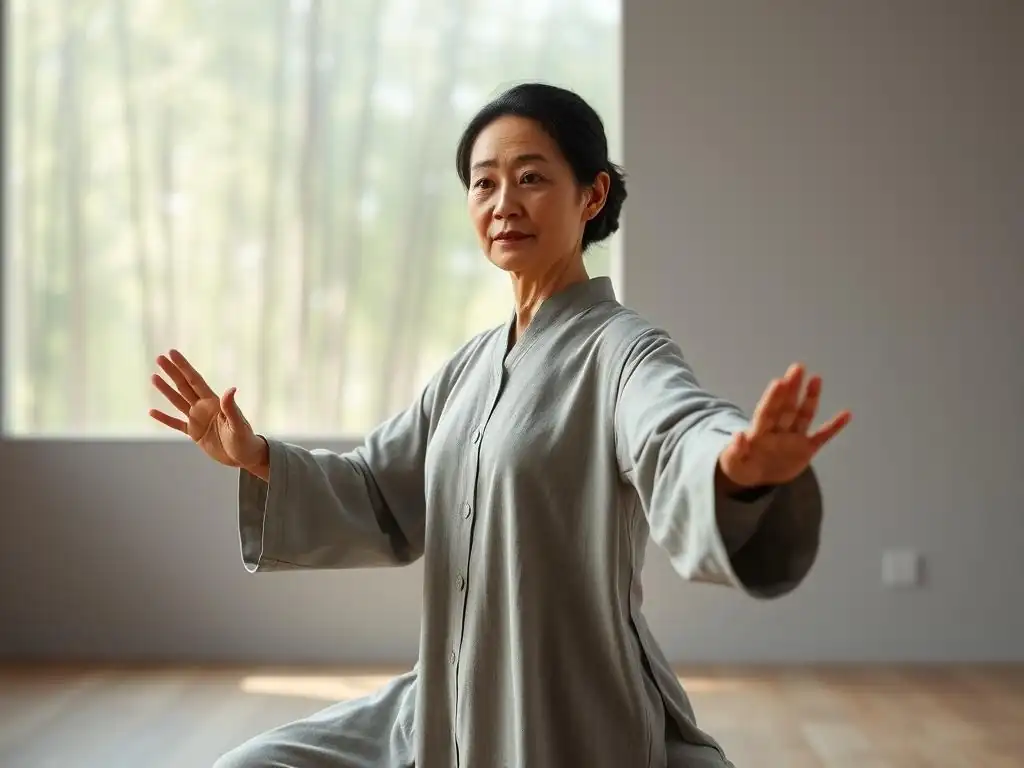
For individuals with Post-Traumatic Stress Disorder (PTSD), finding therapeutic modalities that are gentle and non-triggering is crucial. Tai Chi's emphasis on slow, controlled movements and connecting with the body in a safe, grounded manner can be particularly beneficial. Trauma can often lead to dissociation or feeling disconnected from the body; Tai Chi helps rebuild a sense of safe embodiment.
The mindful awareness cultivated in Tai Chi allows individuals to gently process sensations and emotions without feeling overwhelmed. The practice can help regulate the nervous system, reducing hyperarousal and promoting a sense of calm and safety. While research is still developing in this specific area, preliminary studies and anecdotal evidence suggest that Tai Chi can help reduce the frequency and intensity of intrusive thoughts and flashbacks, contributing to a greater sense of control and peace for those navigating the challenges of PTSD, adding another dimension to the significant Tai chi mental health benefits.
Tai Chi for Improved Sleep Quality and Relaxation
Sleep disturbances are a common symptom across many mental health conditions, including anxiety, depression, and stress. Tai Chi's ability to reduce stress and promote relaxation directly contributes to improved sleep quality. By calming the nervous system and reducing mental rumination that often interferes with falling asleep, Tai Chi helps prepare the body and mind for rest.
Regular evening practice of gentle Tai Chi forms can act as a relaxing bedtime routine. Studies have demonstrated that older adults practicing Tai Chi reported significant improvements in sleep quality and duration compared to control groups. The cumulative effect of reduced stress, improved mood, and a more regulated nervous system translates into better sleep patterns, reinforcing the comprehensive Tai chi mental health benefits that extend beyond waking hours.
Complementary Therapies: Enhancing Mental Well-being Through Integration
Tai Chi and Cognitive Behavioral Therapy (CBT): A Powerful Combination
Cognitive Behavioral Therapy (CBT) is a widely used psychotherapy that helps individuals identify and change negative thought patterns and behaviors. While CBT focuses on the mental aspect, Tai Chi offers a complementary approach by addressing the physical and emotional manifestations of these patterns. For example, someone learning to challenge anxious thoughts in CBT can use Tai Chi to manage the physical symptoms of anxiety, such as rapid heartbeat or muscle tension.
Integrating Tai Chi with CBT allows for a more embodied understanding of change. As individuals practice Tai Chi, they develop greater self-awareness regarding how their thoughts and emotions impact their physical state. This can reinforce the lessons learned in CBT, providing a practical tool for managing distress in the moment and helping individuals feel more empowered over their responses to challenging situations, thereby amplifying the overall Tai chi mental health benefits achieved through therapy.
Tai Chi and Mindfulness-Based Stress Reduction (MBSR): Synergistic Effects
Mindfulness-Based Stress Reduction (MBSR) is a program that uses meditation, yoga, and body scan techniques to cultivate mindfulness and reduce stress. Tai Chi shares significant overlap with MBSR principles, particularly in its emphasis on present moment awareness and non-judgmental observation. Combining Tai Chi with MBSR can create a powerful synergy for stress reduction and emotional regulation.
Tai Chi can serve as an active form of mindfulness practice, offering a dynamic alternative or supplement to seated meditation. The flowing movements naturally encourage focus on bodily sensations and the breath, deepening the practitioner's ability to stay present. For individuals who find seated meditation challenging, Tai Chi provides an accessible entry point into mindfulness, enhancing the overall Tai chi mental health benefits gained from a comprehensive mindfulness practice.
Tai Chi and Psychotherapy: Fostering Emotional Processing
Psychotherapy, in its various forms, provides a space for individuals to explore past experiences, understand relationship patterns, and process complex emotions. Tai Chi can complement this process by helping individuals become more comfortable and connected with their emotional and physical selves, which is often necessary for effective therapeutic work.
Trauma, for instance, is often stored in the body. The gentle, safe movements of Tai Chi can help individuals gradually release physical tension associated with trauma and become more aware of bodily sensations and emotions in a non-threatening way. This increased body-awareness can facilitate deeper emotional processing during therapy sessions, making it easier for individuals to connect their physical experiences with their psychological insights, thereby enhancing the profound Tai chi mental health benefits alongside traditional talk therapy.
Tai Chi and Medication: A Holistic Approach to Mental Health Management
For many mental health conditions, medication is a crucial component of treatment, helping to manage symptoms and stabilize mood. Tai Chi is not a replacement for necessary medication but can be an excellent complementary practice within a holistic treatment plan. It offers non-pharmacological support that addresses aspects of well-being medication may not fully cover, such as stress management, physical health, and emotional regulation skills.
Individuals taking medication for conditions like depression or anxiety may find that Tai Chi helps manage residual symptoms, improve side effects like fatigue or restlessness, and enhance their overall quality of life. It provides an active role in their own healing journey, fostering a sense of empowerment and self-efficacy. Discussing the integration of Tai Chi with a healthcare provider is advisable to ensure it fits appropriately within an individual's overall mental health management strategy, leveraging the comprehensive Tai chi mental health benefits available.
Case Studies: Real-World Examples of Tai Chi's Impact on Mental Health
Case Study: Tai Chi for Generalized Anxiety Disorder
Consider 'Anna', a 45-year-old woman diagnosed with Generalized Anxiety Disorder (GAD) who experienced persistent worry, restlessness, and difficulty concentrating. Anna was receiving talk therapy but still struggled with physical tension and racing thoughts. She began attending a weekly Tai Chi class, focusing on slow, calming movements and breathwork.
After about three months of consistent practice, Anna reported a noticeable reduction in muscle tension and a greater ability to "turn off" her worrying thoughts before bed. She found that the focus required during Tai Chi forms helped interrupt her anxiety spirals. Her therapist noted that Anna was more present and less agitated during sessions, attributing some of this progress to her newfound ability to self-regulate using the techniques learned in Tai Chi, illustrating tangible Tai chi mental health benefits.
Case Study: Tai Chi for Major Depressive Disorder
'Ben', a 60-year-old man managing Major Depressive Disorder, often felt low energy, isolated, and lacked motivation. He was on antidepressant medication but still struggled with persistent fatigue and anhedonia (loss of interest in activities). Encouraged by his doctor, Ben joined a local Tai Chi group designed for seniors.
The gentle physical activity helped combat his fatigue, and the social aspect of the group provided much-needed connection. Ben found that the structured practice gave him a sense of purpose and accomplishment. Over six months, his energy levels improved, and he began re-engaging with old hobbies. His mood scores improved significantly, and he credited Tai Chi with helping him feel more "alive" and less weighed down by his depression, showcasing the benefits of Tai chi for mental health in improving vitality and engagement.
Case Study: Tai Chi for Post-Traumatic Stress Disorder
'Clara', a 30-year-old veteran diagnosed with PTSD, struggled with hypervigilance, sleep disturbances, and feeling disconnected from her body. Traditional talk therapy was sometimes overwhelming, and she found it difficult to relax. She was introduced to a trauma-informed Tai Chi program that emphasized gentle, grounding movements and building a sense of safety within the body.
Through consistent practice, Clara gradually became more comfortable with bodily sensations. The slow, predictable movements helped regulate her nervous system, reducing her hypervigilance. She found that focusing on her breath during Tai Chi helped interrupt intrusive thoughts and improve her ability to fall asleep. While still engaged in therapy, Clara felt that Tai Chi provided a vital tool for self-soothing and regaining a sense of control over her physical and emotional responses, highlighting specific Tai chi mental health benefits for trauma recovery.
Practical Tips for Integrating Tai Chi into Your Mental Health Routine
Finding a Qualified Tai Chi Instructor for Mental Health
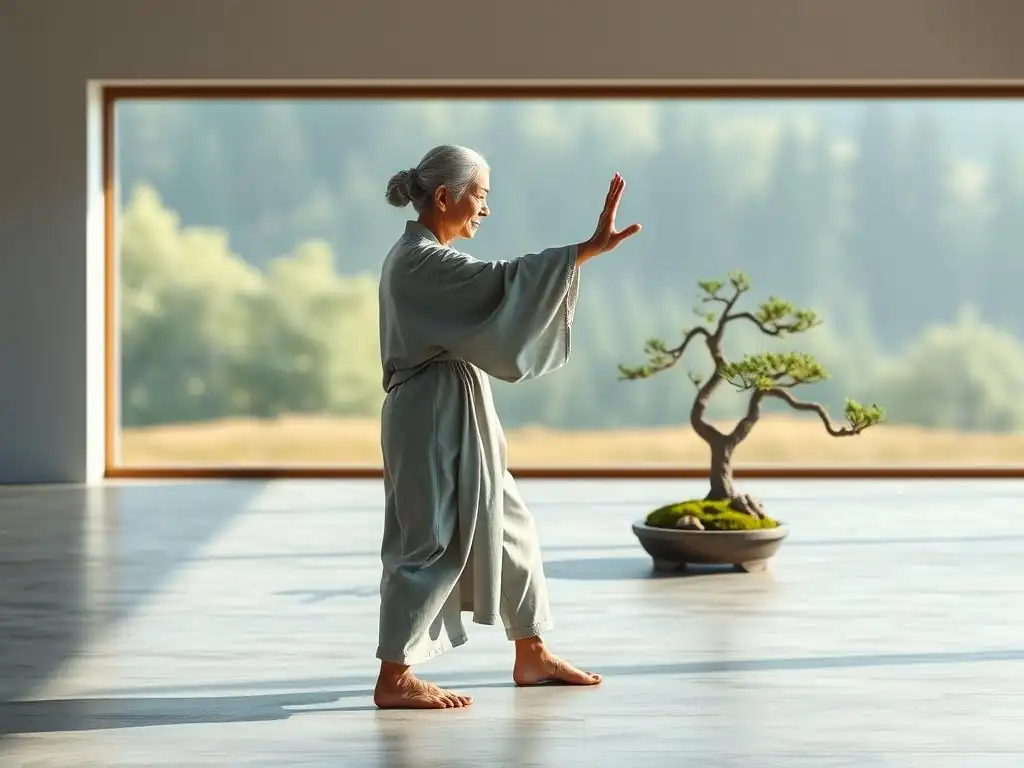
Finding a qualified Tai Chi instructor is crucial, especially when using the practice for mental health purposes. Look for instructors who have experience working with individuals with health conditions or who have a background that includes understanding the mind-body connection. Some instructors may even specialize in adaptive Tai Chi or programs designed for specific populations.
Check credentials and ask about their teaching philosophy. A good instructor should emphasize gentle practice, mindful awareness, and creating a safe, supportive environment. They should be able to offer modifications for different physical abilities or limitations. Websites of reputable Tai Chi organizations or local community centers are often good places to start your search for someone who can effectively guide you towards experiencing the full Tai chi mental health benefits.
Adapting Tai Chi for Individual Needs and Abilities
One of the great advantages of Tai Chi is its adaptability. Movements can be modified to suit almost any physical condition, including practicing while seated or using a walker for balance. It's essential to communicate any physical limitations or health concerns with your instructor so they can help you adapt the forms safely and effectively.
Adaptations ensure that the practice remains accessible and beneficial, rather than causing strain or discomfort. The core principles of relaxation, breath, and mindful movement can be applied even with significant modifications to the physical forms. This flexibility makes Tai Chi a viable option for a wide range of individuals seeking Tai chi mental health benefits, regardless of their current physical fitness level or mobility.
Creating a Home Practice: Simple Tai Chi Exercises for Mental Well-being
While group classes offer instruction and community, establishing a regular home practice is key to consistently reaping Tai chi mental health benefits. Start small, perhaps with just 10-15 minutes a day. Many instructors provide guidance on simple forms or exercises that can be practiced independently.
Focus initially on basic principles like posture, relaxed breathing, and a few fundamental movements. There are also numerous reputable online resources and DVDs that can guide a home practice, though starting with in-person instruction is often recommended for learning the foundational principles correctly. Consistency is more important than duration; even short, regular sessions can make a significant difference in stress levels and mood.
Resources for Learning More About Tai Chi and Mental Health
For those interested in exploring Tai Chi's role in mental health further, several resources are available. Books on the history and philosophy of Tai Chi, particularly those focusing on its health applications, can provide deeper insight. Websites of national and international Tai Chi organizations often list certified instructors and workshops.
Academic databases and mental health organization websites frequently publish research findings and articles on the Tai chi mental health benefits. Connecting with local community centers, hospitals, or universities might also reveal programs or classes specifically tailored for therapeutic purposes. Always ensure resources are reputable and aligned with a health-focused approach to the practice.
Potential Challenges and Considerations When Using Tai Chi for Mental Health
Contraindications and Precautions
While generally safe and low-impact, Tai Chi is not without potential contraindications or precautions, particularly for individuals with certain health conditions. People with severe balance issues, certain joint problems, or acute injuries should consult with a healthcare provider before starting Tai Chi. Similarly, individuals with uncontrolled high blood pressure or heart conditions need to approach the practice cautiously and under medical guidance.
It's important to listen to your body and avoid pushing through pain. Tai Chi is about gentle movement, not strenuous exercise. Informing your instructor about any health conditions is crucial so they can provide appropriate modifications and ensure your safety. While offering many Tai chi mental health benefits, physical safety should always be the first priority.
Importance of Proper Guidance and Supervision
Learning Tai Chi correctly is vital to maximize its benefits and avoid potential strain. While videos and books can be helpful supplements, starting with a qualified instructor is highly recommended. An experienced teacher can provide personalized feedback on posture, alignment, and the nuances of the movements and breathwork.
Improper form can lead to physical discomfort or injury and may diminish the mental and energetic benefits of the practice. Proper guidance ensures that you are practicing in a way that is safe, effective, and truly embodies the principles of Tai Chi, thereby unlocking its full potential for promoting Tai chi mental health benefits.
Managing Expectations: Tai Chi as a Complementary Therapy
It is important to view Tai Chi as a complementary therapy rather than a sole cure for mental health conditions. While the Tai chi mental health benefits are substantial and well-documented, it works best as part of a comprehensive treatment plan that may include psychotherapy, medication, and other lifestyle changes.
Managing expectations means understanding that results take time and consistent practice. Like any therapeutic modality, Tai Chi is not a quick fix. Its benefits accumulate over weeks and months of dedicated engagement. Approaching Tai Chi with patience and integrating it thoughtfully alongside other forms of care will yield the most positive outcomes for long-term mental wellness.
Conclusion: Embracing Tai Chi for a Holistic Approach to Mental Wellness
The Future of Tai Chi in Mental Healthcare
The future of Tai Chi in mental healthcare looks promising. As research continues to validate the significant Tai chi mental health benefits, it is likely that this ancient practice will become increasingly integrated into mainstream therapeutic settings. We may see more mental health clinics offering Tai Chi programs, increased referrals from doctors and therapists, and greater recognition from insurance providers.
Further research is needed to understand the optimal forms, duration, and frequency of Tai Chi practice for specific mental health conditions. However, the current evidence strongly supports its role as a valuable, accessible, and low-risk intervention that complements existing treatments and supports a holistic approach to mental well-being.
Empowering Individuals Through Gentle Movement and Mindful Practice
Ultimately, Tai Chi empowers individuals by providing them with practical tools for self-regulation and stress management. Through gentle movement and mindful practice, individuals can cultivate a deeper connection with their bodies and minds, fostering resilience and emotional balance. The accessibility and adaptability of Tai Chi make it a powerful resource for a wide range of people seeking to improve their mental health.
Embracing Tai Chi means choosing a path towards wellness that honors the intricate link between physical and mental health. It is a journey of continuous learning and self-discovery, offering profound Tai chi mental health benefits that contribute to a more peaceful, centered, and balanced life.
Frequently Asked Questions
What are the primary Tai Chi mental health benefits that make it a good complement to other therapies?
Tai Chi promotes stress reduction through mindful movement and deep breathing. It also enhances emotional regulation and fosters a sense of inner peace, making other therapies more effective.
How does Tai Chi work to reduce anxiety and stress, specifically relating to mental health benefits?
Tai Chi's slow, deliberate movements activate the parasympathetic nervous system, which calms the body and mind. This reduces the production of stress hormones and promotes relaxation, directly impacting anxiety.
Can Tai Chi be used as a standalone treatment for mental health issues, or is it always best combined with other therapies?
While Tai Chi offers significant mental health benefits, it's often most effective as a complementary therapy. It enhances the impact of other treatments like therapy and medication, not necessarily replacing them.
What types of mental health conditions can potentially benefit from incorporating Tai Chi into a treatment plan?
Tai Chi can be beneficial for individuals experiencing anxiety, depression, and stress-related disorders. It can also improve sleep quality and enhance overall well-being, regardless of a specific diagnosis.
How often should someone practice Tai Chi to experience noticeable mental health benefits, and are there any risks involved?
Practicing Tai Chi 2-3 times per week is generally sufficient to experience mental health benefits. It is a low-impact exercise but individuals with pre-existing conditions should consult their doctor.
Final Reflection: Finding Harmony Within: Tai Chi and the Path to Wellbeing
The integration of mind and body is no longer a fringe concept; it's a vital component of holistic mental healthcare. The growing recognition of the interconnectedness between physical and mental well-being underscores the profound impact of practices like Tai Chi, offering a powerful complement to traditional therapies. This approach isn't merely a trend; it's a necessary evolution in how we understand and address mental health challenges.
The gentle movements and meditative focus of Tai Chi have resonated deeply with me throughout this exploration, highlighting the often-overlooked power of mindful movement. It's not just about physical exercise; it's about cultivating a sense of presence and inner peace that can significantly enhance the effectiveness of other therapeutic interventions. The body is your temple. Keep it pure and clean for the soul to reside in.
This ancient wisdom perfectly encapsulates the holistic approach championed by Tai Chi and its ability to foster a sense of self-care that extends beyond the physical.
Consider the ways in which Tai Chi can enrich your own journey towards mental well-being. Perhaps you've already experienced the benefits of therapy, but feel a missing piece. Maybe you're seeking a gentler, more accessible path to self-care. Whatever your situation, I invite you to explore the possibilities of incorporating Tai Chi into your life. Embrace the slow, deliberate movements, the mindful breathing, and the quiet space it creates within. Discover the harmony between mind and body, and unlock a deeper, more resilient sense of self.
Unleash Your Inner Calm: Integrate Tai Chi into Your Wellness Routine
Thanks for taking the time to explore the powerful synergy between Tai Chi and other mental health therapies! We hope you gained valuable insights into how this ancient practice can enhance your well-being. Now, it's time to put that knowledge into action.
- Begin your Tai Chi journey: Find a local class, explore online tutorials, or simply start with a few introductory movements from the comfort of your home. Even 10 minutes a day can make a difference!
- Share your experience: Tell us about your first Tai Chi session – what did you learn? What surprised you? Share your thoughts in the comments below; we'd love to hear your story!
- Explore complementary practices: Consider how you can integrate Tai Chi with other mindfulness techniques you already use, or explore new ones inspired by this article – meditation, yoga, or spending time in nature.
What small step will you take today to cultivate more inner calm and balance in your life?