
Finding Balance During Challenging Times: Navigating Adversity with Grace


Welcome to Mind Care Guide, a safe space dedicated to nurturing your mental well-being.
Feeling overwhelmed by difficult emotions? You're not alone. This article, " Coping with difficult emotions now," offers practical strategies and compassionate guidance to help you navigate challenging times with greater resilience. Discover how to find balance and build inner strength – your journey to holistic mental health starts here. Let's explore together.
Finding Balance During Challenging Times: Navigating Adversity with Grace
- Introduction: Embracing Resilience in the Face of Adversity
- Recognizing and Acknowledging Difficult Emotions
- Practical Strategies for Coping with Difficult Emotions Now
- Building a Support System for Emotional Resilience
- Lifestyle Adjustments for Enhanced Emotional Stability
- Reframing Challenges and Cultivating Optimism
- Long-Term Strategies for Maintaining Emotional Balance
- Conclusion: Embracing Growth Through Adversity - Thriving, Not Just Surviving
-
Frequently Asked Questions
- How can I effectively cope with difficult emotions now during challenging times?
- What are some practical steps for managing stress when facing adversity?
- Where can I find support and resources for my mental health challenges?
- How do I build resilience to better navigate future challenging times?
- What's the importance of self-compassion when dealing with difficult emotions?
- Final Reflection: Embracing Resilience in the Face of Adversity
- Unleash Your Inner Resilience: Take Charge of Your Wellbeing
Introduction: Embracing Resilience in the Face of Adversity
Life inevitably presents us with challenges, moments that test our strength, our patience, and our emotional equilibrium. Whether it's navigating personal loss, professional setbacks, health issues, or global crises, these periods of adversity can feel overwhelming. Yet, within these challenges lies the opportunity for growth, resilience, and a deeper understanding of ourselves. Finding balance isn't about avoiding difficulties; it's about developing the capacity to move through them with greater ease and grace.
This article serves as a guide to understanding and practicing the art of maintaining emotional balance when faced with life's inevitable storms. We will explore why emotional equilibrium is crucial for mental well-being, how to recognize and validate the complex feelings that arise during tough times, and provide actionable strategies for coping with difficult emotions now. Building resilience is a journey, and this guide aims to equip you with the tools to navigate adversity not just survive, but to thrive.
Understanding the Importance of Emotional Equilibrium During Tough Times
Maintaining emotional equilibrium during challenging periods is fundamental to protecting our mental and physical health. When faced with stress or trauma, our body's fight-or-flight response can be triggered, leading to increased heart rate, elevated stress hormones like cortisol, and heightened anxiety. Prolonged exposure to this state without adequate emotional regulation can contribute to chronic health problems, including cardiovascular issues, weakened immune function, and digestive disorders, in addition to exacerbating mental health conditions such as depression and anxiety disorders.
Furthermore, a lack of emotional balance can impair our cognitive functions. It becomes harder to think clearly, make rational decisions, and solve problems effectively when we are overwhelmed by intense feelings. Studies and clinical observations consistently show that individuals with better emotional regulation skills are more adaptable, recover more quickly from setbacks, and maintain healthier relationships. Learning effective ways of coping with difficult emotions now, in the moment they arise, is therefore not just beneficial for current well-being but is an investment in long-term health and resilience.
Setting the Stage: Why Balance Matters for Mental Well-being
Emotional balance is not a static state but a dynamic process of acknowledging, understanding, and managing our feelings in a healthy way. It's the ability to experience a full range of emotions—joy, sadness, anger, fear—without being consumed by them. For mental well-being, this balance is akin to a stable foundation. Without it, the structure of our mental health can become fragile and susceptible to collapse under pressure.
Consider the analogy of walking a tightrope; maintaining balance requires constant micro-adjustments. Similarly, navigating life's challenges requires continuous awareness and adjustment of our emotional responses. This capacity allows us to remain present, engage effectively with others, and continue pursuing our goals even when circumstances are far from ideal. Prioritizing balance means actively cultivating practices that support emotional health, recognizing that the effort invested in coping with difficult emotions now pays dividends in increased resilience and overall life satisfaction.
Recognizing and Acknowledging Difficult Emotions
When adversity strikes, a cascade of intense and often uncomfortable emotions can surface. It's a natural human response to feel fear, sadness, anger, frustration, confusion, or even numbness. The first step towards navigating these feelings constructively is to simply recognize and acknowledge their presence without judgment. Many people instinctively try to push away or ignore difficult emotions, but this often leads to them festering beneath the surface, potentially emerging later in unhealthy ways.
Learning to identify what you are feeling is a crucial skill. Is it sadness related to a loss? Is it fear about an uncertain future? Is it anger stemming from a perceived injustice? Giving a name to the emotion can help demystify it and reduce its power over you. This process of recognition is the bedrock upon which effective strategies for coping with difficult emotions now are built. It requires introspection and a willingness to be honest with yourself about your internal experience, no matter how uncomfortable it may be.
Identifying Common Emotional Responses to Challenging Situations
Challenging situations can trigger a wide spectrum of emotional responses, varying significantly from person to person and depending on the specific nature of the challenge. For instance, facing a major illness might evoke fear, grief over lost abilities, frustration with treatment, or even a strange sense of calm acceptance. Job loss could lead to anxiety about finances, anger at perceived unfairness, shame, or a sense of unexpected freedom. Natural disasters often bring about shock, terror, profound sadness, and survivor's guilt.
It's important to understand that there's no "right" way to feel during adversity. Common responses can include heightened irritability, difficulty concentrating, changes in sleep patterns (insomnia or excessive sleep), loss of interest in activities previously enjoyed, and feelings of hopelessness. Recognizing these as typical reactions to stress and difficulty can normalize your experience and make the process of coping with difficult emotions now feel less isolating. For example, experiencing increased anxiety before a major presentation or feeling irritable after a stressful day at work are common physiological and emotional stress responses.
The Significance of Validating Your Feelings: Acknowledging Pain and Suffering
Validating your feelings means accepting them as legitimate and understandable responses to your circumstances, without labeling them as "good" or "bad." This is a critical step often overlooked. When we invalidate our own feelings – perhaps thinking "I shouldn't be this upset" or "Others have it worse" – we add a layer of self-criticism on top of the original pain. This internal conflict can make it far harder to move forward and effectively manage what we are feeling.
Acknowledging pain and suffering is not about dwelling in negativity; it's about facing reality. Imagine someone grieving the loss of a loved one; telling themselves they "shouldn't be sad" doesn't erase the grief. Instead, allowing the sadness to be present, perhaps acknowledging "This hurts immensely, and that's okay," provides the necessary space for processing. This compassionate self-acknowledgment is foundational for coping with difficult emotions now, enabling you to approach your inner world with kindness rather than resistance. It's the first step in healing and building emotional resilience.
Overcoming Avoidance: Confronting Emotions Head-On
Avoidance is a common, albeit often counterproductive, strategy for dealing with difficult emotions. This can manifest in various ways, such as distracting ourselves constantly, engaging in substance abuse, overworking, or simply pretending the feelings don't exist. While avoidance might offer temporary relief, it prevents us from processing the emotion and learning how to cope with it effectively in the long run. The emotion doesn't disappear; it often resurfaces later, sometimes with greater intensity or in the form of physical symptoms like headaches or digestive issues.
Confronting emotions head-on doesn't mean becoming overwhelmed by them. It means approaching them with conscious awareness and a willingness to experience them, even if uncomfortable. This might involve sitting with the feeling for a few minutes, journaling about it, or talking to a trusted friend.
For example, if you feel anxious about a looming deadline, instead of endlessly scrolling social media, you might pause, notice the physical sensations of anxiety (perhaps tightness in your chest), and acknowledge the thought ("I'm worried about this deadline"). This act of conscious observation, without judgment, is a powerful way of beginning the process of coping with difficult emotions now and building the capacity to tolerate discomfort.
Practical Strategies for Coping with Difficult Emotions Now
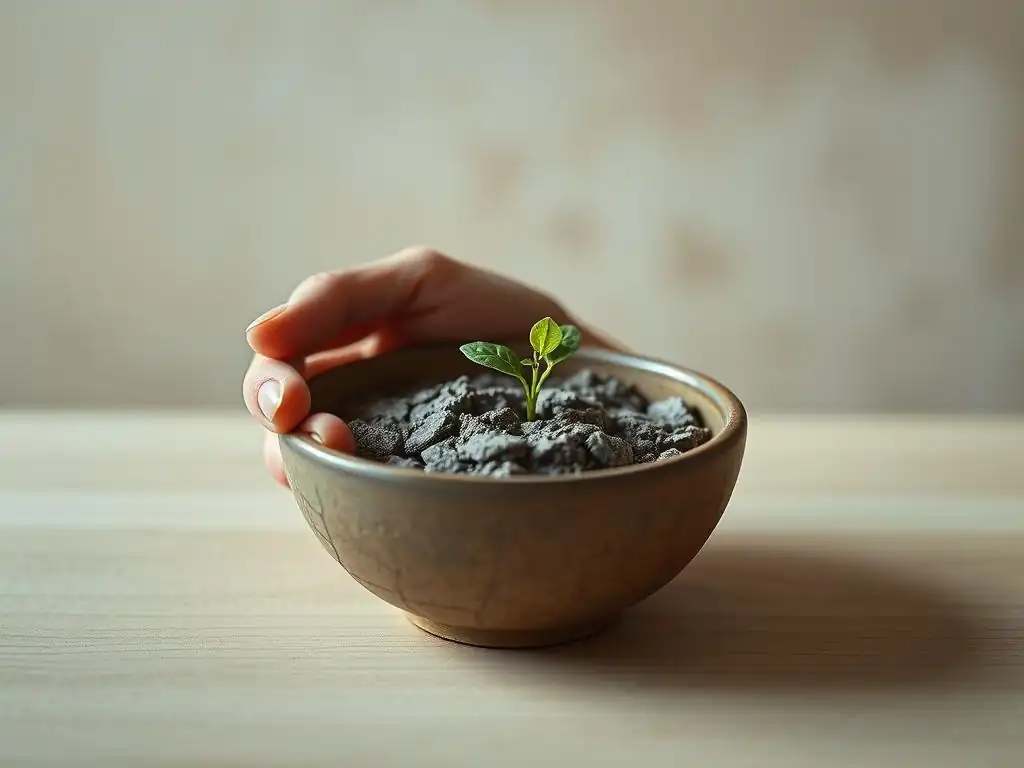
When intense emotions arise, having immediate, practical strategies at your disposal can make a significant difference. These techniques are designed to help you manage the intensity of the feeling in the moment, preventing escalation and allowing you to regain a sense of control. They are not intended to eliminate the emotion entirely, but rather to help you navigate it safely and constructively. Mastering these techniques is key to effectively coping with difficult emotions now, providing anchors in the storm.
The following strategies are simple yet powerful tools that can be implemented almost anywhere, anytime. They focus on bringing you back into the present moment, cultivating self-awareness, and fostering a kinder relationship with yourself. Regular practice of these techniques, even when you're not in a moment of crisis, will make them more effective when you need them most.
Grounding Techniques: Anchoring Yourself in the Present Moment
Grounding techniques are simple yet highly effective tools for pulling your awareness back to the present moment when you feel overwhelmed by thoughts or emotions. They work by focusing your attention on external stimuli or bodily sensations, interrupting the cycle of rumination or intense emotional reactivity. This can be particularly helpful when anxiety, panic, or overwhelming sadness threaten to consume you, providing a sense of stability and reality.
One common scenario where grounding is invaluable is during a panic attack, which can feel terrifying and disorienting. By focusing on the physical world around you, you remind your brain that you are safe in the present, rather than trapped by fearful thoughts about the future or distressing memories of the past. Practicing these methods regularly helps build your capacity for coping with difficult emotions now, giving you a reliable method to regain composure when needed.
Deep Breathing Exercises for Immediate Calm
Deep breathing is one of the most accessible and immediate grounding techniques. When stressed or anxious, our breathing tends to become shallow and rapid, reinforcing the body's stress response. By consciously slowing down and deepening your breath, you activate the parasympathetic nervous system, which promotes relaxation and counteracts the fight-or-flight response.
A simple technique is the 4-7-8 method: inhale deeply through your nose for a count of four, hold your breath for a count of seven, and exhale slowly through your mouth for a count of eight. Repeat this cycle several times. Focusing solely on the counts and the sensation of air filling and leaving your lungs distracts your mind from distressing thoughts and physically calms your nervous system. Even just taking three slow, deep breaths can significantly reduce tension and help you start coping with difficult emotions now.
The 5-4-3-2-1 Grounding Method
The 5-4-3-2-1 technique is another powerful grounding exercise that engages your five senses to connect you with your immediate environment. When feeling overwhelmed, pause and identify:
- 5 things you can see (e.g., a pen, a chair, the sky).
- 4 things you can touch (e.g., the texture of your clothes, the smoothness of a table, the feel of your hair).
- 3 things you can hear (e.g., traffic outside, your own breathing, the hum of a computer).
- 2 things you can smell (e.g., coffee, a candle, your perfume/cologne, fresh air).
- 1 thing you can taste (e.g., the residual taste from your last drink or meal, or pop a mint).
This method systematically directs your attention outward, away from the internal turmoil of difficult emotions, and firmly plants you in the present moment. It's a practical checklist for centering yourself and regaining perspective when you feel lost in your feelings, providing a concrete path for coping with difficult emotions now.
Mindfulness and Meditation: Cultivating Inner Peace
Mindfulness is the practice of paying deliberate attention to the present moment without judgment. Meditation is a formal practice of cultivating mindfulness, often involving focusing on the breath, bodily sensations, or a mantra. Both practices train the mind to observe thoughts and feelings as transient events rather than absolute truths, reducing their power to overwhelm. Regular engagement with mindfulness and meditation builds a greater capacity for emotional regulation and fosters a sense of inner peace, making the process of coping with difficult emotions now feel more manageable over time.
These practices aren't about emptying your mind or achieving a state of bliss; they are about developing awareness and acceptance of whatever arises. Through consistent practice, you learn to notice difficult emotions without getting swept away by them. You might observe anger as a physical sensation of heat or tightness, recognizing it as a temporary state rather than identifying yourself as angry. This distance creates space for a more measured response.
Simple Meditation Techniques for Beginners
Starting a meditation practice doesn't require hours of sitting or complex techniques. Even five minutes a day can yield benefits. A simple approach for beginners is focus-on-the-breath meditation. Find a quiet place to sit comfortably. Close your eyes gently or soften your gaze. Bring your attention to your breath entering and leaving your body. Don't try to change your breath, just observe it. Your mind will inevitably wander – this is normal. When you notice your thoughts drifting, gently guide your attention back to your breath without judgment.
Another simple method is a body scan meditation. Sit or lie down comfortably. Bring your attention to different parts of your body, starting from your toes and slowly moving up to the crown of your head. Notice any sensations – tingling, warmth, tension, relaxation – without trying to change them. This practice helps you become more aware of physical sensations associated with emotions and can be a form of grounding, aiding in coping with difficult emotions now by connecting you to your physical self.
Incorporating Mindfulness into Daily Life
Mindfulness isn't confined to formal meditation sessions; it can be woven into everyday activities. This is often called "informal mindfulness practice." Simple acts like mindfully washing dishes, paying attention to the temperature of the water, the feel of the soap, and the sound of the splashing, can become opportunities to practice presence. Eating a meal mindfully, noticing the colors, textures, smells, and tastes of the food, can turn a routine task into a grounding experience.
Bringing mindfulness to challenging moments involves pausing before reacting. If someone says something upsetting, instead of immediately snapping back, you might take a mindful breath, notice the surge of anger, and choose a more constructive response. Practicing mindfulness in daily activities builds the muscle of non-judgmental awareness, making it easier to apply when you are actively coping with difficult emotions now.
The Power of Self-Compassion: Treating Yourself with Kindness
Self-compassion is arguably one of the most vital tools for navigating challenging times. It involves treating yourself with the same kindness, understanding, and acceptance you would offer a dear friend who is suffering. When faced with setbacks, failures, or difficult emotions, our inner critic often goes into overdrive, exacerbating our pain with self-blame and harsh judgment. Self-compassion counters this by acknowledging that suffering, failure, and inadequacy are part of the shared human experience, not personal failings.
Research by Kristin Neff, a leading expert in the field, suggests that self-compassion has three core components: self-kindness (being warm and understanding toward ourselves), common humanity (recognizing that suffering and imperfection are part of being human), and mindfulness (observing our painful thoughts and feelings without getting lost in them). Embracing self-compassion is transformative for coping with difficult emotions now, as it reframes your internal dialogue from critical to supportive.
Practicing Self-Forgiveness During Setbacks
Setbacks and mistakes are inevitable parts of life's journey. When they occur, it's easy to fall into a cycle of regret, guilt, and self-blame. Practicing self-forgiveness means letting go of the resentment you hold towards yourself for past actions or perceived failures. It is not about condoning harmful behavior but about accepting your humanity, acknowledging the pain caused (either to yourself or others), and choosing to move forward without the heavy burden of self-condemnation.
Consider a situation where you feel you handled a difficult conversation poorly, leading to hurt feelings. Instead of endlessly replaying the scenario and criticizing your words, self-forgiveness involves acknowledging, "I made a mistake in that moment, and it caused pain. I am human, and I am capable of learning from this." This allows you to process the event, understand your part, and make amends or change future behavior without being paralyzed by shame. This compassionate approach is essential for effective coping with difficult emotions now and in the future.
Challenging Negative Self-Talk
Our internal dialogue significantly impacts how we experience difficult emotions. Negative self-talk – phrases like "I'm not good enough," "I always mess things up," or "This is all my fault" – can amplify feelings of sadness, anxiety, and hopelessness. Challenging these thought patterns is a key aspect of self-compassion and crucial for improving how you are coping with difficult emotions now.
The first step is to become aware of your negative self-talk. Start noticing the critical voice in your head. Then, question its validity: Is this thought absolutely true? Would I say this to a friend in the same situation? Often, these negative thoughts are exaggerated or unfounded. Replace critical self-talk with kinder, more realistic statements. For example, instead of "I always mess things up," try "I made a mistake, but everyone makes mistakes, and I can learn from this." This conscious effort to shift your inner dialogue fosters a more supportive internal environment.
Building a Support System for Emotional Resilience
Humans are social creatures, and connection is a fundamental need. During challenging times, the instinct might be to withdraw, but isolating yourself can exacerbate feelings of loneliness, sadness, and anxiety. Building and leaning on a strong support system is not a sign of weakness; it is a sign of wisdom and a powerful strategy for navigating adversity. Supportive relationships provide emotional comfort, practical assistance, different perspectives, and a reminder that you are not alone in your struggles.
A robust support system acts as a buffer against stress and helps build emotional resilience. It can include family members, friends, partners, colleagues, or even online communities centered around shared experiences. The quality of these connections often matters more than the quantity. Knowing you have people you can trust and turn to when you are coping with difficult emotions now provides a vital safety net.
Numerous studies highlight the protective effects of social connection on mental and physical health, especially during periods of stress or trauma. For instance, research following major events like natural disasters or economic downturns consistently shows that individuals with strong social ties experience lower rates of depression and anxiety compared to those who are isolated. Sharing your experiences with others can reduce the burden of difficult emotions, offer new insights, and provide validation.
Simply talking about what you're going through can release tension and make the problem feel less overwhelming. A listening ear, a comforting presence, or even just engaging in distracting activities with loved ones can provide much-needed relief. Social connection reminds us of our value and belonging, countering the feelings of isolation that adversity can bring. Actively seeking and maintaining these connections is a proactive step in coping with difficult emotions now and enhancing long-term well-being.
Identifying and Nurturing Supportive Relationships
Not all relationships are equally supportive. It's important to identify the people in your life who are good listeners, offer empathy without judgment, and respect your feelings and boundaries. These are the individuals who make you feel seen, heard, and valued. Conversely, relationships that are critical, draining, or dismissive of your feelings may need to be navigated with caution or distance during vulnerable times.
Nurturing supportive relationships requires effort from both sides. It involves open communication, active listening, setting healthy boundaries, and being there for others when they need support in return. Make time for these important connections, even when you feel overwhelmed. A phone call, a shared meal, or a simple text message checking in can strengthen bonds and ensure that your support system is robust when you need it most for coping with difficult emotions now.
Seeking Professional Guidance: When to Consider Therapy or Counseling
While personal support systems are invaluable, sometimes the challenges we face, or the emotions we experience, are too complex or intense to navigate alone. This is where professional guidance from therapists, counselors, or psychologists becomes crucial. Seeking therapy is a sign of strength and a proactive step towards healing and growth. Mental health professionals are trained to provide objective support, teach effective coping strategies, and help you process deep-seated issues.
Consider seeking professional help if:
- Your difficult emotions are persistent and significantly impacting your daily life (work, relationships, self-care).
- You are using unhealthy coping mechanisms (substance abuse, isolation, excessive risk-taking).
- You have thoughts of harming yourself or others.
- You feel overwhelmed and unable to cope on your own despite trying various strategies.
- You are dealing with trauma that feels insurmountable.
Therapy provides a safe, confidential space to explore your feelings, understand their origins, and develop personalized techniques for coping with difficult emotions now and building long-term resilience. There are various types of therapy, such as Cognitive Behavioral Therapy (CBT) or Dialectical Behavior Therapy (DBT), that specifically teach skills for emotional regulation and distress tolerance.
Lifestyle Adjustments for Enhanced Emotional Stability
Our emotional state is deeply intertwined with our physical health and daily habits. Neglecting basic self-care can significantly amplify the intensity and duration of difficult emotions. Conversely, making conscious choices about sleep, nutrition, and physical activity can lay a strong foundation for emotional stability and resilience. These lifestyle adjustments are not luxury items; they are essential components of a holistic approach to mental well-being and vital for effectively coping with difficult emotions now and preventing future overwhelm.
Think of your body as a complex system; when one part is out of balance, it affects the whole. Ensuring your physical needs are met provides the necessary energy and resources for your mind to process emotions and navigate stress. Implementing even small, consistent changes in these areas can yield significant benefits for your emotional landscape.
Prioritizing Sleep: Rest and Recovery for Mental Health
Adequate, quality sleep is non-negotiable for emotional regulation and cognitive function. Sleep deprivation is strongly linked to increased irritability, anxiety, difficulty concentrating, and impaired decision-making. When you're well-rested, your brain is better equipped to manage stress, process emotions, and maintain a more positive outlook. Studies consistently show that chronic sleep issues correlate with higher rates of depression and anxiety disorders.
Aim for 7-9 hours of sleep per night. Establish a consistent sleep schedule, going to bed and waking up around the same time each day, even on weekends. Create a relaxing bedtime routine to signal to your body it's time to wind down. Avoid screens, caffeine, and heavy meals close to bedtime. Prioritizing sleep is a powerful, yet often underestimated, strategy for improving your capacity for coping with difficult emotions now and supporting overall mental resilience.
Nourishing Your Body: The Connection Between Diet and Mood
What we eat directly impacts our brain chemistry and, consequently, our mood and energy levels. A diet high in processed foods, sugar, and unhealthy fats can contribute to inflammation and blood sugar fluctuations, which can negatively affect mood, increase irritability, and worsen anxiety. Conversely, a balanced diet rich in whole foods, fruits, vegetables, lean proteins, and healthy fats supports optimal brain function.
Specific nutrients play a key role in mental health. Omega-3 fatty acids (found in fish, flaxseeds) are crucial for brain health and linked to reduced symptoms of depression and anxiety. Complex carbohydrates provide sustained energy and help regulate serotonin levels. Staying hydrated is also essential, as dehydration can lead to fatigue and poor concentration. Making mindful food choices is an active way of supporting your body's ability to handle stress and improving your effectiveness in coping with difficult emotions now.
Regular Exercise: Releasing Tension and Boosting Endorphins
Physical activity is a powerful antidote to stress and a significant mood booster. When you exercise, your body releases endorphins, natural mood elevators that can reduce pain and promote feelings of well-being. Exercise also helps reduce levels of stress hormones like cortisol and adrenaline. Beyond the chemical benefits, physical activity provides a healthy outlet for pent-up energy and tension that often accompanies difficult emotions.
Finding an activity you enjoy is key to consistency, whether it's brisk walking, running, yoga, dancing, or team sports. Aim for at least 30 minutes of moderate-intensity exercise most days of the week. Even short bursts of activity, like a 10-minute walk, can make a difference in shifting your mood and helping you feel more capable of coping with difficult emotions now. Exercise also improves sleep quality and body image, further contributing to overall emotional stability.
Reframing Challenges and Cultivating Optimism

While acknowledging and feeling difficult emotions is important, dwelling solely on the negative aspects of a situation can be detrimental. Learning to reframe challenges – viewing them from different perspectives and looking for potential lessons or opportunities – is a powerful cognitive strategy for building resilience. This doesn't mean denying the difficulty or pain, but rather consciously choosing to also look for elements of growth, learning, or silver linings. Cultivating a sense of optimism, even cautious optimism, can significantly impact your ability to navigate adversity with grace and improve your approach to coping with difficult emotions now.
Reframing is an active mental process. It involves challenging initial negative interpretations and seeking alternative ways of understanding the situation. This skill takes practice, but it can profoundly alter your emotional response to challenging events.
Cognitive Restructuring: Challenging Negative Thought Patterns
Cognitive restructuring is a core technique in cognitive behavioral therapy (CBT) that involves identifying and challenging distorted or unhelpful thought patterns that contribute to negative emotions. During challenging times, our thinking can become skewed by cognitive biases such as catastrophizing (assuming the worst-case scenario), black-and-white thinking (seeing things only as good or bad), or overgeneralization (assuming a single negative event is a pattern).
To practice cognitive restructuring, first, identify the specific negative thought associated with a difficult emotion (e.g., "This setback means I'm a complete failure"). Second, question the evidence for and against this thought. Is there any evidence that contradicts this absolute statement? Third, consider alternative, more balanced thoughts (e.g., "This setback is difficult, but it doesn't define me. I can learn from it and try again"). By actively challenging and replacing unhelpful thoughts, you can significantly reduce the intensity of negative emotions and improve your ability to cope with difficult emotions now.
Focusing on Gratitude: Appreciating the Good in Your Life
Even in the midst of significant challenges, there are often things to be grateful for, no matter how small. Focusing on gratitude shifts your attention away from what is wrong or missing and towards what is present and positive. This practice doesn't negate the pain of difficult circumstances, but it helps to provide perspective and cultivate a sense of hope and appreciation.
Keeping a gratitude journal, even writing down just three things you are grateful for each day, has been shown in studies to improve mood and overall well-being. These can be simple things like a warm cup of tea, a sunny day, a kind word from a stranger, or the support of a loved one. Regularly acknowledging the good can build emotional reserves and provide moments of light when you are grappling with heavy feelings, making the task of coping with difficult emotions now feel slightly less burdensome.
Finding Meaning and Purpose Amidst Adversity
Finding meaning in suffering is a profound psychological concept, often associated with the work of Viktor Frankl, who survived the Holocaust. Even in the most horrific circumstances, individuals can find meaning by focusing on their attitude towards the situation, their purpose, or the lessons learned. While not always immediately apparent, seeking meaning in adversity can transform a seemingly senseless struggle into an opportunity for profound personal growth.
This might involve identifying what the challenge has taught you about your own strength, what it has clarified about your values, or how it has deepened your empathy for others. For example, someone who has battled a chronic illness might find meaning in advocating for others with the same condition. Discovering or reaffirming your purpose can provide motivation and resilience, helping you navigate difficult emotions and find a path forward, even when circumstances remain challenging. It offers a sense of direction when you are actively coping with difficult emotions now.
Long-Term Strategies for Maintaining Emotional Balance
While immediate coping mechanisms are essential for navigating moments of intense emotion, maintaining emotional balance over the long term requires a more sustained and proactive approach. This involves developing a toolkit of healthy habits, building a personalized self-care plan, and committing to ongoing self-reflection and adjustment. Emotional resilience isn't a destination; it's a continuous journey of learning, adapting, and nurturing your inner world.
Investing time and energy in these long-term strategies builds your capacity to withstand future challenges with greater ease. It's about creating a lifestyle that inherently supports your mental and emotional health, making the inevitable moments of coping with difficult emotions now less disruptive to your overall well-being.
Developing Coping Mechanisms for Future Challenges
Building a repertoire of effective coping mechanisms before you face the next major challenge is a strategic investment in your emotional health. Reflect on past difficulties: What helped you get through them? What didn't work? Identify healthy strategies that resonate with you, such as journaling, talking to a friend, engaging in a hobby, exercising, or spending time in nature.
Develop a plan for what you will do when difficult emotions arise in the future. This could be a list of go-to activities, a list of supportive contacts, or a set of grounding techniques you know work for you. Having these strategies readily available prevents you from having to figure things out in the moment of distress. Regularly practicing these chosen mechanisms, even when life is calm, strengthens them and makes them more accessible when you are actively coping with difficult emotions now or in the future.
Building a Personalized Self-Care Plan
A personalized self-care plan is a conscious commitment to nurturing your physical, emotional, and mental health on a regular basis. It goes beyond occasional treats and involves incorporating consistent practices that replenish your energy and reduce stress. This plan should be tailored to your individual needs and preferences.
Elements of a self-care plan might include:
- Physical: Regular exercise, healthy eating, adequate sleep, scheduling doctor's appointments.
- Emotional: Journaling, practicing mindfulness, engaging in hobbies, seeking therapy, setting boundaries.
- Social: Spending time with supportive loved ones, joining groups or communities.
- Spiritual (if applicable): Meditation, prayer, spending time in nature, engaging in activities that bring a sense of meaning or connection.
Make your self-care plan a priority, scheduling time for these activities just as you would schedule work meetings or appointments. A well-maintained self-care routine provides a protective buffer, enhancing your capacity for coping with difficult emotions now and promoting overall resilience.
Continuous Self-Reflection and Adjustment
Maintaining emotional balance is an ongoing process that requires regular self-reflection and a willingness to adjust your strategies as needed. Life circumstances change, and what worked for you in the past might not be as effective in the present. Regularly checking in with yourself about how you are feeling, what is contributing to your stress, and which coping mechanisms are currently most helpful is crucial.
This might involve journaling about your emotional experiences, talking to a therapist or trusted friend about how you're navigating challenges, or simply taking a few moments each day to pause and assess your emotional state. Be open to trying new strategies if your current ones aren't sufficient for coping with difficult emotions now. This iterative process of self-awareness, evaluation, and adjustment is key to sustaining emotional well-being throughout life's inevitable ups and downs.
Conclusion: Embracing Growth Through Adversity - Thriving, Not Just Surviving
Navigating challenging times and coping with difficult emotions now is a significant part of the human experience. While these periods can be painful and overwhelming, they also hold immense potential for growth, self-discovery, and the cultivation of deep resilience. Finding balance isn't about eliminating difficult feelings or avoiding hardship; it's about developing the skills and internal fortitude to move through adversity with awareness, self-compassion, and grace.
By recognizing and validating your emotions, employing practical coping strategies like grounding and mindfulness, building and leveraging a strong support system, prioritizing essential lifestyle adjustments, and actively reframing challenges, you build a powerful foundation for emotional well-being. This journey transforms moments of survival into opportunities for thriving.
The Journey to Emotional Resilience is Ongoing
Developing emotional resilience is not a one-time achievement but a lifelong process. It requires consistent effort, patience, and a commitment to ongoing self-care and learning. There will be moments when you feel like you're taking steps backward, moments of overwhelm and doubt. These are normal parts of the journey. The key is to approach yourself with compassion during these times, acknowledge the difficulty, and gently return to the strategies that support your well-being.
Each challenge you face and navigate successfully, even imperfectly, strengthens your capacity for the next. The skills learned in coping with difficult emotions now become ingrained, making future adversities feel less daunting. Embrace the process, celebrate small victories, and be kind to yourself along the way.
Finding Strength and Wisdom in Challenging Times
Adversity, while painful, can be a powerful teacher. It can reveal strengths you never knew you possessed, clarify your values, and deepen your empathy for the suffering of others. The wisdom gained from navigating difficult times is invaluable, shaping you into a more compassionate, resilient, and authentic individual.
By actively engaging with the process of coping with difficult emotions now, you are not just enduring hardship; you are actively building a stronger, more balanced self. You are learning to dance with the storms of life, finding your footing and grace even when the winds are strong. Embrace the journey, trust in your capacity for growth, and know that within every challenge lies the potential for discovering profound strength and wisdom.
Frequently Asked Questions
How can I effectively cope with difficult emotions now during challenging times?
Focus on immediate self-care techniques like deep breathing, mindfulness exercises, or engaging in a comforting activity. These strategies can provide quick relief from overwhelming feelings.
What are some practical steps for managing stress when facing adversity?
Prioritize stress-reduction techniques such as exercise, meditation, and connecting with loved ones. Also, establish healthy boundaries to protect your mental energy.
Where can I find support and resources for my mental health challenges?
Mind Care Guide offers a wealth of information and support. Consider exploring mental health organizations and seeking professional guidance if needed.
Resilience is developed through self-compassion, maintaining a positive outlook, and building a strong support system. Practice self-care and learn from your experiences.
What's the importance of self-compassion when dealing with difficult emotions?
Self-compassion involves treating yourself with kindness and understanding, especially during moments of suffering. It helps reduce self-criticism and promotes emotional healing.
Final Reflection: Embracing Resilience in the Face of Adversity
The ability to navigate challenging emotions is not a luxury, but a fundamental life skill, crucial for navigating the complexities of the modern world. We live in a time of unprecedented uncertainty, where stress and anxiety are pervasive. Understanding how to cope with difficult emotions isn't just about surviving; it's about thriving, about finding moments of peace and purpose even amidst the storm. This article explored practical strategies for managing difficult emotions, emphasizing the importance of self-compassion, mindful awareness, and seeking support.
The journey towards emotional resilience is a deeply personal one, a continuous process of learning and growth. It's a journey I've undertaken myself, and one that has profoundly shaped my understanding of human strength and vulnerability. The impact of learning to cope effectively with difficult emotions extends far beyond the individual; it ripples outwards, influencing our relationships, our communities, and ultimately, the world around us. The oak sleeps in the acorn; the bird waits in the egg; and in the highest vision of the soul a waking angel stirs. Dreams are the seedlings of realities.
This quote beautifully captures the potential for growth and transformation that lies within each of us, even in the darkest of times.
Now, I invite you to reflect on your own journey. What strategies resonate most deeply with you? What steps can you take today to cultivate greater emotional resilience in your own life? Perhaps it's setting aside a few minutes each day for mindfulness, reaching out to a trusted friend or family member, or exploring new coping mechanisms.
Remember, the path to emotional well-being is not a race, but a journey of self-discovery and growth. Embrace the challenges, learn from your experiences, and nurture your inner strength. You have the power to navigate adversity with grace and emerge stronger on the other side.
Unleash Your Inner Resilience: Take Charge of Your Wellbeing
Thanks for taking the time to explore strategies for navigating challenging times. We hope you found valuable insights and tools to enhance your resilience. Now, let's put that knowledge into action!
- Prioritize one self-care practice: Choose one activity from the article (meditation, journaling, nature walks, etc.) and commit to it daily this week. Even 5 minutes makes a difference!
- Share your wins: Tell someone (a friend, family member, or even in the comments below) about one small victory you achieved this week in managing stress or adversity. Sharing strengthens your resolve.
- Explore additional resources: Dive deeper into the topics discussed by searching for related articles or videos online focusing on mindfulness and stress management techniques.
What small step will you take today to cultivate greater balance in your life?