
Find Inner Peace with Every Step: Mastering Walking Meditation.

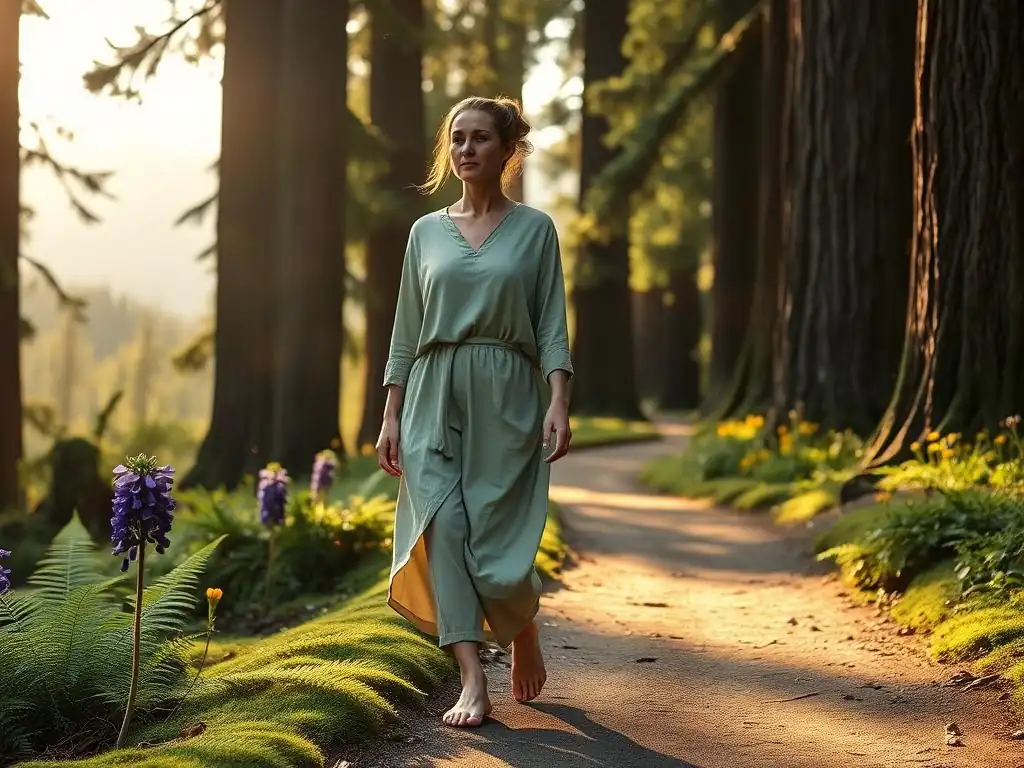
Welcome to Mind Care Guide, a sanctuary dedicated to nurturing your mental well-being. Are you feeling overwhelmed by anxiety and seeking a gentle path to inner peace? Imagine finding relief, not in forced stillness, but in the simple act of walking. This week, we delve into the transformative power of walking meditation for anxiety relief. Curious to discover how mindful movement can calm your racing thoughts and ground you in the present moment? Let's take the first step together...
Find Inner Peace with Every Step: Mastering Walking Meditation
- Walking Meditation for Anxiety Relief: An Introduction
- Preparing for Your Walking Meditation Practice
- Step-by-Step Guide to Walking Meditation
- Techniques to Enhance Your Walking Meditation
- Troubleshooting Common Challenges in Walking Meditation
- Integrating Walking Meditation into Your Daily Routine
- Advanced Walking Meditation Practices for Deeper Relaxation
- Walking Meditation and Mental Health: Further Resources
-
Frequently Asked Questions
- What is walking meditation, and how does it differ from seated meditation?
- Can walking meditation really help with anxiety relief?
- How do I start practicing walking meditation?
- How long should I practice walking meditation for it to be effective?
- Are there any specific techniques or variations of walking meditation I should be aware of?
- Final Reflection: The Path to Peace Lies Within Each Step
- Unleash Your Inner Calm: Begin Your Walking Meditation Journey
Walking Meditation for Anxiety Relief: An Introduction
What is Walking Meditation and How Can it Help?
Walking meditation is a simple yet profound mindfulness practice that involves paying attention to the physical sensations of walking. Unlike traditional seated meditation, it allows you to cultivate awareness while in motion, making it accessible in various environments. The core principle is to bring your full attention to each step, the movement of your body, and your surroundings without judgment. This active form of meditation can be particularly beneficial for those who find sitting still challenging or whose anxiety manifests as restlessness or excess energy.
By grounding your awareness in the present moment through the physical act of walking, you create a space between yourself and anxious thoughts. This practice helps interrupt the cycle of worry that often fuels anxiety. Instead of being swept away by hypothetical future scenarios or past regrets, your mind is gently guided back to the immediate reality of your body moving through space. This redirection, practiced consistently, strengthens your ability to manage intrusive thoughts and cultivate a sense of calm presence.
The Benefits of Walking Meditation for Anxiety and Stress
Engaging in walking meditation for anxiety relief offers a range of psychological and physiological benefits. Regular practice can lead to a noticeable reduction in subjective feelings of stress and worry. For instance, studies on mindfulness-based interventions, which often include mindful movement like walking, have shown significant decreases in self-reported anxiety scores among participants, sometimes by as much as 20-30% over an 8-week period compared to control groups. This suggests a tangible impact on emotional well-being.
Beyond subjective feelings, walking meditation can influence physiological markers associated with stress. Mindful movement has been linked to a decrease in cortisol levels, the body's primary stress hormone. While specific data for walking meditation alone varies, general findings from mindfulness research indicate potential reductions in cortisol by approximately 10-15% over time with consistent practice. Furthermore, the rhythmic nature of walking combined with focused breathing can help regulate the nervous system, shifting it from a state of fight-or-flight (sympathetic activation often heightened by anxiety) towards a more relaxed state (parasympathetic activation).
Preparing for Your Walking Meditation Practice
Finding a Quiet and Safe Space for Mindful Walking
Selecting an appropriate location is key to a successful walking meditation practice, especially when seeking walking meditation for anxiety relief. Ideally, choose a place where you feel safe, are unlikely to be interrupted, and can walk freely without needing to navigate heavy traffic or complex obstacles. A quiet park path, a secluded garden, a less-used corridor in your home, or even a private backyard can serve as excellent spaces. The goal is to minimize external distractions so you can focus inward.
Consider the time of day as well; early mornings or late evenings might offer more solitude. If you live in an urban environment, finding a truly silent space can be challenging, but focus on finding a place where you feel secure and can establish a consistent, simple path. Even a short, 10-20 meter stretch can be sufficient if you turn around mindfully at each end. The familiarity of a dedicated space can itself become a comforting anchor for your practice.
Comfortable Clothing and Footwear for Meditation
Physical comfort is paramount when engaging in walking meditation for anxiety relief. Wear loose, comfortable clothing that does not restrict your movement or breathing. Tight waistbands, constricting tops, or stiff fabrics can become distractions that pull your attention away from the meditative focus. The aim is to forget about your clothes and allow your body to move naturally.
Footwear should also prioritize comfort and stability. Choose shoes that provide good support and allow you to feel the ground beneath you. Sneakers or comfortable walking shoes are ideal. Avoid high heels, flip-flops, or anything that requires extra effort to keep on or might cause you to trip. In some traditions, walking meditation is practiced barefoot or in special meditation sandals indoors, allowing for a deeper connection to the sensation of the feet. Whatever you choose, ensure your feet are comfortable and secure.
Setting Your Intention for a Calming Walk
Before you begin your walking meditation practice, take a moment to pause and set a simple intention. This isn't about setting a goal to "cure" your anxiety, but rather setting a gentle direction for your attention during the walk. Your intention might be as simple as "to notice my steps," "to be present with my body," or specifically, "to cultivate peace with each step." This brief pause helps transition your mind from its usual busy state to a more focused, mindful state.
Setting an intention is particularly helpful when using walking meditation for anxiety relief. You might frame your intention around creating a sense of grounding, releasing tension, or simply allowing yourself a period of calm presence amidst anxious thoughts. For example, "My intention is to walk with awareness and kindness towards my present experience." Keep the intention light and flexible; if your mind wanders, gently guide it back to your intention without self-criticism.
Step-by-Step Guide to Walking Meditation
Step 1: Establishing Your Posture and Focus
Begin by standing at the start of your chosen path. Bring your awareness to your body. Feel your feet on the ground, notice your posture – stand tall but relaxed, shoulders down, head level. Let your arms hang naturally at your sides or clasped gently in front of you. Take a few deep breaths to center yourself. Then, choose a point a few feet ahead of you to rest your gaze softly; this helps maintain balance and prevents excessive visual distraction. You are not staring, just allowing your eyes to be open and soft.
Before taking the first step, bring your attention fully to your feet. Notice the sensation of your weight distributed on them. This initial focus on the physical foundation of your stance sets the stage for mindful awareness during the walk. Spend 30 seconds to a minute just standing and noticing, allowing yourself to settle into the present moment before motion begins.
Step 2: Synchronizing Breath and Movement
As you begin to walk, bring your awareness to your breath and its natural rhythm. There's no need to control or change your breathing; simply notice it. Then, gently synchronize your steps with your breath. You might take one step per inhale and one step per exhale, or perhaps two steps per inhale and two steps per exhale, finding a rhythm that feels natural and unforced for your pace.
For example, as you lift your right foot, you might inhale, and as you place it down, you might exhale. Then, as you lift your left foot, inhale, and as you place it down, exhale. This conscious linking of breath and movement provides a continuous anchor for your attention, making walking meditation for anxiety relief particularly effective as it occupies the mind in a gentle, rhythmic way that disrupts anxious loops.
Step 3: Noticing Sensations Without Judgment
As you walk, shift your primary focus to the physical sensations in your body, particularly in your legs and feet. Notice the lifting of one foot, the swing of the leg, the bending of the knee, the placing of the heel, the rolling through the sole, and the lifting of the toes of the other foot. Pay attention to the pressure on the soles of your feet as your weight shifts. Notice the subtle movements in your ankles, knees, and hips.
Approach these sensations with curiosity and without judgment. There's no right or wrong way for your body to feel. If you notice tightness, pain, or discomfort, simply acknowledge it without getting caught up in analyzing it. Similarly, notice pleasant sensations like warmth or ease. This non-judgmental observation is a core component of mindfulness and helps detach from reactive patterns often associated with anxiety.
Step 4: Redirecting Wandering Thoughts

It is completely natural for your mind to wander during walking meditation, especially when practicing walking meditation for anxiety relief – anxious thoughts are persistent. When you notice your mind has drifted off into planning, worrying, or reminiscing, gently acknowledge it without frustration. Recognize that you've been thinking, and then, with kindness, redirect your attention back to the physical sensations of walking or the rhythm of your breath and steps.
Think of your thoughts like clouds drifting across the sky; you notice them, but you don't need to chase them or get caught in them. The practice is not about stopping thinking, but about noticing when you are thinking and choosing to return your awareness to the present moment experience of walking. This act of gentle redirection is a powerful exercise in mental discipline and self-compassion, strengthening your ability to manage distracting thoughts in daily life.
Step 5: Extending Your Walk and Deepening Your Practice
Start with a short duration, perhaps 10-15 minutes, and gradually extend the length of your walking meditation practice as you become more comfortable. As you walk, you might expand your awareness beyond just your feet to include the movement of your arms, the subtle sway of your torso, or the feeling of the air on your skin. You can also bring mindful awareness to your surroundings – noticing the colors, sounds, and smells around you, but without getting lost in identifying or analyzing them.
To deepen the practice, you might experiment with walking very slowly, focusing intently on the minute movements involved in each step (e.g., lift, move, place heel, roll through foot, lift toes). Or you might walk at a more natural pace, maintaining a relaxed awareness. The key is consistent, gentle attention. Conclude your walk by standing still for a moment, noticing the sensations in your body after walking, and acknowledging your effort in practicing mindfulness.
Techniques to Enhance Your Walking Meditation
Mindful Walking with Nature: Connecting to Your Surroundings
Integrating nature into your walking meditation practice can significantly enhance its calming effects, especially when using walking meditation for anxiety relief. As you walk in a park, forest, or by a body of water, intentionally bring your awareness to the natural elements around you. Notice the texture of the bark on trees, the patterns of leaves, the color of the sky, the sounds of birds, or the feel of the breeze on your skin.
This isn't about identifying species or analyzing the ecosystem, but simply observing the sensory input from the natural world with open attention. For example, you might focus on the sound of leaves crunching underfoot for a few steps, then shift your attention to the vibrant green of the grass, then to the scent of damp earth. Nature provides a rich, ever-changing tapestry of sensory anchors that can help keep your mind present and offer a sense of connection and peace, which can be a powerful antidote to feelings of isolation often accompanying anxiety.
Walking Meditation with Mantras or Affirmations
Adding a simple mantra or affirmation can provide an additional layer of focus during walking meditation, particularly helpful when navigating persistent anxious thoughts. A mantra is a word or phrase repeated silently or softly to yourself. It can be a traditional sound like "Om" or a simple phrase like "Peace" or "Calm." An affirmation is a positive statement, such as "I am safe," "I am present," or "With each step, I release tension."
You can synchronize the repetition of the mantra or affirmation with your steps or breath. For instance, silently say "Peace" as you lift your right foot and "Calm" as you lift your left. Or repeat a phrase like "I am here, I am now" with every few steps. This gentle, rhythmic repetition can help crowd out anxious chatter and reinforce a positive or grounding state of mind. Choose a mantra or affirmation that resonates personally and feels supportive.
Varying Your Pace for Different Meditation Experiences
Experimenting with the speed of your walk can create different meditative experiences and help you discover what is most supportive for your practice, especially when seeking walking meditation for anxiety relief. A very slow pace, often emphasized in traditional practices like Kinhin (Zen walking meditation), allows for intense focus on the subtle mechanics of movement – the precise lifting, moving, and placing of the foot. This deliberate speed can be deeply grounding and calming.
Alternatively, walking at a natural, comfortable pace can allow for a more flowing, expansive awareness, integrating the movement with broader sensory input from the environment. A slightly brisker pace (not a power walk, but faster than a slow stroll) can be energizing and help release pent-up physical tension often associated with anxiety. Try dedicating different walks to different paces to see how they impact your state of mind and body.
Troubleshooting Common Challenges in Walking Meditation
Dealing with Distractions and Interruptions
Distractions are an inevitable part of walking meditation, whether external (noises, other people) or internal (thoughts, physical sensations). When you encounter a distraction, the practice is not to eliminate it, but to notice it without getting caught up in it. For example, if a loud car passes by, simply register the sound ("Ah, sound") and gently return your attention to your walking. If a persistent worry arises, acknowledge it ("Thinking about X") and guide your awareness back to the feel of your feet on the ground.
Interruptions, such as someone speaking to you or needing to cross a street, require you to pause the formal practice. Handle the interruption mindfully if possible (e.g., respond calmly, cross the street attentively), and then gently resume your walking meditation when the situation allows. The key is patience and persistence; each time you notice a distraction and gently return your attention, you strengthen your mindfulness muscle.
Overcoming Physical Discomfort During Meditation
Physical discomfort, whether it's a sore muscle, an itch, or general fatigue, can be a significant challenge during walking meditation, especially if anxiety already heightens body awareness. When discomfort arises, first, check if it's something that requires attention (e.g., adjusting a shoe, avoiding a painful step). If it's minor discomfort, try bringing mindful awareness to the sensation itself.
Observe the discomfort with curiosity: Where exactly is it located? What does it feel like (throbbing, aching, tingling)? Does it change? Often, simply acknowledging and observing discomfort without resisting it can lessen its intensity. If the discomfort is significant or worsens, it's okay to modify your pace, shorten your walk, or even pause the meditation. Listen to your body with compassion; the practice is about cultivating peace, not enduring pain unnecessarily.
Staying Present and Engaged in the Moment
Maintaining presence and engagement throughout the entire walking meditation can be challenging, particularly during longer walks or when the mind is very active with anxiety. One helpful technique is to periodically "check in" with yourself. Every few minutes, ask yourself, "Where is my attention right now?" If it's wandered, gently guide it back to the sensations of walking or your breath.
Varying the focus can also help maintain engagement. Spend a few minutes focusing intently on the feet, then shift to the breath, then to the sounds around you, then back to the feet. This gentle rotation of attention keeps the mind more actively engaged in the present experience. Remember that staying present is a practice, not a destination; some days will be easier than others. Be patient and persistent with yourself.
Integrating Walking Meditation into Your Daily Routine
Short Walking Meditation Breaks for Anxiety Management
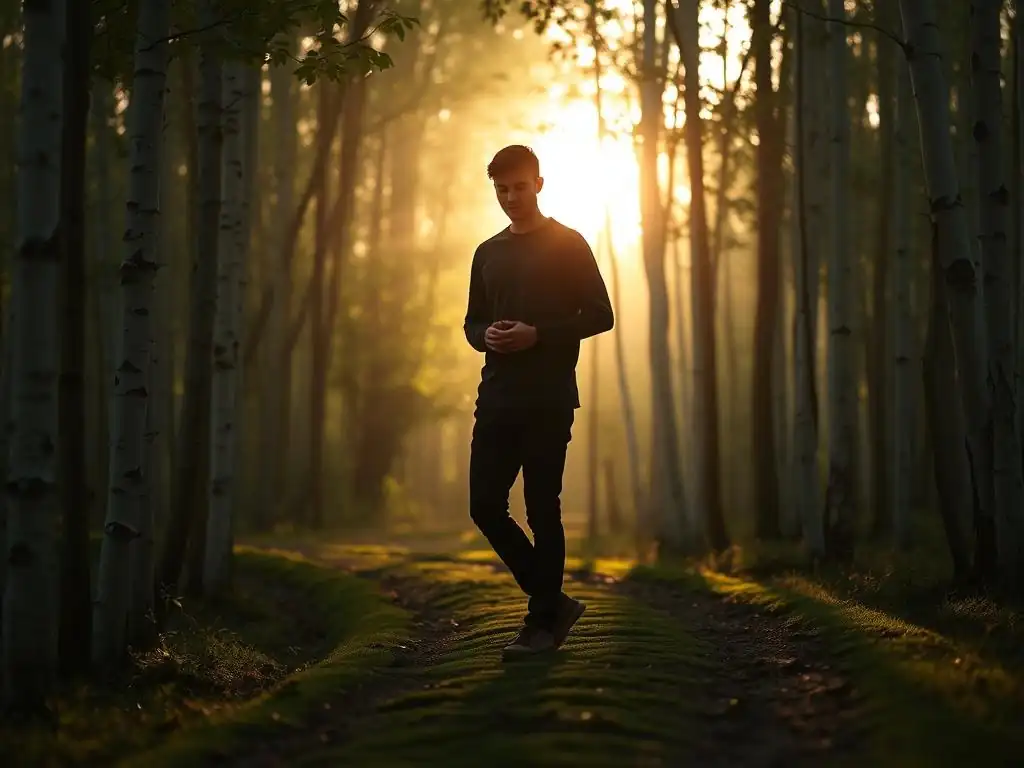
Incorporating short bursts of walking meditation throughout your day can be a highly effective strategy for managing anxiety in the moment. Even 5-10 minutes of mindful walking can help interrupt stress cycles and restore a sense of calm. Use your commute (if walking), a walk to get coffee, or a break between tasks as opportunities for mindful steps.
For example, instead of rushing to the breakroom, walk mindfully, paying attention to your steps and breath. If you feel anxiety rising before a meeting, take a quick walk around the block, focusing on the grounding sensation of your feet. These micro-practices of walking meditation for anxiety relief are discreet and can be easily woven into the fabric of a busy day, providing immediate moments of peace and presence.
Combining Walking Meditation with Other Mindfulness Practices
Walking meditation complements other mindfulness and meditation techniques beautifully. You might start your day with a seated meditation, then transition to a mindful walk. Or use walking meditation as a way to prepare your mind and body for a period of focused work or creative activity. Pairing walking meditation with journaling afterwards can also be powerful, allowing you to process any insights or emotions that arose during the walk.
Consider combining it with body scan meditation, bringing the heightened body awareness cultivated during the scan into your mindful walk. Or use loving-kindness meditation phrases during your walk, extending compassion to yourself and others with each step. The synergy between different practices can deepen your overall mindfulness capacity and provide a more comprehensive approach to managing anxiety and stress.
Making Walking Meditation a Sustainable Habit for Mental Wellness
To make walking meditation a sustainable habit for long-term mental wellness and effective walking meditation for anxiety relief, consistency is more important than duration. Aim for a regular schedule, even if it's just a short walk each day. Try attaching it to an existing habit, such as walking the dog or taking a lunch break. Setting a specific time can also help, like a mindful walk before breakfast or after dinner.
- Choose a consistent time each day.
- Start small (5-10 minutes) and gradually increase duration.
- Identify a dedicated, easy-to-access location.
- Keep a simple log or journal of your practice (optional, but can be motivating).
- Be flexible and kind to yourself if you miss a day; just start again the next.
Remember that building any new habit takes time and patience. Celebrate your efforts and notice the subtle shifts in your ability to manage anxiety as you make mindful walking a regular part of your life.
Advanced Walking Meditation Practices for Deeper Relaxation
Exploring Different Walking Meditation Styles: Kinhin and Labyrinth Walking
Once you are comfortable with basic walking meditation, you can explore different styles to deepen your practice. Kinhin, the formal walking meditation practiced in Zen Buddhism, involves walking very slowly in a circle or straight line, with hands held in a specific mudra (often the shashu mudra, where one hand is fisted around the thumb and covered by the other hand at chest or waist level). The focus is intensely on the precise movements of the feet and body. This deliberate pace cultivates profound concentration and presence.
Labyrinth walking is another style, often done on marked paths or circuits. Unlike a maze, a labyrinth has a single path that leads to the center and back out. Walking a labyrinth is a metaphor for a journey, and the practice involves following the path mindfully, often using it as a walking prayer or contemplation. The winding path encourages a slower, more reflective pace and can be a powerful tool for gaining perspective and finding inner calm, offering a unique form of walking meditation for anxiety relief.
Deepening Your Connection to Your Body and Breath
With continued practice, you can refine your awareness during walking meditation to notice subtler sensations and deepen the connection between your mind and body. Pay attention to the flow of energy through your body as you move. Notice the intricate coordination between different muscle groups. Become aware of how your breath naturally supports your movement.
You might explore the concept of "walking from your center" or feeling rooted and stable with each step. This deeper somatic awareness can enhance grounding and reduce the feeling of being "in your head," which is common with anxiety. By consistently returning your attention to the living, breathing, moving reality of your body, you build a stronger foundation of presence and resilience.
Cultivating Compassion and Gratitude Through Walking
Walking meditation can be a powerful practice for cultivating positive emotional states. As you walk, you can intentionally bring to mind feelings of compassion – for yourself, acknowledging the challenges you face (like anxiety), and for others, recognizing their shared humanity and struggles. With each step, you might silently repeat phrases like "May I be free from suffering" or "May all beings be peaceful."
Similarly, you can cultivate gratitude during your walk. Bring to mind things you are thankful for – the ability to walk, the beauty of your surroundings, supportive relationships, small moments of joy. Allow the feeling of gratitude to permeate your body with each step. Integrating compassion and gratitude into your walking meditation practice transforms it from just a sensory awareness exercise into a heart-opening practice that can significantly improve your emotional landscape and resilience to anxiety.
Walking Meditation and Mental Health: Further Resources
Mind Care Guide offers a variety of articles that delve deeper into mindfulness and meditation practices. You can find pieces exploring seated meditation techniques, body scan meditation, loving-kindness practices, and general guides to integrating mindfulness into daily life. These resources can help broaden your understanding and practice beyond just walking meditation.
Articles such as "Mindfulness for Beginners: A Simple Start" or "Overcoming Restlessness in Meditation" provide foundational knowledge and address common challenges that apply across different meditation modalities, including walking meditation for anxiety relief. Exploring these related topics can enrich your overall approach to mental wellness.
Recommended Books and Apps for Walking Meditation
Several excellent resources are available to support your walking meditation journey. Many mindfulness books include chapters or sections dedicated to mindful movement and walking meditation, offering detailed instructions and philosophical context. Look for titles by well-known mindfulness teachers.
Numerous meditation apps also feature guided walking meditations, providing audio instructions that can help you stay focused and present during your walk. These apps often offer different durations and themes, allowing you to tailor the practice to your needs and available time. Some popular apps include guided sessions specifically designed for walking meditation for anxiety relief.
Finding a Walking Meditation Group or Instructor
Connecting with others or learning from an experienced teacher can significantly enhance your walking meditation practice. Many mindfulness centers, meditation groups, or community centers offer guided walking meditation sessions, sometimes outdoors in local parks or gardens. Practicing in a group can provide motivation and a sense of community.
Finding a qualified mindfulness or meditation instructor can also be invaluable. An instructor can provide personalized guidance, help you troubleshoot challenges, and deepen your understanding of the practice. Look for certified mindfulness teachers or centers affiliated with reputable meditation traditions. They may offer workshops or courses that include walking meditation components.
Frequently Asked Questions
What is walking meditation, and how does it differ from seated meditation?
Walking meditation is a form of mindfulness practice where you focus on the sensation of walking. Unlike seated meditation, it uses the physical act of walking as the primary anchor for your attention, rather than your breath or thoughts.
Can walking meditation really help with anxiety relief?
Yes, walking meditation can significantly reduce anxiety. By focusing on the present moment and the physical sensations of walking, it helps to quiet racing thoughts and promote relaxation.
How do I start practicing walking meditation?
Begin by finding a quiet and safe space. Then, slow your pace and pay attention to the feeling of your feet making contact with the ground. Gently redirect your attention back to the sensations of walking whenever your mind wanders.
How long should I practice walking meditation for it to be effective?
Even short sessions can be beneficial. Start with 10-15 minutes and gradually increase the duration as you become more comfortable. Consistency is key for experiencing the long-term benefits.
Are there any specific techniques or variations of walking meditation I should be aware of?
Yes, you can incorporate counting steps, focusing on your breath while walking, or using a specific mantra. Experiment to find what works best for you and your anxiety relief needs.
Final Reflection: The Path to Peace Lies Within Each Step
The ancient practice of walking meditation offers a potent antidote to the anxieties of modern life, a simple yet profound way to find stillness amidst the storm. In a world increasingly characterized by relentless demands and information overload, the ability to cultivate inner peace becomes not a luxury, but a necessity for well-being. This article explored the practical techniques of walking meditation, highlighting its accessibility and transformative potential for managing anxiety and stress.
The impact of mindful walking extends far beyond the immediate relief of anxiety; it cultivates a deeper awareness of the present moment, fostering a more compassionate and accepting relationship with oneself and the world. This journey inward, this conscious engagement with each breath and each step, resonates deeply with the human need for connection – a connection not just with others, but with our own inner landscape. The mind is everything. What you think you become.
– Buddha. This quote perfectly encapsulates the power of mindful practices like walking meditation to shape our thoughts, emotions, and ultimately, our lives.
Now, I invite you to take the first step. Don't just read about the benefits of walking meditation; experience them. Find a quiet space, even just a few minutes, and begin to walk mindfully. Notice the sensation of your feet on the ground, the rhythm of your breath, the gentle sway of your body. Let this practice become a daily ritual, a sanctuary where you can reconnect with your inner peace and find solace amidst the chaos of everyday life. The path to tranquility is paved with intention and presence – begin your journey today.
Unleash Your Inner Calm: Begin Your Walking Meditation Journey
Thanks for taking the time to explore the power of walking meditation! We hope you found valuable insights into cultivating inner peace and mindfulness through mindful movement. Ready to integrate this practice into your daily life?
- Begin your first walking meditation today: Even 5 minutes can make a difference. Find a quiet space and follow the steps outlined in the article. Focus on your breath and the sensation of your feet on the ground.
- Share your experience: Connect with others on their walking meditation journeys. Let us know in the comments how your first session went—what surprised you?
- Discover more calming techniques: Explore other articles on our website dedicated to mindfulness and stress reduction. Find your personalized path to inner peace.
What simple change will you make today to integrate more mindfulness into your daily walks?