
Mental Health in Muslim Communities: Faith, Culture, and Support


Welcome to Mind Care Guide, a safe space to explore your mental well-being.
Are you seeking understanding and support tailored to your unique experience as a Muslim? You're not alone. Many face challenges navigating mental health within the context of their faith and culture. This article sheds light on Muslim mental health support resources, offering a pathway to healing and empowerment. Discover culturally sensitive approaches and valuable resources designed to help you thrive. Keep reading to find the support you deserve.
Mental Health in Muslim Communities: Faith, Culture, and Support
- Understanding Mental Health
- The Role of Faith in Recovery
- Cultural Sensitivity in Mental Health Care
- Mental Health Support Resources
- Finding Culturally Sensitive Therapists
- Mental Health Resources for Specific Populations
- Promoting Mental Health Awareness
- Improving Mental Health Care
-
Frequently Asked Questions
- What are some unique challenges faced by Muslims seeking mental health support?
- Where can Muslims find culturally sensitive mental health professionals?
- How does faith play a role in Muslim mental well-being?
- What types of mental health issues are commonly seen in Muslim communities?
- What are some specific Muslim mental health support resources available?
- Final Reflection: Bridging the Gap: Faith, Culture, and Mental Wellness in Muslim Communities
- Unlock Your Wellbeing: Nurturing Mental Health in Your Community
Understanding Mental Health
The Intersection of Faith, Culture, and Mental Well-being
Mental well-being within Muslim communities is intricately woven with faith and cultural identity. Islam provides a comprehensive way of life, influencing perspectives on health, illness, suffering, and recovery. For many Muslims, faith is a primary source of strength, resilience, and meaning. However, cultural norms and interpretations, which can vary significantly across different Muslim populations globally, also play a crucial role in shaping attitudes towards mental health issues and help-seeking behaviors. These cultural factors can sometimes introduce complexities, including the presence of stigma or a preference for seeking support within religious or community structures before considering professional mental health services.
Understanding this intersection is vital for effective support. Mental health challenges are not seen as separate from one's spiritual or cultural life but are often viewed through these lenses. For instance, symptoms of depression or anxiety might be interpreted through cultural idioms of distress or even seen by some as spiritual trials. This complex interplay necessitates an approach to mental health that acknowledges and respects the individual's faith and cultural background, ensuring that support is not only clinically sound but also culturally and spiritually relevant.
Common Mental Health Conditions
Like the general population, individuals within Muslim communities experience a range of mental health conditions. Depression, anxiety disorders, PTSD, and stress-related conditions are prevalent. However, the manifestation and interpretation of these conditions can be influenced by cultural and religious factors. For example, acculturative stress, discrimination, and the challenges faced by refugee and immigrant populations within Muslim communities can contribute to higher rates of anxiety and trauma-related disorders. Reports from various mental health organizations suggest that while rates of specific conditions may vary, the experience of mental illness is often compounded by unique stressors.
Studies focusing on Muslim populations in Western countries, for instance, have indicated elevated levels of psychological distress linked to experiences of Islamophobia and discrimination. A 2018 report by the Institute for Social Policy and Understanding (ISPU) in the United States found that American Muslims reported higher rates of attempted suicide compared to other faith groups, particularly among young adults, highlighting the significant mental health burden faced by this demographic. Understanding these specific risk factors and how common conditions present within this context is crucial for developing appropriate and effective mental health support resources.
Stigma and Mental Illness
Stigma surrounding mental illness remains a significant barrier to seeking help in many communities, and Muslim communities are not immune to this challenge. Mental health issues can sometimes be misunderstood as a lack of faith, personal weakness, or even divine punishment, leading to feelings of shame and isolation for those affected and their families. This pervasive stigma can prevent individuals from openly discussing their struggles or seeking professional help, fearing judgment or discrimination from their peers, family, or community leaders.
This cultural and religious stigma is often intertwined. While Islamic teachings emphasize compassion and care for the sick, cultural interpretations or lack of awareness can sometimes lead to negative perceptions. The fear of being labeled or ostracized can be so strong that individuals suffer in silence for years. Addressing this stigma requires open conversations, education within mosques and community centers, and promoting positive narratives about mental health and recovery. Initiatives focused on reducing stigma are a critical component of improving access to mental health support for Muslim individuals.
The Role of Faith in Recovery
Islamic Teachings on Well-being
Islamic teachings offer a strong foundation for promoting mental and emotional well-being. The Quran and the Sunnah (teachings and practices of Prophet Muhammad, peace be upon him) emphasize the importance of balance in life, resilience in the face of adversity, and reliance on God (Allah). Islamic principles promote mindfulness through prayer (Salah), patience (Sabr), gratitude (Shukr), and seeking knowledge. These teachings encourage individuals to care for both their physical and mental health, recognizing that the body and mind are trusts from God.
Moreover, Islam promotes community solidarity and mutual support, which are vital components of mental wellness. The concept of Ummah (the global Muslim community) fosters a sense of belonging and shared responsibility. Charitable acts ( Zakat and Sadaqah) and helping others are central tenets that can provide purpose and improve emotional well-being. Understanding and integrating these inherent strengths within Islamic tradition can provide a powerful pathway to healing and recovery for individuals seeking Muslim mental health support resources.
Prayer and Spirituality
Prayer (Salah) is a cornerstone of Islamic practice and serves as a profound spiritual discipline that can significantly impact mental health. Performed five times a day, prayer provides a structured routine, moments of reflection, and a direct connection with God. It encourages mindfulness, humility, and a sense of perspective by reminding individuals of their purpose and placing worldly concerns in a broader context. Many Muslims find solace, peace, and strength through consistent prayer, especially during times of difficulty or distress.
Beyond formal prayer, other spiritual practices such as reciting the Quran, engaging in Dhikr (remembrance of God), and contemplation can deepen one's connection to faith and foster inner peace. These spiritual tools are often utilized by individuals as coping mechanisms for stress, anxiety, and sadness. While not a substitute for professional clinical care, integrating these spiritual practices can be a valuable complementary element in a holistic approach to mental health and recovery, offering a sense of hope and spiritual resilience.
Finding Strength in Faith
For many Muslims, faith is an undeniable source of strength in navigating life's challenges, including mental health struggles. The belief in divine mercy, wisdom, and eventual ease after hardship provides a framework for understanding suffering and finding resilience. Turning to God in times of need through supplication ( Du'a) is a deeply ingrained practice that offers comfort and hope. This reliance on faith can empower individuals to persevere, maintain a positive outlook, and actively seek solutions while trusting in a higher power.
Community support within mosques and Islamic centers also plays a vital role in leveraging faith for strength. Gathering for congregational prayers, attending religious lectures, and participating in community events can combat isolation and provide a supportive network. Sharing experiences with fellow Muslims who understand the cultural and religious context can be incredibly validating and reduce feelings of being alone in one's struggles. Faith, therefore, acts not only as a personal spiritual practice but also as a communal bond that reinforces strength and encourages seeking help from Muslim mental health support resources.
Cultural Sensitivity in Mental Health Care
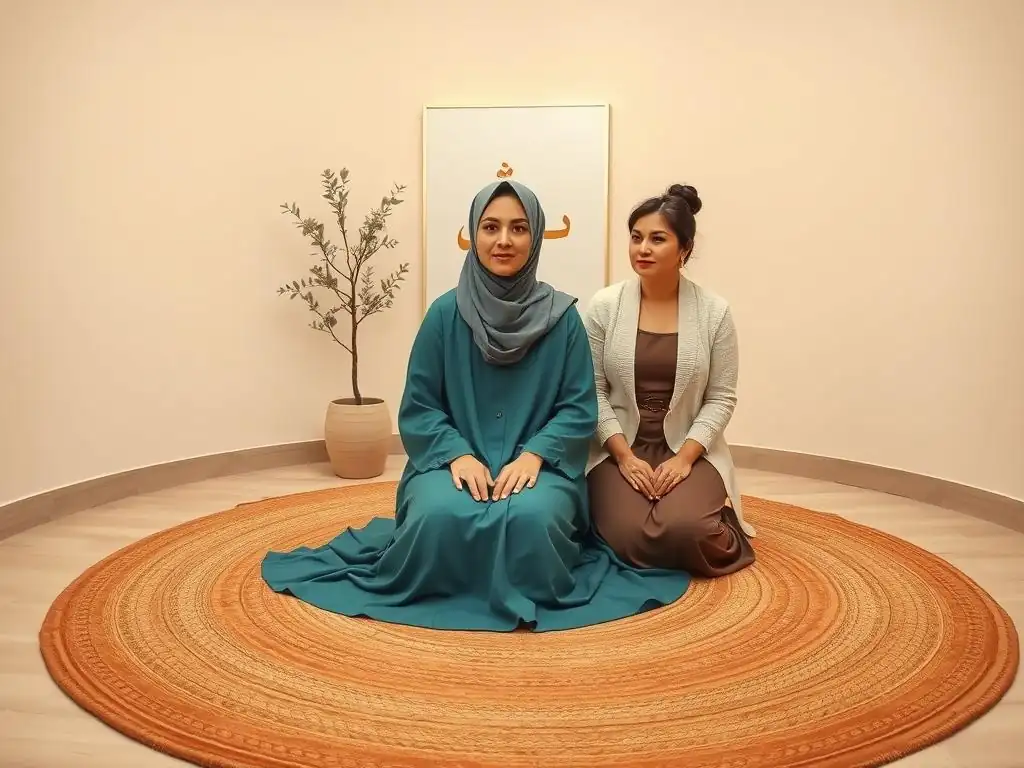
Overcoming Cultural Barriers
Cultural barriers can significantly impede access to and effectiveness of mental health care for Muslim individuals. These barriers include language differences, differing concepts of health and illness, mistrust of healthcare systems due to historical or political factors, and the aforementioned stigma. A study published in the Journal of Muslim Mental Health highlighted that communication styles, expectations regarding therapeutic relationships, and the presentation of symptoms can vary widely based on cultural background, potentially leading to misdiagnosis or ineffective treatment if not understood by the clinician.
Overcoming these barriers requires a conscious effort from mental health providers and systems. This involves offering services in multiple languages, employing culturally diverse staff, and actively educating clinicians on the specific cultural and religious nuances of Muslim communities. Building trust is paramount, which can be achieved through community engagement, partnering with religious leaders, and demonstrating genuine respect for cultural values and practices. Effective Muslim mental health support resources actively work to dismantle these barriers.
Culturally Competent Therapists
Access to culturally competent therapists is critical for providing effective mental health care to Muslim clients. A culturally competent therapist possesses the knowledge, skills, and attitudes necessary to work effectively with individuals from diverse cultural backgrounds. This includes understanding Islamic beliefs, practices, and values, as well as being aware of the impact of cultural norms, family dynamics, and socio-political factors (like discrimination or immigration experiences) on a Muslim individual's mental health.
These therapists are equipped to recognize how faith and culture may influence a client's understanding of their condition, their coping mechanisms, and their preferences for treatment. They can integrate culturally relevant interventions and language into therapy, making the process more relatable and less intimidating. For instance, a culturally competent therapist might understand the role of the family in decision-making or the significance of prayer in a client's life and incorporate these elements into the therapeutic approach respectfully. Finding such professionals is a key aspect of accessing appropriate Muslim mental health support resources.
Respecting Cultural Beliefs
Respecting cultural and religious beliefs is fundamental to building trust and providing effective care. This means acknowledging that a client's faith is a valid and potentially beneficial aspect of their life and not viewing it as an obstacle to treatment. Therapists should be open to discussing how a client's faith intersects with their mental health and recovery journey, without imposing their own views or attempting to pathologize religious practices.
For example, a client might express that their faith helps them cope with anxiety. A respectful therapist would explore this further, understanding how faith provides comfort and support, rather than dismissing it. Similarly, understanding dietary restrictions (like Halal), prayer times, or dress codes demonstrates respect and creates a safe space for the client. Mental health support resources designed for Muslim communities often emphasize this respect as a core principle, ensuring that individuals feel seen, heard, and valued in their entirety.
Mental Health Support Resources
National Organizations
Several national organizations are dedicated to addressing the mental health needs of Muslim communities and providing access to Muslim mental health support resources. These organizations often work on a larger scale, offering educational programs, advocacy, and directories of mental health professionals. They play a crucial role in raising national awareness about the unique challenges faced by Muslim individuals and pushing for more culturally sensitive mental healthcare policies and practices.
Examples of such organizations might include those focused on specific ethnic groups within the Muslim population or those with a broader mission to serve all Muslims. They often develop toolkits, host webinars, and create resources that explain mental health concepts through an Islamic lens. These national bodies can be a first point of contact for individuals seeking information or looking for guidance on where to find help, serving as vital hubs for Muslim mental health support resources across a country.
Local Community Resources
Local mosques, Islamic community centers, and grassroots initiatives are invaluable sources of mental health support within Muslim communities. These local hubs often serve as trusted spaces where individuals feel comfortable seeking help, sometimes before they approach formal healthcare systems. Many mosques now offer counseling services, support groups, or connect individuals with local Muslim mental health professionals. Imams and community leaders, when trained in mental health awareness, can play a crucial role in identifying individuals in distress and directing them to appropriate support.
Furthermore, local community organizations often run peer support groups, workshops on stress management from an Islamic perspective, or provide practical assistance (like financial aid or social support) that can alleviate stressors impacting mental health. These resources are often highly accessible and tailored to the specific needs and cultural context of the local Muslim population. Exploring local Muslim mental health support resources can provide immediate, culturally relevant assistance and a strong sense of community connection.
Online Support Groups
In the digital age, online support groups have become an increasingly important avenue for accessing Muslim mental health support resources. These platforms offer a sense of anonymity and accessibility, allowing individuals who may face geographical barriers or feel uncomfortable attending in-person groups to connect with others who share similar experiences and cultural backgrounds. Online communities specifically for Muslim individuals dealing with mental health issues provide a safe space to share struggles, offer mutual support, and exchange information about available resources.
These online groups can range from moderated forums and social media groups to dedicated telehealth platforms offering therapy with culturally sensitive practitioners. They often facilitate discussions on topics unique to the Muslim experience, such as balancing faith with mental illness, navigating family expectations, or dealing with discrimination. While online support should not replace professional care when needed, it serves as a valuable layer of support, offering peer connection and accessible information as part of a broader network of Muslim mental health support resources.
Finding Culturally Sensitive Therapists
Identifying Therapists
Finding a therapist who is both clinically qualified and culturally sensitive to the needs of Muslim clients requires specific strategies. Simply searching for a therapist might not yield results that prioritize cultural competence. It is often helpful to seek referrals from trusted sources within the Muslim community, such as imams, community leaders, or friends who have had positive experiences. National and local Muslim mental health organizations often maintain directories of therapists who have experience working with Muslim clients or who identify as Muslim themselves.
Online directories of therapists sometimes allow filtering by cultural background, language spoken, or religious affiliation/experience. Websites dedicated to minority mental health or culturally competent care can also be valuable resources. When exploring options for Muslim mental health support resources, prioritizing therapists who explicitly mention cultural competence, experience with religious diversity, or specific training related to Muslim populations in their profiles is advisable.
Questions to Ask
Once potential therapists are identified, it is important to ask specific questions during an initial consultation or screening call to assess their cultural competence. Preparing a list of questions can help determine if the therapist is a good fit.
- Questions to consider include:
- Have you worked with Muslim clients before? What was that experience like?
- What is your understanding of Islamic beliefs and practices related to mental health?
- How do you incorporate a client's faith and cultural background into therapy?
- Are you familiar with the specific challenges faced by Muslim communities (e.g., discrimination, acculturation)?
- How do you handle sensitive topics related to family, gender roles, or religious obligations within therapy?
- Are you open to coordinating care or consulting with religious leaders if appropriate and with my consent?
These questions help gauge the therapist's awareness, willingness to learn, and ability to integrate cultural and religious factors into the therapeutic process. A therapist who responds openly and respectfully to these questions is more likely to provide effective and culturally sensitive care, which is a cornerstone of valuable Muslim mental health support resources.
Benefits of Tailored Therapy
Receiving therapy from a culturally sensitive therapist offers numerous benefits for Muslim clients. Firstly, it can significantly reduce the barrier of mistrust and make the client feel more comfortable and understood. When a therapist demonstrates respect for their cultural and religious identity, clients are more likely to open up honestly about their struggles and experiences, including those directly related to their faith or cultural background.
Secondly, tailored therapy ensures that interventions are appropriate and relevant. A therapist who understands the client's worldview can adapt therapeutic techniques to align with their values and beliefs. For instance, they might incorporate spiritual coping strategies (like prayer or reliance on God) into discussions about resilience or frame therapeutic goals in a way that resonates with Islamic principles. This tailored approach leads to a more effective therapeutic alliance and increases the likelihood of positive outcomes, making culturally sensitive therapy a vital component of Muslim mental health support resources.
Mental Health Resources for Specific Populations

Youth and Young Adults
Muslim youth and young adults face unique mental health challenges, often navigating the complexities of multiple identities – their religious faith, cultural heritage, and the dominant culture in which they live. This can lead to identity struggles, intergenerational conflict with parents holding more traditional views, and pressure to conform to differing expectations. Additionally, young Muslims may be particularly vulnerable to the effects of Islamophobia and discrimination in schools and social settings, impacting their self-esteem and mental well-being.
Specific mental health support resources for this demographic are crucial. These resources often include peer support groups led by young Muslims, school-based counseling services that are culturally and religiously informed, and online platforms designed specifically for young people. Organizations dedicated to Muslim youth development often incorporate mental health awareness and support into their programs. Providing accessible and relatable Muslim mental health support resources for this age group is essential for addressing their specific needs and promoting healthy development.
Women
Muslim women encounter distinct mental health challenges shaped by cultural expectations, gender roles, and sometimes, experiences of marginalization or domestic issues. While Islam grants women significant rights, cultural interpretations can sometimes create oppressive environments that impact mental health. Issues such as navigating expectations around marriage and family, dealing with trauma, or facing discrimination based on both gender and faith are significant stressors.
Resources tailored for Muslim women often include women-only support groups, counseling services offered by female therapists who understand cultural nuances, and programs focused on empowerment and well-being within an Islamic framework. Organizations may provide safe spaces for women to discuss sensitive issues like domestic violence or reproductive mental health from a perspective that respects their faith and culture. Providing accessible and specialized Muslim mental health support resources for women acknowledges and addresses their unique experiences.
Refugees and Immigrants
Muslim refugees and immigrants often carry significant trauma from conflict, persecution, or displacement, in addition to facing immense stress related to resettlement, acculturation, and potential discrimination in their new home countries. These experiences can lead to high rates of PTSD, depression, and anxiety. Navigating new systems, language barriers, and loss of social support networks further exacerbate mental health vulnerabilities.
Specific mental health support resources for this population are vital and often require a multidisciplinary approach. This includes trauma-informed care, culturally and linguistically appropriate therapy, and integration support services that address practical needs alongside mental well-being. Community-based organizations working with refugees and immigrants often provide mental health support integrated into their broader services, recognizing the interconnectedness of practical needs and psychological health. Access to these specialized Muslim mental health support resources is critical for helping newcomers heal and adapt.
Promoting Mental Health Awareness
Reducing Stigma
Actively reducing stigma is paramount to improving mental health outcomes in Muslim communities. This involves initiating open and destigmatizing conversations about mental illness within families, mosques, and community gatherings. Utilizing platforms like Friday sermons ( Khutbah) or community workshops to discuss mental health from an Islamic perspective can help normalize these issues and encourage help-seeking.
Highlighting stories of recovery and resilience from within the community, perhaps through anonymous testimonials or profiles of individuals who have sought help, can provide hope and challenge negative stereotypes. Education plays a key role, explaining that mental illness is a health condition, not a moral failing or a lack of faith. Collaborative efforts between mental health professionals and religious leaders are particularly effective in developing culturally appropriate messaging that resonates with community members and promotes the utilization of Muslim mental health support resources.
Educational Programs
Developing and implementing targeted educational programs is essential for increasing mental health literacy within Muslim communities. These programs should be delivered in culturally sensitive ways and, ideally, in languages accessible to community members. Topics can range from understanding common mental health conditions and their symptoms to learning coping strategies grounded in faith and culture, and knowing where to find help.
Educational initiatives can take various forms, such as workshops in mosques, online courses, informational brochures and videos, or training for community leaders and volunteers. Programs specifically designed for parents can help them recognize signs of distress in their children and respond supportively. By increasing knowledge and understanding, these programs empower individuals to care for their own mental health, support their loved ones, and overcome barriers to seeking professional Muslim mental health support resources.
Empowering Community Leaders
Empowering imams, religious teachers, and other community leaders with basic mental health knowledge is a powerful strategy for promoting awareness and support. These individuals are often trusted sources of guidance within the community and are frequently the first point of contact for individuals experiencing distress. Providing them with training on recognizing signs of mental illness, offering compassionate initial support, and making appropriate referrals to mental health professionals can significantly improve early intervention and access to care.
Training programs for leaders should cover topics such as the relationship between faith and mental health, active listening skills, crisis intervention basics, and information about available Muslim mental health support resources. By equipping leaders with these skills, communities can build a stronger internal support system and bridge the gap between traditional faith-based support and professional mental healthcare, ensuring that individuals receive the comprehensive help they need.
Improving Mental Health Care
Access to Services
Improving access to mental health services for Muslim communities requires addressing multiple systemic barriers. Geographically, services may not be readily available in areas with large Muslim populations. Financially, cost can be a significant hurdle, as can navigating insurance systems. Culturally, the lack of culturally and linguistically competent providers limits accessible options. Addressing these issues requires a multi-pronged approach involving policy changes, increased funding, and intentional efforts by healthcare systems to reach out to underserved communities.
Strategies include increasing the number of Muslim mental health professionals, providing language access services, offering sliding scale fees or free clinics, and integrating mental health services into trusted community settings like mosques or community centers. Telehealth services can also expand access, particularly for those in rural areas or with mobility issues, provided they are delivered in a culturally sensitive manner. Expanding and promoting accessible Muslim mental health support resources is key to ensuring that help is available when and where it is needed.
New Strategies
Developing new and innovative strategies is essential to better serve the mental health needs of Muslim communities. This includes exploring integrated care models where mental health professionals work collaboratively with religious leaders or are embedded within community organizations. Culturally adapted therapies, which modify evidence-based treatments to be more relevant and acceptable to Muslim clients, are also showing promise.
Furthermore, leveraging technology through culturally sensitive apps, online counseling platforms specifically designed for Muslim users, and virtual reality tools for exposure therapy that respect cultural norms represents a forward-thinking approach. Research into the specific mental health needs and effective interventions within diverse Muslim populations is also crucial for developing evidence-based strategies. These new approaches aim to make mental health care more effective, accessible, and aligned with the values and realities of Muslim individuals seeking Muslim mental health support resources.
Frequently Asked Questions
What are some unique challenges faced by Muslims seeking mental health support?
Muslims may face challenges stemming from cultural stigma surrounding mental illness, difficulty finding therapists who are culturally competent and understand Islamic values, and concerns about confidentiality within the community.
Where can Muslims find culturally sensitive mental health professionals?
Resources like the Muslim Mental Health Consortium and online directories can help locate therapists who understand Islamic principles and cultural nuances, ensuring a safe and respectful therapeutic environment. Local mosques and community centers may also offer referrals.
How does faith play a role in Muslim mental well-being?
For many Muslims, faith provides strength and solace during difficult times. Islamic teachings on patience, resilience, and reliance on God can be powerful coping mechanisms, complementing traditional mental health treatments.
What types of mental health issues are commonly seen in Muslim communities?
While Muslims experience the same range of mental health conditions as the general population, issues like depression, anxiety, and trauma are frequently observed. Cultural factors and experiences of discrimination or Islamophobia can exacerbate these challenges.
What are some specific Muslim mental health support resources available?
Several organizations offer resources tailored to the needs of Muslims, including online support groups, faith-based counseling, and educational materials addressing mental health within an Islamic framework. These can be invaluable for finding culturally relevant support.
Final Reflection: Bridging the Gap: Faith, Culture, and Mental Wellness in Muslim Communities
The stigma surrounding mental health within Muslim communities remains a significant barrier to accessing crucial support, yet the urgent need for culturally sensitive resources is undeniable. This silence perpetuates suffering and prevents individuals from seeking the help they deserve, hindering their journey towards healing and well-being. We must actively dismantle these barriers to create a more supportive and understanding environment.
The intersection of faith, culture, and mental health is complex and deeply personal. Understanding the unique challenges faced by Muslims navigating mental illness requires empathy, education, and a willingness to engage in open dialogue. The greatest of all follies is to sacrifice health for any other kind of happiness.
– Arthur Schopenhauer. This quote, while not explicitly about mental health, highlights the fundamental importance of prioritizing well-being, a concept deeply rooted in Islamic teachings emphasizing the holistic nature of health—physical, mental, and spiritual. My own journey in researching this topic has underscored the profound impact of cultural understanding on effective mental health support.
Now, consider your own role in fostering a more supportive environment. Are you willing to challenge misconceptions and biases within your community? Will you actively seek out and share information about culturally sensitive mental health resources?
The journey towards better mental health within Muslim communities begins with each of us. Let us commit to creating spaces where open conversations about mental well-being are not only accepted but encouraged, where seeking help is seen as a sign of strength, not weakness, and where faith and culture are integrated into the healing process, not used as obstacles. Let's break the silence and build a future where every individual feels empowered to prioritize their mental well-being.
Unlock Your Wellbeing: Nurturing Mental Health in Your Community
Thank you for taking the time to explore the vital topic of mental health within Muslim communities. We hope this article provided valuable insights and empowered you to navigate this important area with greater understanding and compassion.
Now, let's take action:
- Connect with a local Muslim mental health professional: Research resources and support networks specifically designed to address the unique needs within our community. This is your first step towards accessing tailored care and support.
- Share this article with someone who might benefit: Let's break down stigma and encourage open conversations about mental wellbeing within our networks. A simple share can make a world of difference.
- Explore mindfulness practices rooted in Islamic tradition: Discover the power of prayer, reflection, and community engagement to cultivate inner peace and resilience.
What specific steps will you take today to prioritize your mental health and support others in your community?