
Empowering Communities: Culturally Responsive Mental Health Education

Welcome to Mind Care Guide.
Are you ready to reimagine mental well-being through a lens of understanding and respect? We believe everyone deserves access to mental healthcare that truly sees them. Dive into "Empowering Communities: Culturally Responsive Mental Health Education" to discover how we're building bridges to healing by acknowledging and celebrating the diverse tapestry of human experience. What if mental healthcare could be more than just effective... but deeply, personally relevant?
Empowering Communities: Culturally Responsive Mental Health Education
- Understanding the Need for Culturally Responsive Mental Health Education
- What is Culturally Responsive Mental Health Education?
- Benefits of Culturally Sensitive Mental Health Programs
- Designing and Implementing Culturally Responsive Mental Health Programs
- Strategies for Effective Culturally Responsive Mental Health Education
- Overcoming Challenges in Culturally Responsive Mental Health Initiatives
- Examples of Successful Culturally Responsive Mental Health Programs
- Resources for Culturally Responsive Mental Health Education
- Measuring the Impact of Culturally Responsive Mental Health Education
- The Future of Culturally Responsive Mental Health Education
-
Frequently Asked Questions
- What is culturally responsive mental health education, and why is it important?
- How does culturally responsive mental health education differ from traditional mental health education?
- What are some examples of culturally responsive mental health education in practice?
- How can Mind Care Guide help me learn more about culturally responsive mental health education?
- Where can I find resources to implement culturally responsive mental health education in my community?
- Final Reflection: Cultivating a Future of Inclusive Mental Wellness
- Ignite Your Community's Well-being: Take Action Today!
Understanding the Need for Culturally Responsive Mental Health Education
Addressing Mental Health Disparities in Indigenous Communities
Mental health disparities are starkly evident in Indigenous communities across the globe, including Native American tribes in the United States and First Nations in Canada. These populations often face significantly higher rates of conditions such as depression, anxiety, and post-traumatic stress disorder compared to the general population. Historical trauma, including the lasting impacts of colonization, forced assimilation, and the residential school system, contributes significantly to intergenerational trauma and complex mental health challenges that require specialized understanding.
Access to appropriate mental healthcare is also severely limited in many Indigenous communities, particularly those in rural or remote areas. Even when services are available, they may not be culturally relevant, failing to incorporate traditional healing practices or respect Indigenous worldviews. This lack of culturally responsive mental health education and care can lead to underutilization of services, misdiagnosis, and ineffective treatment, perpetuating a cycle of poor mental health outcomes and further marginalizing these communities.
The Importance of Cultural Competence in Mental Healthcare
Cultural competence in mental healthcare is not merely an add-on; it is a fundamental requirement for effective and equitable service delivery. It involves the ability of practitioners and systems to understand, appreciate, and interact effectively with people from cultures different from their own. This includes recognizing how cultural factors influence individuals' experiences of mental health, their help-seeking behaviors, and their responses to treatment.
Without cultural competence, mental health professionals may inadvertently perpetuate biases, misunderstand cultural nuances, or apply interventions that are ineffective or even harmful in a specific cultural context. For example, direct eye contact, valued in Western cultures, can be considered disrespectful in some Asian or Indigenous traditions. A culturally competent approach acknowledges these differences and adapts communication and treatment strategies accordingly, fostering trust and improving the therapeutic alliance, which is crucial for positive mental health outcomes.
Key Principles of Culturally Responsive Mental Health Education
Culturally responsive mental health education is built upon several core principles designed to make mental health information and support accessible and relevant to diverse populations. One key principle is the recognition of culture as a central factor in mental well-being and illness, moving beyond a purely biomedical model to include social, historical, and spiritual dimensions. This means acknowledging that cultural beliefs about mental health, stigma, and healing vary widely.
Another vital principle is the importance of community involvement and collaboration. Effective culturally responsive mental health education is not delivered to a community but developed with it, ensuring that programs are grounded in local knowledge, needs, and strengths. This participatory approach builds trust, increases relevance, and promotes sustainability. Furthermore, such education emphasizes linguistic appropriateness, using materials and communication styles that resonate with the target audience, and addresses systemic barriers, such as poverty, discrimination, and lack of access, that impact mental health.
What is Culturally Responsive Mental Health Education?
Defining Cultural Responsiveness in Mental Health Contexts
Cultural responsiveness in mental health refers to the practice of tailoring mental health approaches, services, and educational materials to align with the cultural values, beliefs, and practices of specific communities. It goes beyond mere cultural awareness or sensitivity, which focus on recognizing differences, to actively adapting and modifying interventions and educational content to be relevant, acceptable, and effective within a given cultural context. This involves understanding how cultural factors influence the expression of distress, the perception of mental illness, and preferred coping mechanisms.
At its core, culturally responsive mental health education acknowledges that there is no single "right" way to understand or address mental health. Instead, it seeks to validate diverse perspectives and incorporate them into the educational process. This might involve using culturally specific metaphors, storytelling traditions, or incorporating family and community structures into discussions about well-being. The goal is to create a sense of safety and relevance that encourages engagement and reduces the perception that mental health support is something alien or incompatible with one's identity.
Moving Beyond Traditional Mental Health Approaches
Traditional Western mental health approaches, while effective for many, often operate from a framework that may not fully resonate with individuals from non-Western or minority cultural backgrounds. These approaches can sometimes emphasize individualistic perspectives, overlook the role of family and community, or dismiss traditional healing practices. Culturally responsive mental health education challenges these limitations by advocating for more inclusive and flexible models.
This shift involves moving away from a one-size-fits-all approach to mental health education and adopting methods that acknowledge and value cultural diversity. For instance, while cognitive behavioral therapy (CBT) is widely used, a culturally responsive application might adapt examples, metaphors, and homework assignments to be relevant to a specific group's experiences. Similarly, educational materials about conditions like depression would be reframed to consider how symptoms might manifest differently across cultures (e.g., somatic complaints being more common than emotional expression in some contexts) and how help-seeking is influenced by cultural norms around shame or stigma.
Integrating Cultural Values and Beliefs into Mental Health Education
A crucial element of culturally responsive mental health education is the deliberate integration of cultural values and beliefs into the content and delivery methods. This means actively exploring and incorporating a community's strengths, traditions, and perspectives on health and healing. For example, for communities where family plays a central role, educational programs might emphasize family support systems and collective well-being rather than solely focusing on individual coping strategies.
Integrating cultural values can involve discussing mental health within the context of spirituality, community connection, or historical resilience, depending on the specific group. For instance, educational materials for some African American communities might incorporate discussions about faith and the strength derived from shared historical experiences. For Latinx communities, the concept of familismo (strong family ties) can be a valuable resource to integrate into educational messages about support networks. By validating and utilizing these existing cultural assets, culturally responsive mental health education becomes more relatable, trustworthy, and ultimately more effective in promoting mental wellness.
Benefits of Culturally Sensitive Mental Health Programs
Increased Engagement and Participation in Mental Health Services
One of the most significant benefits of implementing culturally sensitive mental health programs is the marked increase in engagement and participation from individuals in minority and underserved communities. When mental health services and education are delivered in a manner that respects cultural norms, languages, and beliefs, people are more likely to feel understood, safe, and willing to seek help. This contrasts sharply with traditional services, which may feel alienating or irrelevant, leading to low utilization rates.
For example, studies in some communities have shown that tailoring outreach efforts, using community health workers from the same cultural background, and offering services in trusted community locations (like churches or community centers) can dramatically increase initial contact and follow-up rates. Culturally responsive mental health education builds a bridge, reducing the perceived distance between the individual and the support system, thereby encouraging greater participation in vital mental health services.
Improved Mental Health Outcomes for Minority Groups
Culturally responsive mental health education and services contribute directly to improved mental health outcomes for minority groups who have historically faced barriers to effective care. When interventions are tailored to cultural contexts, they are more likely to be accepted, adhered to, and effective. This means treatments are more likely to lead to symptom reduction, improved functioning, and enhanced quality of life.
Research suggests that when mental health interventions are culturally adapted, they can be significantly more effective than standard approaches for specific populations. For instance, an adapted form of therapy for trauma survivors from a specific refugee group, incorporating their cultural narratives and coping styles, might yield better results than a standard protocol. By addressing mental health challenges within a framework that is meaningful to the individual, culturally sensitive programs facilitate deeper engagement with healing processes, leading to more sustainable positive changes.
Reduced Stigma Surrounding Mental Illness in Specific Cultures
Stigma surrounding mental illness is a universal challenge, but its manifestations and intensity vary significantly across cultures. In some cultures, mental health issues may be seen as a moral failing, a curse, or a source of shame that reflects poorly on the entire family. This deep-seated stigma acts as a major barrier to seeking help and openly discussing mental health concerns. Culturally responsive mental health education plays a crucial role in dismantling this stigma.
By addressing cultural beliefs about mental illness directly and respectfully, and by framing mental health within a community's own values (e.g., resilience, interconnectedness, strength), culturally sensitive programs can help normalize discussions about mental well-being. Using relatable examples, involving trusted community leaders, and conducting educational sessions in familiar settings can create a safer space for individuals to learn and share. This process helps shift perceptions, encouraging greater acceptance and reducing the shame associated with seeking mental health support, thereby fostering a more supportive community environment.
Designing and Implementing Culturally Responsive Mental Health Programs

Identifying the Specific Needs of the Latinx Community in Los Angeles County
Designing effective culturally responsive mental health education begins with a thorough understanding of the specific community it aims to serve. For instance, within the Latinx community in Los Angeles County, needs are diverse, reflecting varied national origins (Mexican, Salvadoran, Cuban, etc. ), immigration experiences, socioeconomic statuses, and levels of acculturation. Key challenges often include navigating immigration stress, facing discrimination, linguistic barriers (especially for Spanish-only speakers), lack of health insurance, and cultural norms that may prioritize family privacy over seeking external help for mental health issues.
Furthermore, understanding the specific stressors faced by different segments of this population is vital. Undocumented individuals may experience chronic fear and anxiety. First-generation immigrants might struggle with acculturation stress and intergenerational conflict. Youth may face unique pressures related to identity and discrimination. Effective culturally responsive mental health education must acknowledge this internal diversity and tailor messages to resonate with these specific experiences, perhaps offering distinct programs for different age groups or acculturation levels within the broader Latinx community.
Tailoring Educational Materials to Cultural Contexts
Tailoring educational materials is a cornerstone of culturally responsive mental health education. This goes far beyond simple translation. It involves adapting content, language, images, and examples to be culturally relevant and easily understood. For example, using idioms, metaphors, and storytelling styles common within a specific culture can make complex mental health concepts more accessible. Visuals should reflect the diversity of the community, showing relatable people and settings.
Consider developing materials about depression for an Asian American community; these materials might need to discuss symptoms like headaches or fatigue, which are common somatic expressions of distress in some Asian cultures, alongside more typical Western symptoms like sadness. The materials could also incorporate discussions about intergenerational expectations or the impact of collective family honor on individual well-being. This level of tailoring ensures that the information provided feels familiar and relevant, increasing the likelihood that individuals will engage with the material and apply it to their lives.
Training Mental Health Professionals in Cultural Sensitivity
Implementing culturally responsive mental health education requires a workforce equipped with the necessary skills and knowledge. Training mental health professionals in cultural sensitivity and competence is therefore paramount. This training should move beyond simply learning about different cultures and delve into developing skills in cultural humility – a lifelong commitment to self-evaluation and self-critique, recognizing power imbalances, and developing mutually respectful partnerships with communities.
Effective training programs utilize experiential learning, case studies, and discussions about implicit bias. They teach professionals how to inquire respectfully about cultural background, beliefs about health and illness, and traditional healing practices. For example, training might include modules on historical trauma and its impact on specific populations, or how to work effectively with interpreters. Equipping professionals with these skills ensures that they can deliver culturally responsive mental health education and services effectively, building trust and providing care that is truly aligned with the needs of diverse clients.
Strategies for Effective Culturally Responsive Mental Health Education
Community-Based Participatory Research (CBPR)
Community-Based Participatory Research (CBPR) is a powerful strategy for developing effective culturally responsive mental health education. CBPR is a collaborative approach to research that equitably involves community members, organizational representatives, and researchers in all aspects of the research process. This ensures that the research questions are relevant to the community, the methods are appropriate, and the findings are utilized to benefit the community.
In the context of mental health education, CBPR can be used to:
- Identify the community's specific mental health concerns and priorities.
- Understand existing cultural beliefs and practices related to mental health.
- Co-design educational materials and programs with community input.
- Evaluate the effectiveness of interventions from the community's perspective.
This approach ensures that educational initiatives are grounded in local reality and address the actual needs and preferences of the target population, rather than imposing external models.
Utilizing Culturally Relevant Communication Styles
The way mental health information is communicated is just as important as the content itself in culturally responsive mental health education. Utilizing culturally relevant communication styles can significantly enhance engagement and understanding. This involves considering linguistic preferences, non-verbal cues, and preferred methods of receiving information within a specific cultural group.
For example, some communities may prefer face-to-face interactions and storytelling over written materials or online resources. Others might respond better to visual aids or drama. Communication should be delivered in the preferred language of the community, using interpreters if necessary, and vocabulary should be accessible and free of jargon. Building rapport through respectful engagement, listening actively, and validating cultural perspectives are all part of using culturally relevant communication to effectively deliver mental health education.
Incorporating Traditional Healing Practices, Including Indigenous Ceremony
Culturally responsive mental health education acknowledges and respects that many cultures have long-standing traditional healing practices that are integral to their well-being. Incorporating these practices, where appropriate and desired by the community, can make mental health support more holistic and acceptable. For Indigenous communities, this often includes the vital role of Indigenous ceremony and traditional healers.
Integrating traditional healing doesn't mean replacing evidence-based clinical care, but rather finding ways for these systems to coexist and complement each other. Educational programs can discuss how Western mental health concepts might align with or differ from traditional understandings of distress and healing. They can also educate community members and potentially even Western practitioners about the value and role of traditional healers and ceremonies, such as talking circles, smudging, or sweat lodge ceremonies, in promoting mental and spiritual wellness. This integration validates cultural heritage and provides individuals with a broader spectrum of healing options.
Overcoming Challenges in Culturally Responsive Mental Health Initiatives
Addressing Language Barriers and Communication Differences
One of the most immediate and significant challenges in providing culturally responsive mental health education is addressing language barriers and broader communication differences. Simply translating materials word-for-word is often insufficient, as it may miss cultural nuances, idioms, and concepts that don't have direct equivalents. Effective communication requires more than just language; it involves understanding non-verbal cues, communication styles (e.g., direct vs. indirect), and the role of silence or eye contact.
Overcoming this requires investing in professional, culturally competent interpreters and translators who can convey meaning accurately and respectfully. It also involves training staff on how to work effectively with interpreters and how to adapt their own communication style. Developing multilingual materials that are culturally adapted, not just translated, is essential. Furthermore, utilizing community members as cultural brokers or navigators can help bridge communication gaps and build understanding between service providers and community members.
Building Trust with Underserved Communities
Building trust is foundational to the success of any culturally responsive mental health initiative, particularly in communities that have historically experienced marginalization, discrimination, and negative interactions with healthcare systems or external institutions. Years of neglect, broken promises, or culturally insensitive services can create deep-seated mistrust that must be addressed patiently and consistently.
Trust is built through consistent, respectful engagement over time. This involves showing up in the community, listening to concerns without judgment, being transparent about intentions, and involving community members in decision-making processes. Partnering with trusted community leaders, organizations, and elders is crucial. Demonstrating a genuine commitment to the community's well-being, delivering on promises, and acknowledging past harms are all vital steps in establishing the trust necessary for culturally responsive mental health education to be accepted and effective.
Securing Funding and Resources for Culturally Tailored Programs
A persistent challenge for culturally responsive mental health initiatives is securing adequate and sustainable funding and resources. Developing and implementing programs that are truly tailored to specific cultural groups often requires more time, specialized expertise, and resources than delivering standardized services. This might include funding for bicultural staff, developing and adapting materials, providing interpreter services, and conducting outreach in community settings.
Advocating for funding streams that specifically support culturally responsive approaches is essential. Grant applications and proposals need to clearly articulate the unique needs of the target population and how the proposed culturally tailored interventions are designed to meet those needs effectively. Demonstrating the cost-effectiveness of culturally responsive care in the long term, by improving outcomes and reducing disparities, can also help make the case for dedicated resources. Creative partnerships with community organizations, foundations, and government agencies are often necessary to piece together the funding needed to sustain these vital programs.
Examples of Successful Culturally Responsive Mental Health Programs
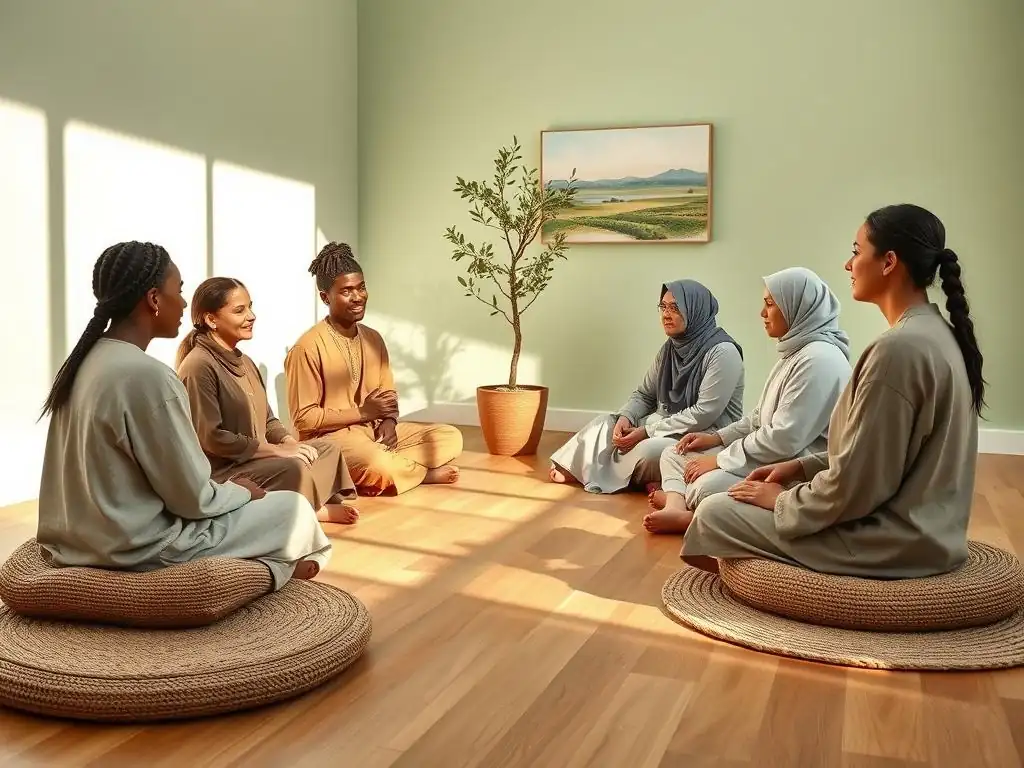
The Native American Rehabilitation Association (NARA): A Case Study in Portland, Oregon
The Native American Rehabilitation Association (NARA) in Portland, Oregon, serves as a powerful example of a successful culturally responsive mental health program. Founded in 1972, NARA is an intertribal agency that provides a wide range of health, mental health, and addiction services to Native Americans and Alaska Natives. Their approach is deeply rooted in Native culture and traditions, recognizing the importance of cultural identity, historical trauma, and traditional healing practices in the recovery process.
NARA integrates Western clinical approaches with traditional healing methods, offering services like talking circles, sweat lodge ceremonies, and access to traditional healers alongside counseling and psychiatric care. Their staff includes many individuals from the communities they serve, who understand the cultural context and build trust more effectively. This comprehensive, culturally grounded model has demonstrated success in engaging Native individuals who may have been underserved or alienated by mainstream services, leading to improved mental health and substance use outcomes.
The Asian Mental Health Collective: Addressing Mental Health Through Cultural Lens
The Asian Mental Health Collective (AMHC) is another notable example, focusing on addressing the unique mental health needs of Asian communities globally. Recognizing the significant stigma around mental illness in many Asian cultures, the AMHC works to normalize conversations about mental health and make resources more accessible. They provide a directory of Asian therapists, offer culturally sensitive online resources, and host community events.
The AMHC's approach emphasizes understanding the diversity within Asian communities (East Asian, South Asian, Southeast Asian, etc.) and the specific stressors faced, such as intergenerational conflict, model minority pressure, and immigrant experiences. Their educational content is often shared through social media platforms, utilizing formats and language that resonate with different age groups and cultural backgrounds within the Asian diaspora. By creating safe online and in-person spaces and providing resources through a cultural lens, the AMHC empowers individuals to seek help and supports mental well-being.
Key Learnings from Existing Programs and Best Practices
Successful culturally responsive mental health programs share several key characteristics. Firstly, they prioritize genuine community engagement and partnership from the outset, ensuring programs are co-created and owned by the community. Secondly, they invest in training and hiring culturally competent and diverse staff, including individuals who share the background of the clients. Thirdly, they are flexible and adaptive, willing to modify standard practices to fit cultural contexts.
Fourthly, these programs often integrate traditional healing practices or cultural strengths alongside clinical interventions, offering a more holistic approach. Finally, they actively address stigma within the community through culturally appropriate education and outreach. Lessons learned highlight that sustainability requires ongoing relationship building, continuous cultural humility, and dedicated resources to ensure that culturally responsive mental health education and services are not just temporary initiatives but become integrated into the fabric of care.
Resources for Culturally Responsive Mental Health Education
Organizations Dedicated to Cultural Competence in Mental Health
Several organizations are dedicated to advancing cultural competence and culturally responsive approaches in mental health. The Office of Minority Health (OMH) within the U.S. Department of Health and Human Services provides valuable resources and initiatives aimed at improving health outcomes for minority populations, including mental health. The Substance Abuse and Mental Health Services Administration (SAMHSA) also offers resources and publications focused on cultural competence and addressing disparities.
Professional organizations like the American Psychological Association (APA) and the American Psychiatric Association (APA) have divisions and resources focused on ethnic minority psychology and cultural psychiatry, providing guidelines and promoting research in culturally responsive practices. Additionally, numerous grassroots and community-specific organizations exist, often providing the most relevant and accessible resources tailored to particular cultural groups. Exploring these organizations can provide access to research, best practices, and networks dedicated to advancing culturally responsive mental health education.
Training Programs and Workshops for Professionals
For mental health professionals seeking to enhance their skills in culturally responsive care, a variety of training programs and workshops are available. Universities often offer courses or specializations in multicultural counseling or ethnic minority mental health as part of their degree programs. Continuing education providers and professional organizations frequently host workshops focused on cultural competence, working with specific populations (e.g., LGBTQ+ individuals, refugees, specific ethnic groups), and addressing issues like historical trauma.
Online platforms also offer modules and courses on cultural sensitivity and humility. These training opportunities equip professionals with a deeper understanding of cultural factors influencing mental health, practical skills for adapting interventions, and strategies for building rapport and trust across cultural differences. Investing in such training is crucial for any mental health professional committed to providing equitable and effective care to diverse populations.
Culturally Specific Mental Health Resources and Materials
Access to culturally specific mental health resources and materials is vital for both professionals and community members. This includes educational brochures, websites, videos, and support group information developed with specific cultural groups in mind. Many non-profit organizations and community centers create or curate these resources. For example, materials might be available in multiple languages, use culturally relevant imagery, or explain mental health concepts using analogies familiar within a particular culture.
Finding these resources often involves connecting with community-based organizations that serve specific ethnic, racial, or cultural groups. Websites like the National Alliance on Mental Illness (NAMI) and Mental Health America (MHA) often have sections dedicated to diverse populations and may link to culturally specific resources. These materials are invaluable tools for culturally responsive mental health education, providing information in a format and context that resonates directly with the target audience.
Measuring the Impact of Culturally Responsive Mental Health Education
Evaluating Program Effectiveness in Diverse Populations
Measuring the impact of culturally responsive mental health education is essential to demonstrate its value and identify areas for improvement. Evaluating effectiveness in diverse populations requires using methods that are appropriate and sensitive to cultural contexts. Standard evaluation tools may need adaptation to ensure they accurately capture outcomes and experiences across different groups.
Evaluation should go beyond simply tracking attendance or satisfaction. It should assess changes in knowledge about mental health, attitudes towards help-seeking, reductions in stigma, and ultimately, improvements in mental health outcomes, such as symptom reduction, increased coping skills, and enhanced quality of life. This requires using mixed-methods approaches, combining quantitative data (e.g., pre/post surveys with culturally validated scales) with qualitative data (e.g., focus groups, interviews) to understand the nuances of impact within specific cultural groups.
Using Culturally Appropriate Assessment Tools
Selecting and using culturally appropriate assessment tools is a critical step in evaluating the impact of culturally responsive mental health education and services. Many standardized psychological assessments were developed and validated primarily on Western, educated populations and may not be reliable or valid when used with individuals from different cultural backgrounds. Language differences, cultural norms around expressing emotions or distress, and varying levels of familiarity with psychological concepts can all influence test results.
Culturally appropriate assessment involves using tools that have been validated for the specific population, utilizing experienced and culturally competent interpreters if needed, and considering cultural factors when interpreting results. Sometimes, this may involve using narrative approaches or qualitative methods that allow individuals to describe their experiences in their own words and cultural framework. Ensuring assessments are culturally sensitive helps obtain accurate information, leading to more appropriate evaluation of program impact and individual needs.
Demonstrating the Value of Culturally Sensitive Mental Healthcare
Demonstrating the value of culturally sensitive mental healthcare is crucial for securing ongoing support and resources. This involves showing that culturally responsive approaches lead to better outcomes compared to standard care, are preferred by community members, and can potentially reduce long-term healthcare costs by preventing crises or promoting earlier intervention. Data on increased service utilization, improved treatment adherence, reduced symptoms, and positive changes in help-seeking attitudes all contribute to demonstrating this value.
Sharing success stories and testimonials from community members can also be a powerful way to illustrate the impact of culturally responsive mental health education and services. Quantifying the reach of educational programs (e.g., number of people reached, number of workshops held) alongside outcome data provides a comprehensive picture. By rigorously evaluating and clearly communicating the positive impact, advocates can build a strong case for prioritizing and investing in culturally sensitive mental healthcare as an essential component of equitable health systems.
The Future of Culturally Responsive Mental Health Education
Expanding Access to Culturally Tailored Mental Health Services
The future of culturally responsive mental health education is intrinsically linked to expanding access to culturally tailored mental health services. Educational initiatives build awareness and reduce stigma, but access to appropriate care is necessary for individuals to act on that knowledge. This requires increasing the availability of mental health professionals who are trained in cultural competence, hiring more bicultural and bilingual providers, and developing service delivery models that are accessible in diverse communities.
Expanding access also involves addressing systemic barriers such as cost, insurance coverage, transportation, and appointment availability. Telehealth offers potential for reaching remote or underserved populations, but it must be implemented in a culturally sensitive manner, considering digital literacy and access to technology. The goal is to create a mental healthcare landscape where culturally responsive options are not the exception but the norm, readily available to anyone who needs them, regardless of their cultural background.
Promoting Mental Health Equity for All Communities
Ultimately, the vision for culturally responsive mental health education is to contribute to promoting mental health equity for all communities. Mental health equity means that everyone has a fair and just opportunity to attain their highest level of mental health. This requires addressing the social determinants of health, dismantling systemic discrimination, and ensuring that mental health systems are designed to meet the diverse needs of the population they serve.
Culturally responsive mental health education is a key lever for achieving this equity. By empowering communities with relevant knowledge, reducing culturally specific barriers to care, and advocating for systemic change, it helps level the playing field. The future involves advocating for policies that support cultural competence in healthcare, investing in community-led initiatives, and ensuring that the voices and experiences of diverse communities are at the center of mental health policy and practice.
Continuing Research and Innovation in Culturally Responsive Approaches
The field of culturally responsive mental health education is continuously evolving, requiring ongoing research and innovation. There is a need for more rigorous research on the effectiveness of culturally tailored interventions for specific populations and conditions. Understanding why certain adaptations work for particular groups is crucial for developing best practices and scaling successful models.
Innovation is also needed in developing new methods for delivering culturally responsive mental health education, perhaps leveraging technology in culturally appropriate ways or developing new community-based models. Research should explore the intersection of multiple identities (e.g., race, gender, sexual orientation, disability) and how they influence mental health experiences and the effectiveness of culturally responsive approaches. A commitment to continuous learning, evaluation, and adaptation is essential to ensure that culturally responsive mental health education remains relevant, effective, and impactful in serving diverse communities.
Frequently Asked Questions
What is culturally responsive mental health education, and why is it important?
It's an approach that tailors mental health education to the specific cultural background and lived experiences of a community. It's important because it increases relevance and engagement.
How does culturally responsive mental health education differ from traditional mental health education?
Traditional education often uses a one-size-fits-all approach, while culturally responsive education is tailored to specific cultural contexts. This involves considering cultural values, beliefs, and communication styles.
What are some examples of culturally responsive mental health education in practice?
Examples include using language appropriate to the community, incorporating traditional healing practices, and addressing culturally specific stressors.
How can Mind Care Guide help me learn more about culturally responsive mental health education?
Mind Care Guide provides resources, articles, and support networks focused on culturally sensitive approaches to mental well-being. We aim to empower communities through relevant information.
Where can I find resources to implement culturally responsive mental health education in my community?
Look for community organizations, mental health professionals specializing in cultural competence, and online platforms like Mind Care Guide that offer tailored resources.
Final Reflection: Cultivating a Future of Inclusive Mental Wellness
The urgent need for culturally responsive mental health education is no longer a niche concern; it's a fundamental pillar of building equitable and thriving communities. Ignoring the diverse cultural contexts that shape mental health experiences perpetuates disparities and silences vital voices. We must move beyond simply acknowledging these differences to actively integrating culturally sensitive practices into every aspect of mental health support.
The impact of culturally responsive approaches extends far beyond individual healing; it shapes the very fabric of our social landscape. By fostering understanding and empathy across cultures, we create spaces where individuals feel safe to seek help, where their unique experiences are validated, and where healing can truly begin. As Dr. Eduardo Duran eloquently stated, Culture is not just a variable to be considered; it is the very context in which mental health is understood and experienced.
This quote underscores the profound interconnectedness between culture and mental well-being, highlighting the necessity of culturally informed approaches.
Now, consider your own role in this crucial work. What steps can you take, in your personal life and within your community, to promote culturally responsive mental health education? Perhaps it's engaging in respectful dialogue, advocating for inclusive policies, or simply educating yourself and others on the importance of cultural sensitivity. Let us all commit to creating a future where mental health support is accessible, equitable, and truly empowering for everyone, regardless of their background.
Ignite Your Community's Well-being: Take Action Today!
Thanks for taking the time to explore culturally responsive mental health education with us! We hope you gained valuable insights into building stronger, healthier communities. Now, let's put that knowledge into action.
- Lead a workshop: Share what you've learned with your local community center, school, or faith-based organization. Organize a session focusing on a specific aspect of culturally responsive care that resonated with you.
- Start a conversation: Reach out to a friend, family member, or colleague and share a key takeaway from the article. Even a simple conversation can make a difference.
- Explore local resources: Discover mental health organizations in your area that prioritize cultural sensitivity and inclusivity. Many offer valuable training, support, and community events.
What small step will you take today to foster greater mental well-being within your community?