
When Resilience Needs Reinforcement: Knowing When to Seek Professional Help for Your Child


Welcome to Mind Care Guide, a space dedicated to nurturing mental well-being.
Feeling overwhelmed by the challenges of raising a resilient child? It's completely understandable. This can be difficult and confusing. We understand the unique pressures families face and are here to help you navigate the complexities of child mental health professional support. This article explores how to recognize when your child might benefit from professional guidance, offering practical insights and resources to empower you on this important journey. Curious to learn more about supporting your child's emotional growth? Let's begin.
When Resilience Needs Reinforcement: Knowing When to Seek Professional Help for Your Child
- Understanding Child Resilience and Its Limits
-
Identifying Warning Signs: When to Consider Child Mental Health Professional Support
- Persistent Sadness or Withdrawal: A Red Flag for Child Mental Health
- Significant Changes in Behavior or Personality: Identifying Potential Problems
- Academic Struggles and Declining Performance: Is it More Than Just School?
- Sleep Disturbances and Changes in Appetite: Physical Manifestations of Emotional Distress
- Increased Anxiety, Fears, or Phobias: Addressing Childhood Anxiety
- Self-Harm or Suicidal Thoughts: Immediate Action is Crucial
- Differentiating Between Normal Childhood Challenges and Mental Health Concerns
-
Types of Child Mental Health Professional Support Available
- Child Psychologists: Expertise in Child Development and Behavior
- Child Psychiatrists: Medical Professionals Focused on Mental Health
- Licensed Clinical Social Workers (LCSW): Providing Therapy and Support
- Family Therapists: Addressing Family Dynamics and Communication
- School Counselors: An Initial Point of Contact and Support
- Navigating the Process of Seeking Help for Your Child's Mental Health
- Supporting Your Child's Mental Health Journey: Beyond Professional Help
- Long-Term Benefits of Early Intervention in Child Mental Health
-
Frequently Asked Questions
- What are some early warning signs that my child might need professional mental health support?
- How can a child mental health professional help my child specifically?
- What types of child mental health professionals are available, and how do I choose the right one?
- Is seeking child mental health professional support a sign of failure as a parent?
- How can I best support my child while they are receiving professional mental health support?
- Final Reflection: The Unspoken Strength of Seeking Help
- Ignite Your Child's Inner Strength: Take the Next Step
Understanding Child Resilience and Its Limits
Defining Resilience in Children: Bouncing Back from Adversity
Resilience in children is often described as their ability to adapt and thrive despite facing challenging circumstances, stress, or adversity. It's not about avoiding difficulty altogether, but rather about navigating through tough times and emerging stronger. This capacity allows a child to cope with common stressors like starting a new school, dealing with a minor conflict with a friend, or managing disappointment from a failed test. It's a dynamic process influenced by a combination of inherent traits and environmental factors.
This inherent ability to bounce back can be observed in how a child might react to a scraped knee – crying initially, but quickly recovering to continue playing. On a slightly larger scale, a resilient child who doesn't make the school sports team might feel sad but is able to process the disappointment and find another activity or try out again next year. Research suggests that children with higher levels of resilience tend to have better overall life outcomes, including academic success and healthier relationships, indicating its protective nature against life's inevitable setbacks.
The Role of Parental Support in Fostering Resilience
Parents play a crucial role in building their child's resilience. Providing a stable, loving, and predictable environment lays a strong foundation. When children feel safe and supported at home, they are better equipped to explore the world and face challenges knowing they have a secure base to return to. Active listening, validating their feelings, and helping them problem-solve rather than solving everything for them are key strategies.
Furthermore, teaching children coping skills, such as mindfulness techniques, deep breathing, or positive self-talk, empowers them to manage stress and difficult emotions. Encouraging independence and allowing them to take age-appropriate risks helps them develop confidence in their abilities. Studies have shown that children with at least one stable, supportive relationship with a caregiver are significantly more likely to develop resilience, highlighting the profound impact of positive parent-child interactions on a child's capacity to cope.
Recognizing the Natural Limits of Resilience in Childhood
While resilience is a powerful trait, it's not infinite, especially in developing minds. Children, by their nature, have limited life experience and coping mechanisms compared to adults. They may lack the cognitive ability to fully process complex traumas or chronic stressors without support. Events such as parental divorce, the death of a loved one, bullying, or exposure to violence can overwhelm a child's natural resilience.
When stressors are severe, prolonged, or multiple adversities occur simultaneously, even a highly resilient child can struggle. Their capacity to bounce back can be depleted, leading to persistent emotional or behavioral difficulties. Recognizing these limits is critical; it's when a child's typical coping strategies are no longer effective and their distress becomes chronic that considering child mental health professional support becomes not just an option, but often a necessity to help them navigate challenges that exceed their current capabilities.
Identifying Warning Signs: When to Consider Child Mental Health Professional Support
Persistent Sadness or Withdrawal: A Red Flag for Child Mental Health
One of the most common indicators that a child may need child mental health professional support is persistent sadness or withdrawal that lasts for more than a few weeks. While it's normal for children to experience temporary sadness or disappointment, a sustained low mood, loss of interest in activities they once enjoyed, or a marked decrease in social interaction can signal a deeper issue, such as depression. This might manifest as a child who stops playing with friends, avoids family activities, or expresses feelings of hopelessness.
Parents might notice their child spending excessive time alone in their room, showing little enthusiasm for school or hobbies, or appearing constantly downcast. Unlike typical mood swings, this persistent state impacts their daily functioning and relationships. For instance, a child who was previously outgoing might become quiet and isolated, or one who loved a particular sport might suddenly refuse to participate. Observing these changes and their duration is crucial before seeking child mental health professional support.
Significant Changes in Behavior or Personality: Identifying Potential Problems
Dramatic shifts in a child's typical behavior or personality can also be warning signs. This could include increased irritability, aggression, defiance, or impulsivity that is out of character. Conversely, a child might become unusually timid, fearful, or clingy. These changes aren't just isolated incidents but represent a noticeable pattern that deviates from their baseline behavior and development. For example, a child who was generally calm might suddenly have frequent, intense tantrums or outbursts, or a typically independent child might develop severe separation anxiety.
These behavioral changes often reflect underlying emotional distress that the child is struggling to express or manage. They might be acting out feelings of anxiety, frustration, or sadness. While some behavioral shifts are part of normal development, significant, sudden, or sustained changes that interfere with family life, school, or friendships warrant evaluation. Observing the context, frequency, and intensity of these changes can help parents determine if child mental health professional support is necessary.
Academic Struggles and Declining Performance: Is it More Than Just School?
A sudden or significant drop in academic performance can sometimes be linked to mental health challenges rather than purely learning difficulties or lack of effort. Issues like anxiety, depression, or attention-deficit/hyperactivity disorder (ADHD) can severely impact a child's ability to focus, retain information, complete assignments, or attend school consistently. A child who was previously doing well might suddenly start failing tests, refusing to do homework, or showing a strong aversion to school.
While academic struggles can have many causes, including learning disabilities or problems at school (like bullying), when they coincide with other behavioral or emotional changes, it's important to consider mental health as a potential factor. For example, a child experiencing anxiety might struggle with test-taking or public speaking, leading to avoidance and poor grades, while a child with depression might lack the motivation and energy to keep up with schoolwork. Consulting with educators and potentially seeking child mental health professional support can help identify the root cause.
Sleep Disturbances and Changes in Appetite: Physical Manifestations of Emotional Distress
Mental health challenges often manifest physically in children. Persistent sleep problems, such as difficulty falling asleep, staying asleep, nightmares, or excessive sleeping, can be indicators of anxiety, depression, or trauma. Similarly, significant changes in appetite or eating patterns—either eating much more or much less than usual—can signal emotional distress. These physical symptoms are not just inconvenient; they can further exacerbate mental health issues and impact overall well-being.
For instance, a child worried about school might develop insomnia, leading to fatigue that makes it harder to cope during the day. Conversely, a child experiencing depression might lose their appetite and show little interest in food, leading to weight loss. These physiological changes are the body's way of reacting to stress and emotional turmoil. When these symptoms are chronic and unexplained by physical illness, they are strong reasons to consider child mental health professional support.
Increased Anxiety, Fears, or Phobias: Addressing Childhood Anxiety
While it's normal for children to have some fears at different developmental stages (e.g., fear of the dark, separation anxiety in toddlers), persistent, intense anxiety, excessive worries, or the development of specific phobias that interfere with daily life are causes for concern. A child might exhibit constant worrying about things like school, safety, or social situations, often seeking excessive reassurance. This anxiety can manifest physically as stomachaches, headaches, or restlessness.
Severe anxiety can prevent a child from participating in age-appropriate activities, such as attending school, sleeping alone, or socializing with peers. For example, a child with social anxiety might refuse to speak in class or avoid group activities, while a child with a specific phobia (like fear of dogs) might be unable to go to friends' houses or parks. When anxiety is pervasive and significantly limits a child's functioning or causes them significant distress, it is a key sign that child mental health professional support is needed.
Self-Harm or Suicidal Thoughts: Immediate Action is Crucial
Any indication of self-harm (such as cutting, burning, or hitting oneself) or expression of suicidal thoughts, ideation, or intent in a child requires immediate and serious attention. These are critical emergencies and signal that the child is in severe distress and needs help immediately. Children may express these feelings directly or indirectly through statements like "I wish I wasn't here" or "Everyone would be better off without me."
Parents should take any mention of self-harm or suicide seriously, without dismissing it as attention-seeking behavior. Removing access to means of self-harm and seeking immediate professional help from a crisis hotline, emergency room, or mental health professional is paramount. This is not a situation to wait and see if it improves; it requires urgent child mental health professional support to ensure the child's safety and well-being.
Differentiating Between Normal Childhood Challenges and Mental Health Concerns
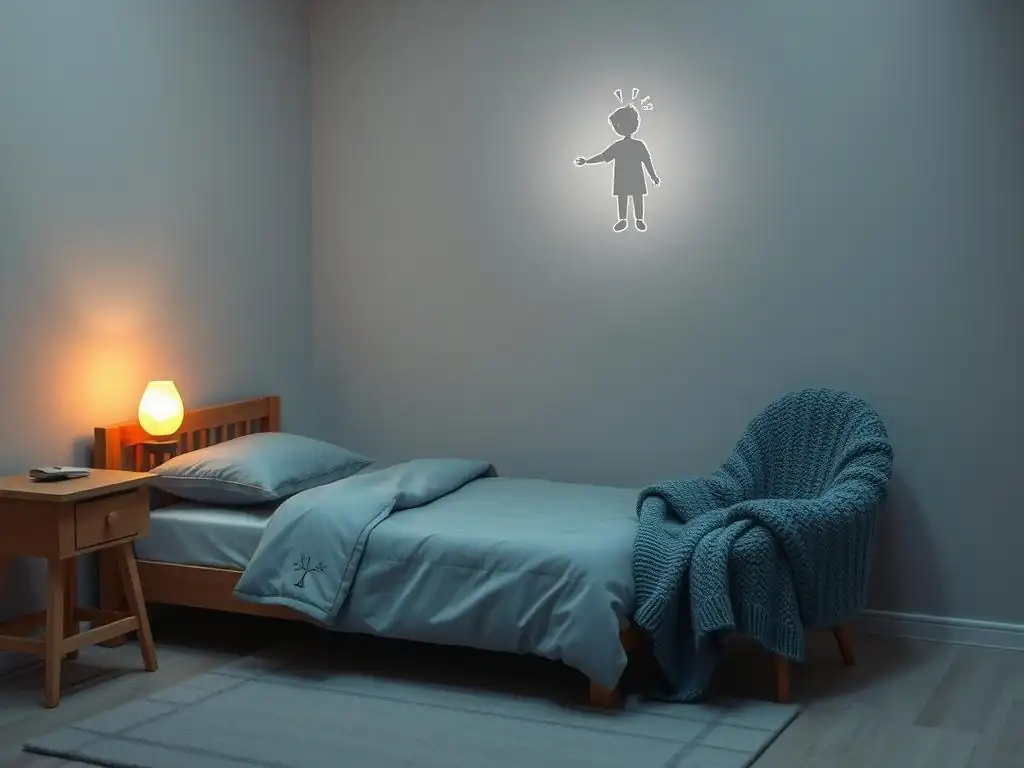
Understanding Typical Developmental Stages and Emotional Fluctuations
Children go through various developmental stages, each with its own set of typical behaviors and emotional expressions. For instance, toddlers are known for tantrums as they navigate big emotions and limited communication skills. Adolescents often experience mood swings as a result of hormonal changes and the challenges of identity formation. These fluctuations are a normal part of growing up and do not necessarily indicate a mental health disorder.
Learning about these typical stages can help parents gauge whether a child's behavior falls within the expected range for their age. Resources like developmental milestones charts or parenting guides can provide useful context. While a temporary phase of sadness or defiance is common, the key differentiator when considering child mental health professional support is the duration, intensity, and impact of the behavior on the child's daily life and functioning across multiple settings (home, school, social).
Recognizing the Difference Between Tantrums and Underlying Emotional Issues
Tantrums are common in young children, typically peaking between the ages of 2 and 4. They are often a result of frustration, fatigue, or an inability to communicate needs effectively. While intense, they are usually relatively short-lived and occur in response to a specific trigger. The child eventually calms down and returns to their baseline behavior.
In contrast, emotional outbursts that are frequent, unusually prolonged, occur with little or no apparent trigger, or are accompanied by aggression towards self or others, might signal an underlying emotional issue. For example, a child might have meltdowns that last for over an hour multiple times a week, or become violent during outbursts. When these behaviors are significantly outside the norm for their age and developmental stage, and interfere with their ability to function, it's wise to consult with a child mental health professional for guidance.
When "Just a Phase" Requires Further Investigation: Parental Intuition Matters
Many challenging behaviors in childhood are indeed "just a phase" that children eventually outgrow. However, sometimes what appears to be a phase can be an early sign of a developing mental health concern. The difficulty lies in distinguishing between the two. As a general guideline, if a behavior or emotional state is persistent, causes significant distress to the child, interferes with their ability to function at home or school, or impacts their relationships for more than a few weeks, it warrants closer attention.
Parental intuition is a powerful tool here. Parents know their children best and are often the first to sense when something feels "off." If a parent has a persistent gut feeling that their child is struggling beyond typical developmental challenges, it's important to trust that instinct. Consulting with a pediatrician is often a good first step, as they can rule out physical causes and provide initial guidance or referrals for child mental health professional support if needed.
Types of Child Mental Health Professional Support Available
Child Psychologists: Expertise in Child Development and Behavior
Child psychologists are mental health professionals who specialize in the emotional, developmental, and behavioral issues of children and adolescents. They typically hold a doctoral degree (Ph.D. or Psy.D.) in psychology. Their expertise lies in understanding the unique ways mental health conditions present in children and using evidence-based therapeutic approaches tailored to their developmental level.
These professionals conduct psychological evaluations, administer assessments, and provide various forms of therapy, such as Cognitive Behavioral Therapy (CBT), play therapy, or Parent-Child Interaction Therapy (PCIT). They focus on helping children understand their feelings, develop coping skills, modify problematic behaviors, and improve their relationships. A child psychologist is a common starting point when seeking child mental health professional support for behavioral problems, anxiety, depression, trauma, or difficulty adjusting to life changes.
Child Psychiatrists: Medical Professionals Focused on Mental Health
Child and adolescent psychiatrists are medical doctors (MD or DO) who have completed medical school and specialized training in psychiatry, with further specialization in treating mental health conditions in children and adolescents. As medical doctors, they are qualified to diagnose mental health disorders and prescribe medication when necessary, in addition to providing therapy.
Their approach often involves a comprehensive evaluation that considers biological, psychological, and social factors influencing a child's mental health. They can assess conditions like ADHD, major depression, bipolar disorder, or complex anxiety disorders that may benefit from medication management alongside therapy. Consulting a child psychiatrist is often recommended when symptoms are severe, complex, or potentially require medication as part of the treatment plan, providing a crucial form of child mental health professional support.
Licensed Clinical Social Workers (LCSWs) are master's level mental health professionals with training in clinical social work. They are licensed to provide therapy and counseling services. LCSWs often work within a broader social context, considering the child's environment, family situation, and community resources as part of their assessment and treatment.
LCSWs provide individual, group, and family therapy using various therapeutic modalities. They can assist children and families in coping with stress, trauma, grief, family conflicts, and behavioral issues. Their training often includes navigating complex systems like schools or social services, making them valuable resources for families facing multiple challenges. LCSWs represent a significant component of accessible child mental health professional support in many communities.
Family Therapists: Addressing Family Dynamics and Communication
Family therapists, often licensed marriage and family therapists (LMFTs) or other licensed professionals with specialized training, focus on the family unit as a whole. They view a child's mental health or behavioral issues within the context of family dynamics and relationships. The goal is to improve communication, resolve conflicts, and strengthen family bonds to support the child's well-being.
Involving the family in therapy can be particularly effective because a child's environment significantly impacts their mental health. Family therapy sessions might involve parents, siblings, or other key family members working together to understand the child's difficulties and develop healthier ways of interacting and supporting one another. This approach provides essential child mental health professional support by addressing systemic issues within the home.
School Counselors: An Initial Point of Contact and Support
School counselors are master's level professionals who work within the educational setting. They provide support to students regarding academic achievement, career development, and social/emotional development. While not typically providing long-term or intensive therapy, school counselors can offer valuable short-term counseling, crisis intervention, and support for common issues like peer conflicts, stress, or grief.
They are often the first mental health point of contact for children and can be instrumental in identifying students who are struggling. School counselors can also serve as a liaison between the school and families, providing referrals to external child mental health professional support when a child's needs exceed the scope of school-based services. Collaborating with a school counselor can be a helpful step in assessing a child's needs and exploring options for help.

Talking to Your Child About Seeing a Mental Health Professional
Approaching the conversation about seeing a mental health professional requires sensitivity and honesty tailored to your child's age and understanding. For younger children, you might explain it as visiting a "feelings doctor" or someone who helps kids talk about their worries and learn ways to feel happier. Use simple, reassuring language, emphasizing that it's a place to get help and that it's okay to have big feelings or problems that are hard to solve alone.
For older children or teenagers, you can be more direct, explaining that you've noticed they've been struggling and that you want to find someone who can help them understand their feelings and develop strategies to cope. Reassure them that this is a sign of strength, not weakness, and that you will be there to support them. Highlight that the professional is there to help them and that their privacy will be respected. Open and non-judgmental communication is key to making them feel comfortable with seeking child mental health professional support.
Finding a Qualified Child Mental Health Professional: Resources and Referrals
Finding the right child mental health professional involves research and utilizing available resources. Start by talking to your child's pediatrician; they can often provide referrals to local specialists they trust. School counselors can also offer recommendations or connect you with community mental health services. Your health insurance provider's website or member services line can list in-network providers specializing in pediatric mental health.
Professional organizations, such as the American Academy of Child and Adolescent Psychiatry (AACAP) or the American Psychological Association (APA), often have online directories where you can search for qualified professionals in your area. When contacting potential providers, ask about their experience working with children of your child's age, their areas of specialization (e.g., anxiety, trauma, ADHD), their therapeutic approaches, and their fees or insurance participation. Finding the right fit is important for effective child mental health professional support.
Preparing for the First Appointment: What to Expect
The first appointment with a child mental health professional is typically an assessment session. The professional will want to gather information about your child's history, symptoms, family background, and current challenges. This may involve talking to the parents alone first, then spending time with the child, and sometimes observing parent-child interactions. You might be asked to fill out questionnaires about your child's behavior and development.
Prepare by making notes about your child's symptoms, when they started, what makes them better or worse, and any significant life events. Bring any relevant reports, such as school evaluations or previous medical records. It's also helpful to think about what you hope to gain from seeking child mental health professional support. This initial appointment is a chance for the professional to understand the situation and propose a potential treatment plan or recommend further evaluation.
The Importance of Parental Involvement in Therapy
Parental involvement is often crucial for the success of child therapy, especially for younger children. Therapists frequently work with parents to provide guidance on how to support their child at home, manage challenging behaviors, and improve family communication. Parents might learn specific strategies to use between sessions or participate in parent-child sessions.
Even with older children and adolescents, parental support is vital. While teenagers may have more individual sessions, parents still play a key role in creating a supportive home environment and reinforcing skills learned in therapy. Therapists will work with families to determine the appropriate level of parental involvement while respecting the child's need for privacy as they get older. Active participation from parents significantly enhances the effectiveness of child mental health professional support.
Supporting Your Child's Mental Health Journey: Beyond Professional Help
Creating a Supportive and Understanding Home Environment
A child's home environment significantly impacts their mental well-being and recovery. Creating a space where your child feels safe, understood, and accepted unconditionally is paramount. This involves minimizing conflict, providing structure and predictability, and ensuring they have opportunities for rest, play, and connection. Simple routines for meals, homework, and bedtime can provide a sense of stability that is particularly helpful for children struggling with anxiety or emotional regulation.
Making the home a "safe zone" means responding to their struggles with empathy rather than criticism or punishment. Let them know that it's okay to feel sad, angry, or scared, and that you are there to listen without judgment. Reinforcing positive behaviors and celebrating small successes can boost their self-esteem. A nurturing home environment complements the work done with a child mental health professional support, providing a consistent foundation for healing and growth.
Open Communication and Active Listening: Fostering Trust
Encouraging open communication within the family is vital. Create regular opportunities for your child to talk about their day, their feelings, and their challenges. This isn't about prying, but about showing genuine interest and availability. Active listening means giving your child your full attention, truly hearing what they are saying (both verbally and non-verbally), and validating their feelings without immediately jumping to solutions or dismissals.
For example, instead of saying "Don't be sad," try "It sounds like you're feeling really sad right now. Can you tell me more about that?" This approach helps your child feel heard and understood, building trust and making them more likely to come to you when they are struggling. Consistent, empathetic communication reinforces the support provided by child mental health professional support and strengthens the parent-child bond.
Modeling Healthy Coping Mechanisms: Leading by Example
Children learn by observing the adults in their lives. Modeling healthy ways to cope with stress, disappointment, and other difficult emotions is one of the most powerful ways parents can support their child's mental health. This means openly talking (in an age-appropriate way) about your own feelings, demonstrating how you manage stress (e.g., through exercise, hobbies, talking to a friend), and showing resilience in the face of your own challenges.
If a parent reacts to stress with yelling, excessive worry, or unhealthy habits, a child may internalize these as the norm. Conversely, seeing a parent calmly problem-solve, seek support when needed, or practice self-care teaches valuable lessons about emotional regulation and well-being. Your ability to manage your own mental health journey sets a powerful example that reinforces the skills and strategies your child is learning through child mental health professional support.
The Importance of Self-Care for Parents: Taking Care of Yourself to Care for Your Child
Supporting a child with mental health challenges can be emotionally demanding and stressful for parents. It is absolutely essential for parents to prioritize their own well-being and practice self-care. This is not selfish; it is necessary to have the emotional and physical capacity to care for your child effectively. Burnout can impact your ability to be patient, present, and supportive.
Self-care can include getting enough sleep, eating nutritious food, exercising, pursuing hobbies, spending time with friends, or seeking your own therapy or support group. Recognizing your limits and asking for help from partners, family, or friends is a sign of strength. Taking care of your own mental health ensures you can be a consistent and supportive presence for your child as they navigate their path with child mental health professional support.
Long-Term Benefits of Early Intervention in Child Mental Health
Improved Emotional Well-being and Resilience in Adulthood
Addressing mental health issues in childhood through timely child mental health professional support can have profound and lasting positive effects. Children who receive appropriate intervention learn essential coping skills, emotional regulation techniques, and problem-solving abilities early on. These skills become ingrained, helping them navigate the inevitable stresses and challenges of adolescence and adulthood with greater ease and resilience.
Research consistently shows that untreated childhood mental health conditions can persist and become more complex in adulthood. Conversely, early intervention is associated with a reduced risk of developing severe mental health disorders later in life. By building a strong foundation of emotional intelligence and coping strategies, children are better equipped to maintain positive emotional well-being throughout their lives, demonstrating the significant impact of early child mental health professional support.
Mental health challenges in childhood, such as anxiety or behavioral disorders, can significantly impair a child's ability to form and maintain healthy peer relationships. Social anxiety might lead to isolation, while behavioral issues could result in conflict. Child mental health professional support often includes components aimed at improving social skills, communication, and understanding social cues.
Learning these skills early helps children build confidence in social settings, resolve conflicts constructively, and develop empathy. This leads to more positive and fulfilling relationships with peers, family members, and eventually, romantic partners and colleagues in adulthood. The social competencies gained through intervention are critical for overall life satisfaction and success, highlighting another key benefit of accessing child mental health professional support early.
Better Academic Performance and Future Success
Mental health issues can significantly interfere with a child's ability to learn, focus, and perform academically. Anxiety can make test-taking unbearable, depression can sap motivation, and ADHD can make sitting still and concentrating nearly impossible. Addressing these underlying issues through therapy and support can remove significant barriers to learning.
When children receive appropriate child mental health professional support, their symptoms are better managed, allowing them to engage more effectively in school. This can lead to improved concentration, better grades, increased school attendance, and a more positive attitude towards learning. Academic success in childhood is often linked to greater opportunities and success in higher education and future careers, underscoring the long-term impact of early intervention on a child's potential.
Breaking the Stigma Surrounding Mental Health: Creating a Positive Change
Seeking child mental health professional support not only benefits the individual child but also contributes to a broader societal shift in how mental health is perceived. By openly addressing mental health concerns and seeking help, families help normalize these struggles and reduce the stigma associated with them. This teaches children and those around them that mental health is just as important as physical health and that seeking help is a sign of strength, not weakness.
As more families openly access and discuss child mental health professional support, it creates a more accepting and understanding environment for future generations. This cultural shift encourages others to seek help when needed, potentially breaking cycles of untreated mental illness and fostering a society where mental well-being is prioritized and supported from an early age. Early intervention is a powerful step towards a healthier future, both for the child and the community.
Frequently Asked Questions
What are some early warning signs that my child might need professional mental health support?
Persistent changes in behavior, such as increased irritability, withdrawal, or sleep disturbances, are often red flags. Significant declines in school performance or loss of interest in activities are also concerning.
How can a child mental health professional help my child specifically?
Professionals offer specialized assessment and treatment tailored to your child's needs. They use evidence-based therapies to address emotional, behavioral, and developmental challenges.
What types of child mental health professionals are available, and how do I choose the right one?
Options include child psychologists, psychiatrists, counselors, and therapists. Consider their specialty areas, experience, and approach, matching them to your child's specific needs.
Is seeking child mental health professional support a sign of failure as a parent?
Absolutely not! Seeking help is a sign of strength and proactive care. It demonstrates your commitment to your child's well-being and getting them the support they need.
How can I best support my child while they are receiving professional mental health support?
Provide a safe and supportive home environment, openly communicate with them, and actively participate in their treatment plan. Consistency and patience are key.
Final Reflection: The Unspoken Strength of Seeking Help
The rising tide of childhood mental health challenges demands a shift in our societal understanding: seeking professional support isn't a sign of weakness, but a testament to the strength of both parent and child. We've explored the subtle signs of struggle, the importance of early intervention, and the diverse pathways to finding the right help for your child. This isn't just about identifying problems; it's about proactively nurturing resilience and building a foundation for a thriving future.
The journey of supporting a child's mental well-being is a deeply personal one, filled with both triumphs and challenges. It's a journey that impacts not only the child but the entire family unit. Navigating this landscape requires courage, empathy, and a willingness to seek guidance when needed. As the renowned psychologist Carl Rogers stated, The curious paradox is that when I accept myself just as I am, then I can change.
This applies equally to parents facing the complexities of their child's mental health; accepting the need for external support is the first step towards positive change and growth for everyone involved.
You are the architect of your child's well-being. This article has provided tools and resources, but the ultimate power lies in your hands. Take a moment to reflect on your child's emotional landscape. Are there unspoken needs? Are there subtle signs you've overlooked? Don't hesitate to reach out for professional guidance. Remember, seeking help is not just an option; it's an act of love, a commitment to your child's flourishing, and a testament to your own strength and resilience. Your child deserves the best, and you deserve the support you need to provide it.
Ignite Your Child's Inner Strength: Take the Next Step
Thanks for taking the time to learn more about supporting your child's resilience. We hope you found valuable insights into recognizing when professional guidance might be beneficial. Now, let's turn those insights into action!
- Schedule a free consultation: Many therapists offer brief introductory calls to discuss your concerns and explore if their approach aligns with your needs. This is a low-pressure way to begin.
- Explore local support groups: Connecting with other parents facing similar challenges can provide invaluable emotional support and practical advice. It's amazing what you can learn from shared experiences.
- Share this article: Help other parents navigate this important topic by sharing this article on social media or recommending it to someone you know.
What small step will you take today to empower your child and build their resilience?