
Resolving Marital Tension: Strategies for a Healthier Family Dynamic


Welcome to Mind Care Guide, a safe space dedicated to your mental well-being.
Feeling the strain in your marriage? It's more common than you think, and we're here to help. This guide delves into essential healthy marriage conflict resolution strategies, offering practical steps to navigate disagreements and build a stronger, more loving connection. Curious to discover how you can transform tension into understanding? Let's explore the path to a healthier family dynamic together…
Resolving Marital Tension: Strategies for a Healthier Family Dynamic
- Understanding Marital Tension and Its Impact on Family
- Healthy Marriage Conflict Resolution Strategies: Building a Stronger Foundation
- De-escalating Arguments: Techniques for Calm Communication
- Seeking Professional Help: When to Consider Marriage Counseling
- Maintaining a Healthy Marriage Long-Term: Prevention and Ongoing Effort
- Addressing Specific Conflict Areas: Practical Approaches
- Building a Supportive Family Environment: Creating a Safe Space
- Resources for Strengthening Your Marriage and Family
-
Frequently Asked Questions
- What are some common causes of conflict in a marriage, and how can understanding them help with resolution?
- How can couples improve their communication skills to effectively resolve conflicts?
- What are some healthy strategies for managing anger and frustration during marital disagreements?
- When is it advisable for couples to seek professional help for marital conflict resolution?
- What role does empathy play in resolving marital conflicts, and how can couples cultivate it?
- Final Reflection: Cultivating Peace in the Heart of the Home
- Unlock a Happier Home: Strengthen Your Family Bonds Today!
Understanding Marital Tension and Its Impact on Family
Identifying Common Sources of Marital Conflict
Marital tension often stems from a predictable set of challenges that many couples face over time. While the specifics vary, underlying themes frequently include disagreements over finances, parenting styles, household responsibilities, and differing expectations about roles and intimacy. These issues, if left unaddressed, can erode the foundation of the relationship and make finding healthy marriage conflict resolution strategies increasingly difficult. Understanding these common triggers is the first step toward effective resolution.
Beyond the practical matters, conflicts can also arise from deeper emotional needs that are not being met, such as feeling unappreciated, misunderstood, or unsupported. For example, a seemingly small argument about leaving dishes in the sink might actually be rooted in a partner feeling overwhelmed and wishing for more help and recognition for their efforts. Recognizing these deeper layers is crucial for developing truly effective strategies for resolving marital conflict.
The Ripple Effect: How Marital Stress Affects Children
The emotional climate of a marriage significantly impacts the well-being of children within the family unit. Children are highly attuned to their parents' interactions and can absorb the tension present in the home, even if arguments don't happen directly in front of them. Exposure to frequent or intense parental conflict is associated with increased stress levels in children, potentially leading to anxiety, depression, and behavioral issues. Studies suggest that children in high-conflict homes may experience academic difficulties and challenges in forming their own healthy relationships later in life.
Furthermore, unresolved marital tension can disrupt a child's sense of security and stability. When parents are preoccupied with their own conflict, they may be less emotionally available to their children, impacting attachment and creating feelings of neglect. Learning and implementing healthy marriage conflict resolution strategies is not just beneficial for the couple; it is a vital investment in the emotional health and future development of their children.
Recognizing the Signs of Unhealthy Marital Dynamics
Identifying unhealthy patterns in marital interactions is essential for knowing when intervention is needed. Signs can include a persistent lack of communication or, conversely, communication that is consistently negative, involving criticism, defensiveness, contempt, or stonewalling—often referred to as "The Four Horsemen" by relationship researcher Dr. John Gottman. Another indicator is a cycle of unresolved arguments where the same issues resurface repeatedly without progress or resolution.
Other red flags include a decline in shared positive interactions, a lack of mutual respect, or an unwillingness from one or both partners to take responsibility for their part in the conflict. Feeling emotionally distant, living parallel lives, or experiencing persistent resentment are all signs that the current dynamic is detrimental and requires a shift towards healthier ways of relating and applying healthy conflict resolution strategies for couples.
Healthy Marriage Conflict Resolution Strategies: Building a Stronger Foundation
Communication Techniques for Conflict Resolution in Marriage
Effective communication is the bedrock of any healthy relationship, and it becomes even more critical when navigating disagreements. Learning specific techniques can transform potentially damaging arguments into opportunities for growth and understanding. These strategies are fundamental components of healthy marriage conflict resolution, enabling couples to address issues constructively rather than destructively.
Building strong communication habits involves conscious effort and practice. It's about creating an environment where both partners feel safe to express themselves honestly without fear of judgment or retaliation. Mastering these techniques is key to implementing successful strategies for resolving marital conflict and strengthening the bond between partners.
Active Listening: A Key to Understanding Your Partner
Active listening goes beyond simply hearing words; it involves fully concentrating on, understanding, responding to, and remembering what is being said. When practicing active listening during a conflict, the goal is to truly grasp your partner's perspective and feelings, even if you don't agree with them. This means putting aside your own defenses and focusing solely on what your partner is communicating, both verbally and nonverbally.
To listen actively, try techniques like paraphrasing what you heard ("So, if I understand correctly, you're feeling frustrated because..."), asking clarifying questions, and reflecting on the emotions expressed ("It sounds like you felt hurt when..."). Avoid interrupting or formulating your response while your partner is still speaking. This demonstrates respect and validates their experience, which can significantly de-escalate tension and pave the way for healthy marriage conflict resolution.
Expressing Needs and Concerns Respectfully
Communicating your own needs and concerns respectfully is equally important in resolving marital tension. Instead of making demands or accusations, focus on expressing your feelings and what you need in a calm, clear manner. This involves using "I" statements (discussed further below) and being specific about the behavior or situation causing concern, rather than making generalizations about your partner's character.
For example, instead of saying, "You never help around the house, you're so lazy," a respectful expression of a need might be, "I feel overwhelmed with the amount of housework, and I need more help, especially with [specific task]." This approach focuses on the issue and your feelings, inviting collaboration rather than triggering defensiveness. Mastering this skill is a core element of healthy marriage conflict resolution strategies.
Avoiding Blame and Criticism: Focusing on Solutions
Blame and criticism are highly corrosive to a relationship and are major barriers to healthy marriage conflict resolution. When partners feel attacked or blamed, they are likely to become defensive, shut down, or retaliate, escalating the conflict rather than resolving it. Focusing on finding solutions shifts the dynamic from opposition to collaboration.
Instead of dwelling on who is "right" or "wrong" or listing each other's faults, frame the conversation around the problem you are facing together and brainstorm ways to address it. Use phrases like "How can we work together to solve this?" or "What steps can we both take to prevent this from happening again?" This solution-oriented mindset is crucial for effective conflict resolution in marriage and for building a resilient partnership.
Practical Strategies for Managing Marital Disagreements
Beyond communication techniques, several practical strategies can help couples navigate disagreements more effectively and foster healthy marriage conflict resolution. These are actionable steps that couples can consciously choose to implement when tensions arise, moving towards more positive and productive outcomes.
Developing a toolkit of practical approaches allows couples to handle conflict with greater skill and confidence. These strategies provide a framework for addressing issues head-on while minimizing emotional damage and reinforcing the strength of the relationship.
Setting Boundaries and Expectations
Clearly defined boundaries and expectations are vital for preventing misunderstandings and reducing potential conflict areas. Couples should discuss and agree upon expectations regarding finances, child-rearing, household chores, time spent with extended family or friends, and personal space. Unspoken assumptions are fertile ground for resentment and conflict.
Setting boundaries might involve agreeing on how decisions about large purchases will be made, establishing rules around screen time for children, or deciding how much notice is needed before inviting guests over. Regularly revisiting and adjusting these boundaries as circumstances change is also important. This proactive approach is a foundational element of healthy marriage conflict resolution strategies, preventing many issues before they escalate.
Compromise and Negotiation: Finding Middle Ground
Compromise is often necessary in a marriage, but it shouldn't always feel like one person is "losing." Healthy negotiation involves finding a middle ground where both partners feel heard and at least partially satisfied. It requires flexibility, a willingness to understand the other's priorities, and creative problem-solving.
Instead of rigidly sticking to initial positions, explore various options and look for solutions that meet the most important needs of both individuals. Sometimes, finding middle ground isn't about meeting exactly halfway but about finding an alternative approach that works for both. For instance, if one partner values saving money strictly while the other values occasional splurges, they might negotiate a budget that allows for planned discretionary spending alongside aggressive saving goals. This collaborative negotiation is key to healthy marriage conflict resolution.
The Importance of Forgiveness
Forgiveness is a powerful, though sometimes challenging, component of healthy marriage conflict resolution. Holding onto resentment and grudges poisons the relationship and prevents moving forward. Forgiveness doesn't necessarily mean forgetting or condoning hurtful behavior, but rather choosing to release the anger and pain associated with it.
Offering and seeking forgiveness allows couples to heal from past hurts and rebuild trust. It requires empathy, humility, and a commitment to the future of the relationship. While some hurts may take significant time and effort to forgive, cultivating a forgiving spirit is essential for long-term marital health and resilience in the face of conflict.
De-escalating Arguments: Techniques for Calm Communication

When disagreements begin to heat up, having strategies to de-escalate the situation is crucial. Allowing arguments to spiral out of control can lead to hurtful words, damaged trust, and unresolved issues. Learning techniques to calm yourselves and the interaction is a vital skill for healthy marriage conflict resolution.
De-escalation is about pausing the momentum of rising tension and creating space for more rational and respectful communication. These techniques are preventative measures against destructive conflict patterns and contribute significantly to a healthier family dynamic.
Recognizing Triggers and Early Warning Signs of Escalation
Becoming aware of personal and relational triggers is the first step in preventing arguments from escalating. This involves understanding what topics, behaviors, or communication styles tend to provoke a strong negative reaction in yourself or your partner. Early warning signs might include raised voices, sarcastic tones, defensive body language (like crossed arms), or bringing up unrelated past grievances.
Paying attention to these signals allows couples to intervene before the situation becomes unmanageable. For example, if discussing finances consistently leads to shouting, recognizing the first sign of tension (e.g., a sharp tone) can prompt one or both partners to suggest pausing the conversation before it escalates further. Identifying these patterns is a proactive strategy for healthy marriage conflict resolution.
Taking a Break: The Value of Cooling Down
One of the most effective de-escalation techniques is taking a planned break from the argument. When emotions are high, rational thinking decreases, and the likelihood of saying something regrettable increases dramatically. Agreeing to step away for a set period allows both individuals to calm down, regain perspective, and prepare to re-engage more constructively.
A break might be 20 minutes or several hours, depending on what is needed. During this time, avoid dwelling on the argument or rehearsing your next points. Instead, engage in calming activities like deep breathing, going for a walk, or listening to music. Agree beforehand how you will signal the need for a break and, importantly, agree to return to the conversation later to resolve the issue. This structured pause is a powerful tool in healthy marriage conflict resolution.
Using "I" Statements to Express Feelings Without Accusation
As mentioned earlier, "I" statements are a fundamental tool for expressing your feelings and needs during conflict without sounding accusatory. The structure is typically: "I feel [emotion] when [specific behavior or situation] because [reason], and I need [what you need or want]." This contrasts sharply with "You" statements, which often sound like blame ("You make me feel angry when you...").
For instance, instead of "You never listen to me!" try, "I feel frustrated when I'm talking about something important to me, and you're looking at your phone because it makes me feel unheard. I need you to put your phone away when we're having important conversations." This format focuses on your internal experience and a specific, actionable request, making it much easier for your partner to hear and respond constructively, fostering healthy marriage conflict resolution.
Seeking Professional Help: When to Consider Marriage Counseling
Sometimes, despite best efforts, couples find themselves stuck in negative patterns of conflict that they cannot resolve on their own. This is where seeking professional help from a marriage counselor or therapist can be incredibly beneficial. Recognizing when external support is needed is a sign of strength and commitment to the relationship.
Considering therapy is a proactive step towards building stronger, healthier conflict resolution skills. A neutral third party can provide guidance, teach new techniques, and help couples navigate complex issues in a safe environment.
Identifying When Professional Intervention Is Necessary
Several signs indicate that it might be time to seek professional help. These include:
- Repeated arguments about the same issues without resolution.
- Feeling distant or disconnected from your partner for an extended period.
- Difficulty communicating without arguments escalating quickly.
- Lack of trust or significant breaches of trust.
- Considering separation or divorce.
- Experiencing contempt, criticism, defensiveness, or stonewalling as the dominant communication style.
- Significant life transitions causing strain (e.g., birth of a child, job loss, illness).
If these patterns are causing significant distress to one or both partners or negatively impacting family life, a therapist specializing in healthy marriage conflict resolution strategies can provide invaluable support.
Benefits of Marriage Counseling for Conflict Resolution
Marriage counseling offers numerous benefits for couples struggling with conflict. A therapist provides a neutral space to discuss difficult issues away from the distractions and emotional triggers of home. They can help identify underlying issues contributing to conflict that the couple may not recognize on their own.
Counselors teach specific, evidence-based techniques for improving communication, managing anger, negotiating differences, and rebuilding intimacy. They can help couples break negative interaction cycles and learn healthier ways to relate. For many couples, counseling provides the tools and guidance needed to implement effective strategies for resolving marital conflict and strengthening their bond. Data from the American Association for Marriage and Family Therapy (AAMFT) suggests that over 90% of couples who attend therapy report an improvement in their emotional health, and nearly two-thirds report an improvement in their overall physical health.
Finding the Right Marriage Counselor or Therapist
Choosing the right therapist is a crucial step. Look for a licensed professional with experience in couples counseling or marriage and family therapy (MFT). Credentials like LMFT (Licensed Marriage and Family Therapist) are good indicators of specialized training. Research therapists in your area, perhaps looking at their websites or profiles to understand their approach and areas of expertise.
It's also important that both partners feel comfortable with the therapist. The first session is often an opportunity to see if the fit feels right. Don't hesitate to meet with a couple of different therapists before deciding. Finding a good match is key to a successful therapeutic process and effectively learning healthy marriage conflict resolution strategies.
Maintaining a Healthy Marriage Long-Term: Prevention and Ongoing Effort
Resolving existing conflict is important, but maintaining a healthy marriage requires ongoing effort and a focus on prevention. Strong relationships aren't built solely on resolving conflict but also on nurturing the connection and positive interactions that buffer against future disagreements. Proactive strategies are just as vital as reactive ones for long-term healthy marriage conflict resolution.
Investing time and energy into the positive aspects of the relationship creates a strong foundation that can withstand the inevitable challenges that arise. It's about building a reservoir of goodwill and connection.
Prioritizing Quality Time Together
In busy lives, it's easy for couples to drift apart, spending time in the same house but not truly connecting. Prioritizing quality time together is essential for maintaining intimacy and connection. This means scheduling dedicated time free from work, chores, or even children, where the focus is solely on each other.
This could be a weekly date night, a quiet coffee together in the morning, or simply setting aside 20 minutes each evening to talk without distractions. The activity itself is less important than the intentional focus on the relationship. Consistently making time for each other reinforces the bond and makes navigating conflict easier when it occurs, supporting overall healthy marriage conflict resolution.
Nurturing Intimacy and Connection
Intimacy encompasses more than just physical closeness; it includes emotional, intellectual, and recreational connection. Nurturing intimacy means sharing thoughts and feelings, supporting each other's interests, and engaging in shared activities that bring joy. It's about continuing to get to know your partner and showing affection and appreciation regularly.
Small gestures, like a hug, a compliment, or leaving a thoughtful note, contribute significantly to the emotional bank account of the relationship. Maintaining a strong emotional and physical connection acts as a buffer against conflict and makes applying healthy conflict resolution strategies for couples more effective because there is a strong foundation of love and respect.
Practicing Gratitude and Appreciation
Regularly expressing gratitude and appreciation for your partner is a simple yet powerful way to strengthen your marriage. It shifts the focus from what might be going wrong to what is going right and acknowledges the positive contributions each person makes to the relationship and family life.
Take time each day to notice and verbally appreciate something specific your partner did or something you value about them. This could be thanking them for handling a chore, acknowledging their support, or simply expressing love. Acknowledging the good creates a more positive atmosphere, reduces negativity, and makes it easier to approach disagreements with a more positive mindset, supporting healthy marriage conflict resolution.
Addressing Specific Conflict Areas: Practical Approaches
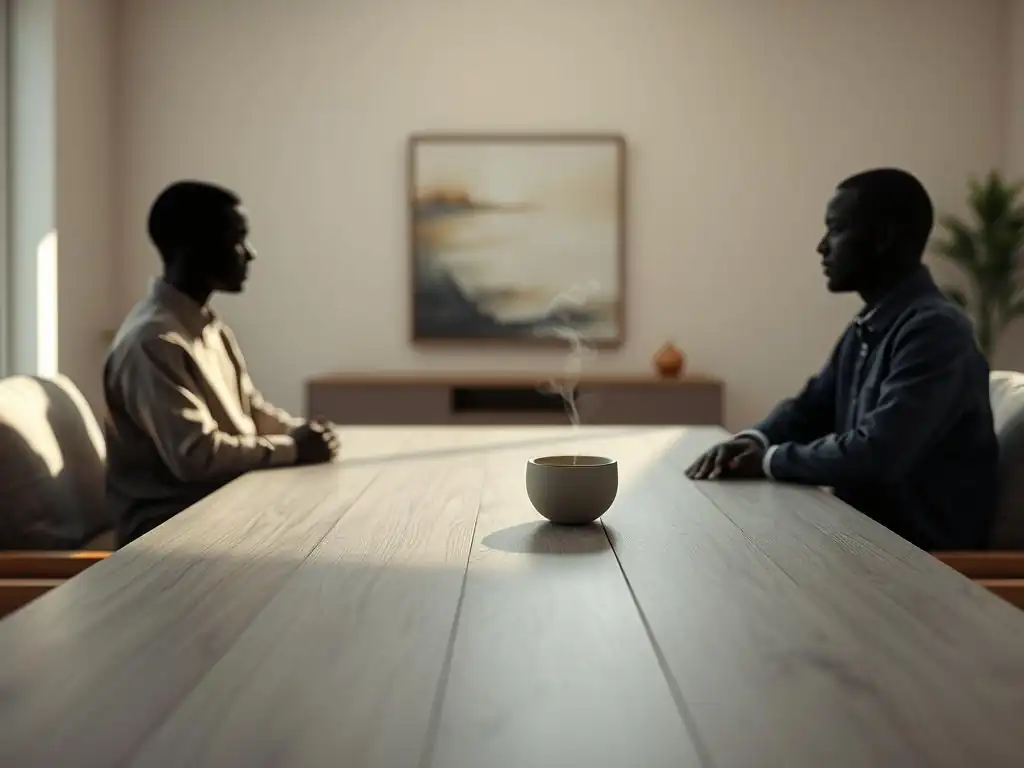
While general conflict resolution strategies are broadly applicable, certain common areas of marital tension benefit from specific approaches. Understanding how to tackle these recurring issues with tailored strategies is part of comprehensive healthy marriage conflict resolution.
Focusing on these specific areas allows couples to develop targeted solutions that address the root causes of their most frequent disagreements, leading to more lasting peace and understanding.
Managing Financial Disagreements
Financial issues are a leading cause of stress and conflict in marriages. Disagreements can stem from differing spending habits, saving philosophies, debt management, or lack of transparency. Effective management requires open and honest communication about money.
Couples benefit from creating a shared budget, setting financial goals together, and having regular "money talks" to track progress and address concerns. Approaching finances as a team, rather than individual battles, is crucial. For example, if one partner is a saver and the other a spender, they might agree on a spending allowance for each person after essential bills and savings goals are met, providing a sense of freedom within a responsible framework. This collaborative financial planning is a key strategy for healthy marriage conflict resolution around money.
Differences in parenting philosophies can become significant points of conflict, especially when they involve discipline, rules, or expectations for children. Disagreements can leave children confused and undermine parental authority. Navigating these differences requires presenting a united front to children while resolving disagreements privately.
Couples should discuss their individual parenting values and goals and work towards a shared approach. This might involve agreeing on core rules and consequences, even if individual styles differ slightly. For example, if one parent is more lenient and the other stricter, they might agree on non-negotiable rules (like homework completion or curfew) and allow more flexibility on less critical matters. Seeking common ground and respecting each other's perspective is vital for healthy conflict resolution in marriage concerning children.
Disagreements over household chores and responsibilities are common, often leading to feelings of unfairness or resentment. These conflicts aren't just about the tasks themselves but also about perceived equity and contribution to the shared home.
Creating a clear division of labor, perhaps by listing all necessary chores and dividing them based on preference, availability, or fairness, can help. Regularly reviewing and adjusting this division as circumstances change is also important. Using tools like chore charts or shared lists can provide transparency. The goal is to ensure both partners feel that the workload is managed collaboratively and fairly, preventing resentment from building and supporting healthy marriage conflict resolution regarding daily life.
Building a Supportive Family Environment: Creating a Safe Space
Resolving marital tension doesn't happen in a vacuum; it contributes to and is influenced by the broader family environment. Creating a supportive and safe space for all family members is both a result of healthy marital dynamics and a reinforcement of them. It's about fostering a culture where emotional well-being is prioritized.
A supportive family environment is one where members feel loved, secure, and free to express themselves. This atmosphere is cultivated through the conscious efforts of the parents to model positive interactions and build strong relationships.
Modeling Healthy Conflict Resolution for Children
Children learn how to handle conflict by observing their parents. When parents engage in healthy marriage conflict resolution—disagreeing respectfully, listening to each other, compromising, and repairing after a disagreement—they provide a powerful positive model. Conversely, witnessing destructive conflict can teach children unhealthy ways of interacting.
Parents can talk to children (in age-appropriate ways) about how they work through disagreements, explaining that it's normal to disagree but important to do so kindly and respectfully. Showing children the process of apology and repair after a conflict is also crucial. Modeling effective strategies for resolving marital conflict helps children develop their own future relationship skills.
Creating a Culture of Open Communication
An open communication culture within the family means encouraging everyone, including children, to share their thoughts, feelings, and concerns. It involves active listening from all members and creating a non-judgmental space where challenging topics can be discussed.
Establishing regular family check-ins, perhaps during dinner or a dedicated family meeting, can provide opportunities for everyone to share. Parents can demonstrate openness by sharing their own feelings (appropriately) and actively listening when children speak. This fosters trust and makes it easier to address issues, whether between spouses or within the broader family unit, supporting overall healthy conflict resolution strategies for the family.
Fostering Empathy and Understanding Among Family Members
Encouraging empathy—the ability to understand and share the feelings of another—is fundamental to building a supportive family. When family members can see things from each other's perspectives, it reduces conflict and increases compassion.
Parents can foster empathy by talking about feelings, reading stories that explore different emotions and perspectives, and encouraging children to consider how their actions affect others. Within the marital relationship, practicing empathy towards your partner, especially during disagreements, is a core component of healthy marriage conflict resolution. Understanding why your partner feels a certain way, even if you disagree, can soften interactions and lead to more compassionate solutions.
Resources for Strengthening Your Marriage and Family
Embarking on the journey of healthy marriage conflict resolution is an ongoing process. Fortunately, numerous resources are available to support couples and families in building stronger relationships and navigating challenges. Utilizing these tools can provide additional guidance, insights, and support.
Exploring different resources allows couples to find approaches and information that resonate with them, reinforcing the strategies learned and providing continuous opportunities for growth.
Books and Websites on Relationship and Conflict Resolution
Many excellent books and websites offer valuable insights and practical techniques for improving communication, understanding relationship dynamics, and resolving conflict. Authors like John Gottman, Sue Johnson (Emotionally Focused Therapy), and Gary Chapman (The Five Love Languages) provide evidence-based or widely accepted frameworks for understanding and nurturing relationships.
These resources can serve as self-help guides, offering exercises and perspectives that couples can explore together or individually. While not a substitute for therapy when needed, they can be powerful tools for learning and applying healthy marriage conflict resolution strategies.
Support Groups for Couples and Families
Support groups offer a space for couples or families to connect with others facing similar challenges. Sharing experiences and learning from peers can reduce feelings of isolation and provide practical advice and emotional support.
Groups may be focused on general relationship enrichment, specific issues like parenting conflicts, or challenges related to blended families. These groups can provide a sense of community and shared understanding as couples work on implementing healthy conflict resolution strategies for their marriage and family.
Local Mental Health and Family Support Resources
Accessing local mental health clinics, community centers, or family service agencies can provide pathways to counseling, workshops, and other supportive services. Many organizations offer sliding scale fees or programs designed to make support accessible to a wider range of individuals and families.
These local resources can be invaluable for finding qualified therapists, parenting classes, or other programs aimed at strengthening family bonds and teaching effective strategies for resolving marital conflict and improving overall family well-being.
Frequently Asked Questions
What are some common causes of conflict in a marriage, and how can understanding them help with resolution?
Common causes include communication breakdowns, differing financial priorities, and mismatched expectations regarding roles. Understanding these root causes allows couples to address the underlying issues rather than just the symptoms.
How can couples improve their communication skills to effectively resolve conflicts?
Improving communication involves active listening, expressing needs respectfully, and avoiding blame or criticism. Techniques like "I feel" statements and taking breaks during heated discussions can be beneficial.
What are some healthy strategies for managing anger and frustration during marital disagreements?
Healthy strategies include practicing self-soothing techniques like deep breathing, taking a time-out to cool down, and refraining from personal attacks. Focusing on the specific issue at hand, not past grievances, is also crucial.
When is it advisable for couples to seek professional help for marital conflict resolution?
Seeking professional help is advisable when conflicts are frequent, intense, and unresolved, leading to significant distress or impacting the children. A therapist can provide objective guidance and teach effective coping mechanisms.
What role does empathy play in resolving marital conflicts, and how can couples cultivate it?
Empathy, or the ability to understand and share your partner's feelings, is vital for conflict resolution. Couples can cultivate empathy by actively listening to their partner's perspective and trying to see things from their point of view, even if they disagree.
Final Reflection: Cultivating Peace in the Heart of the Home
The strategies for resolving marital tension outlined in this article are not merely theoretical exercises; they are vital tools for building resilient and thriving families in today's complex world. The strength of a marriage directly impacts the well-being of every family member, and the ability to navigate conflict constructively is the cornerstone of a healthy family dynamic. Ignoring conflict only allows resentment to fester, ultimately harming the very foundation of the family unit.
The impact of healthy conflict resolution extends far beyond the immediate family; it ripples outwards, influencing societal structures and shaping future generations. As we learn to communicate effectively and resolve disagreements peacefully within our own homes, we model healthy conflict resolution for our children and contribute to a more compassionate and understanding society. The family is the first essential cell of human society.
– Pope John Paul II. This quote highlights the profound influence a healthy family dynamic has on the broader community. My own experience in counseling couples has underscored the transformative power of even small shifts in communication and conflict resolution techniques.
Now, consider your own relationships. What small adjustments can you make today to foster a more peaceful and understanding environment within your family? Take a moment to reflect on your communication style, your listening skills, and your willingness to compromise. Start small – perhaps by actively listening without interruption during your next conversation, or by expressing your needs with empathy and respect. The journey towards a healthier marriage and family dynamic is a continuous process, but even small steps can lead to significant and lasting positive change. Embrace the challenge, and cultivate the peace that begins at home.
Unlock a Happier Home: Strengthen Your Family Bonds Today!
Thanks for taking the time to explore strategies for resolving marital tension and building a healthier family dynamic. We hope you found practical insights that can help strengthen your relationships. Now, let's put these ideas into action!
- Prioritize one small change this week: Identify one specific area of tension from the article and commit to implementing just one suggested strategy. Even a small step can make a big difference!
- Share your thoughts: What resonated most with you? What challenges are you facing, and how can we support each other in finding solutions? Share your reflections in the comments below—your experience might help others.
- Explore additional resources: Discover more articles on MindCareGuide.org, focusing on topics related to communication, conflict resolution, and family well-being.
Ready to invest in a more harmonious family life? What's one small action you'll take today to foster a more loving and supportive home environment?