
Preventing Social Isolation: Building a Resilient Social Network

Welcome to Mind Care Guide, a space dedicated to nurturing your mental well-being.
Are you feeling disconnected? You're not alone. We understand the profound impact social isolation can have on your mental health. This month, we're diving deep into a crucial topic: Building resilient social connections now. Discover practical strategies and insightful advice to cultivate a supportive network and combat loneliness. Ready to strengthen your bonds and reclaim your sense of belonging? Let's explore how!
Preventing Social Isolation: Building a Resilient Social Network
- Understanding Social Isolation and Its Impact on Mental Well-being
- The Importance of Building Resilient Social Connections
- Strategies for Building a Resilient Social Network
- Cultivating Meaningful Relationships for Long-Term Social Health
- Maintaining Your Social Network: A Lifelong Investment
- Building Resilient Social Connections: A Recap and Action Plan
-
Frequently Asked Questions
- How does social isolation impact mental well-being?
- What are some practical steps to take when "Building Resilient Social Connections Now"?
- What role does technology play in preventing social isolation?
- How can I identify if someone I know is experiencing social isolation?
- What resources are available to help build and maintain social connections?
- Final Reflection: Weaving the Threads of Connection
- Unleash Your Social Potential: Build Stronger Connections Today!
Social isolation is more than just being alone; it's the objective lack of social contact and interaction. It refers to a state where an individual has minimal communication or engagement with others, lacking a network of friends, family, or community ties. Unlike loneliness, which is the subjective feeling of being alone or separated from others, social isolation is a measurable condition characterized by a low number of social connections and infrequent social activity. It's a state that can profoundly affect an individual's well-being, regardless of whether they feel lonely or not.
This lack of interaction can manifest in various ways, from having no close confidants to limited participation in social activities or community life. For instance, an elderly person living alone with infrequent visits or phone calls from family might be socially isolated, even if they don't express feelings of loneliness. Similarly, a young professional working remotely with no local colleagues or social hobbies might also experience significant social isolation. Recognizing this objective state is the first step toward understanding its potential impact and focusing on building resilient social connections now.
The connection between social isolation and mental health is well-documented and significant. Research consistently shows that individuals experiencing social isolation are at a higher risk of developing various mental health issues. This includes a heightened likelihood of experiencing depression, anxiety disorders, and even cognitive decline. The absence of supportive social interactions can deprive the brain of essential positive stimuli and validation, contributing to feelings of worthlessness and despair.
Studies have indicated that prolonged social isolation can be as detrimental to health as smoking a significant number of cigarettes a day, highlighting its severity. For example, one large-scale study suggested that social isolation could increase the risk of premature death from all causes, similar to the risk associated with obesity or physical inactivity. The stress response triggered by a lack of social support can also contribute to chronic inflammation and hormonal imbalances, further impacting both mental and physical health. Actively working on building resilient social connections now is a crucial preventative measure against these health risks.
Identifying social isolation can be challenging, as it doesn't always present with obvious symptoms like expressed loneliness. Signs might be subtle and behavioral. For yourself, you might notice a significant reduction in the frequency of your social interactions, turning down invitations more often, or feeling like you have no one to call when you need support. You might spend increasingly more time alone without engaging in activities that bring you into contact with others, even casually. A general lack of engagement in hobbies or activities you once enjoyed, especially if they involved others, can also be a red flag.
Observing these signs in others requires empathy and attention. You might notice a friend or family member who has stopped participating in regular gatherings, seems less communicative, or mentions spending most of their time alone. They might appear withdrawn, lack energy, or express a general disinterest in activities they previously enjoyed. While everyone needs downtime, a sustained pattern of decreased social engagement and limited interaction over weeks or months can indicate growing social isolation. Recognizing these signs is vital for offering support and encouraging efforts towards building resilient social connections now.
Strong social bonds are fundamental to human well-being and a cornerstone of a healthy life. Humans are inherently social creatures, and our need for connection is deeply ingrained. Supportive relationships provide a buffer against stress, offering emotional support, practical assistance, and a sense of belonging. Having people you can rely on, share experiences with, and feel understood by significantly enhances your ability to navigate life's challenges and promotes emotional resilience.
Beyond emotional benefits, robust social networks have tangible impacts on physical health. Individuals with strong social ties tend to live longer, have stronger immune systems, and recover more quickly from illness. They are also less likely to suffer from chronic diseases. For instance, research suggests that adults with active social lives have slower rates of memory decline as they age. Cultivating and maintaining these connections is not just about feeling good; it's a vital investment in your overall health and longevity, underscoring the importance of building resilient social connections now.
The Benefits of Diverse and Supportive Relationships
A resilient social network isn't just about having many connections; it's also about the diversity and quality of those relationships. A diverse network includes different types of relationships—family, close friends, acquaintances, colleagues, community members—each offering unique forms of support and perspective. Close friends might provide deep emotional intimacy, while acquaintances from a club could offer shared interests and a sense of community belonging. Having a variety of connections ensures that different needs are met and provides a broader support system to draw upon during different life circumstances.
Supportive relationships are characterized by mutual respect, trust, empathy, and reciprocity. These are the bonds that provide genuine comfort and validation. They are relationships where you feel safe to be yourself, where you are heard and understood, and where support flows both ways. While a large network can be beneficial, a smaller network of deeply supportive relationships is often more impactful than a vast number of superficial ties. Focusing on nurturing these diverse and supportive bonds is key to building resilient social connections now.
Geographic distance is a significant barrier to social connection in today's mobile world. Friends and family may live far away, and relocating for work or other reasons can instantly disrupt existing social networks. This can lead to feelings of isolation, especially when settling into a new community where you don't know anyone. The challenge is finding ways to bridge this physical gap and build new connections in your immediate environment while maintaining important long-distance relationships.
Overcoming geographic limitations requires intentional effort. For maintaining long-distance ties, leveraging technology through regular video calls, messaging, and shared online activities can help keep those bonds strong. For building connections in a new location, it's crucial to actively seek out opportunities for interaction within your local area. This might involve joining local groups, attending community events, or simply initiating conversations with neighbors. While the initial effort can feel daunting, proactively engaging with your new environment is essential for building resilient social connections now in your new home.

Before embarking on expanding your social network, take stock of the connections you already have. Even if you feel isolated, you likely have some existing social resources, however dormant they might seem. This could include family members you are in touch with, old friends you've lost touch with but could reconnect with, former colleagues, neighbors, or people you interact with casually at places you frequent, like a coffee shop or gym.
Make a list of these individuals. Consider the quality of these relationships. Are there people you feel comfortable reaching out to? Who makes you feel good after interacting with them? Identifying these existing ties is a practical first step. Even a few positive connections can serve as a foundation upon which you can build. Reaching out to these individuals, even with a simple message or call, can be a low-pressure way to begin reactivating and building resilient social connections now.
Expanding your social circle requires actively putting yourself in situations where you can meet new people who share your interests or values. This doesn't mean you need to become an extrovert overnight, but rather strategically engaging in activities that facilitate connection. Think about your hobbies or things you'd like to learn. These often provide natural entry points for meeting like-minded individuals.
The key is consistency and openness. Meeting someone once might not lead to a friendship, but repeatedly seeing people in the context of a shared activity increases the chances of building rapport. Be open to striking up conversations and showing genuine interest in others. It's about creating opportunities for connection rather than waiting for them to happen passively. Actively pursuing these opportunities is a vital part of building resilient social connections now.
Joining Groups and Clubs Based on Shared Interests
One of the most effective ways to meet people is by joining groups, clubs, or classes centered around your interests. Whether it's a book club, hiking group, photography class, or a local sports league, shared hobbies provide an immediate common ground for conversation and interaction. These settings offer regular opportunities to see the same people, which helps in moving from acquaintance to potential friendship.
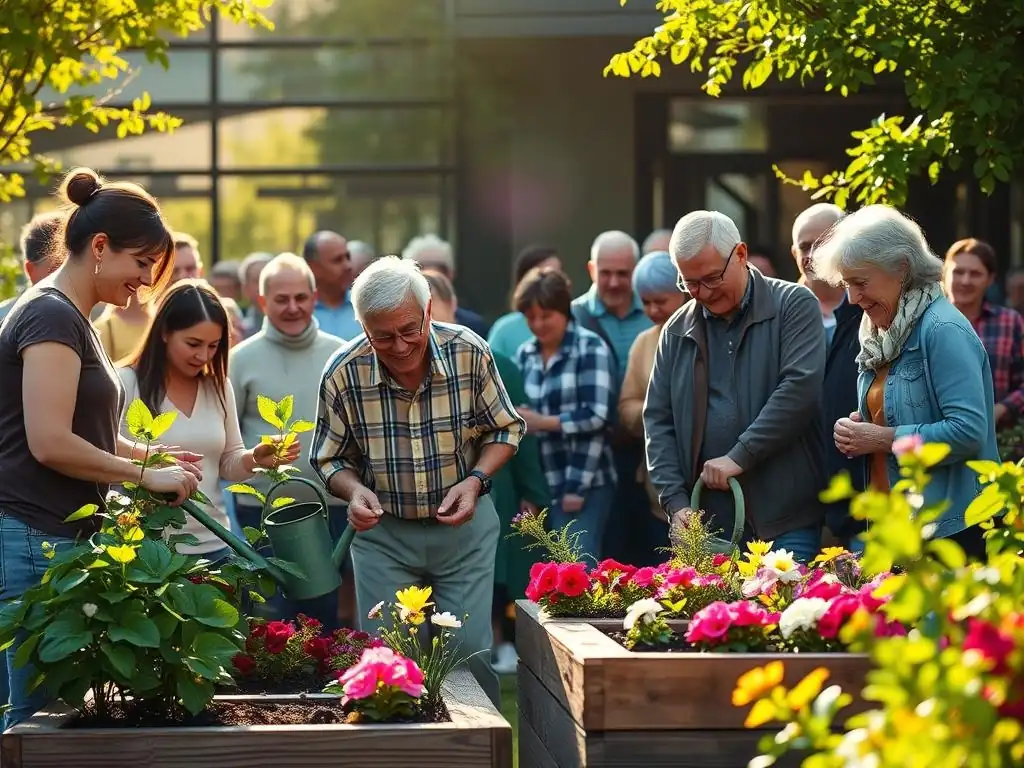
For example, joining a local gardening club means you'll regularly interact with people who are also passionate about plants. Conversations flow easily around shared challenges and successes. Over time, these casual interactions can deepen, leading to invitations for coffee or participation in other activities outside the main group. This structured approach makes the process of building resilient social connections now feel less intimidating and more organic.
Volunteering and Community Engagement
Volunteering is another powerful avenue for meeting people while also contributing positively to your community. When you volunteer for a cause you care about, you connect with others who share similar values and a desire to make a difference. The shared purpose creates a strong bond and provides ample opportunities for interaction as you work together towards a common goal.
Whether it's helping at a local animal shelter, assisting at a food bank, or participating in community clean-up events, volunteering puts you side-by-side with potential friends in a collaborative environment. Studies have shown that volunteering not only benefits the community but also improves the volunteer's mental well-being, partly due to the social connections forged. Engaging in community activities is an excellent way to contribute and simultaneously focus on building resilient social connections now.
Leveraging Online Platforms for Connection (Safely and Mindfully)
In the digital age, online platforms can be valuable tools for connection, especially for those with geographic or mobility constraints. Social media groups, online forums, and apps designed for meeting people based on interests can help you find individuals with similar passions. Many local groups also organize their activities online, providing a bridge to offline meetups.
However, it's crucial to use online platforms safely and mindfully. Be cautious about sharing personal information, and when meeting someone in person for the first time, do so in a public place. The goal is to use these tools to facilitate real-world connections or maintain existing ones, rather than letting online interactions replace face-to-face contact entirely. Used judiciously, online tools can significantly aid in building resilient social connections now.
Strengthening Existing Relationships: Nurturing Your Current Bonds
While expanding your network is important, nurturing the relationships you already have is equally, if not more, vital for building resilience. Close, long-standing relationships provide a depth of support that newer connections may lack. Like plants, relationships require regular care and attention to thrive. This involves making time for the people who matter and actively investing in those connections.
This doesn't always require grand gestures. Simple acts of reaching out, checking in, and being present can significantly strengthen bonds. Think about the people who have been there for you and consider how you can be there for them. Prioritizing these existing relationships is a fundamental component of building resilient social connections now.
Prioritizing Quality Time and Meaningful Interactions
In a busy world, it's easy for even close relationships to become superficial exchanges of pleasantries or brief digital interactions. Strengthening bonds requires prioritizing quality time and engaging in meaningful interactions. This means setting aside dedicated time to spend with loved ones without distractions, like putting away your phone during conversations or meals.
Meaningful interactions involve deeper conversations about thoughts, feelings, and experiences, not just surface-level topics. It's about truly connecting on an emotional level. This might involve sharing vulnerabilities, discussing challenges, or simply reminiscing and reinforcing shared history. Making a conscious effort to create and protect this quality time is essential for building resilient social connections now.
Practicing Active Listening and Empathy
Effective communication is the bedrock of strong relationships, and active listening is a critical component. Active listening involves fully concentrating on, understanding, responding to, and remembering what is being said. It's about hearing to understand, not just to reply. This shows respect and validates the other person's feelings and experiences.
Coupled with active listening, empathy—the ability to understand and share the feelings of another—deepens connection. When someone shares a challenge or a joy, responding with empathy helps them feel seen and supported. It's about putting yourself in their shoes and responding with compassion. Practicing active listening and empathy in your interactions significantly strengthens your bonds and is crucial for building resilient social connections now.
Addressing Conflicts and Maintaining Healthy Boundaries
No relationship is without conflict, and navigating disagreements constructively is a sign of a healthy, resilient bond. Avoiding conflict or letting resentment fester can erode trust over time. Learning to communicate respectfully during disagreements, focusing on the issue rather than attacking the person, and being willing to compromise are vital skills.
Equally important are healthy boundaries. Boundaries define what is acceptable behavior within a relationship and protect your own well-being. Clearly communicating your needs and limits, and respecting the boundaries of others, prevents burnout and resentment. Relationships where boundaries are respected are more sustainable and supportive, contributing significantly to building resilient social connections now.
Moving Beyond Superficial Connections: Building Deeper Bonds
Building resilient social connections now isn't just about increasing the number of people you know; it's fundamentally about increasing the depth and meaning of those connections. Superficial ties, while potentially offering casual company, often lack the emotional support and sense of belonging that deep friendships and relationships provide. Moving beyond the surface requires investing time, effort, and emotional energy into getting to know others on a more profound level.
This shift involves being willing to share more of yourself, including your thoughts, feelings, fears, and aspirations. It means engaging in conversations that go beyond small talk and demonstrating genuine interest in the other person's inner world. Building deeper bonds takes time and consistent effort, but the payoff in terms of emotional support and a sense of true connection is immense. It transforms your social network from a list of acquaintances into a true support system.
Developing Emotional Intimacy and Vulnerability
Emotional intimacy is the feeling of closeness and connectedness that comes from sharing your inner world with another person. It's built on trust and requires vulnerability – the willingness to be open and authentic, even when it feels uncomfortable or risky. Sharing your true thoughts and feelings, admitting mistakes, or expressing needs allows others to see and connect with the real you.
Vulnerability is often perceived as a weakness, but in reality, it is a source of strength in relationships. When you are vulnerable, you give others permission to be vulnerable in return, creating a space for deeper connection and mutual understanding. Developing emotional intimacy is a gradual process that strengthens bonds significantly and is a key element in building resilient social connections now that can withstand life's challenges.
The Role of Reciprocity and Mutual Support in Strong Relationships
Healthy, meaningful relationships are characterized by reciprocity – a balance of giving and receiving support, care, and attention. While it's natural for the balance to shift at different times depending on life circumstances, over the long term, strong relationships involve mutual investment. Both parties contribute to the relationship's health and offer support when needed.
Mutual support means being there for each other during tough times, celebrating successes together, and offering practical help when possible. It creates a sense of shared responsibility and strengthens the bond through shared experiences and reliance. Relationships where support is primarily one-sided are often unsustainable and can lead to resentment. Ensuring reciprocity is fundamental to building resilient social connections now that are equitable and fulfilling for everyone involved.

Staying Connected in a Digital World: Balancing Online and Offline Interactions
Maintaining a resilient social network in the digital age requires a conscious effort to balance online interactions with face-to-face connections. While social media and messaging apps make it easier to stay in touch across distances and busy schedules, they cannot fully replace the benefits of in-person interaction. Non-verbal cues, physical presence, and shared real-world experiences contribute uniquely to relationship depth.
Make it a priority to schedule regular offline meetups with friends and family, whether it's a coffee date, a walk in the park, or attending an event together. Use online tools to facilitate these meetups and keep up with each other between gatherings, but don't let them become the sole form of communication. Finding the right balance ensures you leverage the convenience of technology while still benefiting from the richness of in-person connection, essential for building resilient social connections now and in the future.
Life is full of transitions – moving to a new city, changing jobs, starting a family, children leaving home, retirement, or navigating health challenges. Each transition can impact your social network, potentially disrupting existing connections or creating new opportunities for connection. Actively maintaining your social ties during these periods is crucial for preventing isolation and ensuring continued support.
This might involve making an extra effort to stay in touch with old friends after a move, seeking out parent groups when you have a child, or joining new clubs upon retirement. It requires recognizing that your social needs and opportunities may change and being proactive in adapting your approach to connection. Being adaptable and intentional about reaching out helps in building resilient social connections now that can navigate the ebb and flow of life.
Sometimes, overcoming social isolation feels overwhelming, or its impact on your mental health is significant. If you find yourself struggling to build or maintain connections, experiencing persistent feelings of loneliness or withdrawal, or if social isolation is contributing to depression or anxiety, it may be time to seek professional help. Mental health professionals, such as therapists or counselors, can provide strategies for managing social anxiety, improving social skills, and addressing underlying issues contributing to isolation.
Support groups focused on specific challenges (like grief, chronic illness, or anxiety) can also offer a valuable source of connection with people who understand your experiences. Don't hesitate to reach out to a doctor or mental health service if you feel stuck. Seeking support is a sign of strength and a proactive step towards improving your well-being and building resilient social connections now and in the future.
Building resilient social connections now is not a passive activity; it requires proactive engagement and consistent effort. We've discussed that social isolation is an objective state distinct from subjective loneliness, and both have significant negative impacts on mental and physical health. Strong, diverse, and supportive social bonds are crucial buffers against stress and contribute to a longer, healthier life. Overcoming barriers like geographic distance and navigating life transitions requires intentionality.
The key strategies involve identifying and nurturing existing ties, actively seeking out opportunities to meet new people through shared interests and community involvement, and using technology mindfully. Crucially, it's about cultivating deeper, more meaningful connections built on trust, vulnerability, empathy, and reciprocity. Recognizing the signs of isolation in yourself and others, and knowing when to seek professional help, are also vital components of maintaining social well-being.
To make progress in building resilient social connections now, it helps to create a personal action plan. Start by assessing your current social network and identifying areas where you'd like to strengthen or expand. Set realistic, achievable goals.
Consider using a task list to outline specific steps:
- [ ] Identify 3 existing contacts to reach out to this week.
- [ ] Research local groups or clubs related to a hobby you enjoy.
- [ ] Look for one volunteer opportunity in your community.
- [ ] Schedule quality time with a close friend or family member this month.
- [ ] Practice active listening in your next conversation.
- [ ] Explore online platforms for connecting with people who share an interest.
- [ ] Set a boundary you need to communicate in a relationship.
- [ ] If struggling, research local mental health resources or support groups.
Break down larger goals into smaller steps to make them less daunting. Celebrate small successes along the way.
Many resources exist to help combat social isolation and support you in building resilient social connections now. Local community centers are often hubs for social activity, offering classes, workshops, group meetings, and social events for people of all ages. They can be excellent places to meet neighbors and find opportunities to get involved in your local area.
Public libraries often host book clubs, lectures, and other community events. Senior centers provide programs and social opportunities specifically for older adults, a demographic particularly vulnerable to isolation. Volunteering organizations, hobby groups, and local chapters of national associations (like those for specific health conditions or interests) also provide structured ways to connect with others. Don't underestimate the power of reaching out to these local resources; they are designed to foster connection and community.
Frequently Asked Questions
Social isolation can negatively impact mental well-being by increasing the risk of depression, anxiety, and cognitive decline. Strong social connections are vital for emotional support and a sense of belonging.
Focus on intentional outreach, joining groups with shared interests, and actively participating in community activities. Prioritize quality over quantity in your relationships.
Technology can be a double-edged sword. While it can facilitate connections, it can also lead to superficial interactions and feelings of isolation if not balanced with face-to-face interactions.
Look for signs like withdrawal from social activities, decreased communication, changes in mood, and expressions of loneliness or feelings of being disconnected.
Many community centers, support groups, and online platforms offer opportunities for social engagement and connection. Mind Care Guide also provides resources on mental well-being and social support.
Final Reflection: Weaving the Threads of Connection
The urgent need to combat social isolation is no longer a whisper, but a resounding call echoing through our increasingly interconnected yet fragmented world. The pandemic starkly revealed the fragility of our social structures and the devastating impact of loneliness on individual well-being and public health. Building resilient social connections isn't just a nice-to-have; it's a vital necessity for a thriving society.
The pervasive nature of social media, while offering connection, has paradoxically contributed to feelings of isolation for many. We curate perfect online personas, often neglecting the messy, authentic connections that nourish the soul. The opposite of loneliness isn't togetherness, it's connection.
This quote highlights the crucial difference between mere proximity and the genuine, meaningful relationships that truly combat isolation. Understanding this nuance is key to building the resilient social networks we so desperately need. The article's exploration of proactive strategies, from cultivating genuine friendships to actively engaging in community activities, offers a roadmap for navigating this complex landscape.
Now, consider your own social network. Are you actively nurturing the connections that matter most? Are you reaching out to those who might be feeling isolated? Take a moment to reflect on the quality, not just the quantity, of your relationships. This article provided tools and insights; the next step is yours. Make a conscious effort to build bridges, strengthen existing bonds, and reach out to those who need a hand. The ripple effect of your actions will create a more connected, compassionate, and resilient community for all.
Thank you for taking the time to explore the importance of strong social connections and combating social isolation. We hope you gained valuable insights into building a more resilient social network. Now, let's put that knowledge into action!
Here are a few steps you can take to cultivate richer relationships:
- Prioritize one meaningful connection this week: Reach out to someone you've been meaning to connect with – a friend, family member, or colleague. Schedule a call, send a thoughtful message, or plan a small get-together. This is your primary focus!
- Share this article with someone who might benefit: Help spread awareness about the importance of social connection and combating isolation. Forward the article, post it on social media, or simply have a conversation with a friend about it.
- Explore a new social activity: Step outside your comfort zone and try a new hobby, join a local club, or volunteer for a cause you care about. This is a great way to meet like-minded people and expand your social circle.
What small step will you take today to strengthen your social connections and build a more fulfilling life?