
Improve Your Posture: Mindful Body Awareness Gained from Meditation

Welcome to Mind Care Guide.
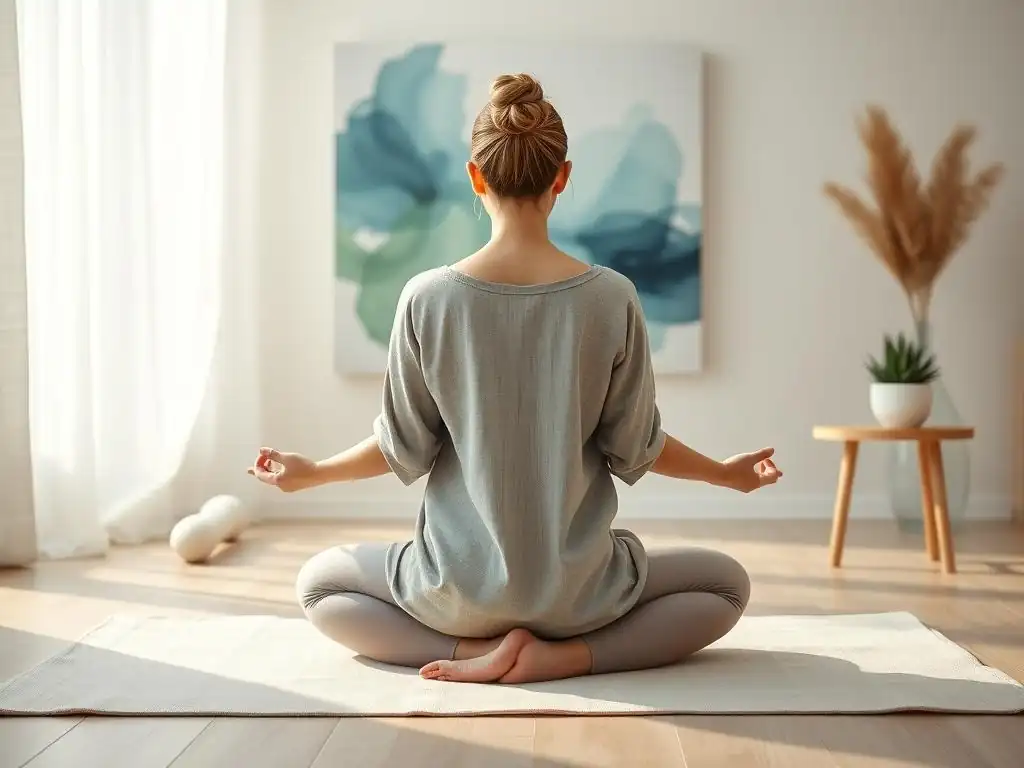
Feeling disconnected from your body? Perhaps the key to unlocking inner peace and improved mental well-being lies closer than you think. Discover the profound connection between your physical posture and your mental state. This week, we delve into the surprising mindful posture meditation benefits. Are you ready to reshape your mind, one breath and one mindful movement at a time? Let's begin your journey to enhanced body awareness and a more grounded sense of self.
Improve Your Posture: Mindful Body Awareness Gained from Meditation
- Introduction: Unlocking Mindful Posture Through Meditation
- Understanding the Connection: Mind-Body Awareness and Posture
- Mindful Posture Meditation Benefits: A Comprehensive Overview
- Practical Guide: Mindful Meditation Techniques for Better Posture
- Advanced Techniques: Deepening Your Mindful Posture Practice
- Common Challenges and Solutions in Mindful Posture Meditation
- Scientific Evidence: Research on Meditation and Posture
- Conclusion: Embracing Mindful Posture for Enhanced Well-being
-
Frequently Asked Questions
- What is mindful posture meditation and how does it differ from regular meditation?
- What are the key benefits of practicing mindful posture meditation, according to Mind Care Guide?
- How can mindful posture meditation help with mental health challenges addressed by Mind Care Guide?
- What specific resources does Mind Care Guide offer to learn more about mindful posture meditation benefits?
- How often should I practice mindful posture meditation to experience its benefits, as recommended by Mind Care Guide?
- Final Reflection: Cultivating the Mindful Body Through Posture
- Unleash Your Inner Posture Power!
Introduction: Unlocking Mindful Posture Through Meditation
Poor posture is a common issue in the modern world, often leading to physical discomforts like back pain, neck strain, and headaches. What many people don't realize is the profound connection between our mental state and how we hold our bodies. Stress, anxiety, and even our emotional history can manifest physically, causing us to slump, hunch, or hold tension in specific muscle groups. Addressing posture effectively often requires more than just physical exercises; it demands a deeper awareness of the body and its relationship with the mind.
This article explores how the practice of meditation, particularly mindfulness meditation, can be a powerful tool for improving posture. By cultivating a heightened sense of body awareness, meditation helps us to identify habitual postural patterns, release chronic tension, and consciously align our bodies. We will delve into the specific mindful posture meditation benefits, examining both the physical and mental advantages, and provide practical techniques to integrate this practice into your daily life for lasting postural improvement and overall well-being.
Understanding the Connection: Mind-Body Awareness and Posture
The Role of Mind-Body Connection in Posture Control
The human body is a complex system where the mind and physical form are intricately linked. Our nervous system constantly receives feedback from muscles, joints, and tissues, informing the brain about our body's position in space – a sense known as proprioception. This information is processed and used to maintain balance and posture. When we cultivate mindful awareness, we enhance this feedback loop, becoming more attuned to these subtle signals.
This increased sensitivity allows us to consciously observe our posture without judgment. Instead of automatically defaulting to a slumped position while sitting or standing, mindful awareness enables us to catch these habits in real-time. For instance, someone practicing mindfulness might notice tension building in their shoulders or the way their lower back rounds after sitting for a short period, allowing them to make immediate adjustments. This active engagement with the body's signals, fostered through practices like body scan meditation, strengthens the neural pathways responsible for postural control.
How Stress and Anxiety Impact Your Posture
Chronic stress and anxiety have a significant, often detrimental, impact on our physical posture. When the body perceives stress, it activates the 'fight or flight' response, leading to muscle tension, particularly in the shoulders, neck, and upper back. This persistent tension can pull the body out of alignment, contributing to a rounded upper back (kyphosis) or a forward head posture. A study published in the Journal of Physical Therapy Science in 2016, for example, found a correlation between increased stress levels and poor sitting posture among university students.
Furthermore, anxiety can lead to shallow breathing, which restricts the movement of the diaphragm and chest cavity. This can cause individuals to unconsciously hunch forward to facilitate breathing, reinforcing poor postural habits. Over time, these stress-induced postural deviations can become habitual, leading to chronic pain and structural changes in the musculoskeletal system. Recognizing this link is the first step; mindful practices help interrupt this cycle by calming the nervous system and releasing stored tension.
Posture as a Reflection of Mental State
Our posture often serves as a non-verbal expression of our internal mental and emotional state. Someone feeling depressed or defeated might naturally adopt a slumped posture with downcast eyes, while someone feeling confident and open might stand tall with their chest lifted. This isn't just a physical habit; it's a bidirectional relationship where mental states influence posture, and posture, in turn, can influence mental states.
Consider the common advice to stand up straight to feel more confident. Research, including studies on 'power posing,' suggests that adopting expansive, upright postures can actually influence hormone levels and psychological states, increasing feelings of confidence and reducing stress hormones like cortisol. By becoming mindfully aware of our posture, we gain insight into our current emotional state and can consciously choose to adopt postures that support a more positive and open mindset, reinforcing the mindful posture meditation benefits.
Mindful Posture Meditation Benefits: A Comprehensive Overview
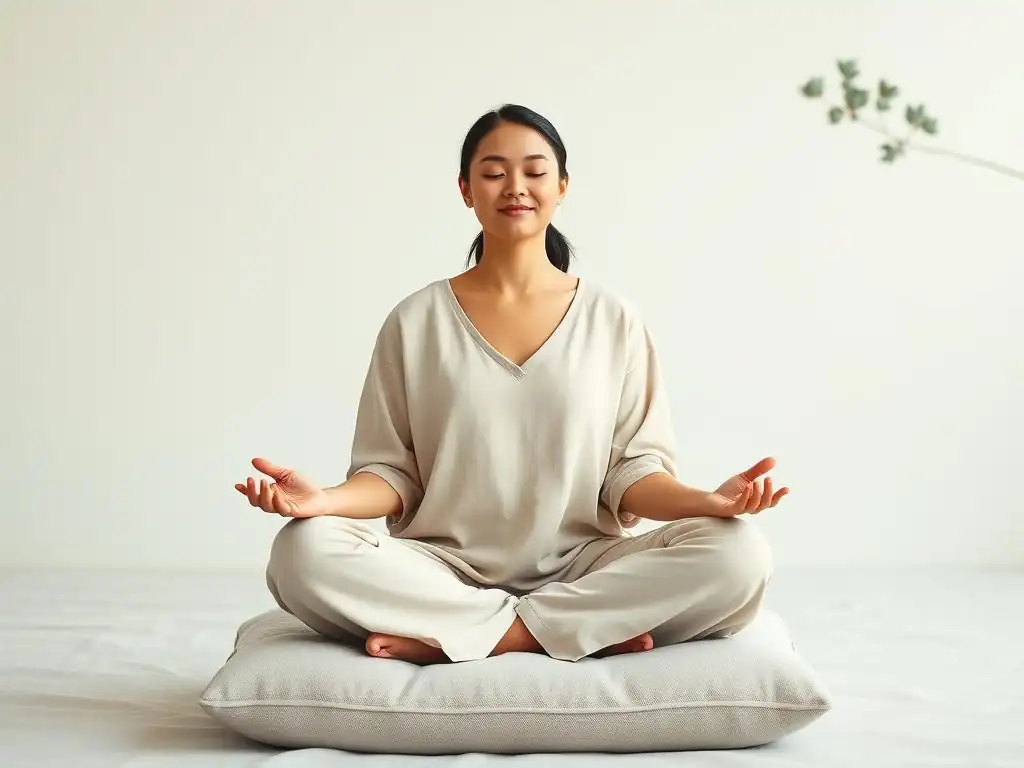
Physical Benefits of Meditation for Posture Improvement
Reduced Muscle Tension and Stiffness through Meditation
One of the most immediate physical benefits of meditation is its ability to reduce chronic muscle tension. Stress, prolonged sitting, and repetitive movements can cause muscles to become tight and stiff, pulling the skeleton out of optimal alignment. Meditation, particularly techniques involving focused breathing and body scans, promotes relaxation of the nervous system, which in turn signals the muscles to release their grip.
Studies have shown that regular meditation practice can lead to measurable decreases in muscular tension, particularly in areas prone to stress accumulation like the neck, shoulders, and lower back. For example, participants in mindfulness programs often report a significant reduction in perceived stiffness and pain within weeks. This relaxation effect allows muscles to return to a more natural resting length, making it easier to maintain correct posture without conscious effort.
Enhanced Body Alignment and Balance using Mindfulness
Mindfulness cultivation directly enhances proprioception, the body's internal sense of its position and movement. As you become more attuned to the subtle sensations within your body during meditation, you develop a clearer internal map of how your body is aligned in space. This improved awareness makes it easier to identify when you are slouching or favoring one side, even during daily activities.
With increased body awareness, you can make small, continuous adjustments to maintain better alignment. This enhanced sense of where your body is relative to gravity also contributes to improved balance. For individuals prone to falls or those seeking to improve their stability, integrating mindful practices can be particularly beneficial, supporting the overall mindful posture meditation benefits by creating a stable physical foundation.
Increased Flexibility and Range of Motion via Meditation
While meditation isn't a stretching exercise in itself, its effect on reducing muscle tension can indirectly lead to increased flexibility and range of motion. Tight muscles restrict joint movement. By releasing this chronic tension through relaxation techniques inherent in meditation, the muscles surrounding joints become less constricted, allowing for fuller and freer movement.
Furthermore, some meditative practices, like mindful movement or gentle yoga integrated with mindfulness, actively encourage exploring the body's range of motion with attention. Over time, the combination of reduced tension and increased awareness of movement potential can lead to improved flexibility, making it easier and more comfortable to hold and move your body with correct posture.
Mental Benefits of Meditation for Posture Correction
Improved Body Awareness and Proprioception through Meditative Practices
Meditation, especially body scan meditation, is a direct training in paying attention to bodily sensations. You systematically bring your awareness to different parts of your body, noticing feelings like warmth, tingling, pressure, or absence of sensation. This practice sharpens your ability to feel where your body parts are in relation to each other and to the environment, significantly enhancing proprioception.
This heightened body awareness is crucial for posture correction because it allows you to perceive subtle shifts out of alignment as they happen, rather than only noticing discomfort once poor posture has been held for a long time. Participants in regular body scan meditation often report feeling more 'in tune' with their physical body, noticing things like uneven weight distribution while standing or the tendency to cross their legs in a way that twists the spine. This sensitivity is a core component of the mindful posture meditation benefits.
Enhanced Focus and Concentration for Posture Maintenance
Maintaining good posture throughout the day requires a certain level of conscious attention, especially when counteracting ingrained habits. Meditation is well-known for its ability to improve focus and concentration. By training the mind to stay present and gently return when it wanders, meditation builds the mental 'muscle' needed to sustain awareness.
This improved focus translates directly to the ability to maintain mindful posture. You become better at remembering to check in with your body periodically throughout the day and apply the necessary adjustments. Instead of mindlessly slouching, you develop the capacity to consciously choose an upright, aligned posture, even when engrossed in tasks.
Cultivating Self-Compassion and Acceptance of Body Image
Improving posture isn't just about physical alignment; it also involves our relationship with our body and how we perceive ourselves. Negative body image or self-criticism can sometimes contribute to poor posture, as we might try to make ourselves smaller or hide. Mindfulness cultivates self-compassion, encouraging us to observe our bodies and their current state without harsh judgment.
This empathetic approach allows you to approach posture improvement with kindness rather than frustration. Instead of criticizing yourself for slouching, you can simply notice it with awareness and gently guide your body into a better position. This acceptance and self-compassion are integral mindful posture meditation benefits, fostering a positive relationship with your body that supports lasting change.
Practical Guide: Mindful Meditation Techniques for Better Posture
Preparing for Your Mindful Posture Meditation Session
Creating a Comfortable and Supportive Environment
Finding a suitable space is key to a successful meditation session focused on posture. Choose a quiet place where you won't be interrupted. Ensure the temperature is comfortable. While traditional meditation often involves sitting on a cushion on the floor, for posture focus, sitting on a chair with your feet flat on the ground and your back unsupported (or minimally supported) is often recommended to allow your body to find its natural alignment.
Make sure your clothing is loose and comfortable, not restricting your movement or breathing. Dimming the lights slightly can help create a calming atmosphere, but it's not strictly necessary. The goal is to remove external distractions and physical discomforts so you can fully focus your attention inward on your body and breath, maximizing the mindful posture meditation benefits you can gain.
Setting Your Intention for Posture Improvement
Before you begin your meditation, take a moment to set a clear intention. This isn't about striving or forcing your body into a perfect position, but rather about gently directing your awareness towards your posture during the session. Your intention could be as simple as: "I intend to bring mindful awareness to my posture during this meditation," or "I intend to notice where I'm holding tension related to my posture."
Setting an intention helps focus your mind and gives purpose to the practice. It reminds you why you are meditating in this specific way and helps anchor your attention when it wanders. It's a soft intention, held with curiosity and kindness, not a rigid demand on your body.
Step-by-Step Meditation for Posture Awareness
Body Scan Meditation for Posture Assessment
A body scan is an excellent starting point for cultivating posture awareness. Begin by sitting or lying down comfortably. Close your eyes or soften your gaze. Take a few deep breaths to settle your mind and body. Then, gently bring your attention to your feet. Notice any sensations there – warmth, pressure, tingling. Without judgment, simply observe.
Slowly move your attention up through your body: ankles, calves, knees, thighs, hips, lower back, abdomen, upper back, chest, shoulders, arms, hands, neck, and head. As you scan each area, notice how it feels and its relationship to the parts below it. Especially pay attention to your spine and how your head sits on your neck. Notice if you feel pulled in any direction or if there are areas of tension that might be affecting your alignment. This systematic observation builds detailed body awareness, a key aspect of mindful posture meditation benefits.
Seated Meditation with Posture Focus
Once you've done a body scan, transition into a seated meditation with a specific focus on posture. Sit tall on your chair or cushion, allowing your spine to lengthen naturally. Imagine a string gently pulling you up from the crown of your head. Let your shoulders relax down your back. Notice the points of contact between your body and the chair/cushion and the ground – your sit bones, your feet. Feel grounded and stable.
Throughout the meditation, periodically bring your attention back to your posture. Is your spine still long? Are your shoulders relaxed? Is your head balanced over your spine? Each time you notice yourself slumping or tensing up, simply observe it without judgment and gently guide your body back to an aligned, yet relaxed, position. Use your breath as an anchor, feeling the gentle rise and fall of your abdomen or chest supporting your upright posture.
Walking Meditation for Posture Alignment
Mindful posture awareness isn't limited to sitting. Walking meditation is a powerful way to practice maintaining good posture while in motion. Find a quiet space where you can walk slowly back and forth for 10-15 minutes. Begin by standing still, feeling your feet on the ground and your body's alignment. Then, start walking slowly, paying attention to the sensations in your feet as they lift and make contact with the ground.
As you walk, bring your awareness to your entire body. How are you holding your head? Are your shoulders relaxed? Is your back straight? Notice the subtle adjustments your body makes to maintain balance with each step. If you notice yourself hunching or tightening up, gently release the tension and realign your body. This practice helps integrate mindful posture into dynamic movement, extending the mindful posture meditation benefits beyond static positions.
Integrating Mindful Posture into Daily Life
Practicing Mindful Sitting at Your Desk
Given how much time many people spend sitting, practicing mindful sitting at your desk is crucial. Set a reminder on your phone to check your posture every hour. When the reminder goes off, take a few moments to notice how you are sitting. Are you slouched? Is your back rounded? Are your shoulders tense?
Gently adjust your position. Sit back in your chair, feel your sit bones grounded, lengthen your spine, relax your shoulders, and ensure your head is balanced over your neck. Take a few conscious breaths in this improved posture. Even these brief check-ins throughout the day can significantly counteract the negative effects of prolonged poor sitting habits and reinforce the mindful posture meditation benefits gained during formal practice.
Applying Mindful Standing Techniques
Whether waiting in line, standing on public transport, or cooking in the kitchen, opportunities for mindful standing abound. When standing, feel your feet rooted to the earth. Distribute your weight evenly between both feet. Avoid locking your knees; keep a slight softness. Lengthen your spine, imagining that string pulling you up from the crown of your head.
Let your arms hang loosely by your sides, shoulders relaxed. Notice any tendency to lean or shift weight unevenly. Consciously align your head over your spine. This practice not only improves posture but also enhances balance and reduces fatigue associated with standing incorrectly.
Incorporating Mindful Movement Throughout the Day
Beyond static sitting and standing, integrate mindfulness into your everyday movements. When reaching for something, notice how your body moves. When bending down, pay attention to using your legs and keeping your back straight. When walking from one place to another, be aware of your gait and how your body is aligned.
Simple actions like getting out of a chair can be done mindfully, paying attention to engaging core muscles and maintaining a straight back. This continuous, gentle awareness throughout the day helps make good posture a natural habit rather than something you only think about during formal practice, solidifying the long-term mindful posture meditation benefits.
Advanced Techniques: Deepening Your Mindful Posture Practice
Visualization for Posture Improvement
Visualization can be a powerful complement to mindful meditation for posture. Once you have a basic understanding of good posture from your practice, you can use visualization to reinforce it. During meditation or simply while sitting or standing, close your eyes and vividly imagine yourself standing or sitting with perfect, effortless posture. See your spine long and aligned, your shoulders relaxed, your head balanced.
You can also visualize light or energy flowing up your spine, straightening and supporting it. Imagine roots growing from your sit bones or feet, connecting you firmly to the earth while the top of your head reaches towards the sky. This mental rehearsal helps program your brain and body for the desired posture, making it easier to embody it throughout the day.
Using Affirmations for Positive Body Image
Addressing the mental and emotional aspects of posture involves cultivating a positive relationship with your body. Affirmations can help challenge negative self-talk and build self-acceptance. During or after your meditation, repeat positive statements about your body and posture. Examples include: "My body is strong and capable of holding itself upright," "I am aligned and balanced," or "I accept and appreciate my body as it is."
Choose affirmations that resonate with you and repeat them with feeling. Combine them with your mindful awareness – as you repeat "My spine is long and strong," gently bring your awareness to your spine and feel its length. This practice fosters a more positive body image, which supports the physical effort of improving posture and enhances the mindful posture meditation benefits.
Combining Meditation with Posture-Correcting Exercises
For significant postural issues, combining mindful meditation with targeted posture-correcting exercises can be highly effective. Meditation builds the awareness and the ability to relax tension, while exercises strengthen the muscles needed to support good posture. Examples include exercises for core strength, upper back strengthening (like rows or scapular squeezes), and chest stretches to counteract rounding shoulders.
Perform these exercises mindfully, paying attention to the muscles working and maintaining good form. Use the body awareness gained from meditation to ensure you are engaging the correct muscles and not creating new tension. A balanced approach that integrates mindful awareness with physical strengthening provides a comprehensive strategy for lasting postural improvement.
Common Challenges and Solutions in Mindful Posture Meditation
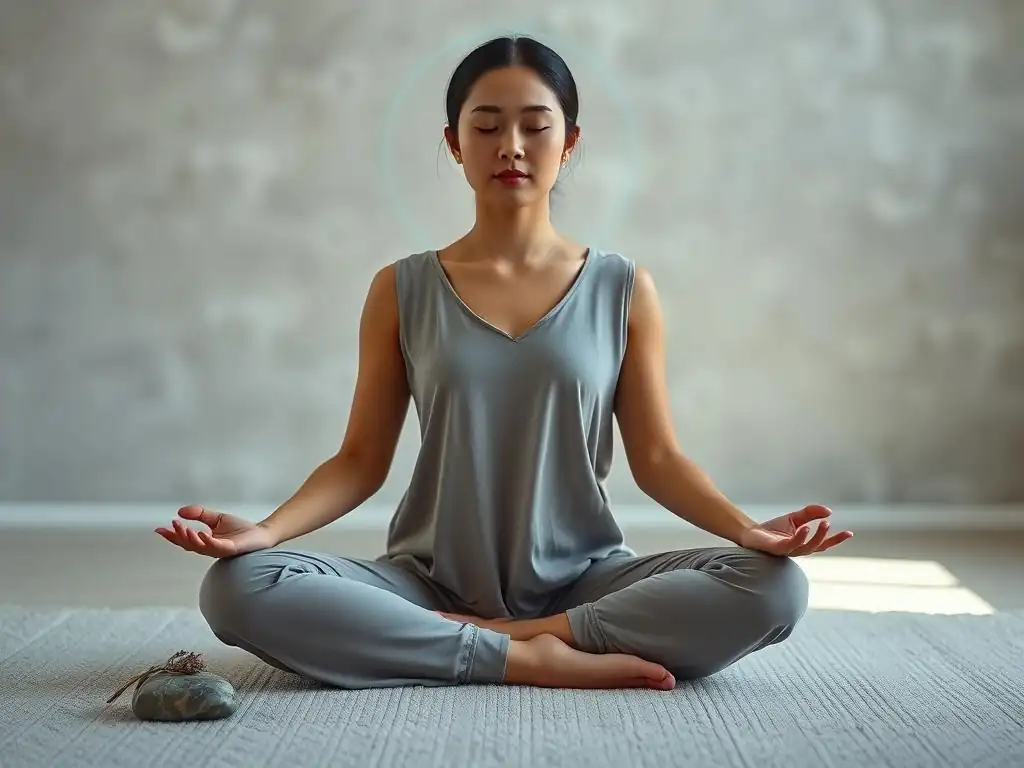
Dealing with Discomfort During Meditation
It's common to experience discomfort when first trying to sit or stand with mindful posture, especially if you have existing postural issues or muscle tension. This is often the body adjusting to a new, more aligned position. When discomfort arises, first acknowledge it with curiosity rather than resistance. Where in your body do you feel it? What does the sensation feel like?
If the discomfort is mild, try breathing into the area, imagining your breath creating space and ease. See if the sensation changes as you bring gentle awareness to it. If the discomfort is significant or increases, it's okay to gently adjust your position. The goal is mindful awareness, not enduring pain. You can also note the discomfort and explore it further with a healthcare professional or physical therapist, using your heightened body awareness to describe precisely what you feel.
Overcoming Distractions and Wandering Thoughts
The mind is naturally prone to wandering, and distractions are a normal part of meditation. You might start thinking about your to-do list, past conversations, or future worries instead of focusing on your posture. When you notice your mind has wandered, simply acknowledge it without judgment. Don't criticize yourself.
Gently guide your attention back to your chosen anchor – the sensations of your body, your breath, or the feeling of your posture. Think of it like training a puppy; each time it wanders, you gently lead it back. The practice isn't about having a completely empty mind, but about noticing when it wanders and returning. Consistency in this gentle redirection is key to strengthening your focus for mindful posture maintenance.
Maintaining Consistency in Your Practice
Like any skill, the mindful posture meditation benefits are cumulative and require consistent practice. It can be challenging to maintain a regular meditation schedule amidst a busy life. Start small – even 5-10 minutes a day can make a difference. Find a time that works best for you, whether it's in the morning, during a lunch break, or in the evening.
Consider using a meditation app or joining a local group for support and structure. Remember that consistency is more important than duration. A short daily practice is more effective than a long session once a month. Also, integrate mindful posture checks throughout your day, even outside of formal meditation, to keep the awareness alive and reinforce the habit.
Scientific Evidence: Research on Meditation and Posture
Studies Linking Meditation to Reduced Back Pain
Numerous studies have investigated the impact of mindfulness meditation on chronic pain, including back pain, which is often linked to poor posture and muscle tension. A meta-analysis published in the Journal of the American Medical Association in 2014 reviewed 47 trials and found moderate evidence that mindfulness meditation programs improved pain symptoms. Specifically, for chronic low back pain, studies have shown that Mindfulness-Based Stress Reduction (MBSR) programs can lead to significant reductions in pain intensity and functional limitations.
For example, a study published in JAMA Internal Medicine in 2016 compared MBSR to usual care for chronic low back pain and found that participants in the MBSR group experienced greater improvement in pain and function at 26 weeks. While these studies don't always directly measure posture, the reduction in pain and muscle tension often associated with meditation directly facilitates the ability to maintain better alignment.
Evidence Supporting Meditation's Role in Improving Body Awareness
Research using neuroimaging techniques has provided evidence for how meditation enhances body awareness. Studies have shown that experienced meditators have altered activity and structure in brain regions associated with interoception (awareness of internal bodily states) and proprioception (awareness of body position), such as the insula and the somatosensory cortex.
A study published in Emotion in 2012 found that just eight weeks of mindfulness training led to increased gray matter density in areas of the brain related to body awareness and self-awareness. This neurological evidence supports the subjective reports of meditators feeling more 'in tune' with their bodies and better able to perceive subtle physical sensations, which is fundamental for correcting and maintaining good posture.
Research on the Psychological Benefits of Mindful Posture
While direct research specifically on the psychological benefits of mindful posture meditation is still an emerging field, extensive research exists on the psychological benefits of both meditation and adopting expansive postures. As mentioned earlier, studies on 'power posing' indicate that physical posture can influence psychological states like confidence and stress levels.
Furthermore, the psychological benefits of meditation itself – such as reduced stress, anxiety, and depression, and increased self-compassion and emotional regulation – indirectly support improved posture. A calmer mind holds less physical tension. Increased self-compassion allows individuals to work on their posture without self-criticism. These combined psychological shifts create a fertile ground for making lasting physical changes, contributing to the overall mindful posture meditation benefits.
Conclusion: Embracing Mindful Posture for Enhanced Well-being
The Long-Term Benefits of Consistent Practice
Embarking on the journey of improving your posture through mindful meditation is an investment in your long-term physical and mental well-being. Consistent practice, even in short daily bursts, builds cumulative benefits. Over time, you can expect to experience reduced chronic pain, improved physical alignment, increased energy levels due to less muscular effort, and enhanced balance.
Beyond the physical, the long-term mindful posture meditation benefits include a deeper connection with your body, increased self-awareness, greater emotional regulation, and a more positive body image. Good posture isn't just about looking upright; it's about creating a physical foundation that supports a vibrant and present state of being. It allows you to move through the world with greater ease, confidence, and awareness.
Resources for Further Exploration of Mindful Posture Meditation
To deepen your understanding and practice of mindful posture meditation, consider exploring various resources. Numerous guided meditations specifically focused on body awareness and posture are available through meditation apps and online platforms. Books on mindfulness and meditation often include sections or chapters dedicated to the body-mind connection and mindful movement.
You might also consider joining a local mindfulness meditation group or taking a course like Mindfulness-Based Stress Reduction (MBSR) or Mindfulness-Based Cognitive Therapy (MBCT), which include body scan and mindful movement practices. Consulting with a physical therapist or a certified meditation teacher who understands the body-mind link can provide personalized guidance and support on your path to improved posture and enhanced well-being through mindfulness.
Frequently Asked Questions
What is mindful posture meditation and how does it differ from regular meditation?
Mindful posture meditation involves paying conscious attention to your body's alignment during meditation. Unlike regular meditation, it actively integrates postural awareness as a key component, enhancing both physical and mental well-being.
What are the key benefits of practicing mindful posture meditation, according to Mind Care Guide?
Mind Care Guide highlights benefits like reduced physical tension, improved focus and concentration, and a greater sense of body awareness. It also contributes to overall mental well-being by fostering a deeper connection with the present moment.
How can mindful posture meditation help with mental health challenges addressed by Mind Care Guide?
By promoting body awareness and relaxation, it can alleviate symptoms of anxiety and stress. It also encourages self-compassion and a positive body image, which are vital for overall mental health and well-being.
What specific resources does Mind Care Guide offer to learn more about mindful posture meditation benefits?
Mind Care Guide provides articles, guided meditations, and exercises focused on improving posture through mindfulness. Look for sections dedicated to body awareness and meditation techniques for optimal results.
How often should I practice mindful posture meditation to experience its benefits, as recommended by Mind Care Guide?
Mind Care Guide suggests starting with short, regular sessions (e.g., 10-15 minutes daily) and gradually increasing the duration. Consistency is key for reaping the full physical and mental benefits of this practice.
Final Reflection: Cultivating the Mindful Body Through Posture
The connection between mindful posture and inner peace is not merely a trendy wellness concept; it's a fundamental truth impacting our physical and mental well-being in profound ways. Our modern lives, dominated by screens and sedentary habits, often leave us slumped and stressed, perpetuating a cycle of discomfort and negativity. Reclaiming our posture, however, is reclaiming our power – a power to influence our mood, energy levels, and overall health.
The journey towards mindful posture, as explored in this article, is a journey of self-discovery. It's about recognizing the subtle relationship between our physical form and our internal state. The practice of meditation, far from being a passive exercise, actively shapes our awareness of our body's positioning and its impact on our mental clarity. As Thich Nhat Hanh wisely stated, Breathing in, I calm body and mind. Breathing out, I smile. Dwelling in the present moment I know this is the only moment.
This quote encapsulates the essence of mindful posture – finding peace and presence in the simple act of sitting or standing upright.
Now, consider your own posture. How does it feel right now? Are you slumped, tense, or relaxed? This article has provided you with tools and insights to cultivate a more mindful approach to your physical presence. I invite you to take a moment, right now, to adjust your posture, breathe deeply, and experience the subtle shift in your energy. Make a conscious effort to incorporate mindful posture practices into your daily routine – even a few minutes each day can make a significant difference in your overall well-being. Embrace the journey towards a more mindful and empowered you.
Unleash Your Inner Posture Power!
Thanks for taking the time to explore the powerful connection between meditation and posture. You've just unlocked a key to improved well-being and confidence! Now it's time to put this knowledge into practice.
- Prioritize a daily meditation session: Even 5 minutes of focused breathwork can make a significant difference in your body awareness and posture. Start small and build from there!
- Share your experience: Let us know in the comments how incorporating meditation impacts your posture. Inspire others on their journey!
- Experiment with mindful movement: Try incorporating gentle stretches or yoga poses throughout your day to further enhance your body awareness and posture.
Ready to experience the transformative power of mindful movement? What small step will you take today to improve your posture and overall well-being?