
The Role of Breathing Exercises in Calming Performance Nerves


Welcome to Mind Care Guide, your sanctuary for navigating the complexities of mental well-being.
Feeling those pre-performance jitters? You're not alone. Many experience the crippling weight of performance anxiety. But what if I told you a simple, readily available tool could significantly ease those nerves? This week, we're diving deep into the power of breath with our exploration of how deep breathing can reduce performance anxiety. Discover practical techniques and understand the science behind how your breath can become your greatest ally in conquering those moments of intense pressure. Eager to unlock the calm within?
The Role of Breathing Exercises in Calming Performance Nerves
- Understanding Performance Anxiety and Its Impact
- How Deep Breathing Reduces Performance Anxiety: The Science
- Specific Breathing Exercises for Calming Nerves Before Performance
- Integrating Breathing Exercises into Your Performance Routine
- Complementary Strategies for Performance Anxiety
- Troubleshooting and Common Mistakes
- Case Studies: Real-World Examples
- Conclusion: Empowering Yourself with Breathing for Confident Performance
-
Frequently Asked Questions
- How can deep breathing exercises specifically help with performance anxiety?
- How often should I practice deep breathing to see a noticeable reduction in my performance anxiety?
- Are there different types of deep breathing exercises, and which is most effective for performance anxiety?
- Can deep breathing completely eliminate performance anxiety, or is it just a temporary fix?
- What are some common mistakes people make when trying deep breathing for performance anxiety, and how can I avoid them?
- Final Reflection: Breathing Your Way to Peak Performance
- Breathe Your Way to Peak Performance: Take Control Now!
Understanding Performance Anxiety and Its Impact
Defining Performance Anxiety
Performance anxiety is a specific type of anxiety characterized by intense fear or apprehension when faced with a situation where one must perform or be evaluated. This could be anything from public speaking, taking a test, playing a musical instrument, participating in sports, or even attending a job interview. It's more than just butterflies; it can manifest as overwhelming dread that significantly impairs one's ability to function effectively. The fear is often centered around potential failure, judgment from others, or making mistakes in front of an audience, whether large or small.
This anxiety response is deeply rooted in our evolutionary "fight or flight" mechanism, triggered by perceived threats. In the context of performance, the threat isn't physical danger but the potential for social or professional consequence. While a little bit of nervousness can sometimes enhance performance by providing a surge of adrenaline, excessive performance anxiety can be debilitating, leading to avoidance behaviors or significantly diminished capability during the crucial moment. Learning how deep breathing reduces performance anxiety is a vital skill for managing this fear.
Physical and Psychological Manifestations of Performance Nerves
The physical symptoms of performance anxiety are varied and often mirror those of a panic attack. Common manifestations include a racing heart (tachycardia), shortness of breath, trembling hands or voice, sweating, dizziness, nausea, and muscle tension, particularly in the neck, shoulders, and stomach. Some individuals might experience dry mouth, difficulty swallowing, or a sudden urge to use the restroom. These physical responses are the body's way of preparing for action, diverting resources to muscles and heightening senses, but in a non-physical performance context, they are disruptive.
Psychologically, performance nerves can lead to a cascade of negative thoughts and feelings. This includes excessive worry about potential outcomes, fear of embarrassment, difficulty concentrating, memory blanks, and a strong desire to escape the situation. Intrusive self-critical thoughts are common, undermining confidence and amplifying the anxiety. For instance, someone preparing for a presentation might obsess over forgetting their lines or being judged negatively, creating a self-fulfilling prophecy where the anxiety itself hinders their ability to perform well. Understanding these manifestations is the first step in seeking effective strategies like deep breathing techniques to manage performance anxiety.
Impact of Performance Anxiety on Cognitive Function and Performance Quality
Performance anxiety has a significant detrimental effect on cognitive function, directly impairing the very abilities needed for successful performance. Under stress, the prefrontal cortex, responsible for complex tasks like planning, decision-making, and working memory, becomes less effective. This can lead to difficulty concentrating, impaired recall of information (like forgetting lines in a speech or answers on a test), reduced problem-solving abilities, and a tendency to make simple errors that wouldn't occur under normal circumstances. The focus shifts from the task at hand to the internal experience of anxiety and fear of failure.
The cumulative effect of these physical and psychological symptoms is a marked decline in performance quality. A musician might struggle with fine motor control leading to mistakes, a student might underperform on an exam despite knowing the material, or a public speaker might appear visibly nervous, losing credibility with their audience.
Research suggests that high-stakes performance situations can see a decrease in performance quality by as much as 10-20% due to anxiety in susceptible individuals. Effectively using deep breathing to manage performance anxiety can help mitigate these cognitive impairments, allowing the individual to access their full potential when it matters most.
How Deep Breathing Reduces Performance Anxiety: The Science
The Vagus Nerve and the Relaxation Response
At the heart of how deep breathing reduces performance anxiety is its effect on the vagus nerve. The vagus nerve is the longest cranial nerve, extending from the brainstem down to the abdomen, connecting the brain to many vital organs, including the heart, lungs, and digestive system. It is a key component of the parasympathetic nervous system, often referred to as the "rest and digest" system, which counteracts the sympathetic nervous system's "fight or flight" response. Slow, deep, and controlled breathing directly stimulates the vagus nerve.
When the vagus nerve is stimulated through paced breathing, it signals the body to slow down. This stimulation helps to regulate heart rate variability, lower blood pressure, and decrease the levels of stress hormones like cortisol. It essentially tells the brain that the perceived threat is not real or imminent, allowing the body to shift from a state of high alert to one of calm.
This physiological shift is known as the relaxation response, a state of profound rest that can be triggered by techniques such as deep breathing, meditation, and progressive muscle relaxation. Activating this response through deep breathing is a powerful tool to counteract the physiological cascade of performance anxiety.
Physiological Benefits of Deep Breathing for Anxiety Relief
Beyond stimulating the vagus nerve, deep breathing offers several specific physiological benefits that directly combat the symptoms of anxiety. When you breathe deeply and slowly, particularly from the diaphragm, you increase the efficiency of oxygen exchange in the lungs. This increased oxygen supply to the brain and body can help clear the mental fog often associated with anxiety and provide a sense of clarity. Shallow, rapid breathing, common during anxiety, leads to less efficient oxygen uptake and can even cause hyperventilation, exacerbating symptoms like dizziness and lightheadedness.
Furthermore, the rhythmic and controlled nature of deep breathing provides a focal point, diverting attention away from anxious thoughts and physical sensations. The physical act of slowing down the breath sends a direct message to the nervous system to calm down. This process helps to decrease muscle tension, quiet the racing heart, and soothe digestive distress – all common physical manifestations of performance nerves.
Studies have shown that just a few minutes of deep, diaphragmatic breathing can lower heart rate by several beats per minute and significantly reduce subjective feelings of stress and anxiety. This demonstrates the tangible impact of using deep breathing to reduce performance anxiety symptoms.
Breathing Techniques and the "Fight or Flight" Response
The "fight or flight" response, or acute stress response, is mediated by the sympathetic nervous system. It floods the body with adrenaline and cortisol, increasing heart rate, blood pressure, and respiratory rate, while tensing muscles and sharpening senses. This response is incredibly useful in genuinely dangerous situations, but it is maladaptive when triggered by non-life-threatening events like public speaking or taking a test. Performance anxiety is essentially this system being activated inappropriately.
Breathing techniques, especially deep and slow methods, work by intentionally activating the parasympathetic nervous system, which acts as the brakes to the sympathetic nervous system's accelerator. By consciously controlling the breath, you bypass the automatic stress response loop. For example, extending the exhale is particularly effective at stimulating the vagus nerve and promoting relaxation. This conscious regulation asserts control over an otherwise automatic bodily function, providing a sense of agency and calm in the face of perceived threat. Learning how deep breathing reduces performance anxiety involves mastering the ability to switch off this stress response on demand.
Specific Breathing Exercises for Calming Nerves Before Performance
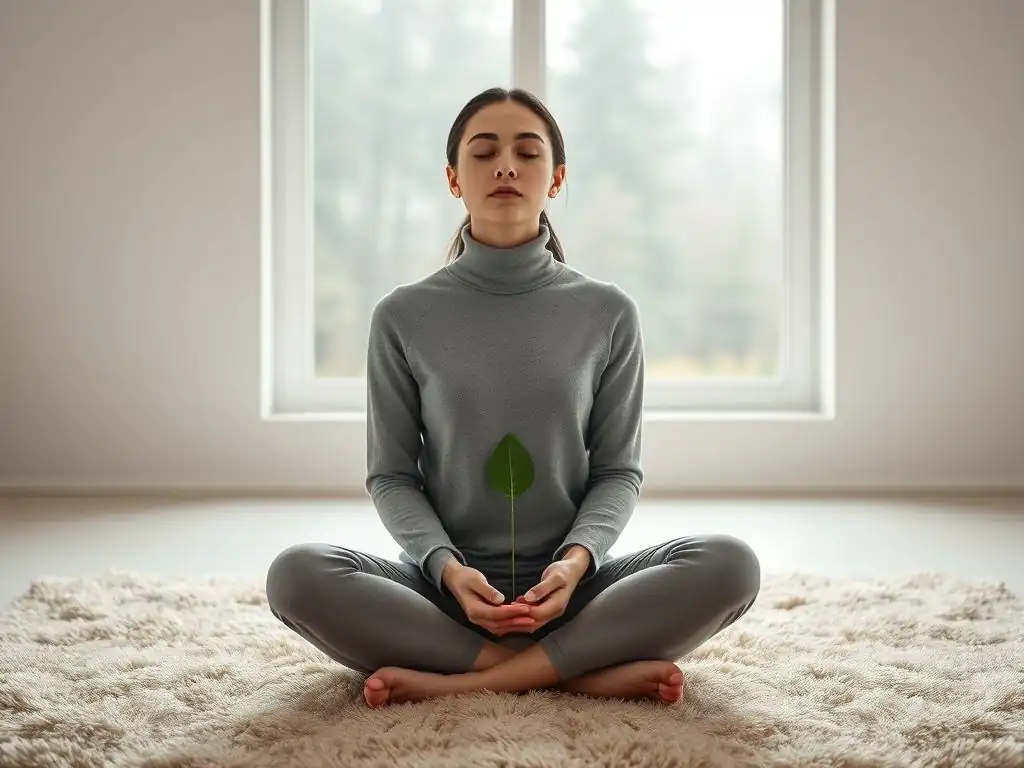
Diaphragmatic Breathing (Belly Breathing)
Diaphragmatic breathing, also known as belly breathing, is the foundation of many relaxation techniques. It involves engaging the diaphragm, a large, dome-shaped muscle located at the base of the chest cavity that helps you inhale and exhale. Unlike shallow chest breathing, which uses smaller muscles in the chest and shoulders, diaphragmatic breathing allows for a deeper, more complete exchange of oxygen and carbon dioxide. This method is highly effective for reducing stress and activating the relaxation response, making it a primary technique when seeking to use deep breathing to reduce performance anxiety.
Practicing diaphragmatic breathing regularly strengthens the diaphragm and makes this type of breathing more automatic, even when you're not actively thinking about it. It's a fundamental skill that improves lung capacity and efficiency, leading to better overall oxygenation and a calmer nervous system over time. While it might feel awkward at first, especially if you're used to chest breathing, consistent practice makes it feel natural and significantly enhances your ability to manage stress and anxiety in high-pressure situations.
Step-by-Step Guide to Diaphragmatic Breathing
- Find a comfortable position: You can sit upright in a chair with your feet flat on the floor or lie down on your back with your knees bent and a pillow under your head.
- Place your hands: Put one hand on your upper chest and the other just below your rib cage, on your abdomen. This helps you feel the movement of your diaphragm.
- Inhale slowly through your nose: Feel your abdomen rise as you inhale. Your chest hand should remain relatively still. Imagine filling your belly with air like a balloon.
- Exhale slowly through your mouth: Purse your lips slightly and gently let the air out. Feel your abdomen fall. The hand on your abdomen should move inward.
- Focus on the breath: Pay attention to the sensation of air entering and leaving your body and the movement of your abdomen. Try to make your exhale longer than your inhale, if comfortable.
- Repeat: Continue for 5-10 minutes, or until you feel calmer.
**Diaphragmatic Breathing Steps Checklist:**

- [ ] Find comfortable position (sitting or lying).
- [ ] Place one hand on chest, one on abdomen.
- [ ] Inhale slowly through nose, feel abdomen rise.
- [ ] Exhale slowly through mouth with pursed lips, feel abdomen fall.
- [ ] Keep chest relatively still.
- [ ] Focus on breath and abdominal movement.
- [ ] Aim for longer exhales if comfortable.
- [ ] Repeat for desired duration (e.g., 5-10 minutes).
Benefits of Diaphragmatic Breathing
The benefits of consistent diaphragmatic breathing practice are extensive, particularly for managing performance anxiety. Physiologically, it lowers heart rate, reduces blood pressure, and decreases levels of stress hormones like cortisol. By improving oxygen exchange, it can alleviate symptoms like dizziness and shortness of breath often experienced during anxiety spikes. It also promotes better posture and can reduce muscle tension in the neck and shoulders.
Mentally, diaphragmatic breathing provides a powerful anchor to the present moment, helping to interrupt the cycle of anxious rumination about future performance. The focus required for this technique shifts attention away from worrying thoughts, promoting a sense of calm and control. Many individuals report feeling more grounded and centered after just a few minutes of practice. Integrating this form of deep breathing to reduce performance anxiety makes you more resilient in stressful situations.
Box Breathing (Square Breathing)
Box breathing, also known as square breathing, is a simple yet highly effective technique for calming the nervous system and improving focus. It involves breathing in, holding, breathing out, and holding again, each for the same count, typically four seconds. The name comes from visualizing a box or square, moving along each side with each phase of the breath cycle. This rhythmic, paced breathing helps regulate the autonomic nervous system, pulling you out of the stress response.
This technique is particularly useful in high-pressure situations because the counting provides a mental anchor and structure, making it easier to focus and control the breath even when feeling panicked. It's often used by military personnel, athletes, and first responders in stressful environments to maintain composure and mental clarity. Learning box breathing is an excellent way to leverage deep breathing to reduce performance anxiety quickly and effectively.
How to Perform Box Breathing
- Exhale completely: Let all the air out of your lungs.
- Inhale slowly through your nose: Count to four as you inhale. Feel your lungs fill with air.
- Hold your breath: Hold the air in your lungs for a count of four.
- Exhale slowly through your mouth: Count to four as you exhale, letting all the air out.
- Hold your breath again: Hold your breath with empty lungs for a count of four.
- Repeat: Start the cycle again by inhaling for four. Continue for several rounds, focusing on the count and the sensation of your breath.
You can adjust the count (e.g., to 3 or 5) based on your comfort level, but the key is to keep all four sides of the "box" the same length. Aim for smooth transitions between phases.
Using Box Breathing to Improve Concentration and Reduce Stress
Box breathing is particularly effective for improving concentration because the counting and structured pauses require mental engagement, pulling focus away from distractions and anxious thoughts. The brief holds at the top and bottom of the breath cycle can create a moment of stillness, further settling the mind. This heightened focus is invaluable before a performance or test, allowing you to center yourself and direct your energy towards the task at hand rather than your internal fears.
From a stress reduction standpoint, the rhythmic nature of box breathing signals safety to your nervous system. The controlled pace slows your heart rate and breathing rate, counteracting the physiological symptoms of anxiety. The equal inhale and exhale, combined with the holds, helps balance the sympathetic and parasympathetic nervous systems. Practicing box breathing is a direct method for using deep breathing to reduce performance anxiety by imposing calm and order onto a chaotic internal state.
Alternate Nostril Breathing (Nadi Shodhana Pranayama)
Alternate Nostril Breathing, known as Nadi Shodhana in Sanskrit, is a yogic breathing technique that is highly regarded for its ability to calm the mind, reduce anxiety, and balance the body's energy channels. It involves breathing through one nostril at a time, alternating between them in a specific pattern. This practice is believed to harmonize the left and right hemispheres of the brain, promoting a state of mental clarity and emotional equilibrium. It's a more involved technique but offers profound benefits for using deep breathing to reduce performance anxiety and improve overall well-being.
While the physiological mechanisms are still being researched, the rhythmic, controlled nature of Nadi Shodhana, combined with the gentle pressure on the nostrils, appears to have a significant calming effect on the nervous system. Many practitioners report feeling more centered, less stressed, and mentally sharper after practicing this technique. It's an excellent tool to use in the hours or minutes before a performance to settle nerves and achieve a focused, balanced state.
Instructions for Practicing Alternate Nostril Breathing
- Find a comfortable seated position: Sit upright with a straight spine.
- Hand position (Vishnu Mudra): Rest your left hand on your lap. With your right hand, curl your index and middle fingers into your palm, leaving your thumb, ring finger, and pinky finger extended. (You can also use your index and middle finger to rest gently on your forehead between the eyebrows if that's more comfortable).
- Close the right nostril: Use your right thumb to gently close your right nostril.
- Inhale through the left nostril: Inhale slowly and deeply through your open left nostril.
- Close the left nostril: Use your right ring finger (and pinky if needed) to close your left nostril. Release the thumb from the right nostril.
- Exhale through the right nostril: Exhale slowly and completely through your open right nostril.
- Inhale through the right nostril: Inhale slowly and deeply through your open right nostril.
- Close the right nostril: Use your right thumb to close your right nostril. Release the ring finger from the left nostril.
- Exhale through the left nostril: Exhale slowly and completely through your open left nostril.
- Repeat: This completes one round. Continue for 5-10 rounds, alternating the nostril you inhale and exhale through after each breath.
**Alternate Nostril Breathing Steps:**

1.  Sit comfortably, spine straight.
2.  Right hand in Vishnu Mudra (or other comfortable position).
3.  Close right nostril with thumb.
4.  Inhale left.
5.  Close left nostril with ring finger, release thumb.
6.  Exhale right.
7.  Inhale right.
8.  Close right nostril with thumb, release ring finger.
9.  Exhale left.
10. Repeat cycle (Steps 3-9).
Benefits of Nadi Shodhana for Emotional Regulation and Anxiety
Nadi Shodhana is particularly potent for emotional regulation. By balancing the breath flow through both nostrils, it is said to balance the Ida and Pingala nadis (energy channels) in yogic philosophy, which are associated with the parasympathetic and sympathetic nervous systems, respectively. While this is a traditional explanation, the physiological effect of the slow, controlled, and alternating breath pattern is undeniably calming. It helps to quiet the mental chatter that often accompanies performance anxiety and promotes a state of inward focus.
Regular practice of Alternate Nostril Breathing can reduce overall stress levels and improve resilience to anxious triggers. It enhances lung capacity and promotes efficient oxygen use, contributing to a sense of calm. Many individuals find that even a few minutes of Nadi Shodhana can significantly decrease feelings of overwhelm and irritability, replacing them with a sense of peace and mental clarity. This makes it an invaluable technique for using deep breathing to reduce performance anxiety and achieve emotional balance before stepping into the spotlight.
Quick Calming Breath: The 4-7-8 Technique
The 4-7-8 breathing technique, popularized by Dr. Andrew Weil, is a simple yet powerful method designed to relax the nervous system quickly. It acts as a natural tranquilizer for the nervous system, helping to calm the mind and body rapidly. The technique involves inhaling for a count of four, holding the breath for a count of seven, and exhaling completely for a count of eight. This specific ratio is key to its effectiveness.
The extended exhale in the 4-7-8 technique is particularly effective at stimulating the vagus nerve and promoting relaxation. The hold after the inhale allows for greater oxygen absorption, while the long exhale helps expel carbon dioxide and signals the body to relax. The counting provides a mental distraction from anxious thoughts. This method is incredibly portable and can be done anywhere, making it ideal for immediate relief when performance nerves strike. It's a go-to technique for using deep breathing to reduce performance anxiety on the spot.
Mastering the 4-7-8 Breathing Method
- Find a comfortable position: Sit or lie down with a straight back.
- Exhale completely: Let all the air out of your lungs with a whooshing sound.
- Inhale quietly through your nose: Count silently to four as you inhale.
- Hold your breath: Hold your breath for a count of seven.
- Exhale completely through your mouth: Make a whooshing sound as you exhale slowly for a count of eight.
- Repeat: This completes one cycle. Repeat for a total of four cycles when you are starting out. You can gradually increase the number of cycles as you become more comfortable.
It's important to keep the ratio consistent (4:7:8), even if you need to shorten the counts (e.g., 2:3.5:4, although 4:7:8 is recommended). The key is the length of the exhale relative to the inhale and hold. Practice this technique regularly, even when you're not anxious, to make it more effective when you need it most.
When and How to Use the 4-7-8 Breath for Immediate Anxiety Relief
The 4-7-8 technique is designed for rapid anxiety relief, making it perfect for the moments just before a performance, test, or presentation. It can be used discreetly while sitting in a waiting room, standing backstage, or even at your desk. Because it's so quick and requires no special equipment or posture (though sitting upright is best), you can deploy it the moment you feel performance nerves starting to escalate.
Use it when you notice physical symptoms like a racing heart, trembling, or shortness of breath, or when your mind starts spinning with anxious thoughts. Aim for four cycles initially. The effects are often felt almost immediately, helping to slow your heart rate, calm your mind, and restore a sense of control. Regularly practicing this form of deep breathing to reduce performance anxiety means you have a reliable tool ready whenever you feel stress building.
Integrating Breathing Exercises into Your Performance Routine
Creating a Pre-Performance Breathing Ritual
Developing a consistent pre-performance ritual that includes breathing exercises can significantly help manage nerves. A ritual provides a sense of control and predictability in a potentially unpredictable situation. It signals to your body and mind that it's time to transition from anxiety to focus. This ritual doesn't have to be long; even 5-10 minutes dedicated to specific breathing techniques can make a profound difference. For example, an actor might spend 10 minutes in their dressing room practicing diaphragmatic breathing, followed by a few rounds of box breathing, before going on stage.
The key is consistency. Perform the same ritual before every practice session, rehearsal, or low-stakes performance, not just before the big event. This helps condition your body to associate the breathing exercises with preparing for performance, making the calming effect more automatic over time. Incorporating deep breathing to reduce performance anxiety becomes a natural part of your preparation, just like warming up your voice or stretching your muscles.
Combining Breathing with Visualization and Positive Affirmations
Breathing exercises become even more powerful when combined with other calming techniques like visualization and positive affirmations. While practicing deep breathing, you can simultaneously visualize a successful performance, picturing yourself calm, confident, and executing flawlessly. Engage all your senses in this visualization – see the environment, hear the sounds (like applause or a test ticking), feel the sensations of ease and competence.
Adding positive affirmations reinforces this mental state. While inhaling, you might think "I am calm," and while exhaling, "I release fear." Or, during a hold, repeat a phrase like "I am prepared," or "I am capable." This combination of physiological regulation through deep breathing and positive mental programming through visualization and affirmations creates a holistic approach to managing performance nerves, tackling both the physical symptoms and the negative thought patterns. This layered strategy significantly enhances your ability to use deep breathing to reduce performance anxiety effectively.
Regular Practice for Long-Term Anxiety Management
While breathing exercises offer immediate relief, their true power for performance anxiety management is unlocked through regular, consistent practice. Think of breathing exercises like training for a marathon – a single run won't make you race-ready, but consistent training over time builds endurance and strength. Daily practice, even just for 5-15 minutes, strengthens the connection between your conscious breath control and your nervous system's relaxation response.
Regular practice makes it easier to access the calming benefits when you are under pressure. Your body will respond more quickly and effectively to the breathing techniques. Furthermore, consistent practice can lower your baseline anxiety levels over time, making you less susceptible to intense performance nerves in the first place. Integrating deep breathing to reduce performance anxiety should be viewed as an ongoing wellness practice, not just a quick fix for acute stress.
Complementary Strategies for Performance Anxiety
Mindfulness and Meditation
Mindfulness and meditation are powerful complements to breathing exercises for managing performance anxiety. Mindfulness is the practice of bringing your attention to the present moment without judgment. This involves noticing your thoughts, feelings, and bodily sensations (like your breath) as they arise, without getting carried away by them. By cultivating mindfulness, you become more aware of the early signs of performance anxiety and can intervene with breathing techniques before the anxiety escalates.
Meditation, particularly practices focused on breath awareness, deepens this ability. Regular meditation trains your mind to stay present and reduces the tendency to ruminate on future worries or past mistakes. It builds a greater tolerance for uncomfortable feelings, including anxiety, allowing you to experience performance nerves without being overwhelmed by them. Combining daily meditation with targeted deep breathing techniques offers a robust defense against performance anxiety.
Cognitive Behavioral Therapy (CBT) Techniques
Cognitive Behavioral Therapy (CBT) is a highly effective therapeutic approach for anxiety disorders, including performance anxiety. CBT helps individuals identify and challenge negative thought patterns and beliefs that contribute to their anxiety. Techniques involve recognizing distorted thinking (e.g., "If I make one mistake, everyone will think I'm a failure"), evaluating the evidence for and against these thoughts, and replacing them with more realistic and balanced perspectives.
CBT also incorporates behavioral strategies, such as gradual exposure to performance situations, starting with less anxiety-provoking scenarios and working up to more challenging ones. Learning CBT techniques provides mental tools to manage the psychological component of performance anxiety, which pairs well with the physiological regulation offered by deep breathing exercises. Using deep breathing to reduce performance anxiety is enhanced when combined with the mental restructuring provided by CBT.
The Role of Physical Exercise
Regular physical exercise is a widely recognized stress reliever and can play a significant role in managing performance anxiety. Physical activity reduces stress hormones like cortisol and adrenaline and stimulates the production of endorphins, which are natural mood boosters and pain relievers. Engaging in regular exercise also improves sleep quality, which is crucial for managing anxiety, and provides a healthy outlet for nervous energy.
Incorporating aerobic exercise, strength training, or activities like yoga (which often includes breathing practices) into your routine can lower your overall anxiety levels and improve your body's ability to cope with stress. For example, a musician who exercises regularly might find their physical symptoms of performance anxiety are less intense. Physical fitness builds resilience, both physically and mentally, making it easier to face performance situations with greater calm. This physical conditioning supports your efforts to use deep breathing to reduce performance anxiety by creating a more stable baseline.
Troubleshooting and Common Mistakes
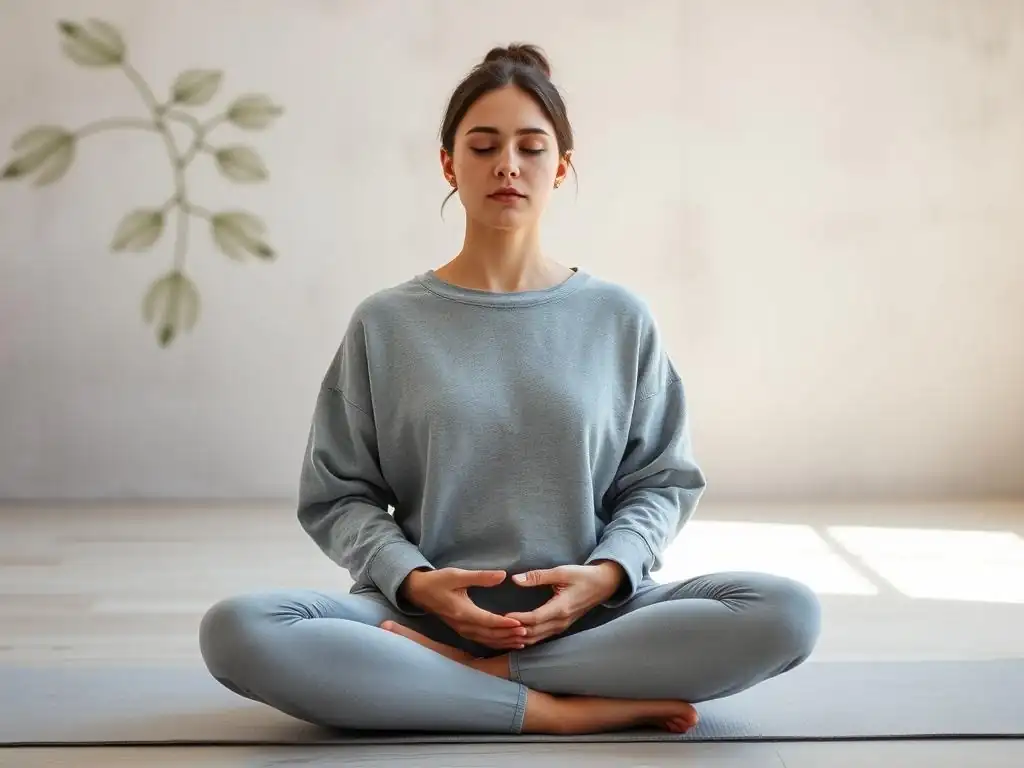
Addressing Challenges in Mastering Breathing Techniques
Mastering deep breathing techniques takes practice, and it's common to encounter challenges. One frequent issue is feeling more anxious or even dizzy when first trying deep, slow breathing. This can happen if you're not used to breathing this way or if you are inadvertently hyperventilating by breathing too quickly or deeply initially. If this occurs, return to your normal breathing pace and try again with shallower breaths, gradually increasing depth and length as you feel comfortable.
Another challenge is finding the time and space to practice consistently. Integrating short breathing breaks throughout your day, even just 1-2 minutes at a time, can help build the habit. Difficulty concentrating during practice is also common; the mind wanders. Gently bring your focus back to your breath each time it drifts away, without judgment. Remember that improvement is gradual, and patience is key. Persistence in practicing deep breathing to reduce performance anxiety will pay off over time.
Avoiding Hyperventilation and Other Potential Pitfalls
While deep breathing is generally safe, improper technique can sometimes lead to hyperventilation, which is breathing too rapidly or deeply, causing an imbalance of oxygen and carbon dioxide. Symptoms include lightheadedness, dizziness, tingling in the hands or feet, and shortness of breath – ironically, some symptoms of anxiety itself. To avoid this, focus on slow, controlled breaths, especially emphasizing the exhale. Never force your breath or hold it for an uncomfortable amount of time.
Another pitfall is expecting breathing exercises to be a magical cure-all. While highly effective, they are one tool among many for managing performance anxiety. Relying solely on breathing without addressing underlying cognitive issues or lifestyle factors may limit their impact. It's also important not to get discouraged if a technique doesn't work immediately in a high-stress situation. Consistency in practice makes the techniques more reliable when you need them most. Approach using deep breathing to reduce performance anxiety as part of a broader strategy.
When to Seek Professional Help
While breathing exercises and other self-help strategies are incredibly valuable, there are times when performance anxiety is severe enough to warrant professional help. If your anxiety is debilitating, preventing you from participating in important performances or activities, or significantly impacting your quality of life, it's time to consult a mental health professional. This could include therapists specializing in anxiety disorders, sports psychologists (for athletes), or performance coaches.
Signs that professional help might be needed include persistent, overwhelming fear; panic attacks before or during performances; avoidance of necessary situations (like tests or presentations); significant physical symptoms that don't subside with self-help; or if the anxiety is accompanied by depression or other mental health concerns. A therapist can provide personalized strategies, such as CBT, exposure therapy, or explore underlying issues contributing to the anxiety. Combining professional guidance with the practice of deep breathing to reduce performance anxiety can lead to the most effective and sustainable outcomes.
Case Studies: Real-World Examples
Opera Singer Using Diaphragmatic Breathing to Control Stage Fright
Consider the case of Maria, a talented opera singer who struggled with severe stage fright. Before performances, her voice would tremble, her breath would become shallow, and she'd experience intense nausea. These physical symptoms significantly impacted her vocal control and confidence on stage. Through working with a vocal coach who also incorporated mind-body techniques, Maria focused intensely on mastering diaphragmatic breathing.
Her coach explained how deep, belly breathing was essential not only for vocal power but also for calming the nervous system. Maria began practicing diaphragmatic breathing for 15 minutes daily, and added 5 minutes specifically before rehearsals and performances. She learned to feel her abdomen expand on the inhale and contract on the exhale, ensuring her chest remained relatively still. Over several months, Maria noticed a dramatic reduction in her physical symptoms.
Her heart rate remained steadier, the trembling decreased significantly, and the nausea subsided. She reported feeling more grounded and present on stage, able to focus on her performance rather than her fear. This consistent application of deep breathing helped Maria effectively reduce performance anxiety and reclaim her powerful voice.
Basketball Player Utilizing Box Breathing for Focus During Free Throws
Michael, a college basketball player, consistently struggled with making free throws during crucial game moments. Despite excellent shooting skills in practice, the pressure of the game, particularly with the crowd watching during free throws, caused his mind to race and his body to tense up, leading to missed shots. His sports psychologist introduced him to box breathing as a technique to manage this specific high-pressure scenario.
Michael started practicing box breathing (inhale 4, hold 4, exhale 4, hold 4) during practice free throws, training himself to use the technique as part of his pre-shot routine. Before stepping up to the free-throw line in a game, he would take one or two rounds of box breathing, focusing intently on the count and the rhythm. This simple ritual provided a mental break from the pressure and helped him regain focus and control his physical tension.
His coach noted an improvement in his free-throw percentage in clutch situations, attributing it partly to his newfound ability to use deep breathing to reduce performance anxiety and maintain composure under pressure. While specific stats are confidential, anecdotal evidence across sports suggests such techniques can improve performance under pressure by several percentage points.
CEO Applying 4-7-8 Breathing to Calm Nerves Before Presentations
Sarah, a CEO, frequently had to deliver high-stakes presentations to investors and her board. Although experienced, she still suffered from significant nerves beforehand, experiencing a racing heart and difficulty organizing her thoughts clearly. She sought a quick, discreet method to calm herself down in the minutes before stepping onto the stage or into the boardroom. She learned the 4-7-8 breathing technique.
Sarah began using the 4-7-8 breath (inhale 4, hold 7, exhale 8) while waiting in the green room or even sitting at the conference table before her turn to speak. She would perform just four cycles, focusing on the long, calming exhale. She found this technique incredibly effective for quickly lowering her heart rate and clearing her mind.
It allowed her to transition from a state of anxiety to one of focused readiness. She reported feeling significantly calmer and more articulate during her presentations, able to deliver her message with greater confidence and impact. This illustrates how even a busy professional can effectively use deep breathing to reduce performance anxiety in critical business settings.
Conclusion: Empowering Yourself with Breathing for Confident Performance
Performance anxiety is a common challenge, but it doesn't have to hold you back. Understanding its physical and psychological roots is the first step towards managing it effectively. By exploring the science behind how deep breathing reduces performance anxiety – its impact on the vagus nerve, the relaxation response, and the physiological benefits – you gain insight into a powerful, accessible tool. Techniques like diaphragmatic breathing, box breathing, alternate nostril breathing, and the 4-7-8 method offer concrete ways to regulate your nervous system and counteract the stress response.
Integrating these breathing exercises into a pre-performance routine, combined with practices like visualization and mindfulness, builds resilience and confidence. While challenges may arise, consistent practice is key to mastering these skills. Remember that breathing is a fundamental, always-available resource within you. By consciously harnessing the power of your breath, you can significantly reduce performance anxiety, improve focus, and step into performance situations feeling more grounded, capable, and ready to shine. Empower yourself by making deep breathing a cornerstone of your strategy for confident performance.
Frequently Asked Questions
How can deep breathing exercises specifically help with performance anxiety?
Deep breathing activates the parasympathetic nervous system, which counteracts the fight-or-flight response associated with anxiety. This leads to a calming effect, reducing physiological symptoms like rapid heartbeat and sweating.
How often should I practice deep breathing to see a noticeable reduction in my performance anxiety?
Consistency is key. Aim for daily practice, even when not experiencing anxiety. Regular practice builds resilience and makes the technique more effective during moments of stress.
Are there different types of deep breathing exercises, and which is most effective for performance anxiety?
Yes, several exist, including diaphragmatic breathing and box breathing. Diaphragmatic breathing, focusing on belly expansion, is often recommended for its calming and grounding effects on anxiety.
Can deep breathing completely eliminate performance anxiety, or is it just a temporary fix?
Deep breathing is a valuable tool for managing anxiety symptoms, but it's not a cure-all. It's most effective when combined with other strategies like therapy and cognitive restructuring for long-term anxiety management.
What are some common mistakes people make when trying deep breathing for performance anxiety, and how can I avoid them?
Holding your breath or breathing too quickly can worsen anxiety. Focus on slow, controlled breaths and ensure you are exhaling fully to release tension. Avoid forcing the breath.
Final Reflection: Breathing Your Way to Peak Performance
The pervasive nature of performance anxiety is undeniable, impacting individuals across all fields, from athletes to musicians to public speakers. Yet, the simple act of conscious breathing offers a powerful, readily accessible antidote to this crippling fear. This article has explored the science behind how deep breathing techniques can regulate the body's stress response, ultimately reducing the physiological symptoms of anxiety and improving performance. We've examined various techniques, from box breathing to diaphragmatic breathing, highlighting their unique benefits and applications.
The impact of mindful breathing practices extends far beyond the immediate reduction of performance anxiety. It represents a shift in our cultural understanding of stress management, moving away from solely pharmaceutical solutions towards holistic, self-empowering approaches. The breath is the bridge between the mind and body.
This simple yet profound statement encapsulates the transformative power of conscious breathing, allowing us to cultivate a deeper connection with ourselves and our inner resources. The increasing integration of mindfulness and breathing exercises into various aspects of modern life, from workplaces to schools, underscores its growing recognition as a vital tool for well-being.
Now, consider your own experiences with performance anxiety. What triggers your nervousness? What coping mechanisms do you currently employ? I encourage you to experiment with the breathing techniques discussed in this article, integrating them into your daily routine and especially into moments of heightened stress. Don't underestimate the power of this simple, yet profound tool. By mastering your breath, you are not just managing anxiety; you are cultivating a deeper sense of self-awareness, resilience, and ultimately, unlocking your full potential. Begin today, and breathe your way to a calmer, more confident you.
Breathe Your Way to Peak Performance: Take Control Now!
Thanks for taking the time to explore the power of breathing exercises for managing performance anxiety. We hope you gained valuable insights into how simple techniques can significantly impact your well-being. Ready to put this knowledge into practice?
- Prioritize a daily breathing practice: Start with just 5 minutes a day – focus on deep, controlled breaths to center yourself and reduce stress. Even small steps make a big difference!
- Share your experience: Let others know how breathing exercises are helping you manage performance nerves. Inspire them to try it too!
- Experiment with different techniques: Explore variations like box breathing or alternate nostril breathing to find what works best for you. This journey of self-discovery is key!
What's one small breathing exercise you'll try today to calm your nerves and improve your performance?