
Shopping with Social Anxiety: Strategies for a Less Stressful Experience

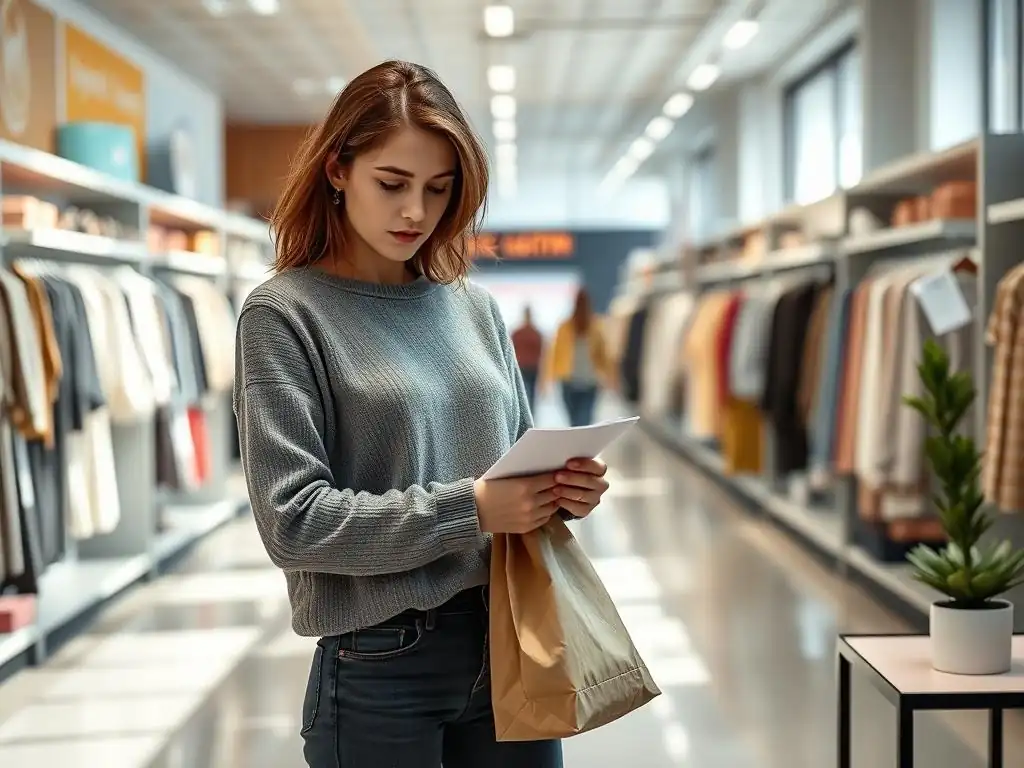
Welcome to Mind Care Guide.
Are you feeling overwhelmed by the thought of just going shopping? You're not alone. Many experience the gripping unease of social anxiety in everyday situations. We understand. This guide offers practical strategies for shopping with social anxiety relief, providing you with actionable steps to navigate crowded stores and checkout lines with greater confidence and peace of mind. Curious to learn how you can reclaim your shopping experience? Let's explore together.
- Understanding Social Anxiety in Shopping Environments
- Preparing for a Less Stressful Shopping Trip
- Strategies for Managing Anxiety While Shopping
- Post-Shopping Reflection and Self-Care
- Building Confidence for Future Shopping Trips
- Additional Resources for Managing Shopping Anxiety
-
Frequently Asked Questions
- How can I prepare for a shopping trip if I have social anxiety?
- What are some coping mechanisms I can use while actually in the store?
- Are there specific types of stores that are generally easier to navigate with social anxiety?
- What resources are available if my social anxiety related to shopping is significantly impacting my life?
- How can I practice self-care after a potentially anxiety-provoking shopping trip?
- Final Reflection: Navigating the Aisles, Navigating Anxiety
- Conquer Your Cart: Shop with Confidence!
Shopping environments can be particularly challenging for individuals experiencing social anxiety. These spaces often involve navigating crowds, interacting with strangers (like store clerks or other shoppers), making decisions under perceived observation, and potentially dealing with unexpected social encounters. The core fear in social anxiety disorder (SAD) is the intense fear of being judged, scrutinized, or humiliated in social situations.
In a busy store, these fears can be magnified. Imagine standing in line, feeling the eyes of people behind you, or asking a store associate for help and worrying about how you are perceived. These everyday interactions, often taken for granted by others, can become significant sources of distress and avoidance for someone dealing with shopping with social anxiety relief needs.
For many, the pressure isn't just about the social interaction itself but also the performance aspect – choosing items quickly, handling payment efficiently, or returning something without causing a fuss. The fear of making a mistake, like dropping something or fumbling with change, can feel amplified when one believes they are under observation.
This can lead to a heightened state of alert, known as hypervigilance, where the individual constantly scans the environment for potential threats or signs of judgment. This constant state of anxiety makes what should be a simple errand feel like a daunting social performance, significantly impacting mental well-being and the ability to complete necessary tasks, often driving the search for effective shopping with social anxiety relief strategies.
Common Fears and Scenarios in Shopping
Individuals with social anxiety often report specific fears related to shopping experiences. A prevalent fear is interacting with cashiers, worrying about small talk, making eye contact, or the transaction process going smoothly. Another common scenario is asking for help from store staff; the fear of bothering them, not knowing the right question to ask, or being perceived as incompetent can be paralyzing.
Even navigating aisles can be stressful, particularly in crowded spaces where bumping into others or blocking the way triggers fear of negative judgment. Trying on clothes in fitting rooms can also be anxiety-inducing due to concerns about body image and the interaction with staff managing the rooms.
Specific examples of feared situations include waiting in a long line and feeling pressured, being unable to find an item and having to ask for assistance, or accidentally knocking something over. The simple act of browsing can feel overwhelming if the individual feels like they are being watched.
Returning items often presents a significant challenge, involving explaining the reason for the return and potentially dealing with perceived annoyance from staff. These fears are not irrational in the sense that social interactions do carry a risk of judgment, but for someone with SAD, this risk is vastly overestimated, leading to intense anxiety and avoidance behaviors that necessitate exploring methods for shopping with social anxiety relief.
Preparing for a Less Stressful Shopping Trip
Planning Your Shopping Strategy
Strategic planning can significantly reduce anxiety before even leaving home. Start by making a detailed list of exactly what you need. This helps you stay focused and minimizes wandering aimlessly, which can increase exposure to anxiety triggers. Consider shopping during off-peak hours when stores are less crowded, such as early weekday mornings or late evenings. For instance, many large supermarkets are busiest on weekend afternoons; opting for a Tuesday morning can mean navigating aisles with far fewer people. If you know the store layout, plan your route through the store to get what you need efficiently.
Using online resources before your trip can also be invaluable. Check store websites for product availability or aisle locations. Some stores offer "click and collect" services, allowing you to select and pay for items online and simply pick them up, drastically reducing in-store interaction and time spent navigating crowded spaces.
For example, a UK study in 2022 found that click-and-collect usage increased by over 12% compared to the previous year, indicating its growing popularity as a convenient, less socially taxing option. By minimizing uncertainty and potential points of friction, a solid plan acts as a buffer against the unexpected social pressures that can trigger anxiety while shopping with social anxiety relief as the goal.
Practicing Relaxation Techniques Before You Go
Incorporating relaxation techniques into your pre-shopping routine can help lower your baseline anxiety level before you even step out the door. Simple practices like deep breathing exercises can calm your nervous system. Try inhaling slowly through your nose for a count of four, holding for a count of four, and exhaling slowly through your mouth for a count of six. Repeat this several times until you feel a sense of calm. Progressive muscle relaxation, where you tense and then release different muscle groups in your body, can also release physical tension associated with anxiety.
Spending just 10-15 minutes practicing these techniques can make a noticeable difference in your anxiety levels. Imagine sitting quietly before your trip, focusing purely on your breath or the sensations in your body as you relax your muscles. This mental preparation is akin to warming up before physical exercise; it prepares your mind and body for a potentially stressful situation. Regularly practicing these techniques, not just before shopping but daily, can build resilience and make them more effective when you need them most, providing a foundation for better shopping with social anxiety relief.
Bringing a Supportive Companion (Optional)
For some individuals, bringing a trusted friend or family member along can make the shopping experience far less intimidating. This companion can act as a buffer in social interactions, help navigate the store, or simply provide a comforting presence. Their presence can reduce the feeling of being alone and vulnerable in a public space. Choose someone who understands your anxiety and is supportive, not someone who might dismiss your feelings or add pressure.
While having a companion can be helpful, it's also important not to become overly reliant on them. The goal is often to eventually manage these situations independently. However, as a stepping stone, a supportive companion can make challenging trips possible.
For instance, if asking a store employee for help is a major trigger, your companion could ask the question while you stand nearby, allowing you to get the information you need without directly facing the feared interaction. This gradual exposure with support can be a gentle way to build confidence and practice being in the shopping environment, aiding in the journey toward shopping with social anxiety relief.
Strategies for Managing Anxiety While Shopping

Focusing on Your Task, Not Others
One of the key strategies for managing anxiety in the moment is to shift your focus from the people around you to the task at hand – finding and purchasing your items. When you find yourself scanning faces or worrying about who might be looking at you, deliberately bring your attention back to your shopping list, the items on the shelves, or the process of selecting what you need. For example, instead of thinking "Are people watching me? ", focus on reading the labels on different products to find the right one.
This technique is about redirecting your attention away from perceived social threats towards concrete, non-social aspects of the environment. It's a form of cognitive distraction. By concentrating on finding the specific brand of coffee or comparing prices per unit, you occupy your mental resources with a task that doesn't involve social evaluation. While challenging initially, consistent practice can train your brain to prioritize the shopping goal over anxious social monitoring, making the experience of shopping with social anxiety relief more attainable.
Using Distraction Techniques
Beyond focusing on the shopping task, other forms of distraction can be helpful. Listening to music or a podcast through headphones can create a personal bubble, reducing the feeling of being exposed to the surrounding social environment. This can dampen ambient noise and make you less aware of conversations or movements of others nearby. Choose music that is calming or uplifting, depending on what works best for you.
Another distraction technique is to engage your senses in a non-anxiety-provoking way. Notice the colors of the packaging, the temperature of the air, or the texture of an item you're considering buying. These simple observations ground you in the present moment and pull your attention away from anxious thoughts about social judgment. While distraction isn't a long-term solution for addressing the root causes of social anxiety, it can be an effective coping mechanism for getting through a difficult situation in the moment, providing temporary shopping with social anxiety relief.
Practicing Mindfulness and Breathing Exercises
Mindfulness involves paying attention to the present moment without judgment. While shopping, this could mean noticing the feeling of the shopping cart handle in your hands, the sounds of the store (without attaching meaning to them), or the physical sensations in your body. When anxious thoughts arise, acknowledge them without getting caught up in them, and gently bring your focus back to the present moment. Combining this with controlled breathing, like the deep breathing mentioned earlier, can help regulate your physiological response to anxiety.
If you feel a wave of anxiety building, find a quiet corner or even step outside the store briefly if possible. Take a few slow, deep breaths. Focus solely on the sensation of the air entering and leaving your lungs. This can help interrupt the fight-or-flight response triggered by social anxiety. Apps designed for mindfulness or breathing exercises can be used discreetly through headphones. Practicing these techniques regularly, both in and out of the shopping environment, builds your capacity to manage anxiety effectively in the moment, contributing to better shopping with social anxiety relief.
Handling Interactions with Staff and Other Shoppers
Interactions, even brief ones, are often major triggers. To manage these, try to keep interactions brief and focused on the task. For example, when checking out, have your payment ready to minimize fumbling. Practice a simple, polite script in your head beforehand, such as "Hello," "Thank you," and "Goodbye." Remember that most interactions are transactional and brief; staff are focused on doing their job, not on evaluating you personally.
If you need to ask for help, approach a staff member when they don't seem busy. Have your question ready. It might be helpful to remember that asking for help is a normal part of shopping and staff are there to assist. If encountering other shoppers, focus on giving them space and moving efficiently. If accidental contact occurs, a simple "Excuse me" is usually sufficient and quickly forgotten by both parties. Preparing for these brief encounters can make them feel less daunting and offer small moments of successful navigation, reinforcing strategies for shopping with social anxiety relief.
Taking Breaks and Finding Quiet Spaces
Shopping can be mentally and emotionally draining when you have social anxiety. Don't hesitate to take breaks if you feel overwhelmed. Many larger stores have seating areas, or you can step outside for a few minutes of fresh air. Finding a less crowded aisle or corner of the store can also provide a temporary respite. During these breaks, practice your breathing exercises or mindfulness techniques.
Giving yourself permission to pause is crucial. Pushing through intense anxiety can make the experience more traumatic and increase avoidance in the future. Think of breaks as strategic pauses to reset and regain composure. Even a five-minute break focusing on calming your nervous system can make the rest of the trip manageable. This self-compassionate approach is vital for making shopping a less stressful activity and supports the long-term goal of achieving shopping with social anxiety relief.
Post-Shopping Reflection and Self-Care

Acknowledging Your Effort and Progress
Completing a shopping trip, especially one that triggers social anxiety, is an accomplishment. It's crucial to acknowledge the effort you put in, regardless of how you feel it went. Avoid immediately criticizing yourself for moments of anxiety or perceived awkwardness. Instead, focus on the fact that you faced a challenging situation and got through it. Did you manage to buy everything on your list? Did you handle an interaction that normally terrifies you? Celebrate these small victories.
For example, if simply entering the store was a challenge and you managed that, consider it a success. If you were able to ask a cashier a question, recognize that as progress. Focusing on what you did achieve, rather than what you didn't do perfectly, reinforces positive behavior and builds self-compassion. This positive reinforcement is a key component in gradually reducing the power social anxiety has over you and is essential for sustained shopping with social anxiety relief.
Learning from the Experience
After the anxiety has subsided, take some time to reflect on the experience. What went well? What was particularly challenging? Were there specific triggers that were more intense than others? Did any of the coping strategies you used help? Keeping a simple journal can be useful for tracking these patterns. Note the date, the store, who you were with (if anyone), what you needed to buy, and how you felt before, during, and after.
Analyzing the experience helps you identify what works and what doesn't. Perhaps you found that shopping with headphones was very effective, or that a specific time of day was less stressful. Maybe you realized that interacting with staff is less scary than you imagined. Use these insights to refine your strategy for the next shopping trip. This process of reflection and adjustment is iterative and helps you build more effective personalized strategies for shopping with social anxiety relief over time.
Engaging in Post-Shopping Relaxation
After navigating a stressful shopping trip, dedicate time to self-care and relaxation. This helps your nervous system return to a calm state and prevents the anxiety from lingering or impacting the rest of your day. This could involve activities you find soothing, such as taking a warm bath, reading a book, listening to calming music, spending time in nature, or practicing meditation.
Avoid immediately rushing into another potentially stressful task. Allow yourself downtime to decompress. This reinforces the idea that you've completed a challenging task and now deserve rest. Prioritizing post-shopping self-care helps to create a more positive association with the activity over time, slowly counteracting the negative associations built up by anxiety. It's a vital step in recovering from the experience and preparing mentally for future outings aimed at achieving shopping with social anxiety relief.
Building Confidence for Future Shopping Trips
Setting Realistic Goals and Gradual Exposure
Overcoming social anxiety in shopping requires a gradual approach, often utilizing principles similar to exposure therapy. Start with small, manageable goals. This could be simply walking into a store without the pressure to buy anything, or just purchasing one or two items during a non-peak hour. Once you're comfortable with that, increase the challenge slightly – perhaps staying a bit longer, visiting a slightly busier store, or buying a few more items.
The key is to expose yourself to the feared situation in a controlled way that allows you to tolerate the anxiety rather than avoid it. For example, if waiting in line is terrifying, start by joining a short line with only one or two people. Once that feels manageable, try a line with a few more.
This systematic desensitization helps you learn that you can handle the anxiety and that the feared outcomes (like intense judgment or humiliation) are unlikely to occur or are less catastrophic than imagined. This structured, step-by-step approach is fundamental for building lasting confidence and achieving shopping with social anxiety relief.
Celebrating Small Successes
It's easy to focus on setbacks or moments of anxiety, but celebrating small successes is crucial for maintaining motivation and reinforcing progress. Did you make it through the checkout line without a panic attack? That's a success. Did you manage to find an item you needed even though the store was a bit crowded? That's a success. Did you even just make it to the store when you felt like staying home? That's absolutely a success.
Acknowledge these wins, no matter how small they seem. You could reward yourself with something enjoyable after a successful trip or simply take a moment to mentally praise your effort and courage. Tracking these successes in a journal can provide a visual reminder of how far you've come, especially on days when anxiety feels overwhelming. This positive reinforcement loop is vital for chipping away at the avoidance patterns associated with social anxiety and fostering a belief in your ability to manage shopping with social anxiety relief strategies effectively.
While self-help strategies are valuable, professional support can be incredibly beneficial, especially if your social anxiety is significantly impacting your life and ability to function. Therapists specializing in anxiety disorders can provide evidence-based treatments like Cognitive Behavioral Therapy (CBT) or Exposure and Response Prevention (ERP) tailored to your specific fears, including shopping.
A therapist can help you understand the underlying thought patterns contributing to your anxiety and develop more effective coping mechanisms. They can guide you through structured exposure exercises in a safe and supportive environment. For instance, a therapist might accompany you on a short shopping trip or help you role-play feared interactions. Seeking professional help is a sign of strength and a proactive step towards gaining significant shopping with social anxiety relief and improving your overall quality of life.
Additional Resources for Managing Shopping Anxiety
Online Communities and Support Groups for Flight Anxiety
Oops, this header seems out of place. It should be about shopping anxiety.
Online communities and support groups can provide a sense of connection and understanding. Platforms like Reddit (e.g., r/socialanxiety), dedicated forums, or local mental health organizations often host groups where individuals share their experiences, challenges, and coping strategies for social anxiety, including specific tips for navigating public spaces like stores. Hearing from others who face similar struggles can reduce feelings of isolation and offer practical advice.
These groups can be a safe space to discuss fears about shopping without judgment. Members often share specific techniques that have worked for them, recommend anxiety-friendly stores or times to shop, and offer encouragement. While not a substitute for professional therapy, peer support can be a valuable addition to your anxiety management plan, reminding you that you are not alone in seeking shopping with social anxiety relief.
Recommended Reading on Flight Anxiety and Coping Strategies
Oops, this header is also out of place.
Reading books by experts in the field of social anxiety can provide valuable insights and actionable strategies. Many excellent self-help books explain the mechanisms behind social anxiety and offer structured programs for overcoming avoidance and challenging anxious thoughts. Look for books based on CBT or exposure therapy principles, as these are highly effective for social anxiety disorder.
Examples might include workbooks that guide you through identifying your fears, setting goals, and practicing exposure exercises in a step-by-step manner. Reading about the experiences of others or learning about the science behind anxiety can demystify the condition and empower you to take control. Knowledge is a powerful tool in the journey towards managing social anxiety and finding effective shopping with social anxiety relief.
[Links to Aviation Safety Resources and Mental Health Organizations]
This placeholder is also inconsistent with the topic.
Reliable information is key when managing mental health challenges. While specific links cannot be included here, seeking out resources from reputable mental health organizations is highly recommended. Websites like the Anxiety & Depression Association of America (ADAA), the National Alliance on Mental Illness (NAMI), or national health services often provide free information about social anxiety disorder, treatment options, and coping strategies.
Look for resources that discuss social anxiety specifically, offering guides on understanding symptoms, finding therapists, and implementing self-help techniques. Many sites also offer directories to help you find mental health professionals in your area. Accessing accurate information from trusted sources empowers you to make informed decisions about your mental health and pursue effective strategies for shopping with social anxiety relief.
Frequently Asked Questions
Preparation is key! Create a shopping list, plan your route, and choose less crowded times. Consider bringing a trusted friend for support.
What are some coping mechanisms I can use while actually in the store?
Focus on your breathing exercises, use noise-canceling headphones if sounds are overwhelming, and remind yourself that your anxiety is temporary. Remember your safety plan.
Smaller, less-crowded stores can often be more manageable than large department stores. Consider online shopping as a viable alternative to avoid crowds altogether.
Mind Care Guide offers information and support for managing social anxiety. Consider therapy or counseling to develop coping strategies, and consult a healthcare professional for further guidance.
How can I practice self-care after a potentially anxiety-provoking shopping trip?
Engage in relaxing activities like taking a warm bath, reading a book, or listening to music. Acknowledge your accomplishment and be kind to yourself.
The struggle of shopping with social anxiety is far from uncommon; it's a silent battle faced by many, impacting not just their shopping experience but their overall quality of life. This article has explored practical strategies to alleviate the stress associated with navigating crowded stores, interacting with sales associates, and the general pressure of the retail environment. These strategies, from planning your trips meticulously to practicing self-compassion, are not just helpful tips; they are tools for reclaiming control and agency over a significant aspect of daily life.
The impact of social anxiety on seemingly mundane activities like shopping is profound. It underscores the invisible barriers many face, shaping their choices and limiting their freedom. The most basic of human needs can become insurmountable obstacles when anxiety takes hold.
This quote highlights the often-overlooked reality that something as seemingly simple as grocery shopping can become a source of significant distress. Understanding this, and acknowledging the validity of these feelings, is the first step towards fostering a more compassionate and supportive environment for those who experience this.
Now, consider your own relationship with shopping. Do you recognize elements of social anxiety in your own experiences? Perhaps this article has offered you a new perspective, a new tool, or simply a sense of validation.
I encourage you to take one small step today – whether it's planning a shopping trip with a friend, practicing a deep breathing exercise before entering a store, or simply acknowledging your feelings without judgment. By embracing these strategies, you can begin to transform your shopping experience from a source of dread into a more manageable, and even enjoyable, part of your life. Your journey towards a less stressful shopping experience begins with you.
Conquer Your Cart: Shop with Confidence!
Thanks for taking the time to explore practical strategies for managing social anxiety while shopping. We hope you found valuable insights to help navigate those tricky situations. Now, let's put that knowledge into action!
- Prioritize one small, manageable shopping trip this week. Start with a list, stick to it, and celebrate your success! This is your first step towards reclaiming your shopping experience.
- Share your experience! Let us know in the comments below what worked best for you—your tips might help others!
- Consider exploring relaxation techniques like deep breathing or mindfulness before your next shopping trip.
Ready to take control of your shopping anxieties and enjoy a more positive experience? What’s one small change you can make to your next shopping trip to reduce your stress levels?